
Before pricing work, identify how the building operates and which roof areas protect that activity. Waterbury's central city mixes finance, health care, civic functions, and higher education, while industrial land follows the Naugatuck River and extends to the southeast. Access, occupied hours, loading, and equipment needs vary by property. We map the condition by building and roof zone before setting repair, recover, or replacement scope.
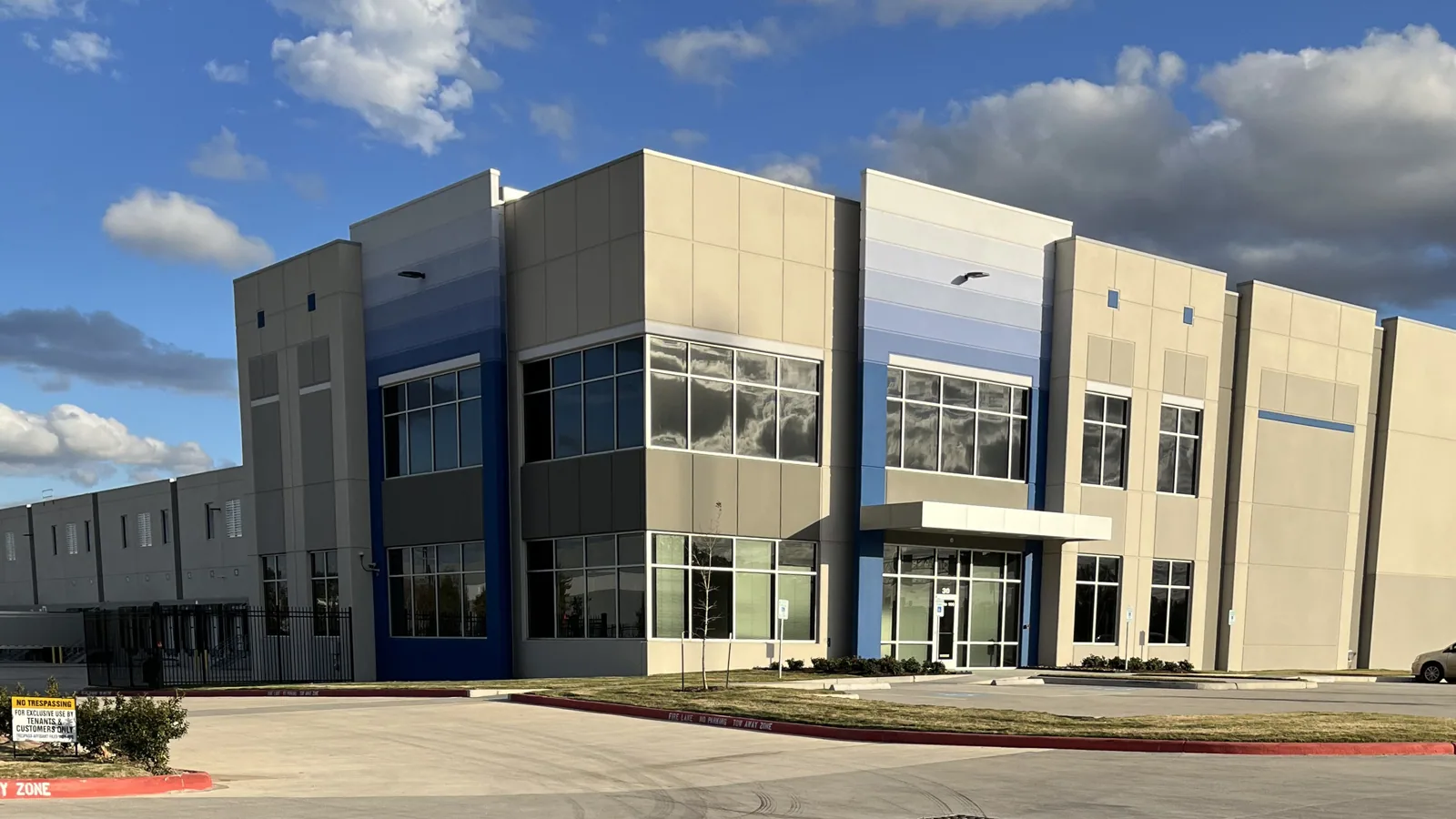
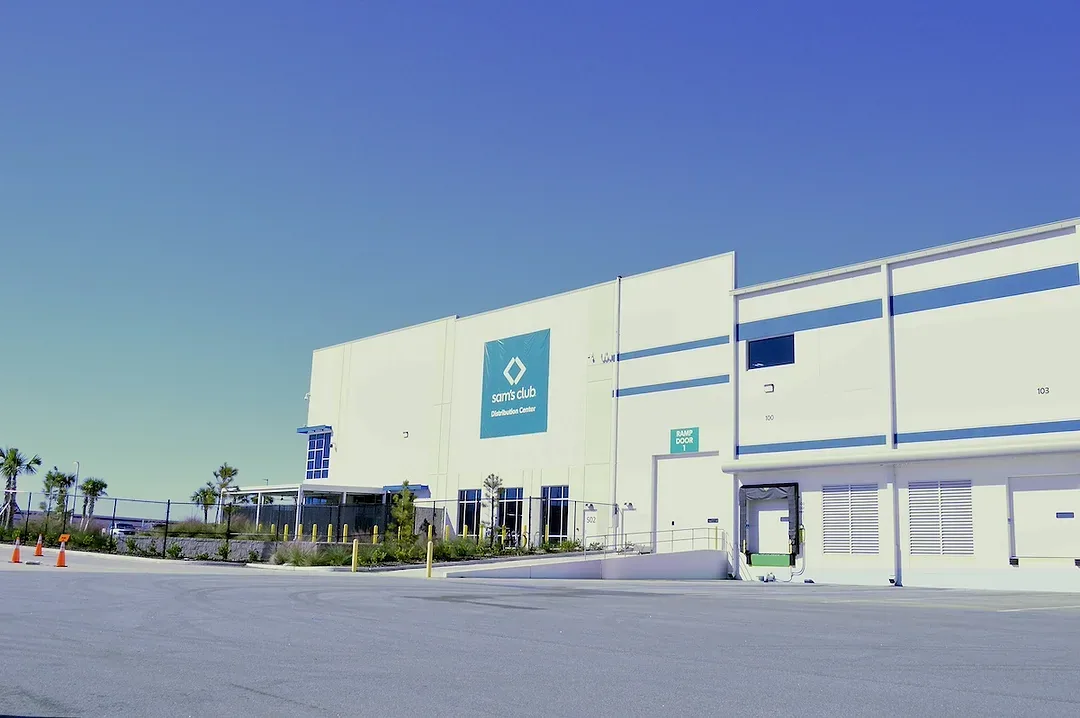
Distribution Center Roofing in Waterbury, CT
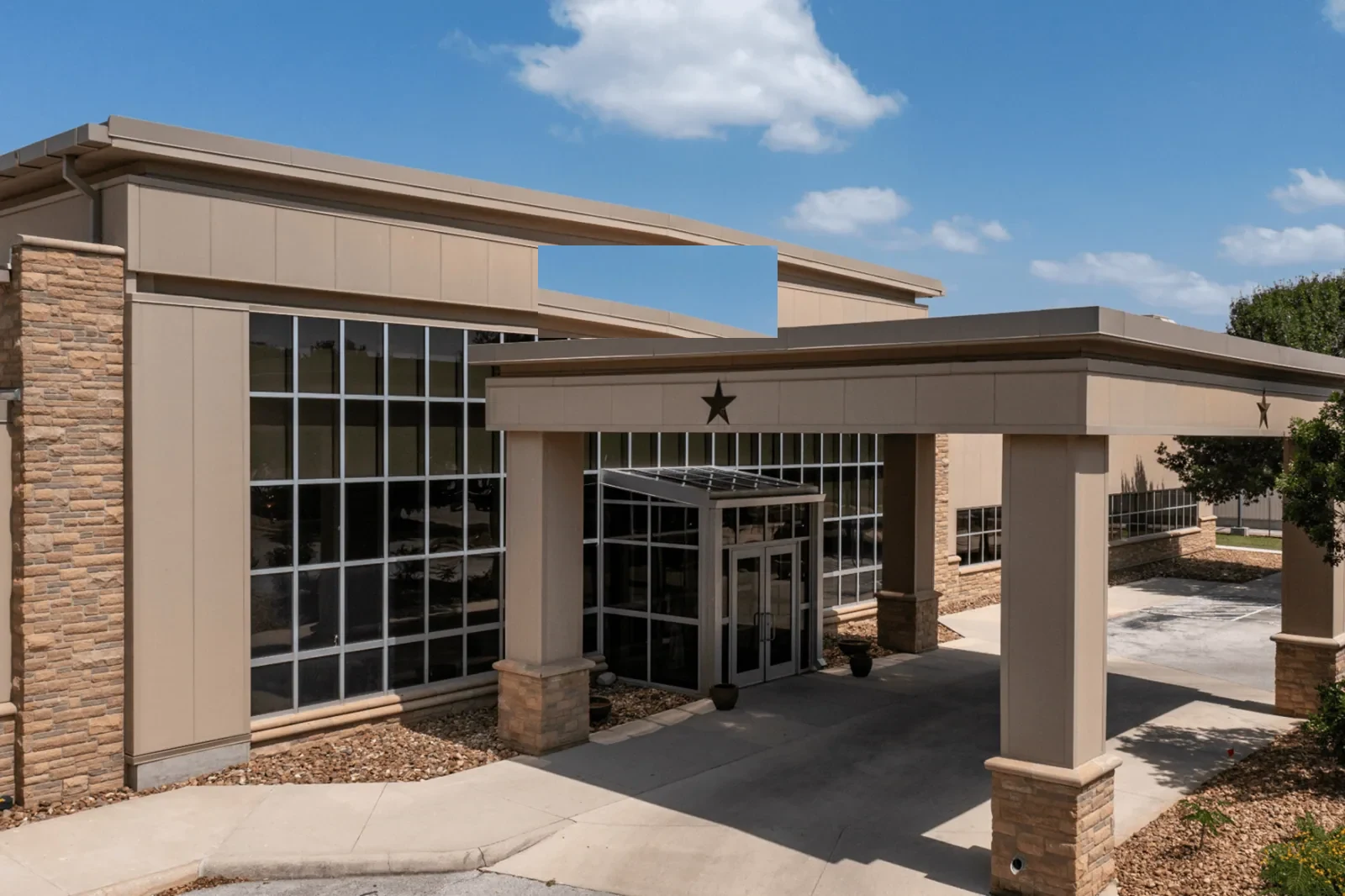
Manufacturing Plant Roofing in Waterbury, CT
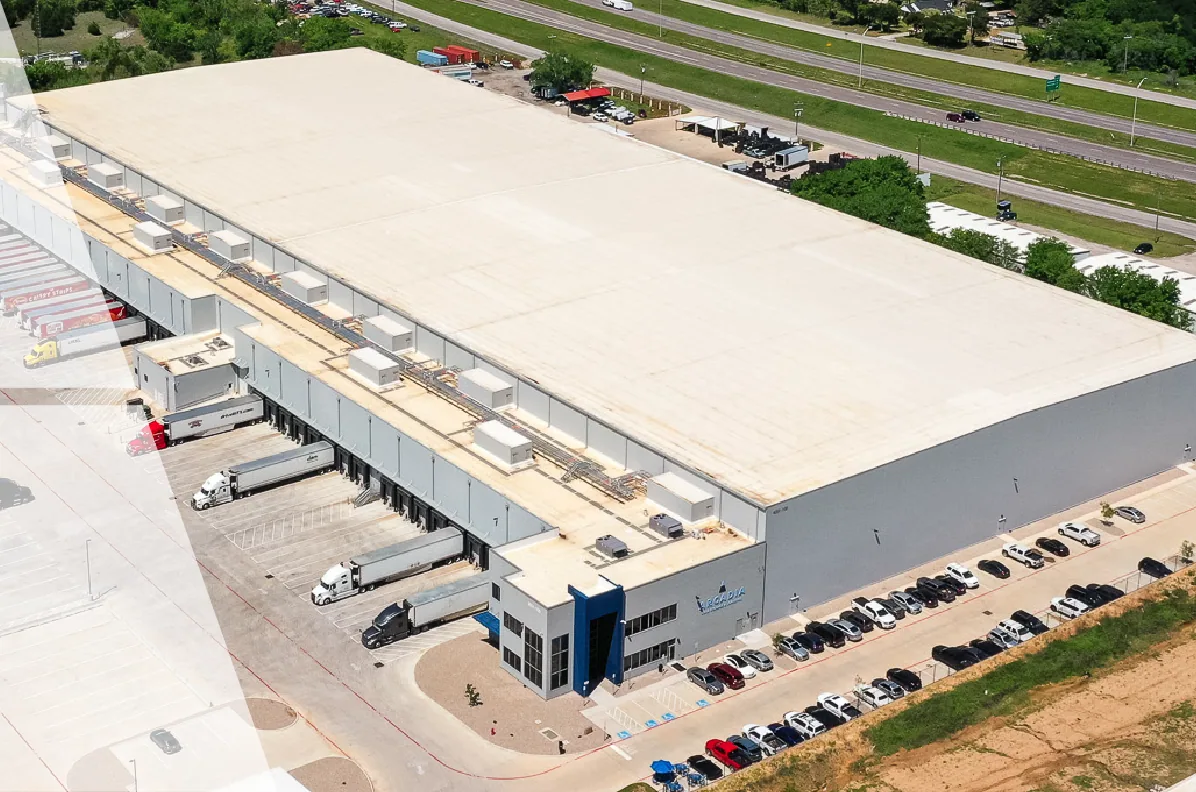
Cold Storage and Freezer Roofing in Waterbury, CT
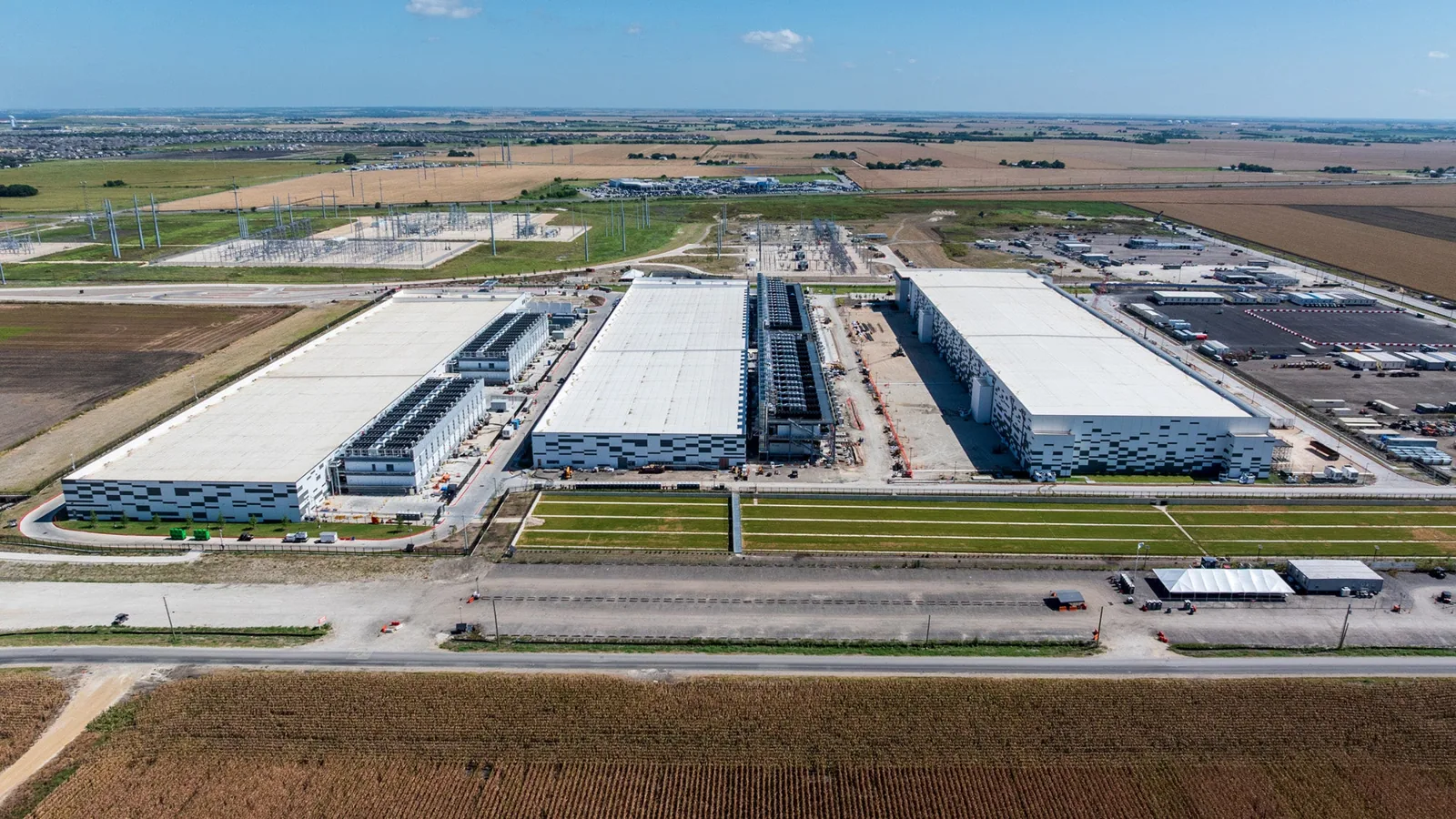
Data Center Roofing in Waterbury, CT
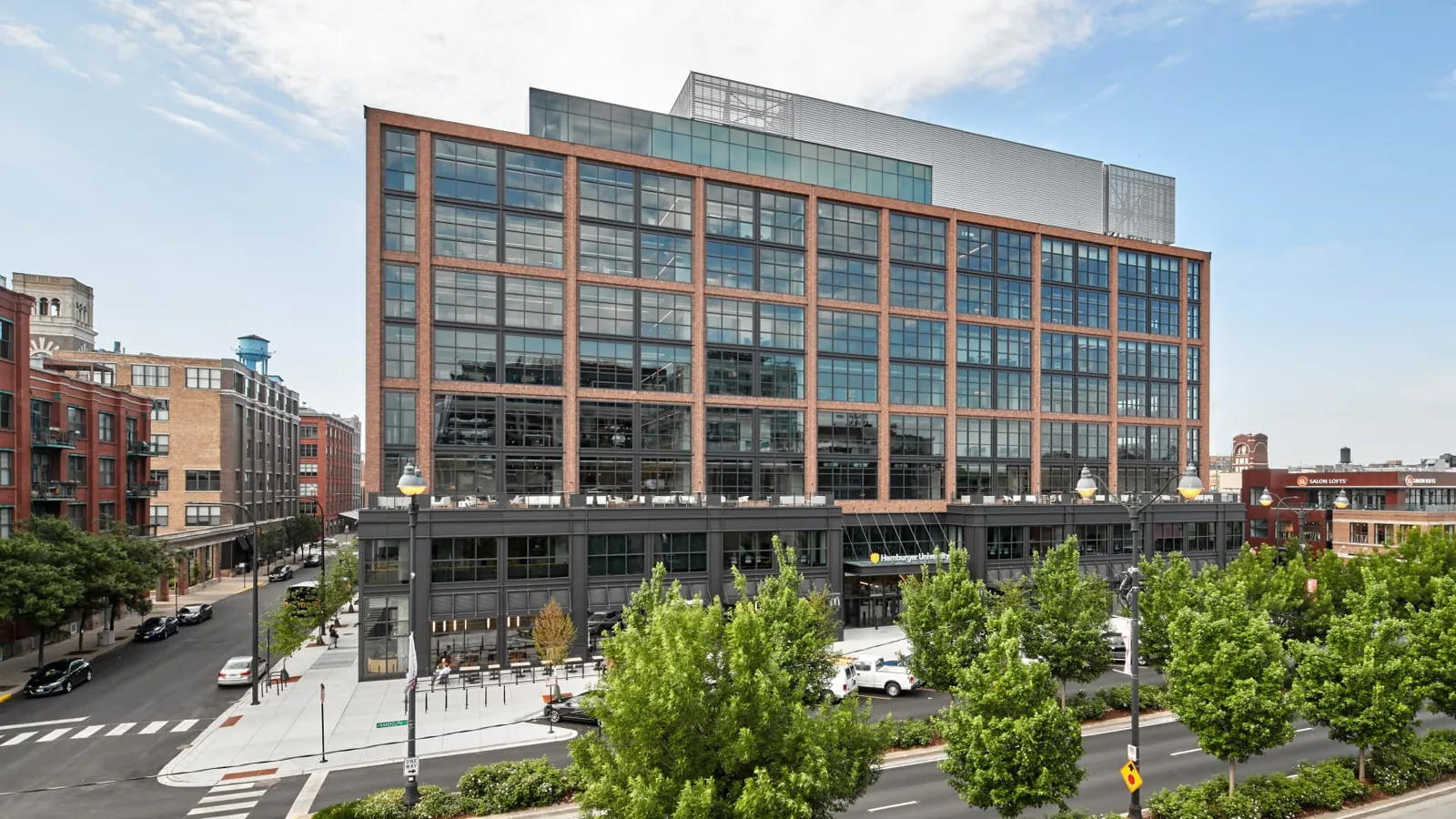
Office Building Roofing in Waterbury, CT
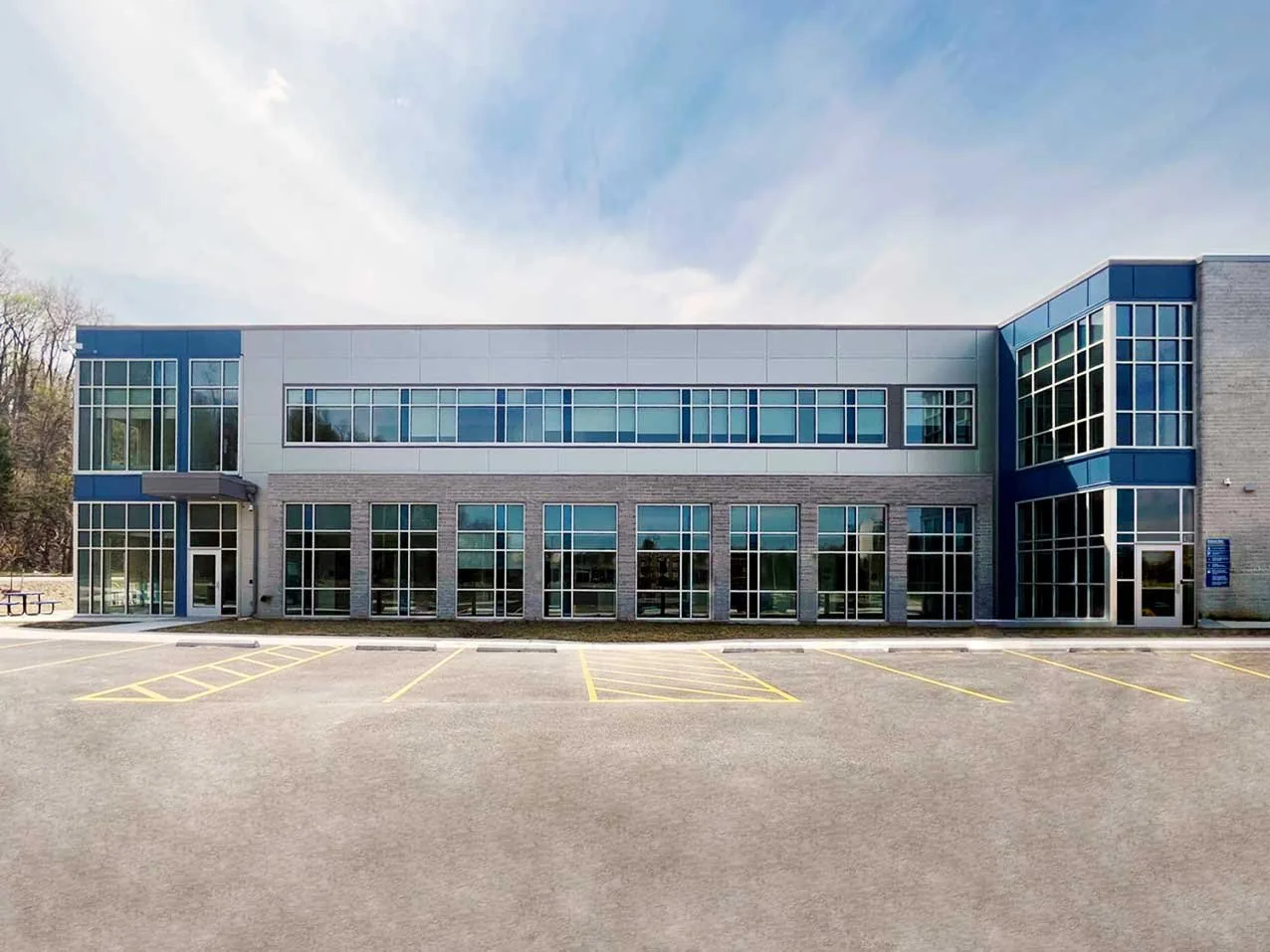
Medical Office Roofing in Waterbury, CT
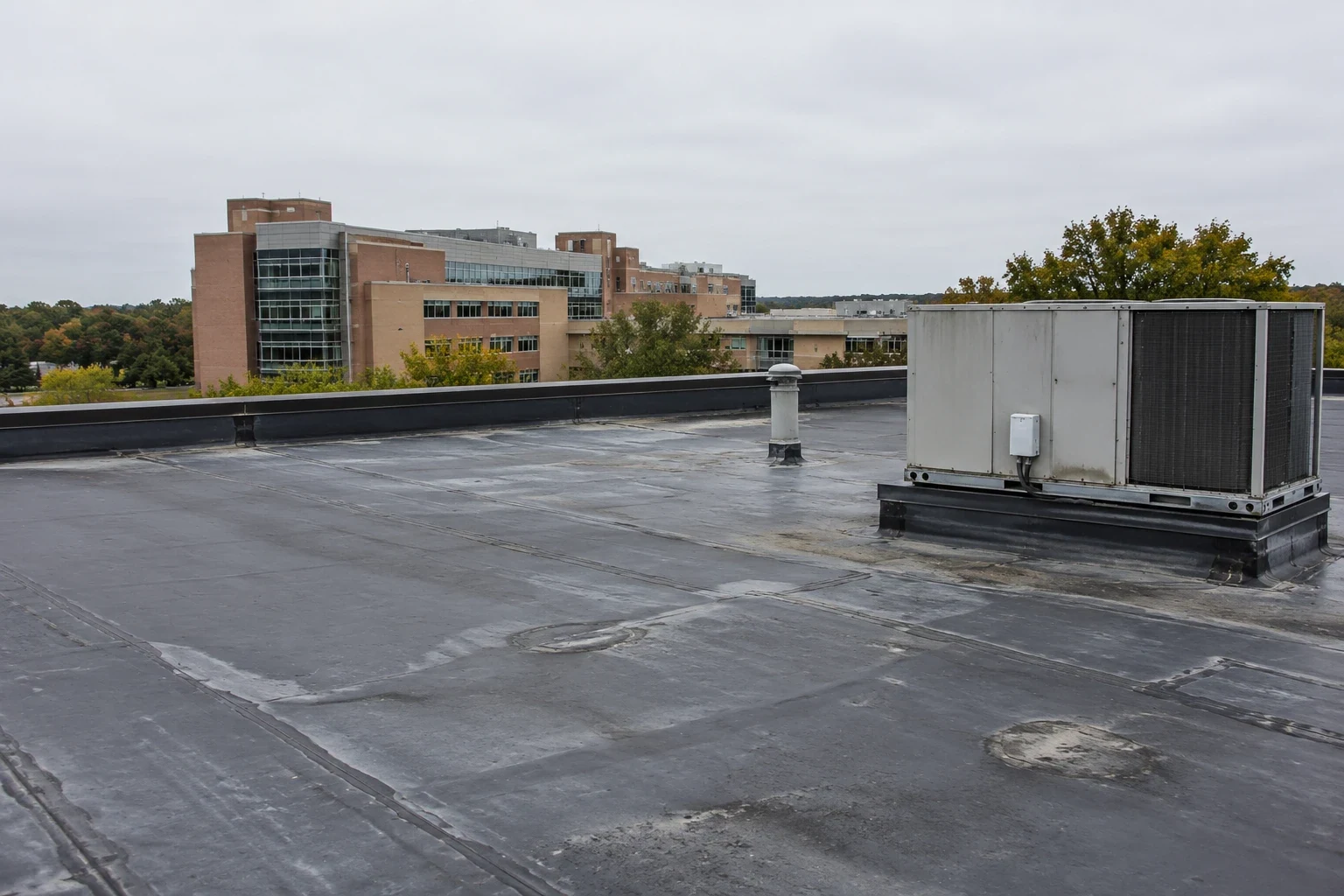
Hospital Roofing in Waterbury, CT
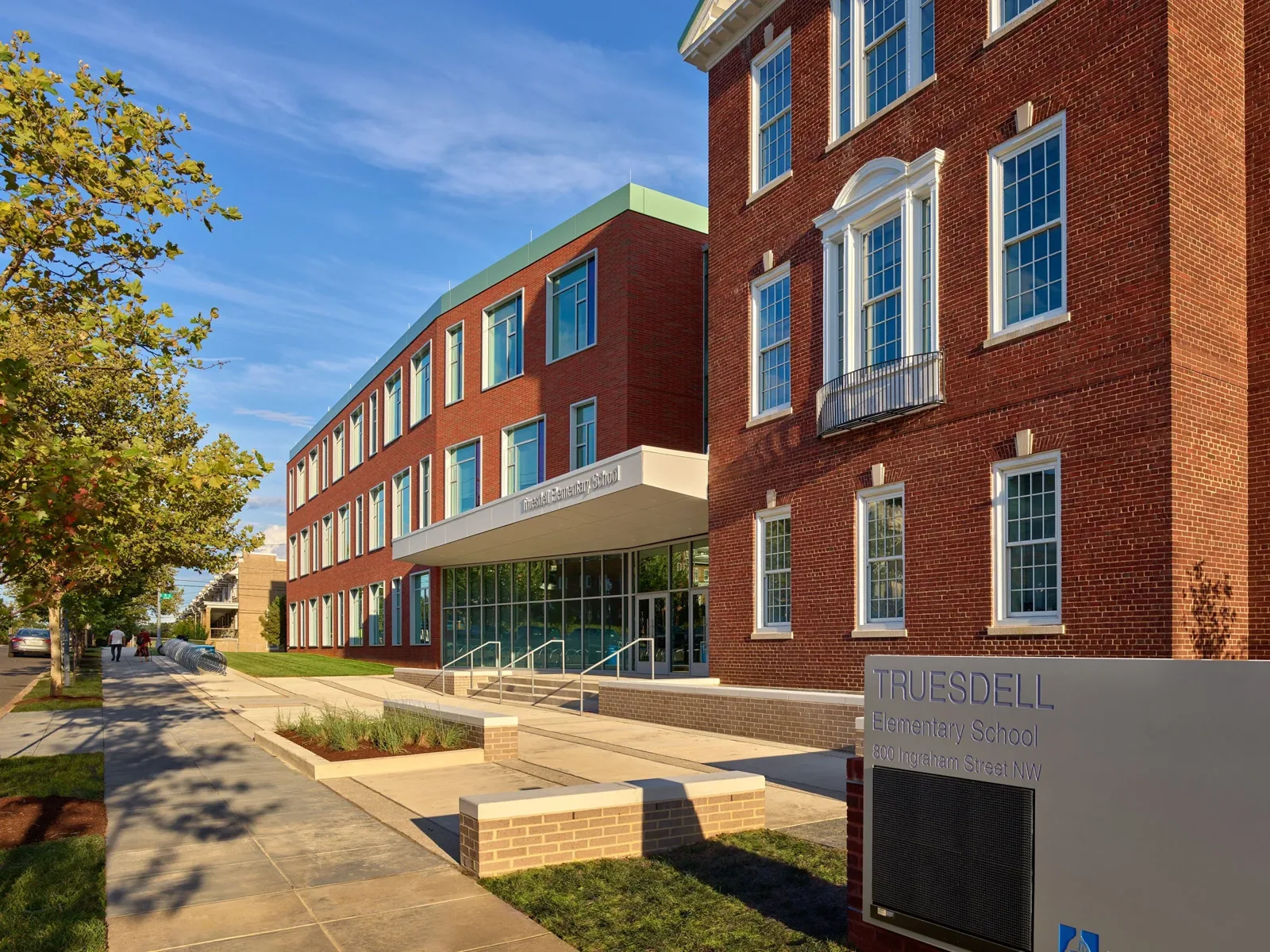
School Roofing in Waterbury, CT
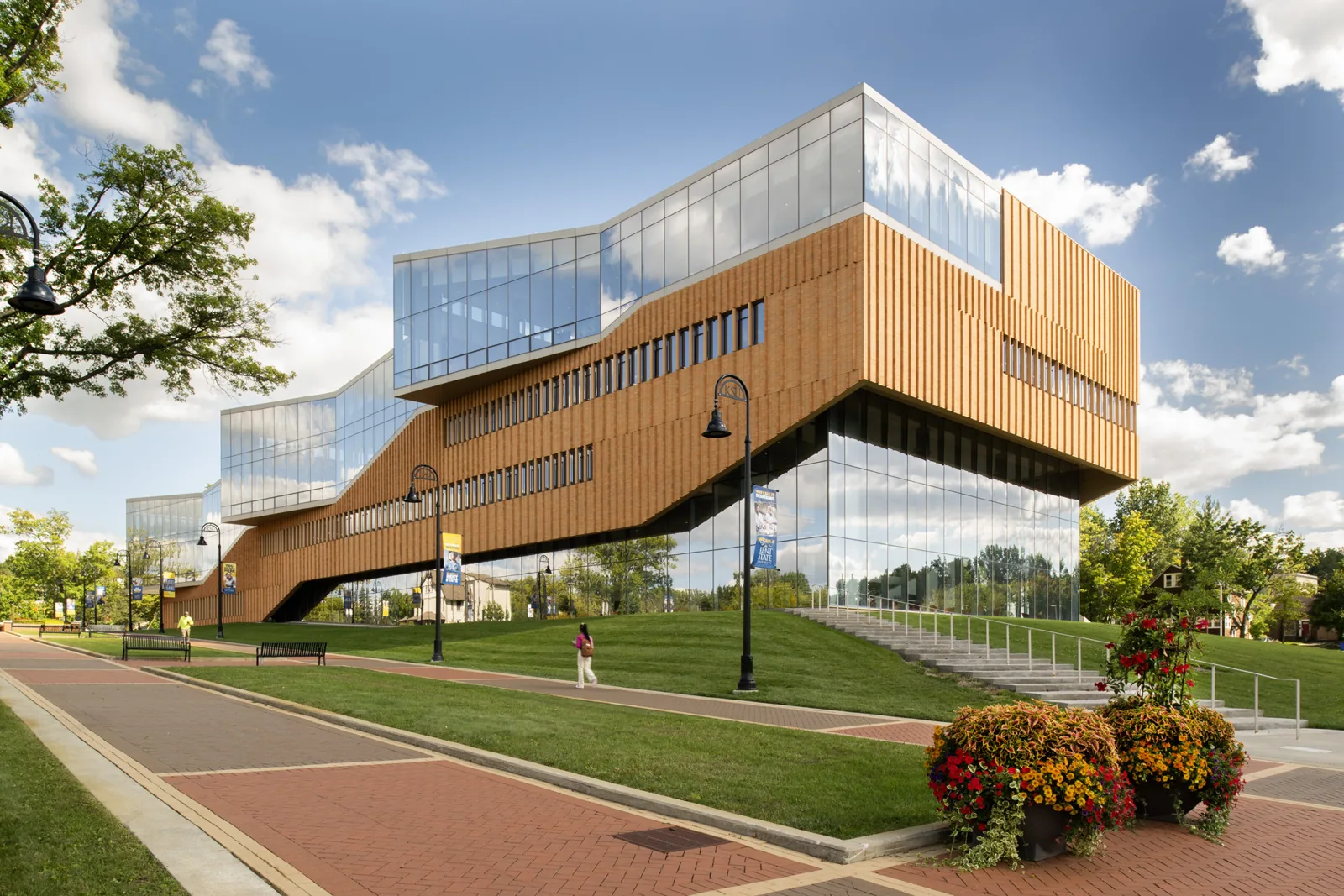
College and University Roofing in Waterbury, CT
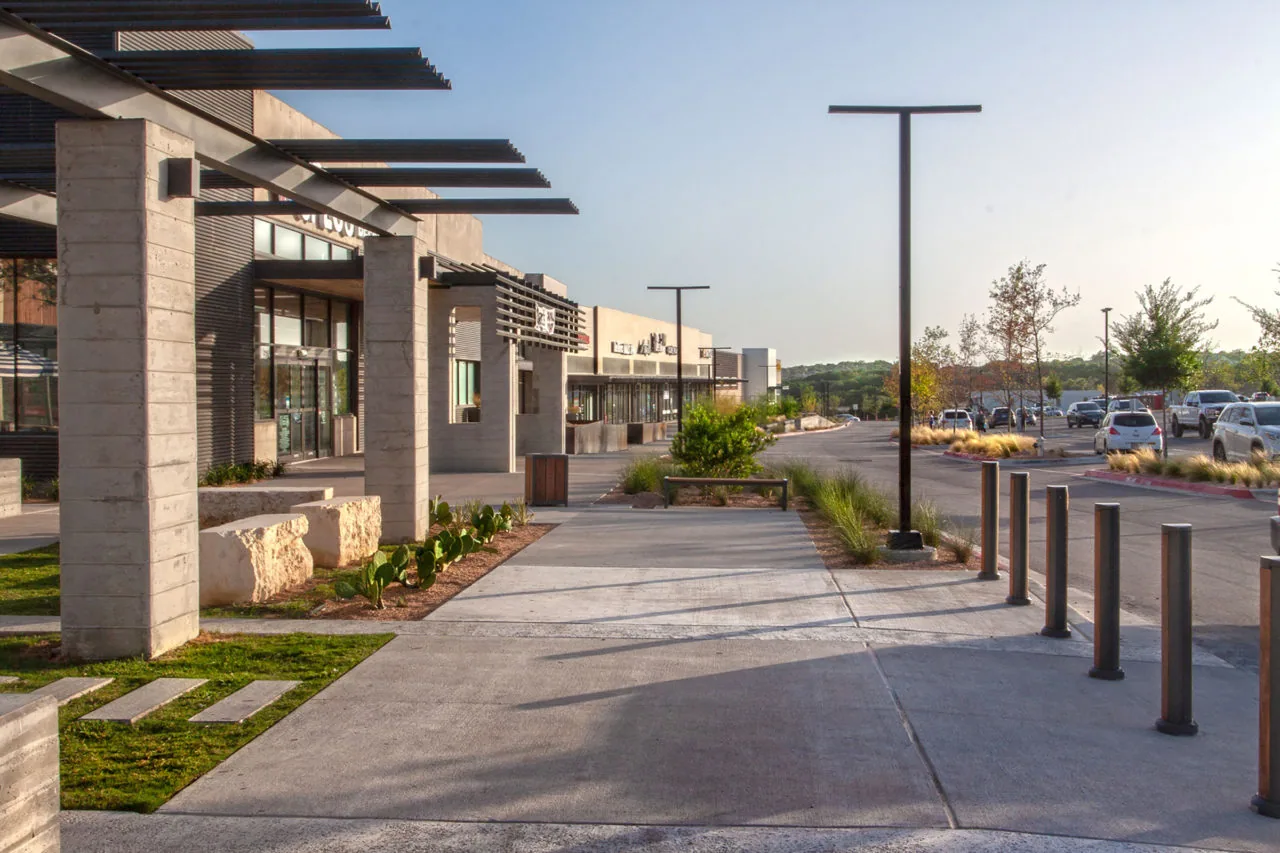
Shopping Center Roofing in Waterbury, CT
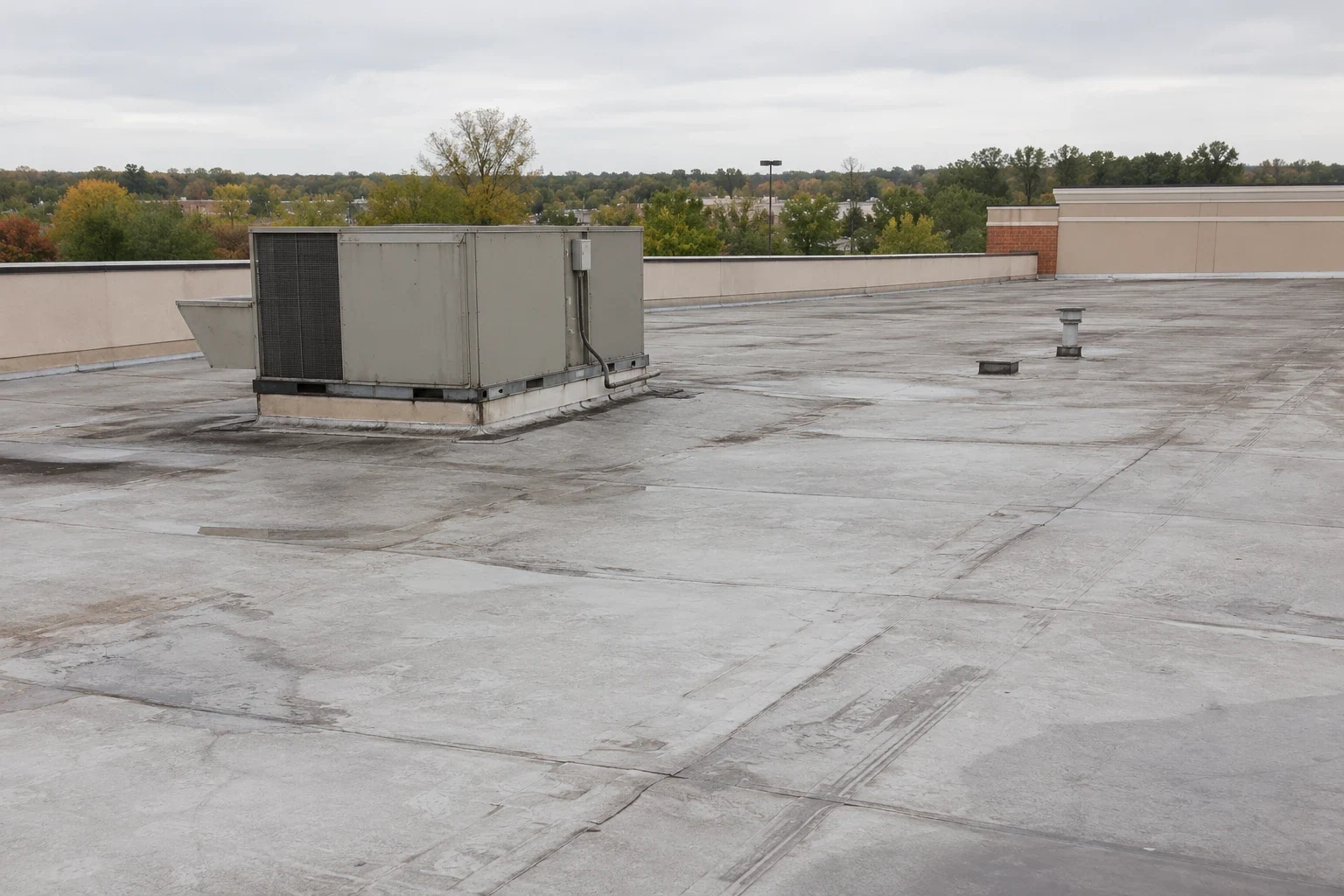
Big-Box Retail Roofing in Waterbury, CT
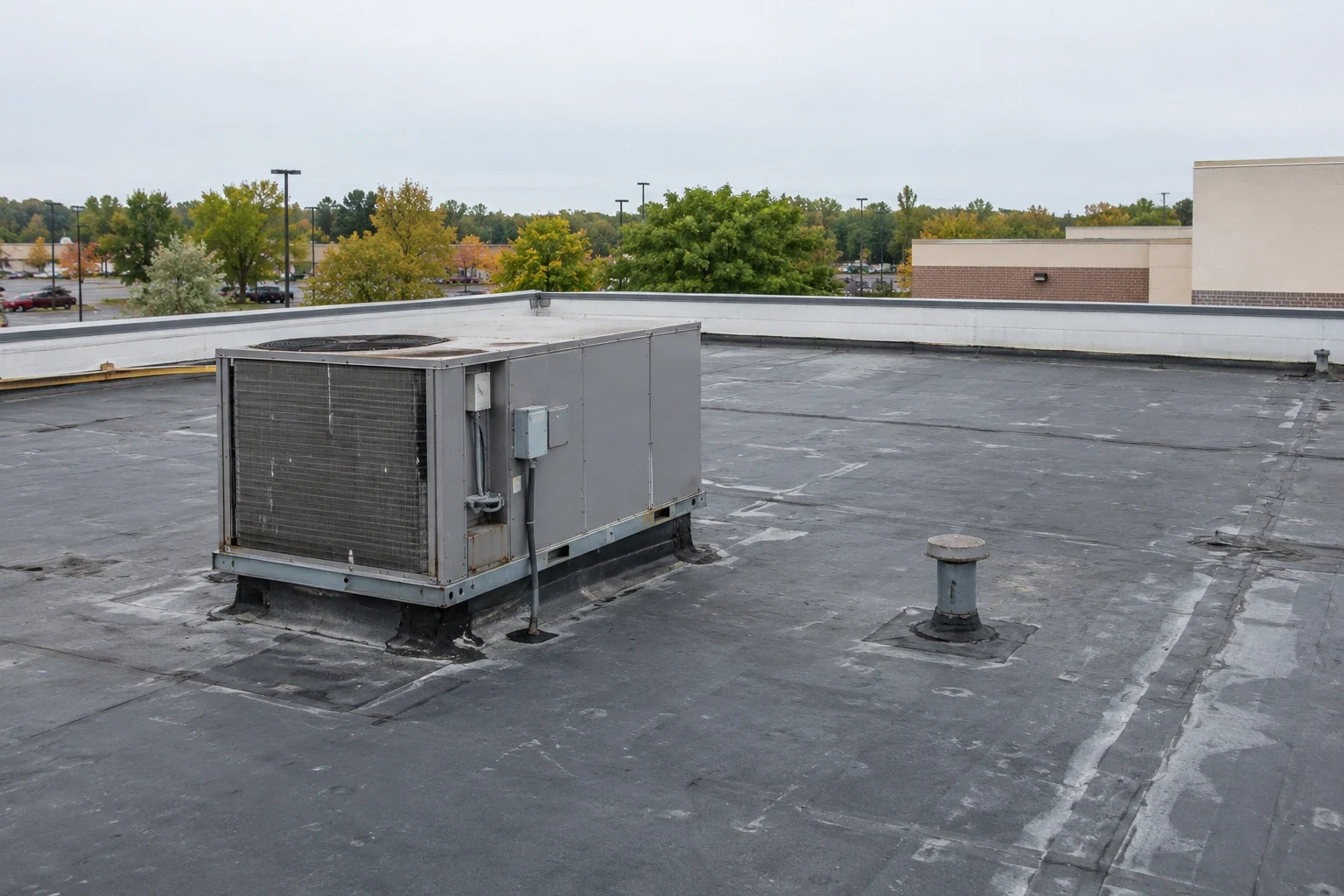
Grocery Store Roofing in Waterbury, CT
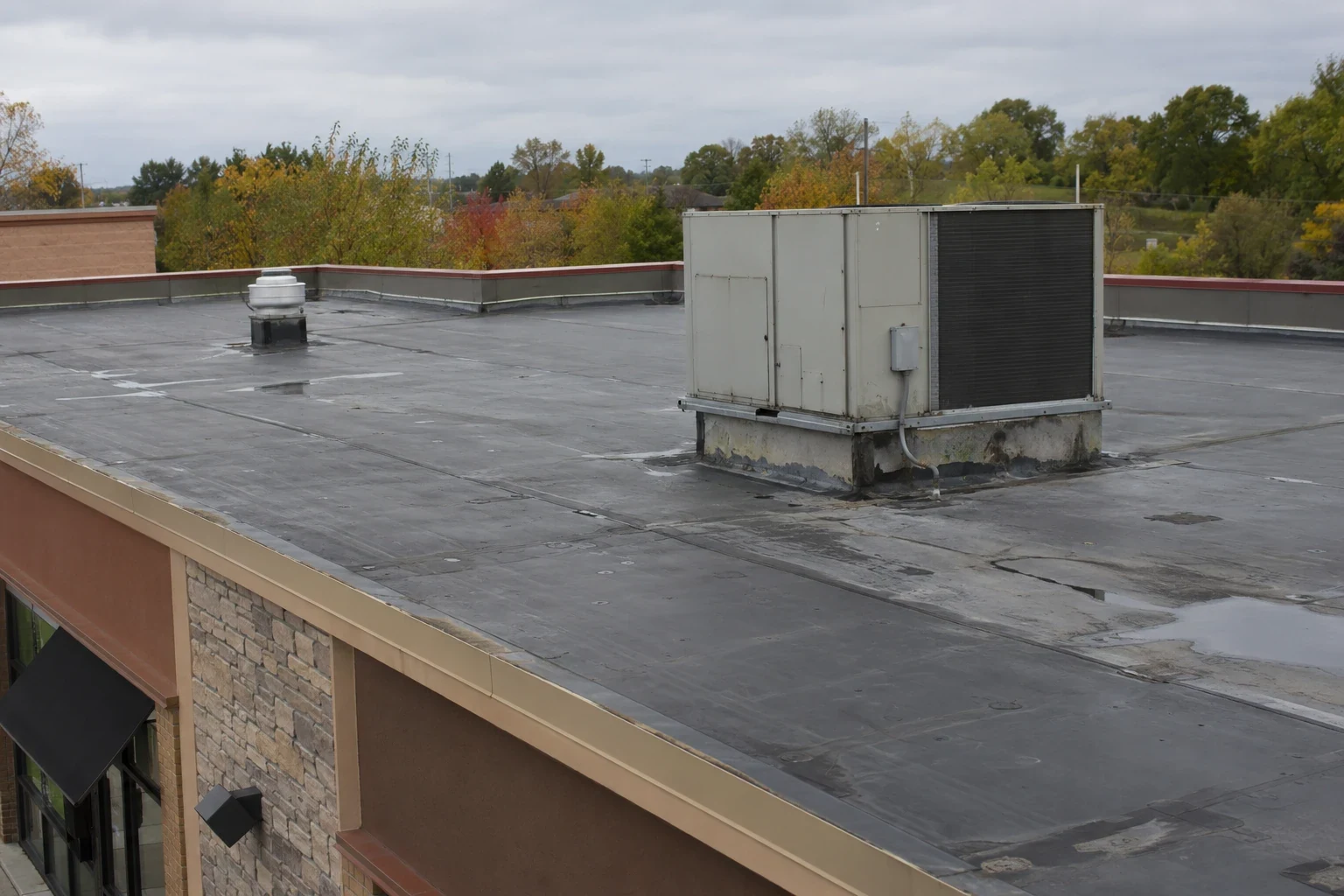
Restaurant Roofing in Waterbury, CT
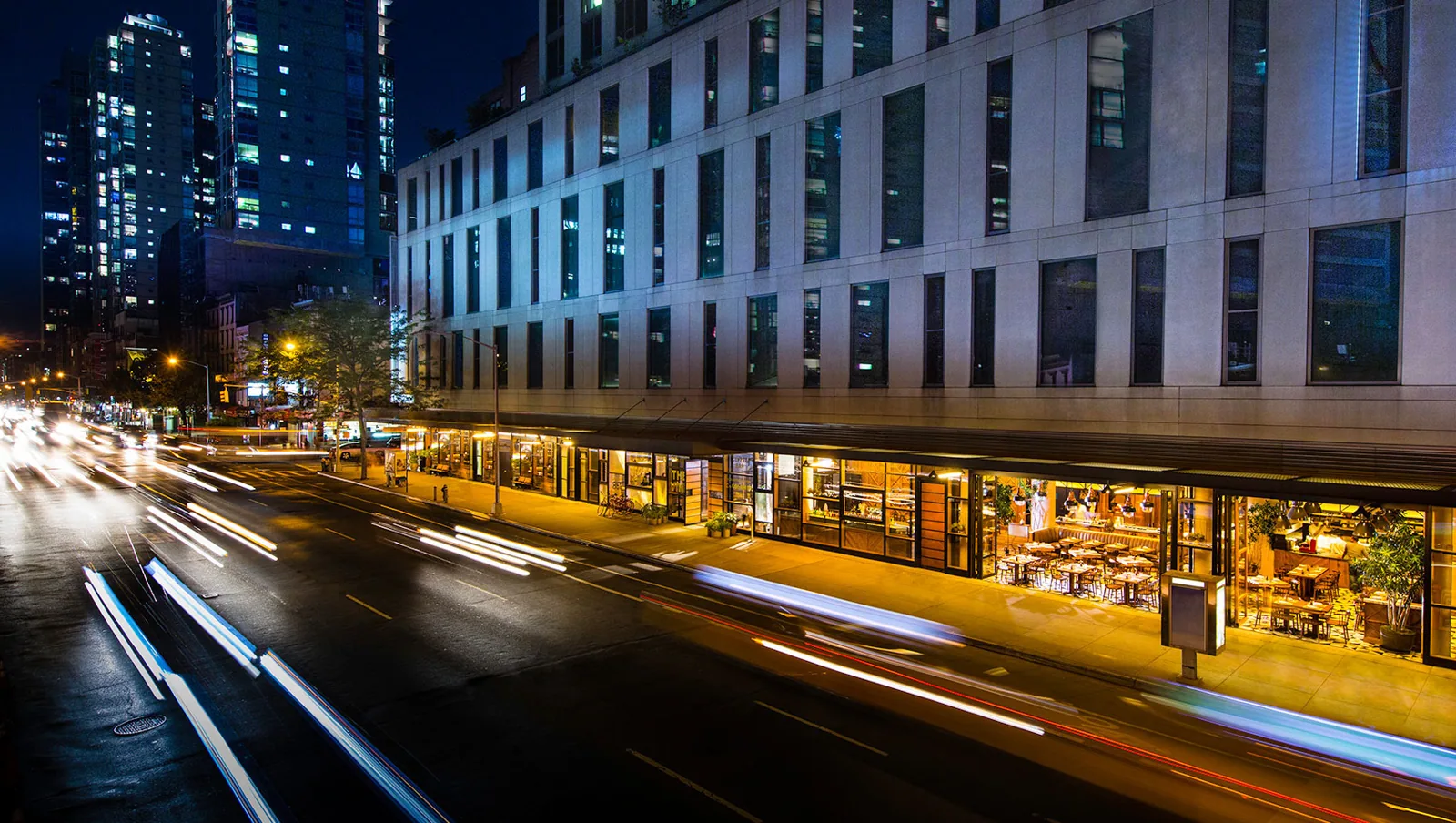
Hotel Roofing in Waterbury, CT
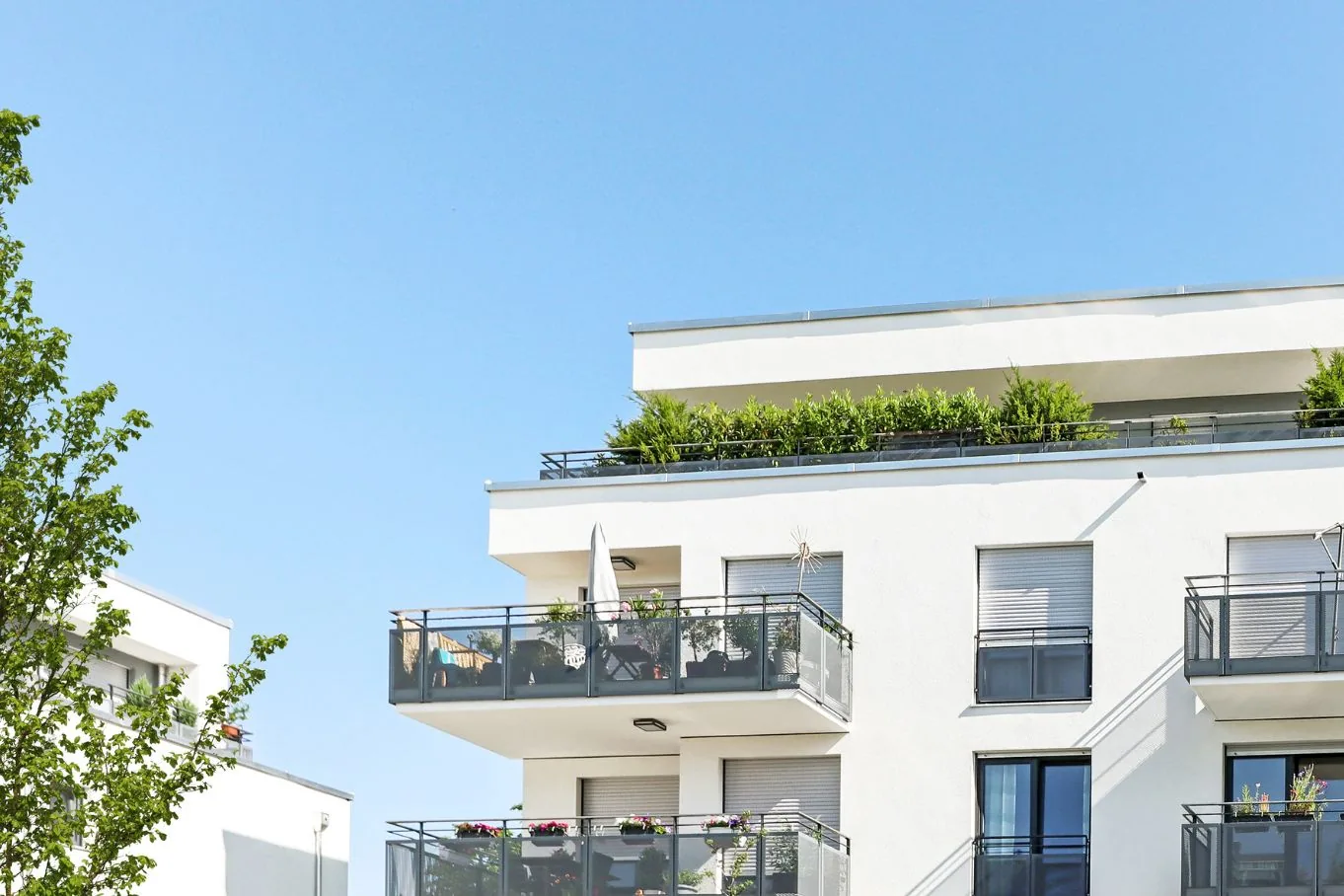
Apartment Roofing in Waterbury, CT
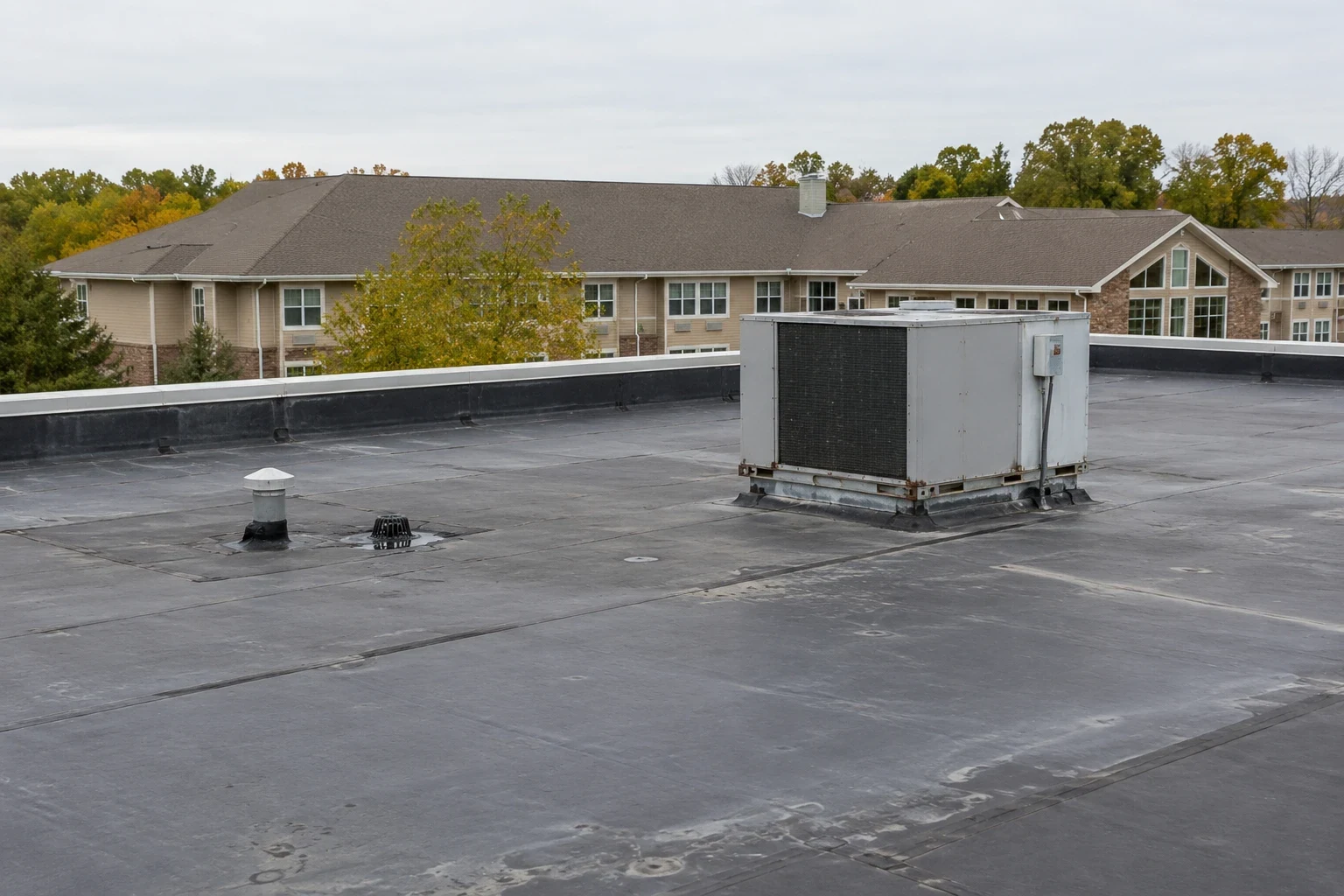
Senior Living Roof Planning in Waterbury, CT

Church Roof Repairs and Replacement in Waterbury, CT
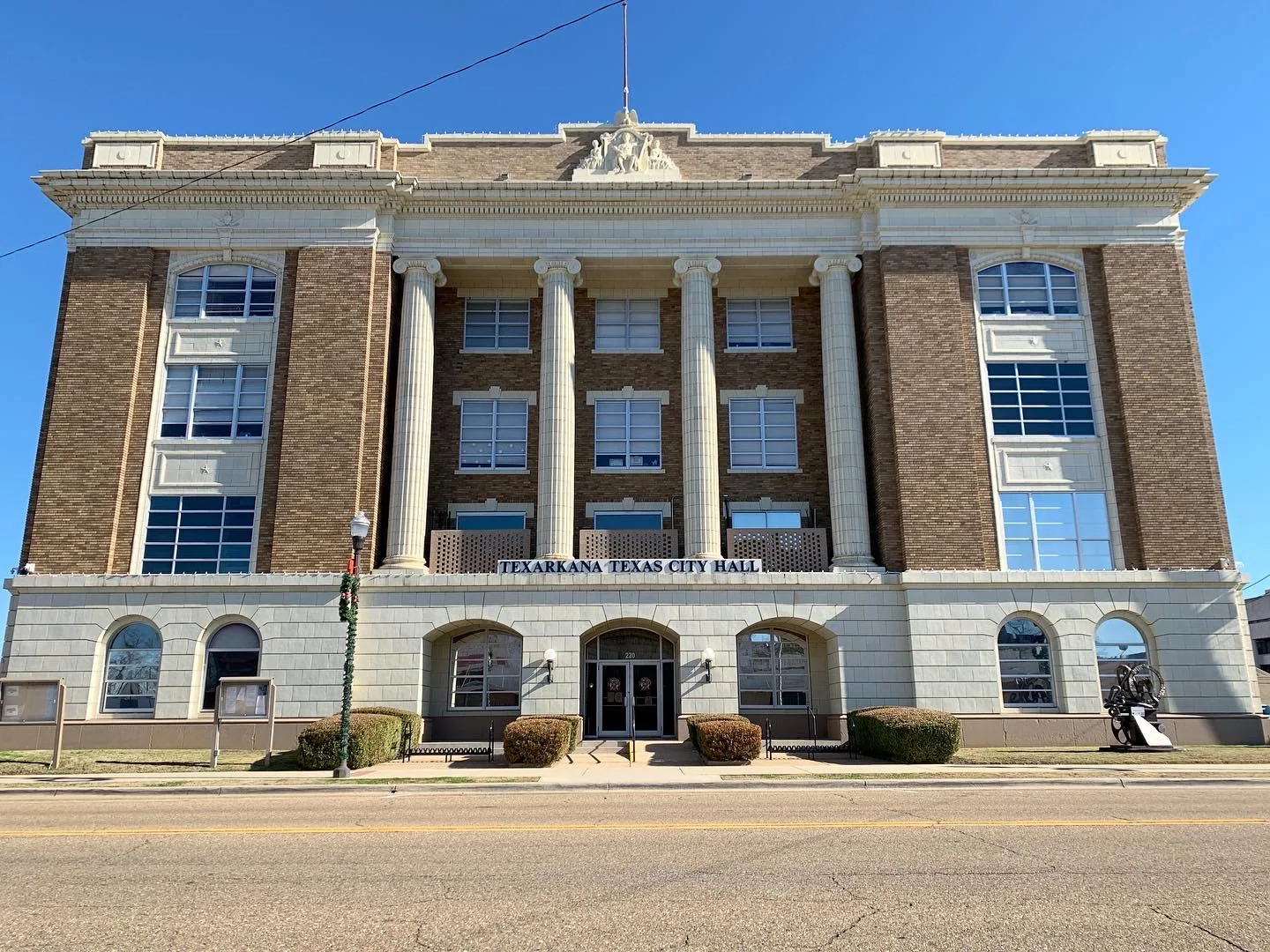
Government Building Roofing in Waterbury, CT
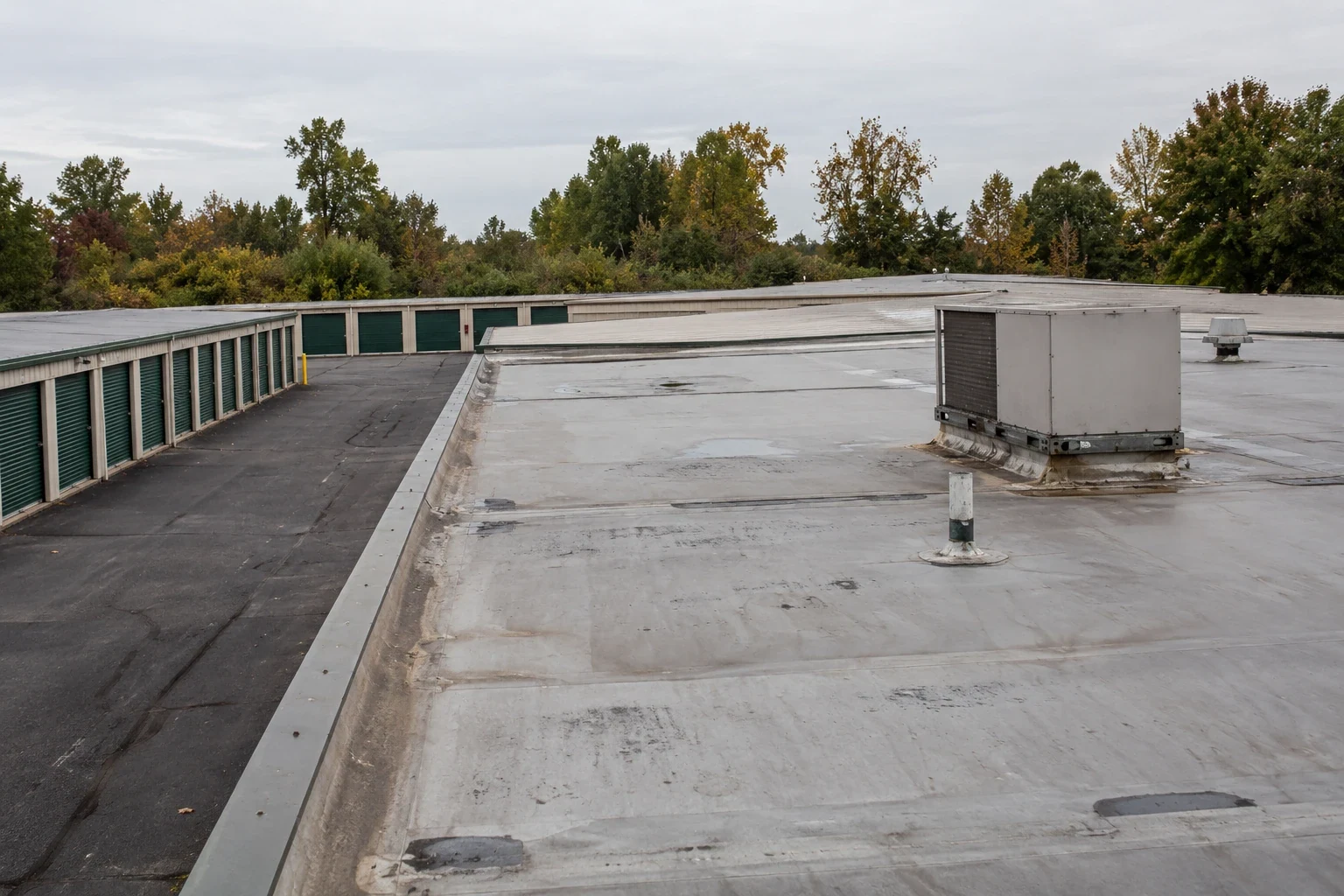
Self-Storage Roof Repair and Replacement in Waterbury, CT
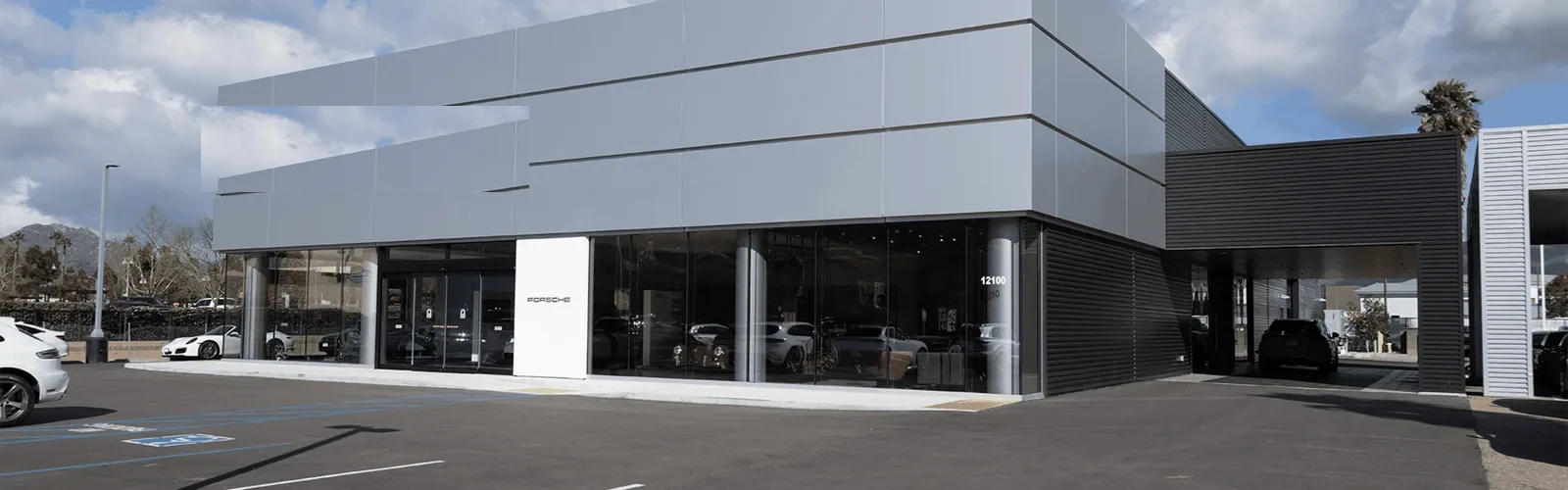
Auto Dealership Roofing in Waterbury, CT

Aircraft Hangar Roofing in Waterbury, CT
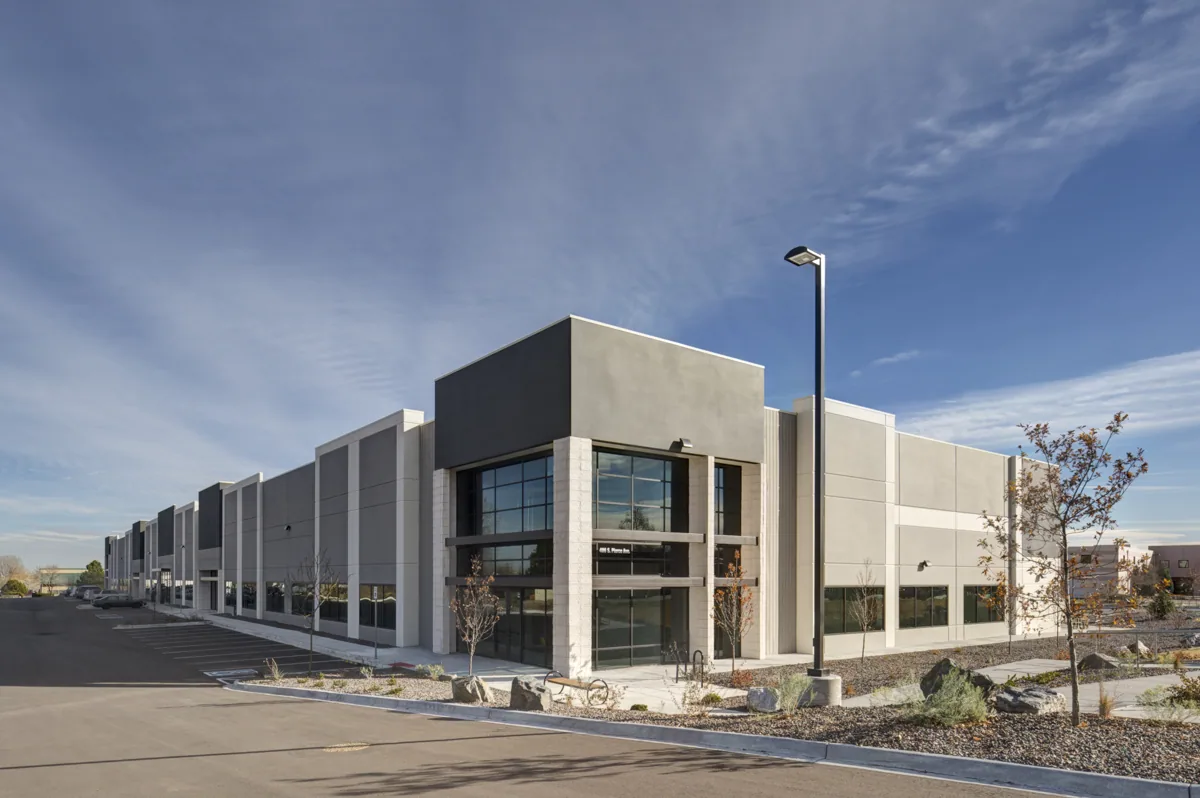
Flex Industrial Roofing in Waterbury, CT
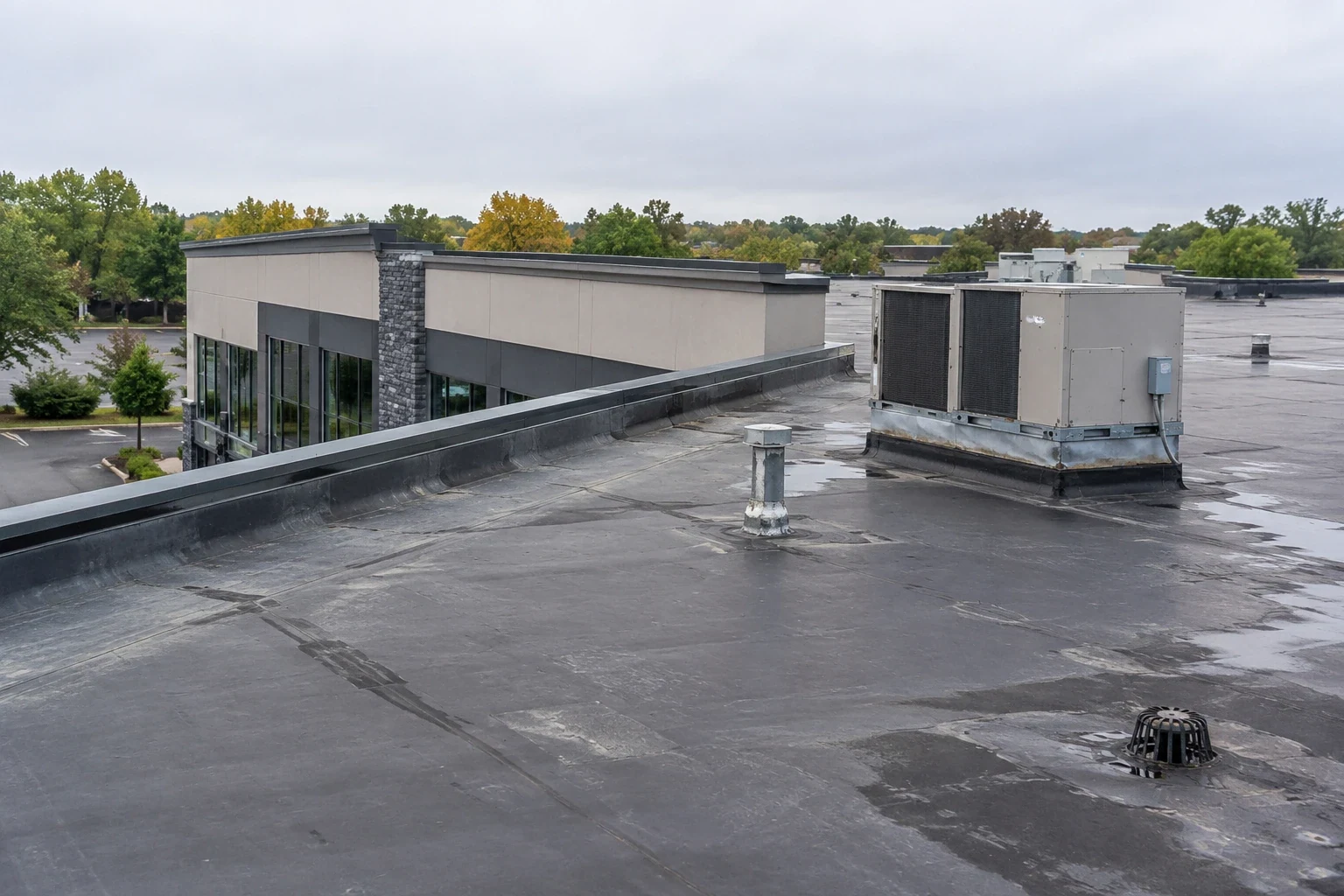
Fitness Center Roofing in Waterbury, CT
National Guard Armory Roofing in Waterbury, CT
Separate each roof and its work limits
Multiple assets need consistent labels and separate histories. A warehouse roof may need loading and inventory protection; a medical office roof requires access coordination near occupied areas. We keep photos, leak locations, roof layers, and open conditions tied to the correct property so a repair allowance does not migrate from one building to another.
Match inspection to the building in use
Downtown buildings near the I-84 and Route 8 junction include civic, financial, health-care, and education uses. On office buildings, tenant notices and mechanical schedules shape access. schools and hospital roofs call for clear daily boundaries and interior protection. We coordinate work windows with the person who can authorize access and closeout.
Plan industrial work by roof zone
Industrial property along the Naugatuck River and in the southeast can include production, storage, and service areas with different operating constraints. Waterbury's Reidville, Brookside, and Waterbury Industrial Commons give the market a broad industrial setting, not a single roof design. We check penetrations, drains, edge details, and prior repairs by zone. A commercial roof inspection helps separate a local defect from a broader capital condition.
Account for mixed-use corridors
Mixed-use corridors run along Willow Street, Highland Avenue, and South Main, where retail and services meet housing and civic uses. The city's corridor list also includes North Main and East Main. In these settings, staging and pedestrian access become part of the roof sequence. We identify approved entry, tenant hours, and protected routes before work. For an active leak, commercial roof repair can start with containment while the permanent assembly decision is documented.
Use building needs to set the capital scope
Roof type alone does not determine the right investment. We compare the area and pattern of failure, moisture evidence, attachment, drainage, and expected service horizon. A replacement scope can set phased removal and dry-in dates, while roof capital planning helps owners compare immediate work with later sections. Each recommendation includes its evidence and remaining questions. Work can be coordinated across Waterbury properties without blending building records.
Commercial Roofing Questions
Do all buildings in a portfolio need the same roof scope?
No. We record each roof assembly, access limit, leak history, and operating schedule separately. Similar symptoms can come from different details, so the evidence for each property controls its recommendation.
Can roof work be phased across occupied properties?
Yes. We can define active zones, temporary protection, and daily handoff points, then coordinate the sequence with each facilities contact. The calendar should account for access and building use.
What should a property manager provide before inspection?
A roof plan, previous repair notes, known leak locations, access procedures, and notification requirements help us prepare. We will record areas that remain inaccessible and state what additional access would resolve.
How do mixed-use corridors affect roof work?
Retail, housing, services, and civic uses can affect staging, pedestrian routes, and acceptable work hours. We confirm those site rules before moving materials or setting a roof-zone sequence.
Schedule a property-specific assessment
Share the asset list, roof records, access contacts, and capital dates. We will keep each building's findings separate and return actionable scopes.