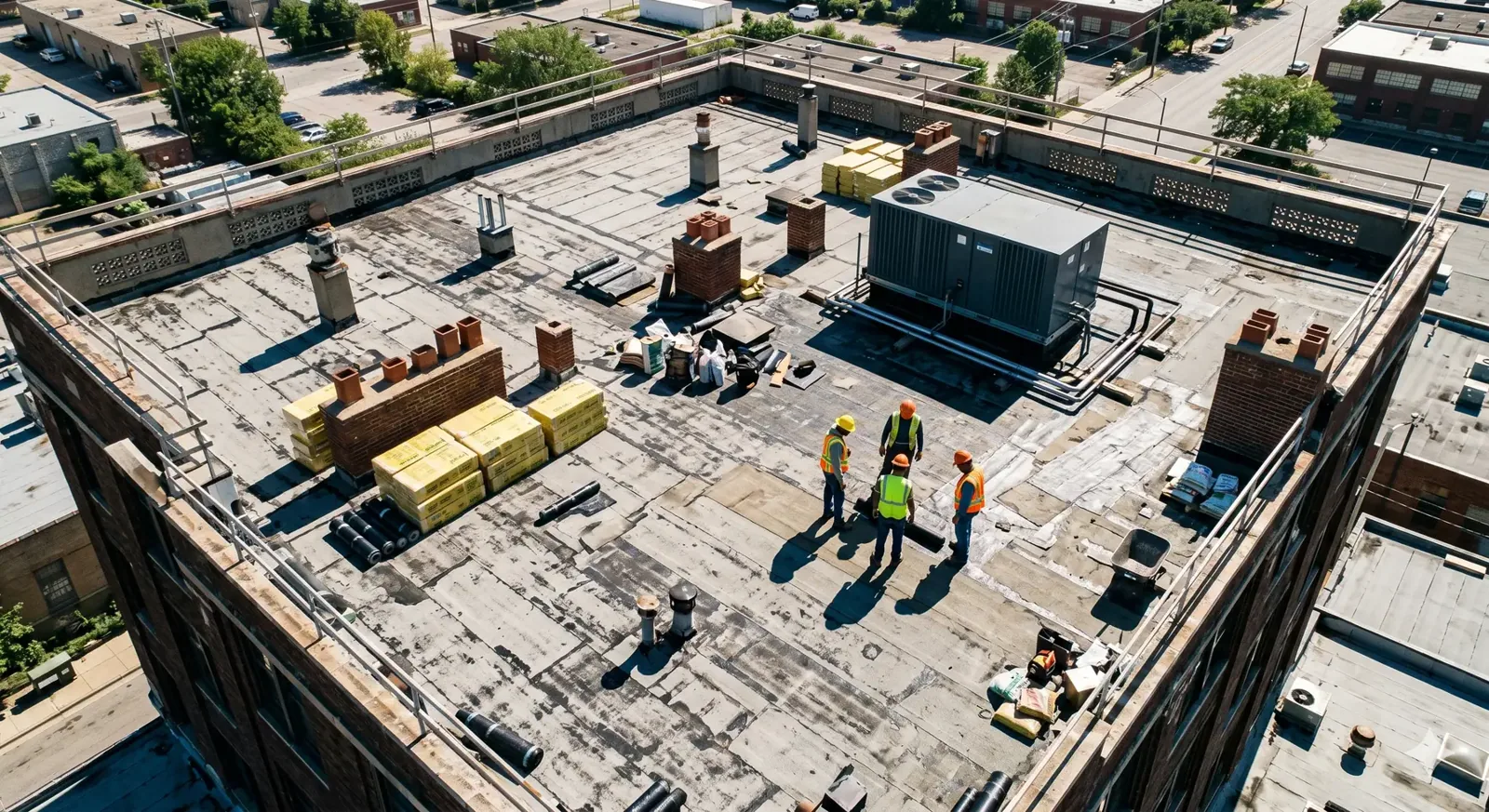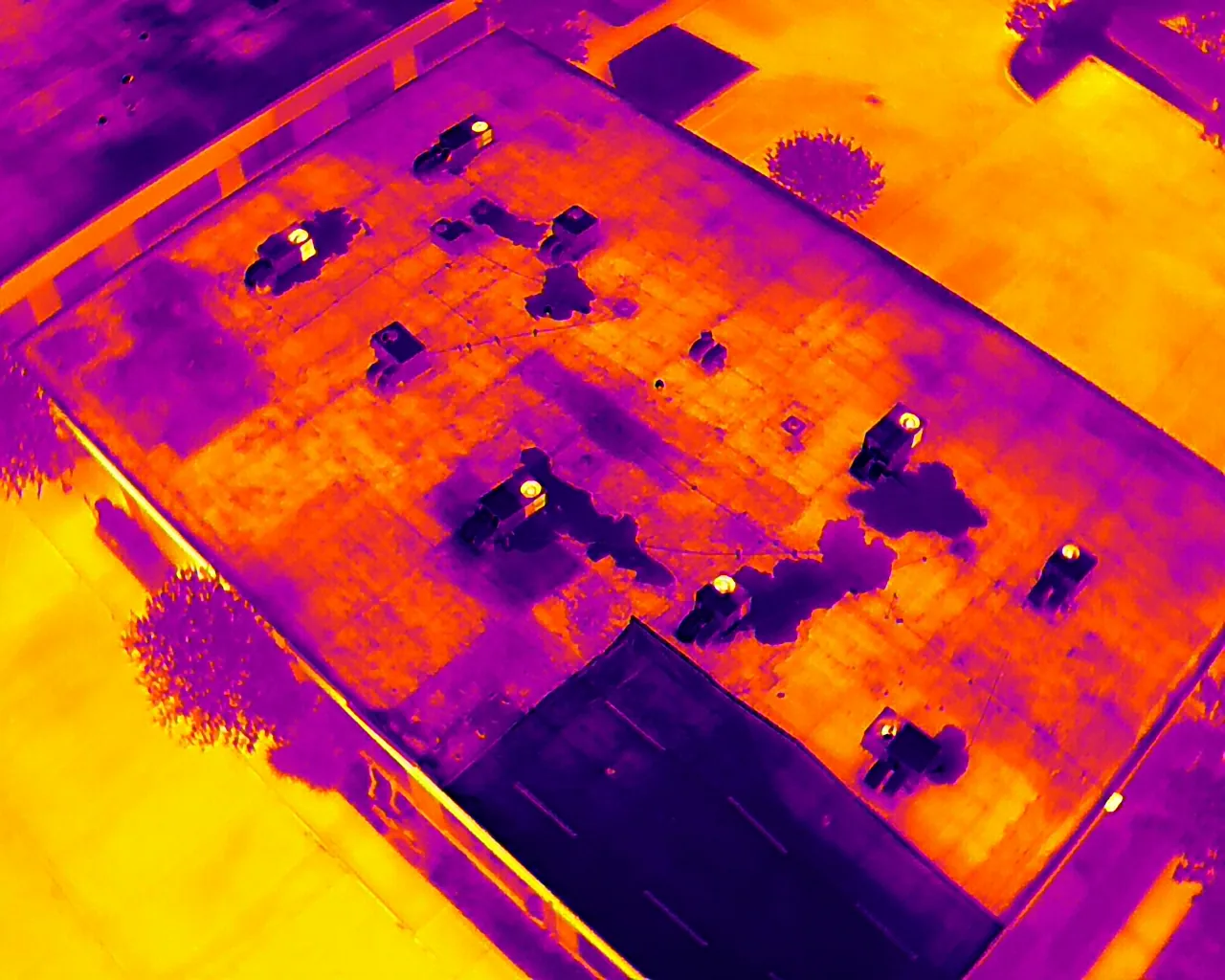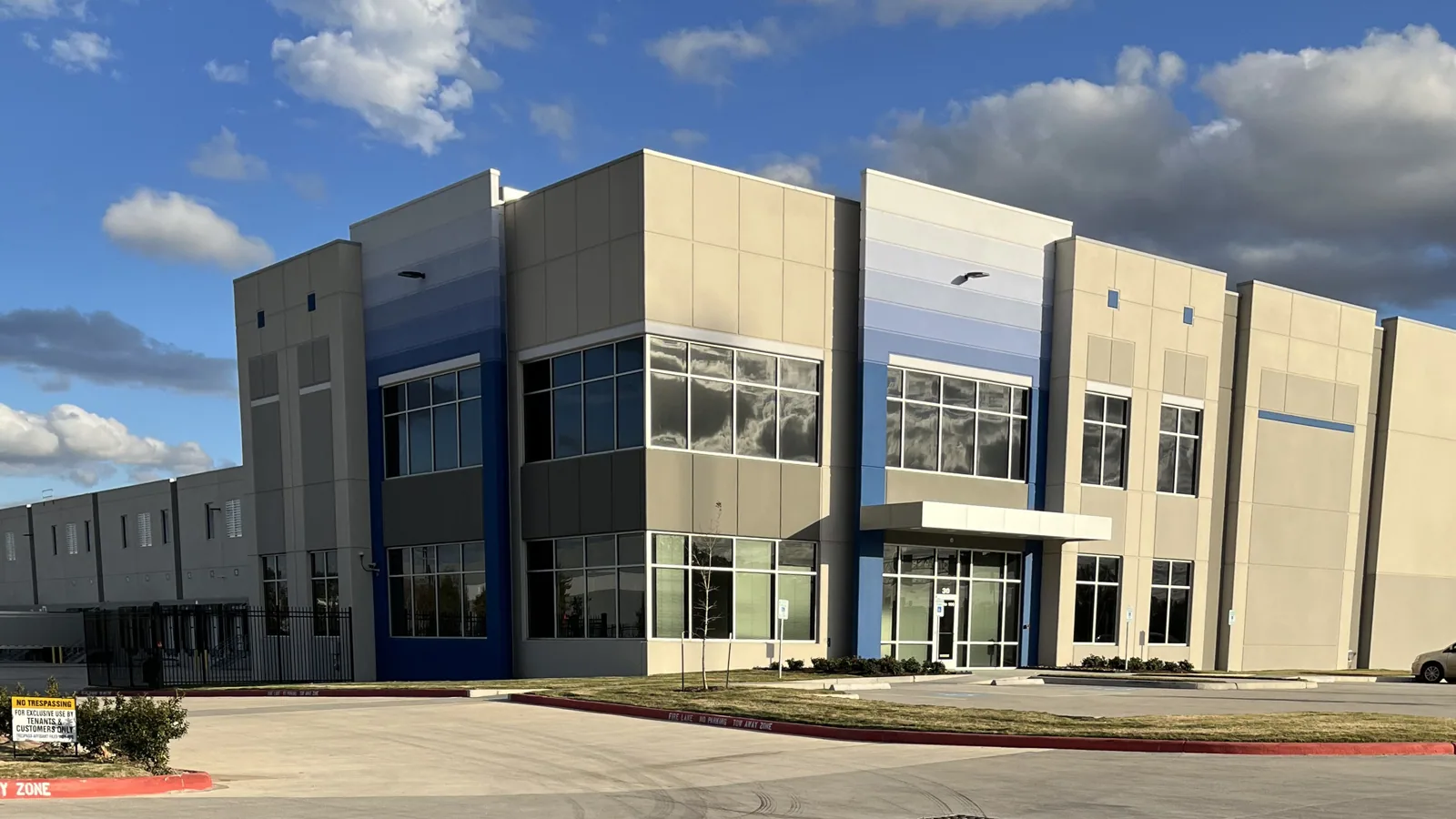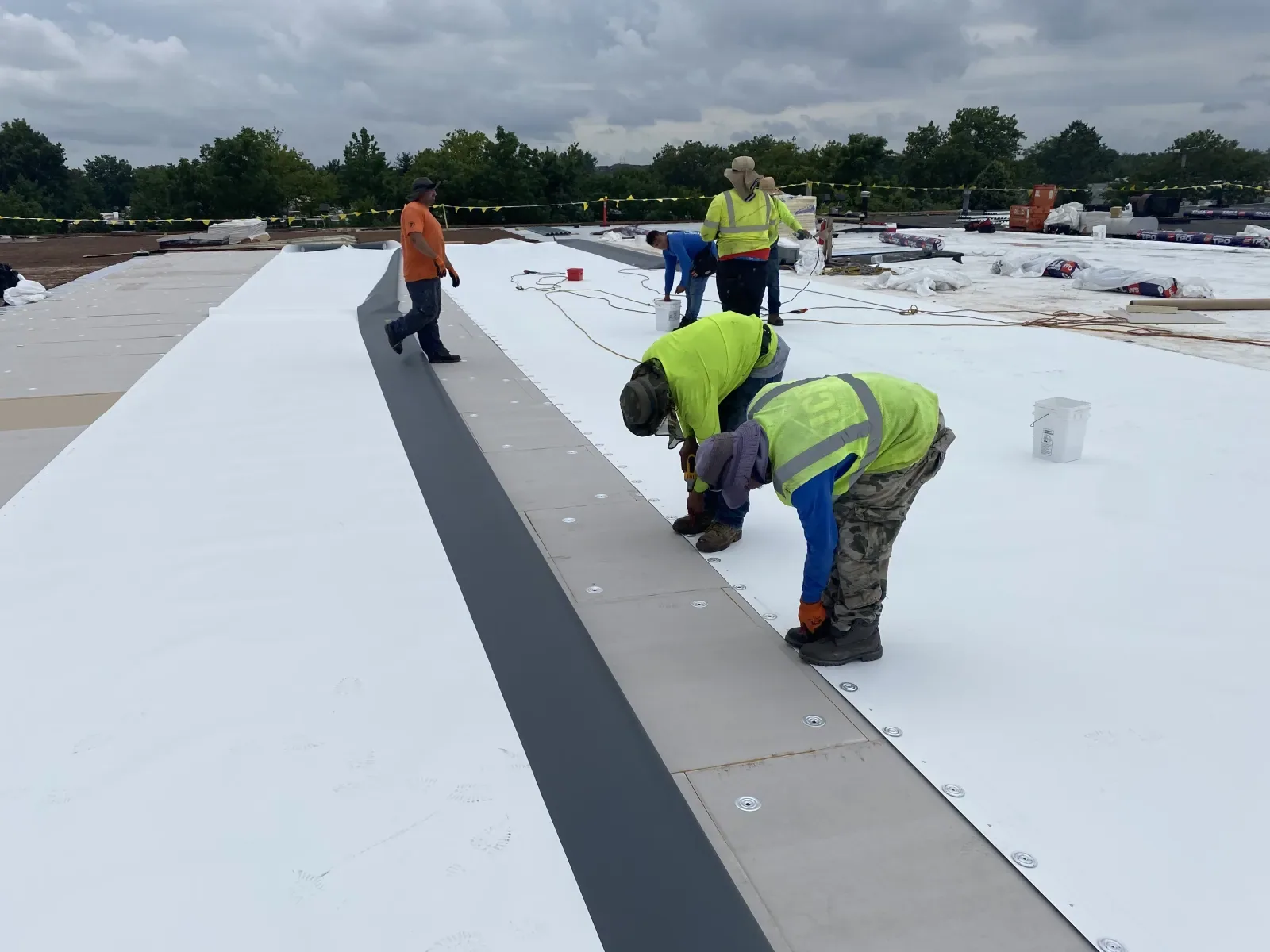
A freezer shutdown can cost more than a roof repair, but hidden moisture can make a small opening grow into a larger assembly decision. We inspect the roof and its vapor-control details, compare interior conditions with exterior leaks, and identify where a test cut can settle whether insulation is dry. The scope should preserve temperature control while the roof is opened and closed in manageable areas. Waterbury experiences freezing winters and warm, wet summers, so seasonal movement matters at the roof edge and around refrigeration equipment. The actual temperature zones and roof layers determine the repair boundary.
Watertown has commercial activity along Routes 63 and 73 and a continuing industrial base; Middlebury's smaller commercial center follows Route 64, with industrial land in its southwest. Those settings help plan service access, while each operator sets its own temperature, sanitation, and shutdown requirements. A roof inspection can map current conditions, and service in Watertown can be scheduled around that property's operations. For a facility combining refrigerated rooms with shipping lanes, distribution roof planning can address a different shift pattern.
Trace Moisture Through the Cold-Room Assembly
Warm interior air can move toward colder layers and condense where the assembly has a gap in its vapor control. A roof leak can create a similar symptom from outside, so we distinguish those paths before choosing a repair. We review roof seams, penetrations, ceiling conditions, vapor retarder transitions, wall intersections, and the history of defrost or refrigeration work. If the insulation is wet, we identify its extent before treating the surface above as the whole problem.
Waterbury's winters include snow and ice exposure across the city, while freezing conditions inside a cold room are building-specific. A test cut can reveal layer order, moisture, and substrate condition; infrared readings can help select a sample but need confirmation when the decision hinges on concealed material. A moisture survey can help locate candidate areas, while a warehouse roof assessment is useful when the facility combines storage areas with refrigerated zones.
Preserve Vapor Control at Roof and Wall Transitions
At a cold-storage building, roof performance depends on continuity between the roof assembly and the insulated wall system. We inspect parapets, metal edges, curbs, pipe penetrations, exhausts, and wall terminations for openings that let moisture move through the boundary. A roofing repair can address membrane or flashing failure, but it should not be presented as a fix for every condensation source. We identify which transition is visible, what layer must be opened, and whether another trade needs to correct interior controls or insulation continuity.
Where equipment lines or supports cross the roof, we coordinate the detail so a service change does not leave a gap in the membrane or vapor layer. We list components that stay in place, those that need resetting, and the person responsible for any refrigeration work. We define equipment interfaces and include perimeter metal conditions where roof and wall assemblies meet.
Compare Local Repair with Full Assembly Work
A single failed penetration or seam may be repaired if the surrounding membrane remains secure and the adjacent insulation is dry. Widespread wet material, poor attachment, or a compromised vapor-control layer can require a larger section or full replacement. We map the confirmed findings separately from suspect areas and state where an additional sample would change the quantity. The proposal keeps interior remediation and refrigeration work distinct from roofing so each trade's responsibility is clear.
Waterbury's industrial districts and the industrial area in southwestern Middlebury support a mix of commercial uses, but no two cold rooms share an assumed assembly. We inspect the roof layers, attachment, drain heights, and equipment layout before comparing repair, recover, or tear-off. Cost drivers include controlled access, cold-room protection, insulation type and depth, curb relocation, and the length of time the facility can tolerate a work zone. A replacement evaluation can show the full assembly boundary, while a recover review can test whether existing layers qualify for retention.
Schedule Around Temperature and Sanitation Controls
Before opening the roof, we confirm whether the work area must remain under refrigeration, how product or equipment will be protected, and which sanitation rules apply after dust-producing work. The plan identifies barriers, temporary seals, access paths, and the point where the roof can be safely closed each shift. If a drain or roof opening lies above a sensitive area, we coordinate the interior protection and shutdown window with the operator before material is removed.
Middlebury's limited commercial district follows Route 64, and Watertown's commercial activity generally follows Routes 63 and 73. Those broad route facts support service planning, while delivery gates and operating hours come from the facility contact. Waterbury's cold-season weather can shorten some exterior work windows; forecast, surface temperature, and the selected material's installation limits decide whether a shift can proceed. For active leakage that cannot wait, emergency roof service is available any hour, including weekends and holidays, to stabilize the opening before a permanent scope is ready.
Record the Layers and Conditions at Turnover
Closeout should identify the roof materials, test locations, moisture findings, repairs, and any transition that remains under observation. We photograph opened layers before they are concealed and record the dry-in boundary at the end of each phase. If the source may involve interior humidity or refrigeration settings, we state that as a separate coordination item rather than attributing it to the membrane without evidence. The manager can use the record to align future roofing work with refrigeration maintenance.
Roof plans, temperature-zone layouts, prior leak reports, refrigeration service notes, sanitation rules, and closeout photos stay together in one file, and the facility's temperature controls and actual roof assembly drive the recommendation. The next equipment shutdown and the capital window are settled before pricing. We will inspect the assembly, document the evidence, and separate the roof work from interior or mechanical decisions.
Commercial Roofing Questions
How can we tell a roof leak from condensation?
We compare the location and timing of the interior moisture with roof seams, penetrations, vapor-control transitions, and refrigeration conditions. A targeted opening can reveal whether water is entering through the roof or condensing within the assembly. The report separates confirmed evidence from conditions that still need testing.
Will roof work require a refrigeration shutdown?
Not always. The affected area, interior protection, sanitation rules, and the ability to maintain temperature determine whether a shutdown is needed. We coordinate the work boundary with the facility contact and identify any time or access requirement before scheduling the crew.
What does a wet test cut tell us?
It exposes the roof layers at one selected point and can show insulation moisture, layer order, and substrate condition. We document the location and avoid using one sample to represent an entire roof without supporting evidence. Additional cuts may be recommended if moisture patterns differ by section.
Can you replace only the roof above a freezer room?
A section replacement may work when the assembly and drainage allow a reliable tie-in to adjoining areas. We inspect the boundary, wall transitions, and nearby roof condition, then identify what remains in service. If adjacent layers are wet or the tie-in cannot be maintained, a larger scope may be needed.
What makes cold-storage roofing cost more complex?
The estimate can change with vapor-control details, insulation, temperature protection, sanitation measures, equipment coordination, roof access, and the time the facility can release an area. We list those items separately and identify which test or shutdown decision can alter cost or timing.
Plan Roof Work Around Temperature Control
Provide roof plans, temperature zones, refrigeration shutdown dates, leak history, sanitation rules, and access requirements. We will inspect the roof and document repair, recover, and replacement options by section.