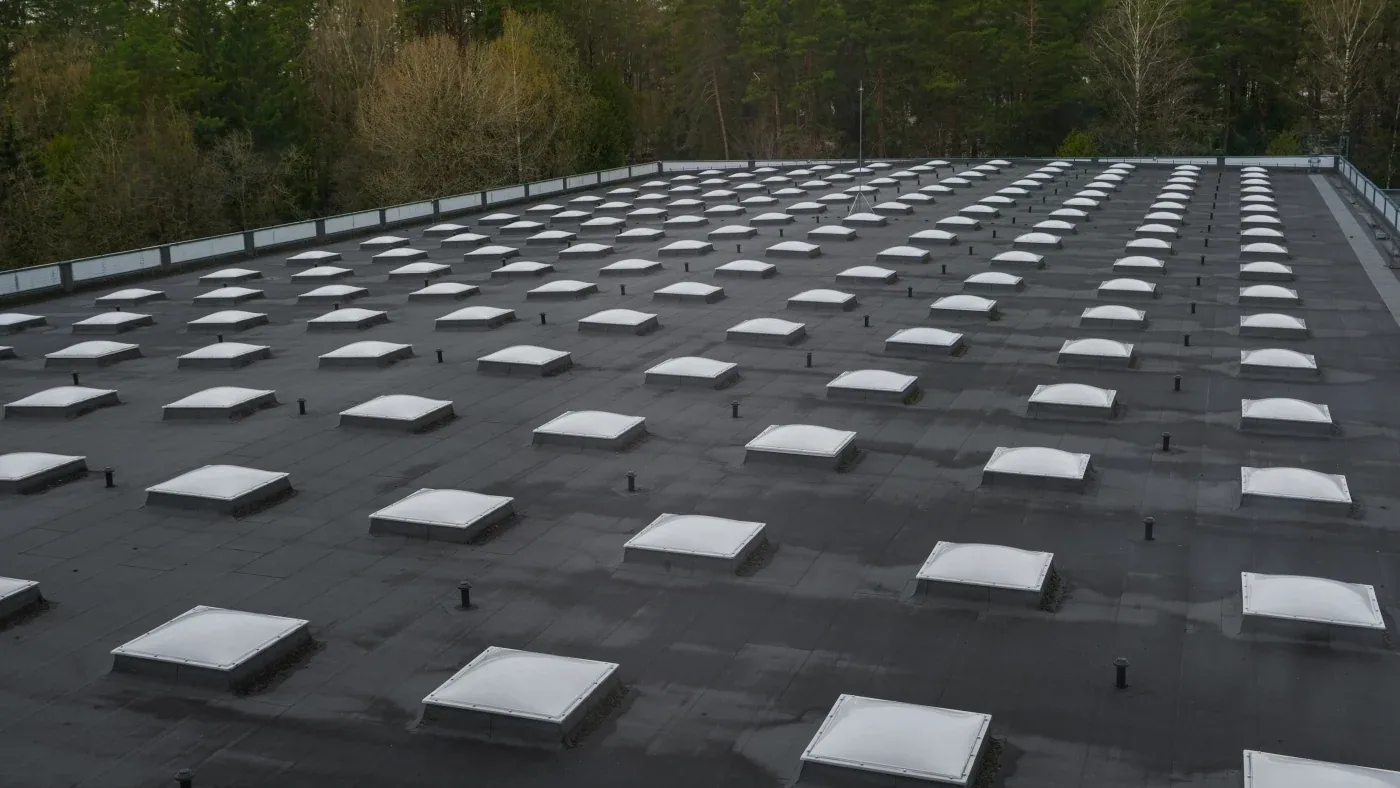
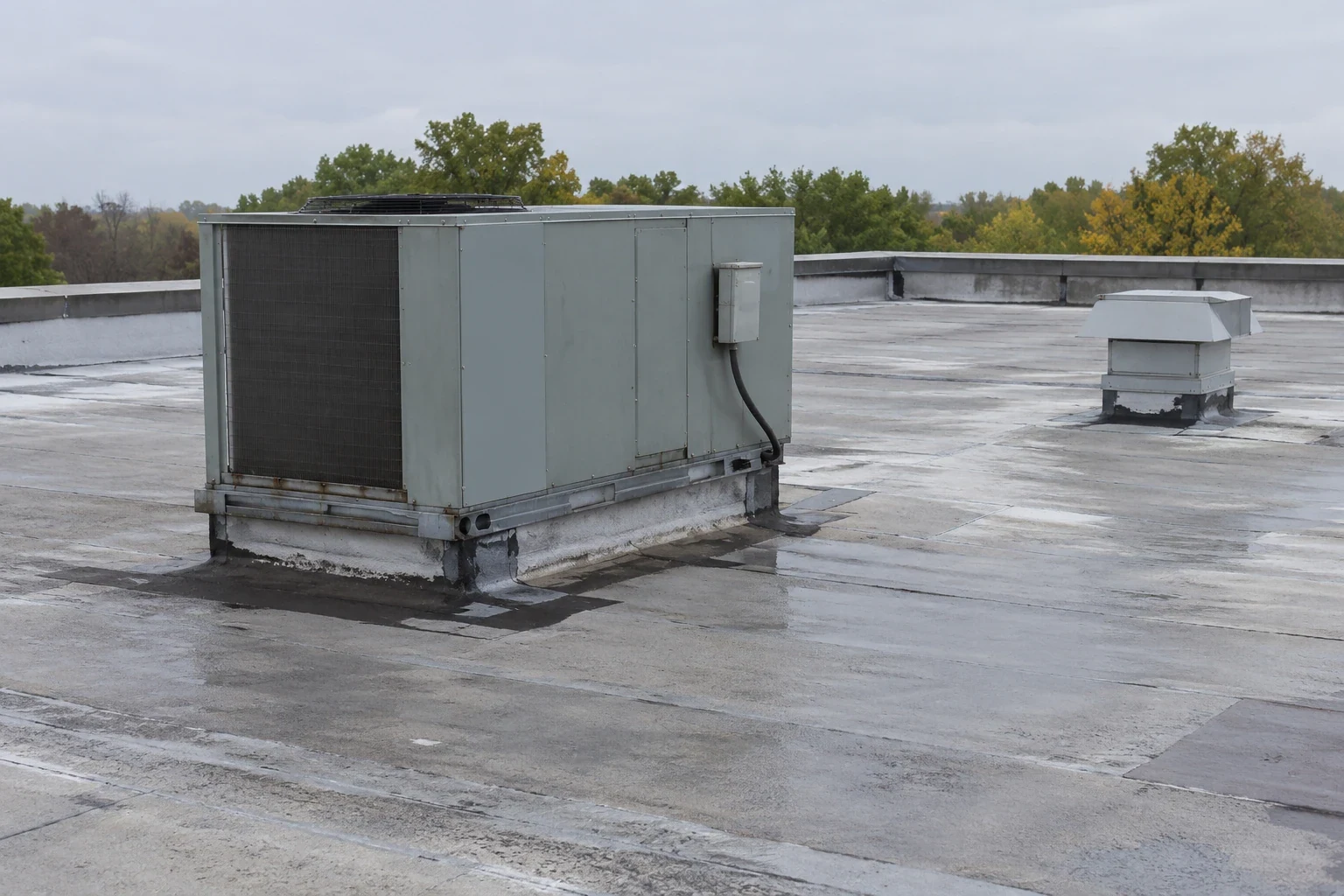
Black EPDM can remain serviceable after years of exposure, but an old patch or a dry-looking field does not set the repair boundary. We map the roof section, identify sheet joints and flashing materials, then inspect how water moves toward drains and scuppers. Waterbury's hazard plan records a citywide winter-storm exposure that includes snow, ice, sleet, nor'easters, and blizzards. That context belongs in seasonal planning; it does not diagnose a membrane, seam, or deck. For a property beside one of the city's industrial districts or within the compact downtown, access and staging affect the work sequence, while the assembly determines the technical scope. The report separates visible EPDM wear from concealed conditions that need sampling.
Owners comparing membrane options can place EPDM beside TPO roofing and PVC systems using matching assumptions for insulation, attachment, and perimeter work. A roof survey establishes what is present before material is selected.
Trace the Joint and Flashing System
EPDM seams may use tape, adhesive, or other system-specific joining methods, and their condition can change with substrate preparation, contamination, movement, and repair history. We inspect the seam edges, corners, patches, and transitions rather than assuming a visible strip covers the full concern. The field sheet can remain intact while a termination or curb flashing opens. We label the defect by location and show whether it is isolated or connected to a pattern across adjacent sheets.
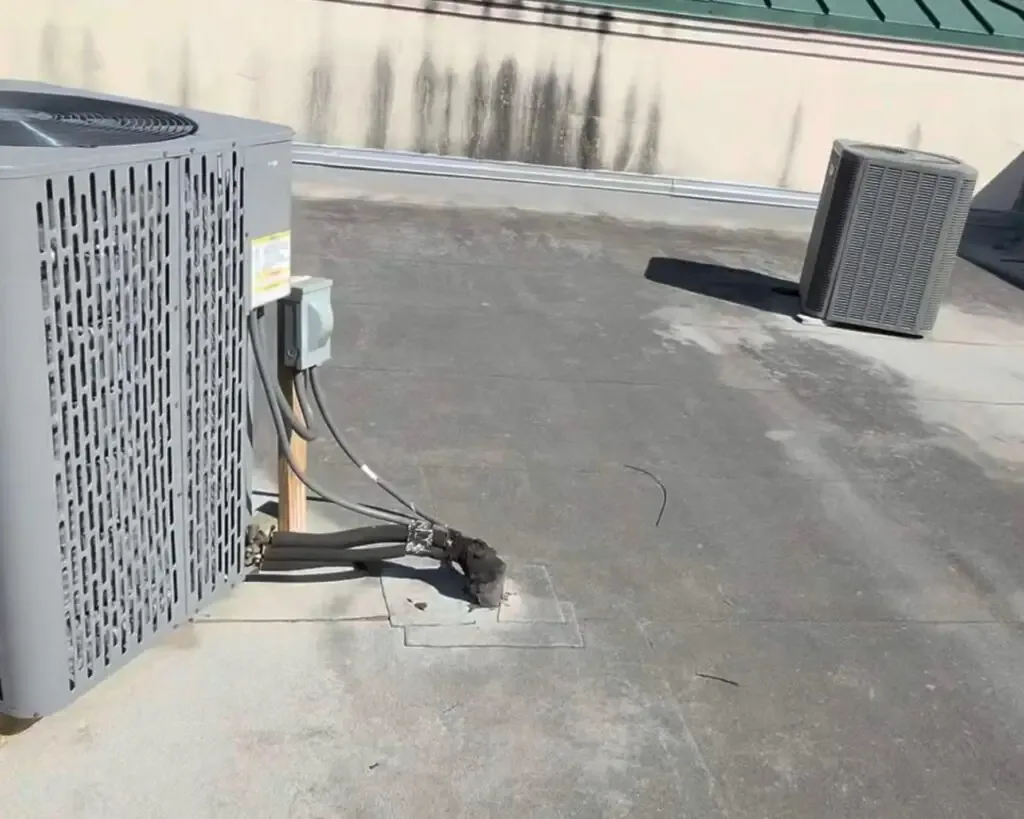
Walls, parapets, pipes, equipment curbs, and drains create changes in plane where the membrane must turn, seal, or terminate. We check for loose edges, exposed reinforcement, failed sealant, and details that collect debris. If an EPDM repair is feasible, the scope names the compatible preparation and materials for the observed assembly. Where prior work has obscured the original detail, a localized opening can clarify the layer condition before repair is approved. The outlet and surrounding membrane are reviewed together so the repaired surface connects back to a working water path.
Plan EPDM Work Around Waterbury Weather
The municipal hazard plan lists summer storms and tornadoes as local hazards as well as the winter conditions across Waterbury. For EPDM, that is a reason to record perimeter attachment, flashing, drainage, and temporary protection in the project plan. Uplift and snow capacity come from the actual assembly, design documentation, and applicable review.
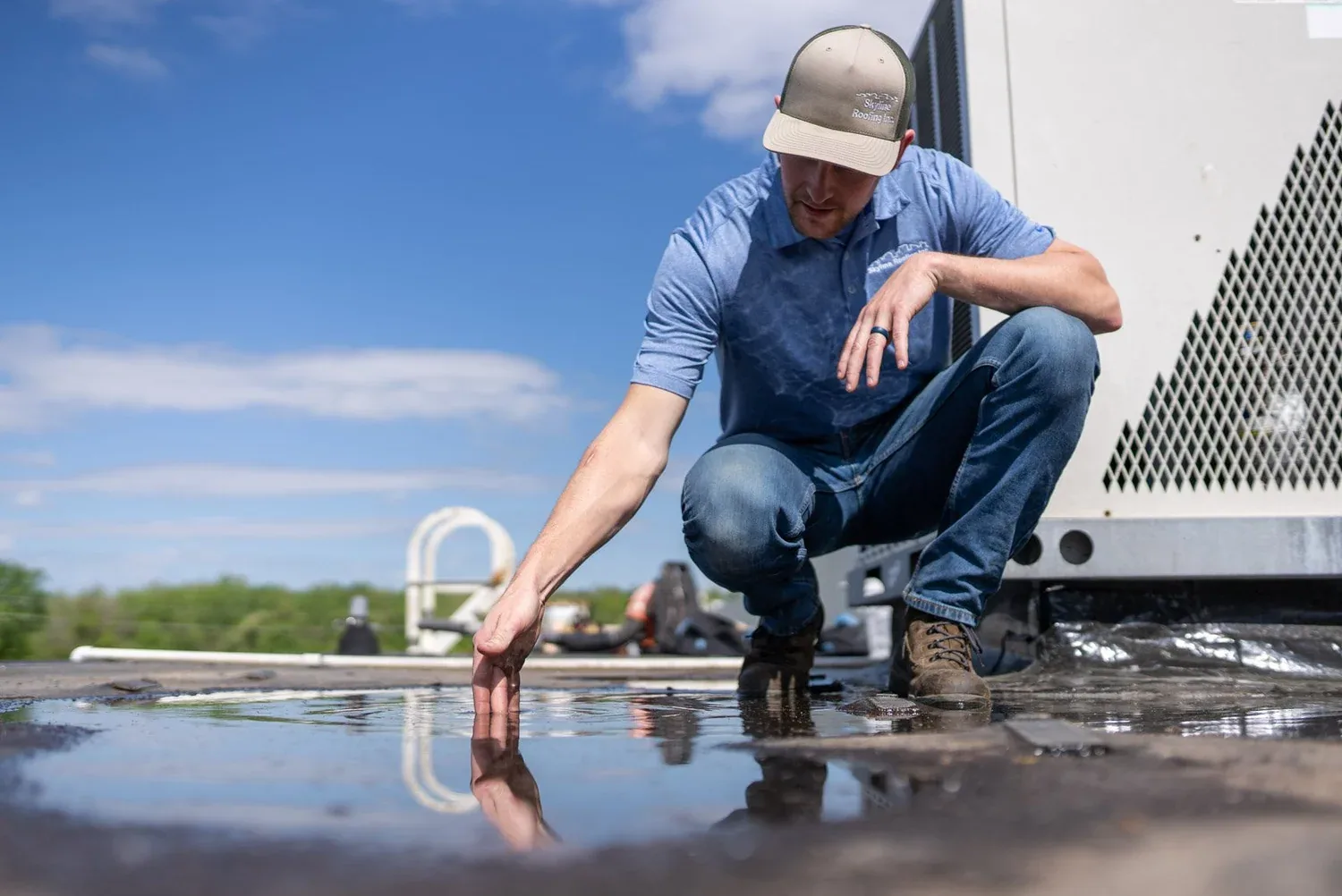
The plan also reports NOAA Atlas 14's 24-hour 10%-annual-chance rainfall estimate for Waterbury as 5.54 inches and cites projections of increasing extreme precipitation and hotter Connecticut summers. These figures provide dated context rather than a workday forecast. We use them only as context for reviewing roof drainage and seasonal maintenance; field slopes, outlet capacity, and observed ponding remain the property-specific evidence. A specific event-related condition belongs in the inspection record, while a maintenance plan can track seam and drainage findings over time.
Test the Layers Before Choosing a Recover
Recovering an EPDM roof depends on the condition and attachment of what remains below the new assembly. We review the number of existing layers, insulation condition, deck information, penetrations, and perimeter details. Targeted test cuts can show whether moisture has spread beyond a visible leak, whether the deck is sound where opened, and how the current system is attached. The sampling map should name what each cut can answer and keep unsampled zones outside the confirmed findings.
When moisture crosses a section or the substrate cannot hold the planned attachment, removal may be necessary. When findings support retention, recover still needs project-specific code and design review. We explain both paths in separate quantities: removal and replacement, or retained assembly with added components. A recover option review gives the owner a way to compare those scopes, while defined repairs address local conditions that do not yet justify larger work. The proposal identifies which finding would move the boundary and how that affects the capital allowance.
Coordinate Sheet Handling and Building Access
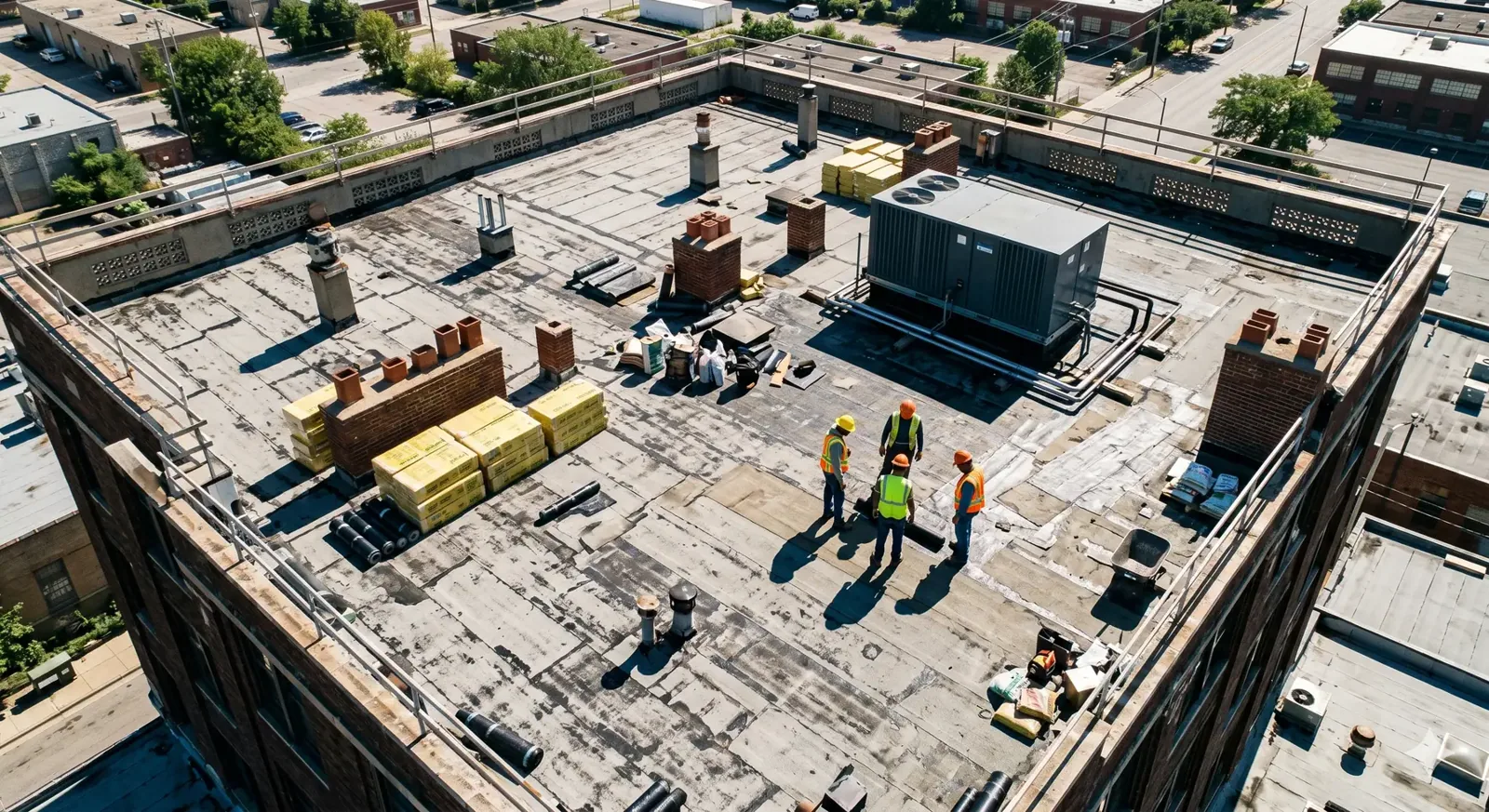
EPDM rolls and accessories need a staging plan that fits the roof access, lifting route, and area being repaired or replaced. We confirm where materials can be set, what equipment must remain reachable, and which work zones affect the business below. A replacement sequence should identify when the existing membrane is removed, how exposed insulation is protected, when new sheets are secured, and how seams and flashings are checked before the next area opens. The close-of-shift boundary needs enough detail to protect the roof if rain or wind interrupts work.
Waterbury's city plan describes a compact core near I-84 and Route 8, mixed-use corridors on East Main and South Main, and industrial land beside the Naugatuck River. These are broad planning contexts; a building's actual access rules come from its owner and site conditions. We coordinate deliveries and operating hours with the site contact, then show each phase on the work plan. For a building that cannot lose interior operations, phased reroofing coordination can document closure points and protection requirements. We also identify any interior sensitivity the site contact raises before selecting the protection sequence.
Keep the Repair Boundary in the Capital File
EPDM pricing changes with the number of sheets, seam and flashing repairs, insulation replacement, deck work, perimeter metal, drainage corrections, lift access, and disposal. The estimate should distinguish measured work from concealed-condition allowances and state how those allowances will be verified. We identify repair locations by section, add photos of tested areas, and list the items that remain outside the contract. If a full replacement is selected, the record should state the removal depth and how the new membrane is fastened or adhered.
A replacement is also a maintenance decision. The owner needs a record of the system installed, seam and flashing details, repaired transitions, and any locations that should be revisited. For an existing EPDM surface, we can set a monitoring interval from the observed condition and identify which changes would justify a new scope. If the building is in Waterbury, the local service assessment begins with roof records, access procedures, and the project's permit or capital window. Closeout photos give the next asset review evidence of where repairs stop and what condition remained.
Commercial Roofing Questions
How can you tell if an EPDM seam needs repair or broader work?
We examine seam edges, patches, nearby flashing, and the membrane surface around the reported condition. The inspection map shows whether defects are confined to one location or repeated across a section. Where the cause remains concealed, we identify a test or opening before assigning a larger scope.
Can EPDM be covered with another roofing system?
Possibly, after the existing layers, moisture, attachment, and deck have been reviewed and the proposed assembly receives the required code and design checks. We use test cuts where those facts could change the recover boundary, and document areas that remain untested.
Does Waterbury's winter exposure mean an EPDM roof needs replacement?
No replacement decision follows from citywide exposure alone. We inspect the membrane, edges, drains, seams, and interior evidence, then relate any observed damage to the roof section. The hazard plan informs scheduling and maintenance context; the assembly findings set the scope.
What should be included in an EPDM repair proposal?
It should identify the repair locations, preparation, compatible materials, flashing or termination work, access assumptions, and any test needed to verify the boundary. We also show exclusions and closeout photos so a future review can distinguish repaired areas from conditions left in service.
How do you schedule EPDM work in an occupied building?
We agree on access, material staging, protection below, operating hours, and a daily closure point before work starts. Each phase shows where removal ends, when the surface is protected, and which seams or flashings remain for inspection before the area is released.
Set the EPDM Repair or Replacement Boundary
Send roof plans, repair history, access rules, and your work window. We will map the membrane and details, test concealed areas where needed, and document repair, recover, or replacement options by roof section.