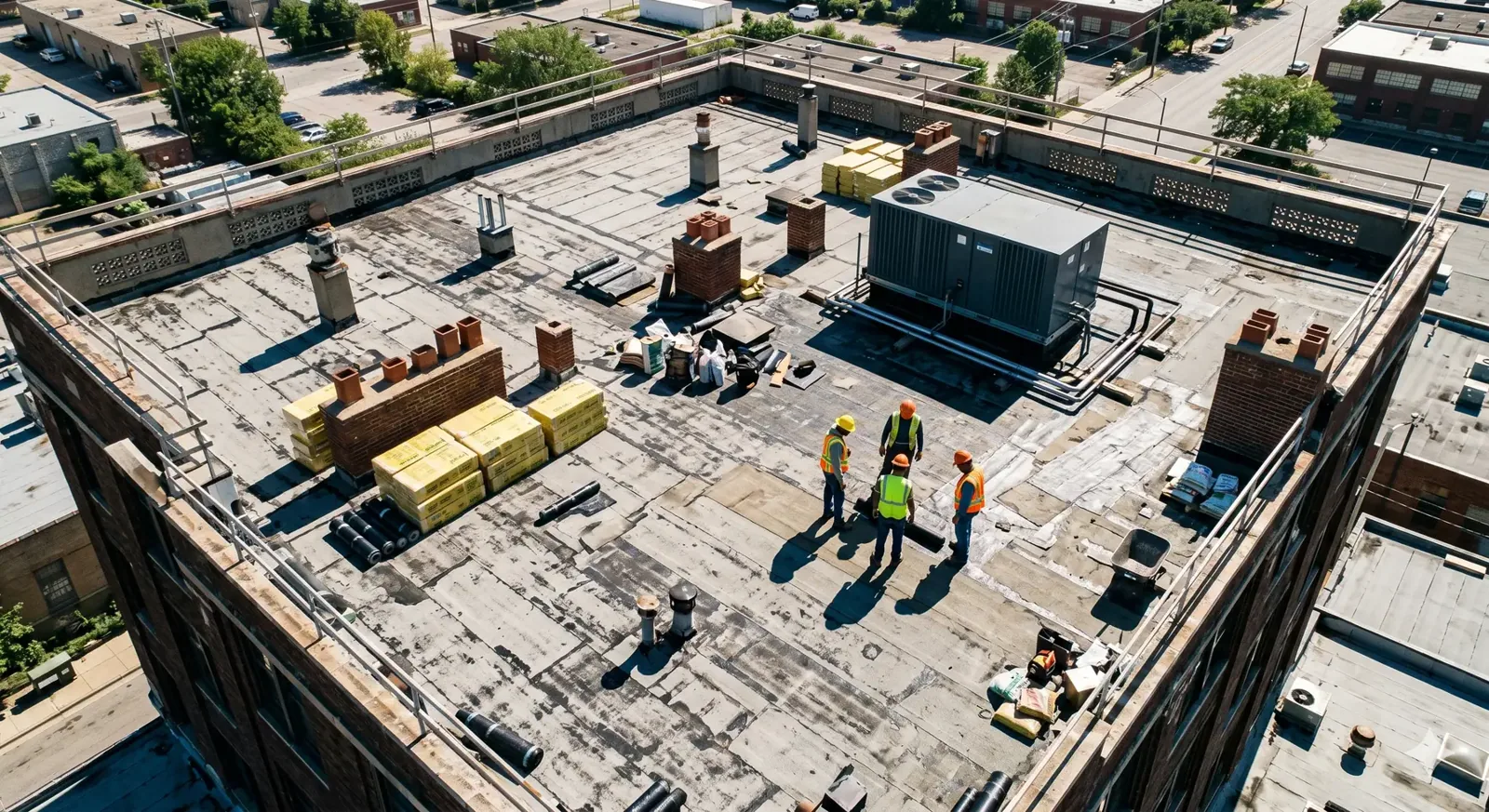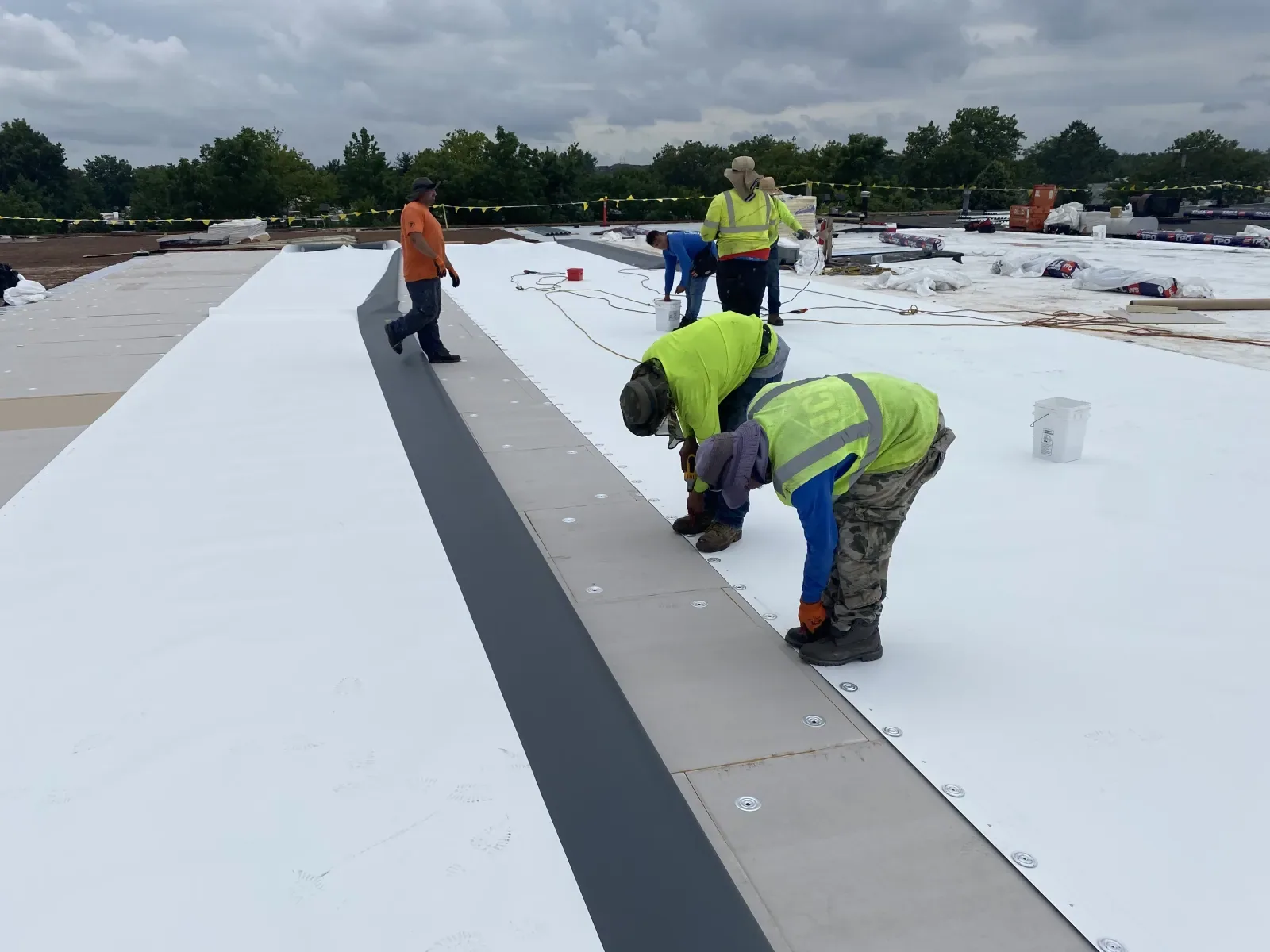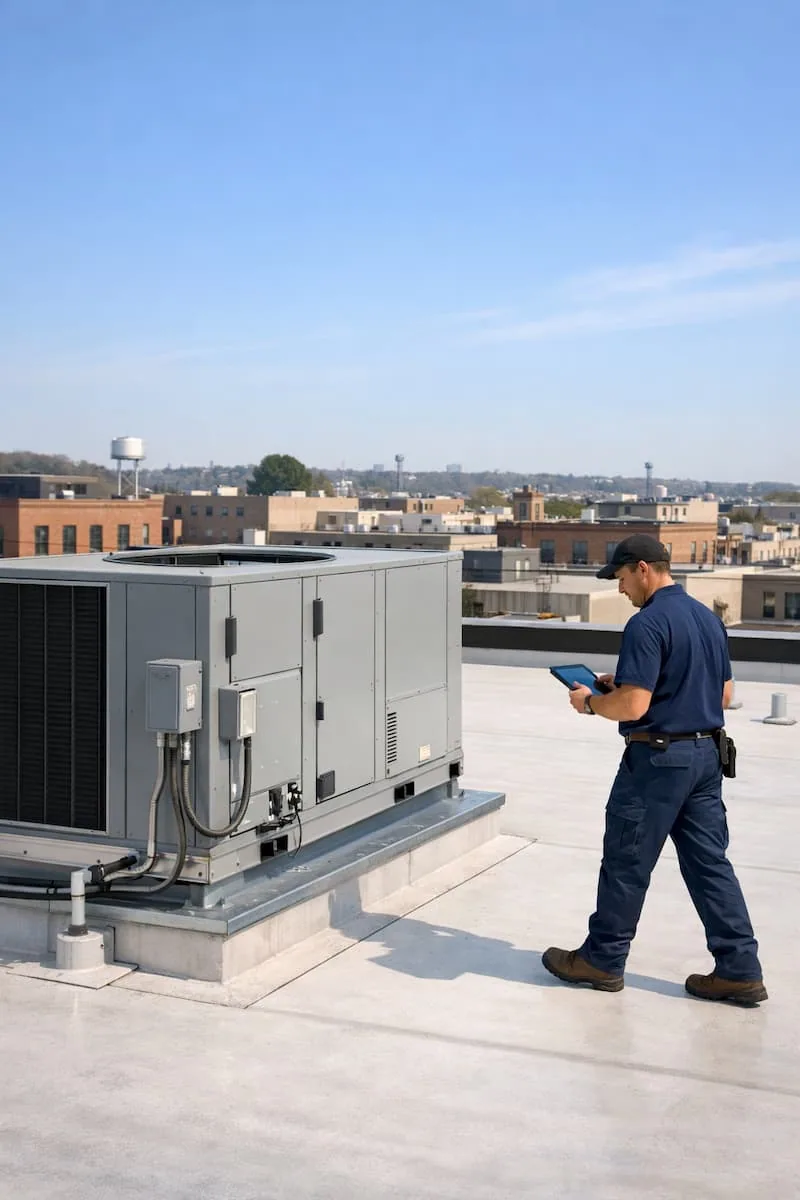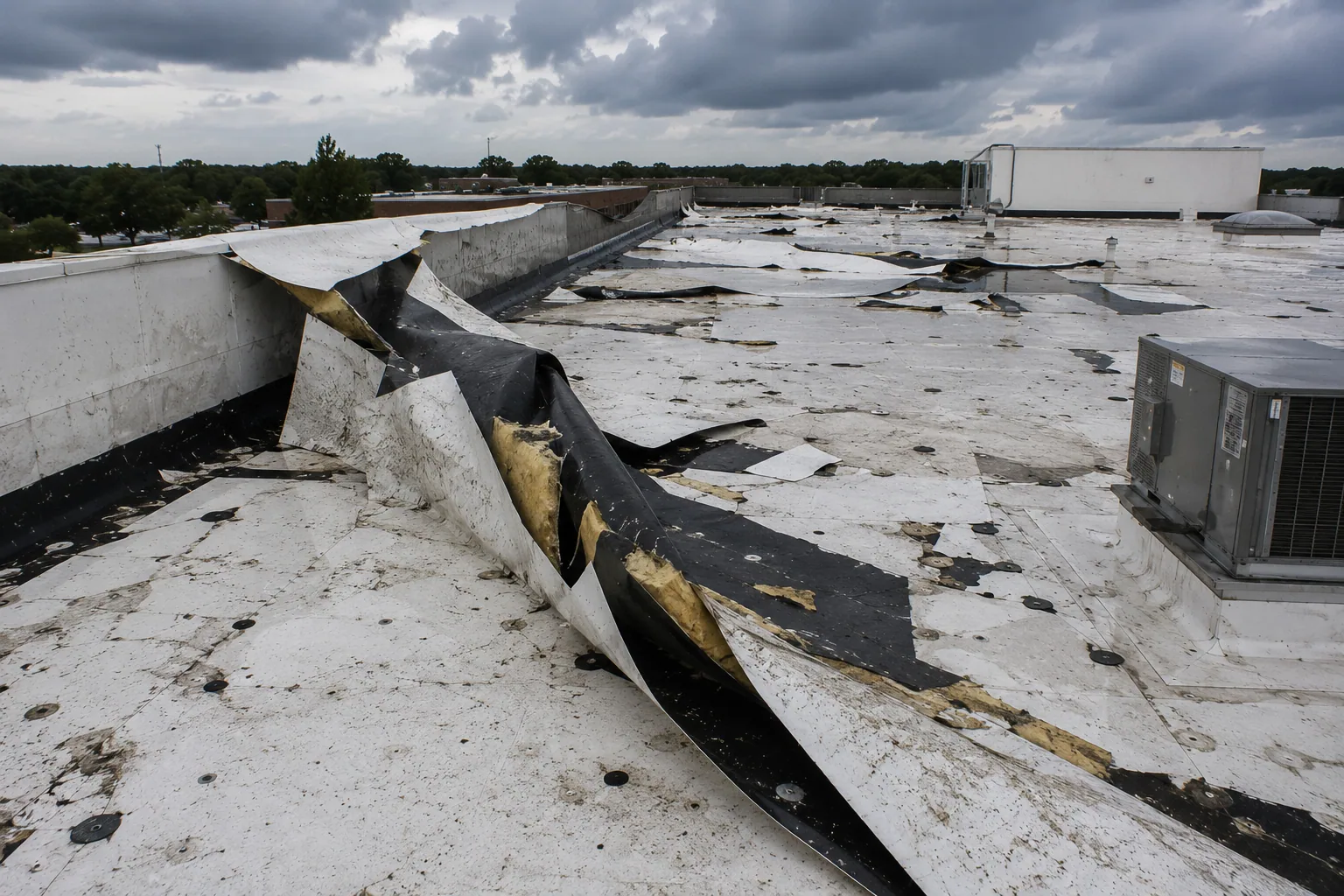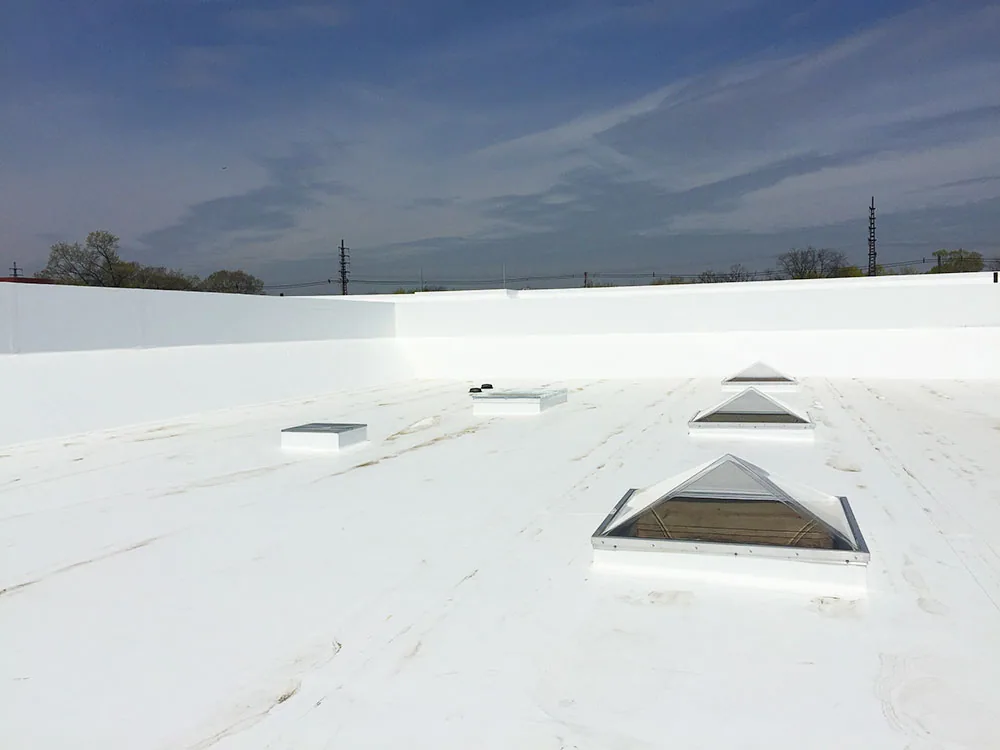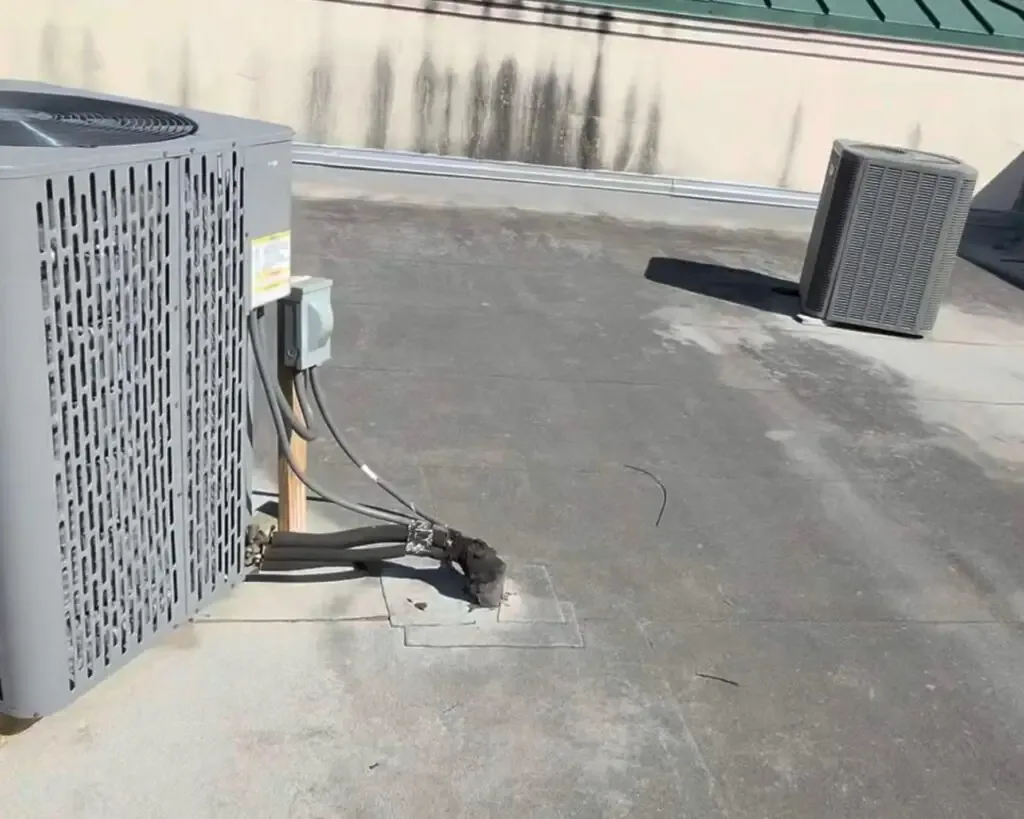
A repair estimate should begin at the failed detail and end at a boundary the owner can inspect later. We trace the defect, check adjacent membrane and flashing, and note whether water has reached insulation or deck. A patch over a moving seam may fail again; replacing a broad field without checking the detail can add cost without solving the entry point. In Waterbury, CT, the documented winter-weather exposure and summer storm risk make it useful to record what was found before the next wet or freeze cycle. We identify the repair materials, preparation, access needs, and any condition that remains outside the scope. When the entry path is uncertain, we begin with a roof inspection, and when failures recur across a larger area we set the repair boundary beside a replacement decision.
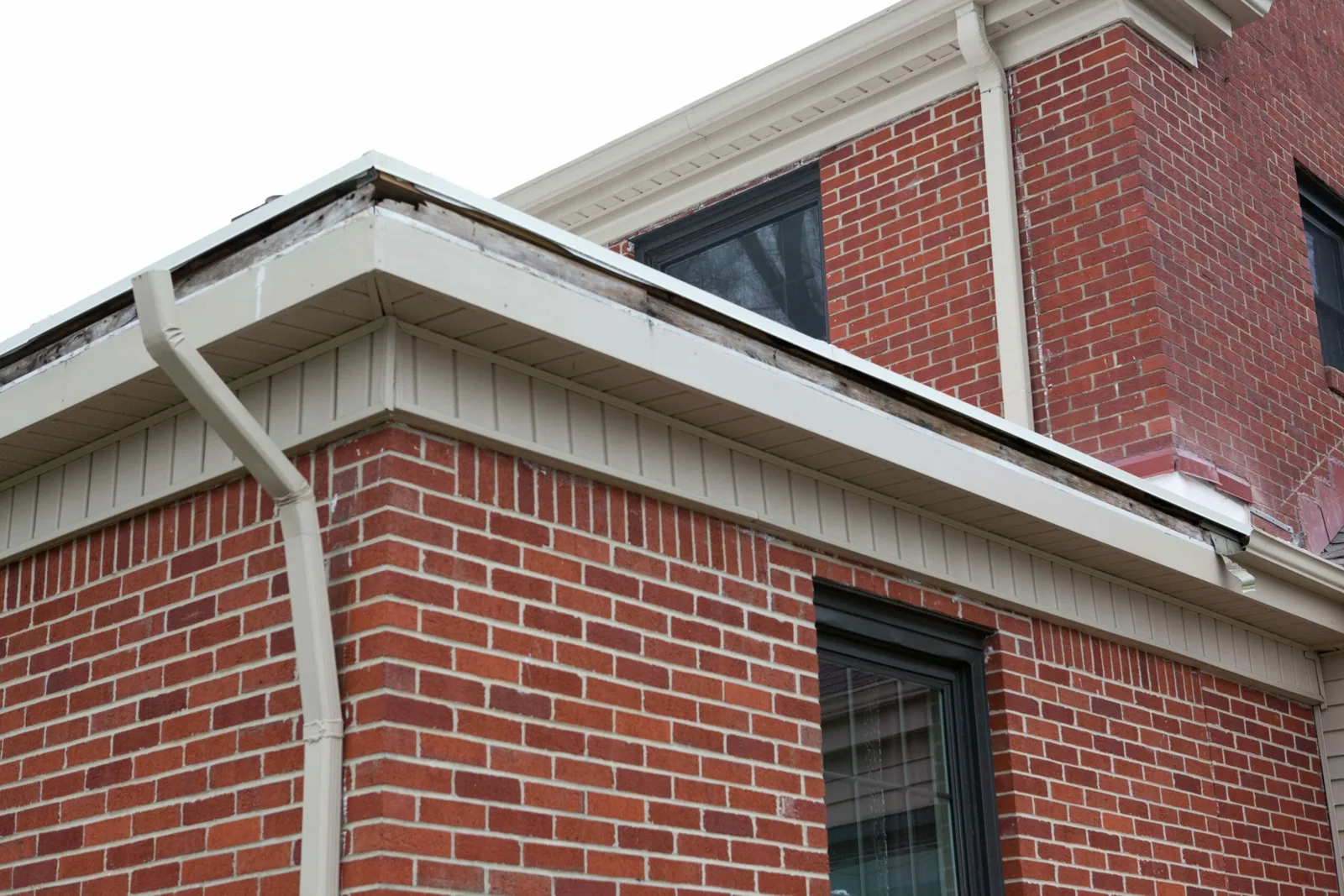
Trace the Water to a Repairable Detail
Water does not always appear below the point where it enters. It may travel along a deck flute, insulation facer, seam, or framing before reaching a ceiling tile. We compare the interior stain with roof conditions above it, then inspect nearby penetrations, wall transitions, drains, and membrane laps. A repair scope starts with the actual route we can verify. If the evidence is incomplete, we say which area needs more access or testing rather than treating a guess as a confirmed leak source.
At a seam, we check adhesion, contamination, movement, and the condition of the material on both sides. At a curb or parapet, we examine flashing height, termination, and nearby metal. Punctures call for sound material around the opening, not a cover patch laid on dust or loose granules. The repair may include drying or replacing a small area of wet insulation if exposed. For a roof that carries mechanical equipment, review the curb and support details as part of the inspection. The chosen fix must restore a continuous water-shedding surface at every transition.
Write a Boundary That Can Be Checked
A useful proposal identifies the defect, repair method, limits, and finish condition. We note whether work means cleaning and resealing a lap, replacing flashing, changing a drain detail, or removing membrane and insulation to the sound layer. The scope describes the preparation and the materials, then records what is excluded because access was not available or the concealed assembly was not opened. If the deck changes after removal, we photograph the condition, measure the affected area, and seek approval before extending the work.
Waterbury's 2021 hazard plan identifies summer storms and tornadoes as local hazards and winter storms across the city. That is regional context for scheduling a repair and checking its dry-in, not evidence that a particular defect came from a storm. In a property where the leak disrupts business, the first visit may need to isolate active entry while a permanent repair is scoped. A defined wind-damage assessment can record lifted edge metal or opened seams when those conditions are present. Do not infer wind damage from a ceiling stain alone; the observed detail sets the repair.
Match the Repair to the Existing Roof
Repair materials need to work with the existing membrane and its condition. TPO, PVC, EPDM, modified bitumen, built-up roofing, metal, and coated assemblies each require a compatible repair approach. We confirm the system where possible, clean and prepare the surface as its detail requires, and check that the surrounding material can accept the repair. A membrane's name does not tell us its age or condition. If the roof has been coated or repaired before, those layers also affect adhesion and the available repair method.
The city's plan lists East Main and South Main among Waterbury's mixed-use commercial corridors, where retail, services, restaurants, housing, and civic uses sit together. I-84 and Route 8 meet near the central business district, where access and staging can require coordination with occupied uses. On those properties, the repair sequence should account for entry below the work and any temporary indoor protection. A TPO repair approach or compatible modified bitumen repair depends on the assembly. We document the material and detail treated for later comparison.
Account for Access and What the Repair Reveals
Repair cost changes with access, height, distance from staging, work-hour limits, surface preparation, and how much wet material needs removal. A quick patch can be the wrong budget choice if it leaves a known water path active or requires repeated service calls. We explain which work stops the current leak, which work restores a broader detail, and which condition needs a separate capital decision. Where the building is occupied, we plan for safe roof access and interior protection with the property contact.
Waterbury's industrial land follows the Naugatuck River through the city, with another industrial district in the southeast. Those properties can have different equipment and delivery constraints, so we confirm actual access rather than assuming a standard setup. If multiple leaks share a common transition or drainage problem, we can price the connected repairs together and label each location. A photo report keeps the defect, repair area, and remaining condition in the asset record. For a recurring issue, a Waterbury roof assessment can include surrounding sections to determine whether a single repair boundary still makes sense.
Record the Repair and Its Remaining Limits
After the repair, we photograph the prepared area, installed detail, and nearby conditions that matter to future maintenance. The closeout notes the date, location, work completed, materials used, and any limitation such as an inaccessible adjacent wall or an untested wet area. That gives the owner a clear reference if a new stain appears later. It also helps distinguish a failure in the repaired detail from a separate entry path nearby.
Not every repair removes all uncertainty from a roof with concealed layers. The report should say what we opened, what remained covered, and what sign would justify further testing. If the repair exposes widespread moisture, we can compare the additional removal with a recover or replacement scope. If the detail remains sound after repair, scheduled roof maintenance can revisit drains, laps, flashings, and terminations before the next seasonal cycle. The decision remains tied to the recorded condition rather than a blanket promise about the whole assembly.
Commercial Roofing Questions
Can you repair a leak without replacing the surrounding roof?
Yes, when the defect is localized and adjacent material can hold a compatible repair. We inspect the seam, flashing, insulation, and surface around the entry point, then set a boundary that reaches sound material. If testing finds connected moisture or recurring failures, the scope should compare that repair with a larger section of work.
What information goes into a repair record?
The record identifies where water entered, what detail failed, how the area was prepared, and what material was installed. Photos show the condition before and after work. We also state what remained untested or inaccessible, so a future inspection can distinguish a new issue from the repair already completed.
How do you decide between a patch and a larger repair?
The condition of the membrane around the defect sets the limit. We check for movement, wet insulation, failed laps, and damage that continues past the visible opening. If sound material is close, a local repair may be reasonable. If the defect repeats along a seam or transition, we measure that run and price a continuous detail repair.
Can a repair be scheduled while tenants or staff remain inside?
The access plan, noise, interior protection, and work area determine how the repair fits the building day. We confirm those conditions with the property contact and isolate the roof section where feasible. In Waterbury's mixed-use East Main or South Main corridors, the exact building rules still set entry times and staging.
What if the repair exposes wet insulation or a weak deck?
We stop at a safe boundary, photograph the exposed assembly, and measure the affected area. The owner can review the added removal and replacement before we proceed. If the moisture or deck condition extends beyond the repair, the written scope identifies the options and the cost drivers for a larger section.
Put the Repair Boundary in Writing
Share the leak location, access rules, and any roof history. We will inspect the detail, identify what can be verified, and return a measured repair scope with photos and remaining limitations.