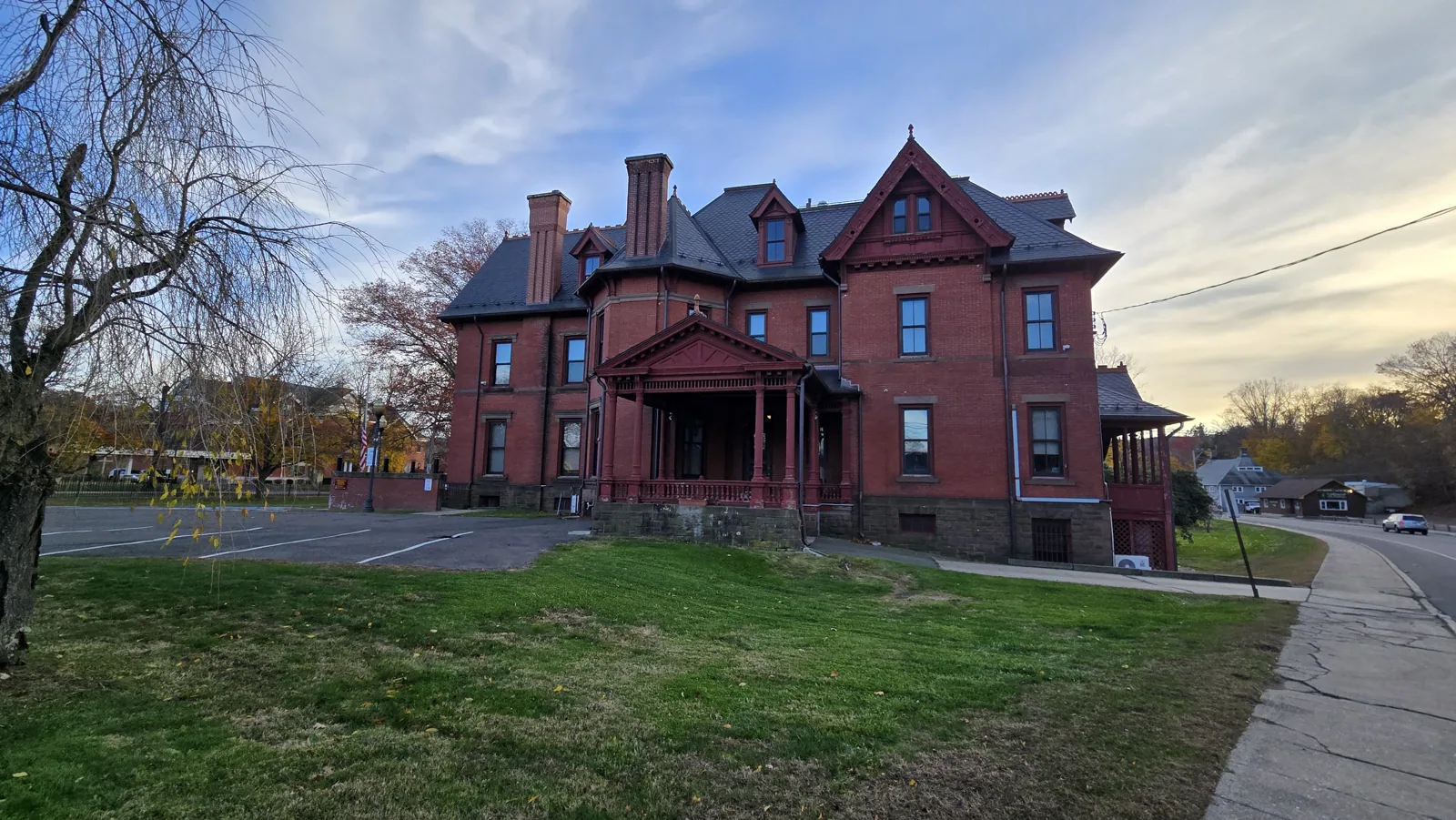
A roof opening above an assembly room has to fit the calendar as well as the repair scope. We inspect the membrane, metal transitions, drainage, and any reported interior leak, then lay out a repair or replacement boundary that can be closed within the approved work window. Waterbury's mixed-use corridors carry housing, services, restaurants, and civic uses, and the city's compact business center sits near the I-84 and Route 8 junction. Those are broad access settings; each congregation sets the hours and routes that shape the job.
Before material is ordered, we check the roof layers, fastening, insulation, and perimeter details. The inspection record identifies confirmed damage and conditions that need a test cut, so a budget request has a defined basis. Winter storms can bring snow and ice across Waterbury, while summer storms can interrupt an open-roof shift. A roof inspection can map the work area, and commercial roof service near Naugatuck can be scheduled under the property's own access procedures.

Fit the Work Sequence to Worship and Community Use
We ask which rooms and entrances carry the most activity, when services or gatherings take place, and whether food, childcare, or community programs use the building during the week. Those answers help set lift placement, material staging, noise periods, and any temporary route change. If the property includes a low-slope hall next to a pitched sanctuary roof, we map the assemblies separately instead of pricing a single blended surface.
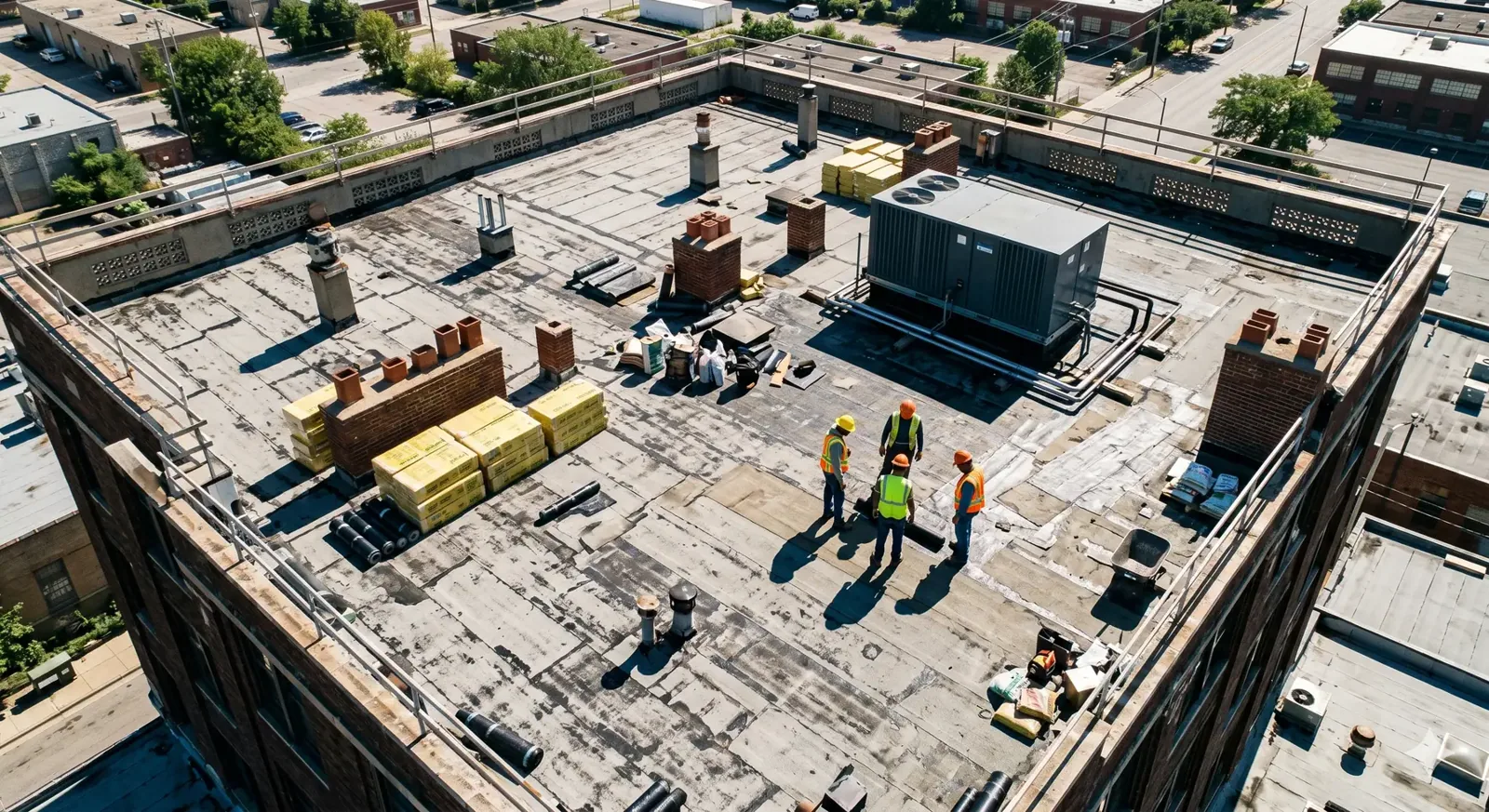
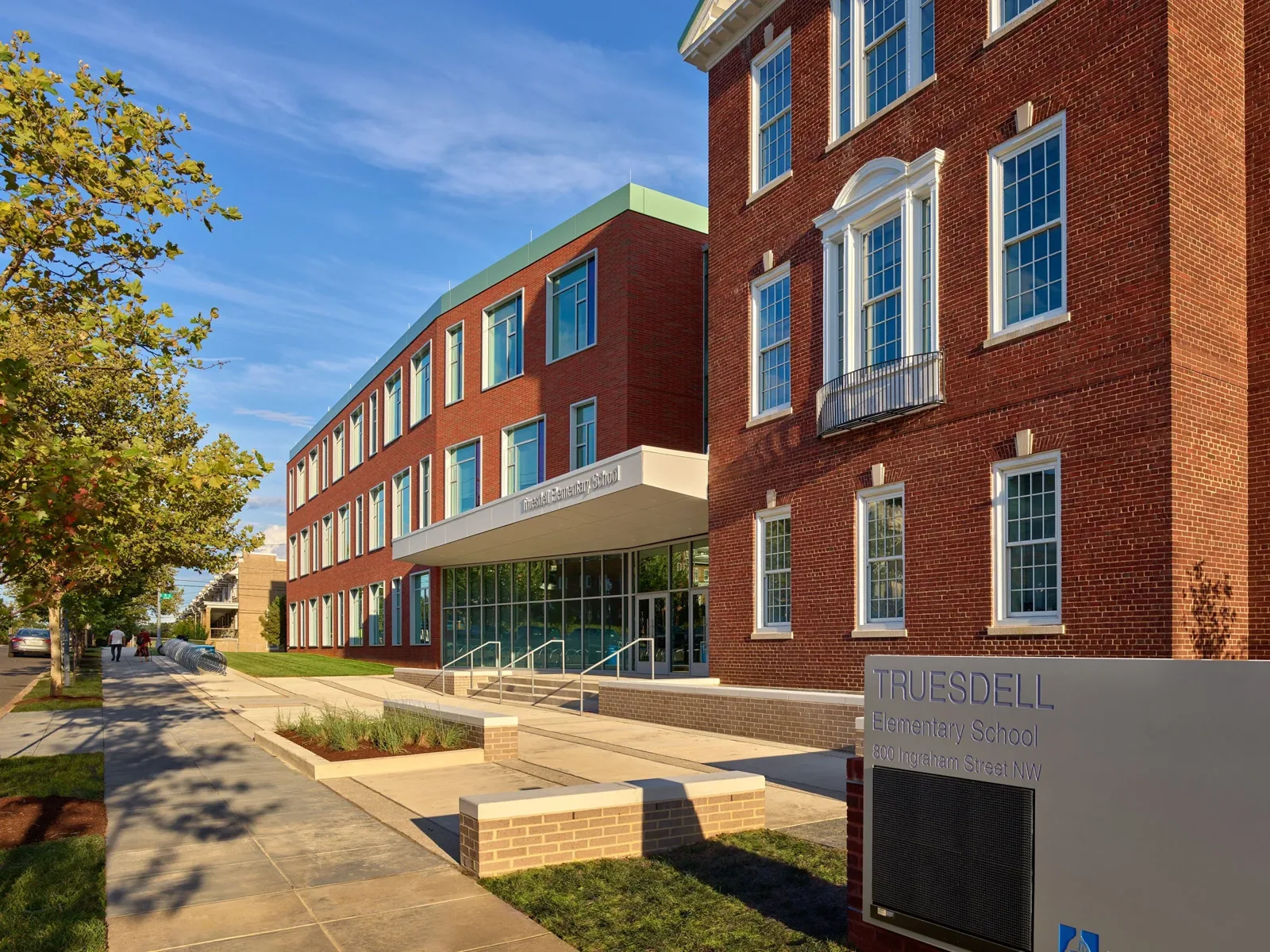
The field review records each roof area, edge, drain, penetration, and wall transition that is actually present. If the roof includes a steeple, skylight, or bell opening, we record its attachment and flashing as a separate detail. Education rooms may run on a different calendar, as they do at a school, and occupied-building phasing can keep a separate assembly open while work moves across another section. If roof access passes through a secured room, we identify the approved escort and the time needed to reach the work area. That travel time affects how much roof can be opened safely in a shift. We also locate generators, air intakes, and kitchen exhausts before staging equipment, then coordinate with the person who controls those systems.
Separate Roof Types Before Pricing Materials
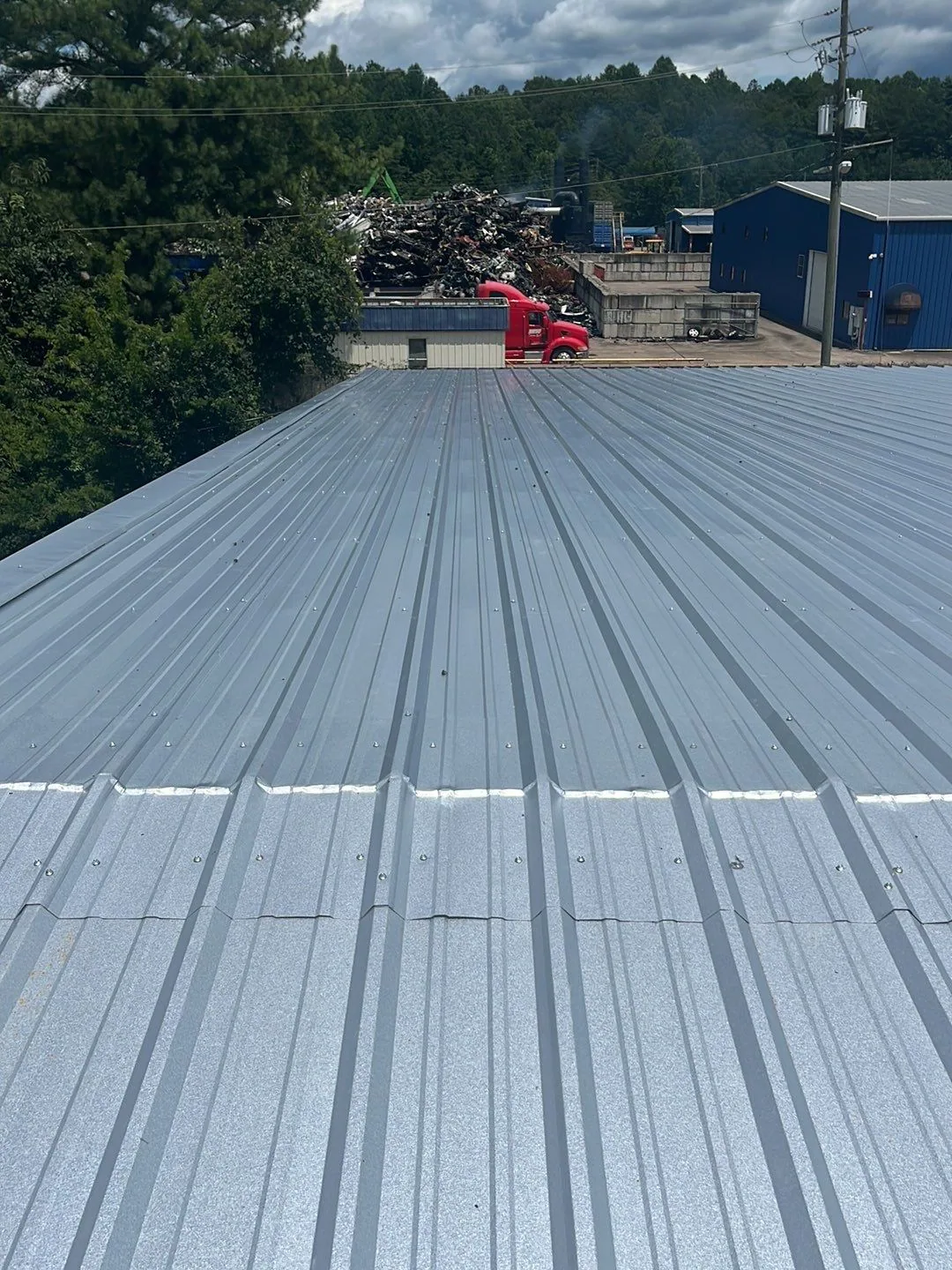
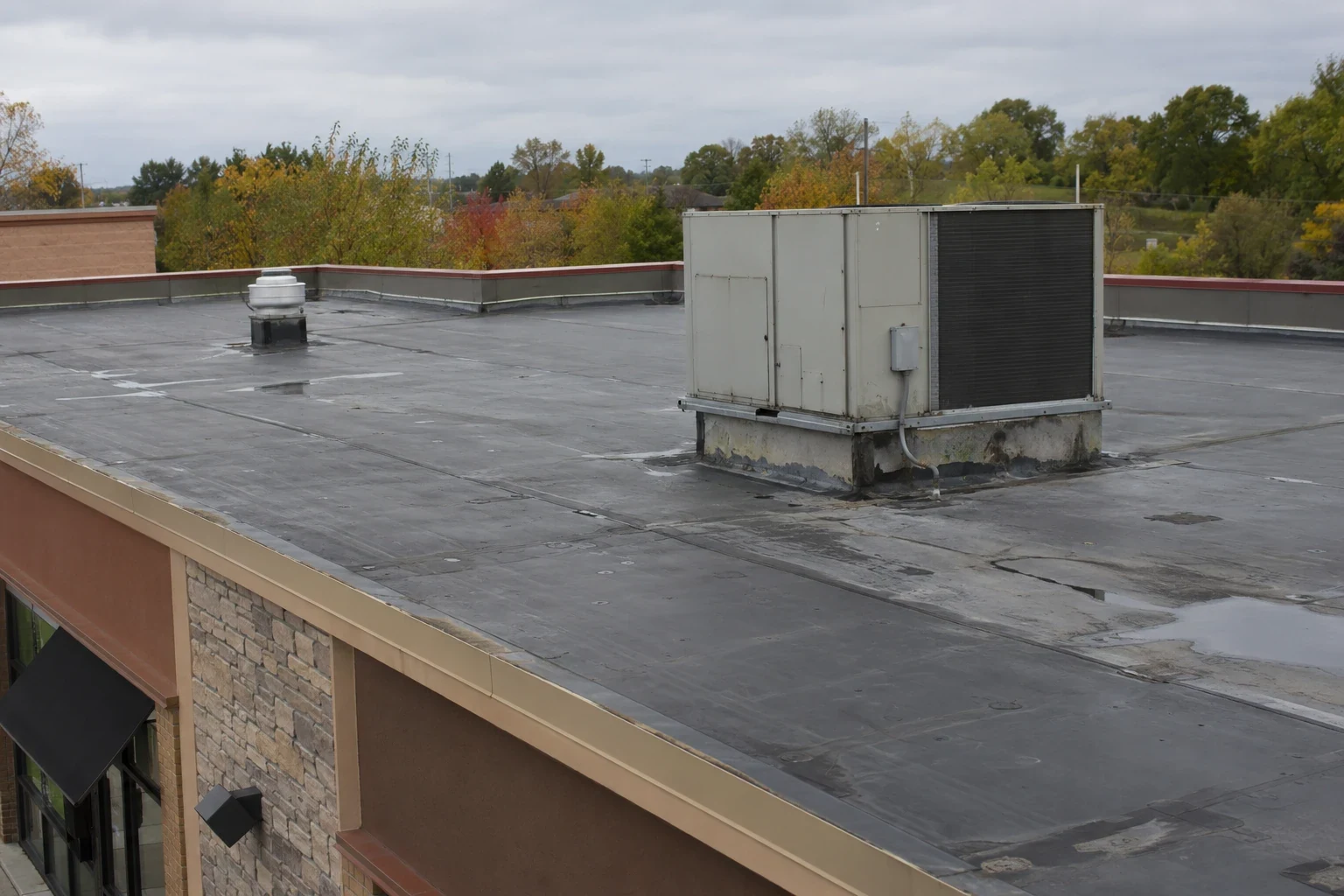
A sanctuary may have a sloped surface, while classrooms, kitchens, offices, or a fellowship hall use low-slope roofing. Each transition needs its own detail: water must move off the slope without entering the lower roof, and flashings around walls or equipment need enough height and sound substrate. We note roof geometry, existing layers, edge restraint, drainage, and the condition of any metal panels or membrane seams. The proposal assigns each area a material and work boundary.
Low-slope sections may support repair, recover, or tear-off depending on attachment, moisture, deck condition, and layer count. Metal areas require attention to fasteners, laps, coatings, and movement at transitions. The standing-seam metal option is reviewed against the actual framing and slope. We compare system options only after the current roof and drainage are documented. A parish hall with a kitchen shares exhaust and grease concerns with a restaurant roof.
Trace Water Without Expanding the Repair by Guess
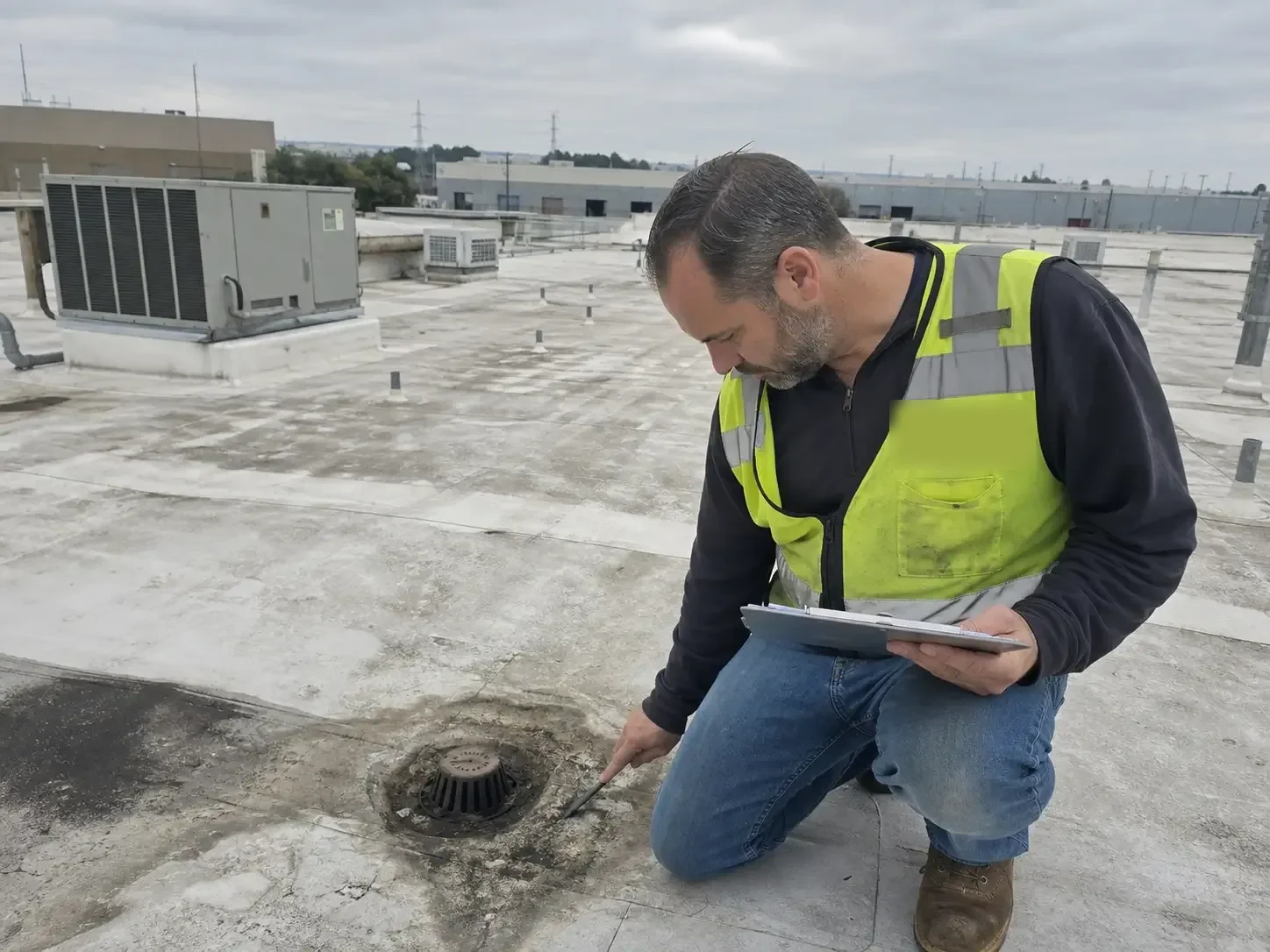
A stain near an altar, office, or kitchen can be fed by a seam or curb several feet away. We compare the interior report with roof slope, laps, drain path, parapets, and penetrations, then photograph the likely entry detail. If a concealed wet core would change the repair line, a test cut can confirm the layers before replacement quantities are set. The written scope distinguishes a verified repair area from a section still under observation.
Waterbury's winter exposure makes drain bowls, scuppers, and edge transitions worth checking before snow and ice season. A roof that holds water after a storm can also delay the next event's dry-in window. We identify whether the outlet is blocked, the slope is inadequate, or a nearby seam has opened, then assign the appropriate correction. A drain and scupper review can address outlet details; the report can also record storm-related damage after severe weather.
Price Repair, Recover, and Replacement as Separate Choices
A repair may be the right scope where the roof is otherwise attached and dry. When insulation is wet across multiple areas, seams have recurring failures, or the deck needs correction, a broader replacement can set a more reliable boundary. A recover can preserve the existing roof only when its attachment, moisture condition, and added height at edges and drains are acceptable. We show the evidence behind each path and list what a test would settle before committing to material.
Cost moves with tear-off, disposal, roof height, lift access, edge metal, insulation depth, interior protection, and the number of mobilizations. Timing also changes with permit requirements, deliveries, weather holds, and the congregation's available work windows. A roof replacement scope can break the price by section. The estimate states the dry-in date assumption and who approves added concealed work.
Leave a Record the Building Committee Can Use
At closeout, we photograph seams, flashing, drains, slopes, penetrations, and tie-ins, then mark repairs on the roof plan. The report identifies material installed, tested areas, remaining observations, and the date to review them. A committee can take those records into the next budget meeting without treating a roof-wide allowance as a confirmed repair. Where a volunteer handles routine checks, we note what condition should prompt a call and which records to keep.
Waterbury's South Main and East Main corridors have a mix of commercial and residential uses; the city center also has civic, financial, health-care, and higher-education activity. We inspect the actual assembly, set a suitable work window, and report the cost and timing choices. For sudden active water, emergency response is available at any hour, including holidays, to stabilize the opening while a permanent repair is scoped.
Commercial Roofing Questions
Can roof work be scheduled between services?
We map the congregation's calendar, room use, entrance routes, and noise limits before sequencing work. The work plan identifies material staging, lift placement, and when each roof section can be open. If weather prevents the planned closure, the scope includes a safe temporary tie-in and a contact for the hold decision.
How do you handle a sanctuary roof beside a flat roof?
Each assembly gets its own inspection and price boundary. We look at slope, seams, metal laps, flashing height, drainage, and the point where one roof meets another. That transition can require its own detail, so the proposal shows how water moves from the higher surface to the lower one.
What makes a recover option unsuitable?
Loose attachment, wet insulation, deck damage, excessive existing layers, or insufficient height at drains and edges can rule out another layer. We check those conditions and use a test cut when concealed material may change the recommendation. The report then compares repair and tear-off against the visible assembly.
Can donations or committee approvals change the schedule?
The work window can be held as a planning assumption, then tied to the committee's approval and material order. We identify permit steps, lead time, access needs, and the date by which a decision is required to preserve the desired start. If the approval moves, we update the sequence and weather allowance before mobilization.
What should we provide before the roof inspection?
Roof drawings, past leak notes, repair invoices, room schedules, access rules, and any known limits on noise or staging are useful. If plans are missing, we map the roof during the visit and identify concealed questions that need testing. That creates a defined scope for the committee's next review.
Set a Roof Work Window for the Congregation
Share roof plans, leak history, service and event dates, access rules, noise limits, and committee timing. We will document each assembly and price repair, recover, and replacement scopes with clear dry-in assumptions.