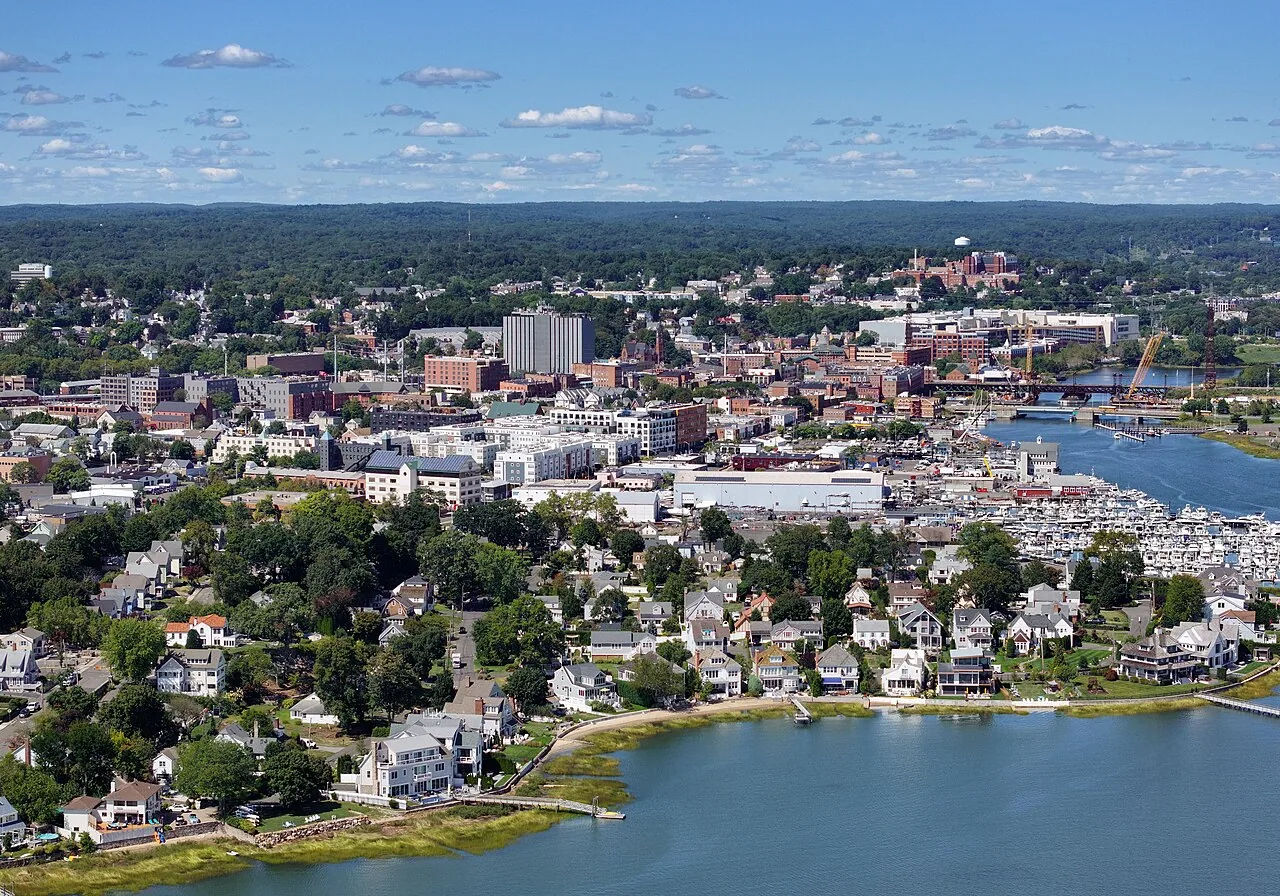
A long, narrow commercial district strings roof decisions out along a single line, and in Naugatuck, CT that line follows Route 63, the Naugatuck River and Route 8. The town's plan describes a linear commercial and institutional district running from Route 68 in the north to Cherry Street in the south, with medium-density residential neighborhoods on both sides. Every roof on that line asks the same budget question: does the inspection show a repair boundary that holds, or a wet core that moves the scope toward a recover option or a replacement line?
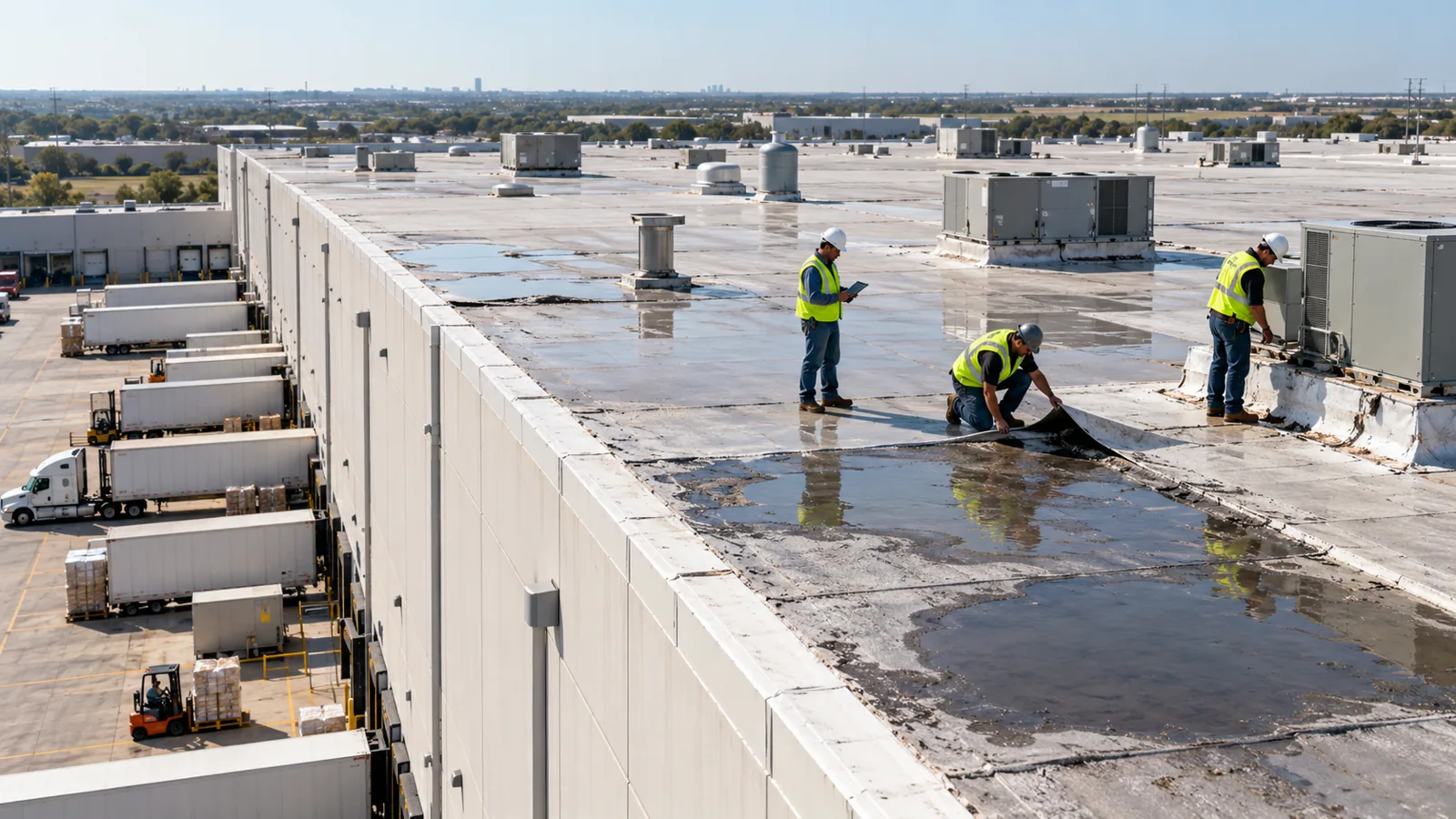
We answer it with a moisture survey, a few test cuts and a written comparison, so the owner sees the cost and the dry-in date of each path before choosing one.
Walk the Route 63 Corridor End to End
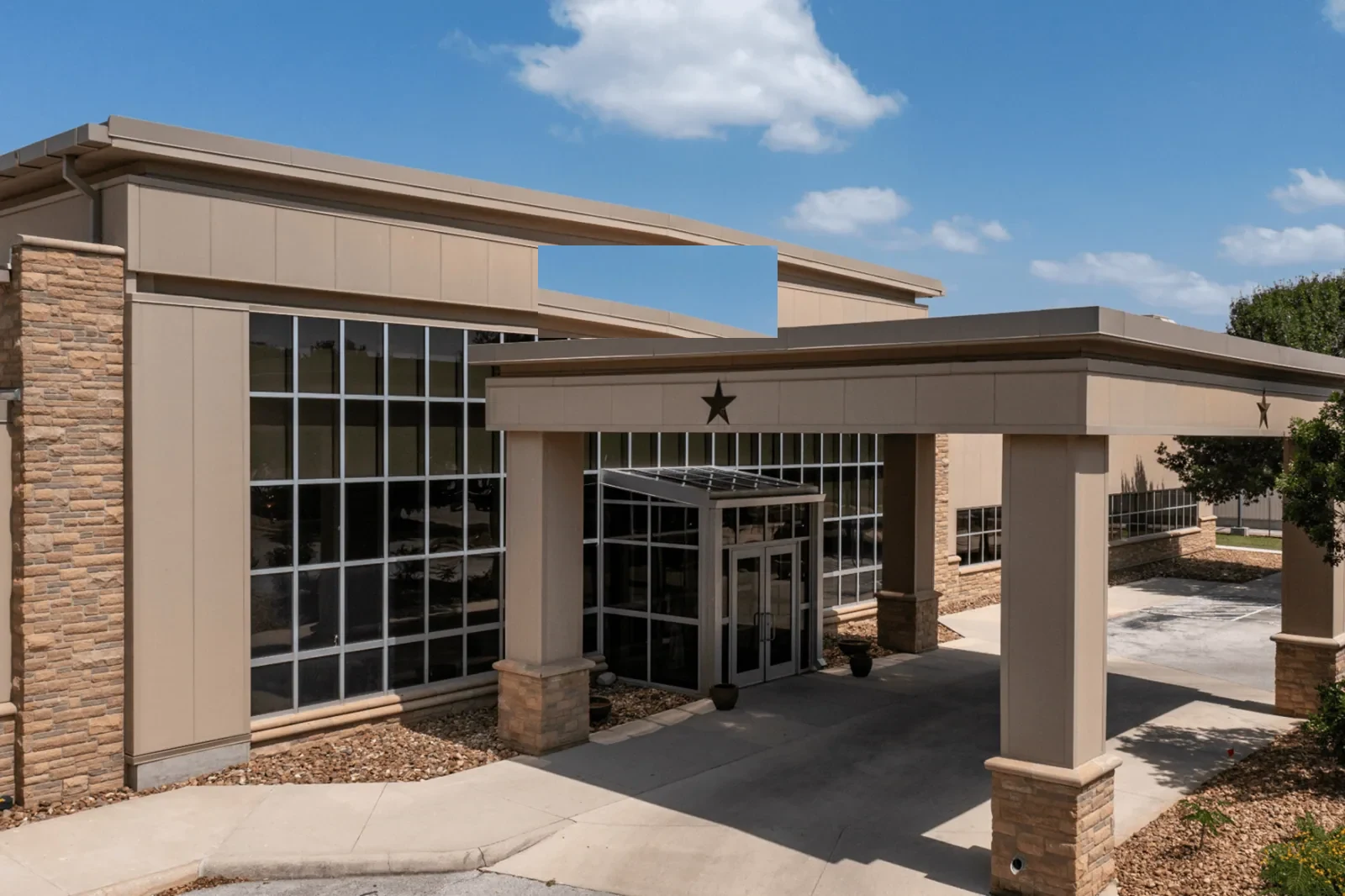
Buildings along a linear district tend to differ in age, size and use, so we treat each as its own roof asset and refuse to carry a finding from one lot to the next. On a first walk we mark roof sections, trace drains, probe seams and flashings and note rooftop equipment. We also record the access: whether trucks can reach the building, where a lift can stand and how tenants enter. Institutional uses in the district, such as offices or service buildings, may have fixed hours that decide when noisy work is allowed.
Those details end up in the estimate as allowances for staging, protection and timing, listed separately from the roofing material.
The residential neighborhoods on both sides of the district matter to a roof crew too. Trucks, lifts and noise reach homes as well as tenants, so we post work hours in advance, keep material runs short and avoid blocking the side streets that residents use to reach the corridor.
Price Industrial Redevelopment Along the River
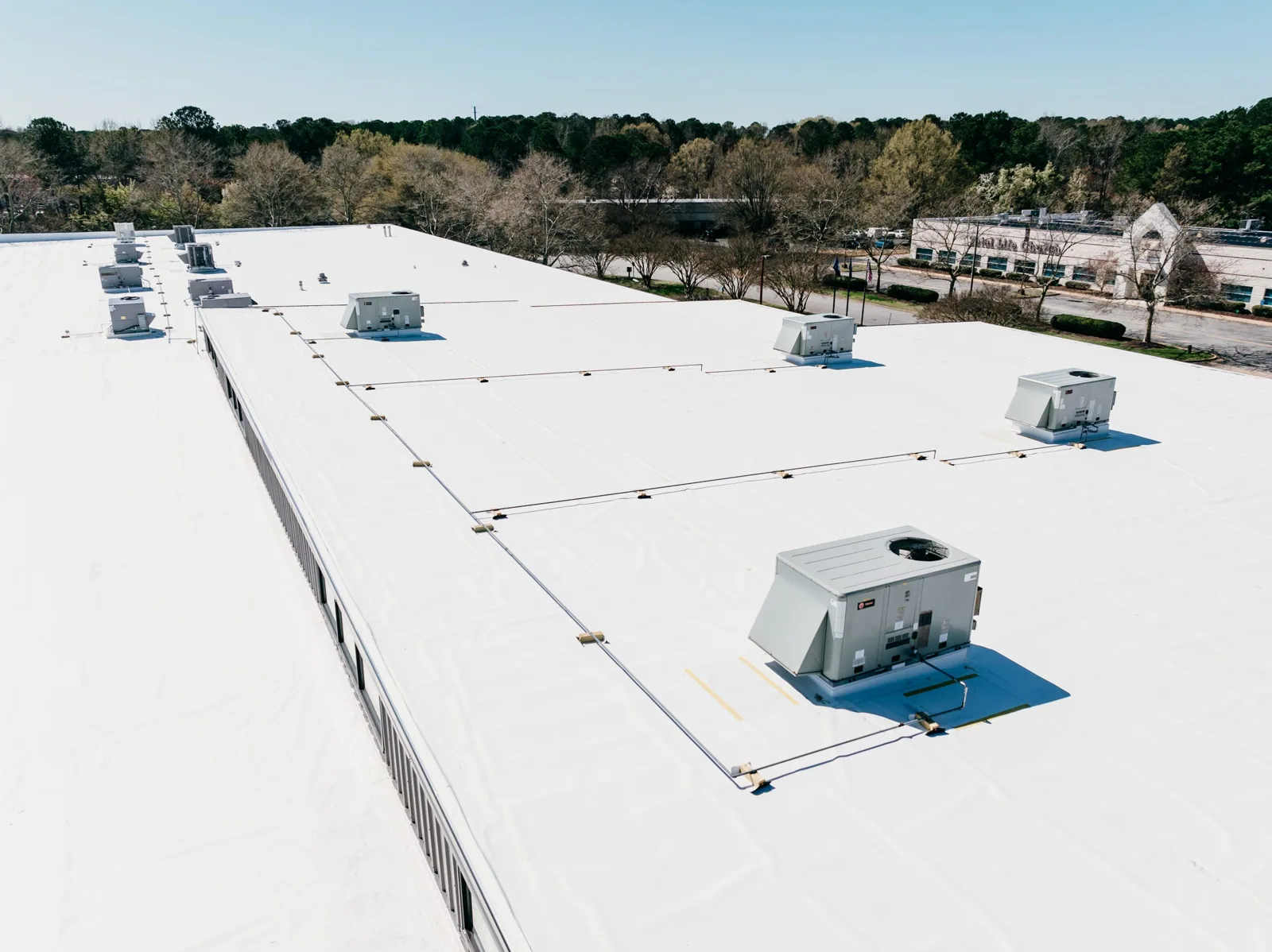
The municipal plan identifies industrial redevelopment along the river, and a redeveloped industrial building raises a question that a label cannot answer: which roof sections were renewed in the redevelopment and which were left as they were? The records come first; the roof itself confirms or corrects them through test cuts and moisture readings. A manufacturing plant roof or a similar industrial roof may combine old and new sections, and the junction between them is where flashing and drainage details need the closest look.
River-adjacent sites also deserve a check of how water leaves the roof, since drains that discharge toward low ground need a plan for where the water goes.
Redevelopment can also leave older roof penetrations that no longer serve any equipment. Capped pipes, abandoned curbs and dead vents are common entry points, and removing or properly sealing them often costs less than flashing them again. We list each one in the report with a recommendation, so the owner decides what to keep.
Plan Mixed-Use Roofs Near Route 8
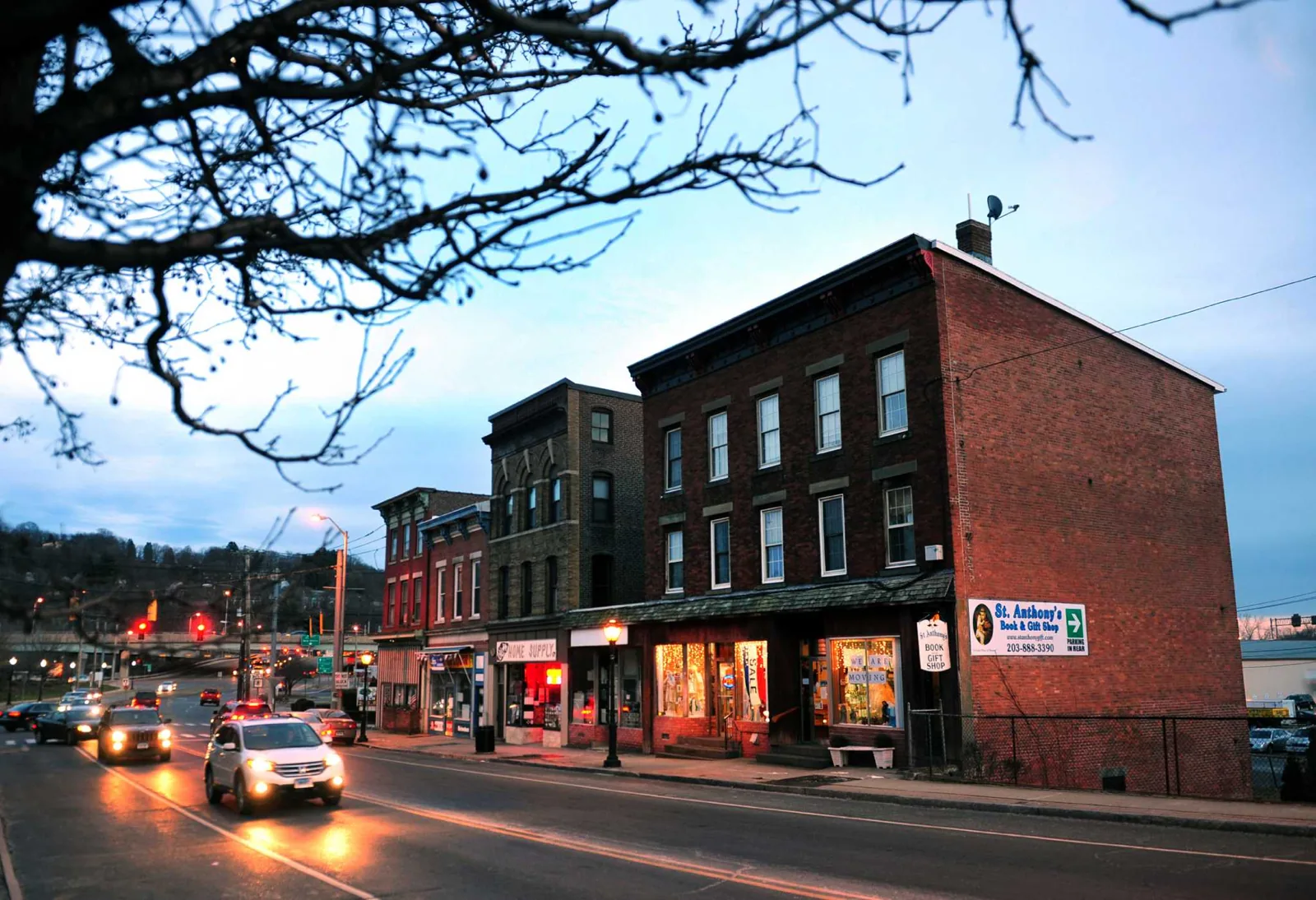
The town's plan calls for mixed-use investment in the downtown and along Route 8, which points to buildings that combine commercial space with other uses. For a mixed-use roof, the work sequence has to account for residents or tenants living and working below. An apartment roof over ground-floor retail, for example, needs quiet hours, protected entrances and a firm plan for debris. We schedule noisy work in agreed windows and finish each roof section before leaving it, so no one lives under an open deck overnight.
Rooftop equipment on a mixed-use building often serves several tenants, and a shutdown for a curb replacement needs notice. We list every unit that must be lifted, the date each can be off and the contractor who will reset it, so the roof schedule and the mechanical schedule fit together.
Check Drainage for Heavy Rain and Tropical Storms
The hazard plan written for Waterbury calls that city vulnerable to hurricane and tropical-storm wind and rain, observes that tropical-cyclone damage there has mostly come as flooding, and puts its 24-hour rainfall estimate at 5.54 inches for a 10 percent annual chance. For a Naugatuck roof, we use those numbers as context for testing drains, scuppers and overflow paths. A roof drain that clogs in a heavy rain can load a roof beyond what it was detailed to carry, so we clear and check the outlets and mark any ponding.
After a major storm, we recommend a short walk of edges, flashings and drains while the damage is new. A displaced piece of edge metal or a lifted corner found the day after the storm costs far less to fix than the same defect found after a month of wet weather, and the dated photographs help if an insurance claim follows.
Order the Work Around Permits and Winter
A permit sits at the front of any recover or replacement here, and the rulebook is the 2022 Connecticut State Building Code, which draws on the 2021 International Codes and covers filings dated October 1, 2022 or later. We check what that code asks of the job before pricing and treat the permit date as the first mark on the calendar. Winter shortens the weather window, since seams, flashings and coatings need dry surfaces and workable temperatures, so owners who can approve work before the cold arrives usually get a cleaner sequence. For emergencies, we install temporary protection and document it so the permanent repair can be planned for the next suitable window.
Material lead times add to the calendar. Insulation, membrane and edge metal take time to arrive, and an order placed after the permit date can push the dry-in date back by weeks. We recommend ordering once the permit path is clear and the scope is approved, so the crew starts as soon as the weather allows.
Document the Roof for the Next Capital Window
Closeout photos, test results and repair limits go into a report tied to a marked roof plan. An owner with several properties can use the same format for each, and a roof capital plan then ranks sections by evidence and not by habit. Owners with buildings in Waterbury or Beacon Falls, where industrial sites sit on both sides of Route 8, can compare roofs across towns on the same scale.
Commercial Roofing Questions
How can an owner on Route 63 tell whether a repair will hold?
Look at the moisture survey and the test cuts, not only the stain. If insulation near the leak is dry and the membrane is flexible, a repair boundary can hold. If wet core extends beyond the leak, the repair has to expand or the scope moves toward a recover option or replacement.
What does a riverside industrial roof inspection check on drainage?
We trace where the water goes when it leaves the roof, how many outlets there are and what happens when one clogs. The answer decides whether the estimate includes new drains, tapered insulation or overflow scuppers, and each of those is priced as a separate line.
Can a mixed-use building stay occupied during a reroof?
Yes, with planning. Work is divided into roof sections that can be finished and dried in during a shift, entrances are protected and noisy tasks are timed with the occupants. Each section gets closeout photos before the next one opens.
How does winter change a roofing schedule?
It narrows the dry weather needed for seams, flashings and coatings. We use winter for inspection, emergency protection and drain clearing, and we schedule permanent work for the next suitable window, with the temporary repair documented in the meantime.
What records help most before an inspection?
Roof plans, repair invoices, leak dates and locations, warranty papers and any redevelopment drawings that show which roof sections were renewed. Add access rules and the date a decision is due, so the report can match the owner's capital window.
Schedule a Naugatuck Roof Walk
Share the access rules, the roof records and the capital or permit window. We will inspect, separate repair, recover and replacement scopes and give you a report with photographs, test results and allowances.