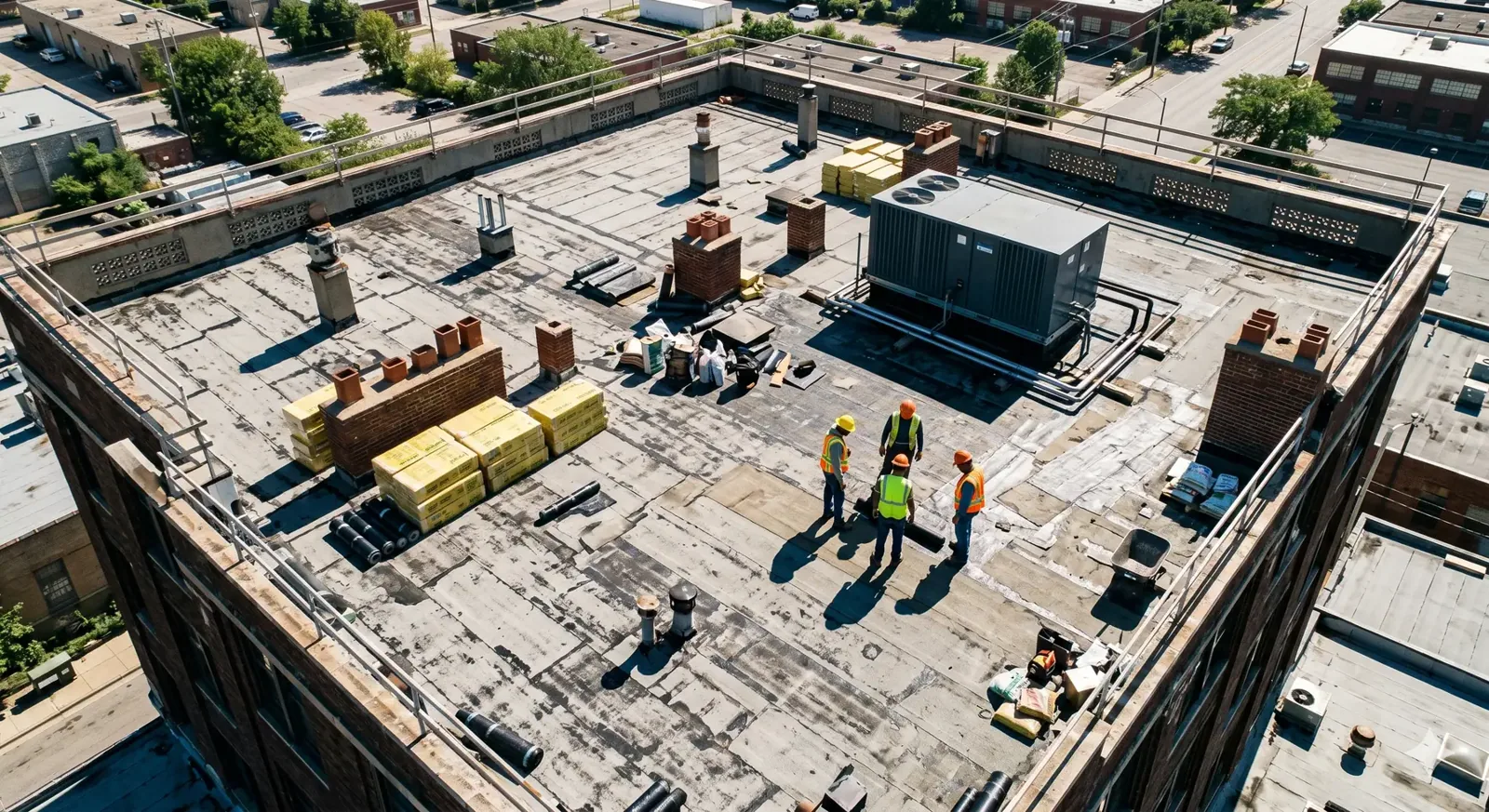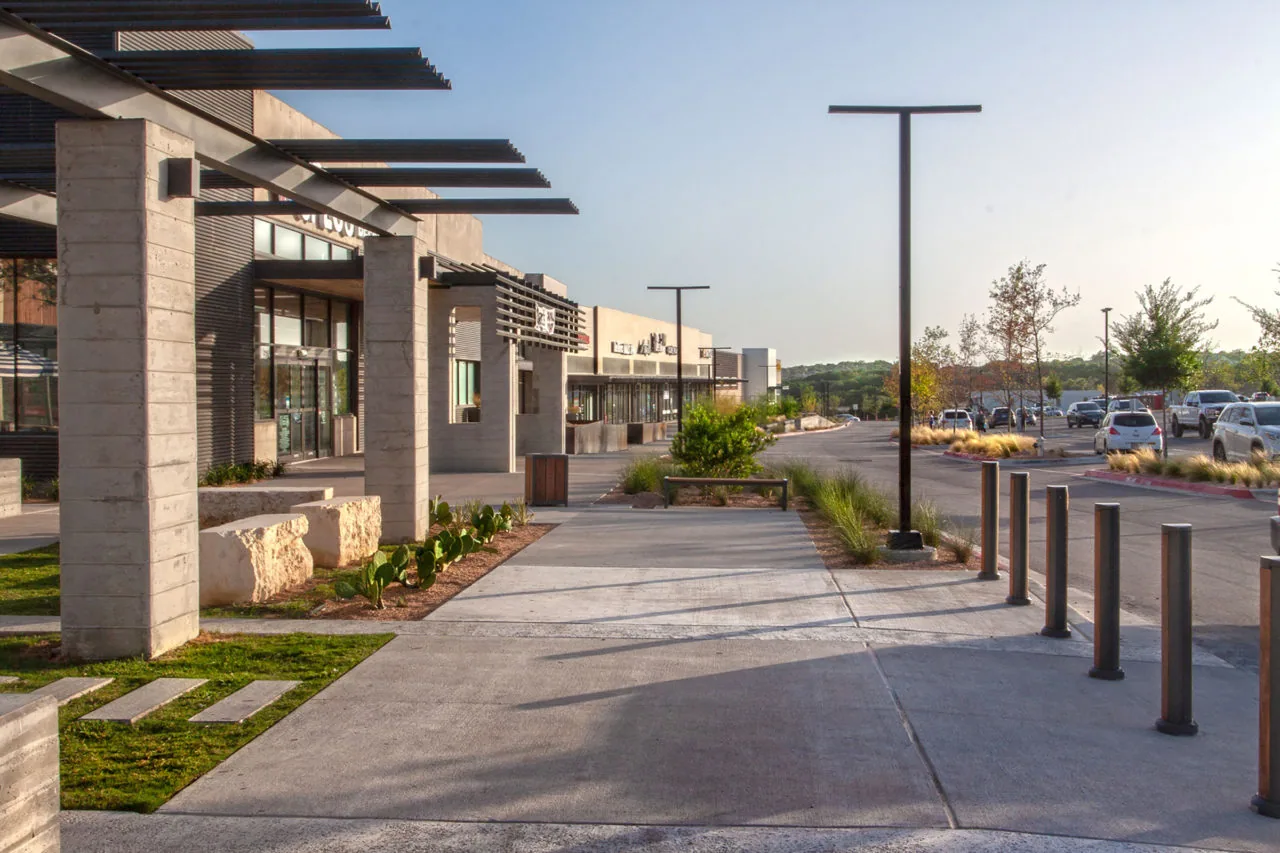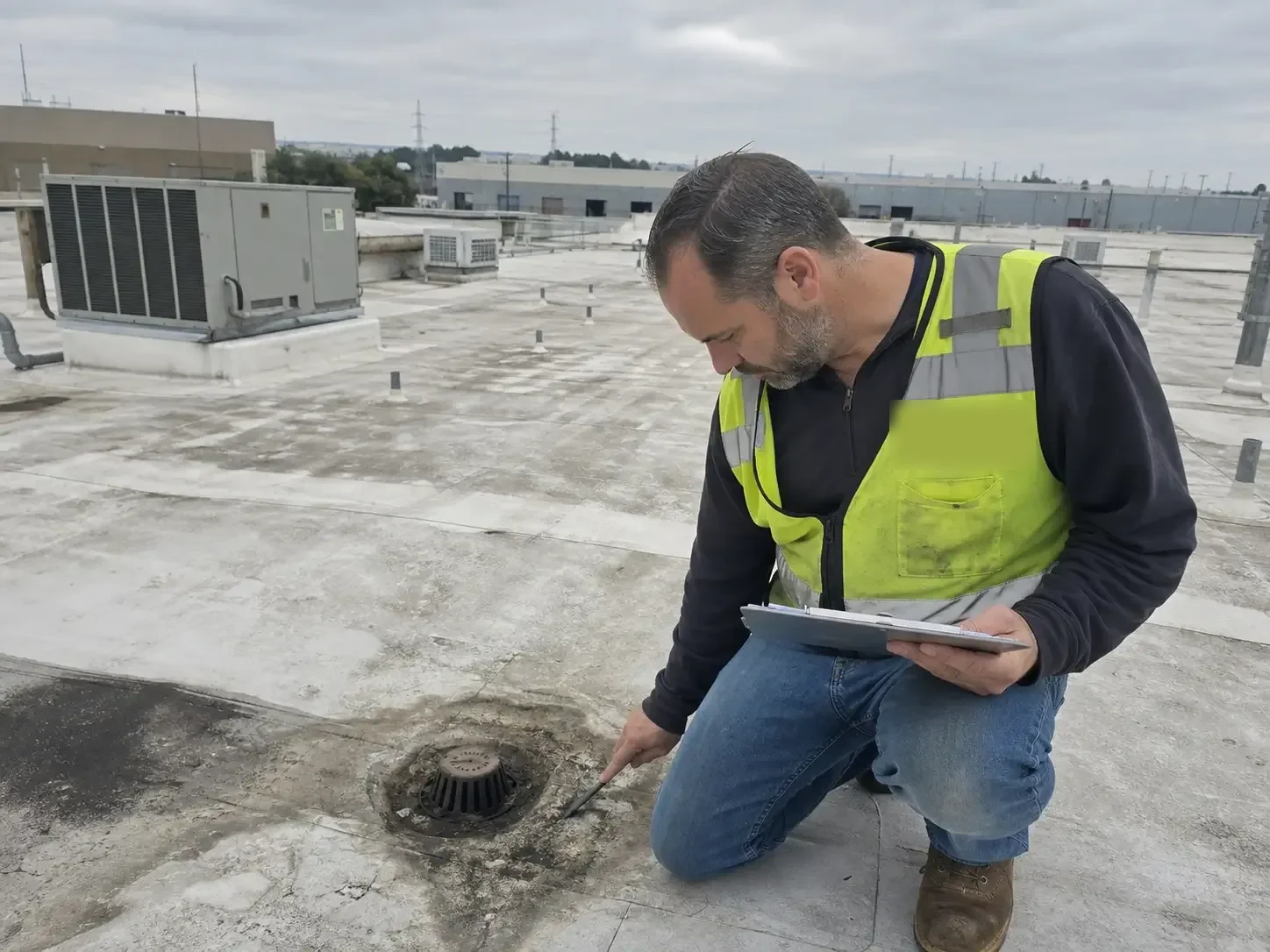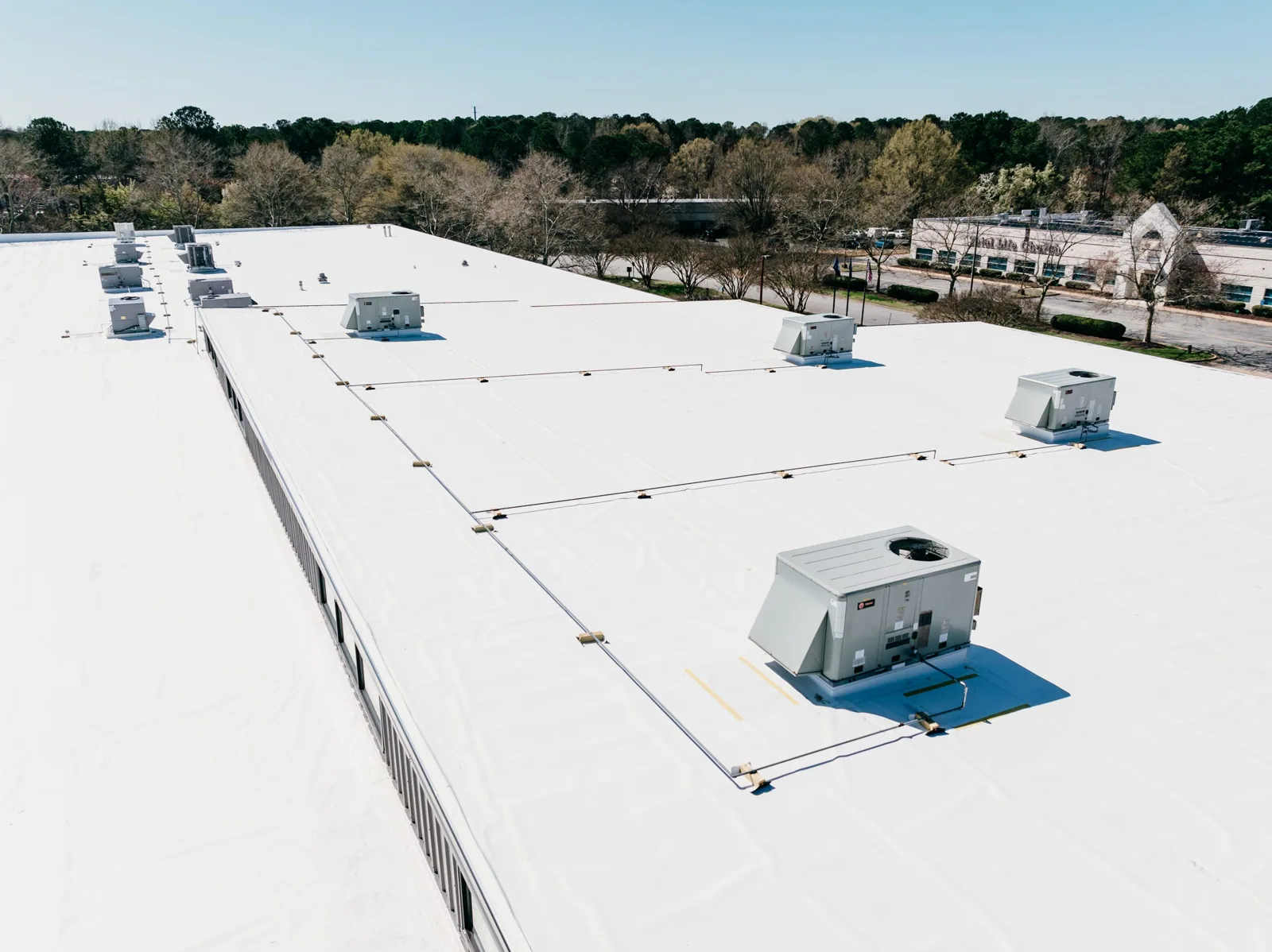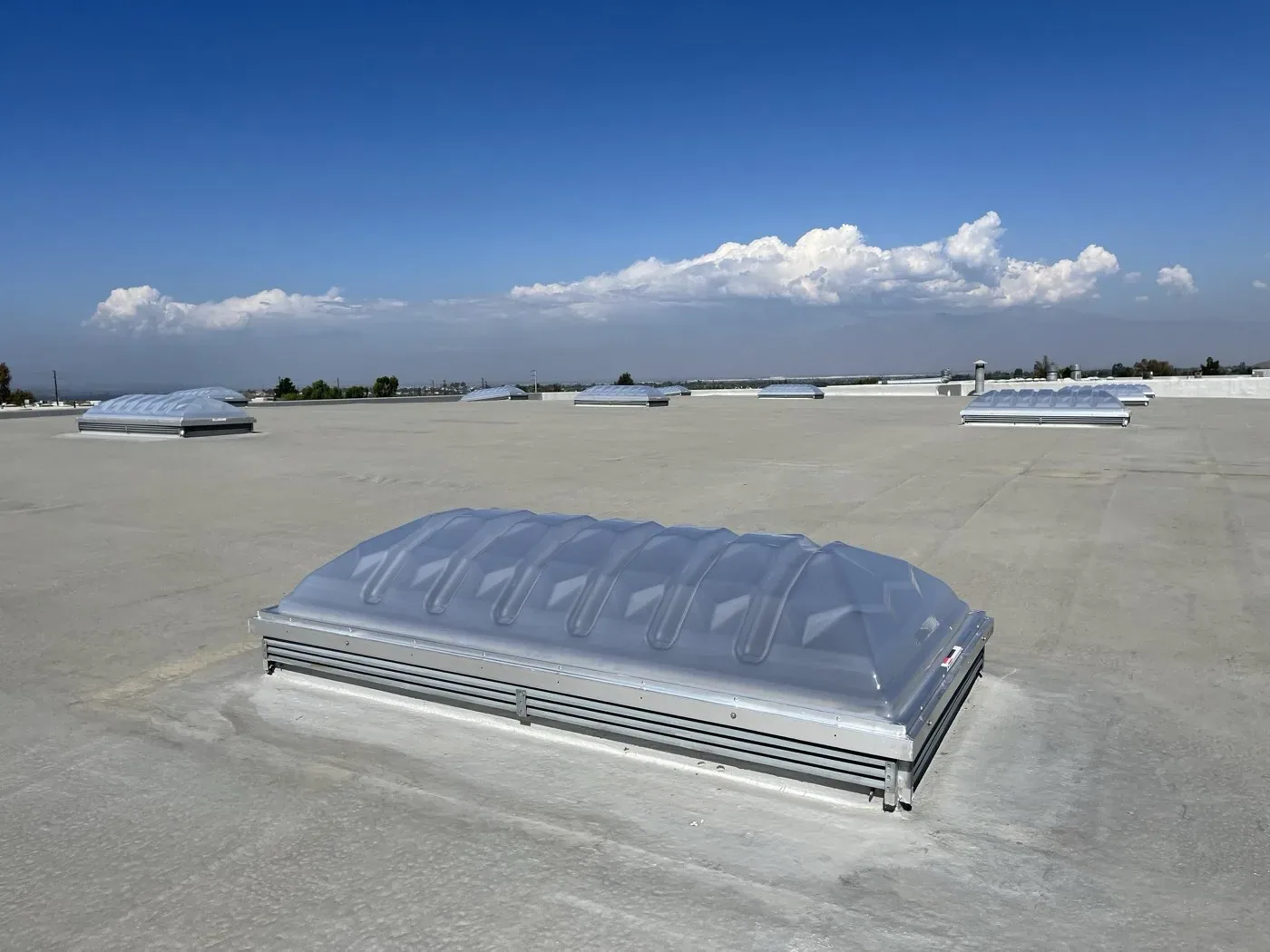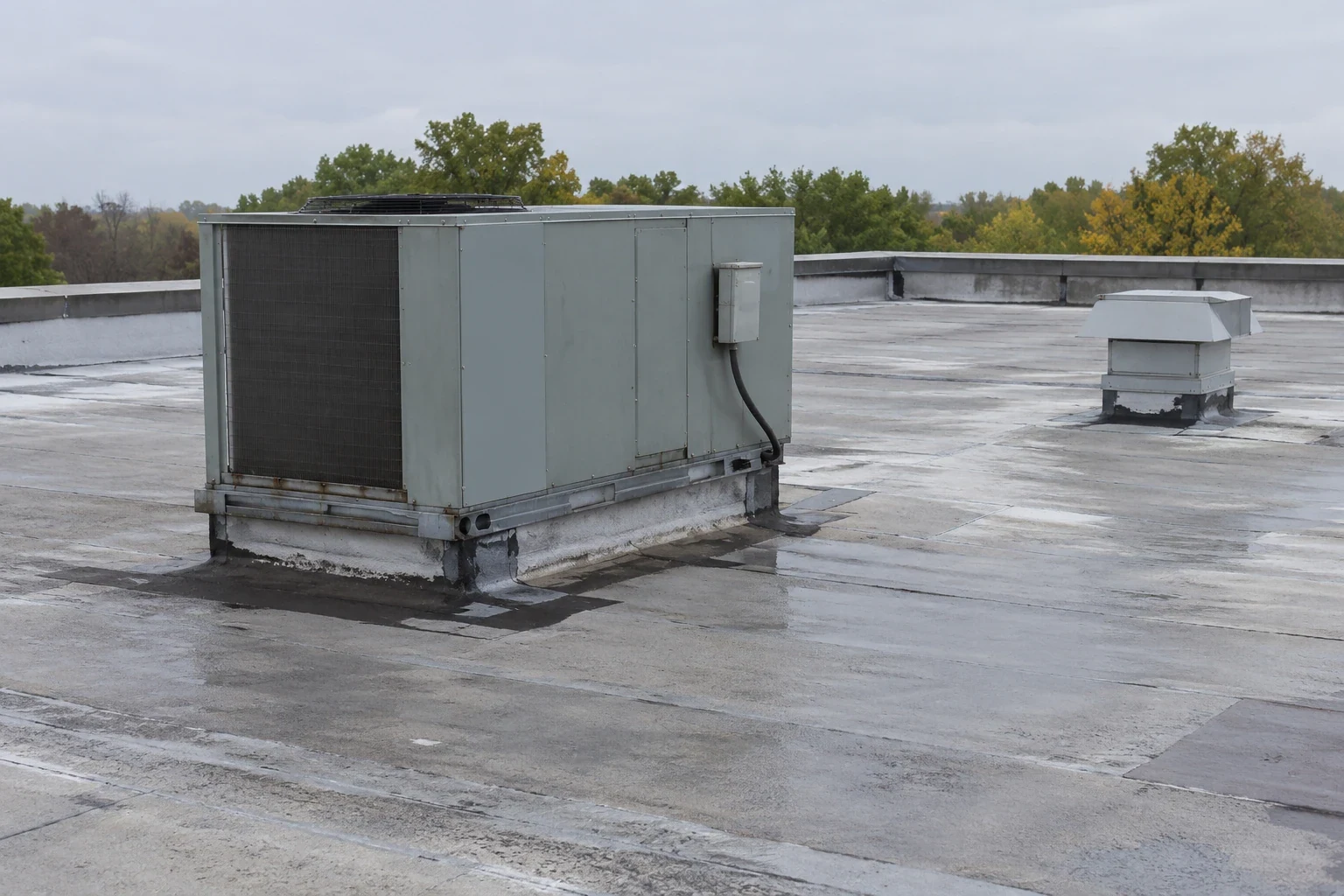
A big-box store can keep trading through a roof project only when delivery lanes, customer entries, and the active work zone are mapped together. We inspect large roof sections, trace drains, check skylights and equipment curbs, and identify where test results could change the replacement line. Industrial parcels continue along the Naugatuck River through Waterbury, and the southeast part of the city has a separate industrial concentration. That context makes staging a real schedule question, but the roof's assembly and the store's site rules set the scope. We separate immediate repairs from recover or tear-off work and record which areas need testing before material is ordered.
East Main, South Main, and Reidville Drive are among Waterbury's commercial corridors. Each store still has its own loading rules and operating hours. A roof survey maps conditions against the building, and a shopping-center roof raises shared-access questions that a single-tenant store does not.
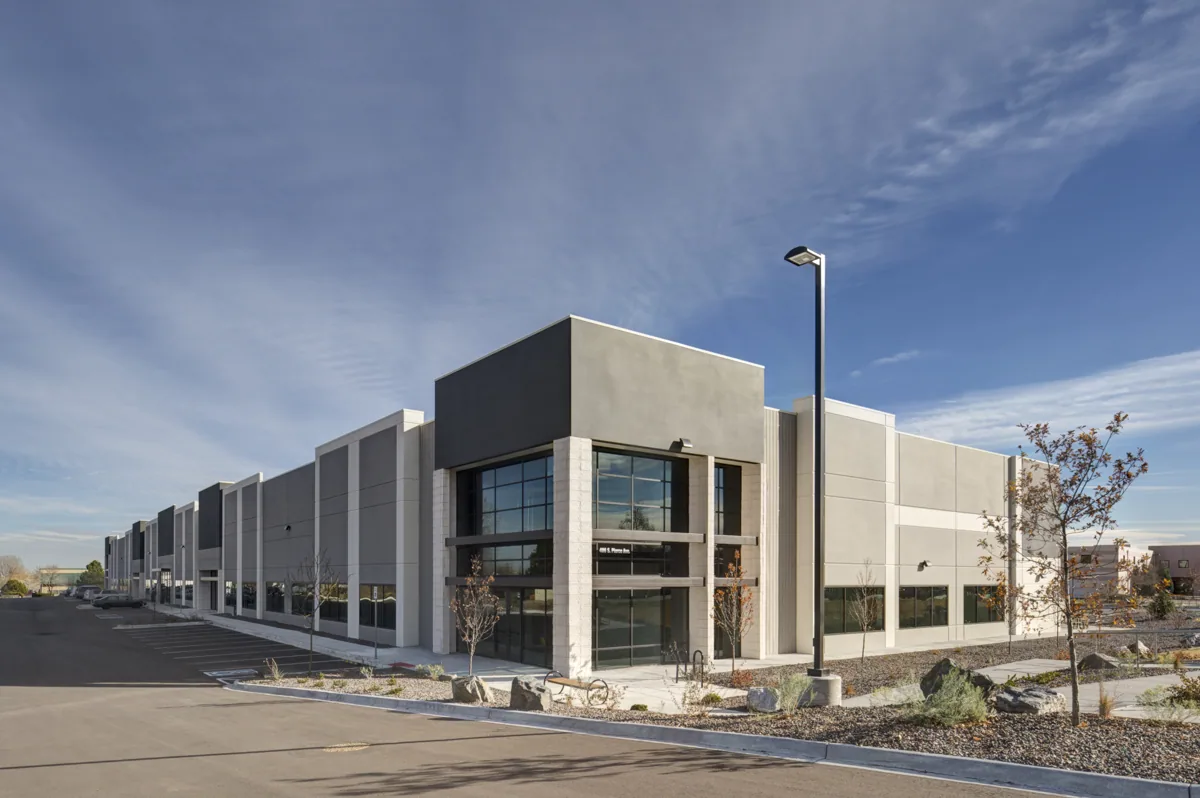
Divide the Roof into Workable Store Sections
A large roof needs a map that connects surface findings to the store floor plan and service access. We label roof sections, equipment groups, skylights, drains, and areas above customer-facing or stockroom spaces. The report identifies sections that can be inspected together and those requiring separate access. If the roof layout differs from available drawings, we note the change before using the map to price material or schedule removal.
Big-box operations may include receiving, refrigeration, sales, offices, and back-of-house areas, each with different hours and protection needs. The owner provides any no-access zones, equipment shutdown rules, and dates when the sales floor cannot tolerate overhead work. We translate those constraints into work zones and list who releases each area. A store phasing plan can connect the daily closure point with receiving schedules, customer entries, and overnight work restrictions.
Check Drains, Skylights, and Equipment Curbs
Water can travel across a large roof before it reaches the reported leak area. We trace slope to each drain and scupper, inspect overflow details, and mark low sections or ponding evidence. Skylight frames, curb corners, and conduit penetrations need secure flashing that remains accessible for future service. If a drain serves several roof zones, we note how its condition affects adjacent work rather than treating each stain as an isolated repair.
The Waterbury hazard plan includes summer storms and winter conditions across the city, including snow and ice. That local exposure makes drainage and closure planning relevant for a large retail roof; it does not diagnose the building. We inspect actual outlets, flashing, and membrane, then check the daily forecast for work sequencing. A drainage survey can document outlets, and a skylight detail review can set the repair limits around translucent panels and curbs.
Trace Interior Reports to the Right Roof Zone
Store staff may report a ceiling tile, display area, or stockroom that became wet after a storm. We record the location and timing, protect the affected interior, then inspect the roof section and nearby penetrations. Water can move along a deck or framing before appearing indoors, so we do not assign a repair location from the interior mark alone. Moisture scanning and test cuts can establish whether insulation is wet and whether the replacement boundary should include a wider section.
We distinguish active entry from an old stain and mark areas not opened for sampling. If the leak is urgent, temporary protection can limit additional damage while a permanent scope is developed. A defined repair can address a local flashing or seam failure, while the report identifies the test or review needed before pricing the rest of the roof. The store manager receives a work window, interior protection note, and a clear statement of what can resume after the repair.
Compare Repair, Recover, and Full Replacement
For an isolated failure on a sound assembly, repair may be the best fit. Recover requires confirmation that layers are dry, attached, and compatible with the proposed assembly. Replacement may be indicated where moisture, deck damage, failed attachment, or repeated defects extend across a section. We compare options using one roof map, showing removal limits, insulation quantities, curb adjustments, edge work, and the conditions that could change each price.
Connecticut's 2022 permit code applies to applications filed beginning October 1, 2022, and adopts 2021 building and energy editions. We capture the permit date and list any project-specific design review before treating recover as ready for installation. Estimate drivers include access, lifting, work hours, drainage, skylights, insulation, and protection below the active roof. A recover comparison can show the capital difference using the same tests and section limits.
Set Delivery and Weather Closure Rules
Roofing materials, lifts, and debris routes need to stay out of receiving and customer traffic. We coordinate staging, delivery timing, barricades, and overhead protection with the store and property team. The work plan states when the crew can access the roof, which doors or lanes remain open, and where a lift can operate safely. Each shift ends at an agreed closure point; the report records the dry-in date and the section ready for the next day's work.
Waterbury's downtown and industrial areas are connected around the I-84 and Route 8 junction, but the site contact determines the route permitted for each delivery. The city's commercial corridors include Reidville Drive and East Main Street, where access context can prompt early scheduling questions. We confirm the store's rules before ordering lifts or large material bundles. If a delivery window changes or concealed damage extends a work zone, we update the plan with the affected section and revised handoff. A grocery store has the same concern, with refrigeration and daily deliveries also shaping the schedule.
Record Work by Roof Section and Store Area
Closeout photos show the installed or repaired roof sections, drains, skylights, curbs, edges, and any item left outside the approved scope. We note tests performed, allowances used, and concealed conditions opened during removal. The store team receives a record of roof access and any maintenance item that needs a follow-up visit. That file lets a future facilities review connect the same roof zones to prior repairs and interior reports.
The store's building records remain the basis for its capital plan, so the final roof map, permit record, leak log, and closeout photos stay together. A Waterbury retail roof review can begin with the existing plans, delivery rules, and active leak list. We can then prioritize test areas and set the next budget decision without combining confirmed repairs with untested sections.
Commercial Roofing Questions
Can roof work proceed while a big-box store is open?
It can be phased if the store's access, noise, receiving, and interior-protection rules allow safe work zones. We define each shift's roof boundary and coordinate deliveries and lift placement before work begins.
How do you handle skylights over retail areas?
We inspect frames, curbs, flashing, and the membrane around each opening, then coordinate interior protection below. The scope records which units need repair and what access or replacement decision is required.
What makes a large retail roof leak difficult to trace?
Water may travel from the entry point along a deck or framing before reaching the sales floor or stockroom. We map the reported interior location, inspect the roof zone above and nearby details, and test concealed layers if moisture could extend beyond a visible repair.
Which local weather factors affect Waterbury retail roof schedules?
The municipal plan lists winter and summer storm exposure in Waterbury. We use that context for drainage and seasonal planning, then set daily work from surface condition and forecast, with a closure point for each open area.
What should the capital estimate show for a big-box roof?
It should separate roof sections, drainage, skylights, insulation, equipment curbs, access, interior protection, and allowances for hidden damage. We state what test result or approval would change the quantity before installation proceeds.
Map the Store Roof Before Setting Cost
Share roof plans, leak locations, receiving rules, access requirements, and the capital window. We will map drainage and equipment details, test uncertain sections, and compare repair, recover, and replacement scopes.