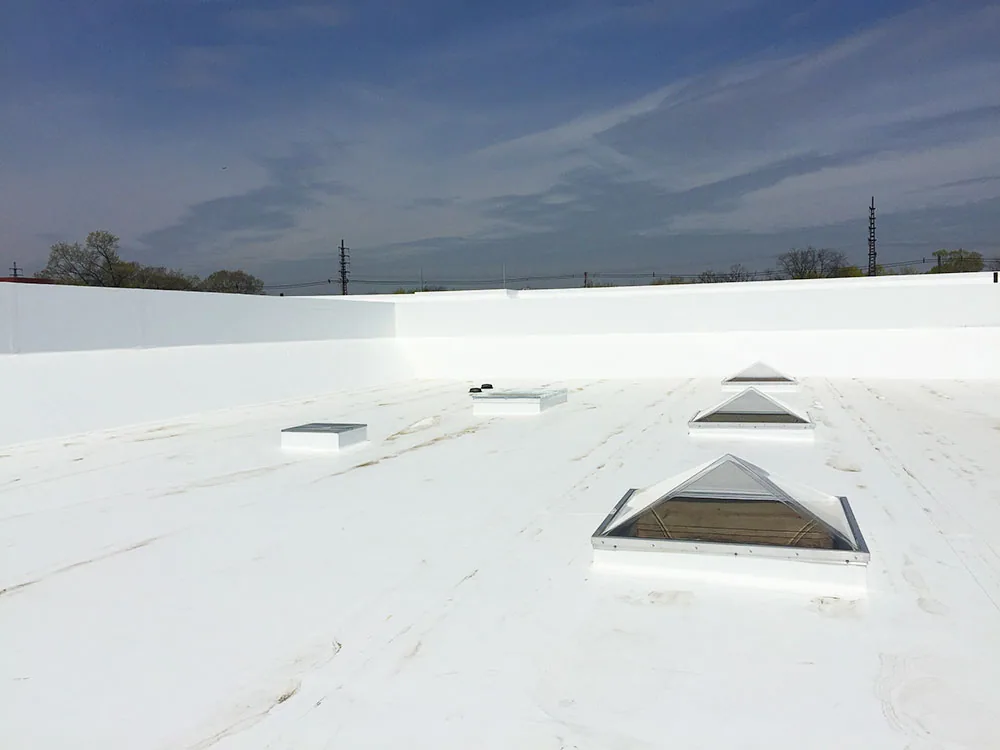
A replacement line should come from the roof findings and the building calendar, not from a broad allowance written before anyone checks the assembly. In Waterbury, CT, winter storms bring snow and ice exposure across the city, while summer storms and tornadoes are also local hazards in the municipal plan. For an asset manager, that makes the dry-in date, drainage route, and limits of each roof section part of the capital decision. We inspect the existing membrane, flashings, insulation, drains, and deck before setting the tear-off boundary. If a repair or recover option remains sound, the report shows why. If moisture or repeated failures call for replacement, the scope identifies the area, the access assumptions, and the work sequence. The work starts with a hands-on roof inspection, and the findings go into a roof capital plan before a permit window is assigned.
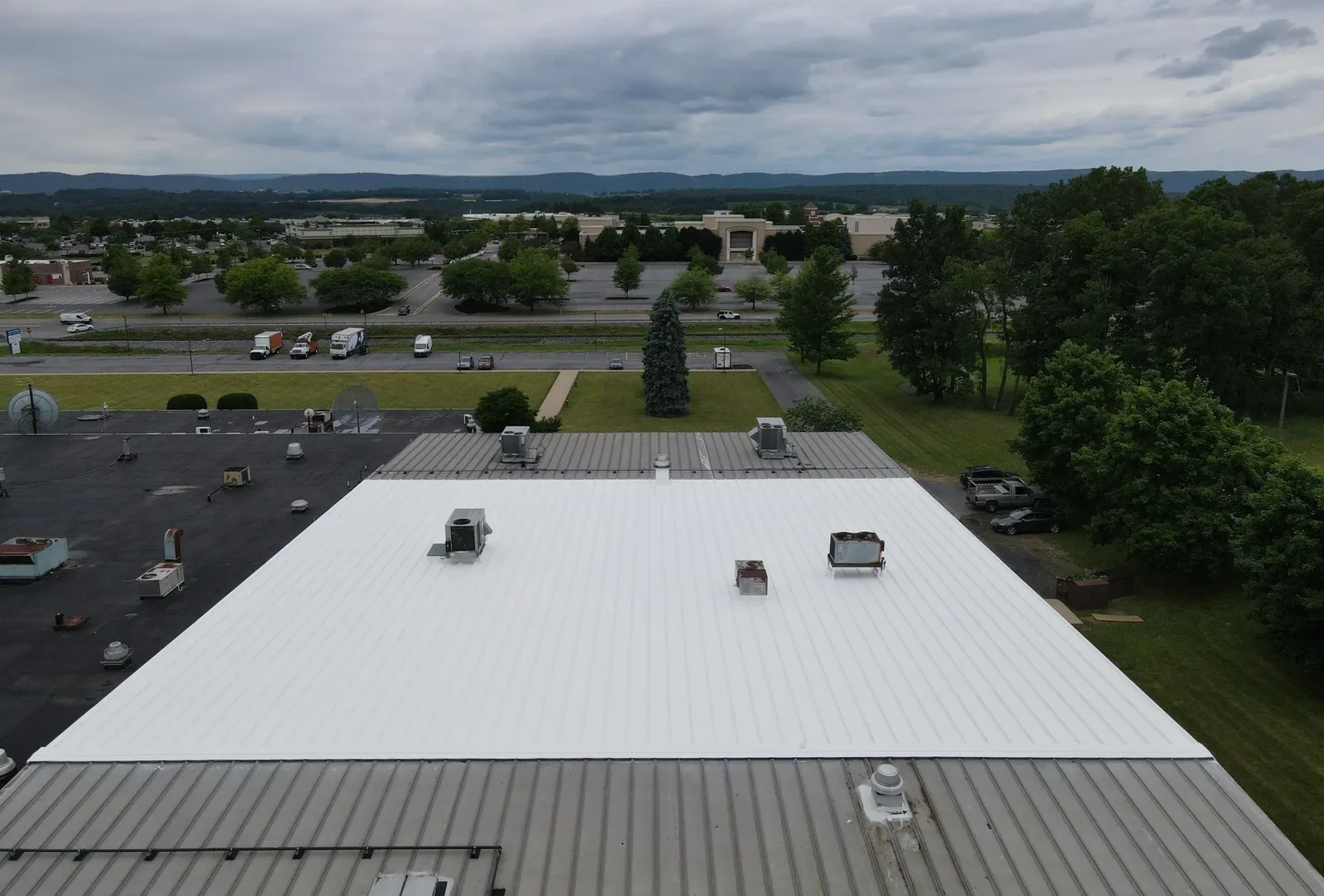
Read the Failure Before Setting the Boundary
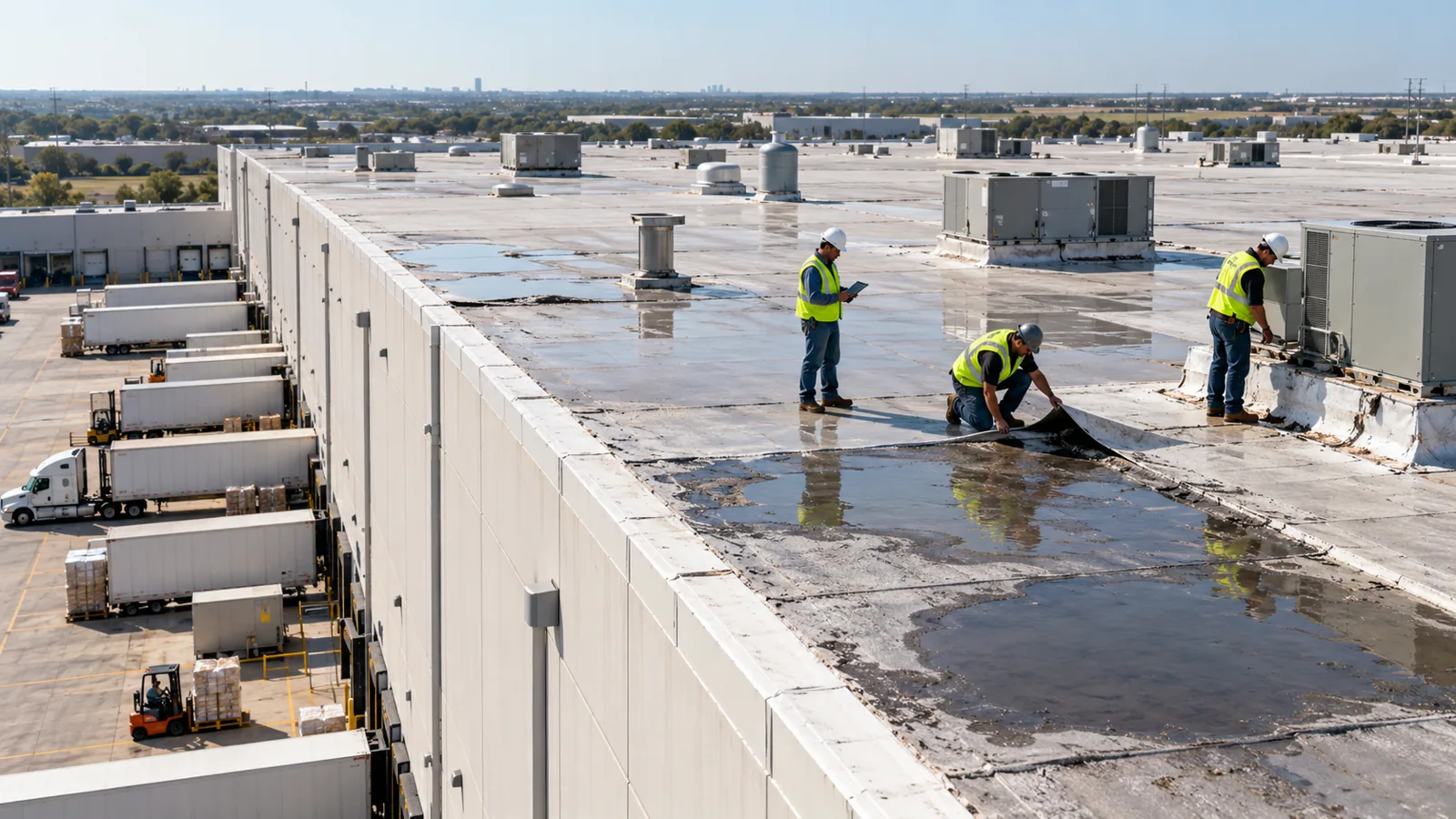
A roof can look worn from the lot and still have different conditions from section to section. We map open seams, damaged flashing, soft insulation, ponding, and water entry visible from the deck or ceiling below. The location matters. A leak near a drain may point to a low area or failed drain detail; a ceiling stain by a wall can trace to a curb or seam farther away. We record the path we can verify and mark areas needing a test cut or closer access. The findings separate observed damage from suspected conditions, so the budget does not treat every square of membrane as equally compromised.
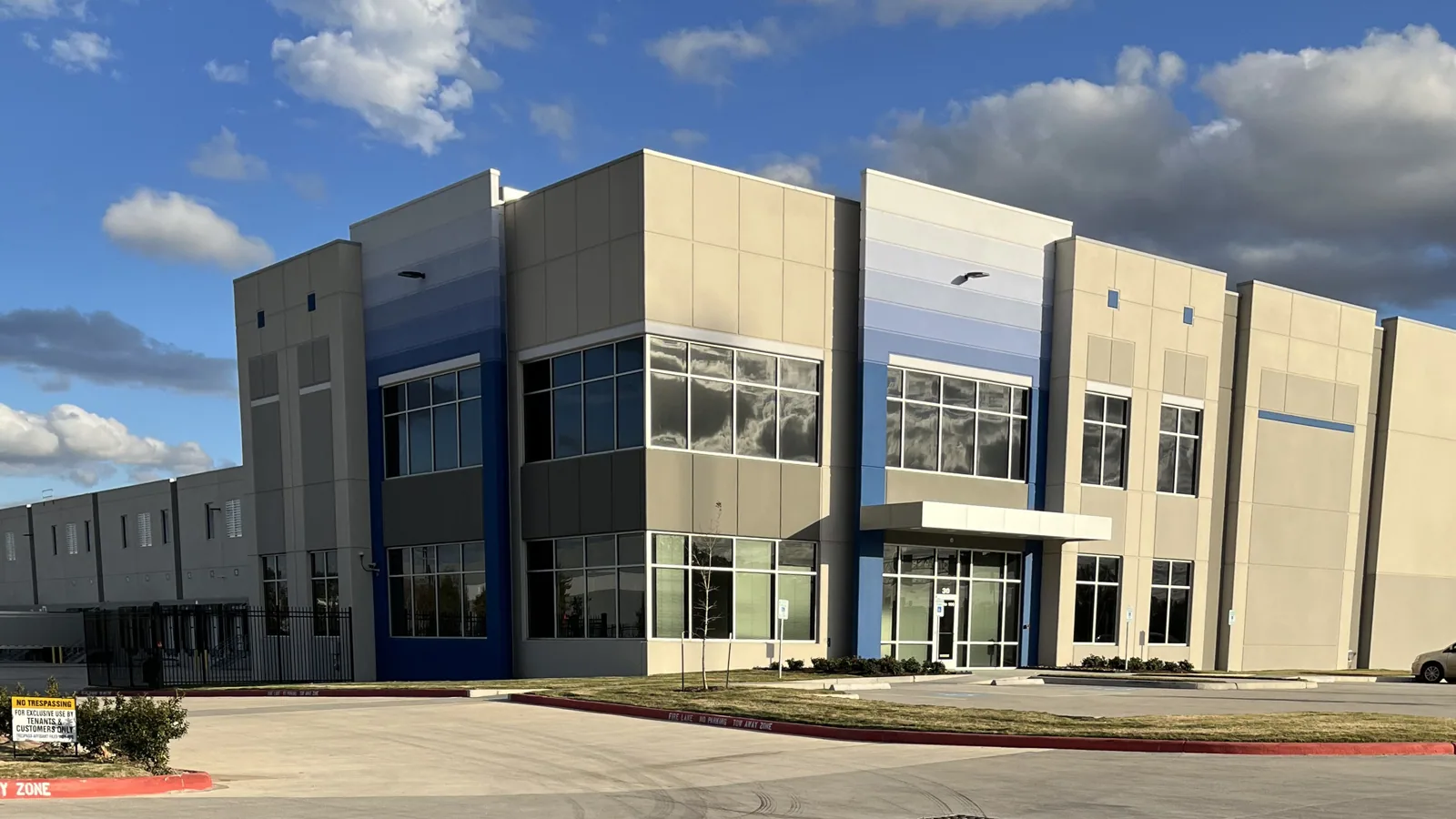
Waterbury's compact business district sits near the I-84 and Route 8 junction, with industrial districts and mixed commercial corridors nearby. An office, retail building, and industrial property can have different access rules and operating hours. We identify which entrances, loading paths, equipment, and occupied spaces the work could affect. A warehouse-type property adds dock and inventory constraints to the warehouse roof scope.
Use a Test Cut to Set the Replacement Line
Wet insulation can lose support beneath a new membrane. Covering it may hide a problem that continues to spread, while removing dry material adds labor without improving the roof. We use test cuts at locations selected from inspection evidence and record the layers and moisture condition. Results show whether saturated areas are isolated, whether the deck is sound, and whether a recover option is technically available. When findings vary, the estimate can show a base scope plus a measured allowance for concealed damage.
A recover choice must account for existing layers, drainage height, attachment, deck condition, moisture, and code requirements. We compare those conditions with a recover-over-existing-roof option before recommending tear-off. For replacement, we state the removal depth and whether work stops at a roof section, expansion joint, or sound transition. A membrane such as TPO must suit the design, building use, attachment, and details; its name does not solve an unknown deck problem.
Price the Conditions That Change the Scope
Cost changes with the amount removed, hidden conditions, roof geometry, and access. Multiple levels, parapets, equipment, restricted staging, and occupied hours can add handling or phasing. Drainage corrections, edge metal, curb work, insulation, and deck repairs should appear as distinct scope items when findings support them. We state what is included and which concealed conditions require a measured change, so an owner can compare the work behind each proposal rather than a single total.
Waterbury's 2021 hazard plan lists the city as exposed to winter storms, including snow and ice. That is scheduling context, not a diagnosis of any roof. We tie findings to the dry-in date and seasonal window, then identify areas that can be completed in sequence. Along South Main, a mixed-use corridor named in the city plan, building entrances and daily activity may affect staging. For work across Waterbury properties, the operating rules still come from each building, while roof conditions set the scope.
A report with photos and test-cut results can support a full replacement, phased sections, or holding a dry area. It should separate observed conditions from concealed ones and give the asset manager a record for comparing future bids.
Set the Sequence Before the First Tear-Off
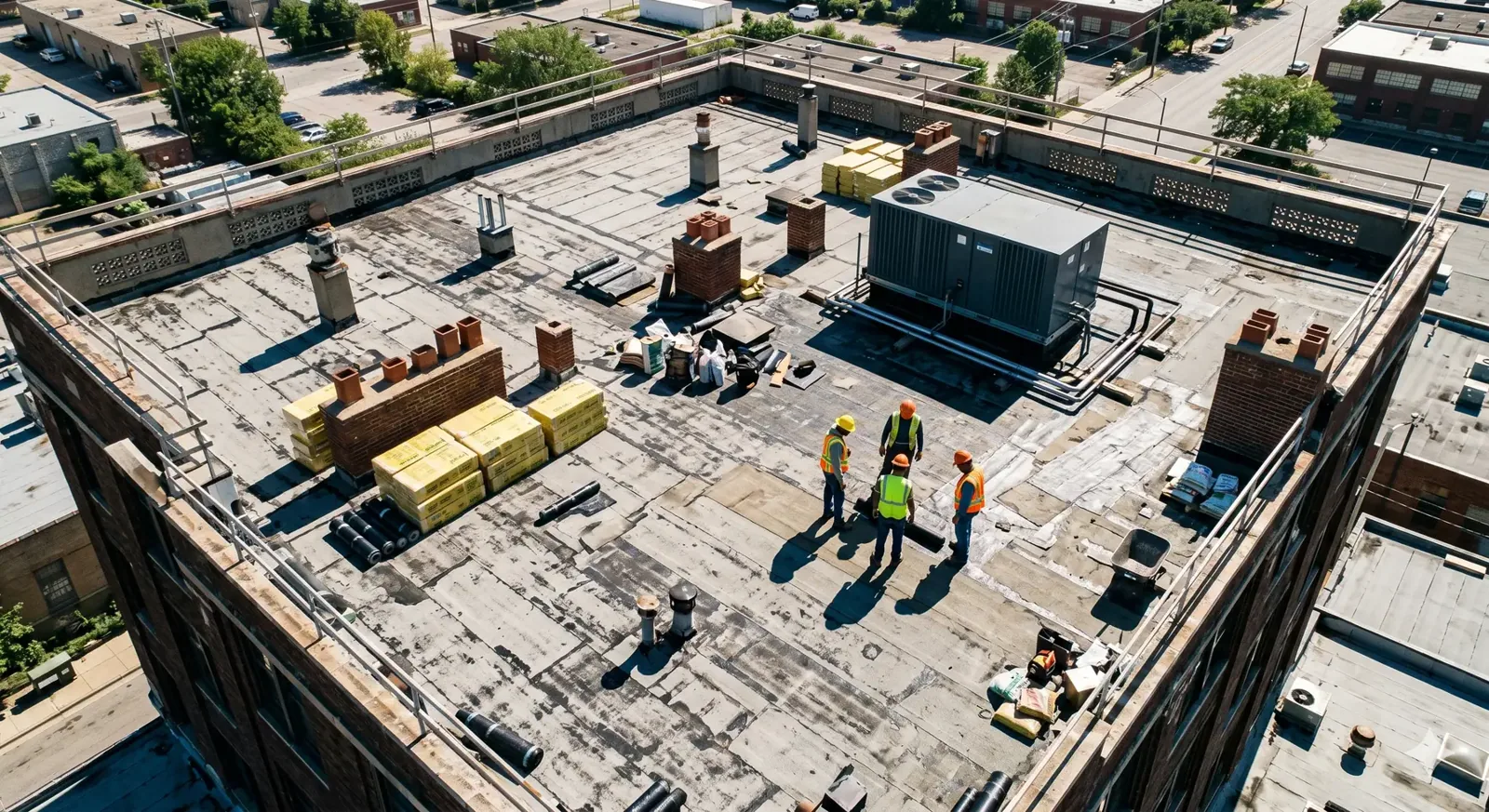
Before tear-off, we coordinate access, crane or loading placement, staging, protected paths, and the order of roof sections. An occupied building needs a daily plan for noise, deliveries, and interior protection. The crew opens only the agreed section, checks the deck, completes approved corrections, and closes the assembly to a dry-in condition. If concealed deterioration changes quantities, photos and a measured boundary support the scope change.
Waterbury's central district lies by I-84 and Route 8, and the city has passenger and freight rail service. Those facts do not set a site's delivery route. We use the actual loading access and restrictions to plan staging. Near downtown, we confirm entry rules and protect pedestrian paths; at an industrial property, we coordinate material movement with operating hours. An occupied-building reroof plan is reviewed with the site contact before mobilization.
Close with a Record the Next Manager Can Use
Closeout should show where work ended, which details were rebuilt, and what maintenance remains. We provide photos of roof sections, penetrations, drains, edges, and transitions, plus notes on accepted concealed-condition changes. The record gives the next inspection a baseline and keeps the replacement boundary clear. For phased projects, we label completed areas so later capital reviews separate installed work from the balance.
Waterbury's municipal plan identifies tropical-storm wind and rain, summer storms, and winter storms as local hazards, and says historical tropical-cyclone damage has most often involved flooding. We use that context to inspect drainage, transitions, and securement, not to assume damage. A maintenance program can track those details after installation. Before a capital project, we can also price a defined repair scope where a specific condition needs attention.
Commercial Roofing Questions
What finding moves a Waterbury roof from repair into replacement?
A replacement recommendation follows the extent and distribution of failed membrane, flashing, wet insulation, and deck damage. We compare those findings with the cost and disruption of a repair boundary, then use test cuts where concealed moisture could change the scope. A single leak does not establish that the whole assembly has failed. The report should show the observed area, the evidence behind the recommendation, and any unresolved condition that could change the quantity.
Can the existing roof stay in place beneath a new system?
The recover option is available only when the existing layers, moisture condition, drainage height, and attachment basis support it. We check those conditions and note the test-cut locations before pricing the assembly. If saturated insulation or an unsound deck is present, leaving those materials in place can preserve the problem below the new roof. The written scope identifies what can remain and what must be removed.
How do you handle a replacement across several roof sections?
Phasing starts with the areas that have the clearest failure or the greatest operating impact. We identify a dry-in boundary for each section, coordinate access and staging, and record what is complete before shifting to the next area. South Main and the I-84 and Route 8 junction are part of Waterbury's commercial geography, but the building's own entrances, loading areas, and hours set its sequence. The owner receives a section-by-section record.
What should an asset manager receive before approving the replacement line?
The decision packet should connect inspection photos, moisture findings, repair alternatives, tear-off limits, drainage and edge details, and schedule assumptions. We identify which quantities are confirmed and which remain allowances for concealed conditions. A permit date and capital window can then be compared with the expected dry-in sequence. The scope should also state how a field change will be measured and documented before added work proceeds.
Set the Replacement Line from the Roof Findings
Share the roof records, access rules, and capital or permit window. We will inspect the assembly and return a written scope with photos, test-cut findings, repair or recover alternatives, and a defined replacement boundary.