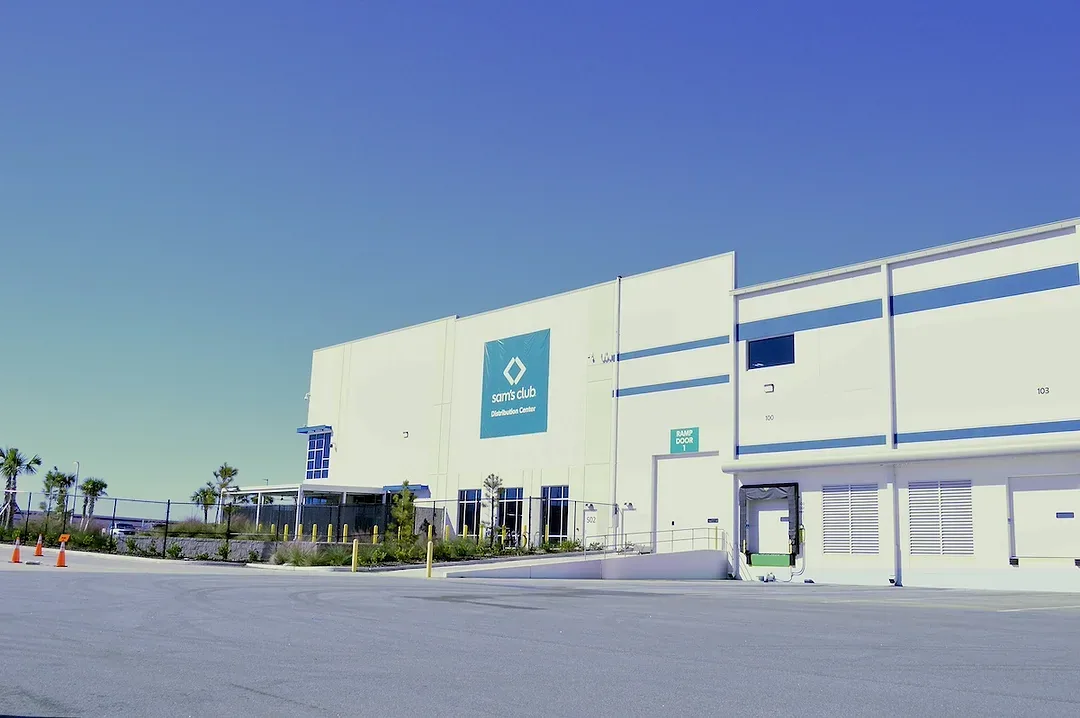
A third-party logistics operator answers to its clients, not only to its landlord, so a roof leak becomes a contract question the moment water reaches a client's pallets. The roof plan has to show which racks sit under which roof section, which dock doors must stay open, and how long each section can be exposed. We build that plan for Waterbury, CT operators by pairing the roof map with the storage map, then pricing repair, recover, and replacement lines in the order the leases and service agreements allow.
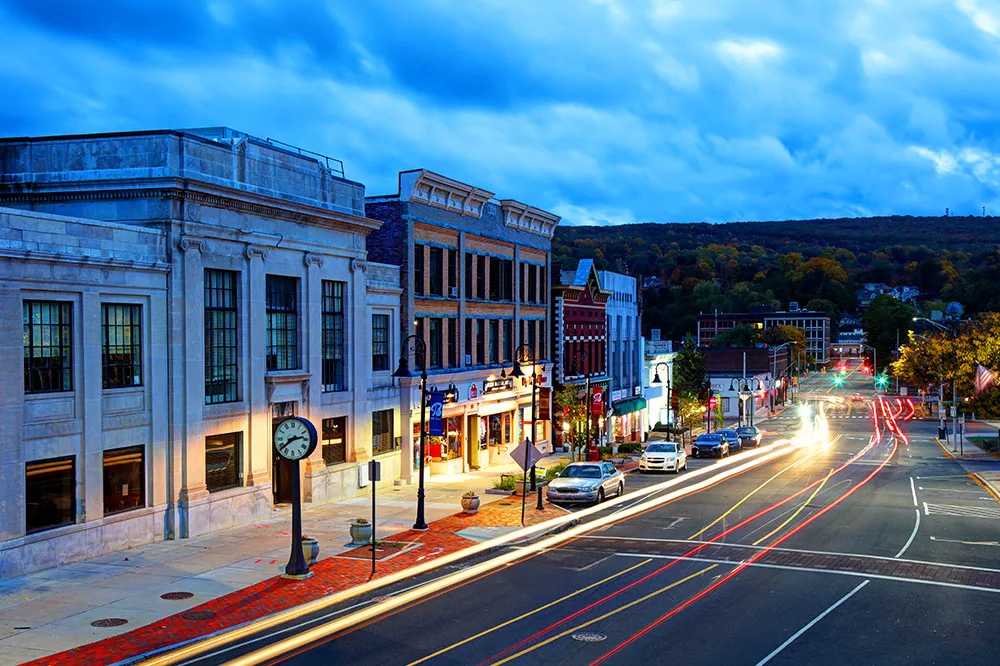
Waterbury lies on I-84 roughly midway between Hartford and Danbury, with Route 8 meeting the interstate near the central business district, and the city has passenger rail on the Metro-North Waterbury Branch and freight service by Conrail. A logistics operator reads those facts as access, and that same access is why the dock calendar, more than the forecast, tends to set the roofing schedule.
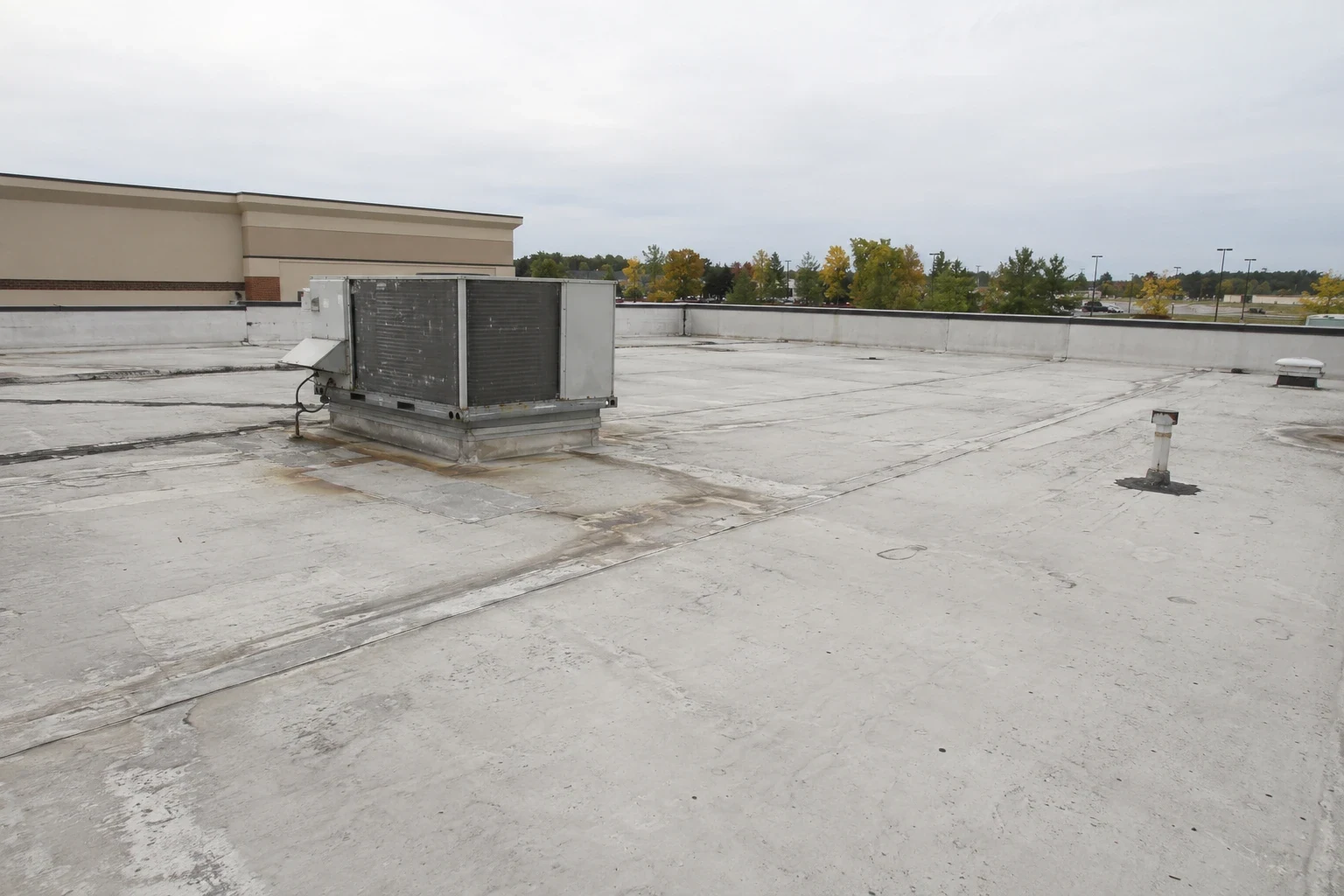
Match each roof section to the inventory below it
A stain above a rack of low-value packaging is a maintenance item. The same stain above a client's electronics or temperature-sensitive goods is an incident. We walk the roof with the operations manager, mark the sections over high-value zones, and rank repairs by exposure first and by roof condition second. That ranking gives a leaseholder a reason to authorize a small repair now instead of waiting for a general reroof budget.
The roof map also helps with client communication. When a leak is traced to a specific curb or seam and the repair boundary is drawn, the operator can tell the affected client where the water entered, what was done, and what remains under observation, with photographs that support the account.
Keep the docks working while sections are opened
Roofing equipment competes with trailers for the same yard. We ask for the shift pattern, the trailer staging area, the fire lane, and the places where lifts and dumpsters can sit without blocking a door. The reroof is divided so the roof over the busiest bays is worked in the slowest hours, and every section has a dry-in point before the last trailer of the shift pulls in. The gap between a roof that is open and a roof that is closed should never be longer than the crew can cover.
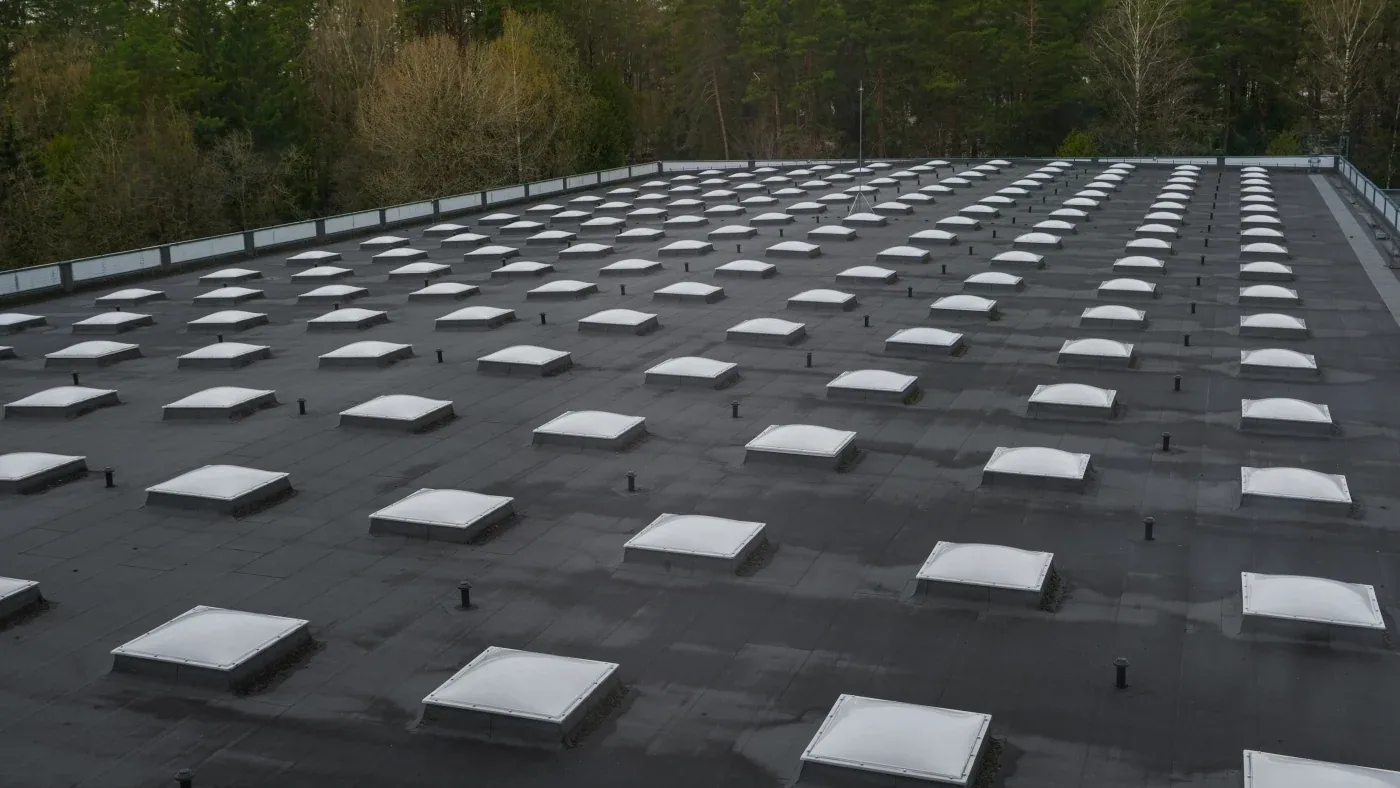
A distribution center roof often has a large field with few penetrations and a long list of drains, scuppers, and expansion joints along the perimeter. That layout lets the crew work in long strips, which suits phased delivery, but each strip needs a temporary tie-in when the crew leaves that can hold through an overnight rain.
Plan around the industrial districts the city actually has
The city plan identifies older industrial land along the Naugatuck River, a second industrial district in the southeast, and industrial parks that include Reidville, Brookside, Waterbury Industrial Commons, and South End. It also names Reidville Drive among the arterial commercial corridors where development occurred over the preceding decade. Buildings in those areas are often reached through shared drives and loading yards, and the staging plan has to respect the neighboring tenants.
Outside the city, the same pattern repeats. In Wolcott the largest industrial concentration lies on Wolcott Road at the Waterbury line, and Cheshire's draft plan marks its north-central area by I-84 and I-691 as industrial-zoned. An operator with space in Wolcott or Cheshire as well as Waterbury can have the roofs inspected on the same trip and compared on the same form.
Price recover and replacement by what the roof will carry
A large low-slope roof is expensive mostly because of its size, so the decision between a recover and a tear-off carries real money. A recover option saves removal and disposal and shortens the open-roof period, but it needs dry insulation, a sound deck, and an attachment pattern that can take another layer. We test before we price it, because a recover over wet core only buries the problem.
Racking, sprinkler piping, and rooftop units add load and access conditions that go into the scope. If the roof has been patched repeatedly, we count the patches and map them, since a roof with many small repairs may cost more to keep than to replace in sections. The estimate shows both numbers, with the allowance for wet insulation tied to the test cuts.
Landlord and tenant often split the cost, so the report separates repairs that restore the roof's original function from improvements such as added insulation or a cool-roof surface. A real estate owner reviewing the same report can see which items belong to the capital plan and which belong to operating expense.
Check the perimeter before the storm season, not after it
Large roofs catch wind at the edges and corners, where uplift is highest. Loose coping, open edge metal, and fasteners backing out of the deck show up before a membrane peels, and a perimeter walk is cheaper than a storm repair. Waterbury's hazard plan names summer storms and tornadoes as local hazards and says the entire city is exposed to winter storms, so we look at the edge detail and the drains in the same visit.
Snow load is the other schedule factor. Drifts collect behind parapets and rooftop units, and meltwater needs a clear path to an outlet. Roof drains that were blocked in the fall hold ponds through the freeze, and the repeated freezing damages the seams. A preventive maintenance visit in autumn clears those paths for a fraction of a repair.
Give every building a record the next lease cycle can use
A multi-site operator needs comparable roof records: the system, the leak history, the drain layout, the repair dates, and a condition grade. We assemble them building by building, with photographs, so a facilities director can rank roofs across the portfolio without relying on one age estimate. The same file supports negotiations with landlords over who funds a replacement.
For related operators, such as manufacturers that ship from the same buildings, the roof record is shared with the operations team that controls production hours. Cold storage areas are handled separately, because vapor drive and insulation detail differ, and the cold storage roof gets its own inspection plan.
Commercial Roofing Questions
How do you protect client inventory during a roof repair?
We stage protection below the open area, limit the exposed section to what can be closed within the shift, and keep the affected racks identified on the roof map. Temporary covers remain in place until the permanent repair is finished and inspected.
Can we phase a reroof so receiving never stops?
Usually yes. The roof is divided into strips, the strips over the busiest docks are done in the slowest hours, and each strip is dried in before trailers return. The plan names the crew's equipment locations so the yard stays clear.
What records should a tenant request from a landlord before a lease renewal?
Ask for roof plans, repair invoices, leak logs, any moisture survey, and the remaining service horizon. If those do not exist, an inspection can create them, and the written report gives both parties a shared starting point.
When is a roof section better replaced than patched?
When the patches cluster, wet insulation crosses a section, or the membrane no longer holds a repair at the seams. We count the repairs, map the wet core, and price the section both ways.
What does a perimeter inspection find on a distribution roof?
Loose or open edge metal, failed sealant at corners, fasteners backing out, and drains that do not carry water cleanly. Those are the items that let wind or snowmelt start a failure, and they are inexpensive to fix early.
Send the dock schedule and the roof plan
Share the shift hours, the high-value storage zones, the lease dates, and any leak history. We will map the roof by section, test for moisture, and price the choices around your receiving calendar.