Before a Middlebury, CT owner commits a capital window to a roof, one finding deserves a test cut: whether the insulation under the visible defect is still dry. If it is, a repair or a recover option may carry the building another service horizon at a modest allowance. If it is not, the scope moves toward removal, and the dry-in date, the permit date and the cost all move with it. We lay out those paths side by side, each backed by the same moisture survey and the same set of cuts.
The town's commercial roofs are concentrated in a few places: a limited commercial district along Middlebury Road, Route 64, near the town center, an industrial area in the southwest, and a business park created from part of the former Timex headquarters complex.
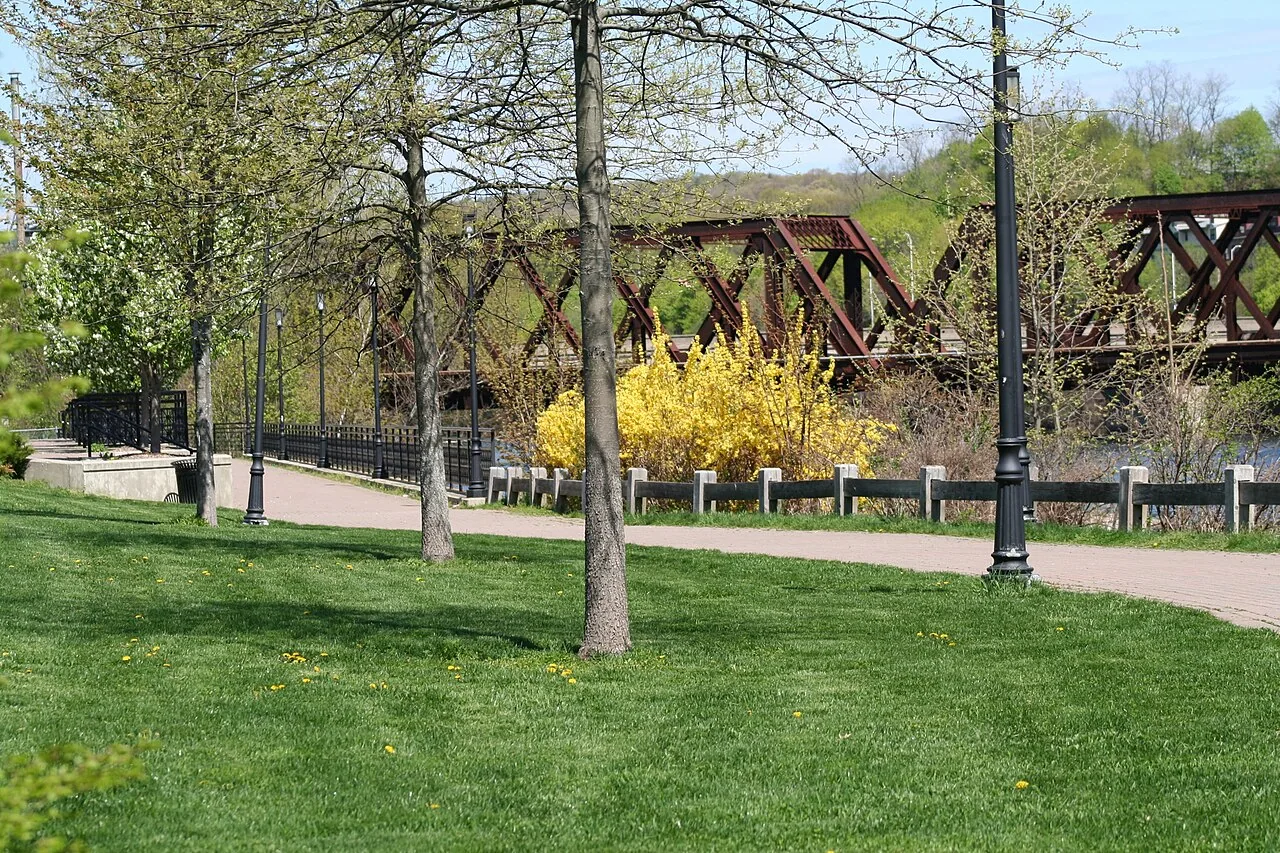
Scope the Route 64 Commercial District Building by Building
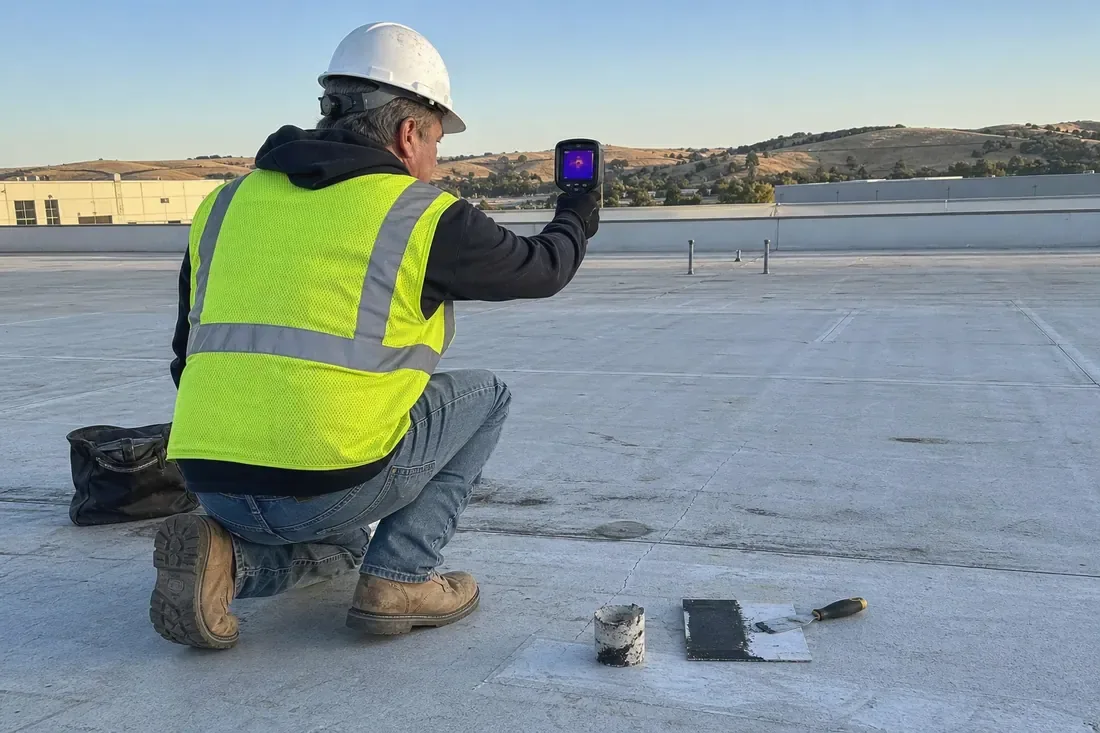
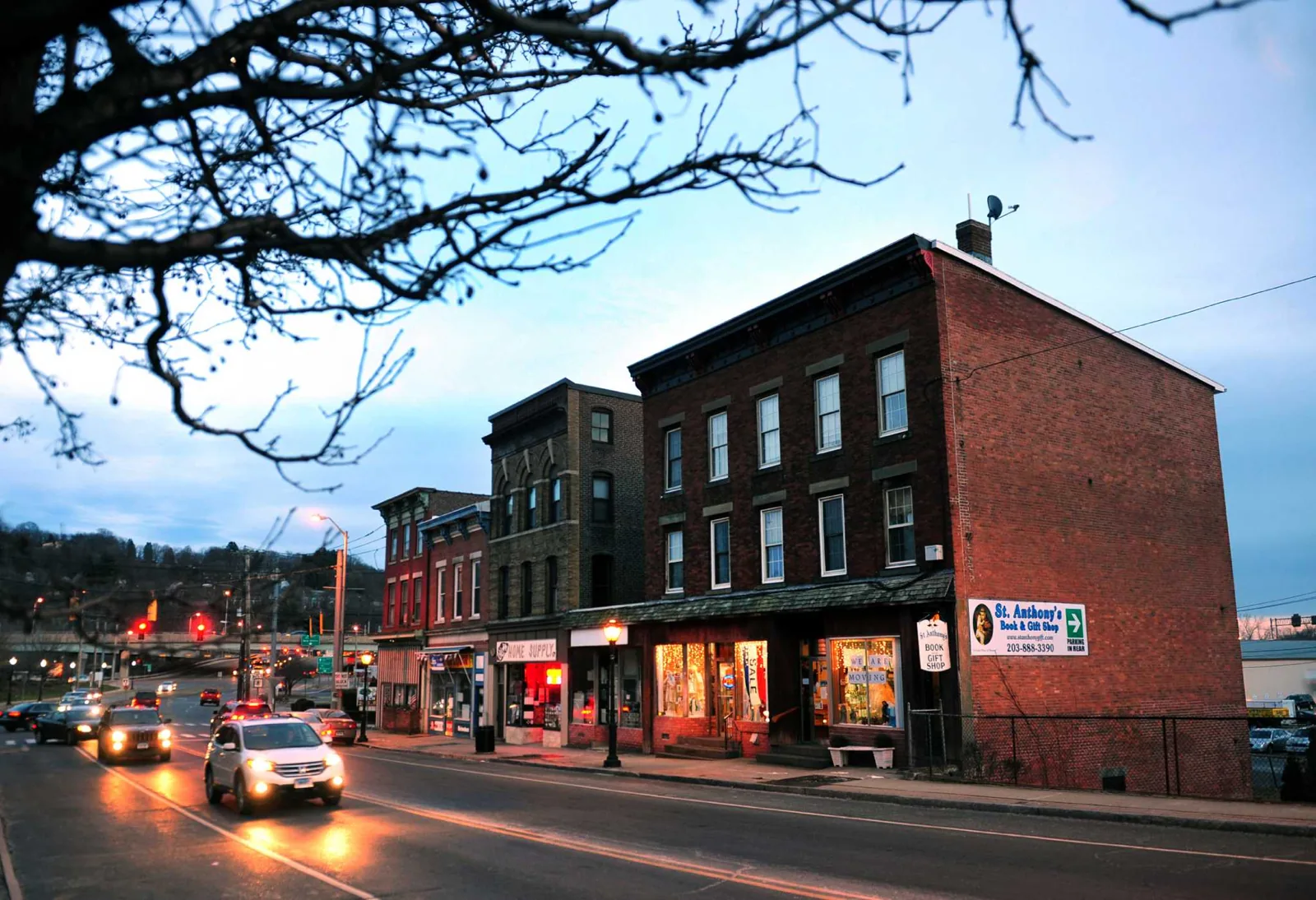
A limited commercial district means a small number of buildings, and each one carries more weight in the owner's budget than a single roof in a large market would. We do not infer a roof type from the address or the business inside. We walk the roof, mark the sections, probe seams, check flashing at walls and penetrations and cut a core where the moisture readings call for one. Access along a state route also needs a plan, since trucks, lifts and delivery windows have to avoid the customers who use the same driveway.
The estimate separates the roofing material from staging, protection and traffic control, so the owner can see which costs come from the roof and which from the site.
Signage, rooftop units and satellite dishes are fastened into many small commercial roofs, and every bolt or bracket is a possible way in for water. The inspection log notes each fixture, the state of its fasteners and sealant and a recommendation to reseal, rebuild or remove, with a photograph. An owner can sign off on the urgent entries and hold the rest.
Separate the Redeveloped Business Park Roof Sections
The town's 2021 hazard plan notes that part of the former Timex headquarters complex has been redeveloped as a business park. A redeveloped complex invites a specific question: which roof sections were renewed during the conversion, and which were kept? We ask for the records, then compare them with the roof by cutting test cores and reading the layers. Where sections of different ages sit side by side, the tie-ins between them get extra attention, because that is where flashing and drainage details change and water finds a path. An office building roof or a flex space in such a park may carry both old and new assemblies.
Tenants in a park may share a roof area or a drainage line, which complicates responsibility for a repair. We document which sections serve which space and mark shared drains, so the owner of the park and the tenants can agree on who approves what before work begins. The documentation also keeps a repair on one tenant's roof section from being mistaken for work on the neighbor's.
Plan the Southwestern Industrial Area Around Operations
The town plan places an industrial area in southwestern Middlebury. Industrial buildings tend to carry wide drainage areas, plenty of rooftop equipment and a production schedule that will not wait for a roof crew, so production sets the order of work. Laying the roof over the floor plan shows where a drip would damage machines or inventory, and those zones are tackled first or shielded longest. A manufacturing plant roof and a warehouse roof can both be handled in phases that keep dock doors and process lines running.
Every curb, vent and exhaust fan gets its own check, because a curb flashing that has let go is a frequent culprit when a big low-slope roof leaks.
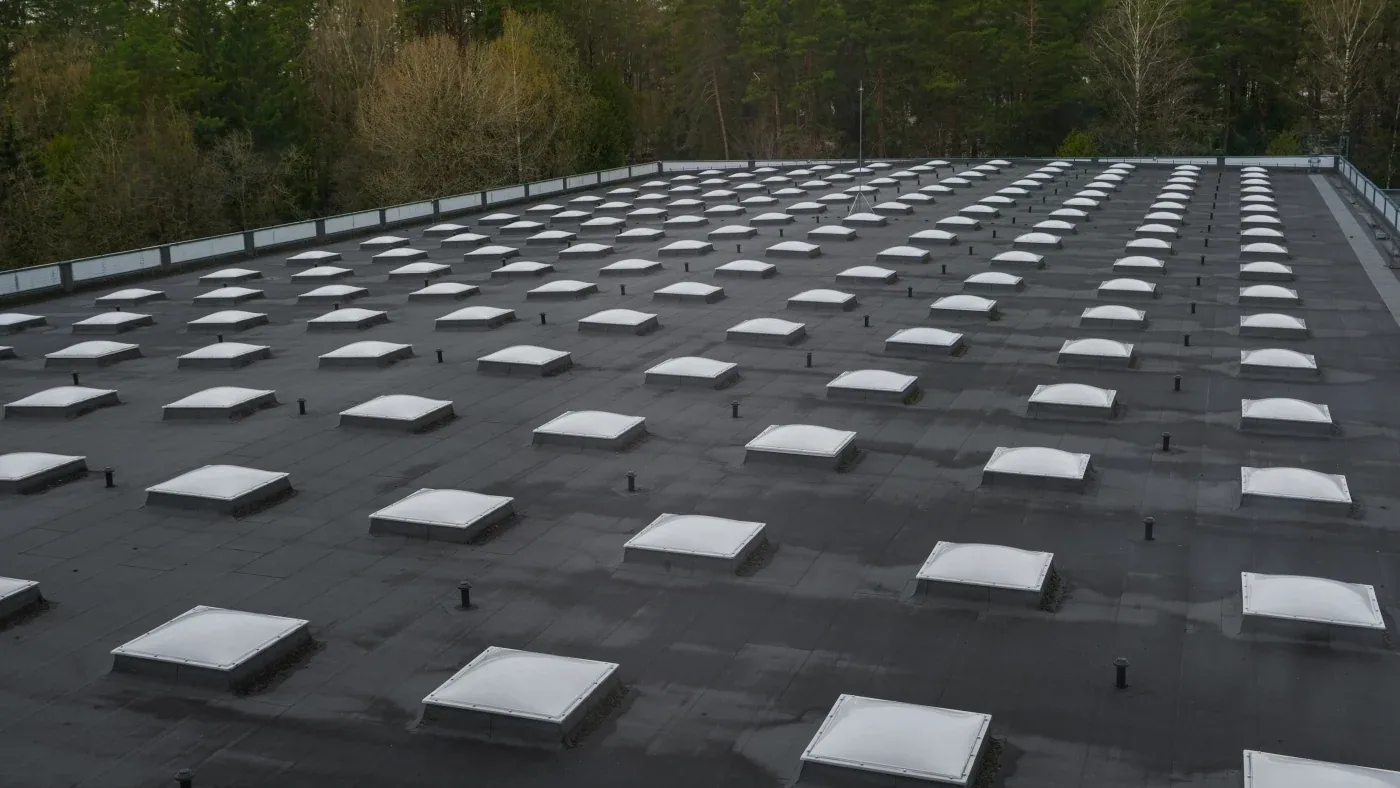
Where an industrial roof has skylights, we check the curbs and the glazing seals, since both can leak long before the membrane does. Replacing a skylight curb during a roof project costs less than reopening a finished roof later, and the report lists the option with its price so the owner can decide at the right time.
Trace the Water Before You Price a Recover
Winter storms, from snow and ice to sleet and nor'easters, reach all of Waterbury in its hazard plan, which treats summer storms and tornadoes as separate hazards. For a Middlebury roof they justify testing drain paths, overflow scuppers and any low spot where ice could sit. A roof recover comes up only if the old roof is dry, firmly attached and strong enough for one more layer. Drain heights must still work once the extra thickness is added, or the overlay simply builds a new pond.
The same document expects heavier extreme rainfall and hotter summers across Connecticut, which is why each report names a service horizon. Seams and coatings that will face stronger storms and warmer summers deserve a hard look today, and the report says when the next review is due.
Account for Open Land Around the Buildings
Outside the town center, the plan describes lower-density residential and agricultural land. Buildings on open sites can have longer approaches and more wind across the roof, and a roof edge that has worked loose can open a field to uplift in one gust. We check edge metal, copings and perimeter fasteners early in every walk, and we note the condition in the report because a secure perimeter protects the rest of the roof. Deliveries over long driveways also affect scheduling, and we confirm the route before material is ordered.
Set the Capital Window With Records in Hand
Permit paperwork starts a recover or tear-off, and the 2022 State Building Code, rooted in the 2021 International Codes, covers filings from October 1, 2022 on. When the job ends, the owner holds photographs, test results and repair limits keyed to a marked plan. An owner can then use a roof condition report to plan the next work and to compare this building with others, such as one in Waterbury or Southbury.
Material is ordered only after the scope, the permit route and the funding are settled, which means the crew shows up with everything it needs and no opened roof sits idle waiting on a truck.
Commercial Roofing Questions
What does a test cut tell an owner that a visual inspection cannot?
It shows the layers, the insulation condition and whether moisture is present under the membrane. Surface wear can look severe over dry insulation, and a clean surface can hide wet core, so the cut often decides between a repair, a recover and replacement.
How do you handle a roof that has sections of different ages?
We map the sections on a plan, test each one and price them separately. The junctions between sections get their own flashing details, and the report lists which sections can stay and which should be replaced.
Can work continue while an industrial operation runs?
Usually yes. Work is planned around production, with equipment and stock under the work zone covered and each opened section kept small enough to be sealed by day's end. The building's priorities set the order, and the forecast adjusts it.
When does a recover make sense?
When the existing roof is well attached, the insulation is dry and the structure and drains can handle an added layer. A moisture survey and a handful of test cuts answer those questions long before any material is ordered.
What records should I bring to the first meeting?
Roof plans, repair invoices, leak dates and locations and any warranty papers. For a redeveloped building, add the renovation drawings that show which roof areas were touched, and give us the access rules and the date your budget decision is due.
Book a Middlebury Roof Inspection
Send the access rules, the roof records and the capital or permit window. We will inspect, separate repair, recover and replacement scopes and report with photographs, test results and clear allowances.