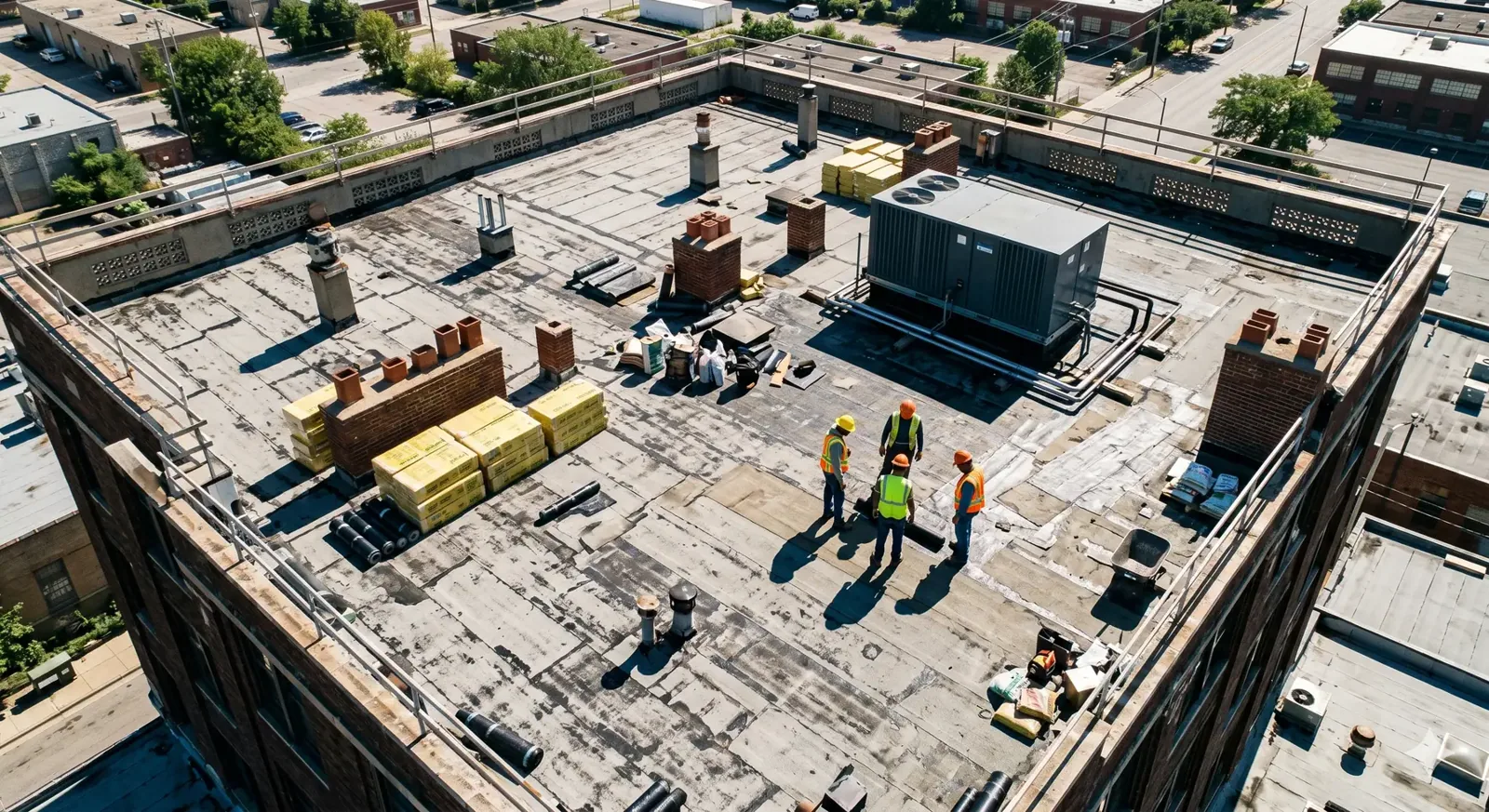
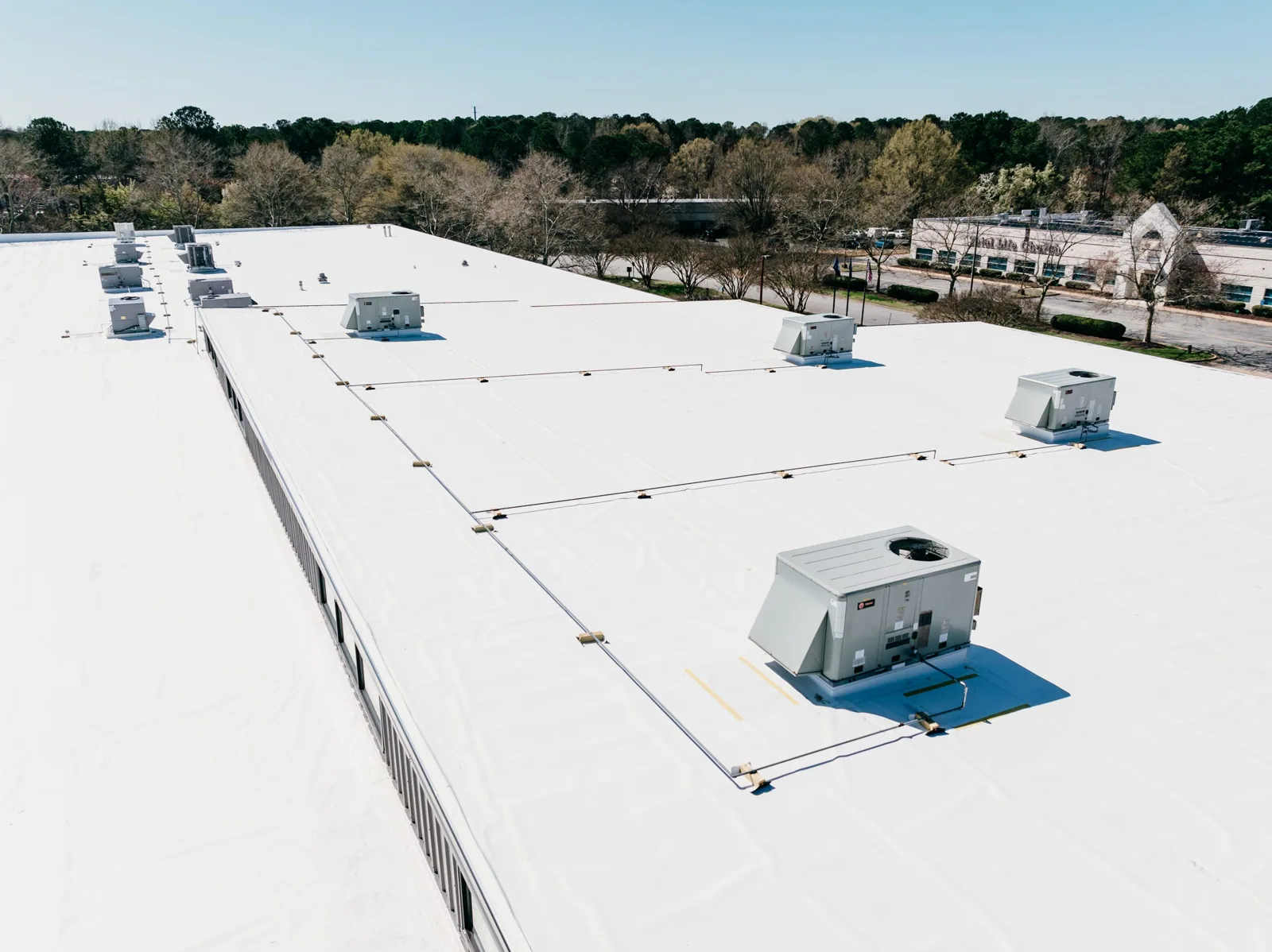
A school roof's summer work window only holds if inspection findings settle the removal boundary before students leave. We map roof sections, check drains and penetrations, then identify test cuts where moisture could add deck or insulation work. Waterbury's hazard plan lists citywide winter exposure, including snow and ice, plus summer storms. That context belongs in the school calendar discussion, while the actual assembly and access rules set the job. We give the facilities manager an estimate that separates repair, recover, and replacement by section, with the evidence behind each allowance. Where a summer break cannot carry the full project, a phased sequence can isolate the areas that must be addressed before the building reopens.
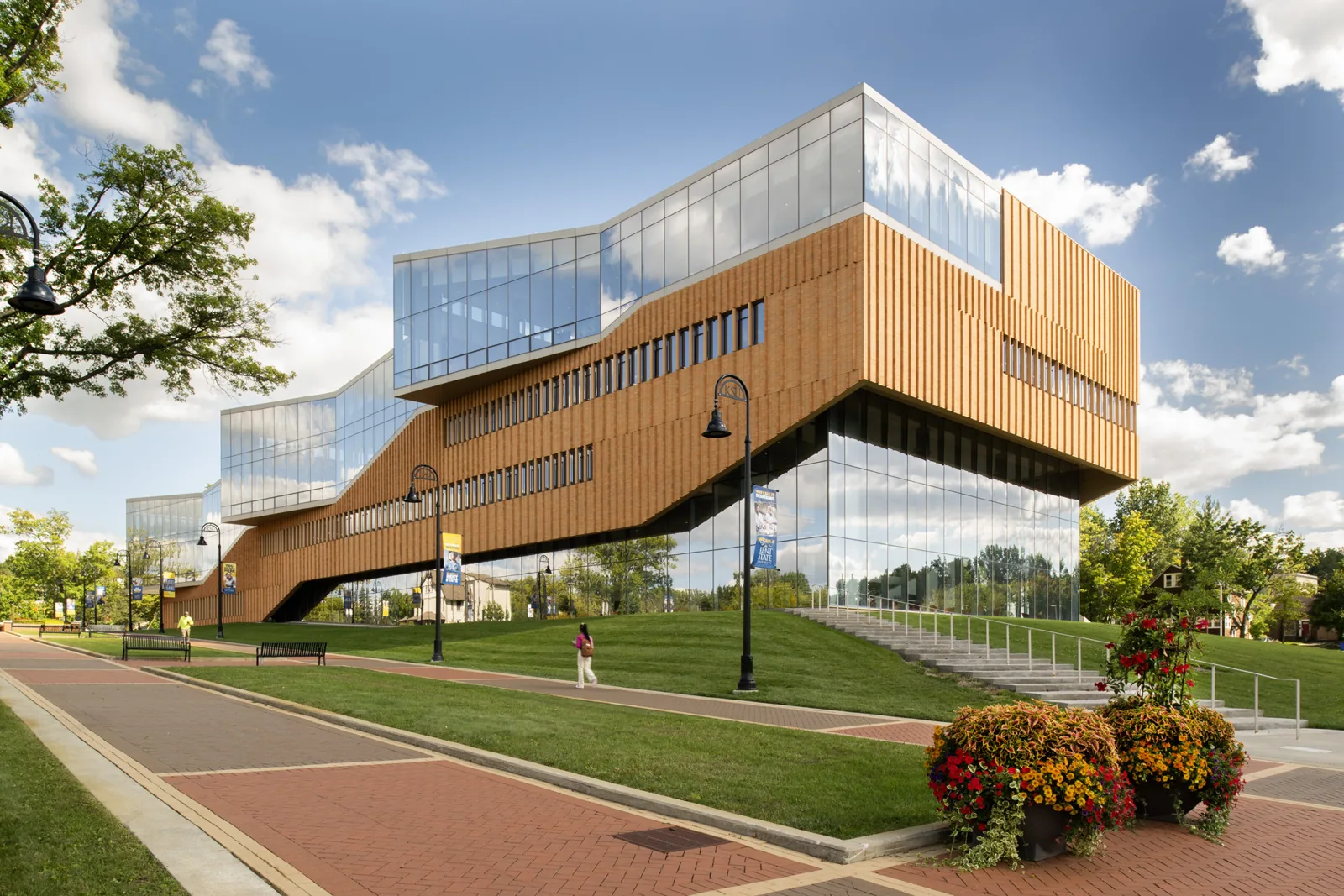
Waterbury's downtown core near I-84 and Route 8 mixes civic and higher-education uses, while South Main is among the city's mixed-use corridors. For a school property, those broad settings make deliveries, traffic control, and occupied-hour rules worth confirming early. A roof-section survey can locate findings before the budget is committed. Campus-style operations, as at a college or university, need longer access coordination.
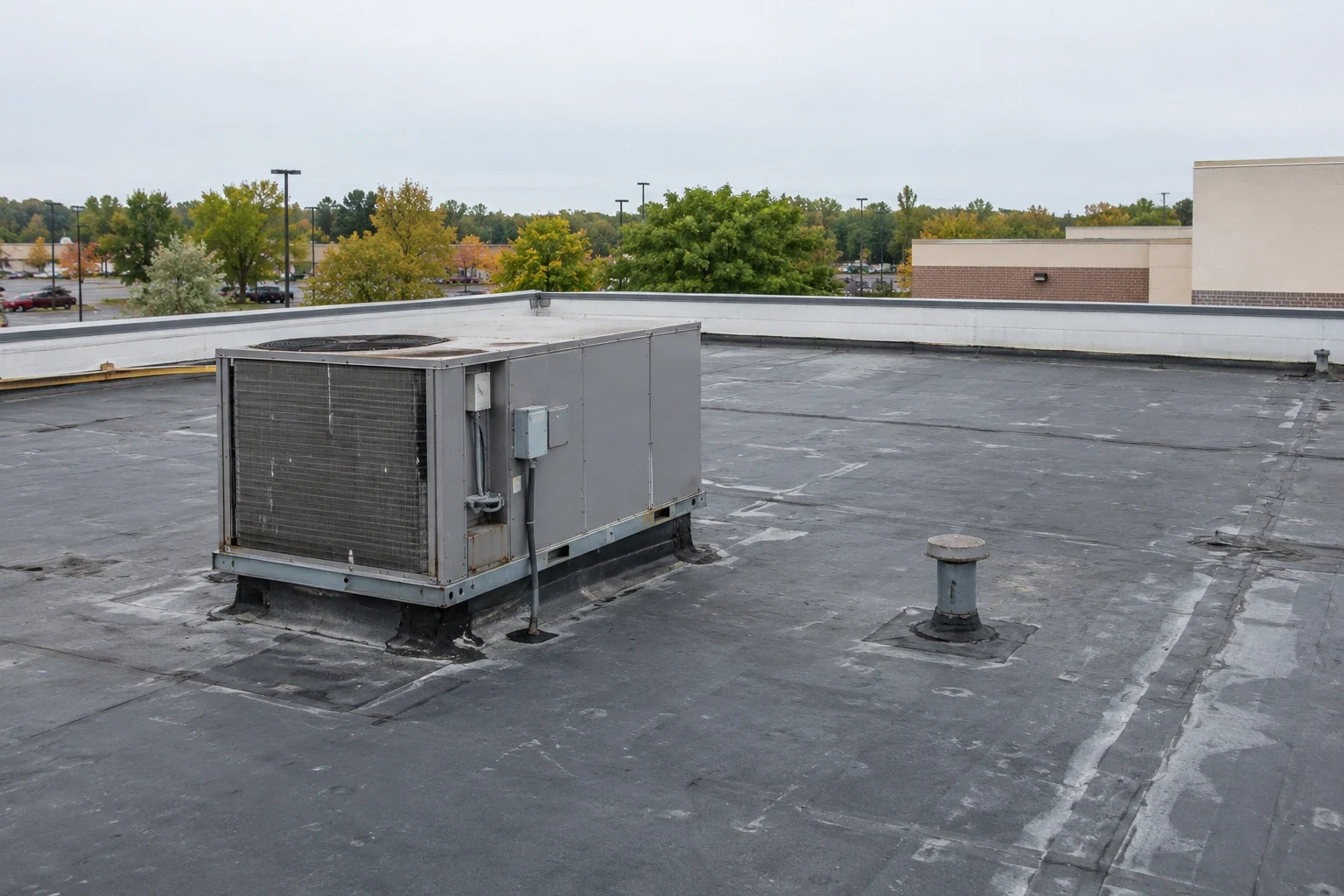
Match the Roof Scope to the School Calendar
Summer break is a schedule window, not proof that the full roof can be opened at once. We check how many sections can be removed and closed safely during each shift, then mark which work depends on a test result, design detail, or permit decision. A roof over classrooms, kitchens, offices, or a gym can have different interior protection needs, even when the exterior membrane looks similar. We confirm the space below each work zone, the hours when noise is acceptable, and whether staff or programs remain in the building.
Connecticut's 2022 code is tied to the permit application date. We record the applicable edition with the design team before pricing code-related details in the roof scope. We identify the surface that must be dry before membrane installation, what temporary protection covers exposed insulation, and who can approve a shift if rain enters the forecast. If a section cannot be safely closed before reopening, it moves to a later phase with a clear boundary rather than being left as an undocumented allowance. A phased school work plan can coordinate interior use with that sequence.
Separate Classroom Leaks from Roof Findings
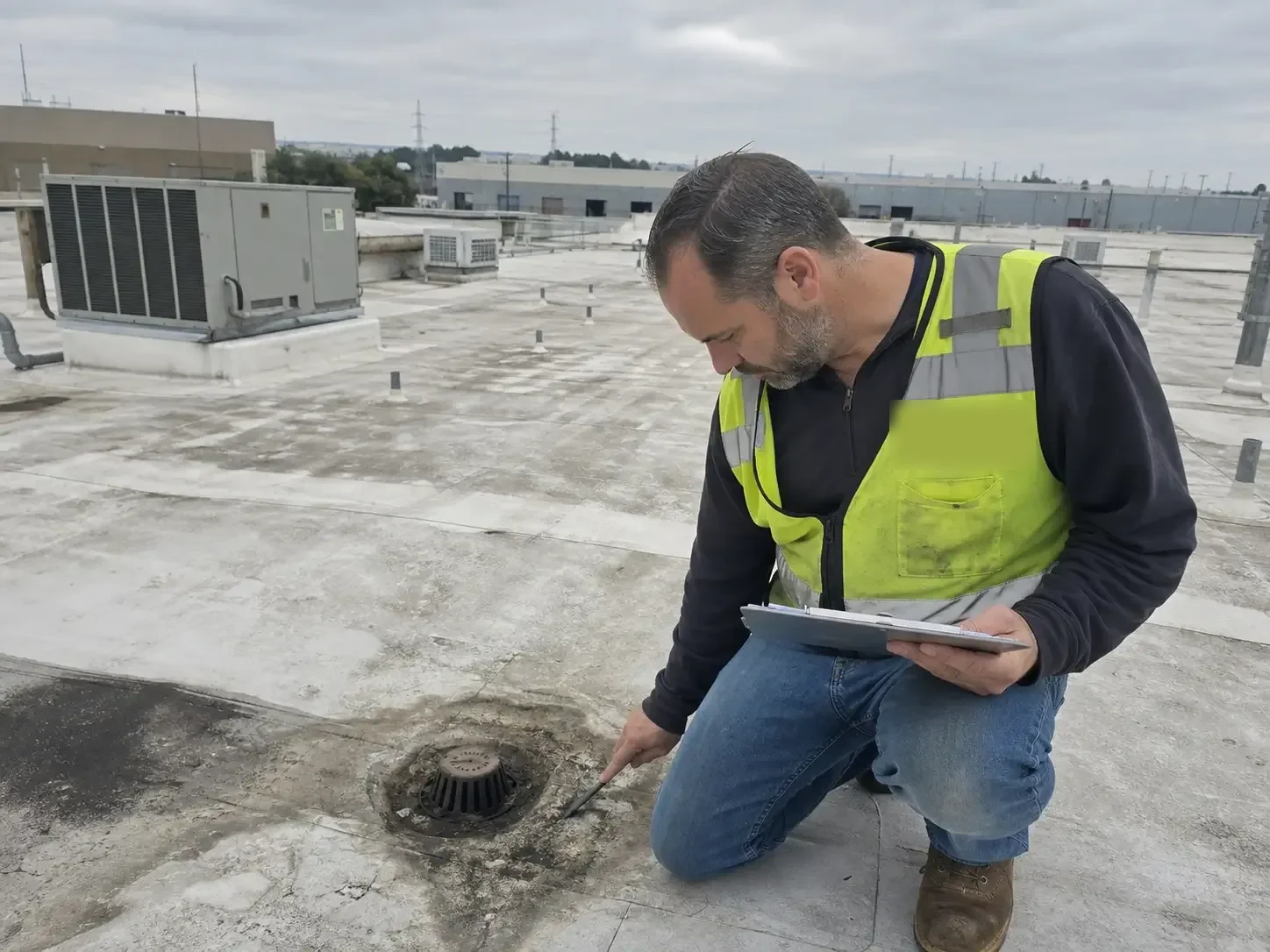
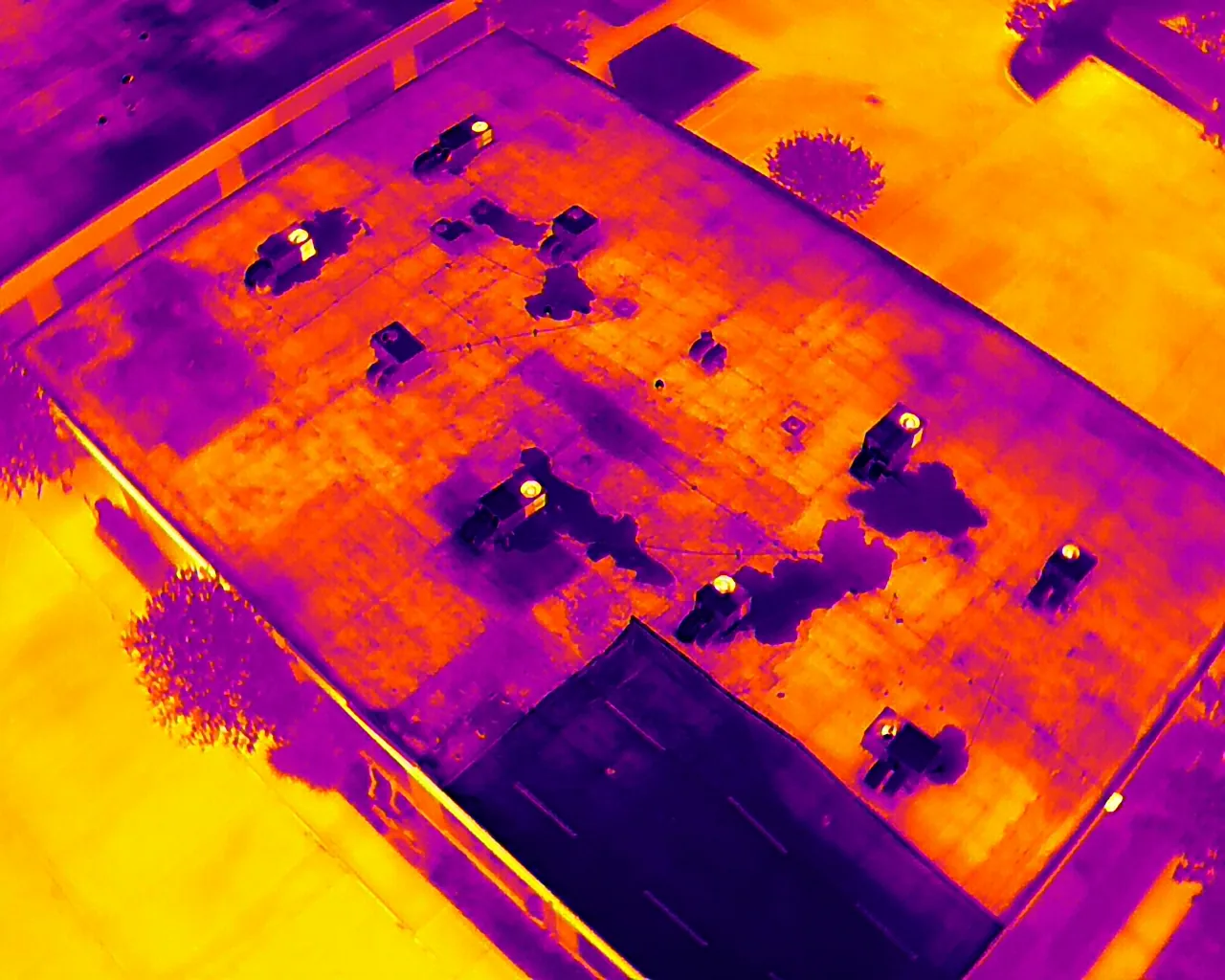
A ceiling stain identifies a room that needs attention, but it does not reveal the entry detail or the condition of the insulation above it. We record leak locations, inspect the roof section overhead, and trace nearby seams, curbs, skylights, and drains. Photos show both the interior symptom and the exterior condition when access allows. If the leak path remains concealed, a targeted moisture survey or test cut can establish whether the wet core is local or extends into the adjacent section.
We keep confirmed damage separate from areas that were not opened or could not be reached. That distinction matters when the school compares an urgent repair with a larger capital project. The report identifies a repair boundary, the materials needed, and any temporary protection required before the next school day. Where similar findings appear at several roof transitions, we sample each condition instead of assuming that one classroom leak represents the whole building. An infrared moisture survey can help direct intrusive testing, and insulation evaluation can record the layers relevant to recover or replacement.
Keep Drains and Interior Areas in the Work Plan
Blocked drains, loose scuppers, and poor transitions can make a school roof difficult to keep dry during a project. We inspect the drain path, overflow routes, parapets, and roof edges, then list correction work separately from membrane quantities. A coating or recover option should not hide an outlet that needs adjustment. If the project adds insulation or changes finished roof height, we review how those details affect curbs, doors, flashings, and drainage before approving the section for installation.
South Main and East Main are Waterbury mixed-use corridors with retail, services, restaurants, housing, and civic uses. A nearby school project may need sidewalk, drop-off, delivery, or bus circulation coordination based on its own site rules. We confirm those routes with the facilities contact and schedule lifts or material deliveries outside restricted periods. A drain and scupper scope can address outlet details, and a school on a shared lot separates shared access from roof work the way a shopping center does. The estimate should state which interior areas receive protection and when a zone returns to normal use.
Choose Repair, Recover, or Replacement by Section
Localized seam or flashing damage can support a repair when adjacent membrane and insulation remain serviceable. Recover requires an attachment and moisture review, plus code and design checks for the proposed assembly. Tear-off may be appropriate where wet layers, damaged deck, or repeated failure changes the replacement line. We compare those options with the same roof map, showing the affected quantity, test evidence, and what remains in service under each choice.
Connecticut's permit process uses its 2022 state code for applications filed from October 1, 2022 onward, with 2021 editions for building and energy requirements. The facilities manager should record the permit date and confirm project-specific review before approving a recover. We identify the decision that would move the tear-off boundary, whether that is a test cut, attachment review, or deck observation. A recover assessment can compare retained layers with a replacement estimate.
Leave the Facilities Team a Usable Roof Record
School facilities staff need a closeout file that names roof sections, work completed, repairs made, materials installed, and any area excluded from the contract. We provide photos of drains, flashings, seams, and transitions before they are covered, plus the final condition of the work zone. If an allowance was used because of concealed damage, the record states what was exposed and approved. That makes the next budget review less dependent on staff memory or a short invoice description.
We also note maintenance items that can be completed during a school break or a scheduled service visit. Waterbury's downtown and industrial districts have different access and traffic patterns, but the building's own protocols determine who receives keys, how roof access is arranged, and which rooms stay protected. Those rules travel with the plans and repair history. A photo condition report can help prioritize the remaining sections, while a Waterbury school roof assessment can start with the capital window and current leak map.
Commercial Roofing Questions
Can a school reroof be completed during summer break?
The calendar can support the work, but the building's roof area, access, findings, material lead time, and daily closure limits determine how much fits. We map the sections, identify decisions that could add work, and set a reopening date against the protected sequence.
How do you protect classrooms during roof repairs?
We coordinate the work zone with the space below, protect interior areas where required, and keep exposed roof sections within an agreed dry-in boundary. The facilities contact identifies sensitive rooms, equipment, and times when noise or access must be limited.
What should a school do about a ceiling stain?
Report the room and time observed, protect contents, and arrange an inspection of the roof section above. We trace the entry path and document whether insulation, deck, or flashing needs testing before setting the repair scope.
When is a school roof a recover candidate?
Recover remains an option only when existing layers, moisture, attachment, height, and project-specific review support it. We identify test locations and the conditions that would require removal, then price retained and tear-off assemblies as separate scopes.
What should the school receive at project closeout?
The file should include section locations, repair and installation photos, material details, test findings, approvals for concealed conditions, and excluded areas. We also list maintenance items and the next inspection points for facilities staff.
Set the School Roof Work Window
Share roof plans, leak locations, access and interior-protection rules, and the school calendar. We will inspect each section, document tests and drainage, and separate repair, recover, and replacement scopes with closeout photos.