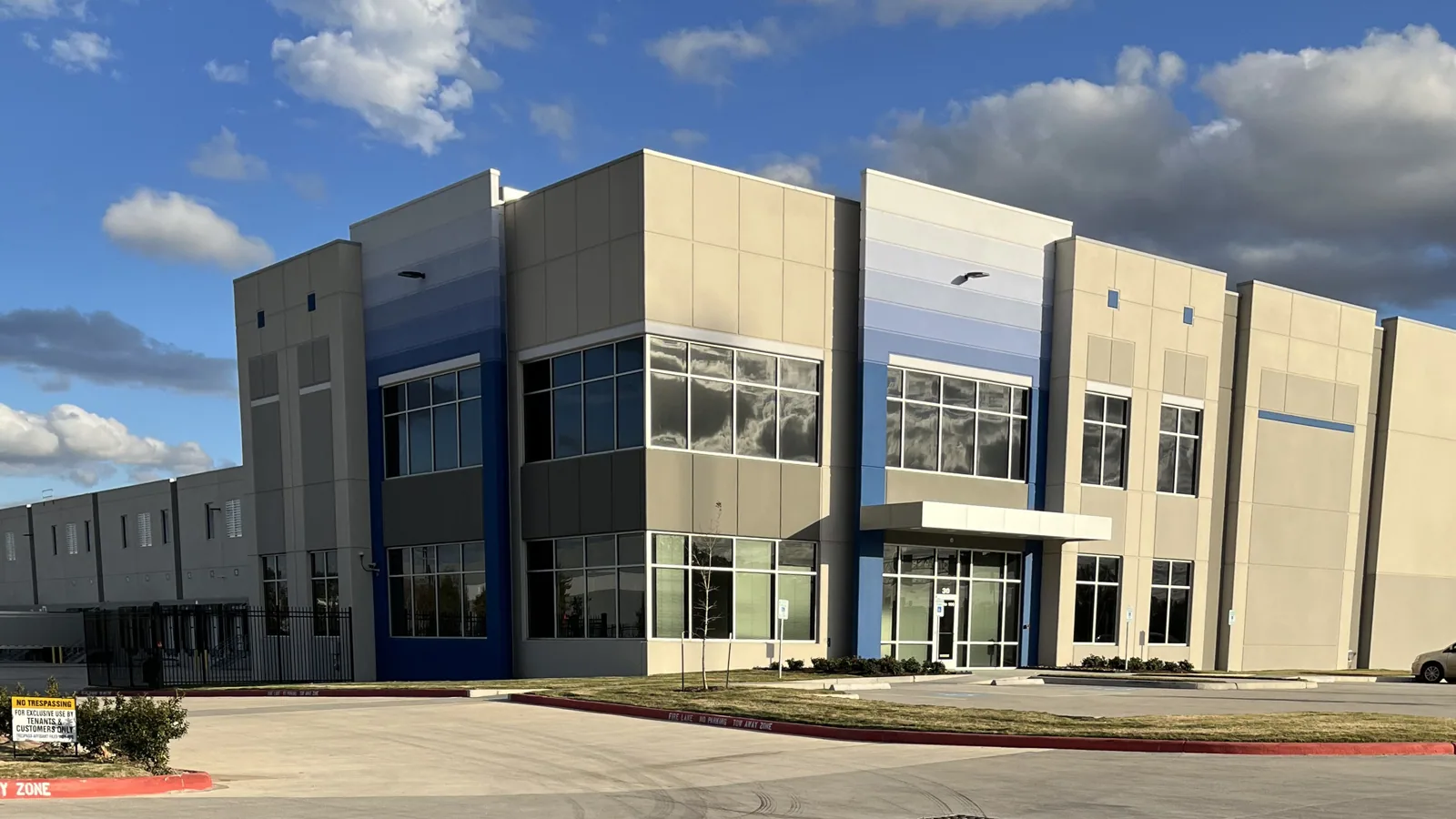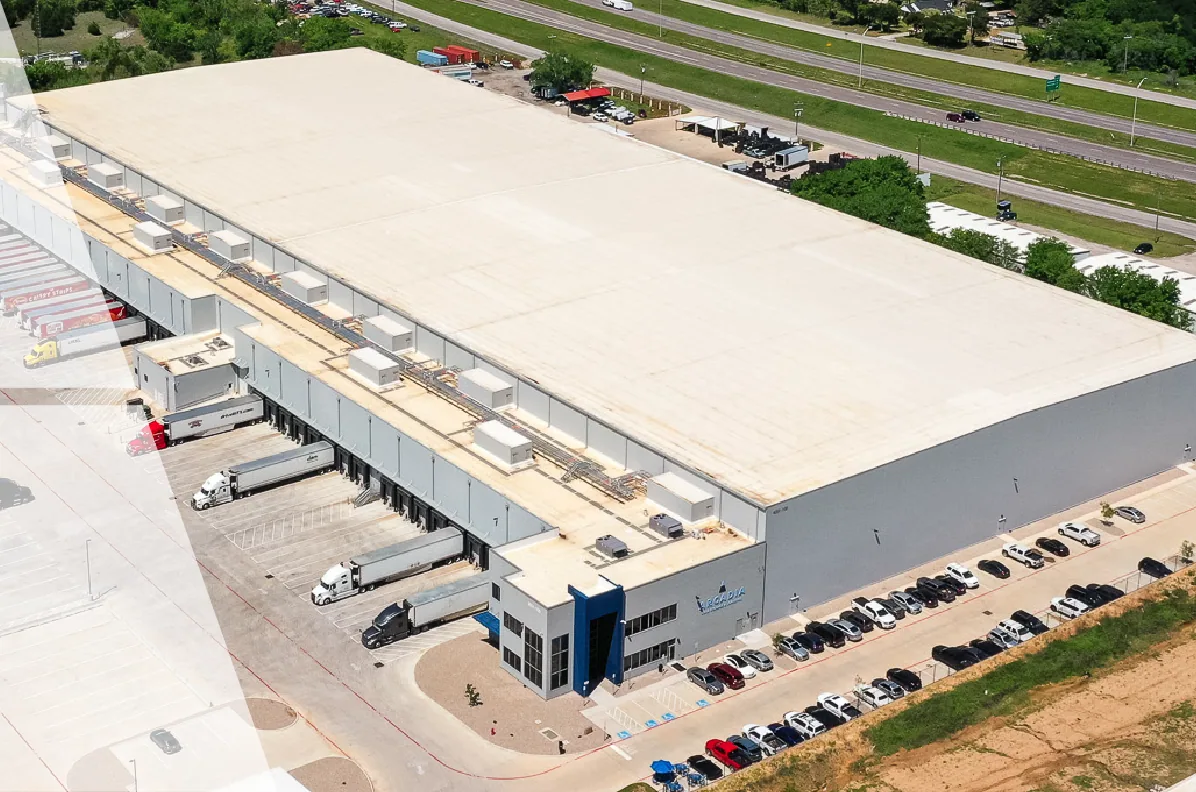
A production stoppage changes the roof estimate as quickly as wet insulation or a damaged exhaust curb. We inspect the building's roof sections, identify leaks and heat-related wear, and align repair or replacement work with the line schedule. The scope should account for exhausts, process vents, equipment supports, and any roof access that depends on plant safety rules. Waterbury retains industrial areas along the Naugatuck River and in the city's southeast, so manufacturing is part of the local building mix. The specific process, roof assembly, and shutdown window still need to be confirmed at each plant.
Waterbury faces winter storms, including snow and ice, as well as summer storm hazards. Weather timing can influence staging, but roof condition sets the repair boundary. We separate areas where a patch can hold from sections that need testing or tear-off. In nearby Ansonia, higher-density industrial and commercial uses are concentrated near the Naugatuck River and Route 8. A roof condition survey and coordination in Ansonia can be set around the site's operating rules.

Map Roof Zones Against Plant Operations
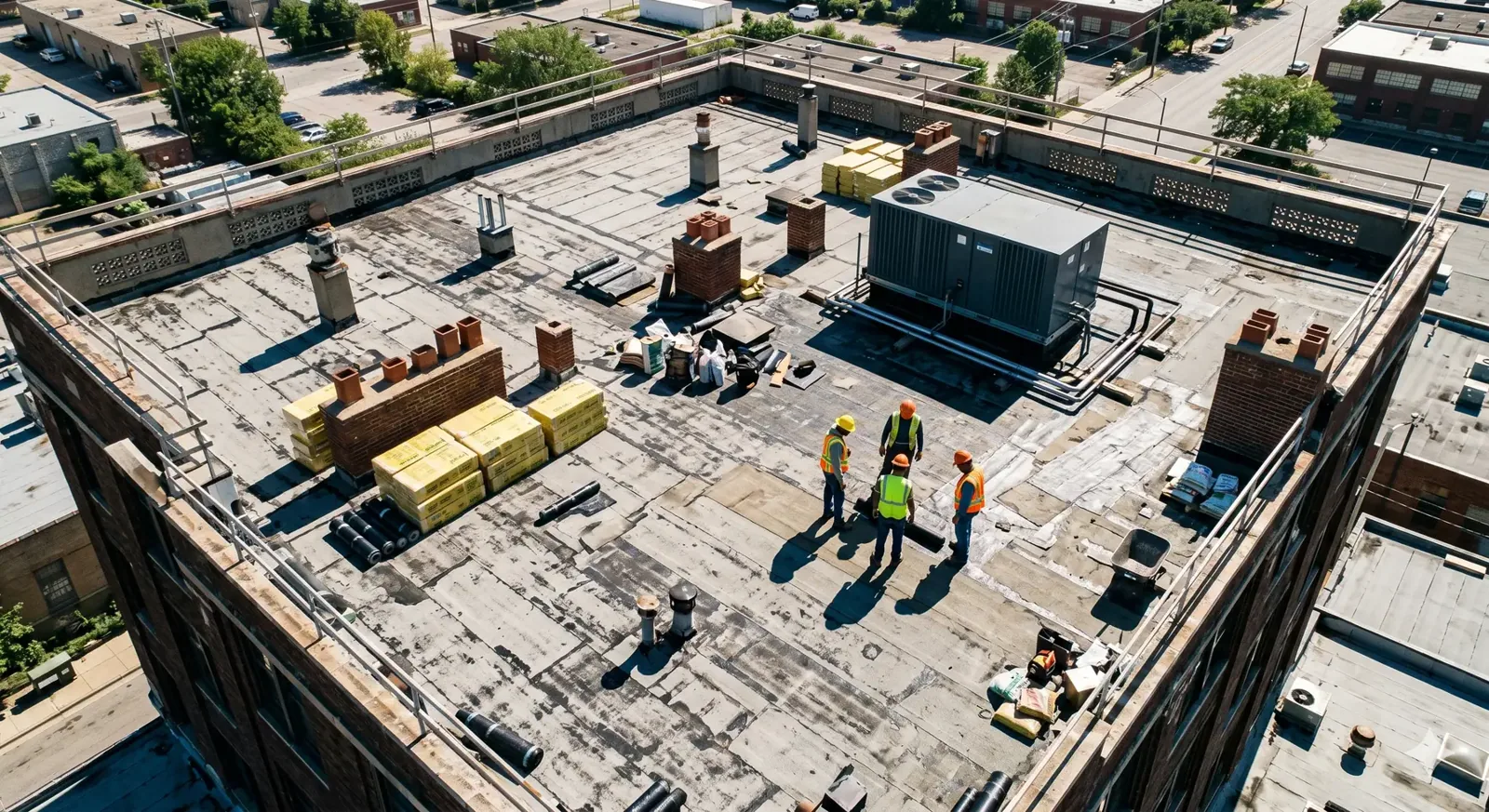
We begin with the process map, equipment locations, roof plan, and known leak history. The walk identifies drains, expansion joints, exhaust stacks, curbs, access ladders, and transitions over production, storage, and utility areas. We mark which points are active and which are capped or unused instead of treating every penetration as alike. The property contact can identify clean zones, restricted routes, overhead hazards, and work periods that cannot be interrupted.
Waterbury's former manufacturing areas include Freight Street beside the Waterbury Branch rail line, I-84, and Route 8, with a planned mixed-use extension of downtown. Along the Naugatuck River, industrial lands continue through the city. We verify the process and roof details at the property and show the affected roof sections on the work plan. Storage areas bring the concerns of a warehouse, and refrigerated space brings those of cold storage.
Inspect Exhausts, Curbs, and Heat-Affected Areas
Process exhaust, warm air discharge, vibration, and maintenance access can place unusual demands on roof details. We inspect membrane around stacks and curbs for open laps, brittle patches, movement, and failed sealant. Metal ducts and supports need secure attachment and a compatible flashing transition. If heat has affected the membrane, we map the extent and compare it with adjacent areas before expanding a repair. A test cut can show whether insulation or deck condition changes the recommendation.
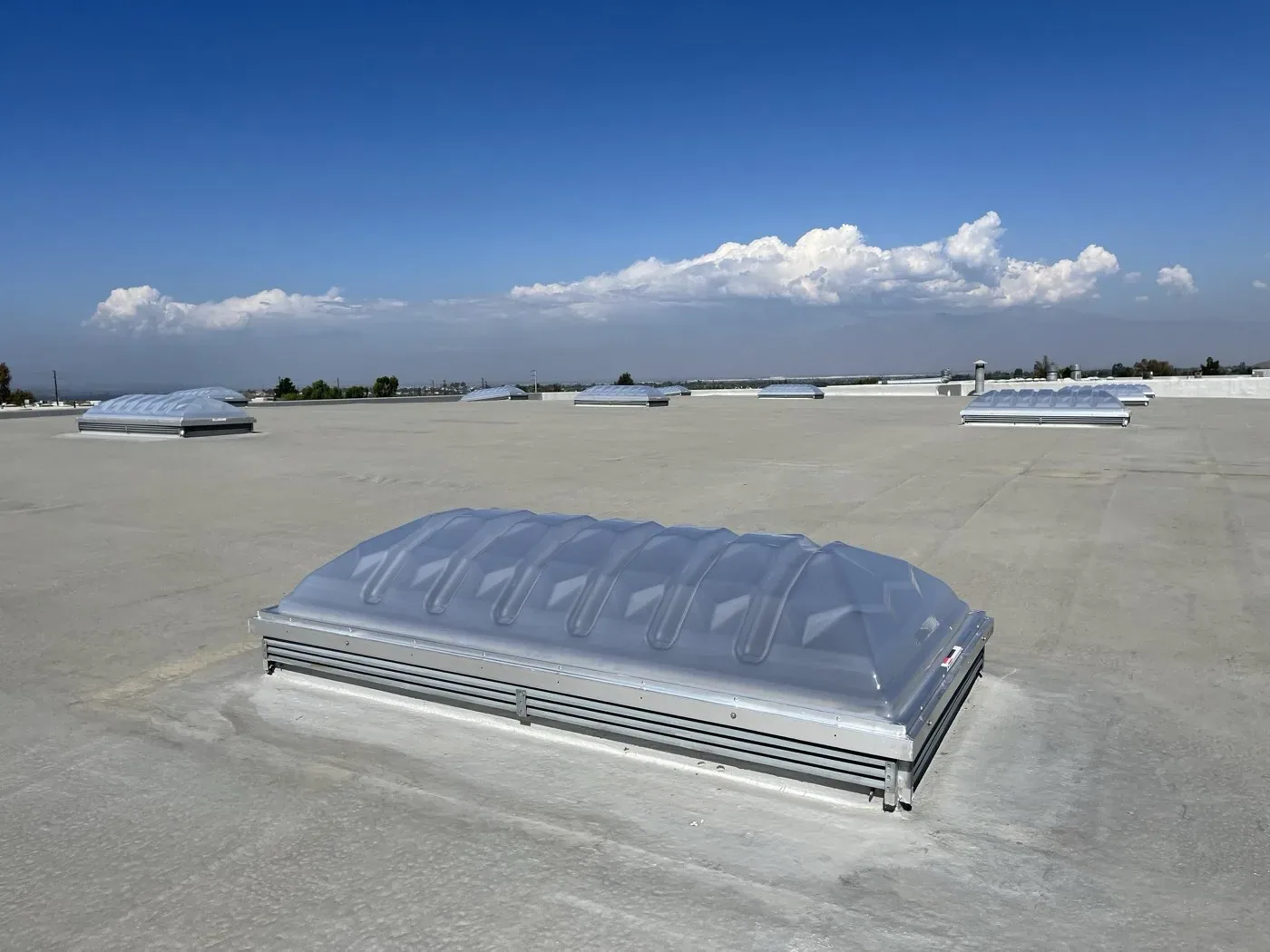
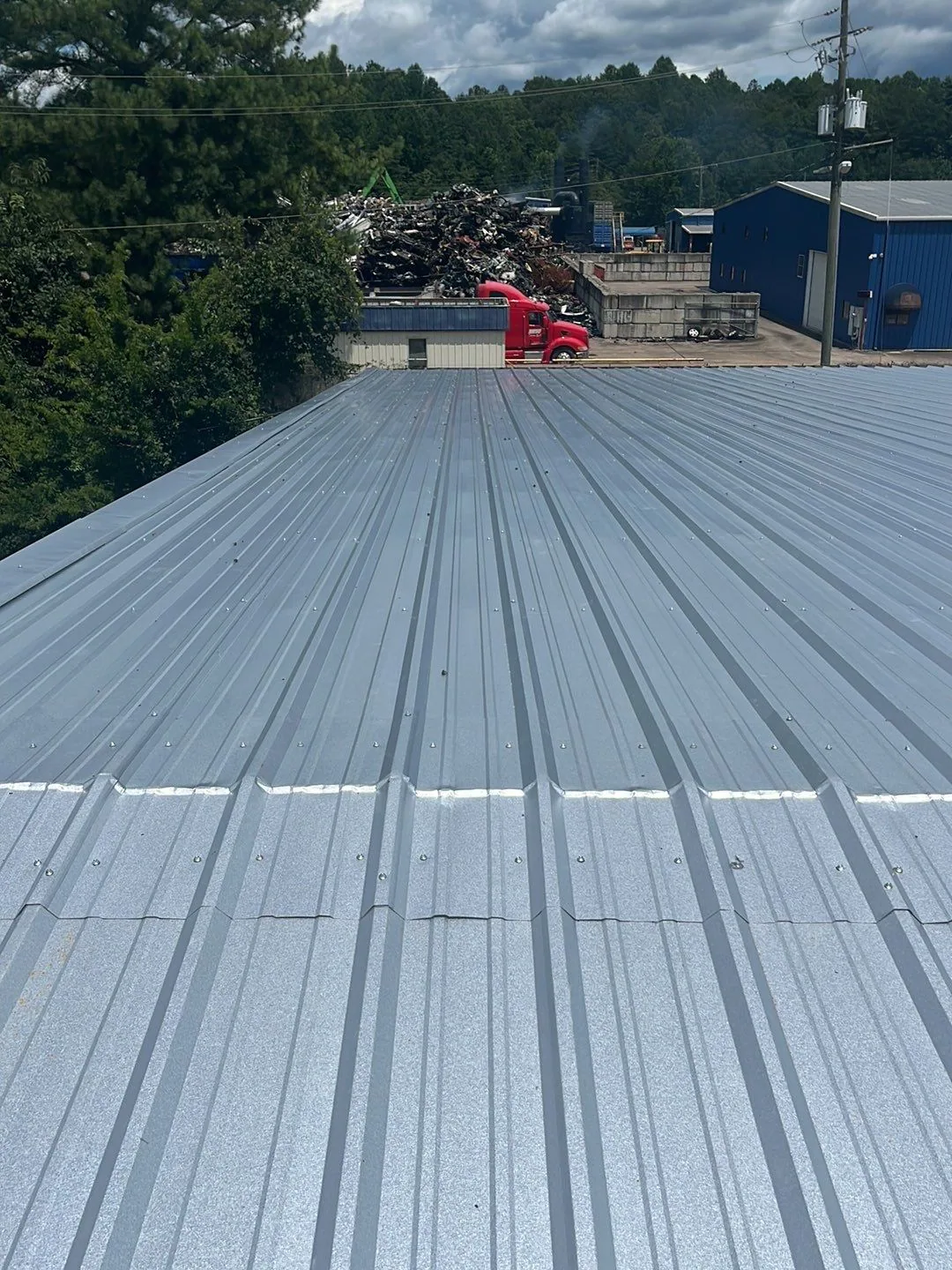
We do not assume the roof experiences a particular process exposure from the property label. The plant contact identifies chemical exhaust, steam, washdown, or other conditions that matter to material selection. Our penetration and skylight work can repair transition details, and a standing-seam metal option may be appropriate for certain roof areas after attachment and drainage are reviewed. The specification reflects the actual exposure, not a generic claim about all manufacturing buildings.
Choose the Smallest Scope the Evidence Supports
A single failed flashing may be repairable when surrounding membrane and insulation remain sound. Multiple wet sections, deteriorated attachment, or recurring leaks can change the scope to recover or replacement. We compare the roof by section, verify the layer count and substrate, and identify where a test is needed before materials are ordered. If only part of a larger plant roof fails, the report keeps those quantities separate so a local condition does not become a plant-wide assumption.
Cost drivers include roof height, equipment density, access control, shutdown coordination, waste handling, insulation depth, and the number of temporary closures required. We state allowances for concealed conditions and define the trigger for approval if tear-off reveals damage. A measured repair scope can stabilize a local failure, while replacement planning sets the tear-off boundary where broader work is required. The photo record ties the capital discussion to each roof zone and the evidence collected.
Protect Production During Roofing Work
Roof work near active manufacturing may require a shutdown, a designated access path, overhead protection, or a restricted material route. We confirm those controls with the plant contact before mobilization and coordinate equipment lifting, hot work restrictions, alarms, and utility clearances where they apply. The daily plan identifies what process or area may be affected, how long the interruption lasts, and what must be restored before the line resumes.
We also confirm who can authorize a roof opening above a production area and who signs off on the release after the membrane is closed. If equipment guards, exhaust screens, or roof-mounted service lines need temporary movement, the work plan identifies the responsible trade and return check. That avoids leaving a roofing closeout without a clear handoff to the people operating the plant below.
In Thomaston, industrial sites are dispersed along the Naugatuck River, with commercial activity in a compact center near East Main Street and Main Street. Each plant sets its own delivery and safety requirements. We schedule removal and installation in sections that can be closed at the end of the shift. If water enters before planned work begins, emergency stabilization can protect the affected area at any hour, including weekends and holidays, until a permanent scope is ready.
Return the Roof and Work Area to the Plant
At the end of a phase, we photograph completed seams, flashing, curbs, drains, and temporary tie-ins. The closeout records what the crew touched, what material was installed, and what remains for a later shutdown. We confirm that debris is removed, drains are open, and any protected equipment is released with the site contact. A change discovered under the membrane is documented before the approved boundary expands.
Roof plans, process restrictions, shutdown calendars, prior repair records, and the closeout photos stay with the facility file, and plant-specific roof conditions control the recommendation. Share the next maintenance outage and any critical delivery period. We can inspect the roof, price repair or replacement options, and define a work sequence that makes the roof boundary and production impact clear.
Commercial Roofing Questions
Can roof repairs be completed during a production run?
Some repairs can proceed without a line shutdown, but access, exhaust conditions, interior protection, and work directly above active equipment determine that answer. We identify the affected area and coordinate a safe work window with the facility contact before opening the roof.
What does process exhaust change on the roof?
Exhaust temperature, movement, chemical exposure, and maintenance access can affect the flashing material and the condition around a stack. We inspect the actual discharge point and surrounding membrane, then ask the plant contact to confirm operating conditions before specifying a repair or replacement detail.
How do you handle a repair that uncovers damaged deck?
We secure the opening, document the exposed condition, and send the location and proposed quantity for review. The owner can then approve a change, defer adjacent work, or revise the boundary. The schedule includes time for substrate repair and a new dry-in point before the next section proceeds.
Can different roof sections have separate budgets?
Yes. We map each section and connect its condition, repair quantity, and operational restriction to a separate line item. The report can distinguish urgent repairs from planned replacement so a local finding does not set the budget for an area that remains serviceable.
What should a plant provide before the roof walk?
Share roof plans, process exhaust locations, restricted areas, safety rules, shutdown dates, leak reports, and known equipment lifts. Those details let us plan a safe route, identify likely coordination needs, and keep the inspection focused on conditions that may change the production schedule.
Set the Roof Scope Against the Production Calendar
Send the roof plan, process restrictions, shutdown dates, leak history, and access requirements. We will inspect each affected section and return repair, recover, or replacement options with timing assumptions.