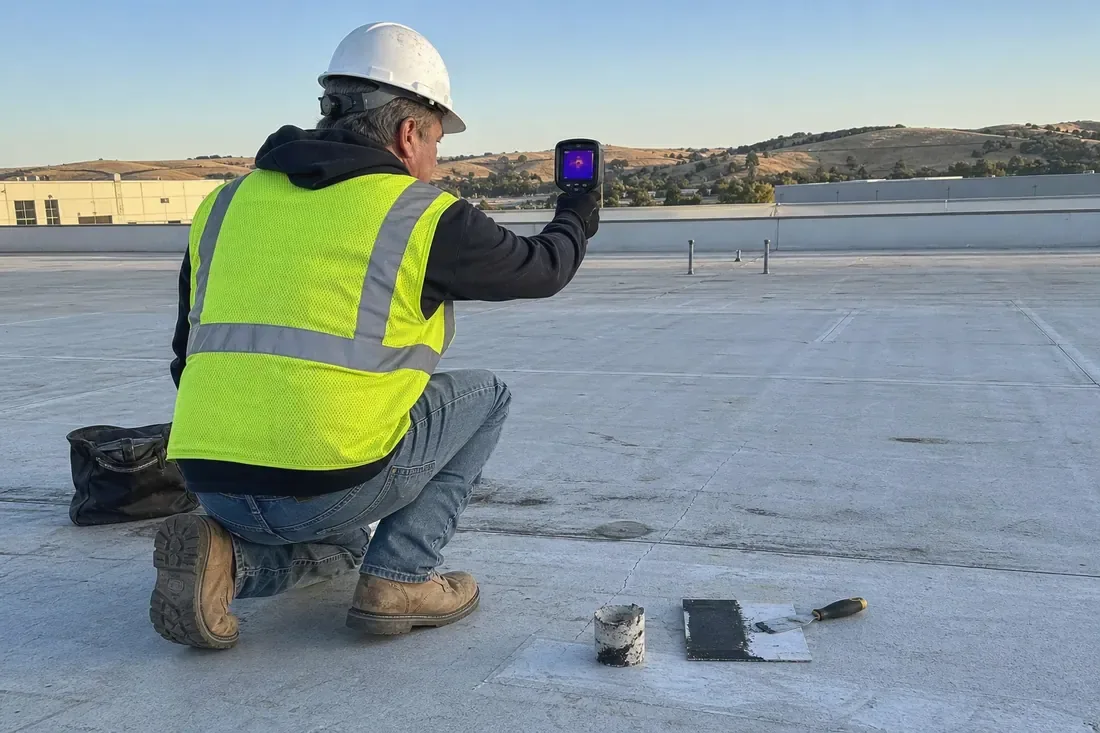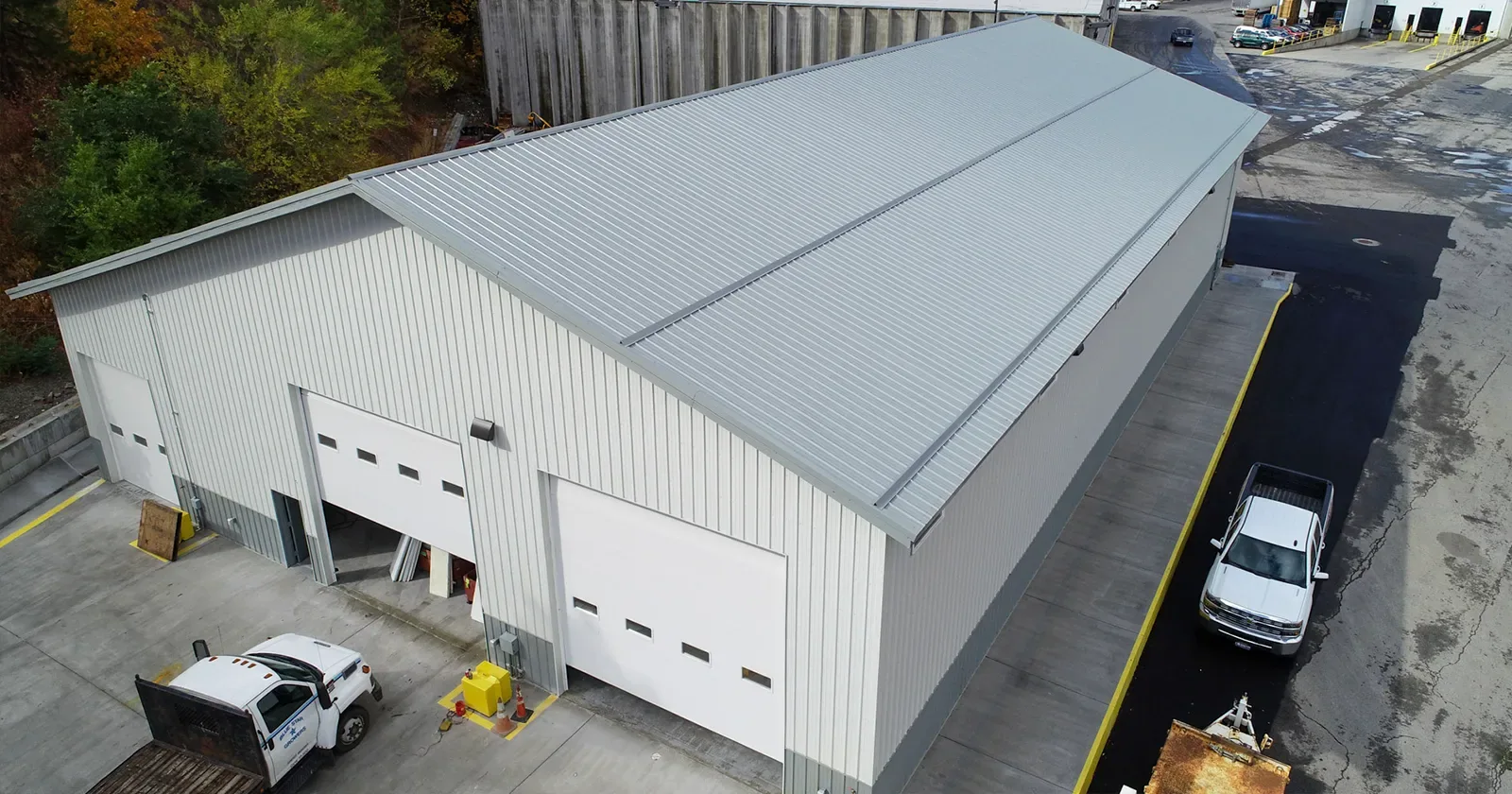
An inspection should settle the next decision, not create a longer list of roof terms. We walk accessible areas, examine membrane seams and flashings, trace drainage paths, and record visible defects by roof section. Where a surface review cannot confirm moisture or deck condition, we mark the test or access needed to answer that question. For an asset manager in Waterbury, CT, the result should clarify whether to repair, recover, replace, or monitor each area, with the evidence and timing assumptions visible. Waterbury's municipal hazard plan includes winter storms across the city, plus summer storms and tornadoes. That makes roof condition and scheduling relevant to the annual plan, but inspection findings still control the recommendation. The findings go into a photo-based condition report, and the priorities carry into a capital plan for the building.
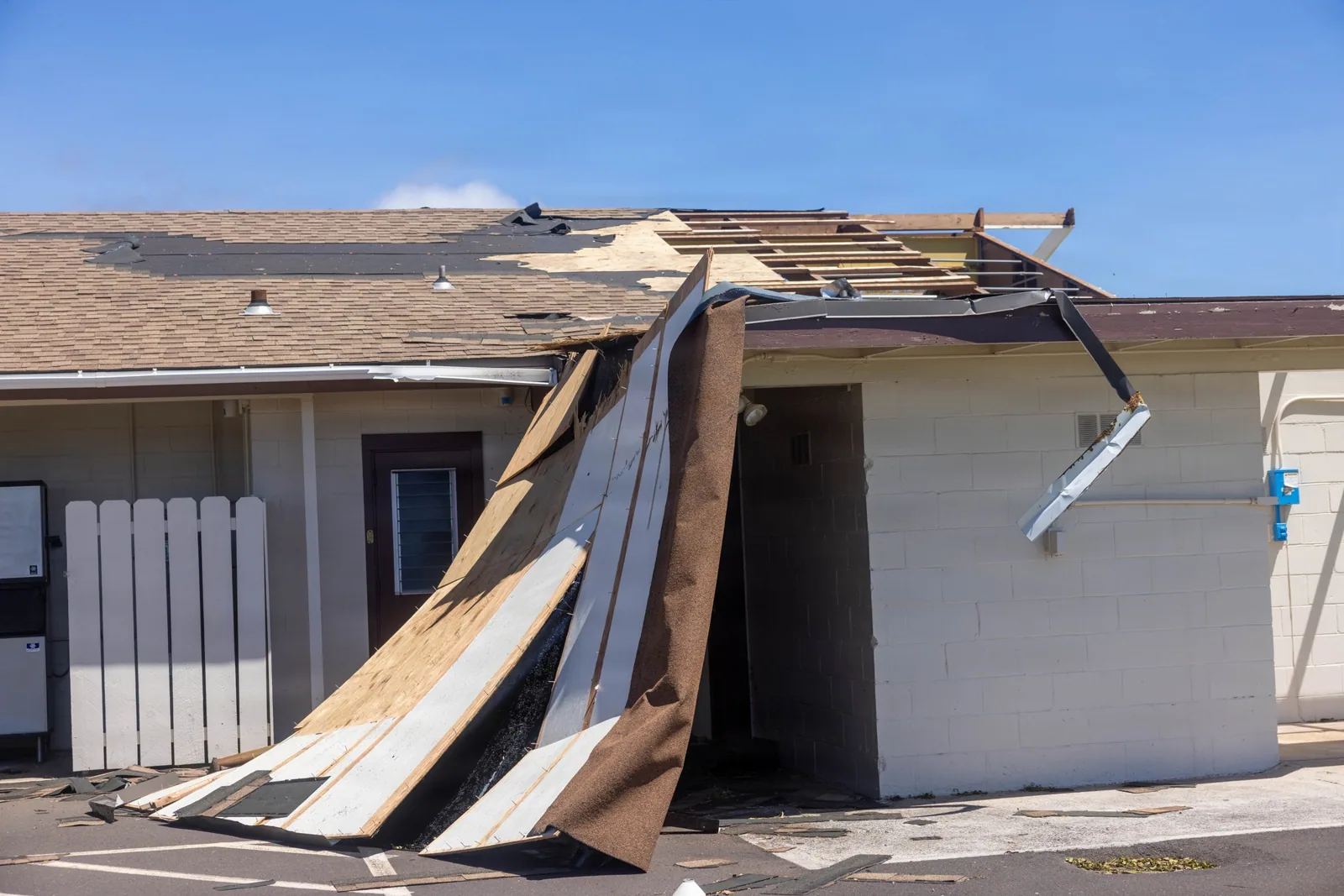
Walk the Roof by Section and Detail
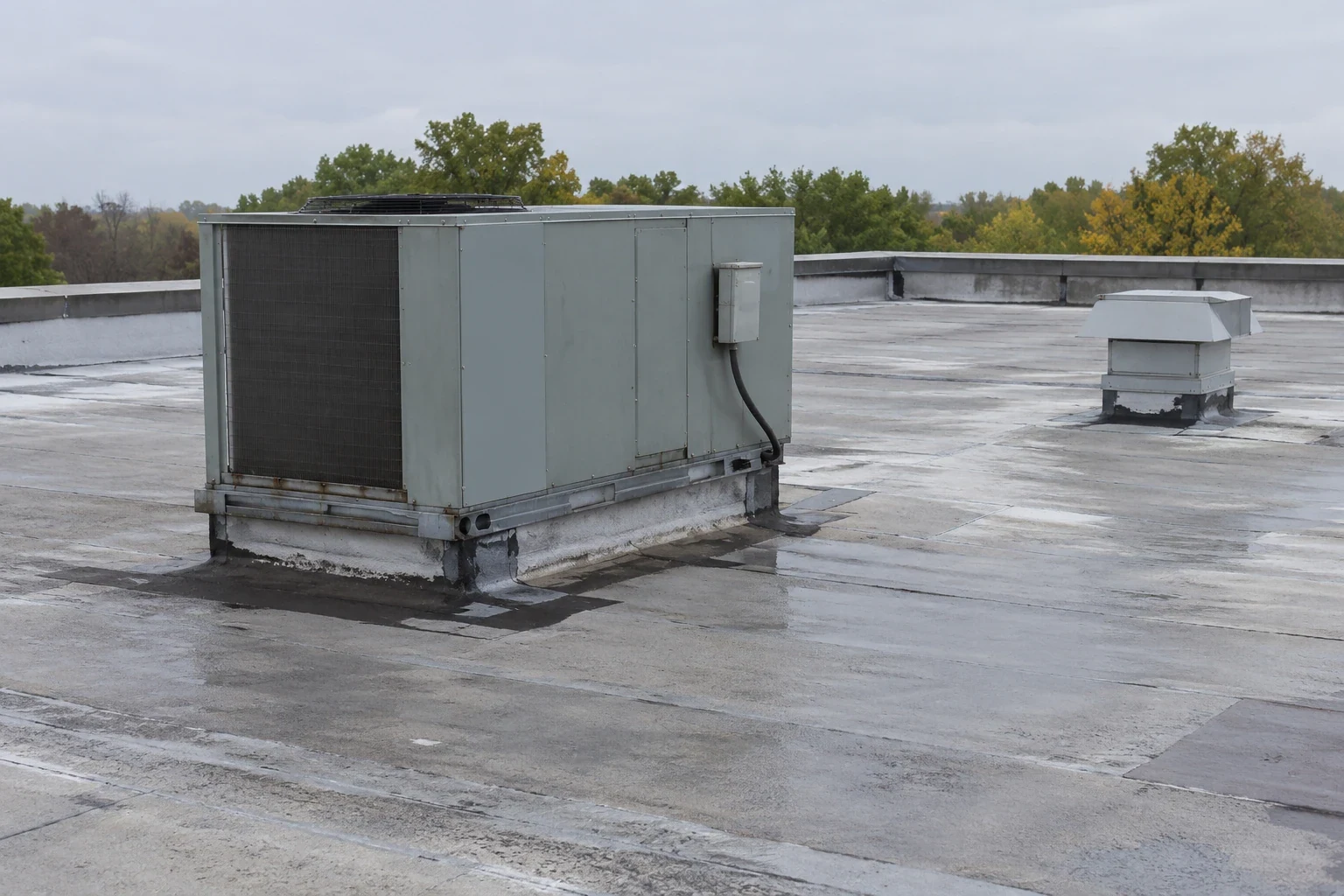
We start with roof access, safe walking limits, and the system information available in the building file. On the surface, we check laps, seams, patches, field membrane, penetrations, equipment curbs, walls, edges, expansion joints, drains, and scuppers. We note movement, openings, loose metal, debris, ponding, and prior repairs that have changed the surface. An interior review can connect stains or active leaks to an area above, but a ceiling mark alone does not establish the entry point. Photos identify where a finding sits and what detail needs attention.
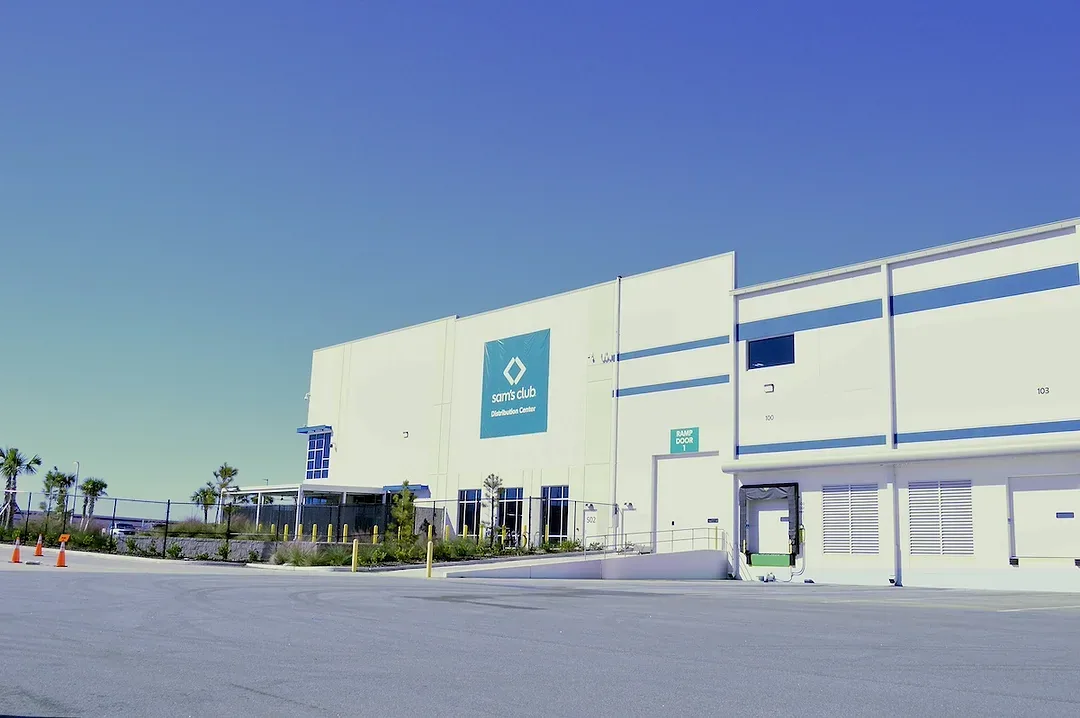
The inspection map separates roof sections, so a localized repair does not automatically become a whole-roof recommendation. We note the type and extent of the visible condition, how it relates to adjacent details, and whether the area needs a test cut. Waterbury's central business district sits near the I-84 and Route 8 junction, surrounded by industrial and mixed-use commercial areas. A property's use and access rules affect the inspection path. For logistics and storage operations, a distribution-building review can help organize access and reporting needs.
Separate What Is Visible from What Needs a Test
Visual inspection can identify many failed details, but concealed moisture requires a separate check. Soft insulation, blistering, recurring patches, or an interior leak may justify test cuts at selected locations. We record the layer and condition each cut exposes, and we identify what remains untested. If findings vary, additional samples may be needed before the affected area can be measured. The report distinguishes a confirmed wet core from a suspect section or an untested roof field, which protects the capital decision from false precision.
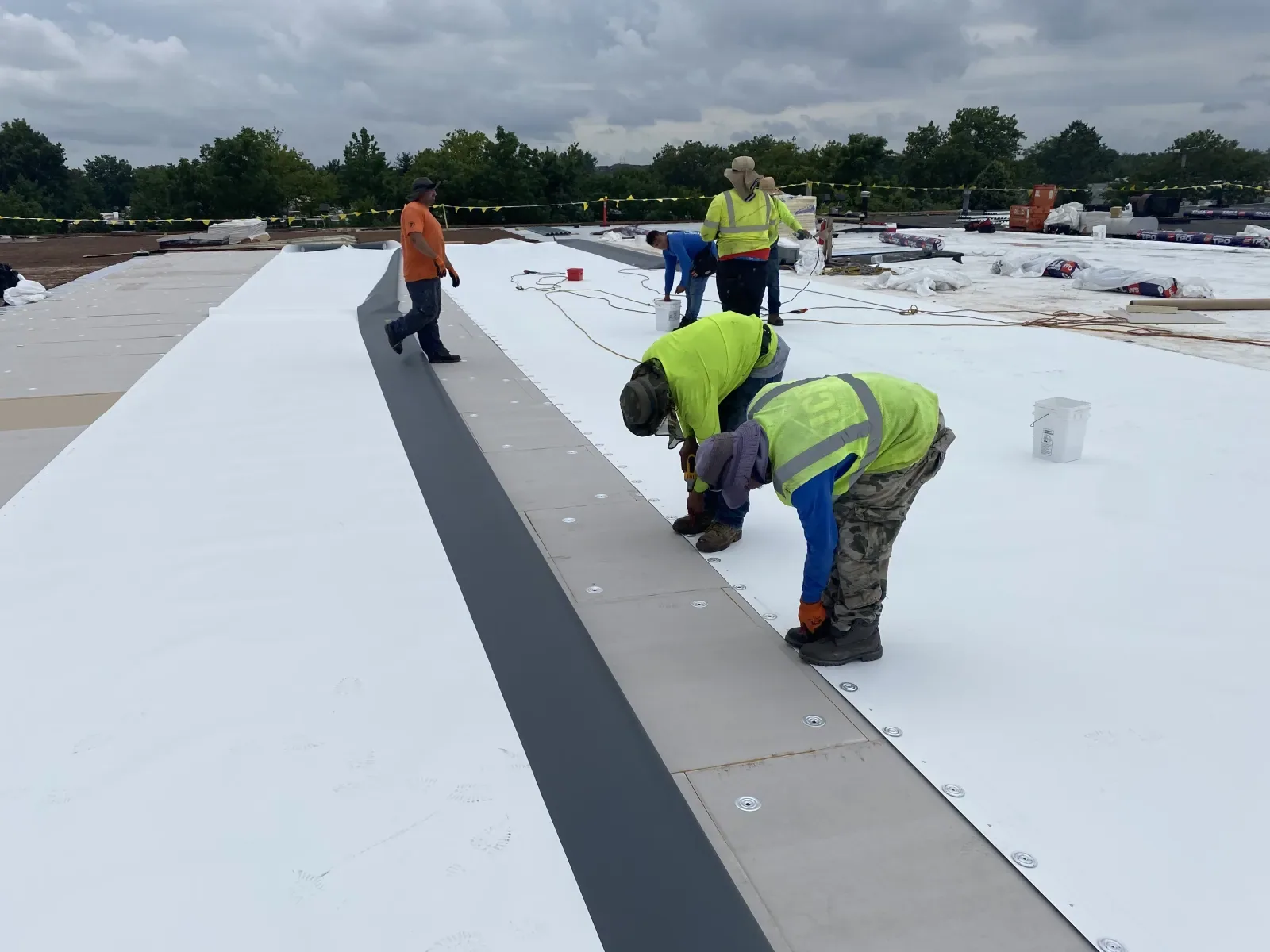
Waterbury's draft city plan identifies older industrial areas beside the Naugatuck River and industrial parks such as Reidville and Brookside. That is useful property context, and the deck and assembly in front of us are what we inspect. If the result is a repair, the scope states the boundary and material. If recover remains possible, we identify the code and moisture review required. If replacement is the recommendation, we show which section supports that conclusion and what detail sets the tear-off limit. From the findings we write either a measured repair scope or a replacement evaluation, whichever the evidence supports.
Connect the Findings to the Work Window
A condition report should explain which item needs attention first and why the timing matters. Open flashing or an active leak may call for repair before the next budget cycle, while intact membrane with isolated wear may fit planned maintenance. We identify what could worsen if the owner waits, what inspection cannot confirm yet, and what evidence would change the priority. Where snow or ice is part of the exposure, we review drains, edges, and drainage paths; we do not infer structural capacity or snow load from a general weather description.
The Waterbury hazard plan treats the whole city as exposed to snow, ice, sleet, nor'easters, and blizzards, and it identifies summer storms as a local hazard. That context can inform the seasonal work calendar. At a property along South Main, shared entrances or customer hours may shape access, while the roof detail determines the repair sequence. We note a permit date, material lead time, and dry-in target when they affect the plan. A snow and ice damage review can document visible impacts if a specific winter event has affected the roof.
Give the Owner a Decision-Ready Record
The written report should let a manager compare sections without translating a contractor's shorthand. We label photos, describe each finding, assign a priority, and state whether it supports repair, further testing, recover review, replacement, or monitoring. The estimate can separate current work from optional improvements and define an allowance for concealed conditions. We also list access limits and roof areas not inspected, so the record does not imply coverage that the crew did not perform.
Waterbury's I-84 and Route 8 junction is near a compact downtown where civic, financial, health-care, and higher-education uses sit together. For owners with several properties, a consistent section map and photo record help compare work across different building uses without assuming the same roof age or failure pattern. We can include repair priorities and a recommended inspection interval based on the observed conditions. For Waterbury properties, the roof findings are filed with the records for the affected building, and closeout photos stay with the maintenance log.
Use the Inspection to Set the Next Scope
Once the findings are reviewed, the owner can approve the defined repair, request moisture testing, compare recover with replacement, or schedule monitoring. We identify decisions that require design or code review and separate them from work that can be priced directly. That keeps a condition survey from becoming a vague blanket recommendation. If the asset manager has a capital window, we can organize options by section and describe what must happen before procurement or permitting.
Interstate 84 and Route 8 connect the city's downtown and industrial areas, but delivery and roof access still need property-level coordination. We confirm the operating schedule, safety rules, and roof entry before any follow-on work. For a repair where active water continues, our leak-tracing service can identify the entry path, while a maintenance plan can track the sections that remain serviceable. The report becomes useful when it leads to a specific decision and keeps each recommendation tied to an observed roof condition.
Commercial Roofing Questions
What will the inspection tell me about replacement timing?
It identifies visible deterioration, moisture findings where tested, and which sections need repair, more investigation, or replacement planning. We explain how each condition affects the next work window and the risk of waiting. A service-life date is not assigned from appearance alone; the report ties the recommendation to the actual assembly and evidence collected.
Does a roof inspection include test cuts?
A standard visual walk does not automatically open the roof. We recommend test cuts when moisture, insulation, or deck condition could change the repair or recover decision. The owner can approve the locations and purpose before sampling. Each opening is documented, and the report distinguishes what was tested from what remains concealed.
Can you inspect several roof sections in one visit?
Yes, when access and safe walking conditions allow. We label each section separately and note areas that could not be reached. That makes it possible to prioritize urgent details while preserving sound areas for later review, rather than merging different conditions into one overall rating.
What should we provide before an inspection?
Share roof plans, past repair notes, access procedures, active leak locations, and any known tenant or equipment restrictions. Those records help us target the walk and explain findings in context. Missing drawings do not prevent a visual inspection, but the report will identify what could not be confirmed without them.
How does weather affect inspection scheduling?
Rain, ice, strong wind, or a wet membrane can limit safe access and conceal surface details. We set a safe window and adjust the walk when conditions change. Waterbury's winter and summer storm exposure can inform seasonal planning, but the roof's surface condition and the day's forecast determine whether an inspection can proceed.
Set the Next Roof Decision with Evidence
Share the roof records, known leak areas, access rules, and capital window. We will inspect each accessible section, document findings with photos, and separate repair, test, recover, and replacement decisions.