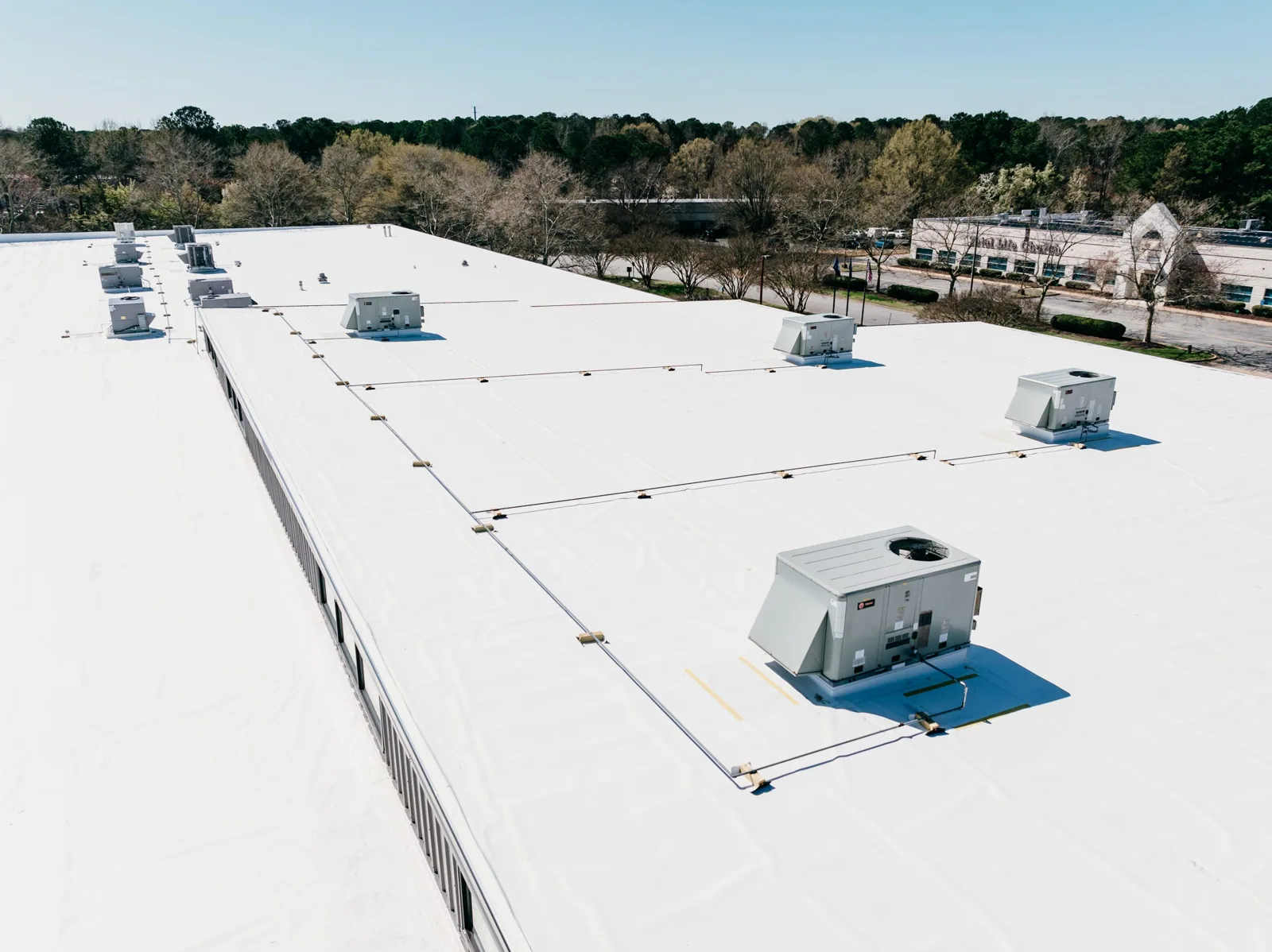
A leak above a row of rented units can turn a small roof defect into a tenant notice and contents-protection issue. We trace the water path, mark the affected roof section, and price repair, recover, or replacement against the layers we can verify. Along Waterbury's river edge, older industrial tracts extend through the city, with a separate industrial concentration to the southeast. Those are broad commercial settings for storage and service properties; the actual roof layout and unit map determine the response.
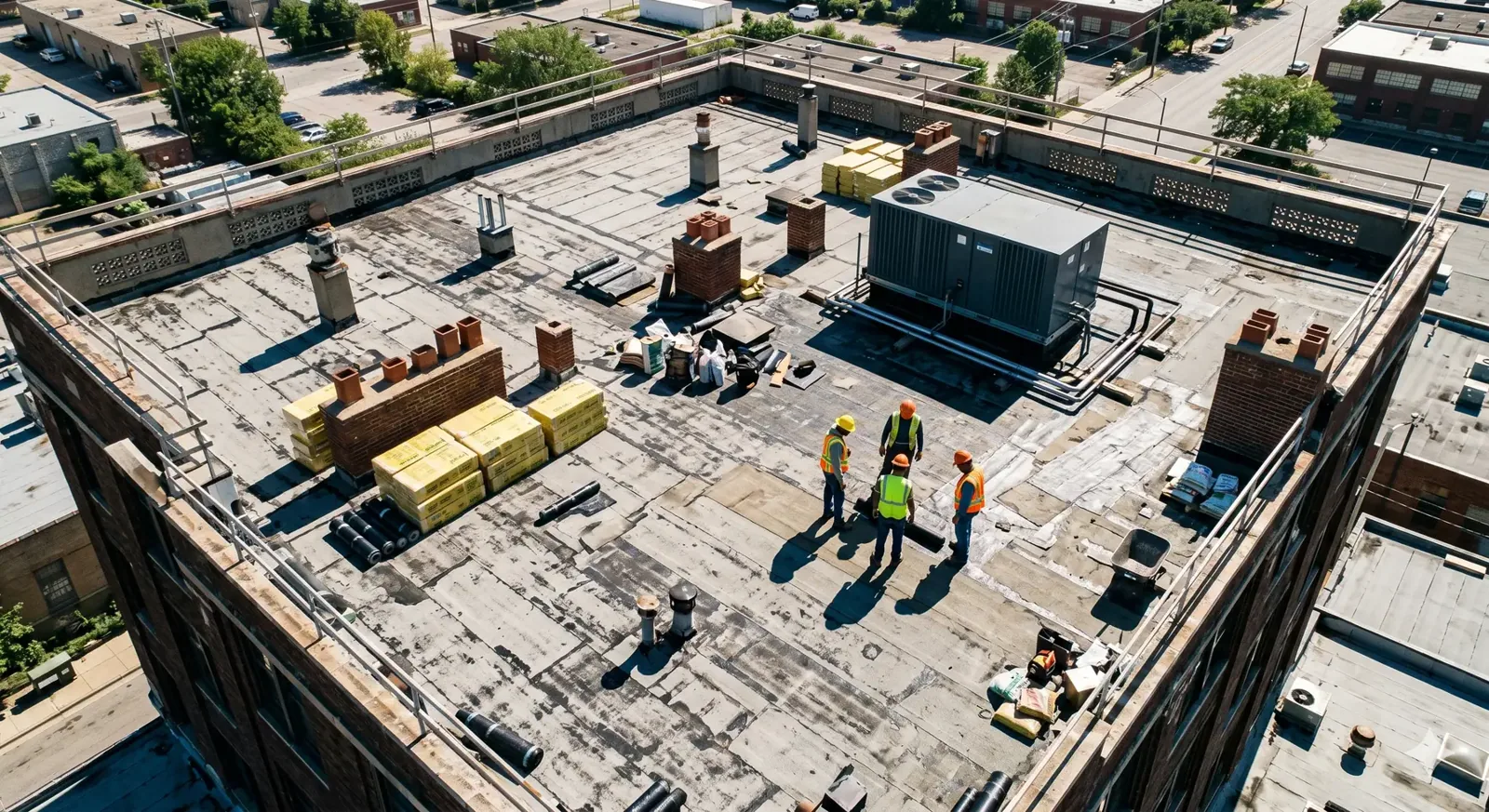
We check seams, penetrations, drains, wall transitions, and the roof areas above reported unit moisture. Waterbury's winter exposure includes snow and ice, and summer storms can bring a separate dry-in challenge. We plan the repair boundary around the conditions found, not the number of units below. A roof inspection can document the starting condition, and roofing service in Waterbury can be coordinated with the operator's access rules.
Match Roof Sections to the Unit Map
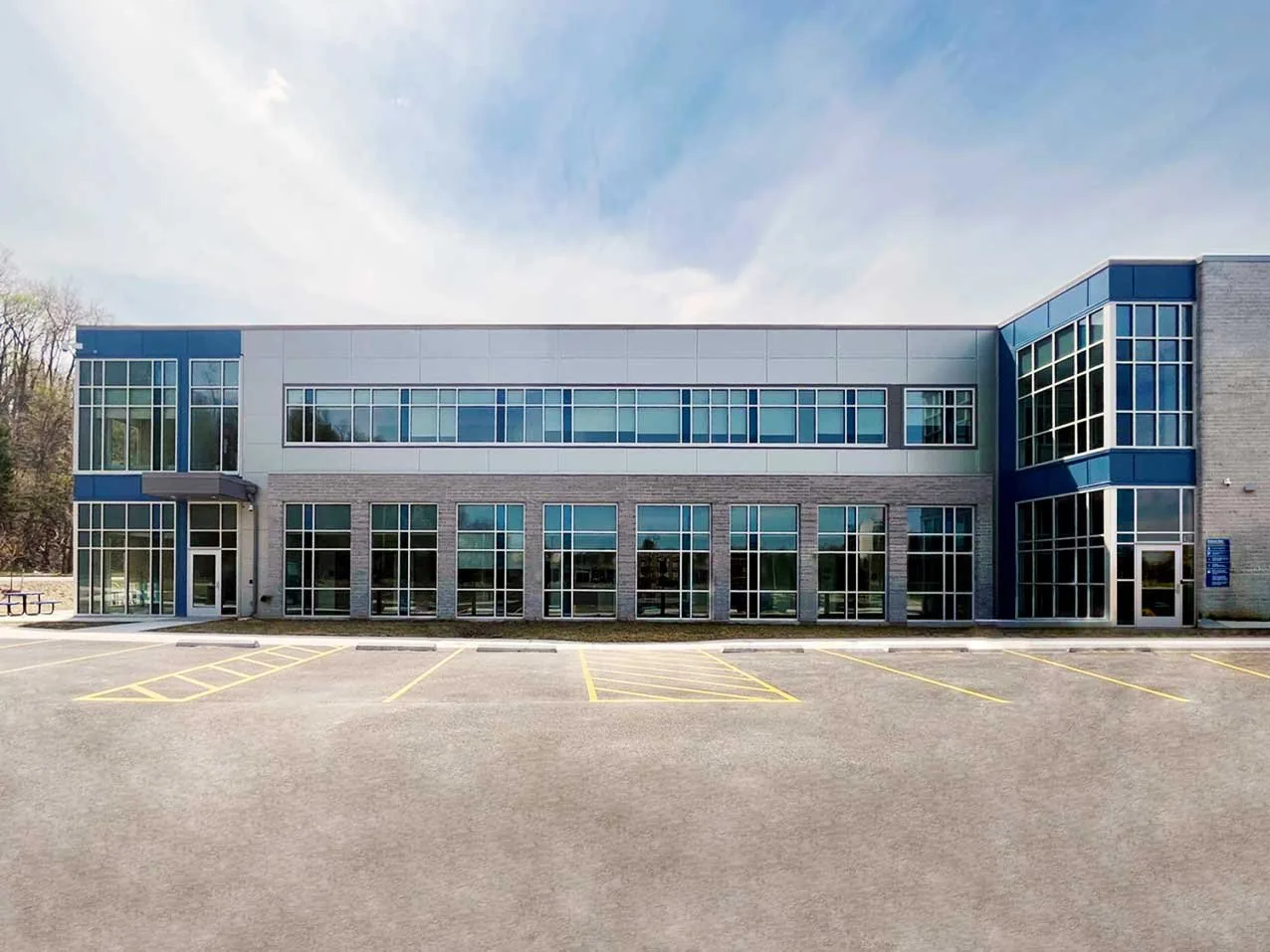
Unit rows create a useful interior reference only when the roof plan uses the same orientation. We mark the reported unit, nearby partitions, and the roof area above, then compare that location with seams, wall lines, drains, and mechanical penetrations. If a stain appears at one side of a unit, water may have entered farther upslope or followed a deck flute. We document the likely source and identify any test opening needed to confirm the extent.
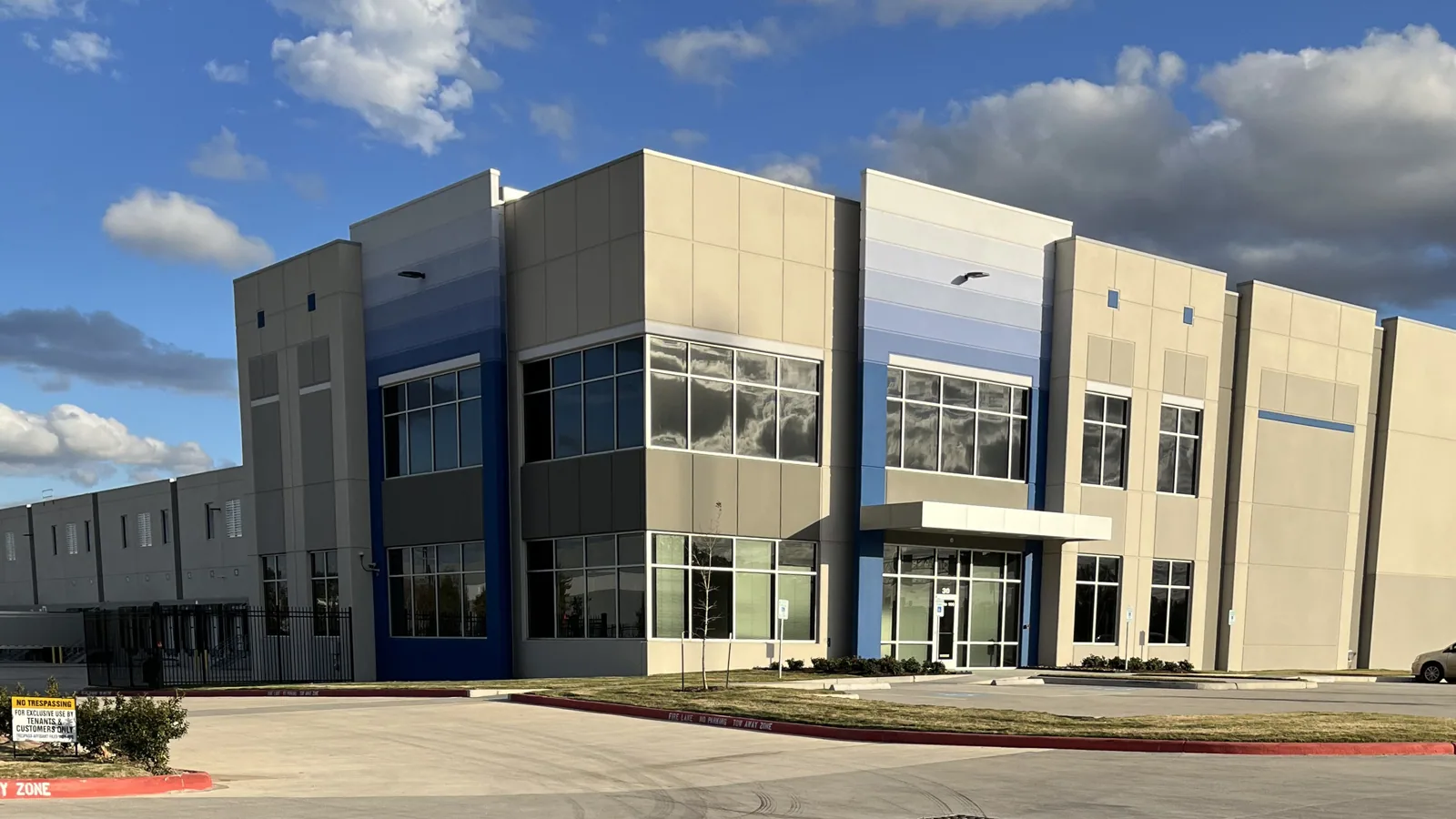
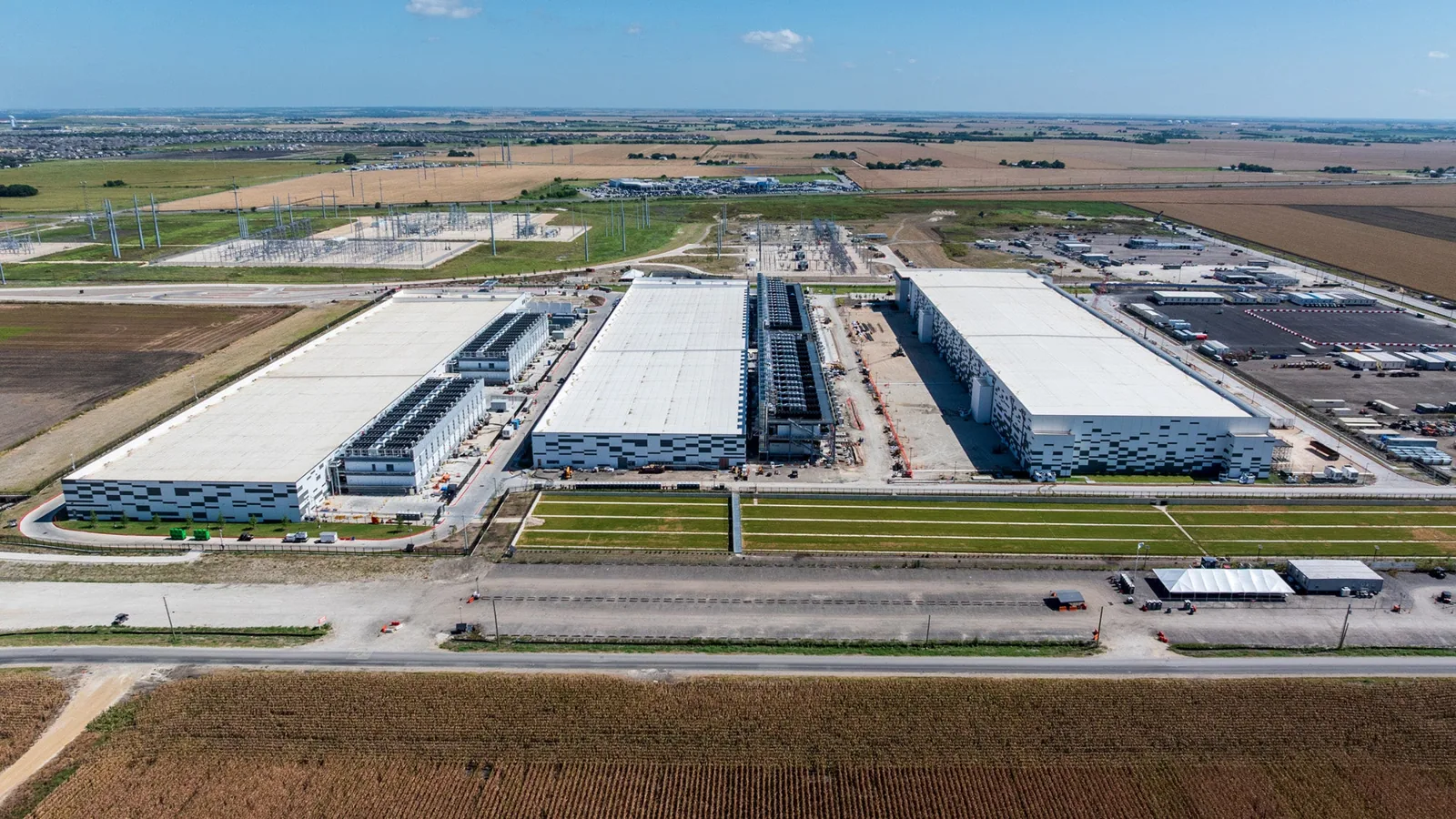
Tenant access may be controlled by gate hours, individual codes, or manager escort. We confirm who can authorize entry, which aisles can be blocked, and where ladders or lifts may be placed. When the property has exterior drive-up doors, material handling and emergency access must stay clear. A warehouse puts dock and inventory priorities first, while a self-storage property puts tenant access and unit contents first, and gate-controlled entry is familiar from a data center. We also record which unit row is subject to a temporary closure and who will send the tenant notice. When a facility has separate buildings or additions, the map gives each roof its own reference so a new report can be matched to the correct surface without guessing.
Separate the Source from the Tenant Report
A unit-side drip does not show the full area of wet insulation. We inspect the roof above and around the reported bay, follow the slope toward drains or scuppers, and check laps, penetrations, parapets, and prior patches. Photos show the defect and its relation to the interior report. If water may have traveled under the membrane, a test cut can tell whether the repair should stop at a seam or extend to a wider section.
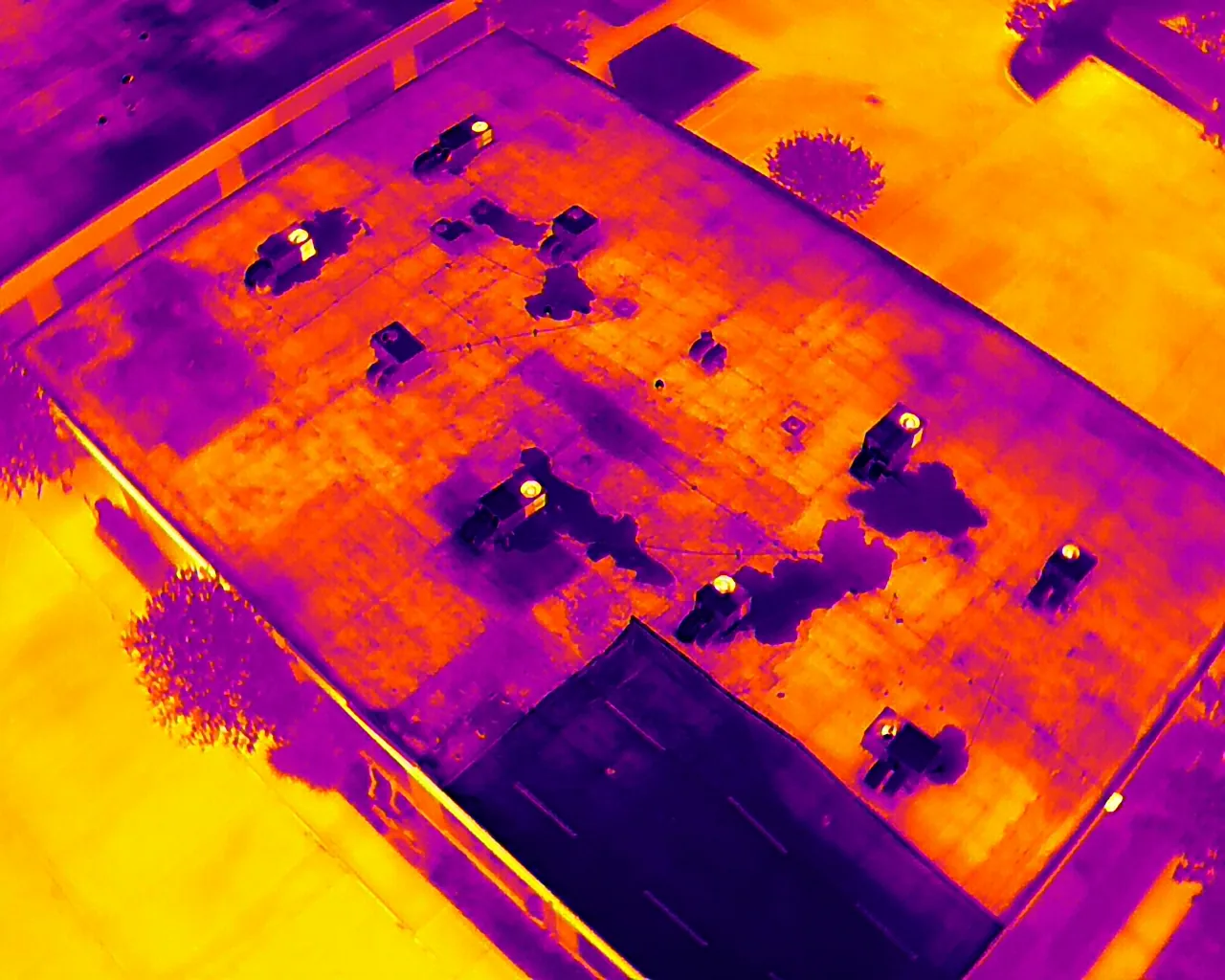
The manager may need to protect contents or move a tenant while the roof is opened. We identify whether temporary interior protection is appropriate and state which unit row is affected during the work. Waterbury's winter storm exposure makes clear outlets important before freeze and snow conditions; standing water can also slow a planned closure after rain. A moisture survey can help select sample areas, and drain work can correct an outlet or scupper problem found during inspection.
Check the Existing Layers Before Choosing a Repair
A puncture, seam split, loose flashing, or drain detail can often be repaired locally when the nearby membrane remains attached and the insulation is dry. Multiple wet areas, repeated patches, or damage to the deck can change that answer. We review roof layer count, attachment, insulation, edge height, and curb condition before pricing another layer. The assessment names each assumption and identifies what a test cut would confirm.
A recover avoids some tear-off only when the existing assembly is suitable and the extra thickness will not compromise drain bowls, door clearances, or edge metal. If that review fails, tear-off provides a chance to replace wet insulation and correct the substrate. For a compatible membrane, an EPDM roof assembly can be evaluated by its seam, flashing, and attachment details. A cover-board scope can price the insulation and protection layer separately when those components require replacement.
Price the Work by Roof Area and Tenant Impact
Estimate cost changes with access height, staging distance, tear-off volume, disposal, insulation replacement, drain details, and the number of mobilizations. Tenant notices, contents protection, and aisle restrictions can affect the sequence even when the roof repair is narrow. We separate base quantities from allowances for concealed moisture and state who approves an added area after a test. That keeps a localized leak from becoming an undefined facility-wide number.
Waterbury's commercial center sits near I-84 and Route 8, while industrial land extends along the river and into the southeast. We confirm whether the storage building has drive-up or interior access, and we confirm the operator's rules and set a daily close point for each roof opening. A replacement scope can show tear-off limits and closure assumptions, while a condition report links each estimate item to photos and a roof plan.
Keep Tenant Notices and Roof Findings Together
At completion, we record repaired seams, edges, drains, penetrations, and any area left for follow-up. The closeout identifies materials, test results, and the unit reference used during the work. That record helps the manager answer tenant questions with a documented repair location and keeps the next maintenance visit tied to the same roof map. If a unit was moved or protected, the operator controls when it returns to normal use.
Roof drawings, unit numbers, leak reports, notices, access procedures, and prior invoices go into one file. The record distinguishes a confirmed roof defect from a moisture concern that needs another observation. For active water entry outside the office schedule, emergency roof response is available around the clock, including holidays, to stabilize the opening. We can then inspect the full roof area, document the repair boundary, and provide a permanent scope with the remaining cost and timing questions listed.
Commercial Roofing Questions
Can one tenant report point to a larger roof area?
Yes. Water may move below the membrane before it reaches a unit ceiling or wall. We compare the report with roof slope, seams, drains, and penetrations, then mark the likely entry area. If the concealed moisture could change the work boundary, a test cut or targeted survey can confirm it.
How do you keep storage aisles accessible?
We coordinate gate hours, lift locations, deliveries, and any aisle that must remain open with the site manager. The sequence identifies the ground zone affected by staging and the roof section opened that shift. If a temporary closure is needed, the operator can issue a tenant notice before work starts.
When is a recover reasonable for a storage roof?
The existing roof must be attached, sufficiently dry, and able to accept the added layer at drains and edges. We inspect the assembly and use test cuts if concealed conditions are uncertain. The estimate compares recover with tear-off and identifies the conditions that would change the scope.
What details change the cost beyond the membrane?
Access height, lift setup, tear-off, insulation, edge metal, drain bowls, disposal, and tenant protection all affect labor and material. We list those items separately from allowances for hidden moisture. A measured addition is submitted for approval before the repair area grows.
What records should a manager save after a leak?
The unit location, tenant report, photos, notice, roof map, repair invoice, and any follow-up reading belong in one file. Those details help us compare the next report with the prior repair instead of treating it as a new, unrelated problem. The closeout states which section was repaired and what remains to monitor.
Map the Leak Before Notifying More Tenants
Share roof plans, unit references, leak reports, access hours, gate procedures, and tenant protection needs. We will trace the entry point, document the repair boundary, and compare repair, recover, and replacement scopes.