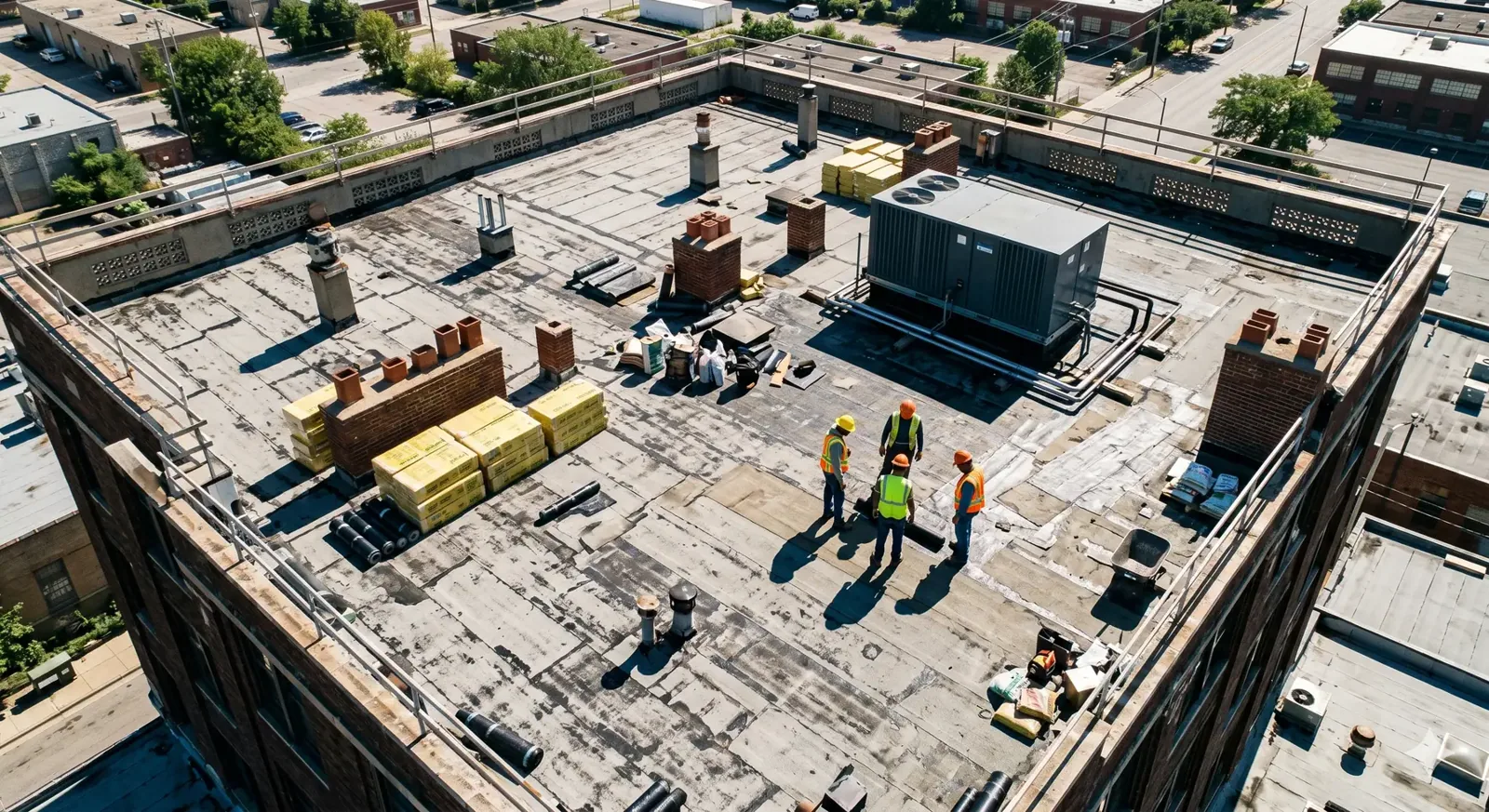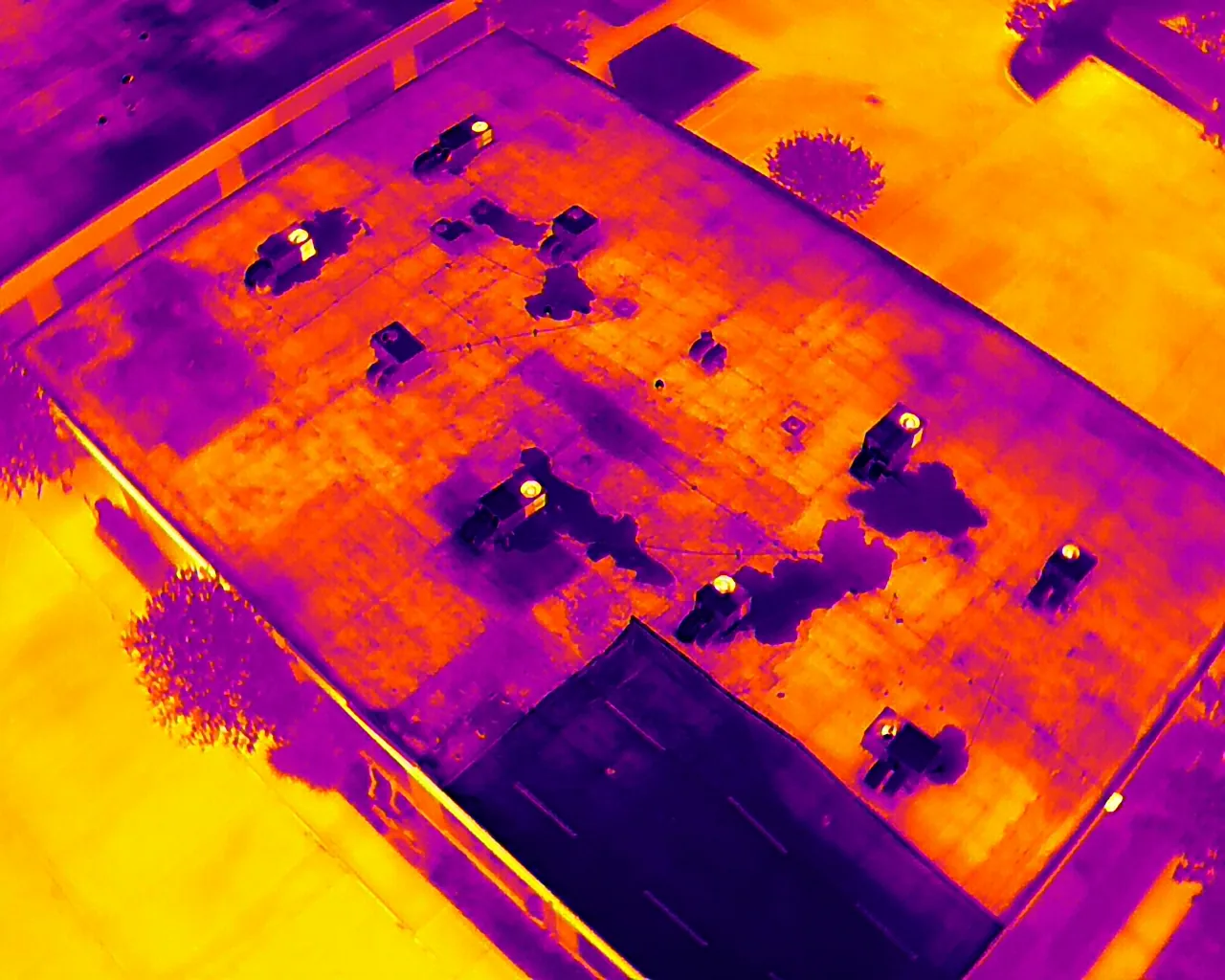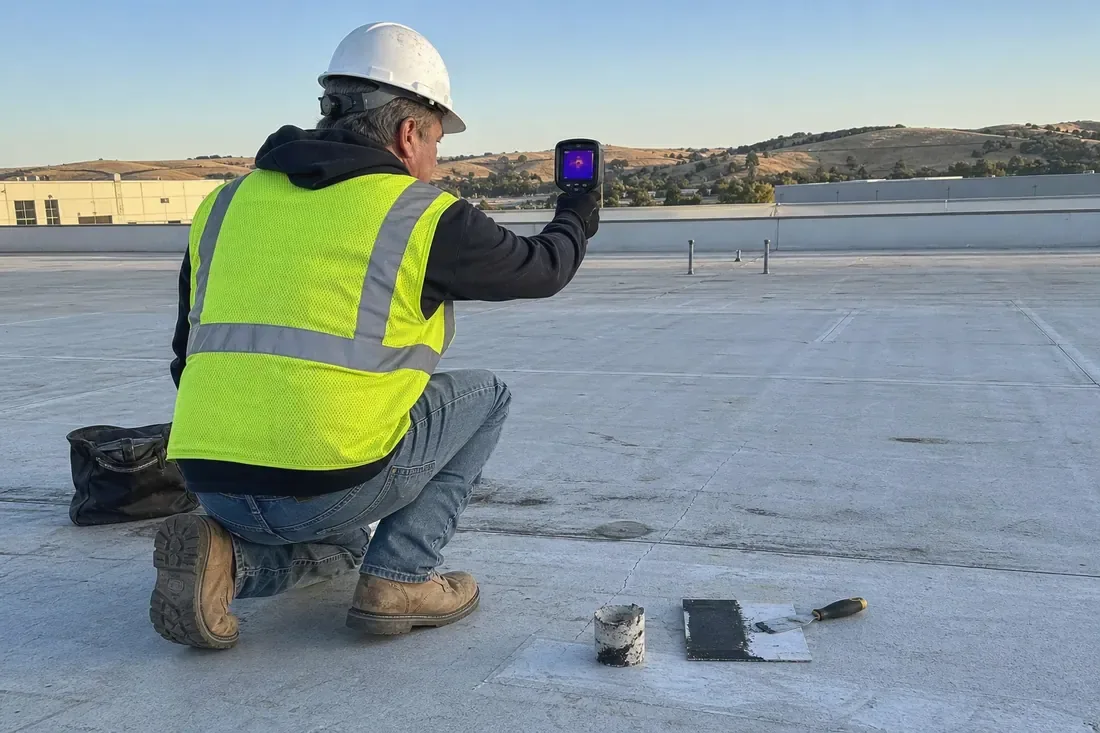
A dock schedule and a wet insulation finding can turn a planned roof repair into an inventory and operations decision. We inspect the roof by section, trace water entry, and identify whether a local repair, recover option, or replacement line protects the building without closing more space than necessary. Waterbury's industrial land follows the Naugatuck River, and industrial districts also extend into the city's southeast. Those settings support a range of commercial uses, but the warehouse's actual roof, loading pattern, and storage requirements set the work plan.
We check membrane seams, perimeter metal, drains, skylights, rooftop equipment, and any areas where water could reach stored goods or electrical systems. Waterbury is exposed to winter storms and summer storm risk, so drainage and dry-in timing belong in the schedule. A roof inspection establishes the condition map, while commercial work near Naugatuck can be coordinated around the site's own access rules.
Map the Roof Around Docks and Storage Zones
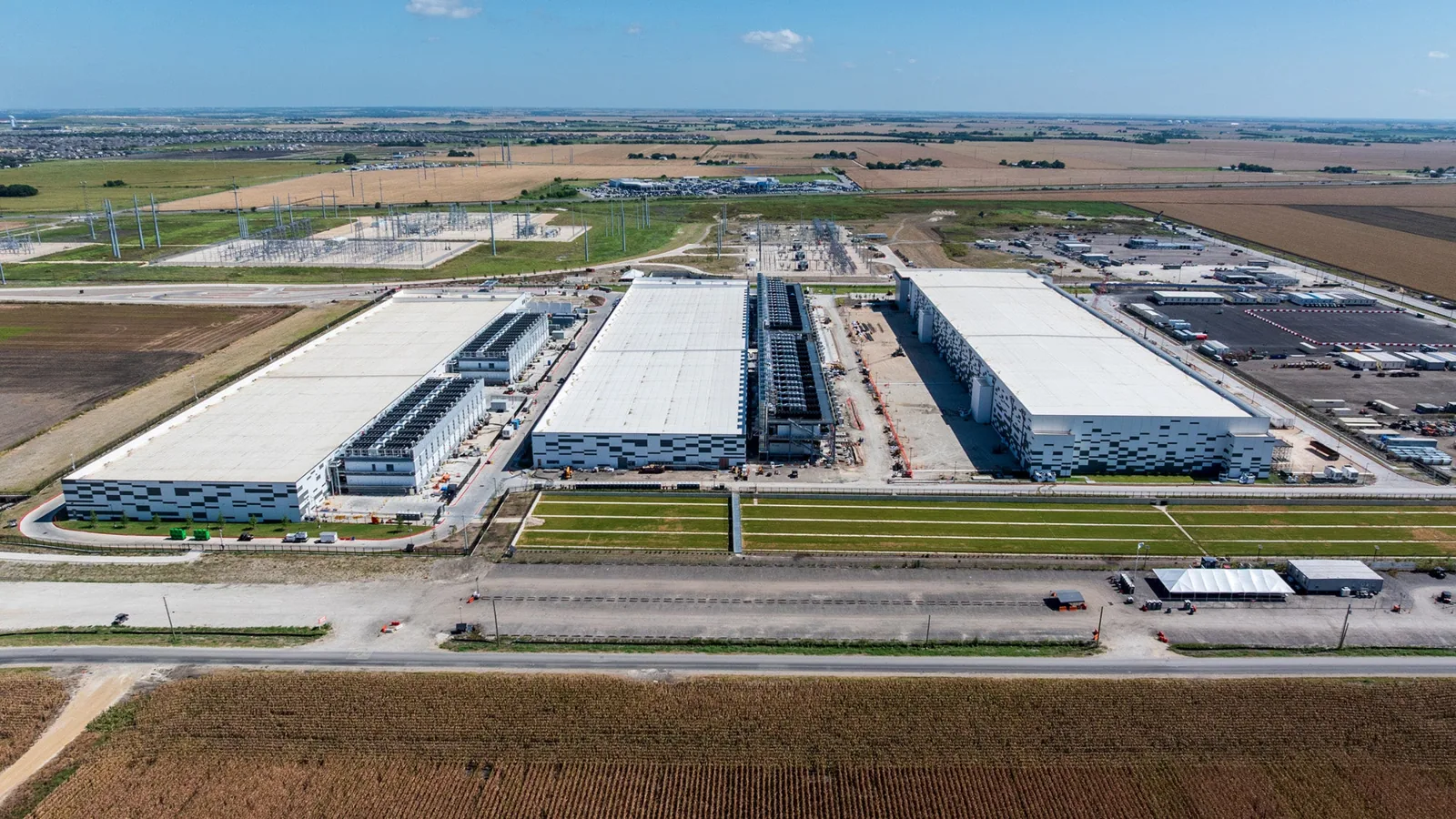
A warehouse roof plan should connect roof sections to the interior use below. We mark drains, roof edges, expansion joints, skylights, vents, and equipment, then compare those points with any reported leaks or sensitive inventory zones. A stain over a high-value storage area may need a faster response than a similar defect above an unused bay. We do not infer the roof layout from the building label; the plan and field walk identify which details are present and how they interact.
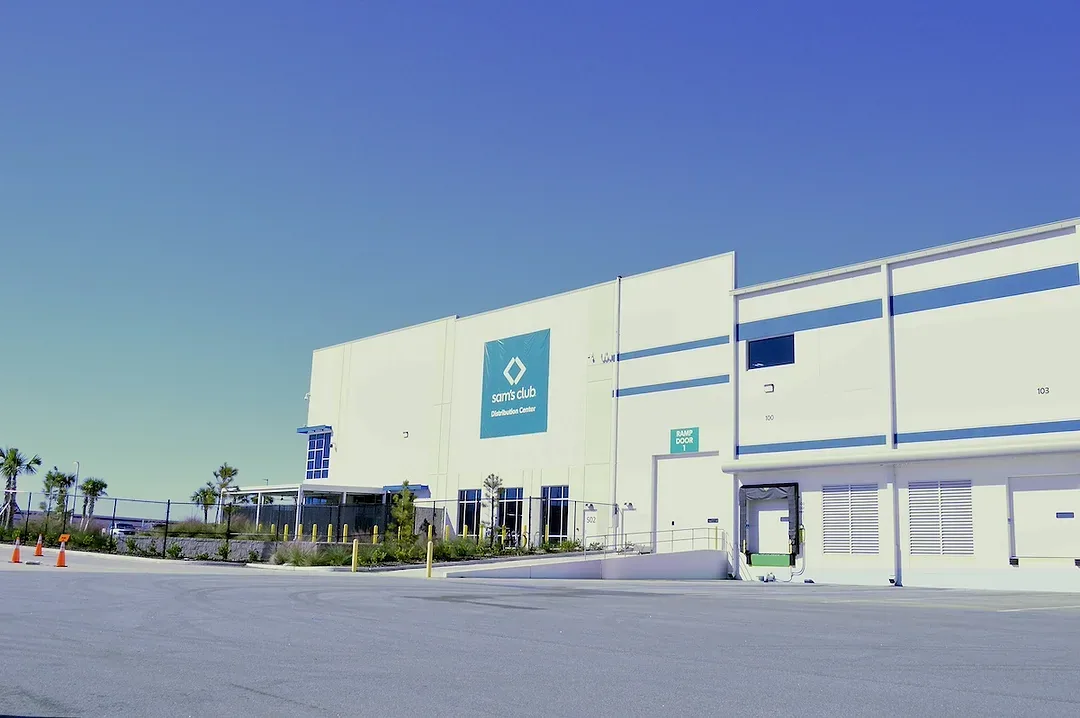
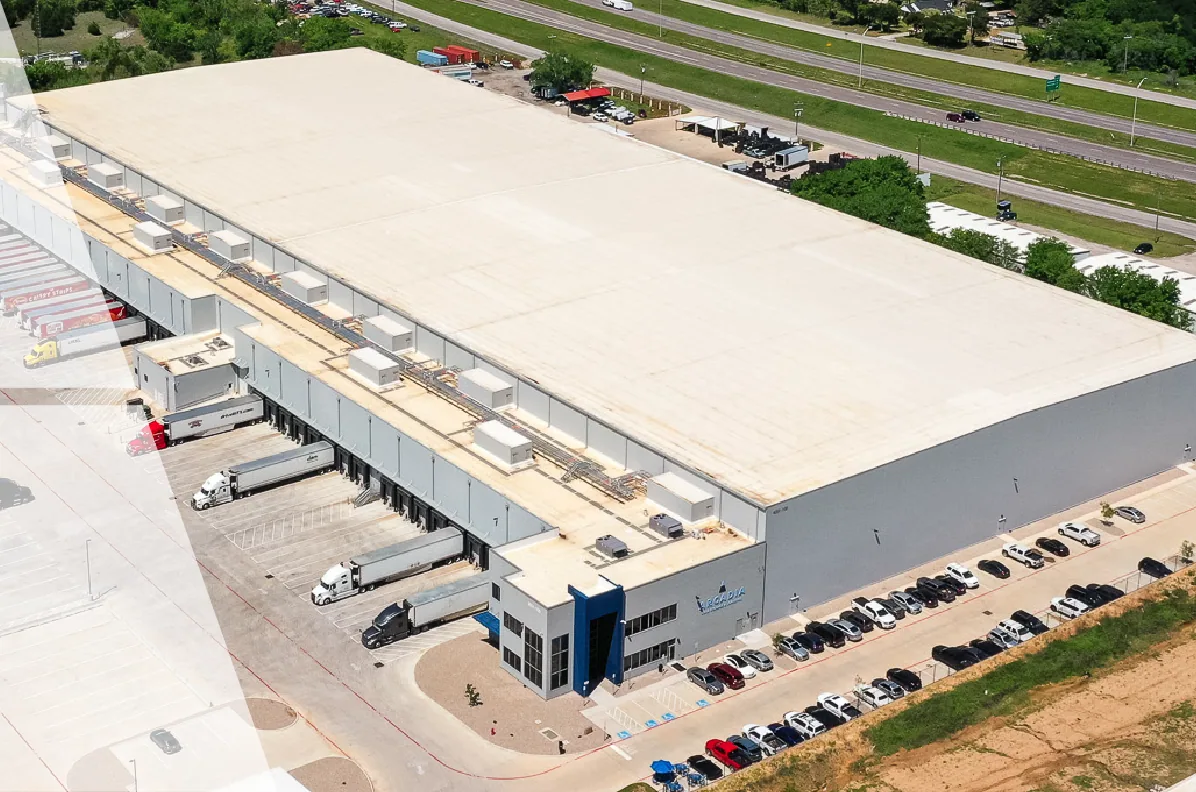
Loading doors, trailer circulation, and forklift paths can constrain lifts, dumpsters, and material staging. We confirm the approved delivery area, receiving hours, and access to the roof before setting a start date. If operations run across multiple shifts, the work zone should preserve a clear path to active docks. A distribution roof plan may call for tighter handoffs where sorting and loading cycles depend on a narrow window. Warehouses with a distinct refrigerated zone have separate vapor and temperature-control concerns, so a cold-storage roof review may be the closer fit. Each constraint is written into the sequence rather than left as an assumption in the estimate.
Find the Entry Point and the Affected Roof Section
Warehouse leaks can travel along deck flutes, insulation joints, steel framing, or interior piping before they appear below. We compare the interior report with laps, fasteners, wall transitions, penetrations, and roof slopes above. Punctures from maintenance traffic, open seams, aged flashing, and backed-up drains require different repairs. Photos and a marked plan tie the condition to a specific roof section, so a single leak does not become an unmeasured blanket scope.
Waterbury has a compact commercial center near I-84 and Route 8, with industrial uses across the city. In Naugatuck, a commercial and institutional corridor runs alongside Route 63, the Naugatuck River, and Route 8. These area details help frame delivery and access planning; they do not tell us the building's assembly. If moisture may extend beyond the visible stain, we identify test-cut locations and explain how the results could move the repair boundary. A moisture survey can help select those samples, and a photo report can support the capital decision.
Compare Repair, Recover, and Replacement
A localized seam or flashing failure may be repairable when the adjacent membrane remains secure and the insulation is dry. If multiple areas hold moisture, repeated patches have lost adhesion, or the roof layers cannot support another overlay, broader work may be required. We inspect attachment, layer count, substrate, edge condition, and drain height before recommending a recover or replacement. A test cut can confirm concealed conditions before material quantities are finalized.
Cost changes with roof access, tear-off volume, insulation depth, curb and drain details, disposal, and the amount of interior protection needed. We separate confirmed quantities from allowances and state what evidence would authorize a larger boundary. For systems where the existing assembly remains sound, a TPO roof installation can be compared with repair or recover; the specification must fit the building's actual use and design. If tear-off is indicated, a replacement scope identifies the section limits, insulation plan, and dry-in assumptions rather than merging all roof areas into one number.
Keep Receiving Active During Roof Work
We phase the work so each area can be removed or prepared, repaired, and closed before the next section opens. The plan identifies lift placement, material handling, temporary protection, drain protection, and a daily closure point. If a roof opening cannot be finished within the available shift, the scope includes a suitable temporary cover and a named person to check the tie-in. Weather can change that sequence, particularly when the forecast brings snow, ice, heavy rain, or strong wind.
In Wolcott, the largest industrial land-use concentration sits along Wolcott Road at the Waterbury line. That commercial geography may affect how a project team thinks about delivery access, while the warehouse operator confirms actual receiving and traffic rules. We schedule around trailer circulation, security gates, and inventory movement; the site contact confirms which docks or aisles must remain active. For immediate water entry, emergency roof response is available any hour, including holidays, to stabilize the affected area while a permanent repair is priced.
Track Repairs by Roof Section and Inventory Risk
At closeout, we photograph repaired seams, flashings, drains, skylights, and any area that remains under observation. The report records materials, test results, work limits, and deferred conditions, with each note tied to a roof plan location. A warehouse manager can use that record to plan future access and move sensitive goods only where the evidence shows it is necessary. The same roof map also keeps maintenance observations useful from one visit to the next.
Keep roof drawings, leak logs, inventory restrictions, dock rules, and repair records together. Waterbury's industrial districts and Naugatuck's Route 63 corridor are broad market contexts; each building's roof condition and operating schedule drive the actual recommendation. Share the next capital window and any seasonal receiving limits. We can inspect the roof, document the findings, and price repair, recover, or replacement options with cost and timing assumptions visible.
Commercial Roofing Questions
How do you limit disruption to active loading docks?
We confirm receiving hours, trailer paths, lift locations, and any dock that must stay open before setting the work zone. The sequence identifies daily roof closure points and the ground area affected by staging. If a section cannot be closed safely during the available shift, we move it to a different phase.
Can one leak require work beyond the ceiling stain?
Water can travel through insulation joints or along the deck before appearing indoors. We compare the interior report with roof seams, penetrations, drainage, and moisture findings, then show the repair boundary on the roof plan. Testing can identify whether wet material extends past the visible entry point.
What warehouse roof findings can affect inventory?
Open seams, failing penetrations, blocked drainage, and wet insulation may create different risks for goods or equipment below. We document the location, active water path, and affected area, then help the manager prioritize protection and repair. Inventory exposure is assessed with the operator, not inferred from the roof alone.
When should we compare a recover with a tear-off?
A recover is considered when the existing roof is attached, dry enough, and suitable for added layers under the project review. Wet insulation, poor attachment, damaged deck, or excess layer count can push the scope toward removal. We use inspection and targeted cuts to define the boundary before ordering materials.
What records help prepare a warehouse roof estimate?
Roof plans, past leak locations, repair invoices, access instructions, dock hours, and areas where inventory needs protection help set a practical scope. If drawings are unavailable, we map the roof during inspection and identify any concealed question that requires testing before pricing is final.
Set a Warehouse Roof Work Window
Share the roof plan, leak history, inventory constraints, dock hours, access rules, and capital window. We will map the affected sections, document the evidence, and compare repair, recover, and replacement scopes.