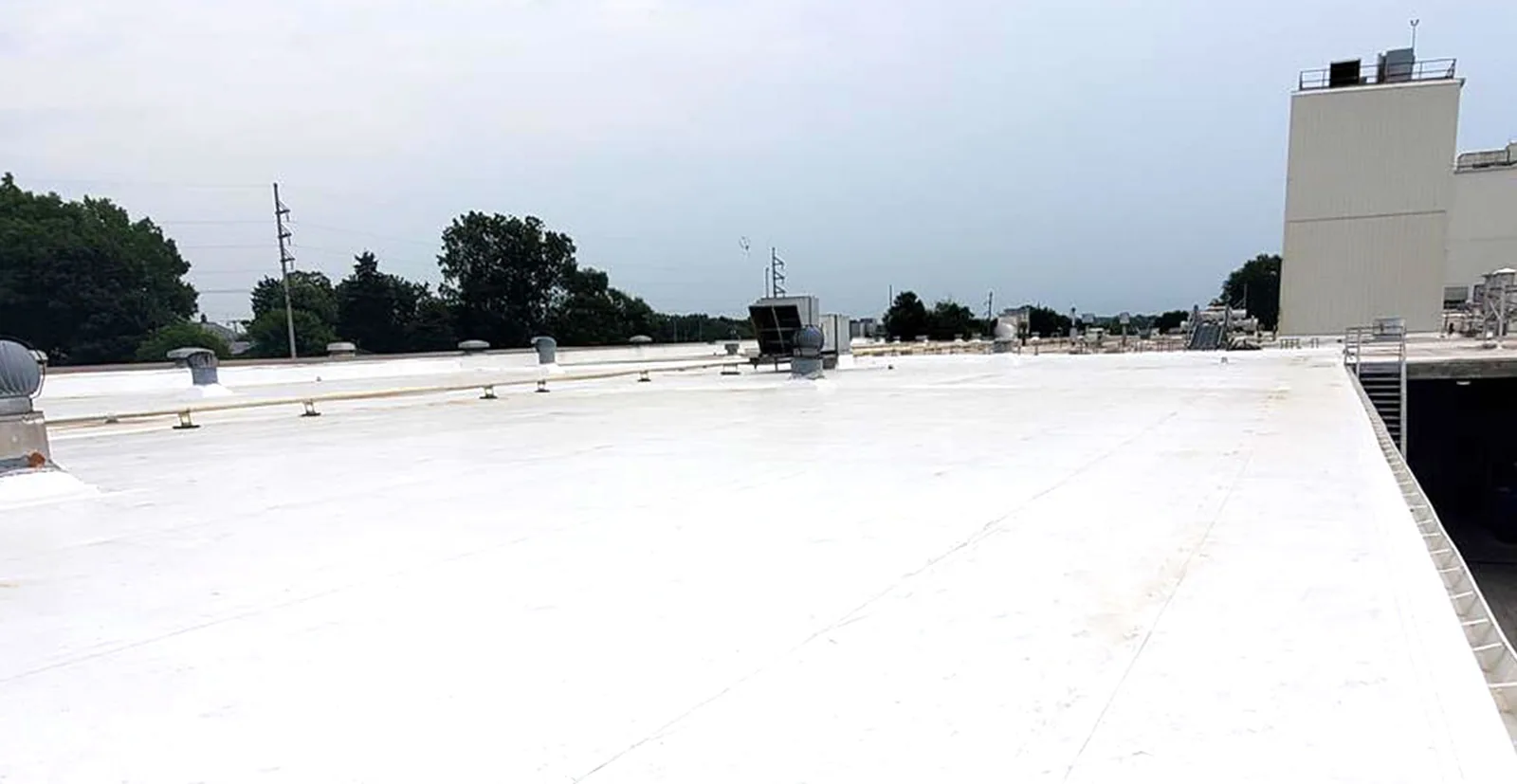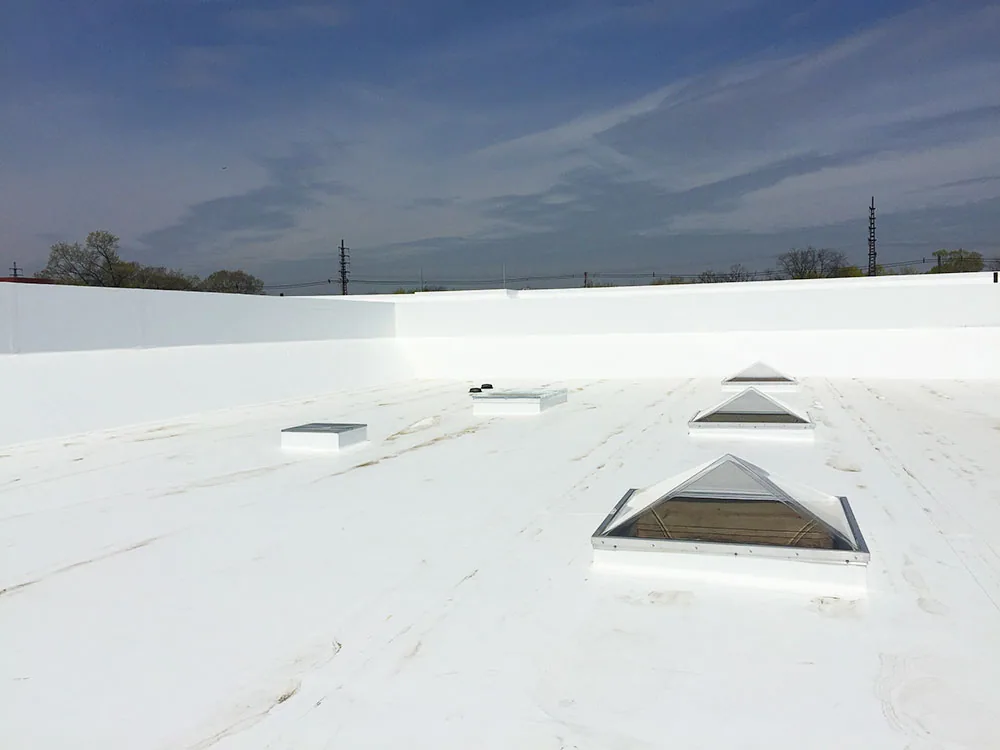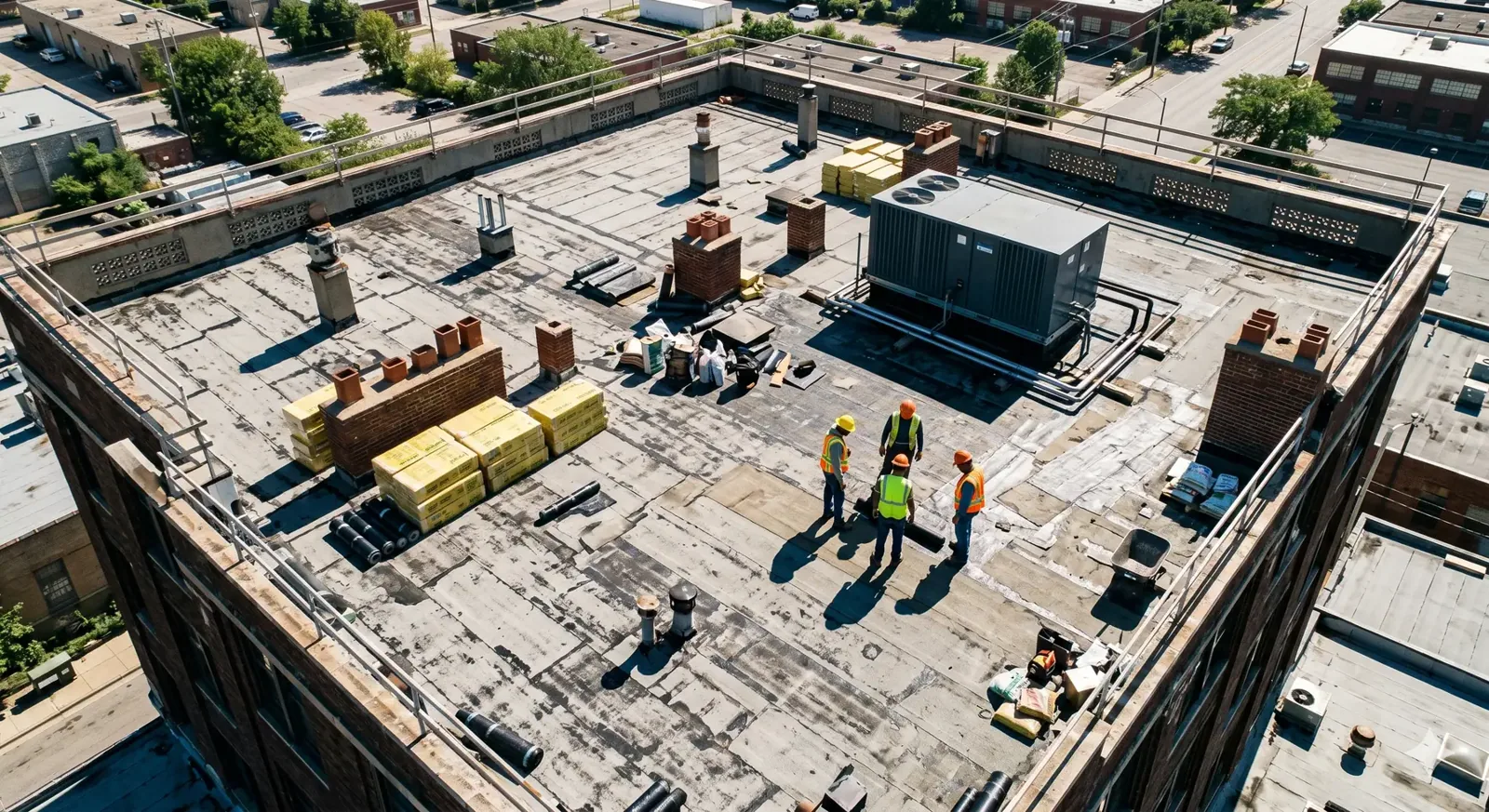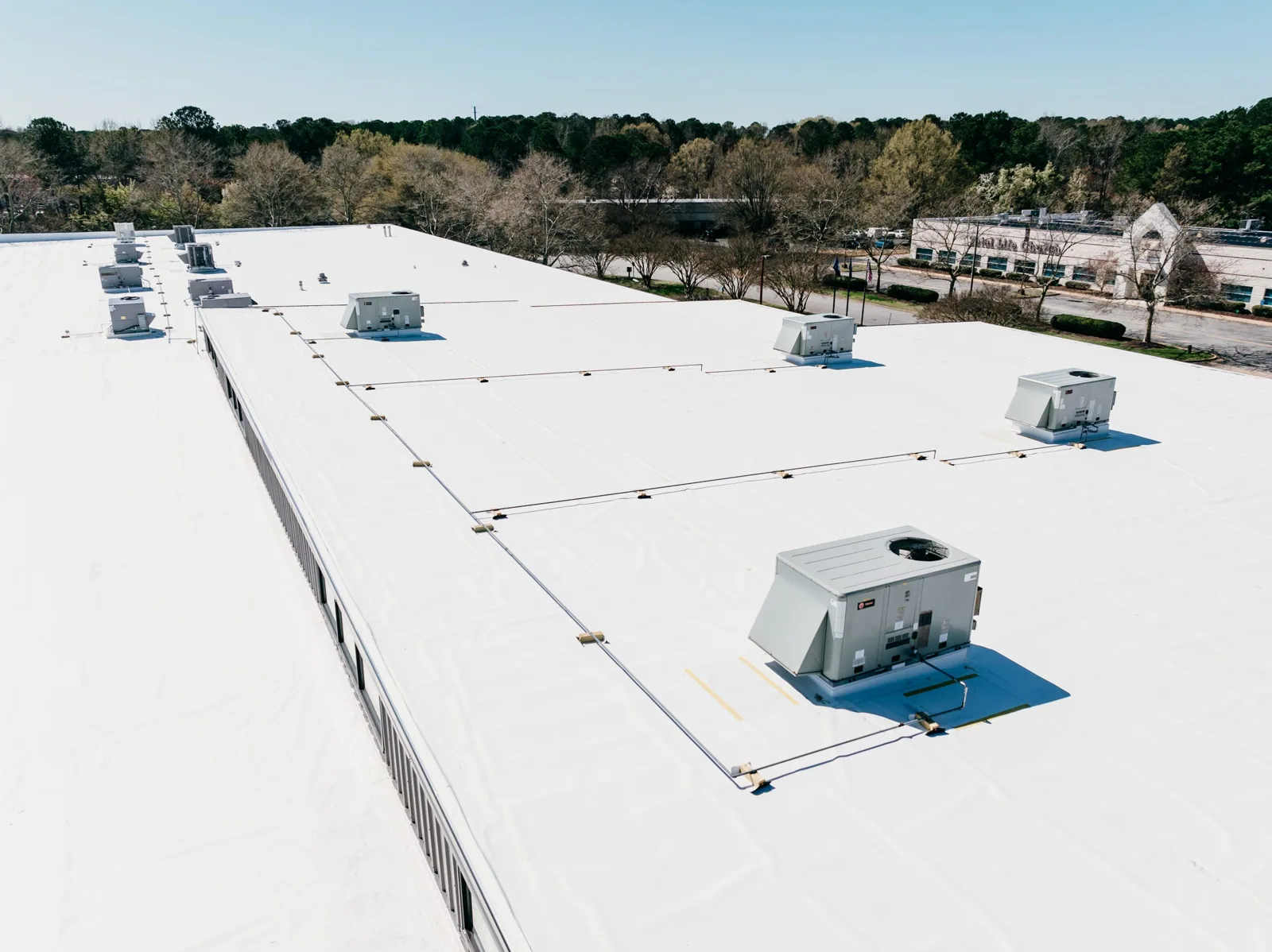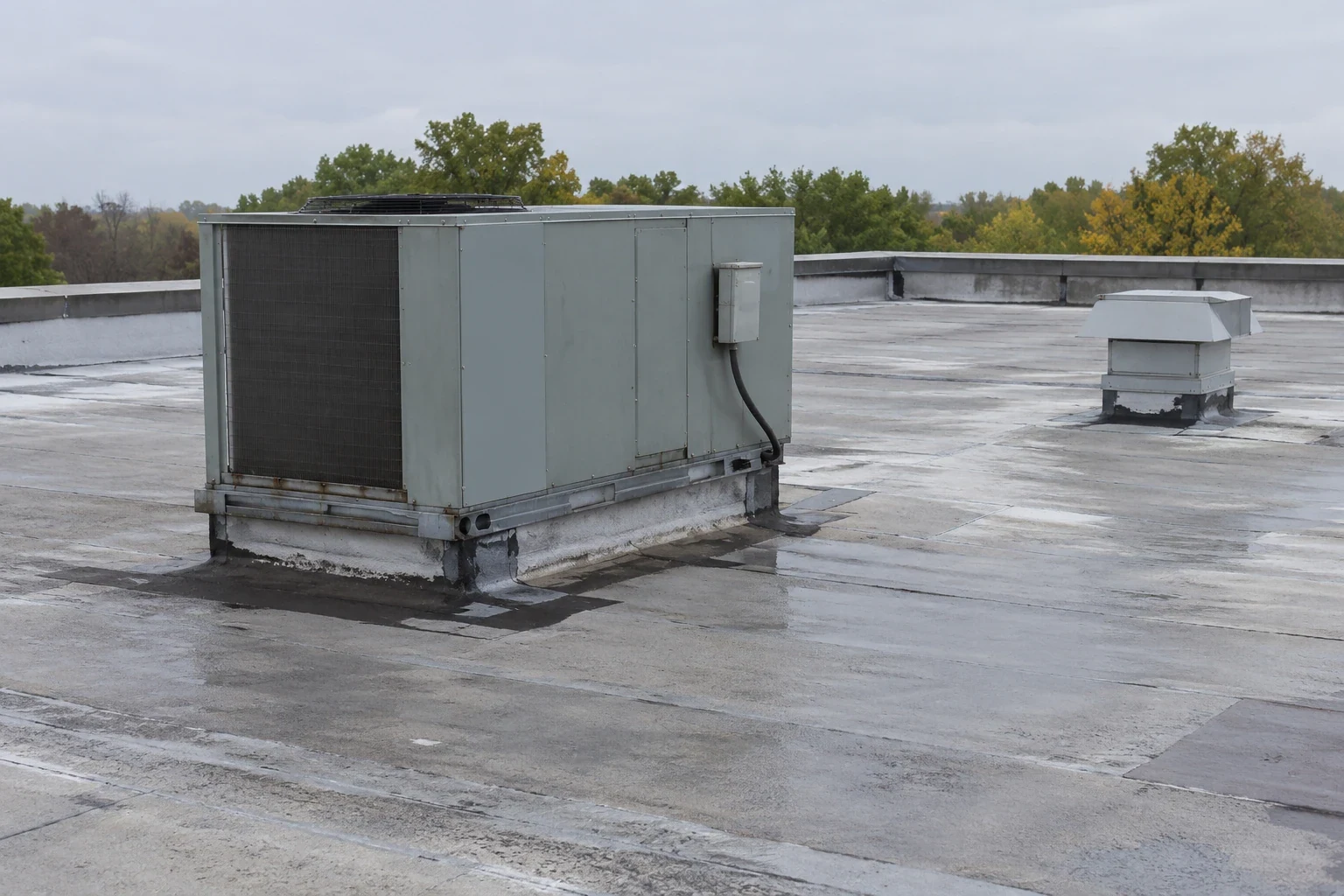
A KEE roof should be specified by its documented membrane formulation and complete assembly, because the acronym alone does not settle compatibility or scope. We verify product records, field condition, seams, flashings, attachment, and insulation before deciding whether to repair, recover, or replace. At a Waterbury property, the work plan may need to account for the compact downtown near I-84 and Route 8 or a commercial corridor such as Highland Avenue. Those local settings affect access and phasing. The inspection record ties every recommendation to the roof section and notes what evidence remains open.
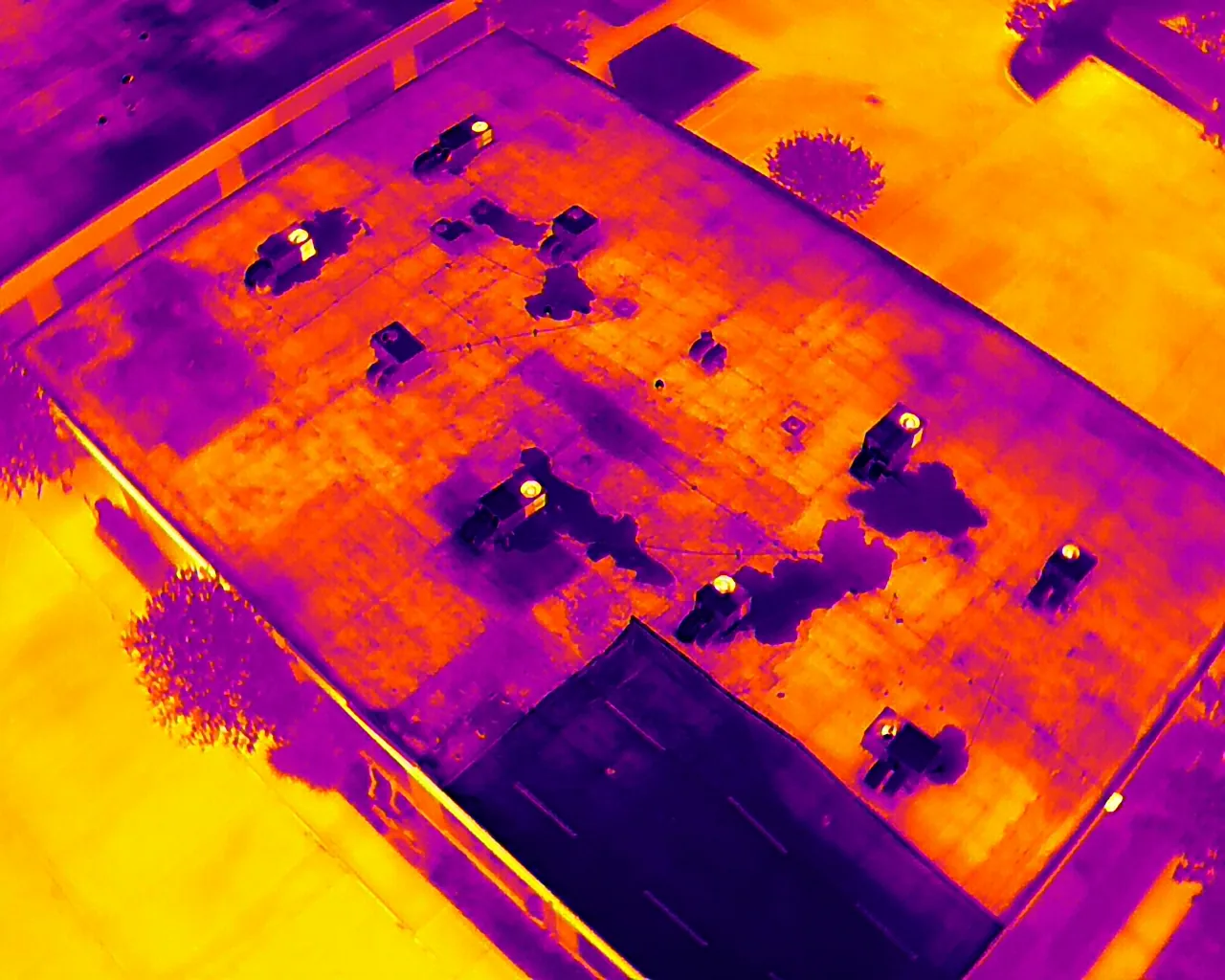
We compare a KEE/PVC-alloy assembly with standard PVC membrane and TPO when evaluating replacement options. A moisture survey may help direct testing where the surface does not show the condition below.
Verify the Product Before Pricing Repairs
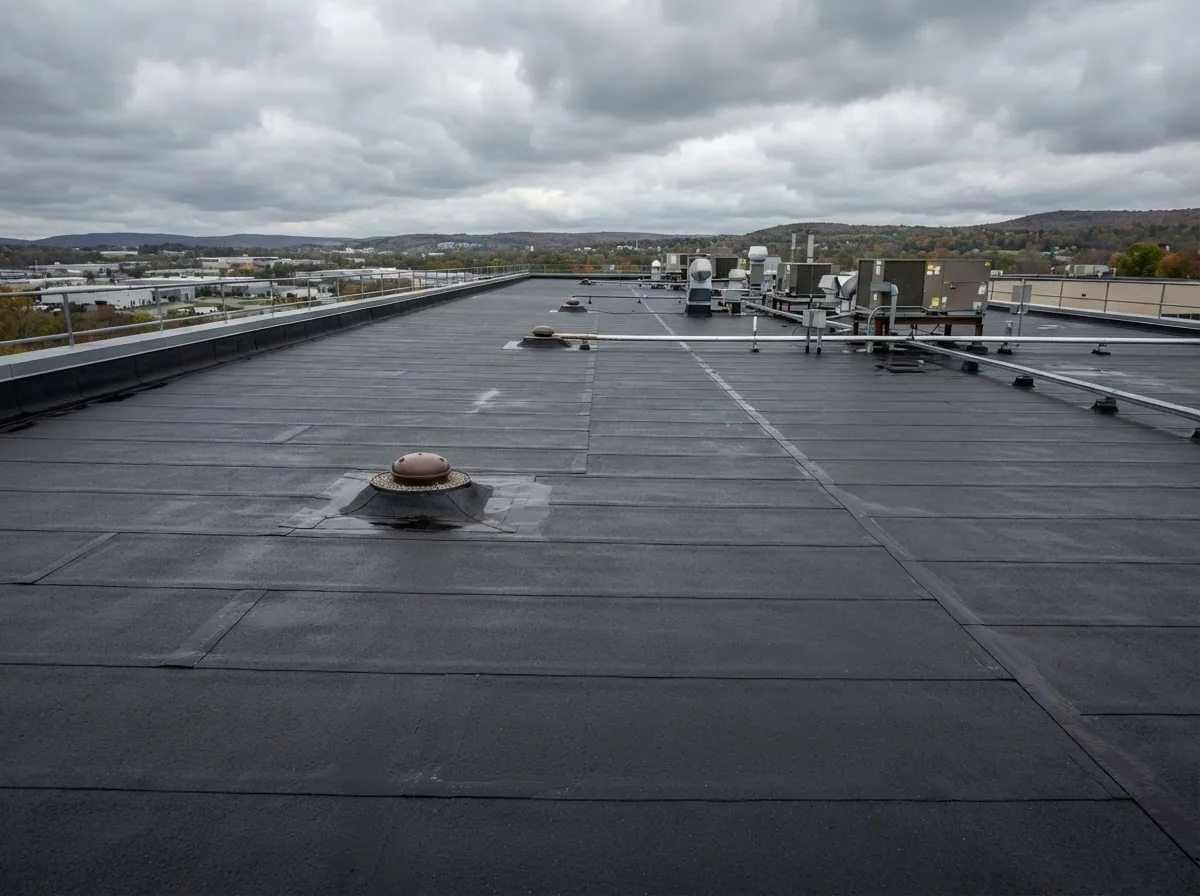
KEE is used in PVC-alloy membranes, but product construction and system details vary. We review labels, submittals, repair records, and any available warranty documents to identify the installed membrane and compatible repair method. If records are incomplete, a field sample or manufacturer system documentation may be needed before selecting primers, adhesives, or flashing materials. The scope states which identification was confirmed and which assumption remains pending. That avoids bidding a patch based only on color or a remembered product name. For budgeting, we state whether identification is documented, sampled, or still uncertain before the owner commits to compatible repair stock.
After identification, we map open seams, surface wear, repaired areas, edge terminations, and penetrations. A coating or overlay is not automatically compatible with every KEE surface. We examine adhesion requirements and test a representative area when the system calls for it. If the proposed work relies on an existing component, the proposal should name that retained component and its condition. A hands-on roof review can record the assembly and repair boundary, while system documentation can inform product-specific details.
Inspect Welds, Corners, and Penetrations
Heat-welded seams require clean, compatible surfaces, suitable equipment settings, and an even weld along the lap. We inspect representative seams and detail transitions, probe where accessible, and record openings or inconsistent edges by section. At corners and curbs, membrane movement can concentrate stress, so we look for wrinkles, fishmouths, failed patches, and separation from the substrate. One sound seam does not establish the condition of an entire roof; the inspection map identifies which areas were reviewed.
Waterbury's planning documents describe industrial districts along the Naugatuck River and mixed-use corridors with commercial and civic uses. For either property context, equipment access and interior operations can affect how a repair area is isolated. We identify which penetrations must remain in service and who can authorize brief shutdowns. Where the defect continues under a curb or termination, we define the opening required to confirm its extent before completing the permanent detail. The repair should reconnect the membrane to sound material and preserve a clear path to the drain.
Plan for Water Movement and Seasonal Conditions
Waterbury's municipal hazard plan identifies summer storms and tornadoes and lists winter exposure across the city, including snow, ice, sleet, nor'easters, and blizzards. Those exposures make perimeter and drainage review relevant to planning. We inspect actual slope, drains, scuppers, overflow routes, flashing, and edge attachment. When a drain or low area needs correction, the estimate shows that work separately from the membrane quantity so the owner can see which item controls performance.
The 2021 plan also gives a NOAA Atlas 14 24-hour rainfall estimate for Waterbury and cites statewide projections of heavier extreme precipitation and hotter summers. We retain those as dated planning context, not a replacement for field measurements or a daily forecast. At a property along South Main or East Main, access and customer hours may shape work phasing; the roof's measured condition still determines the repair extent. A drainage scope can address outlet details, and a low-area assessment can document ponding before a membrane decision is made.
Choose the Right Boundary for the Capital Work
For isolated seam or flashing failures, repair may preserve service in surrounding sections. If moisture has spread, seams are failing across a broad area, or attachment is uncertain, further testing can change the replacement line. We use test cuts to expose layers and note the deck condition at the sampled point. A recover option needs dry, secure layers and project-specific review. Tear-off may be warranted where the substrate or existing assembly cannot support the planned system. Each alternative should list the evidence, exclusions, and condition that would change the quantity.
Connecticut's code framework pairs its 2022 state edition with the 2021 International Codes for applications filed starting October 1, 2022. We record the permit date and identify review needs for the proposed assembly. The estimate separates membrane, insulation, edge metal, drainage work, deck allowance, and access requirements. We set localized repair beside a recover review and new-system pricing, so the capital decision reflects the actual roof rather than a generic product description.
Document the Installed KEE Assembly
Closeout should identify the membrane and system details installed, sections completed, repair locations, field and detail photographs, and any excluded conditions. We include seam checks, transition details, and the maintenance items that remain. If a section was not opened or tested, that limit stays in the record. This lets an asset manager compare future findings against the completed work and preserve product information for compatible repairs.
For Waterbury projects, the site file should also retain access rules, material staging notes, the permit record, and the approved capital scope. If the work is phased, we identify each section's release point and the temporary protection used between phases. The condition report gives the owner a readable basis for future budget updates. Bring the available roof plans and product documentation to a Waterbury roof assessment, and we can set the inspection and testing boundary before pricing the installation. Where records are thin, the first line in the estimate is the identification step itself, because a repair priced on a guessed membrane can cost twice, once when the patch fails and again when the right material is finally ordered.
Commercial Roofing Questions
Is KEE the same as a standard PVC membrane?
KEE membranes use a PVC alloy formulation, but product construction and system requirements are not identical across manufacturers. We identify the installed product from records or field evidence, then confirm compatible repair materials and attachment details before preparing a scope.
Can a KEE membrane be patched with any PVC repair material?
Compatibility depends on the specific membrane and repair system. We check product records, surface treatment, and manufacturer instructions, then test or verify the proposed materials where required. The written scope names the preparation and detail used for each repair.
When does a KEE roof need a test cut?
A test cut is useful when concealed moisture, layer count, or deck condition could move the repair boundary or change recover eligibility. We select locations based on the inspection map, document each layer exposed, and keep untested sections separate in the recommendation.
What Waterbury weather details belong in the KEE project plan?
The hazard plan lists winter storms and summer storms as city exposures. We use that context to review drainage and protected closure points, while the daily forecast and actual roof conditions govern installation.
How will I know what the KEE installation includes?
The proposal should state the exact roof sections, membrane system, attachment and flashing details, insulation work, drainage corrections, and allowances. Closeout records add product identification and photos so future repairs can be matched to the installed assembly.
Confirm the KEE System Before Setting Cost
Share product records, roof plans, repair history, access rules, and the capital window. We will identify the membrane, inspect the details, and document the testing or repair boundary that supports the next scope.