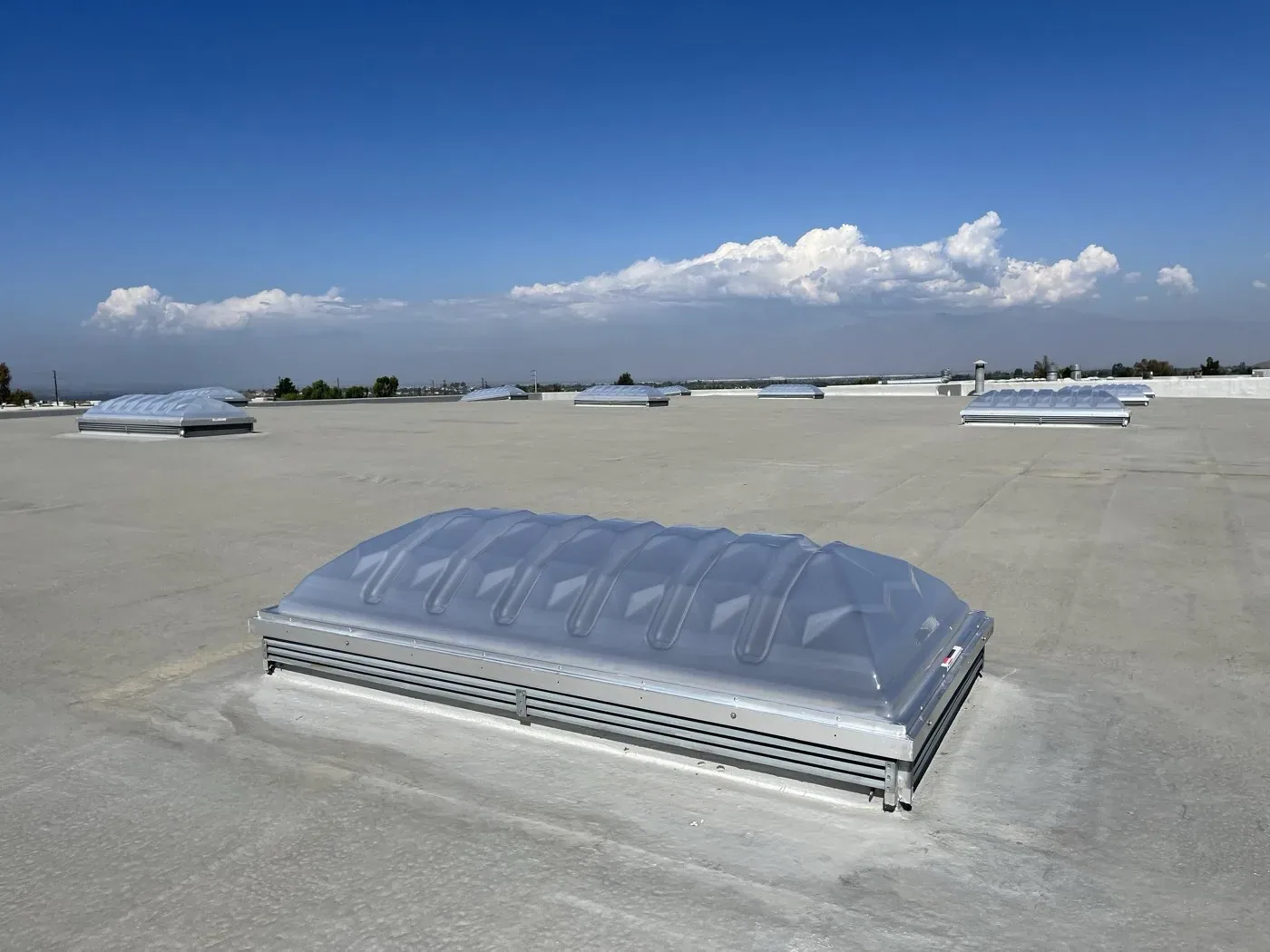
A PVC specification is only useful when its seam, flashing, and attachment details match the roof in front of us. We start with the existing assembly and the operating conditions below it, then set a replacement boundary from inspection findings. In Waterbury, a project near East Main's mixed-use corridor may need a different delivery and work-hour plan from an industrial property near the Naugatuck River. The city plan identifies both kinds of commercial setting. We verify the membrane, deck, drainage, and existing repairs before comparing system options. That gives the asset manager a scope allowance tied to conditions instead of an assumed material quantity.
We review PVC beside KEE membrane systems and TPO single-ply roofing when those assemblies fit the project. A replacement estimate can show the removal and installation boundary, while a Waterbury roof review records the building's access and permit constraints.
Match the Membrane to the Exposure
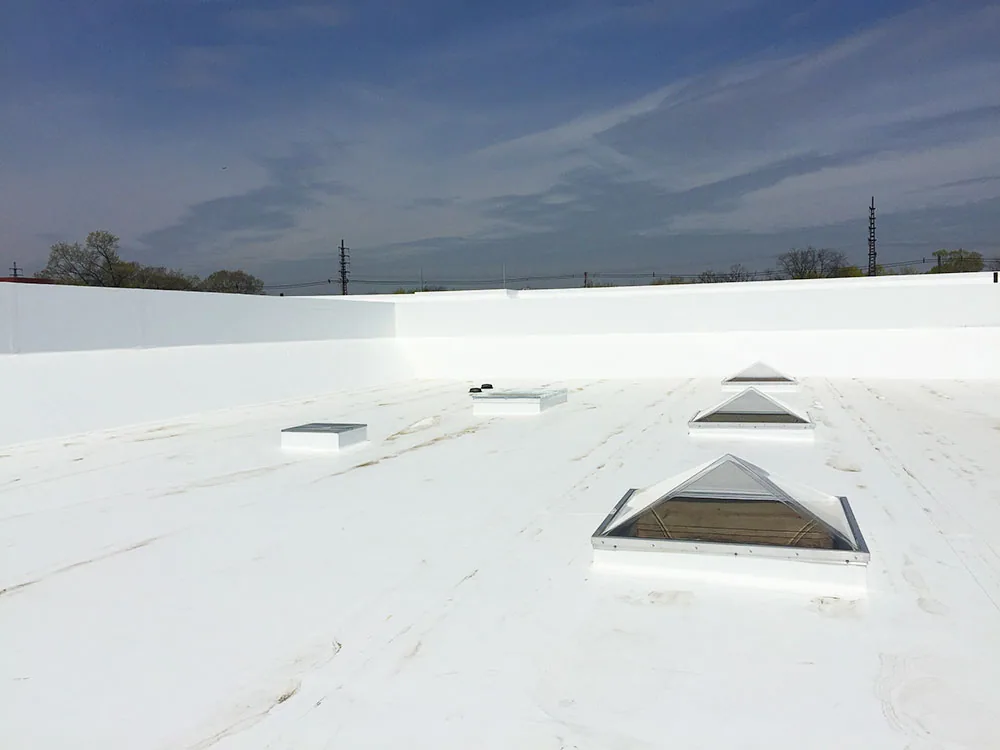
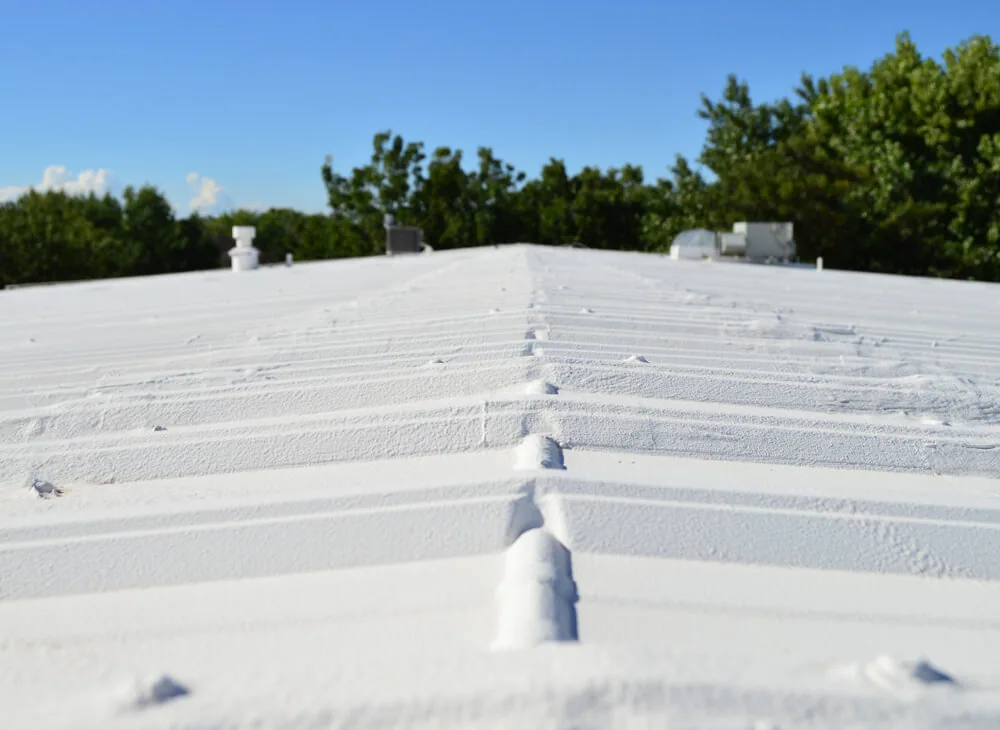
PVC is a thermoplastic single-ply membrane. Its seams are heat welded, and the finished lap must be continuous and well joined to resist water entry. We identify the existing membrane, prior coatings, adhesives, and repair materials before prescribing a repair or overlay. A surface that looks similar in color may still have different chemistry or treatment history. Where compatibility is uncertain, we select a test area and state what the result needs to show before a full scope is priced.
Waterbury's hazard plan treats summer storms and tornadoes as local hazards and identifies citywide exposure to winter storms. We inspect corners, perimeters, penetrations, and equipment curbs where uplift, movement, and detailing place different demands on the assembly. The written report ties each finding to a roof section and shows whether a repair can remain local or whether a broader membrane evaluation is needed. For a limited defect, a targeted roof repair may keep a sound area in service while the next capital window is planned.
Resolve Flashing and Termination Conditions
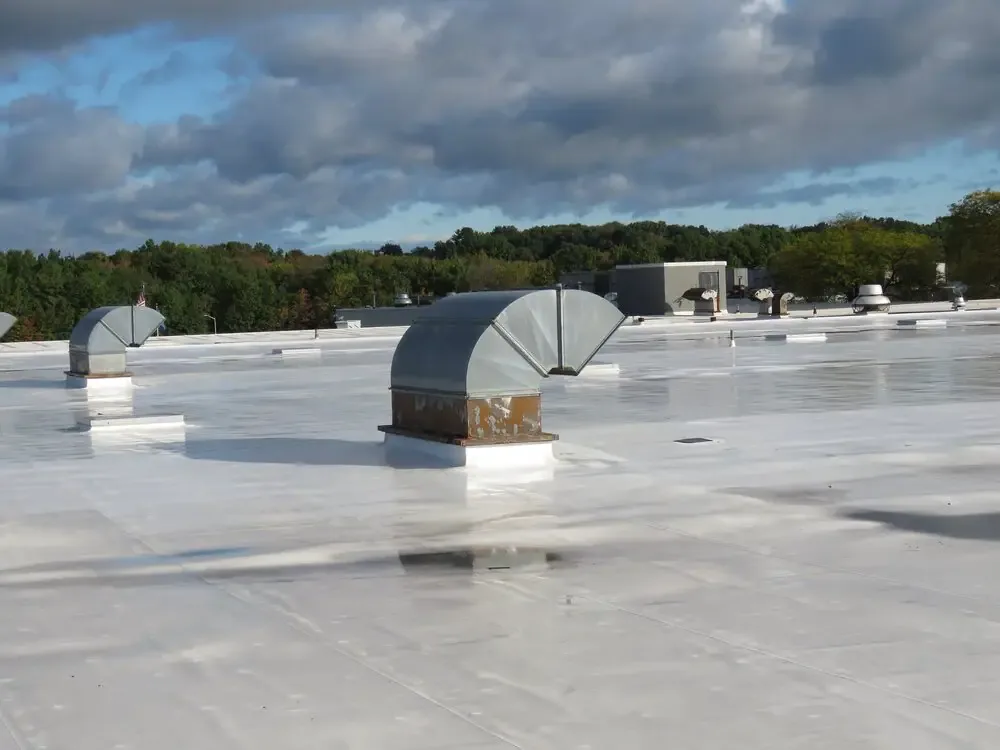
The field membrane is only part of the water-control system. At walls and parapets, we inspect termination bars, counterflashing, corners, and transitions where horizontal and vertical surfaces meet. At drains and scuppers, we check how the membrane is secured around the opening and whether debris, ponding, or a displaced fitting changes the route water takes. At rooftop equipment, each curb and conduit needs a detail that remains accessible for service. Photographs should identify the location and the condition, not leave an owner to guess which penetration a note describes.
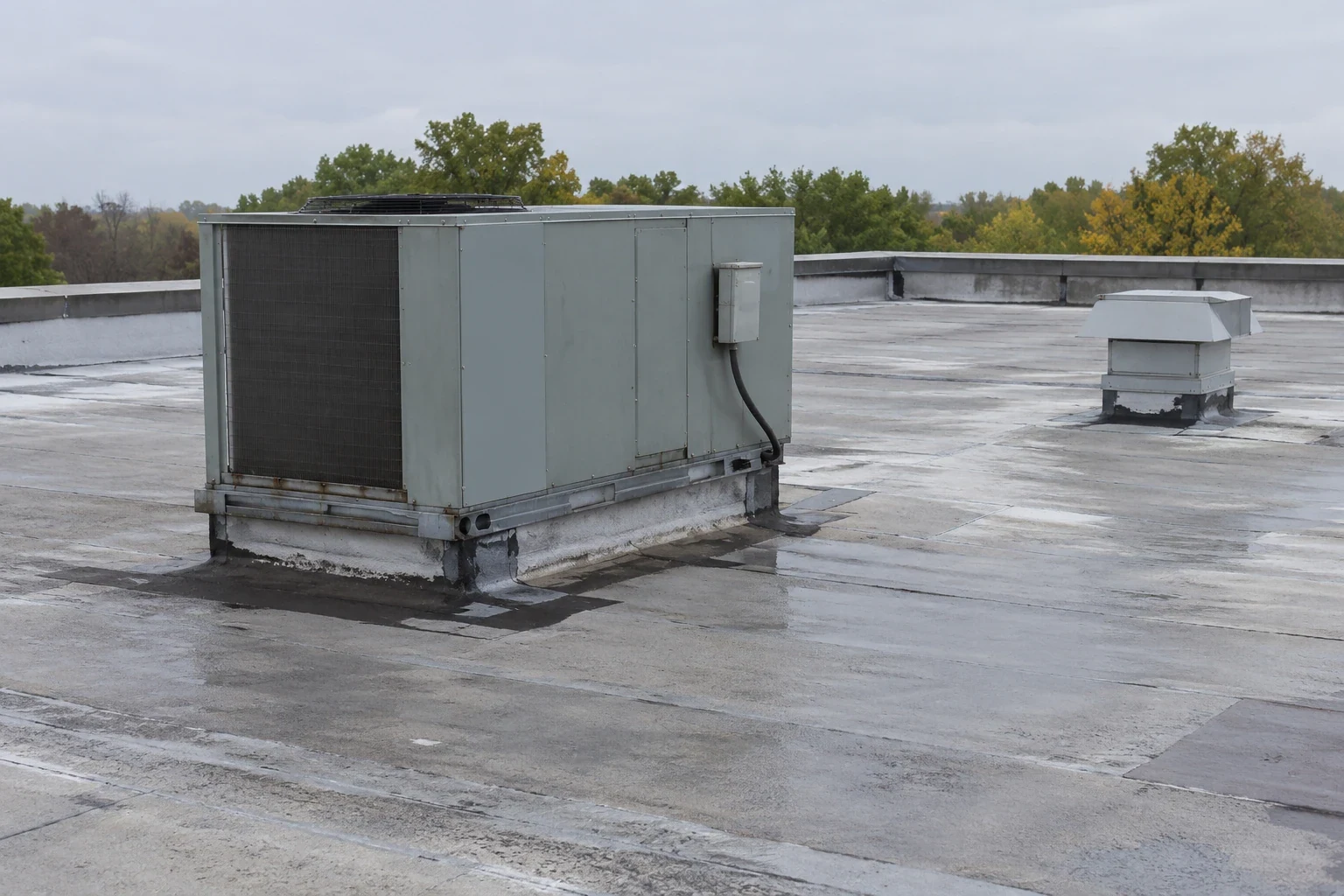
When an existing detail has several repair layers, we expose enough information to determine whether the repair is still attached and compatible. If wet insulation is suspected, a surface patch will not settle the question. We can map targeted test cuts and document the layers found, then keep the remaining area under a separate allowance. A penetration flashing review can be added for skylights, curbs, and other transitions that complicate the roof section. That work also helps the project team coordinate equipment shutdowns or access before installation begins.
Compare Repair, Recover, and Tear-Off
A PVC membrane can be part of a new roof, but its presence does not answer whether the existing assembly should stay. We compare three scopes: repair a defined defect, recover an eligible assembly, or remove layers to the deck and rebuild. Each option needs an attachment review, moisture evidence, edge and curb details, and a drainage plan. If test results show wet insulation or damaged deck, the proposal identifies affected quantities and where removal should stop. If the assembly remains dry and secure, recover can be evaluated with the required code and design review before it is included.
Connecticut's 2022 code applies to applications from October 1 that year onward, using the 2021 editions for building standards and energy conservation. We capture the permit date and route project-specific questions to the appropriate design review before treating an assembly as acceptable. A recover assessment and a roof condition survey give the owner comparable evidence for each path. The comparison should explain what each scope retains, removes, and leaves for future maintenance.
Protect the Work Window and Occupied Areas
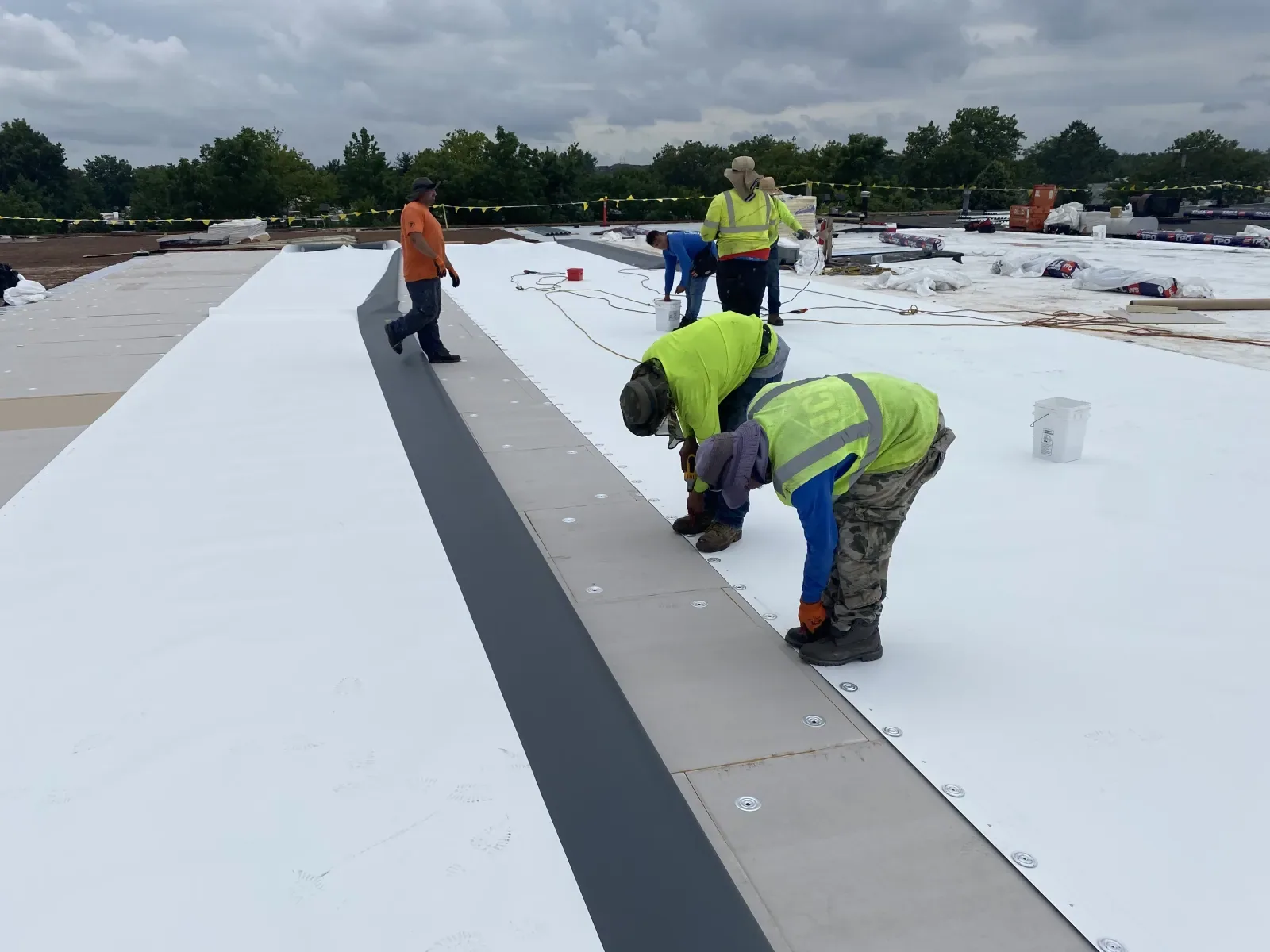
PVC installation depends on a workable surface, compatible details, trained welding, and weather conditions suited to the selected system. We divide a large roof into manageable work zones and identify when tear-off begins, when the assembly is protected, and when the seams and flashings are ready for review. Material staging and equipment movement are included in the schedule. For occupied buildings, we coordinate noise, deliveries, rooftop service access, and protection for the spaces below the active work area.
The compact Waterbury business district sits near the I-84 and Route 8 junction, while commercial corridors include North Main, South Main, and Highland Avenue. A street context can inform staging questions, but the site contact sets the actual loading rules and access route. The crew needs a daily closure point that keeps exposed layers protected if weather interrupts the shift. We note that point in the sequence and keep unfinished details visible in the progress record. A phased occupied-building plan can coordinate those boundaries with operations and building access.
Price the Assembly and Its Long-Term Care
Material is one cost line among several. Tear-off depth, deck repairs, insulation, attachment, perimeter work, drainage corrections, curb modifications, access, and disposal all affect installed scope. We identify measured quantities separately from concealed-condition allowances and explain what evidence would release each allowance. The estimate also lists required shop details and any inspection hold points, so the owner can track decisions before material arrives. Closeout records should include the installed system identification, seam and detail photographs, repaired areas, and maintenance items that remain due.
For asset managers, the service horizon depends on the installed assembly and how it is maintained, not on a broad statement about membrane life. We compare the system's maintenance requirements with the building's operating schedule and budget cycle. The final record sets out seam or flashing items to revisit, drainage checks, and any excluded roof section. If a moisture test changes the tear-off line, the cost and schedule should be revised before work proceeds across that boundary. That keeps the replacement decision connected to evidence and leaves a usable record for the next capital review.
Commercial Roofing Questions
What makes PVC different from TPO in a roof proposal?
Both are thermoplastic single-ply membranes with heat-welded seams, but the specified formulation, system details, compatibility, and project requirements differ. We compare the actual assembly, repair history, attachment, exposure, and manufacturer system details before recommending one for the building.
Can a PVC membrane be installed over an existing roof?
A recover option needs evidence that the existing layers are dry, attached, and suitable for the added assembly, plus project-specific code and design review. We map test locations and identify which areas remain unverified before including a recover quantity.
How do you handle recurring seam repairs?
We inspect the weld, patch edges, nearby transitions, and the surface beneath the affected area. If repeated repairs point to a broader condition, we document the section and test what could change the scope. A localized failure stays a localized recommendation when surrounding material supports it.
Does the PVC specification include drains and rooftop curbs?
The proposal should state how each drain, scupper, curb, wall, and penetration connects to the membrane. We inventory those details during the survey and identify replacements or corrections as separate quantities where the existing conditions require them.
How do Waterbury weather conditions affect PVC replacement timing?
Waterbury's hazard planning includes winter storms and summer storms, so the schedule needs weather checks, protected closure points, and a dry-in sequence. The actual forecast and surface conditions control daily installation decisions, while the roof plan sets which section must be closed first.
Build a PVC Scope from the Existing Assembly
Provide roof plans, repair records, access requirements, and the permit window. We will inspect the membrane and details, define the test locations, and compare repair, recover, and replacement quantities with a photo record.