
About Commercial Roofing Waterbury
Commercial roofing built around the building
Commercial roofing work begins with a building decision: stop an active leak, investigate moisture, extend a serviceable assembly, or plan replacement. We inspect the roof, connect findings to the reported condition, and explain what each scope would cover. In Waterbury, winter storms, summer weather, and flooding potential make drainage and dry-in planning central to that discussion. The owner receives a documented basis for the next step, not a system recommendation detached from the roof.
Inspect before setting the replacement line
Inspect before setting the replacement line
We start with the symptom, the roof area involved, and the assembly that is actually in place. The inspection follows seams, flashings, curbs, drains, edges, previous repairs, and any access restrictions. If the water path is unclear, we identify whether a test cut, moisture survey, or follow-up visit can resolve it. Our commercial roof inspections include photos and clear notes about what was visible and what still needs confirmation. For a larger property, we label observations by roof section and note whether access covered the full field, the perimeter, or only a defined area. That boundary keeps a report useful when another manager reviews it later.
Explain the scope choices plainly
A local repair can be appropriate when a defect is contained and adjacent material remains serviceable. A recover option needs review of moisture, attachment, existing layers, and drainage. Replacement becomes a stronger candidate when recurring failures, widespread wet material, or deteriorated substrate make isolated patches unreliable. We show the condition supporting each choice and identify allowances that require testing. The owner can compare roof repair and commercial roof replacement against the same field record. We also identify cost drivers such as tear-off, substrate repair, insulation, edge metal, access equipment, interior protection, and occupied-hour restrictions. Those items can be priced as part of a defined scope instead of hidden inside a broad allowance.
Work with Waterbury building conditions
Work with Waterbury building conditions
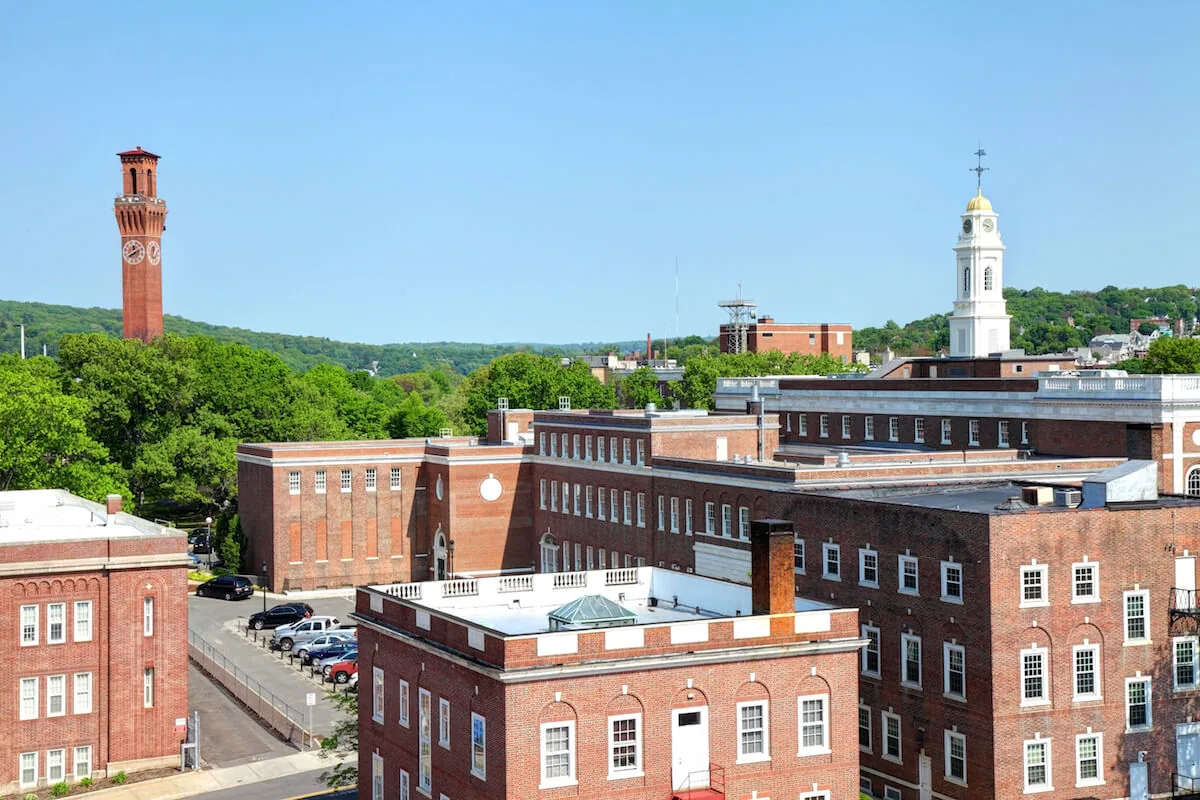
Waterbury places its central business district close to the point where I-84 and Route 8 meet. Industrial and medium- to high-density residential districts surround that core, and mixed-use commercial corridors connect business with neighborhood activity. Separately, industrial parcels extend along the Naugatuck River and into the southeast. For each property, we confirm access, loading, occupied hours, and staging with the site contact before defining the work plan.
Plan for exposure and the dry-in date
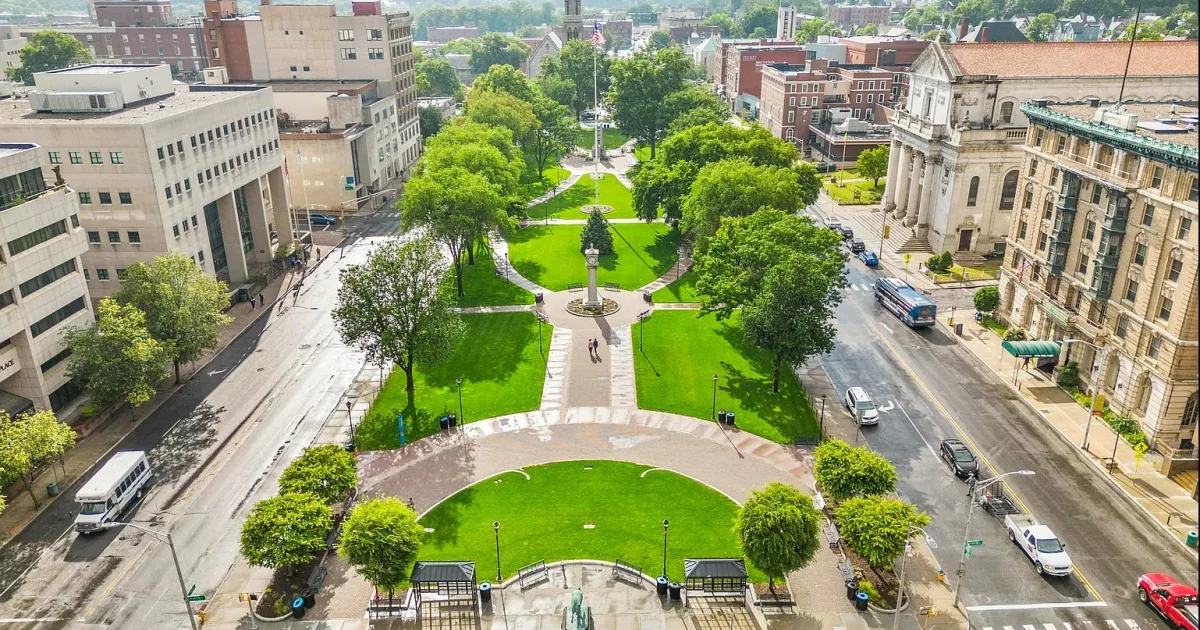
The city is exposed to winter storms that can bring snow and ice, as well as summer storms and tornado hazards. Tropical-storm impacts have often been associated with flooding. We pay attention to drains, scuppers, overflow routes, edge attachment, and temporary protection where those conditions can affect the roof. We set a daily tear-off boundary and state how the roof will be protected if weather interrupts work. An emergency roofing response is available around the clock, all week and on holidays, when urgent water entry needs attention. A crew handoff identifies which areas are complete, which remain under temporary cover, and who can authorize a changed sequence. The wet-in boundary is written down before the crew opens the roof.
Coordinate people, access, and work areas
Coordinate people, access, and work areas
Before mobilization, we confirm who can authorize roof access and field changes, where crews can stage, and which interior areas need protection. Work on an occupied office, school, medical property, or industrial building can require separate hours and routes. We agree on the active work zone, daily closeout, and how a change in condition will be reviewed. When a roof includes multiple additions, each section retains its own access notes and repair history rather than inheriting assumptions from the adjoining roof. Before starting, we confirm delivery access, ladder or lift locations, roof routes, and any equipment shutdown needed for the planned work. If another trade shares the area, the project contact can agree on staging and temporary protection before material arrives.
We also confirm where debris, removed material, and equipment can be staged without blocking the property. The daily report identifies work completed, temporary cover, and any area that was not accessible. If a test opening changes the scope, we stop at the agreed decision point and review the finding with the person authorized to approve the next step.
Leave a record the next decision can use
Closeout includes roof-zone references, photos, completed work, remaining observations, and any access or testing limits. That record helps ownership compare a later leak report with the area inspected and prevents repeated investigation from starting without context. For a portfolio, roof capital planning can organize repair and replacement priorities while preserving building-specific records. We also support multi-site roof programs and due diligence surveys when asset decisions involve several properties. We can also organize an open-items list by urgency, identify the evidence needed to close each item, and record the next review date. That helps facilities staff distinguish completed repair from monitoring and prevents a deferred question from disappearing between budget cycles. When ownership changes, the roof map and dated history can travel with the asset file. We can mark the next inspection window and the person responsible for resolving each open condition, so the incoming manager knows what has been closed and what still needs a decision.
Support Waterbury and nearby property teams
Support Waterbury and nearby property teams
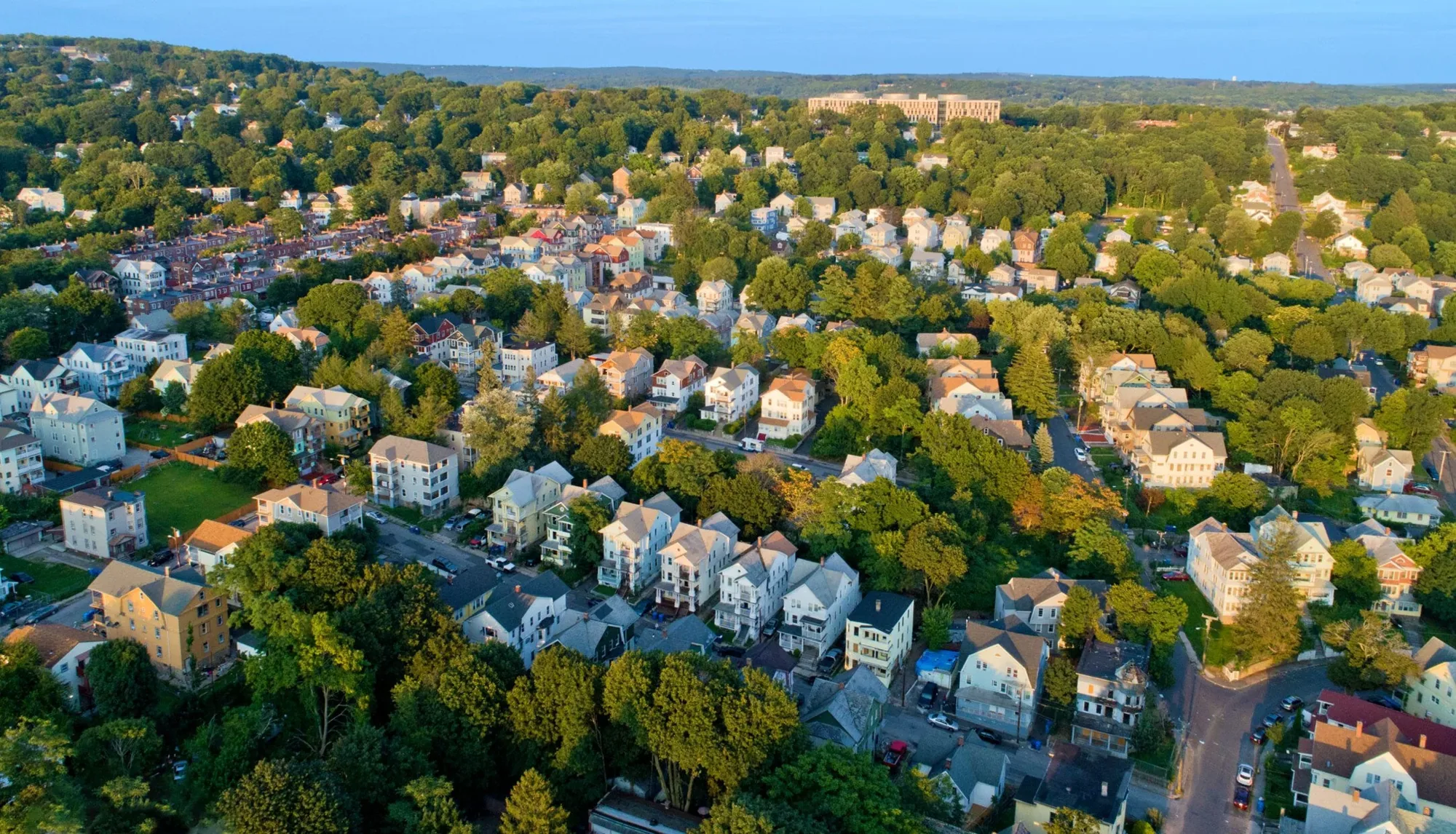
Waterbury's major employment sectors include finance, government, health care, higher education, manufacturing, and small downtown businesses. Industrial districts and mixed-use corridors add different access and operating needs. We coordinate commercial roof inspections, repairs, restoration, and replacement in Waterbury and nearby communities. The work starts with the property records and a clear contact, then moves to a scope that identifies what is confirmed and what decision remains. For an active leak, our first step is protecting the interior and documenting the accessible roof conditions. For planned capital work, we build from roof plans, maintenance records, permit timing, and the owner's service horizon. The report is written so the next approver can follow the evidence and see where additional testing could change the scope.
Questions from Waterbury Building Owners
What will a roof inspection tell me?
We document accessible conditions, identify the assembly and visible details, compare findings with reported leaks, and note areas that need testing. The report supports a repair, recover, or replacement decision without assuming that every area has the same condition.
How do you decide between repair and replacement?
We compare the extent of failure, moisture, attachment, drainage, substrate, repair history, and service horizon. The written scope explains which observations support each option and what additional investigation could change it.
How do you protect occupied areas during reroofing?
We coordinate notices, protected routes, temporary conditions, and daily closeout with the facilities contact. The agreed access plan also identifies work hours and who receives a field update.
What happens when bad weather interrupts a project?
We set a dry-in boundary and identify temporary protection before work opens a roof area. If weather changes the sequence, the contact receives an update and the closeout records what remains protected.
What should I send before scheduling?
A roof plan, leak locations, prior repairs, access procedures, and preferred work dates help us prepare. We will confirm the inspection area and identify any additional records or access needed.
Need a commercial roof inspected or repaired in Waterbury?