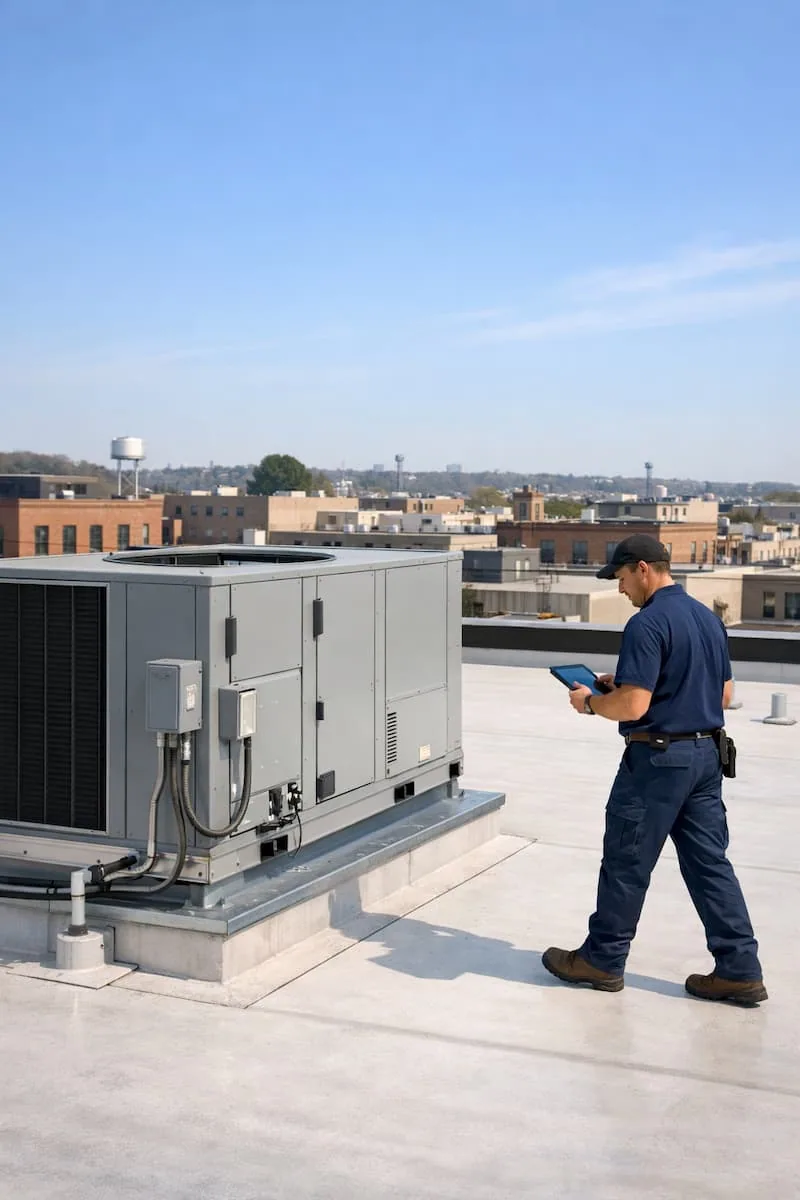
Tenant hours and a leaking roof section can make a simple repair a building-access decision. We inspect the membrane, flashings, drains, and rooftop units, then separate urgent repairs from work that can wait for a scheduled tenant window. Waterbury's downtown has a compact mix of civic, financial, health-care, and higher-education activity; South Main and East Main carry commercial uses alongside residential blocks. Those settings make access planning relevant, but the office's own entry rules, tenant calendar, and roof condition decide the sequence.
We map each finding to the interior area below, confirm roof access and equipment restrictions, and identify whether repair, recover, or replacement fits the assembly. Waterbury's winter storms and summer storm risk can shorten a work window, so we define daily closure points before setting mobilization. A commercial roof inspection can establish the current condition, and office roof work near Prospect can be coordinated with that property's hours.
Plan Roof Access Around Tenant Movement
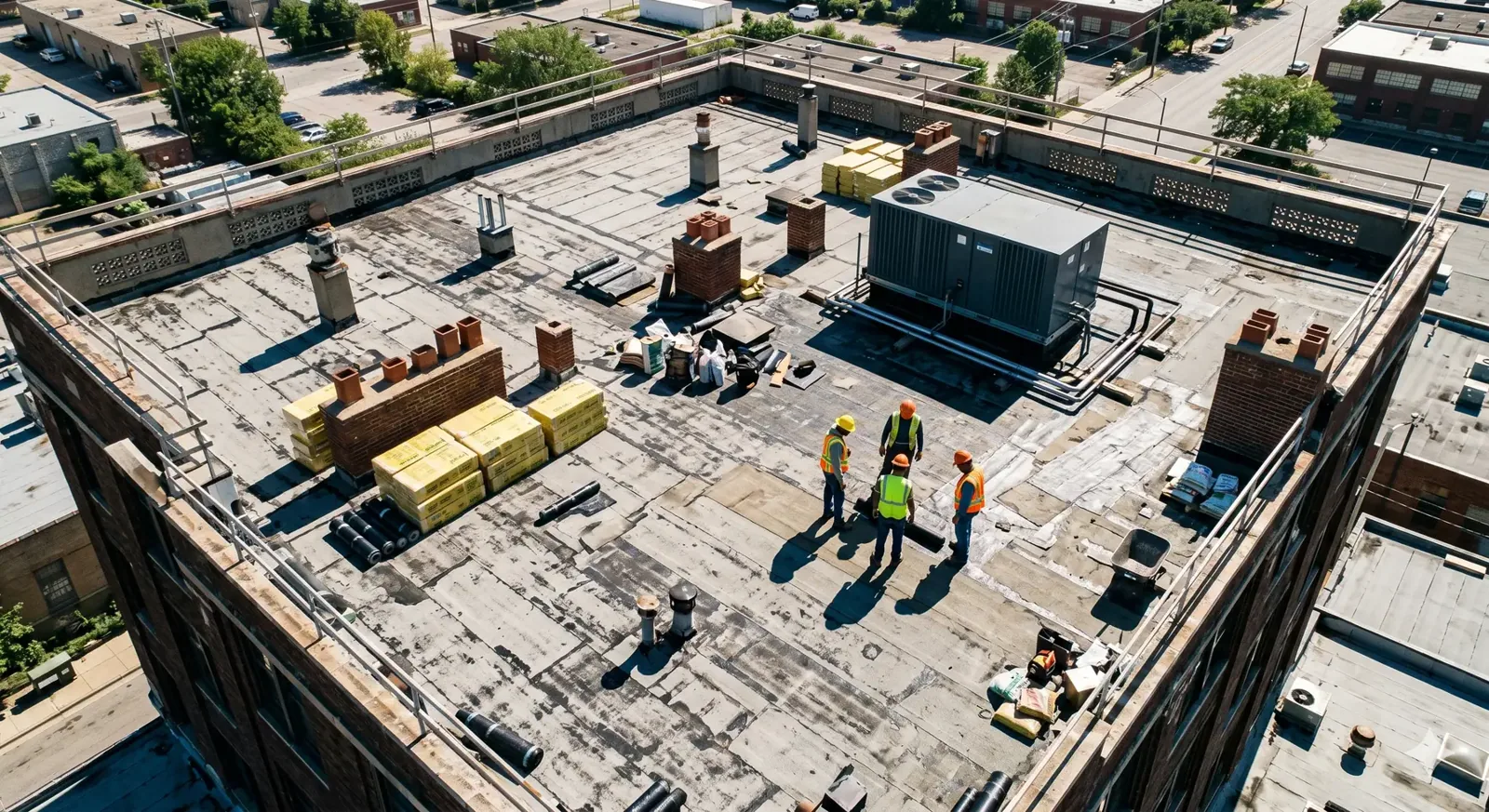
Office buildings often have entrances, loading areas, parking, and service routes that stay active during roofing work. We confirm where a lift can sit, how material reaches the roof, and which doors or paths tenants need to keep clear. The work plan can separate noisy tear-off from quieter preparation or detail work when the schedule allows. If the roof has controlled access or after-hours restrictions, those requirements belong in the estimate and daily sequence.
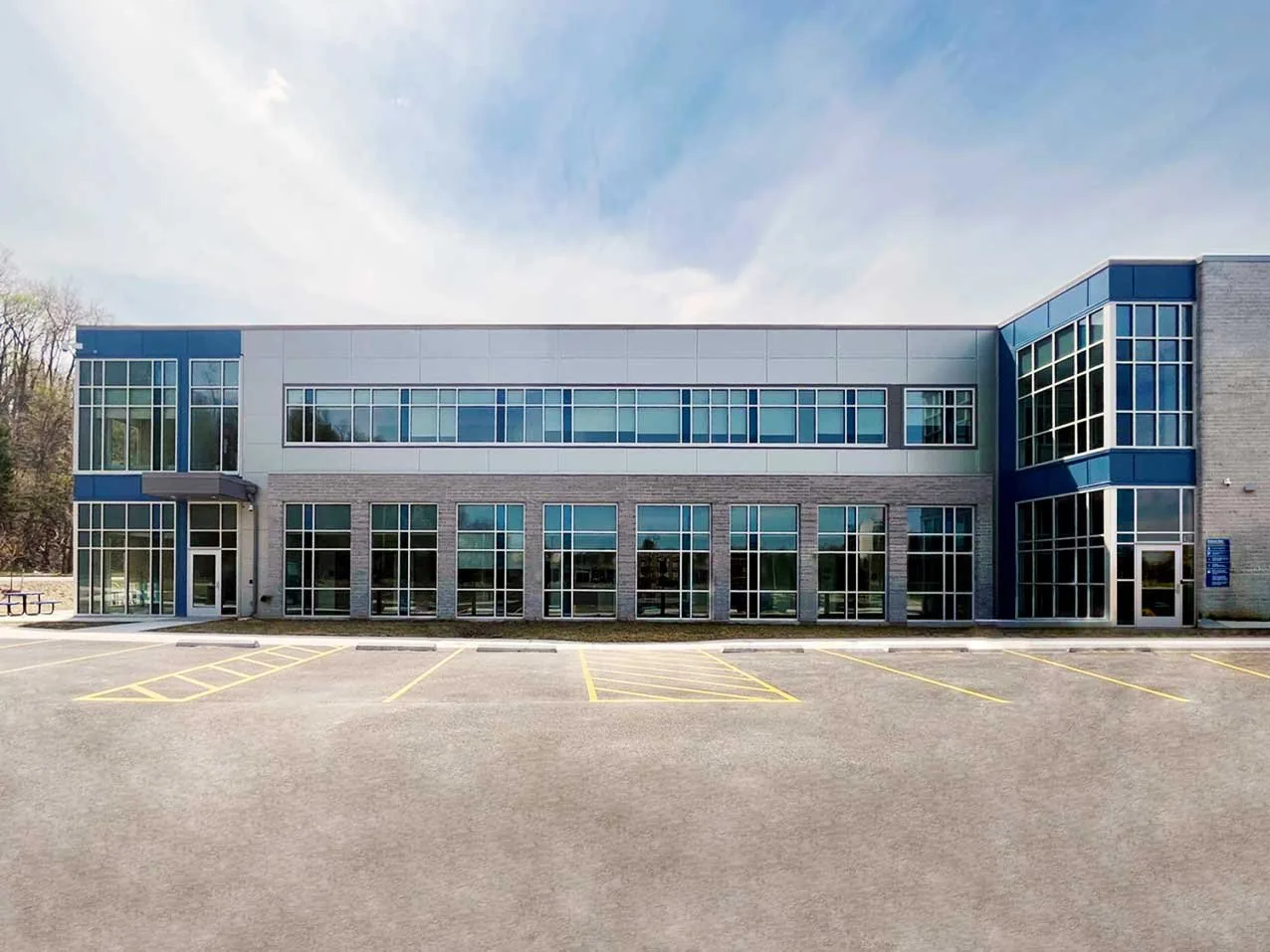
Waterbury's downtown includes financial, health-care, civic, and education uses in a compact central area. At the tenant level, we confirm reception hours, restricted floors, conference calendars, and any noise-sensitive rooms rather than assuming a standard office schedule. Prospect concentrates commercial activity along Route 69, with an industrial area west of its center; that provides another local commercial context for access planning. Where the building use is clinical, patient access follows the pattern of a medical office.
A hospital in the same portfolio brings continuous clinical operations and different release steps. For office suites, we confirm the tenant notice period and the after-hours rules before fixing the daily work limit.
Trace Leaks Above Workspaces and Equipment
A ceiling tile stain can sit away from the flashing or seam that admitted water. We compare reports from tenants with roof details above: unit curbs, pipe penetrations, skylights, drains, parapets, expansion joints, and patched areas. We mark the likely entry path and distinguish it from a nearby condition that may need a separate repair. If insulation could be wet beyond the visible area, a targeted test can determine how far the work should extend.
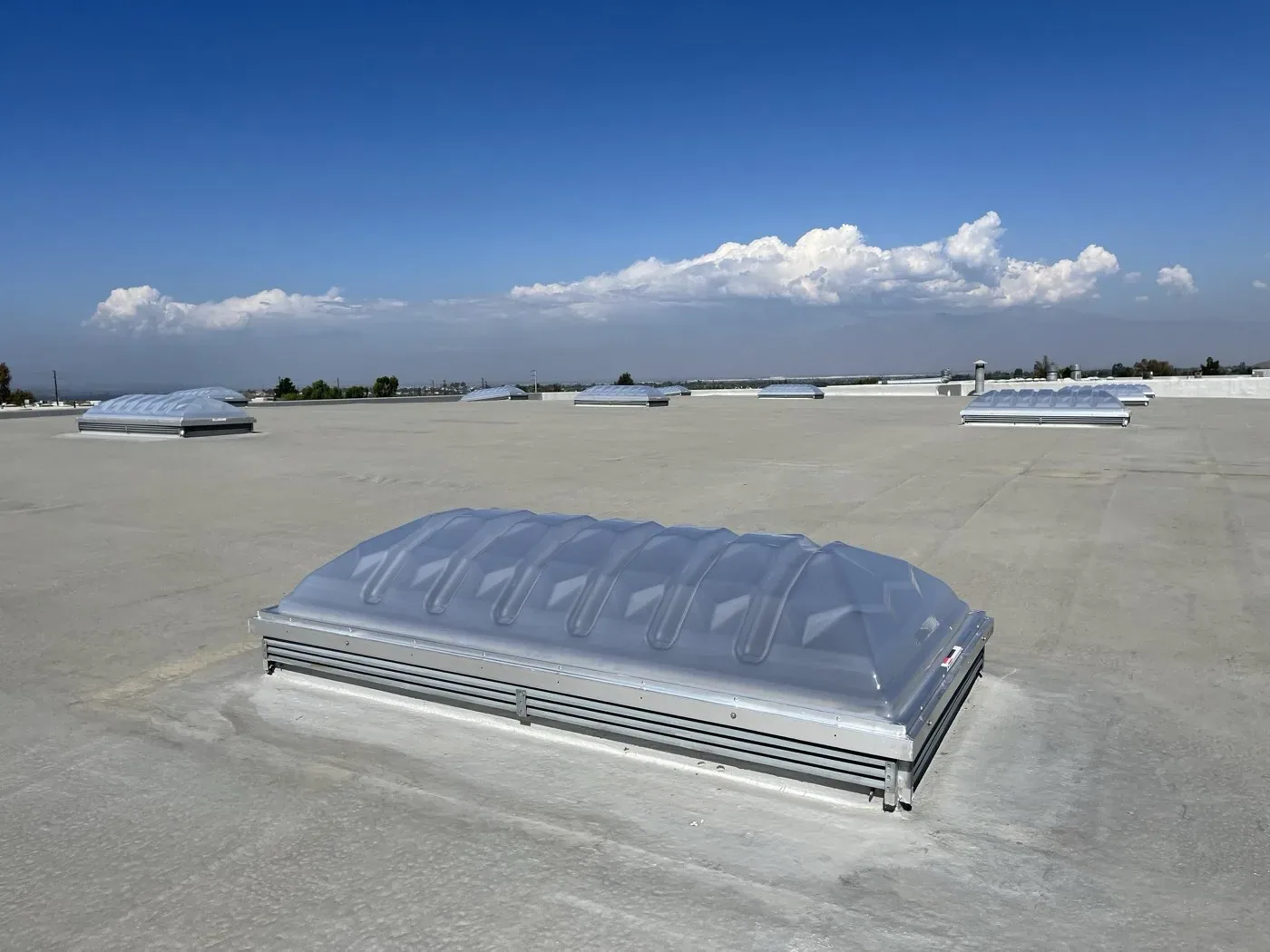
Waterbury's mixed-use corridors and nearby commercial districts contain different building layouts, but the specific assembly controls what can be repaired. We note interior areas affected, where furniture or electronics need protection, and whether the roof can be accessed during business hours. A moisture survey can help prioritize a test opening, while skylight and penetration work can correct details above shared workspaces.
Coordinate Units, Drains, and Perimeter Details
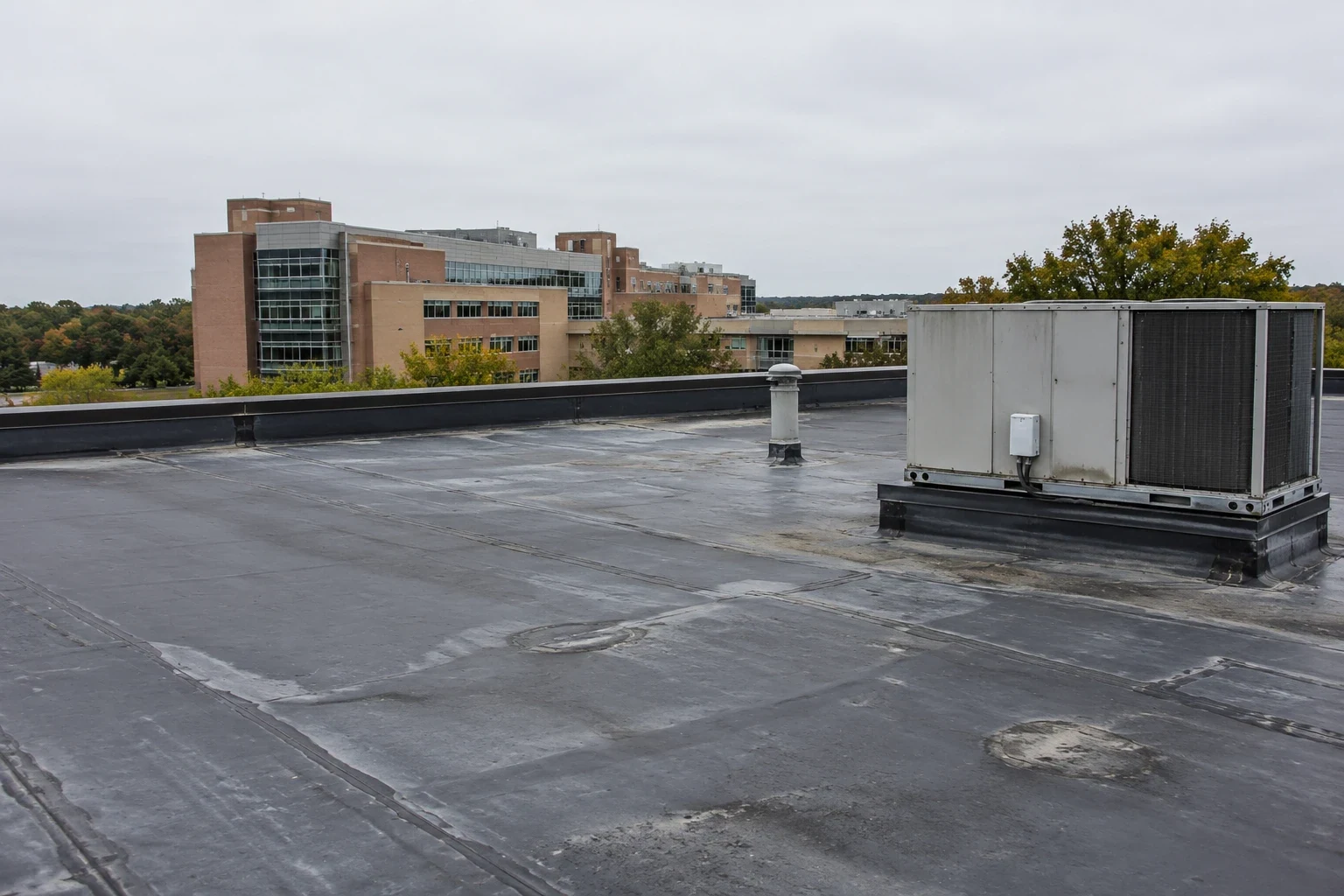
Rooftop units, condensate lines, exhausts, and communication equipment can restrict access or interrupt work if they are not mapped before mobilization. We identify service clearances and inspect curb flashing, supports, drain paths, edge metal, and wall transitions. If a unit is scheduled for replacement, the mechanical dimensions and lift date need to match the roofing opening and final tie-in. We confirm the responsible trade and record which unit may be shut down.
Waterbury lies near the I-84 and Route 8 junction, and its industrial districts include older lands along the Naugatuck River. That market pattern may affect delivery routes; the site contact confirms loading and roof entry. A curb and support scope can address equipment bases, and drainage review can identify blocked outlets or low areas before new roofing changes the surface elevation.
Compare a Local Repair with a Capital Project
One failed flashing or a small puncture may justify a targeted repair if adjacent material remains secure. Widespread moisture, loose attachment, recurring leaks, or aging layers may call for a broader roof section or a full replacement. We inspect representative areas, test concealed conditions where they could change the decision, and show the replacement line on the roof plan. This lets the owner consider budget timing without treating each office floor as an identical roof zone.
Estimate drivers include roof geometry, access, equipment density, insulation, drains, edge details, staging, and the time tenants can tolerate noise or restricted paths. We separate measurable work from allowances for concealed damage. If the roof remains sound enough for retention, a recover evaluation can compare added layers with replacement; if it does not, a replacement scope identifies tear-off, dry-in, and transition assumptions. The report should make the recommendation and its cost drivers traceable.
Leave Tenants and the Asset Record in Order
We close each work area with photos of seams, flashings, drains, equipment bases, and any temporary tie-in. The closeout identifies what was repaired, what remains under observation, and when an adjacent section can be opened. The building manager can use those records to update tenant notices and keep maintenance staff away from unfinished details. If an interior room needs protection, we confirm its release with the site contact.
After each shift, we report which barriers moved, whether temporary covers remain, and which rooms were released. The manager can issue one update with a clear roof map instead of relaying approximate work locations. That checkpoint also tells the next tenant contact whether access limits continue or the area is ready for normal use.
Roof plans, tenant calendars, access rules, leak records, unit schedules, and closeout photos go into the property file, and each office keeps its own service history. Share the capital window and any tenant restrictions before mobilization. We will inspect the roof, define repair or replacement boundaries, and return a schedule that accounts for work above active spaces.
Commercial Roofing Questions
Can repairs be scheduled outside normal office hours?
Yes, when roof access, lighting, security, noise restrictions, and crew availability support that window. We confirm the allowed hours with the building manager and identify which tasks need daylight, a lift, or a tenant shutdown. The estimate reflects any additional mobilization or staging requirement.
How do you connect tenant leak reports to the roof?
We compare the room and time of each report with the roof plan, drainage, seams, and nearby penetrations. A test cut or moisture survey may be needed where the path is concealed. The report keeps each finding separate until evidence shows that multiple stains share one roof defect.
Will tenants need to leave during reroofing?
Not necessarily; the work zone and building controls decide. We identify noise, odors, access restrictions, equipment outages, and potential interior exposure, then coordinate any relocation or notice with management. A phased sequence can keep unaffected areas available while a defined roof section is closed.
What if rooftop units need service during the roofing project?
We map units and required service paths before setting the work zone. The operator identifies any shutdown limits, and we coordinate the curb or flashing detail with the mechanical schedule. The daily plan keeps access to equipment that must remain available and notes where service access is temporarily restricted.
When is a roof replacement more practical than repeated repairs?
Repeated leaks, widespread wet insulation, loose attachment, or failures across several roof sections can support a replacement review. We document those conditions and compare them with a repair or recover option. The owner sees which findings change the boundary, schedule, or allowance before the capital decision is set.
Plan Office Roofing Around Tenant Hours
Share the roof plan, tenant calendar, equipment schedule, access rules, leak history, and capital window. We will document the roof condition and define repair, recover, or replacement options by section.