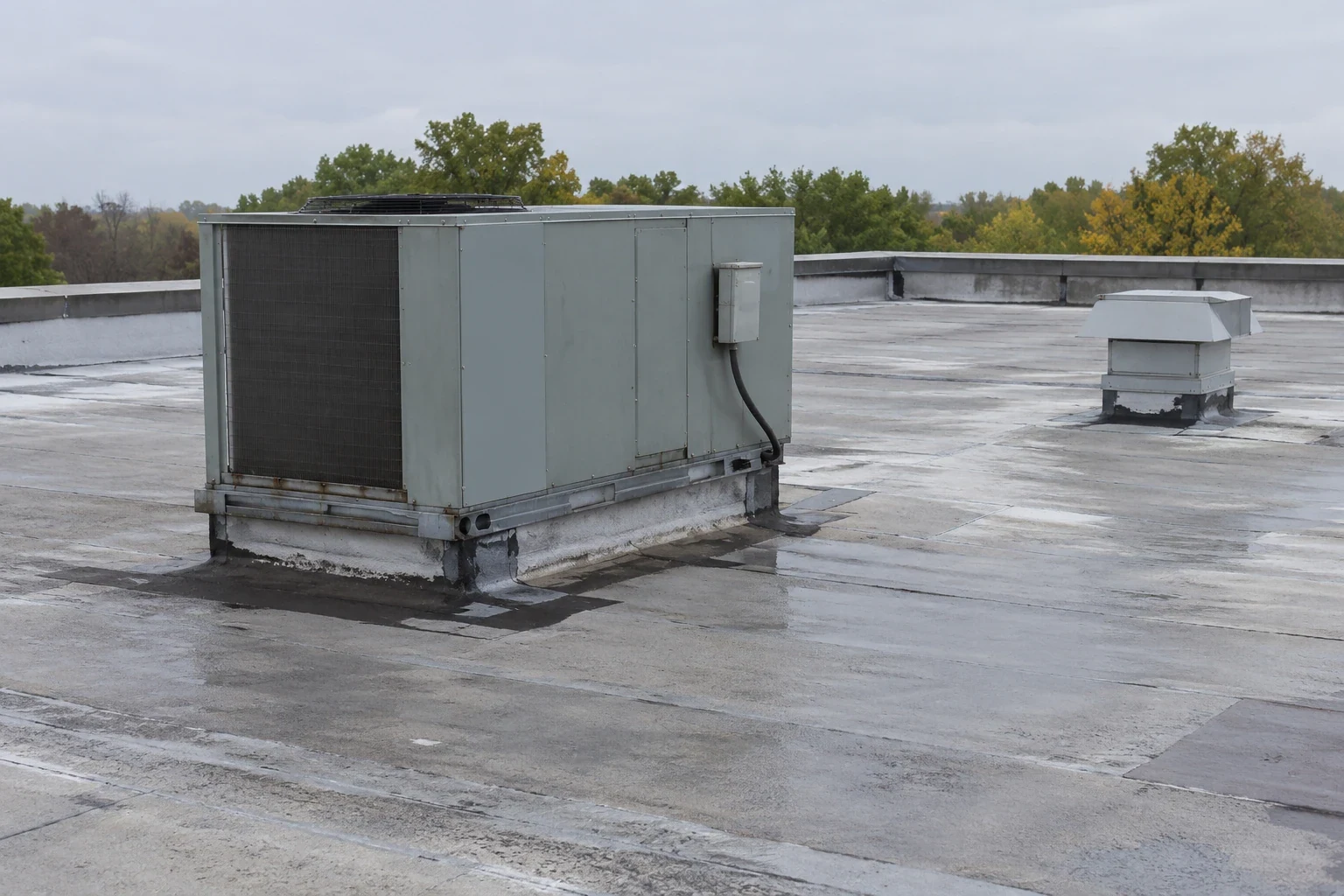
A hotel roof proposal needs a clear answer to two questions: which guest areas need protection, and how long can each roof zone remain open? We inspect membrane, flashing, drains, rooftop units, and reported leak locations, then map them against room blocks and event schedules supplied by management. The resulting scope separates confirmed repair from testing and broader capital work. The city plan describes Waterbury downtown as a mix of civic, financial, health-care, and higher-education uses. Nearby Naugatuck and Wolcott have different commercial patterns; each property still controls its own quiet hours and access.
An initial roof inspection can document the existing assembly and condition. If a hotel includes restaurant operations, kitchen exhaust and grease bring the interface questions of a restaurant roof into the plan.

Map Roof Work to Guest and Event Areas
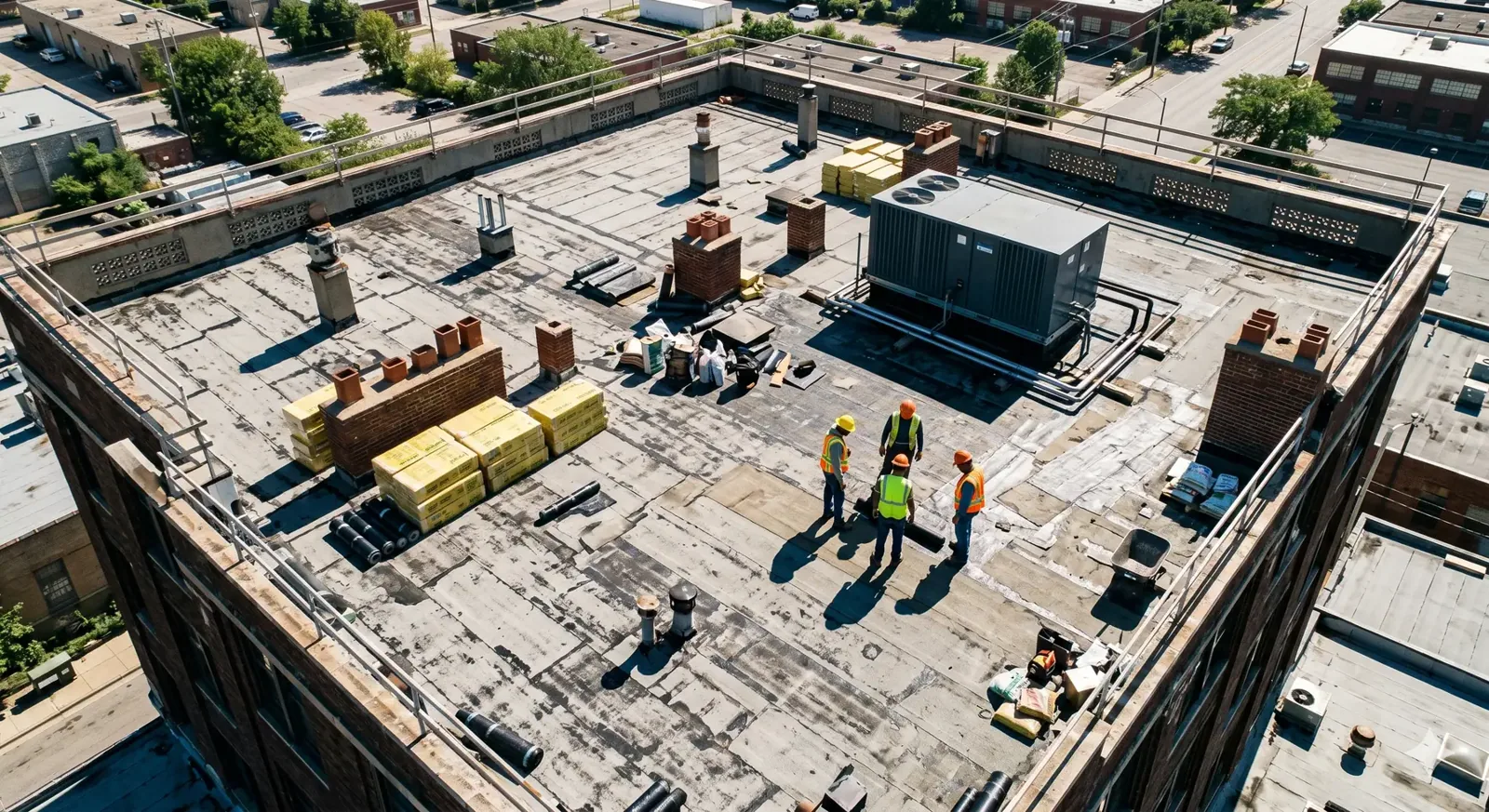
Hotels may have guest rooms, meeting space, food service, pools, loading areas, and back-of-house departments below one continuous roof. We ask management for room-block dates, event calendars, quiet periods, and any floors that cannot tolerate impact noise or interior access. The roof plan identifies work sections, lifts, material staging, and protection requirements. If room locations are not available to the roofing team, the scope records the assumption and the manager's role in releasing each area.
Work sequencing should protect exits, service corridors, and routes used by guests and staff. We identify when a barricade changes access and how each shift will leave the roof watertight. An occupied-building phasing plan can define daily handoffs. Occupants who stay on site during construction raise the same access questions as at an apartment building.
Trace Leaks Above Rooms and Shared Spaces
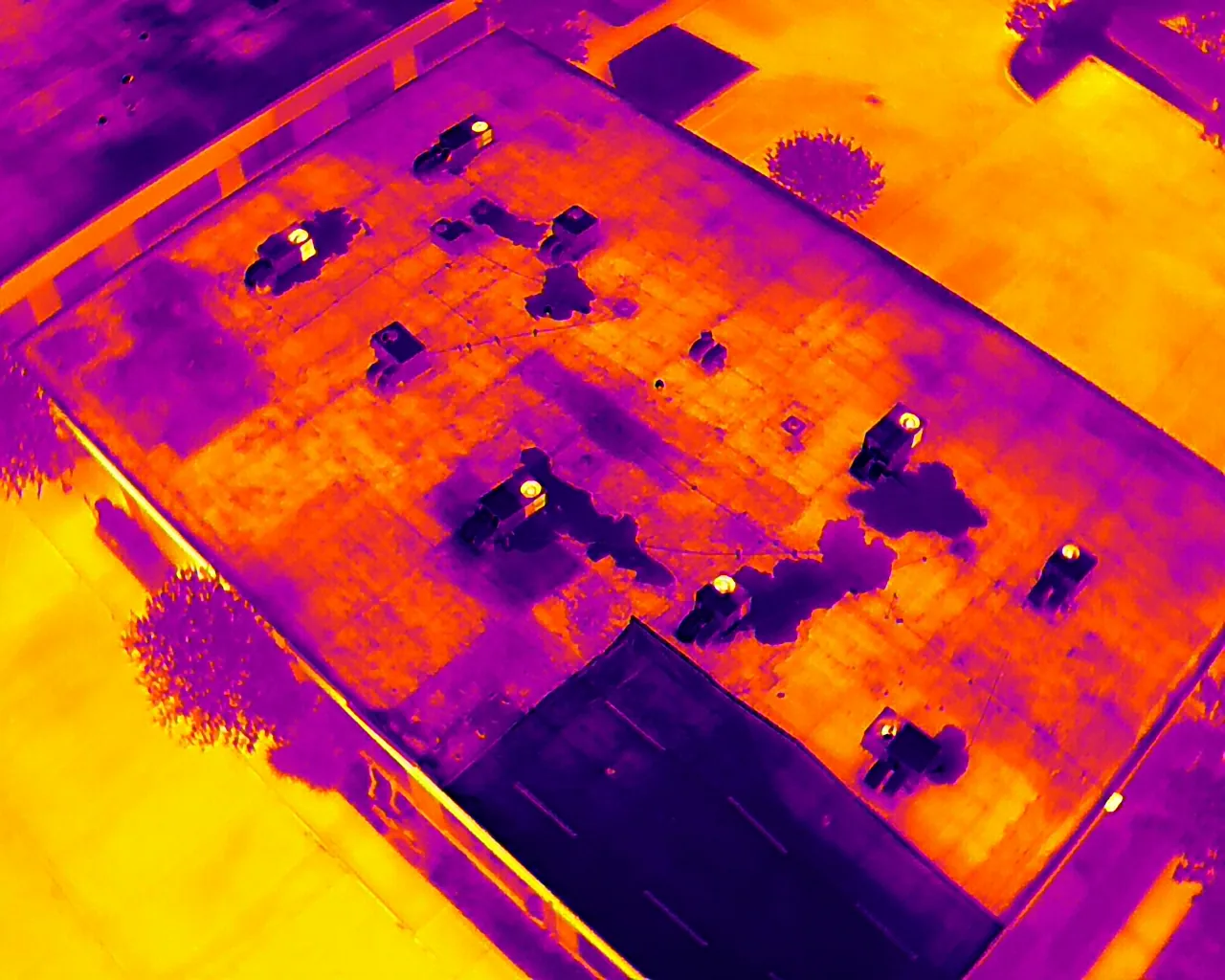
A guest report may identify a ceiling stain, a window-side drip, or water near a mechanical closet. We record the room and time, inspect the roof area above it, and follow nearby walls, curbs, drains, and penetrations. Moisture can travel before becoming visible, so the inspection distinguishes the observed entry point from the reported interior symptom. Where hidden wet insulation could change the quantity, we recommend a moisture survey or test opening and state what each result would mean for scope.
Management can support the survey by sharing the leak log, repairs already attempted, and rooms with restricted access. We document any area not inspected, so a later decision does not treat missing evidence as proof of sound material. A moisture survey can help prioritize test areas. For a defined defect in an otherwise serviceable assembly, a roof repair may limit the work area and room disruption.
Coordinate Rooftop Equipment and Drainage
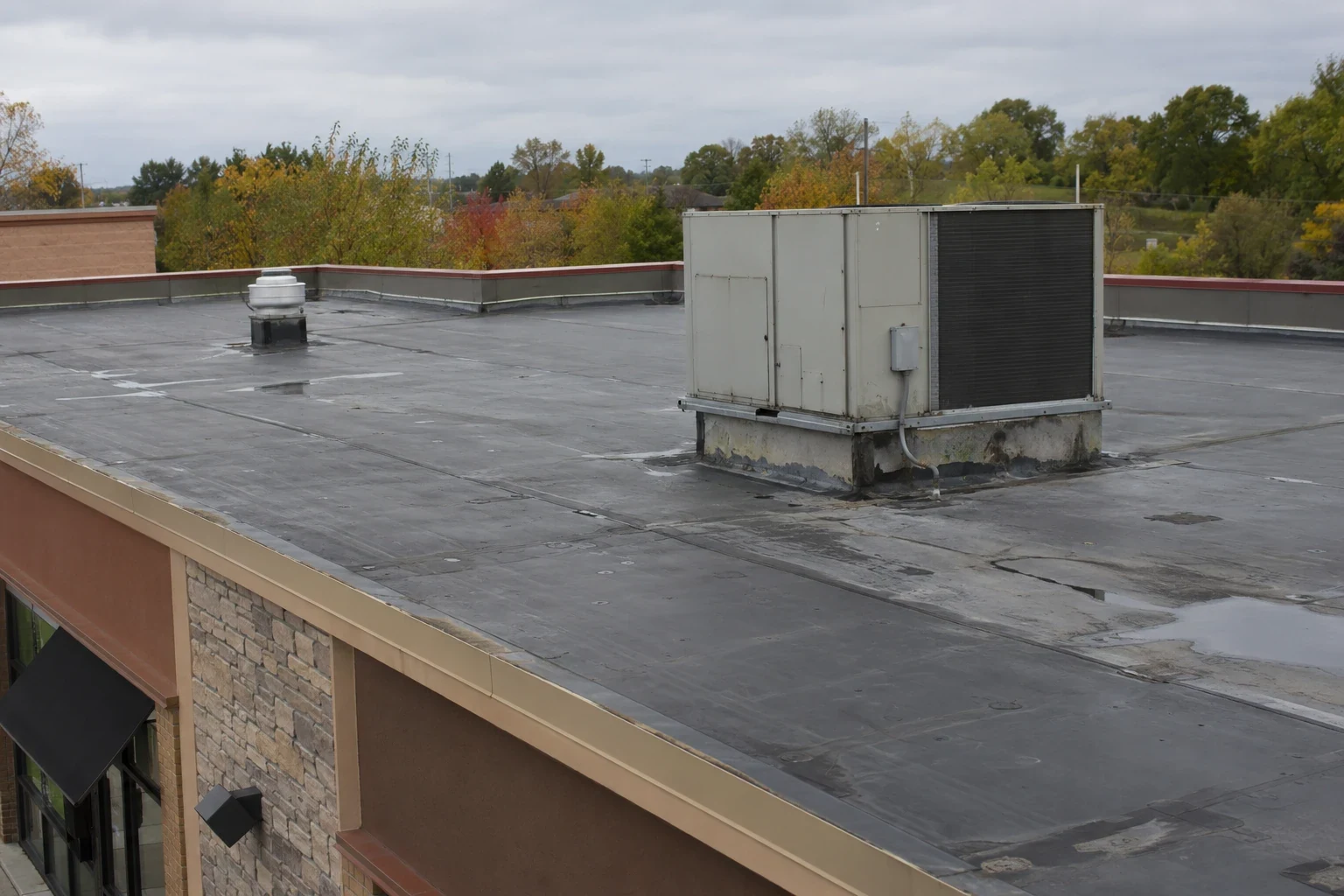
Hotels often have rooftop units serving several room zones, along with exhaust, vents, and communication equipment. We inspect curb attachment, flashing, service clearances, and membrane transitions visible at each base. If equipment must be shut down or moved, the owner receives a separate coordination item for its mechanical contractor. The roof scope states how the equipment area will be protected and who confirms that the unit is ready for service after the roofing handoff.
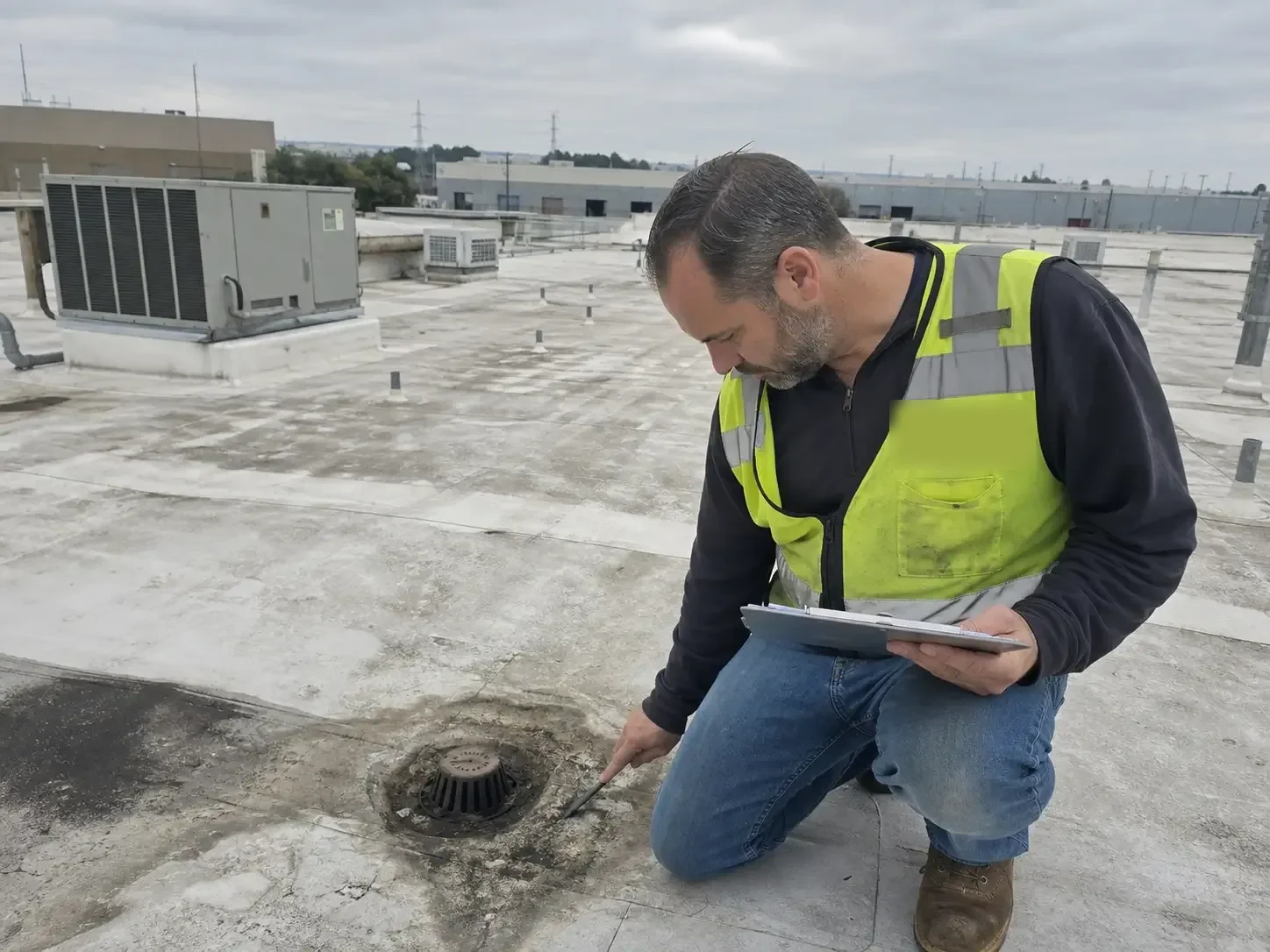
We also trace water to roof drains and scuppers, check for debris or ponding, and identify overflow paths. Waterbury's municipal hazard plan includes both summer storm events and winter storm exposure. We set closure targets from the roof's actual drainage, surface condition, and the current weather outlook. A drain review records outlets by section and notes the visible equipment interface.
Build Work Windows from the Booking Calendar
Each roof opening should have a start, a protected work area, and a planned dry-in time. We ask which dates are unavailable because of occupancy, conferences, seasonal service, or planned shutdowns, then sequence noisy or disruptive tasks when management permits. Material staging, crane access, debris removal, and emergency routes are assigned before the first shift. If work must stop unexpectedly, the plan names the closure condition and who approves a revised room or event plan.
Waterbury's commercial corridors include East Main Street and Reidville Drive, while nearby Wolcott Road and the Naugatuck River corridor serve different business patterns. Those locations can inform travel planning, but the hotel's loading rules, parking controls, and guest calendar govern crew arrival. The estimate compares phased removal with a full closure window and lists access limits and any premium shift requested by the operator.
Make Repair and Replacement Alternatives Comparable
A hotel owner should be able to compare a repair, recover, and replacement without mixing confirmed work with allowances. We identify tested roof areas, moisture limits, attachment findings, curb work, drainage changes, and the boundary of removal. A localized repair may be sensible where surrounding materials remain sound. Recover depends on dry, attached layers and compatible transitions. When damage extends through the assembly, replacement can provide a more complete renewal, but its guest and operating impacts need a separate sequence.
We list the permit assumptions and review items that must be confirmed before construction. The estimate states which test, design decision, or room-calendar change could alter price or timing. Management receives one set of quantities and decision points to take to its capital review, with the same measured scope behind every alternative. A clear allowance list separates known roof work from conditions that only become visible after removal, and each alternate carries its start date, occupied floors, and decision deadline. If the owner selects a narrower repair, the record notes which roof areas remain untested and whether another inspection is needed before the next fiscal budget.
Return Roof and Room Records to the Owner
Closeout photos show completed roof zones, drains, curb flashing, edges, and any temporary condition remaining outside the approved work. We record test results, materials installed, warranty documentation supplied by the manufacturer, and items that require owner follow-up. Management can file the roof map with the room-level leak log and future inspection dates. If a unit shutdown or access restriction affected the sequence, the final record notes the return-to-service handoff.
Waterbury's plans describe a compact central business district near the I-84 and Route 8 junction, as well as mixed-use commercial corridors. The project's own records still govern access and building conditions. A Waterbury hotel roof review can begin with the roof plan, recent leak calls, equipment schedule, and upcoming occupancy constraints. Housekeeping, front desk, and engineering each get the same daily roof status, so a section scheduled to close at three in the afternoon is understood the same way by every department.
Commercial Roofing Questions
Can a hotel operate during a roof replacement?
It may be possible to phase the work around occupancy, room blocks, noise limits, access, and safe dry-in points. The hotel team sets restricted dates and releases areas; the contractor maps the roof sequence to those rules.
How do you protect occupied rooms below the roof?
We identify interior protection and access requirements before work begins, then tie each roof section to a daily closure point. The scope also records rooms or areas that could not be inspected.
Will the roofing crew shut down rooftop units?
Any shutdown or equipment move is coordinated with the hotel and its mechanical contractor. The roofing estimate identifies the interface and handoff, while the mechanical contractor performs and restores its equipment work.
What Waterbury weather matters for hotel roofing?
Waterbury planning includes seasonal storm hazards. We use that background for annual maintenance timing, then set each daily closure decision from observed roof conditions and the forecast.
What documents help price hotel roof work?
Useful records include roof plans, leak history, equipment schedules, prior repair notes, room calendars, and access rules. Those records let us connect the survey to work zones, test needs, quantities, and a realistic phase plan.
Tie the Hotel Roof Scope to the Booking Calendar
Send roof plans, recent leak reports, equipment schedules, room-block dates, and access rules. We will map the work zones, identify testing needs, and present phased repair or replacement options.