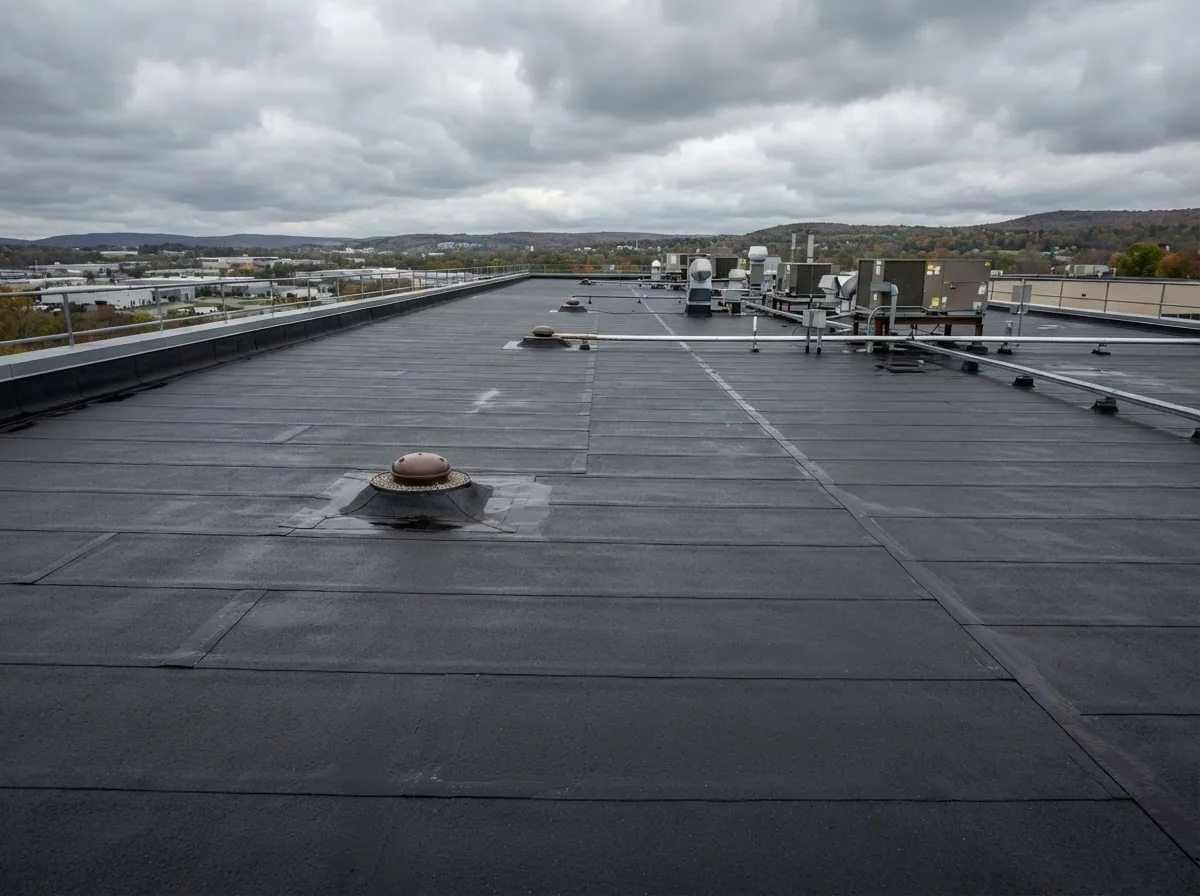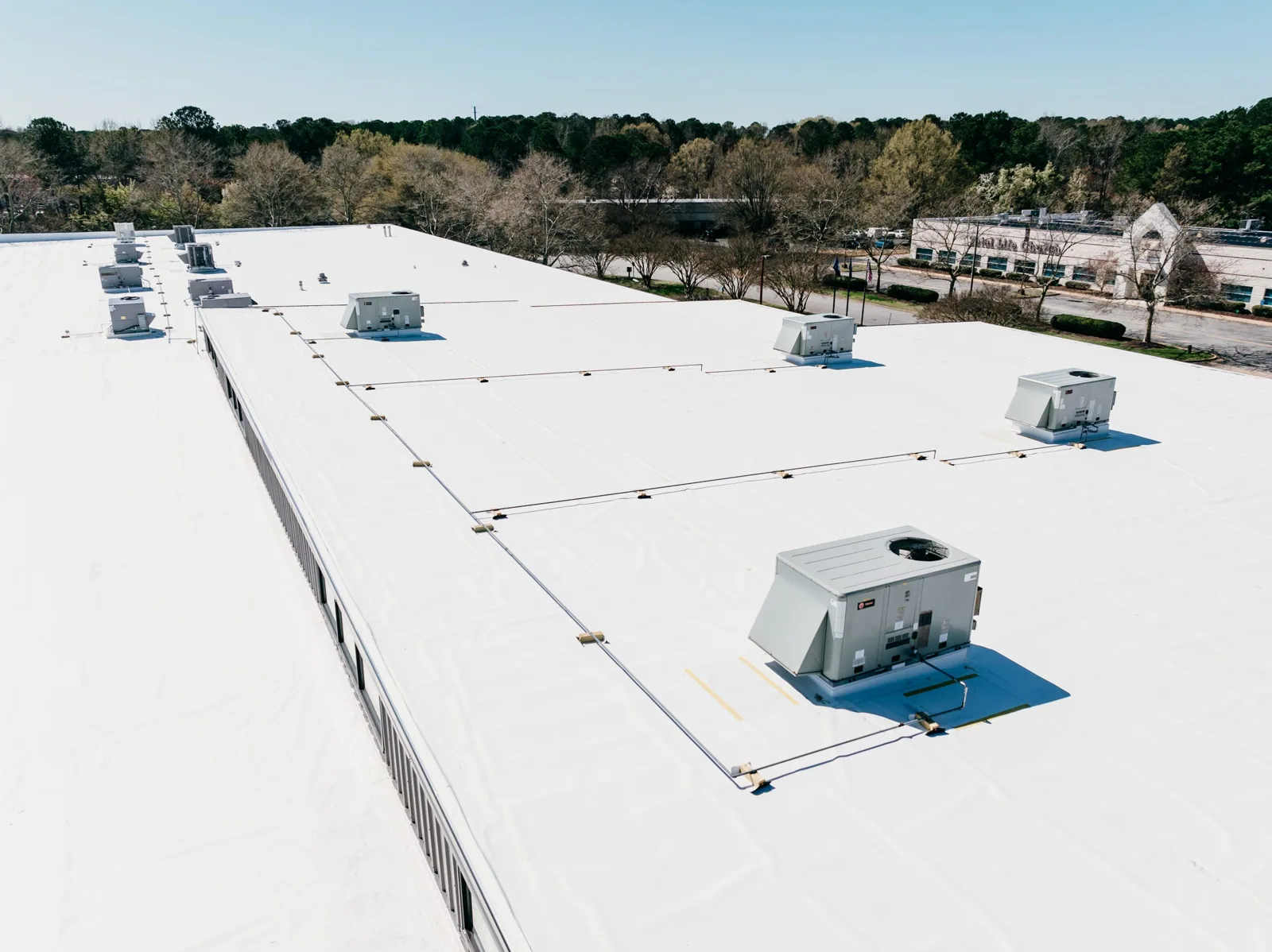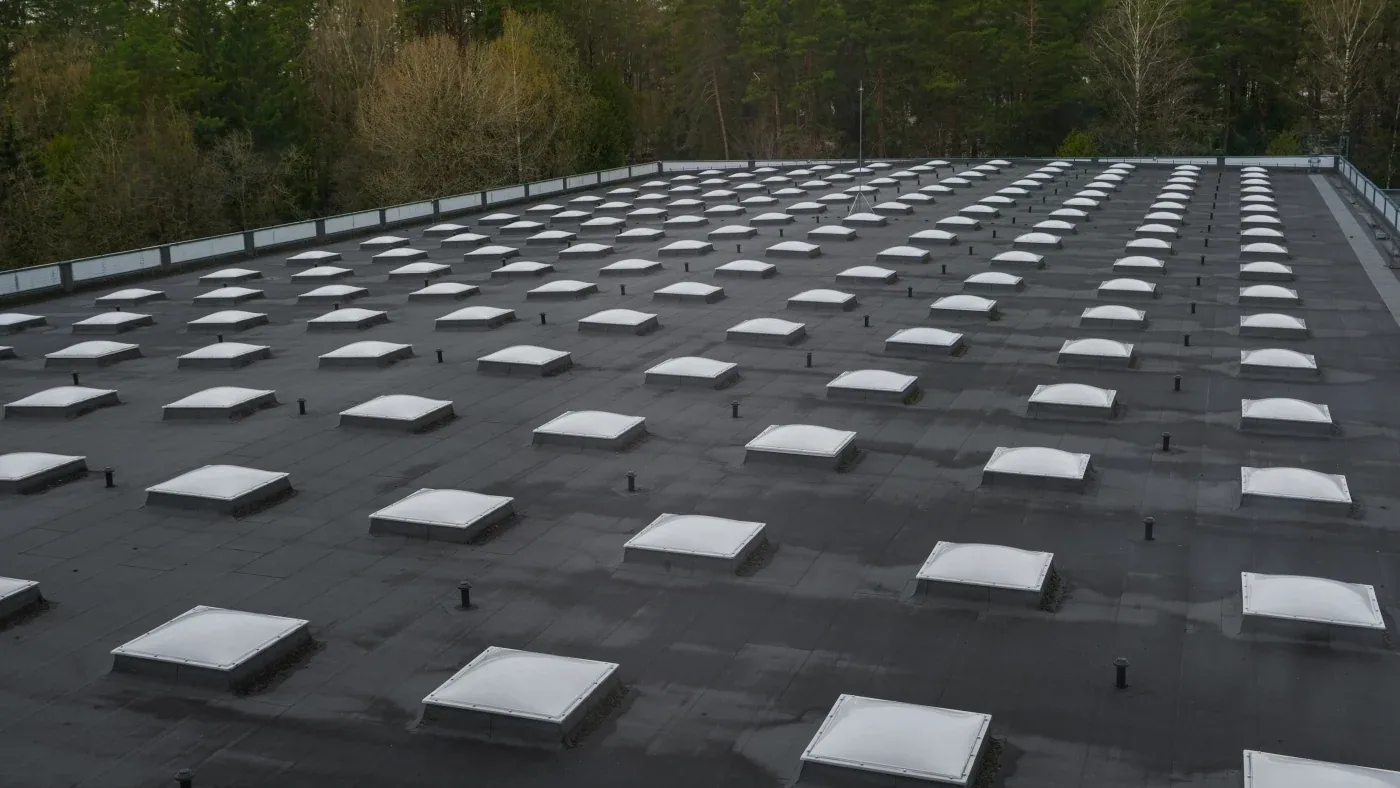
A modified bitumen roof is judged at the laps and transitions as much as across the field. We identify whether the assembly uses SBS or APP material, inspect the exposed surfaces, and review how many plies remain before setting a repair or replacement boundary. The available roof records and a test opening can settle layer count and substrate condition. Waterbury's older industrial land beside the Naugatuck River and its commercial corridors bring a mix of building operations, and the field survey identifies the roof on a particular parcel. It gives an asset manager a section map, photographs, and a cost comparison based on the actual assembly.
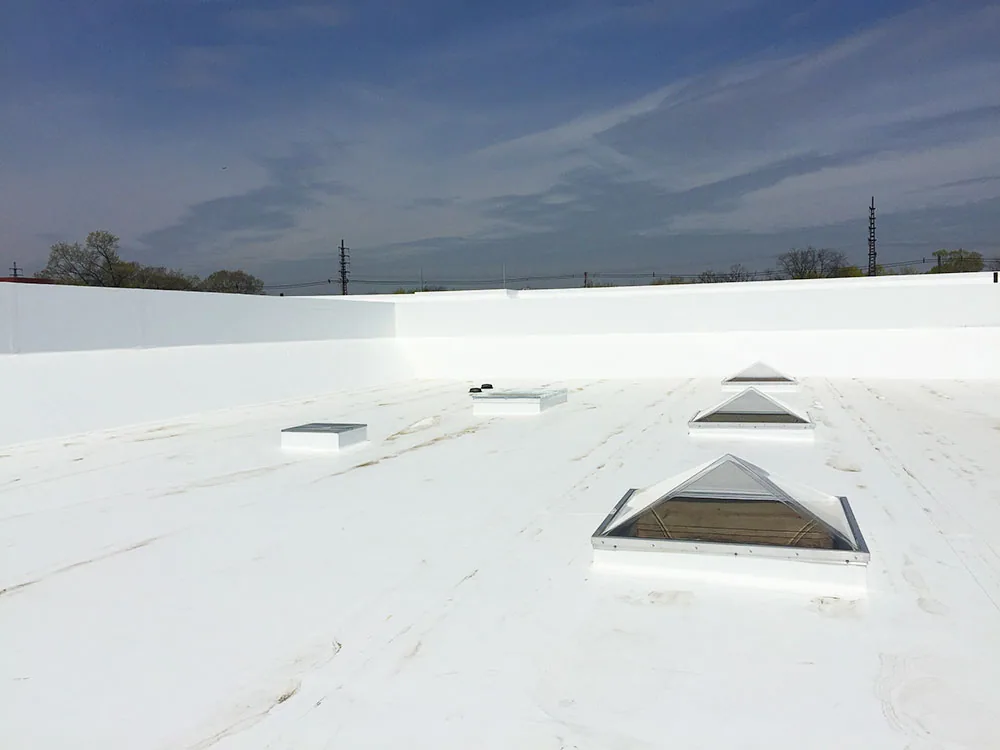
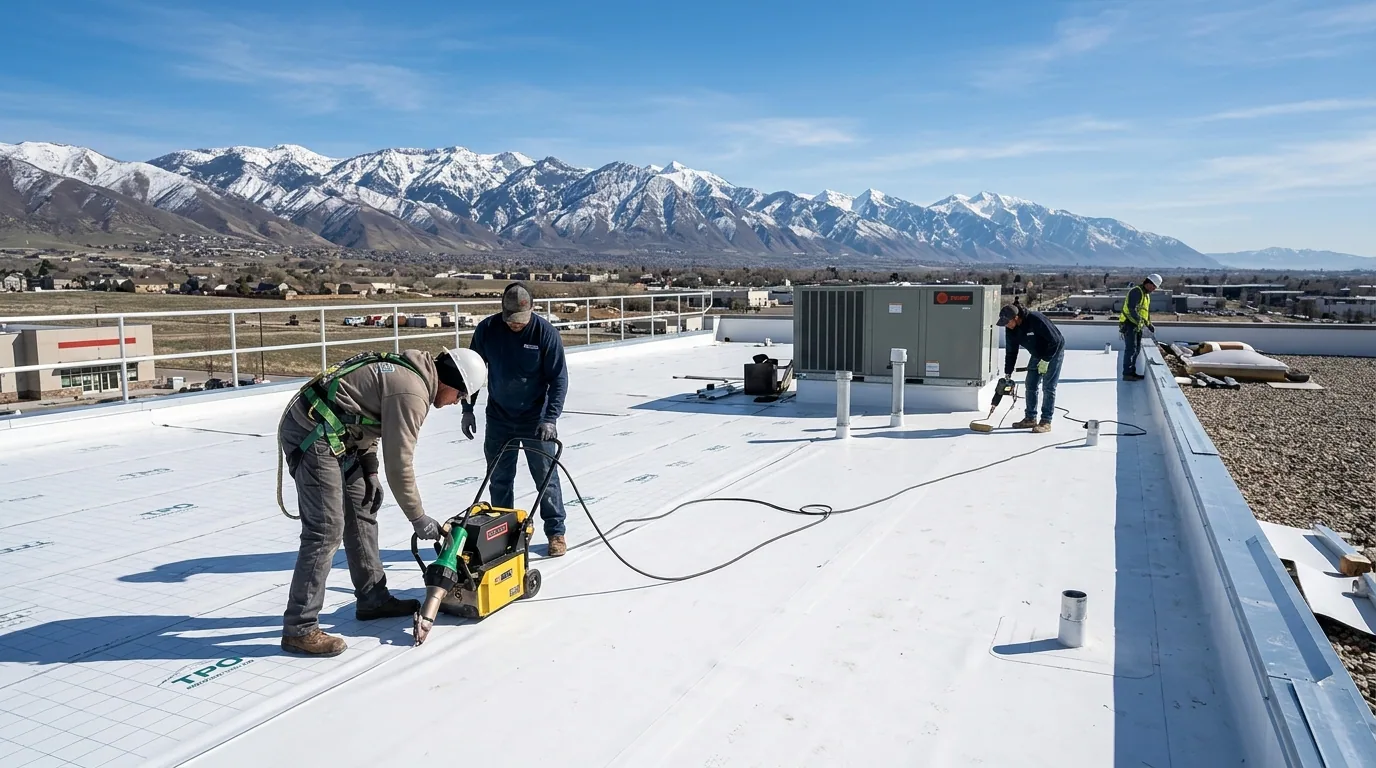
For some projects, a multi-ply roof remains the right repair path; others call for a single-ply system such as EPDM or TPO. A condition survey records the evidence before that comparison is priced.
Read the Existing Ply Assembly
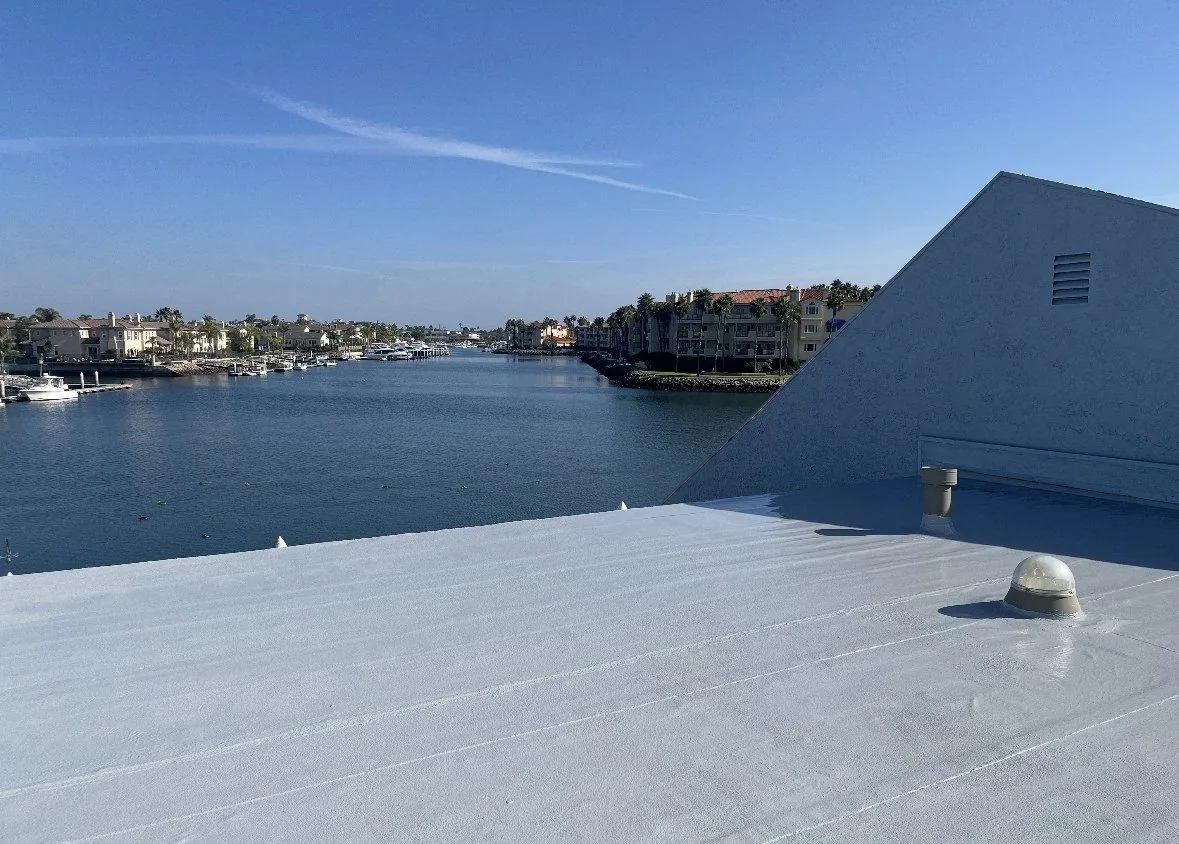
Modified bitumen is built from asphaltic sheets reinforced and surfaced for the selected system. SBS and APP formulations have different material characteristics and installation methods, so the product record matters when repairing or tying into existing work. We review roof plans, prior scopes, exposed edges, and repair areas to establish what layers are present. Where the edge is hidden or records conflict, a test cut can confirm the assembly instead of making the bid depend on an assumption.
At each opening, we photograph the top surface, plies, insulation, and deck condition visible in the sample. The report records the location and does not extend one sample's result across untested areas. If moisture is found, additional cuts can define how far it reaches and whether the affected insulation can be replaced locally. If the plies are dry but showing surface aging, repair, maintenance, or a new cap sheet may remain options. The insulation and cover-board review can document those layers as part of the same scope discussion.
Inspect Laps, Edges, and Penetrations
Water entry often follows an open lap, split flashing, exposed reinforcement, or termination that has loosened. We examine end laps and side laps, check whether surfacing has separated, and note repairs that overlap or conceal older damage. At a parapet or curb, the membrane must turn and terminate without leaving an exposed edge. At drains and scuppers, the roof sheet needs a secure connection around the opening. Those details belong on the roof map with photographs and measured limits.
Temperature movement, foot traffic, ponding, and prior repairs can affect different parts of the system, but the observed condition sets the recommendation. We do not price a full field replacement from one open seam without checking adjacent areas. If the repair boundary is local and the surrounding plies remain secure, the estimate can isolate that work. Where a pattern repeats, we identify the additional testing needed. A seam-failure assessment can record the joint conditions separately from the overall replacement decision.
Keep Water Moving Through the Winter Cycle
Waterbury's hazard plan describes winter storms across the city, including snow, ice, sleet, nor'easters, and blizzards, and identifies summer storms as well. These conditions inform scheduling and drainage review. We inspect the actual slope, outlets, scuppers, and edge conditions, then note where water has ponded or entered. When a drain detail is loose or blocked, that correction should be visible as its own line item instead of being buried in membrane work.
The municipal annex also cites a 5.54-inch NOAA Atlas 14 estimate for Waterbury's 24-hour rainfall with a 10 percent annual chance. It is a planning estimate, not a prediction for the next storm. For a modified bitumen project, we use it as a reason to discuss water management and a protected closure sequence. We confirm weather conditions each workday and agree on where temporary protection begins and ends. A drainage repair scope can account for outlets, while snow and ice damage documentation can record a specific event's visible effects.
Compare Repair, Overlay, and Removal
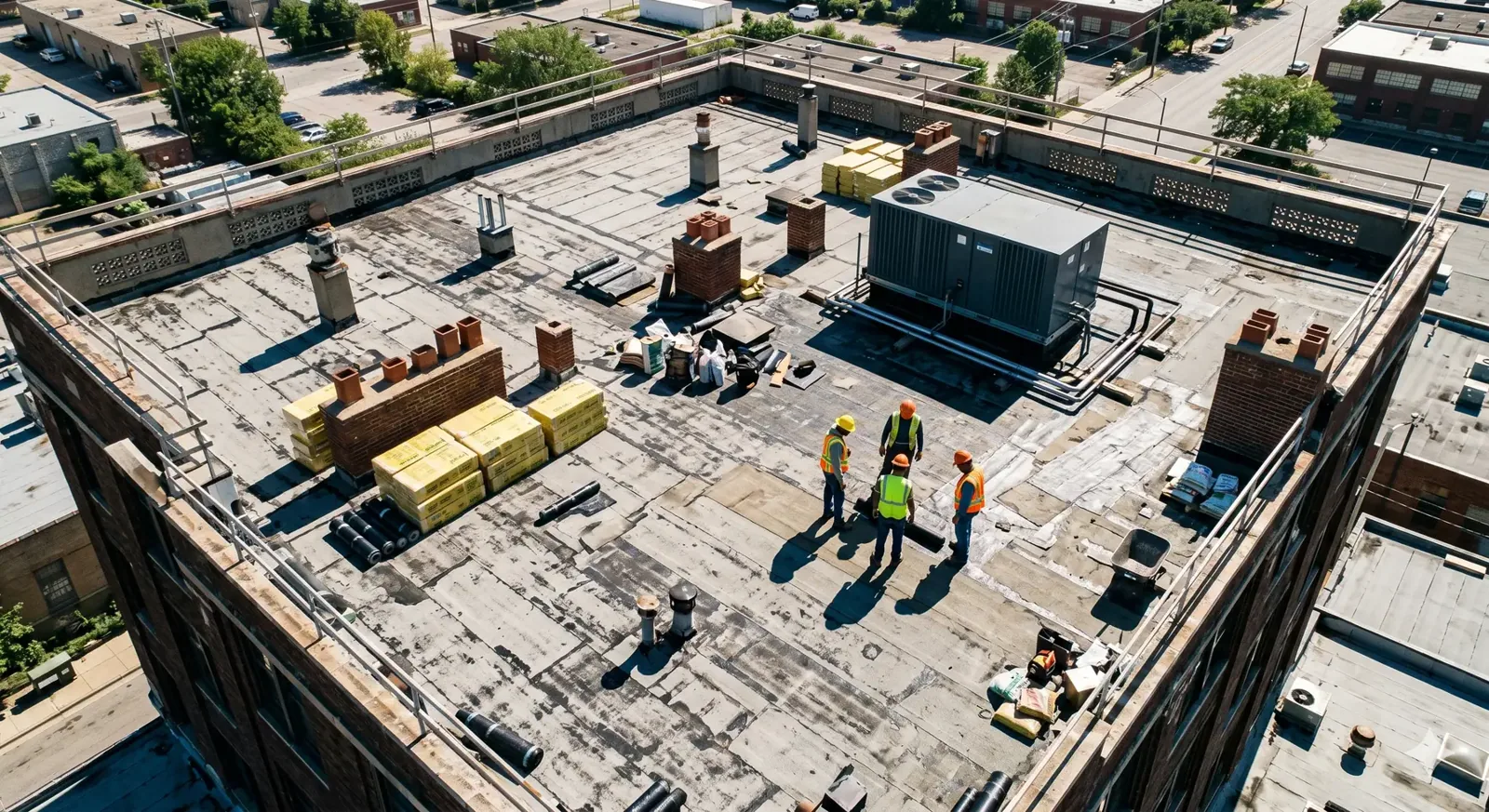
A repair can fit where damage is isolated and the remaining assembly is sound. An overlay or recover needs review of existing layers, attachment, moisture, roof height, and applicable requirements. Tear-off exposes the deck and allows replacement of wet insulation, but it adds removal, disposal, and temporary dry-in work. We price these paths with separate assumptions, define how much material each retains, and list the test or design review that could change the comparison.
For permit applications submitted from October 1, 2022 onward, Connecticut's 2022 state code uses the International Building and energy conservation editions published in 2021. We note the project filing date and coordinate the assembly review before a recover or replacement scope is treated as settled. The owner can compare a recover assessment with tear-off pricing and built-up roofing where a multi-ply alternative is under consideration. Each option should define insulation, cover board, perimeter metal, and deck allowances.
Set a Safe Application and Dry-In Sequence
Modified bitumen may be installed using system-specific methods that require different controls, surface preparation, and weather conditions. We state the selected method in the submittal and plan each roof section around material staging, ventilation or ignition controls where relevant, access, and building operations. The schedule shows when removal begins, when the substrate is ready, and how the crew closes the area before leaving. Inspection points for laps and flashings should occur while they remain accessible.
Waterbury's downtown sits near the I-84 and Route 8 junction, with mixed-use corridors on South Main and East Main. If deliveries or work hours are restricted at the property, the foreman needs those rules before material reaches the roof. We coordinate tenant communications, equipment access, and protection below the work zone with the site contact. When work is phased, completed areas receive a clear closeout record and remaining sections stay on a dated schedule. A phased installation plan can show that sequencing alongside the roof-specific detail list.
Record the System for the Next Budget Review
At completion, the owner should receive the installed system identification, roof sections completed, repair and flashing locations, inspection notes, and photographs of closeout details. We record any substrate change or allowance used, along with areas excluded from the work. Maintenance notes can identify laps or drains to review on a future visit. This record helps the next capital plan distinguish a repaired section from an older assembly that remains in service.
Cost depends on ply count, surfacing removal, wet insulation, deck work, access, disposal, edge metal, drainage, and the chosen application method. We separate those quantities from concealed conditions and explain what evidence controls each allowance. For a Waterbury asset, the project file should hold the permit date, access rules, weather stops, and photos with the final scope. A local roof assessment can begin with existing plans and repair records, then map the test locations before an estimate is prepared.
Commercial Roofing Questions
How can I tell whether the roof is SBS or APP modified bitumen?
We review submittals, repair records, exposed sheet markings, and system details. If those do not identify the assembly, a controlled sample may be needed. The report records what was confirmed and avoids selecting repair materials from an uncertain product name.
When is a modified bitumen roof a recover candidate?
The existing layers must be dry and sufficiently attached, with deck condition, roof height, and the proposed assembly reviewed for the project. We use test cuts to establish what remains concealed and show which areas still need evidence before a recover quantity is approved.
Can an open lap be repaired without replacing the whole roof?
Yes, when inspection shows the damage is localized and adjacent plies, flashing, and substrate remain serviceable. We document the repair limits and expand testing if similar failures recur or moisture extends beyond the visible opening.
What affects modified bitumen installation timing in Waterbury?
The selected application method, surface temperature, precipitation, access, staging, and dry-in boundary affect the sequence. Waterbury's hazard plan includes winter and summer storms, so we plan weather checks and protected daily closure points around the actual roof section.
What details should the final modified bitumen estimate show?
It should list ply removal or retention, insulation, cover board, membrane, flashing, edge metal, drains, access, and deck allowances. We separate quantities from uncertain conditions and identify the records and inspection points the owner will receive at closeout.
Set the Modified Bitumen Scope by Ply
Share the roof records, repair history, access rules, and permit window. We will identify the assembly, map lap and flashing conditions, and compare repair, recover, and tear-off with a documented boundary.