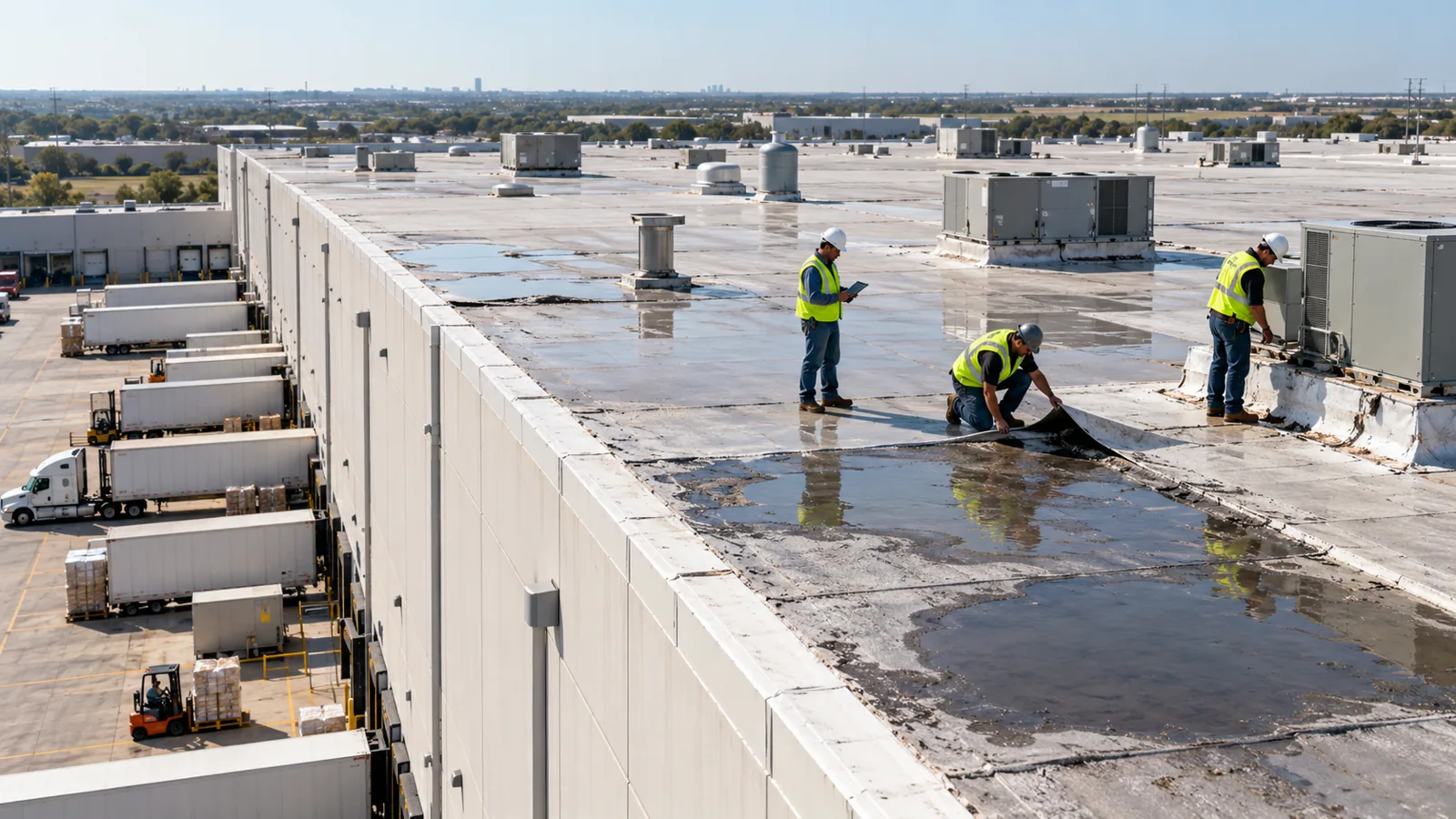
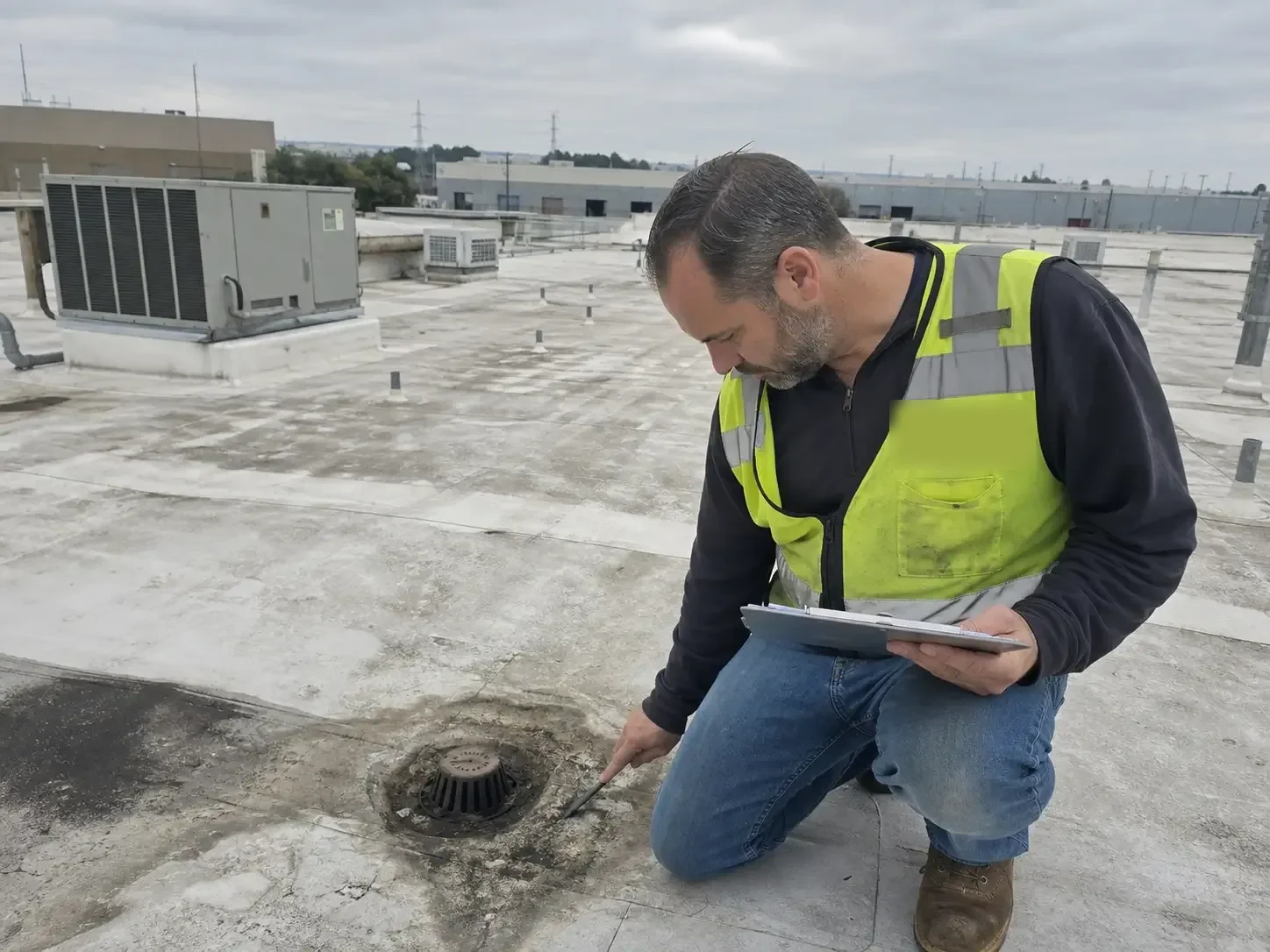
A portfolio roof decision is a capital allocation question before it becomes a construction schedule. An investor needs to know which asset has a confirmed leak path, which roof could support a recover, and which condition requires replacement pricing before the next funding window. In Waterbury, downtown properties, river-adjacent industrial parcels, and assets along mixed-use neighborhood routes sit within the same portfolio market. That variety calls for comparable records, not one portfolio-wide age assumption. We inspect each roof section, separate observed deficiencies from open questions, and give the owner a sequence for repair, testing, or larger work that can be evaluated beside the property's operating plan.
Compare assets on a consistent basis
Start with one row per building and one map per roof. Carry forward the assembly, known repairs, drain layout, access limits, leak history, and next capital review date. If the portfolio includes a downtown mixed-use property and an industrial building, do not assume their assemblies or risk are alike; use the same inspection categories while keeping each condition record distinct. A capital committee can then compare urgency, evidence, and disruption without hiding important differences behind a single portfolio score.
For each asset, separate three kinds of exposure: active water entry, deterioration that could change scope, and maintenance work that can be scheduled later. Record whether an observation was confirmed from the roof surface, visible from the interior, or needs a test. This distinction supports underwriting, hold-versus-invest decisions, and acquisition review without implying certainty that inspection did not produce. Property management teams can keep this same record aligned with tenant notices, service tickets, and vendor access instructions.
Turn diligence into a scoped finding
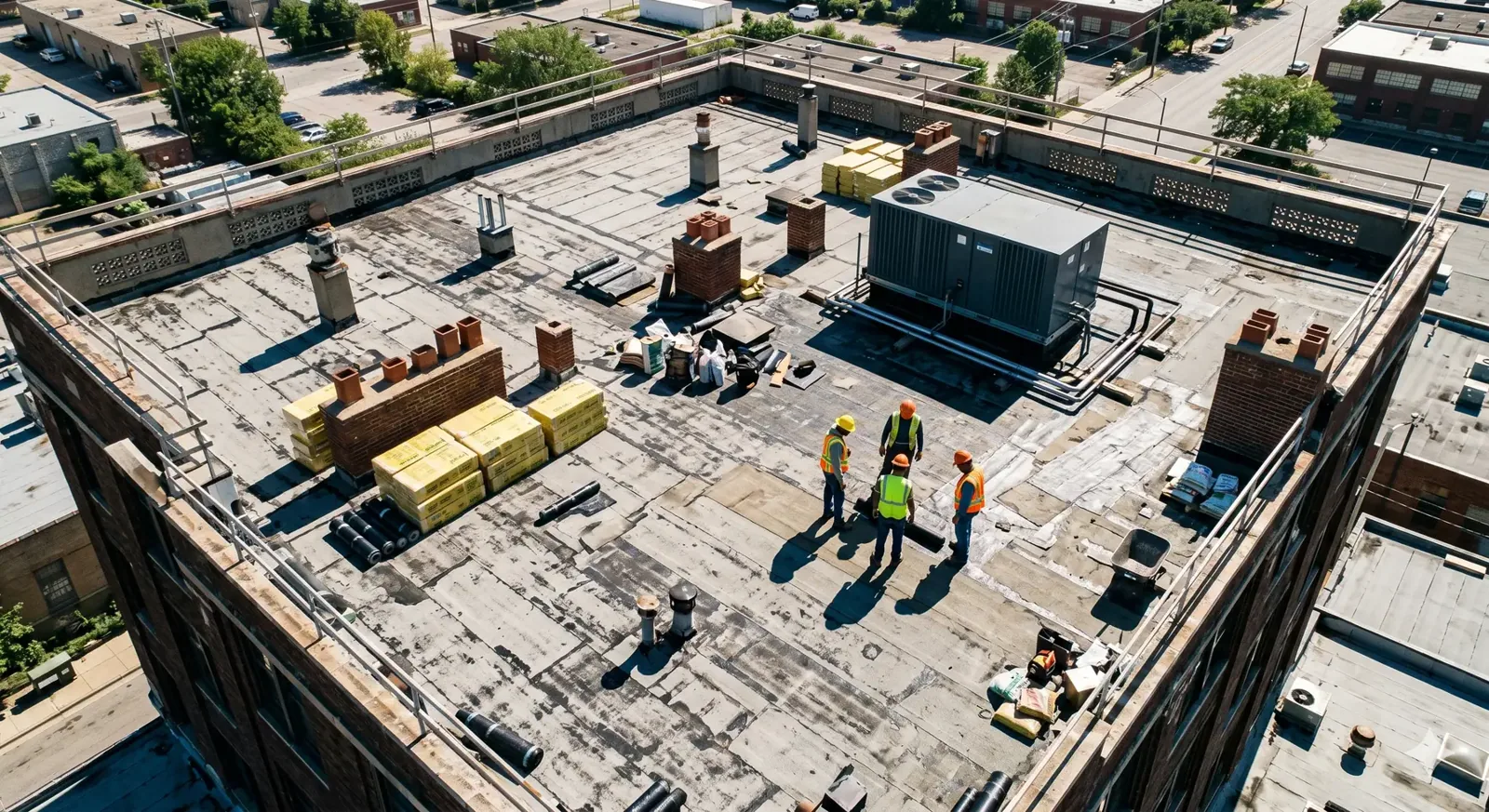
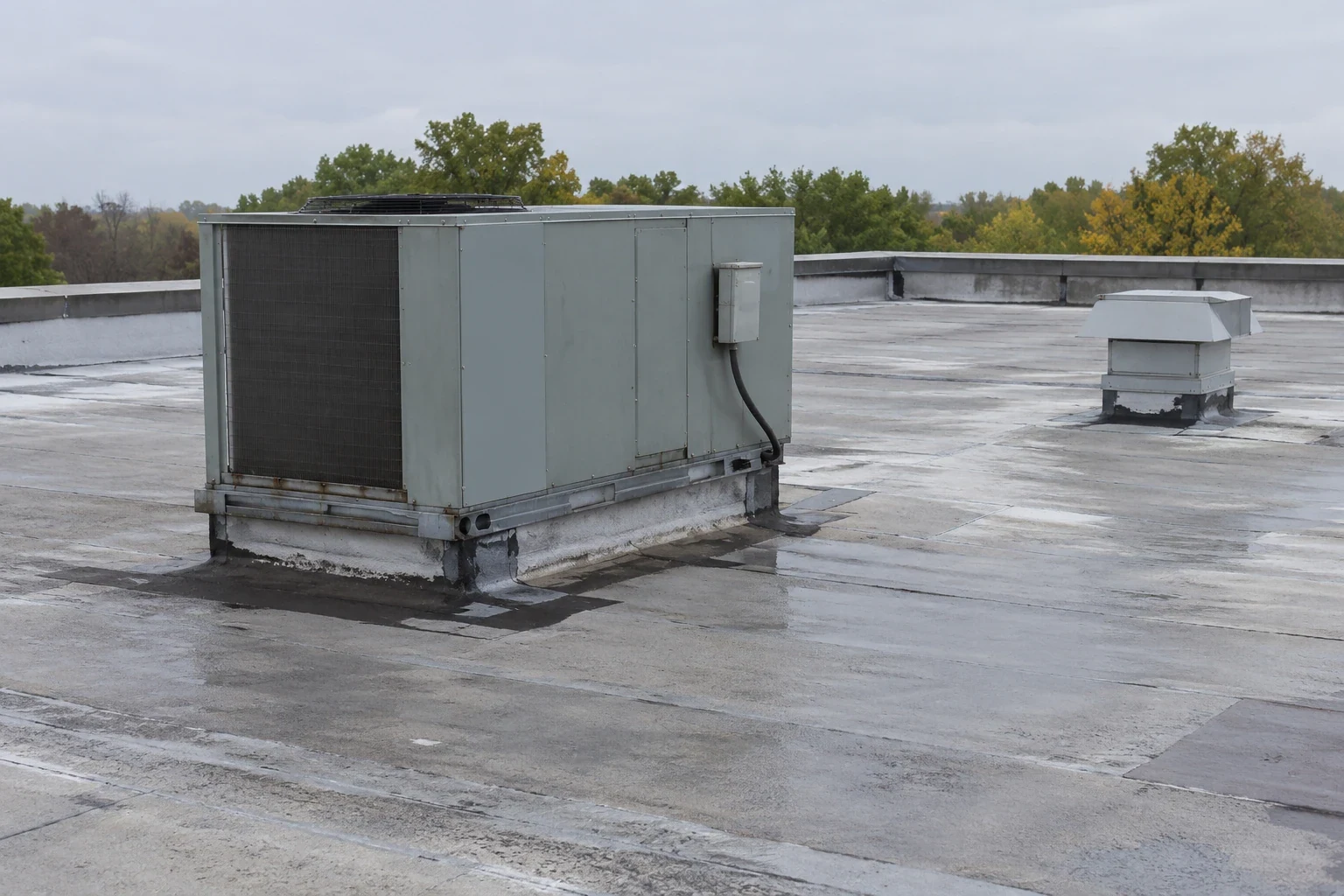
A diligence walk should identify what would change the price or timing. We check seams, flashings, curbs, penetrations, edge metal, drainage, roof-to-wall transitions, and prior repair boundaries, then connect observations to the affected section on a roof plan. Interior staining can guide the search, but water may travel beneath the membrane before appearing below. The written finding should say what was reached, what was visible, and where a test cut or moisture survey could answer a remaining assembly question.
For an acquisition, distinguish seller records from conditions confirmed during the visit. Note access limits, sample locations, and any area that could not be inspected. If the prospective owner needs a cost allowance, define the work that is supported now and list the unknowns that could expand it. A commercial roof inspection gives the asset team dated photos and an evidence trail to compare with maintenance records, reserves, and planned ownership periods.
Read Waterbury’s property mix without generalizing
Waterbury's central district brings together civic work, banking, health care, and higher education. Older industrial land follows the Naugatuck River, another industrial area sits in the southeast, and the city has industrial parks at Reidville, Brookside, and Waterbury Industrial Commons. An investor comparing these locations may face different loading patterns, access windows, tenant schedules, and rooftop service conflicts. Those are reasons to evaluate each asset on its own roof evidence, not to assume one building's condition or use describes another nearby property.
Waterbury's downtown lies near where I-84 and Route 8 meet, among industrial and mixed-use districts. East Main and Willow Street are two of the city's mixed-use routes, where retail and services sit alongside housing and civic activity. These locations help frame access planning; the roof recommendation still follows the building's assembly and observed condition. For properties with operations around the industrial parks, manufacturing facility teams may need a different staging and shutdown conversation than a small downtown tenant building. Keep those scheduling differences visible in the investment memo.
Separate repair, recover, and replacement cases
A repair case should end at a visible or tested boundary. Identify the defect, adjacent material that remains in service, and conditions the owner should monitor after work. A recover alternative requires a separate review of existing layers, moisture, attachment, drainage height, perimeter details, and added system load. Replacement becomes a stronger candidate when deterioration crosses roof sections, wet insulation is confirmed across a broad area, or earlier repairs no longer create a dependable stopping point. None of these alternatives follows from building age alone.
Present scope alternatives on a common basis: removal depth, likely deck work, insulation, edge-metal replacement, disposal, access equipment, protection below, and sequencing assumptions. If a test could change the recommendation, show the test as a decision gate instead of burying it in a contingency. A defined stabilization can preserve the option to defer larger capital work while the owner evaluates performance and remaining hold period. For a confirmed defect, a bounded roof repair should state the repaired section and what it leaves for future review.
Stage approvals against the funding window
Capex timing improves when the estimate shows what must happen now and what can wait for another approval cycle. Separate immediate water-entry work, investigation that could reset the replacement line, and preventive items that can be bundled with planned mobilization. State the lead time for samples, material selection, permitting, and access coordination where they affect the schedule. A decision memo should list the approval date that protects the intended dry-in window and explain how a delay changes exposure or cost.
Waterbury is a developed regional center where banking and other financial activity are part of the local economy. Investors may evaluate properties with different lease terms and financing milestones; the roof record can make its capital needs easier to compare without turning an inspection into a valuation promise. A roof capital plan can organize documented conditions into near-term, test-dependent, and deferred work, while preserving the field observations behind each allowance. Keep tenant impacts and building cash-flow assumptions in separate lines of the ownership analysis.
Protect occupancy while work moves by section
Before a crew mobilizes, confirm who controls the roof, what access route is approved, where equipment can stage, and which tenant areas need notice or interior protection. For a multi-tenant building, assign a contact for each work zone and identify who can approve a concealed-condition change. On an industrial property, the sequence may also depend on delivery paths or production hours. A phasing plan should give each area a start condition, an end-of-day dry-in point, and a handoff that occupants can understand.
Waterbury has passenger rail on the Metro-North Waterbury Branch, while Conrail provides freight service in the city. Properties near rail and industrial uses can have distinct movement and delivery constraints. Confirm actual site access rather than inferring it from proximity. When the roof project requires occupied-space phasing, occupied-building reroofing can define work boundaries and protection by section. For asset owners serving the local market, commercial roofing in Waterbury starts with the roof plan, open conditions, contact chain, and requested funding date.
Commercial Roofing Questions
What should an investor request before acquiring a commercial building?
Ask for roof plans, inspection reports, invoices, leak history, warranties, access notes, and any open claim or permit records. A current roof inspection can then distinguish documents from conditions confirmed in the field.
How do you rank several roofs across a portfolio?
Compare active leaks, moisture evidence, repair boundaries, drainage, access and tenant impact, then identify which unknowns require testing. Keep the resulting actions tied to each individual property.
When is a recover option worth evaluating?
Consider it only after checking moisture, existing layers, attachment, drainage height, edges, and load. If those conditions are unknown, targeted testing may change whether recovery is suitable.
Can you phase work across occupied properties?
Yes. The estimate can divide work by roof section, define staging and protection, and identify access notices and dry-in checkpoints for each phase.
What belongs in an investor-ready roof report?
A marked roof plan, dated photos, observed conditions, test results, access limits, scope alternatives, allowances, and a review date make the capital decision traceable.
Put roof evidence into the capital decision
Send the roof plans, inspection history, tenant access rules, and funding window. We will document confirmed conditions, test-dependent questions, and comparable repair, recover, or replacement scopes.