A campus roof budget can split across several buildings, but the replacement line still needs evidence by roof section. We map each assembly, inspect drains and equipment curbs, and identify where tests could change repair, recover, or tear-off quantities. Waterbury's downtown brings higher-education uses into a compact civic and business core near the I-84 and Route 8 junction. That setting makes access and class schedules relevant to the project calendar, while each building's roof records control the technical recommendation. The facilities team receives a report that separates urgent details from planned capital work, with photos and allowances tied to the inspected areas.
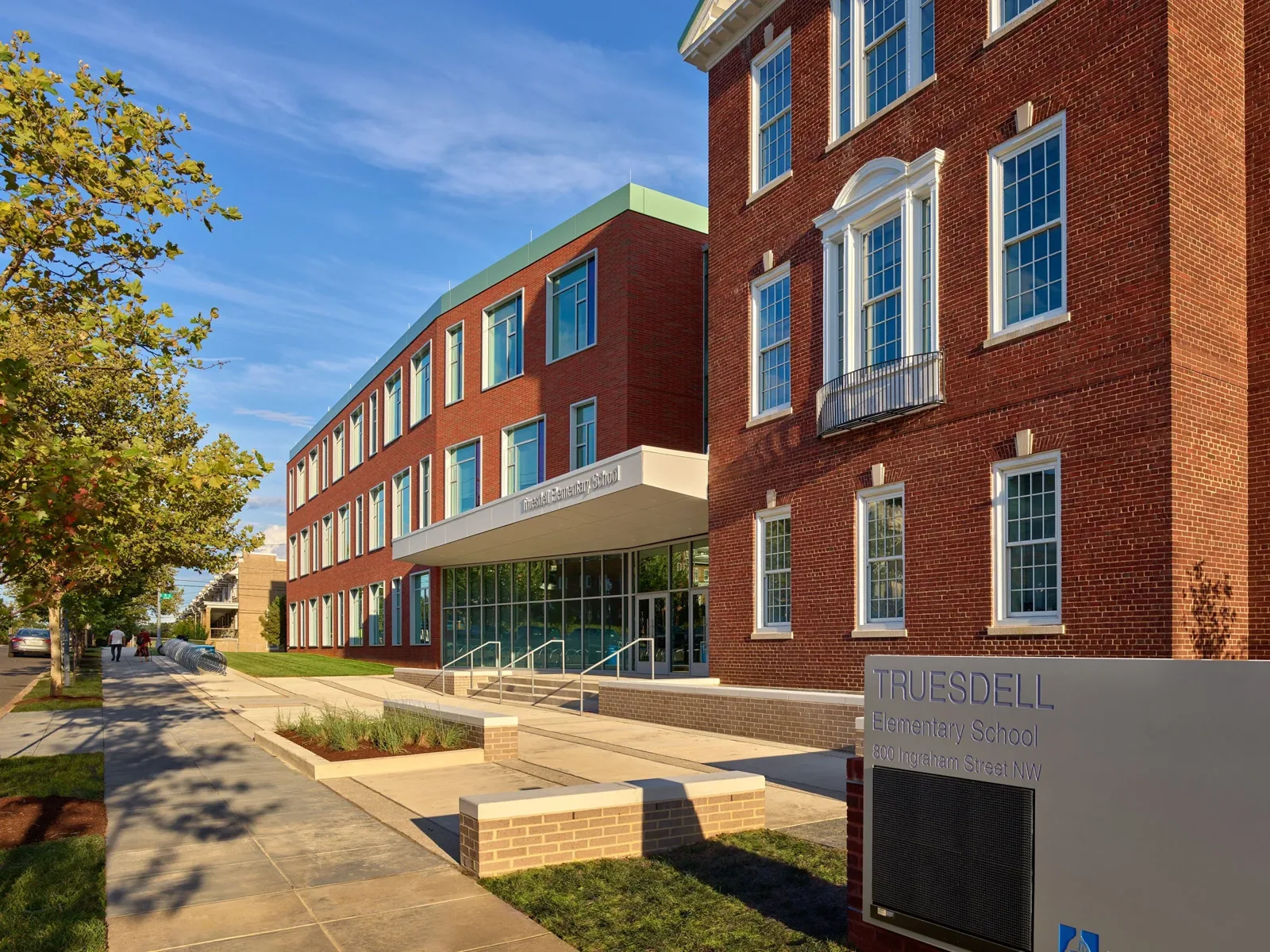
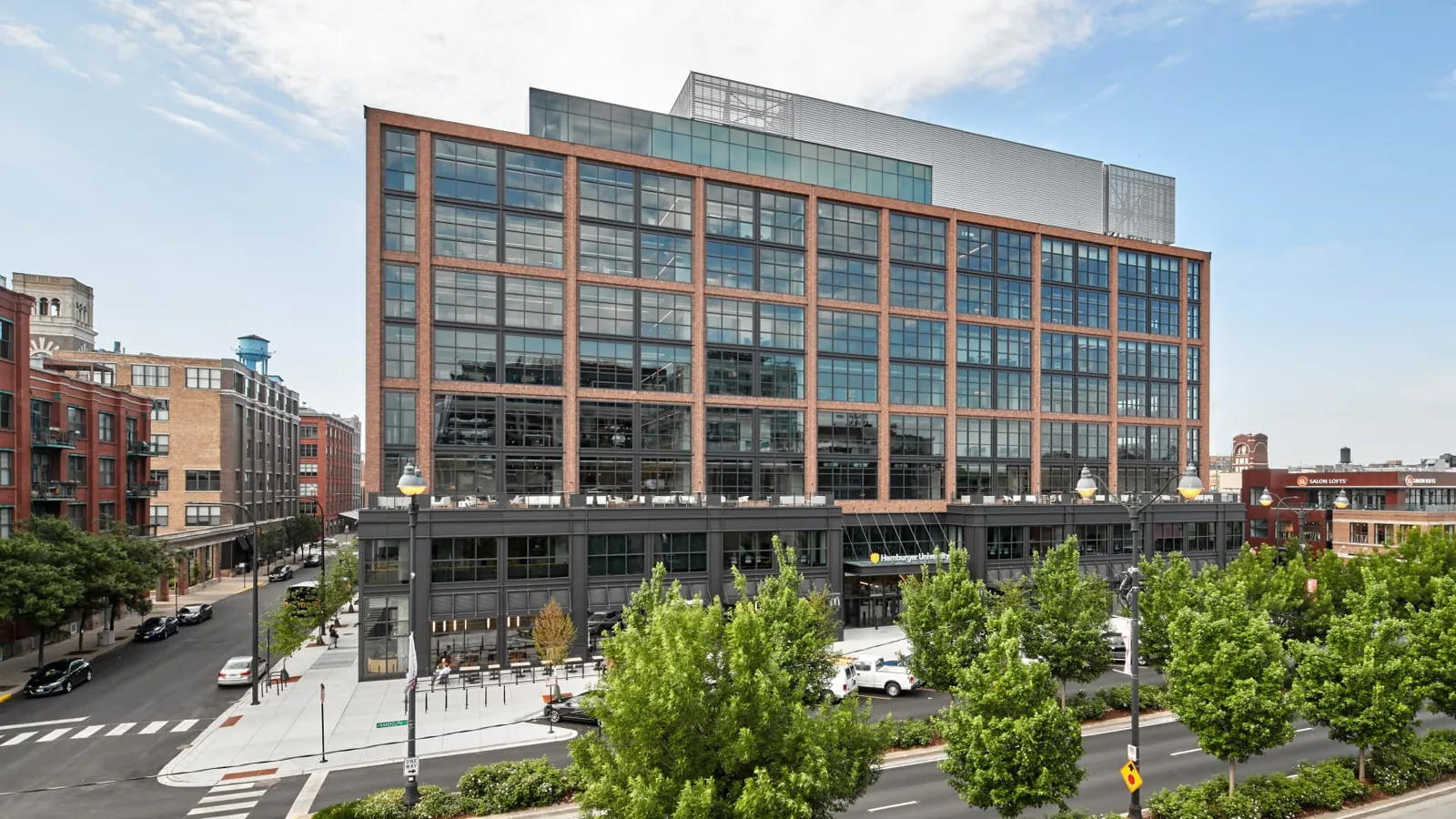
Academic buildings may have different operating hours, roof access rules, and equipment demands across the same property portfolio. A roof condition survey can establish a baseline by section. Lecture buildings borrow some questions from K-12 schools and administrative wings borrow others from office buildings, and where those questions overlap on one roof we decide them separately.

Build a Roof Record Across Buildings
The portfolio review starts with roof plans, prior repairs, leak history, equipment locations, and any known access restrictions. We assign a consistent name to each building and roof section, then record system type, visible condition, drainage, and areas not inspected. Consistent labels make it possible to compare findings without assuming that similar-looking roofs share age, assembly, or condition. If drawings are incomplete, we note the missing details and identify which inspection would settle each uncertainty.
For a manager responsible for lecture rooms, offices, dining areas, laboratories, libraries, or athletic spaces, the use below changes the protection and sequencing plan. We confirm which rooms can be closed, when deliveries are allowed, and what equipment needs continuous service. Those operational details belong beside the roof finding rather than in a generic note. A capital planning review can group verified repairs, tests, and replacement needs by fiscal period while preserving the evidence for each building.
Coordinate Mechanical Equipment and Roof Access
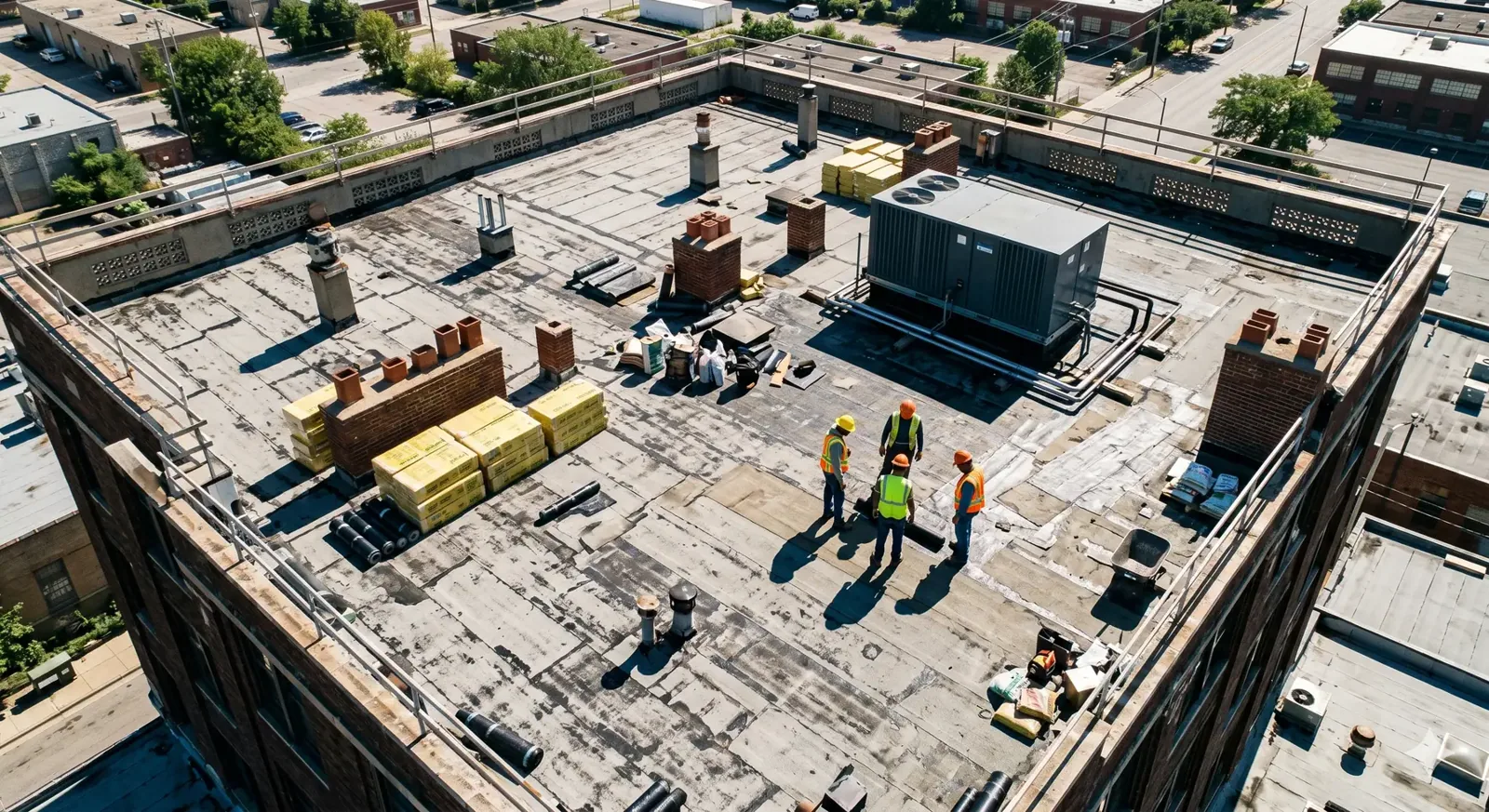
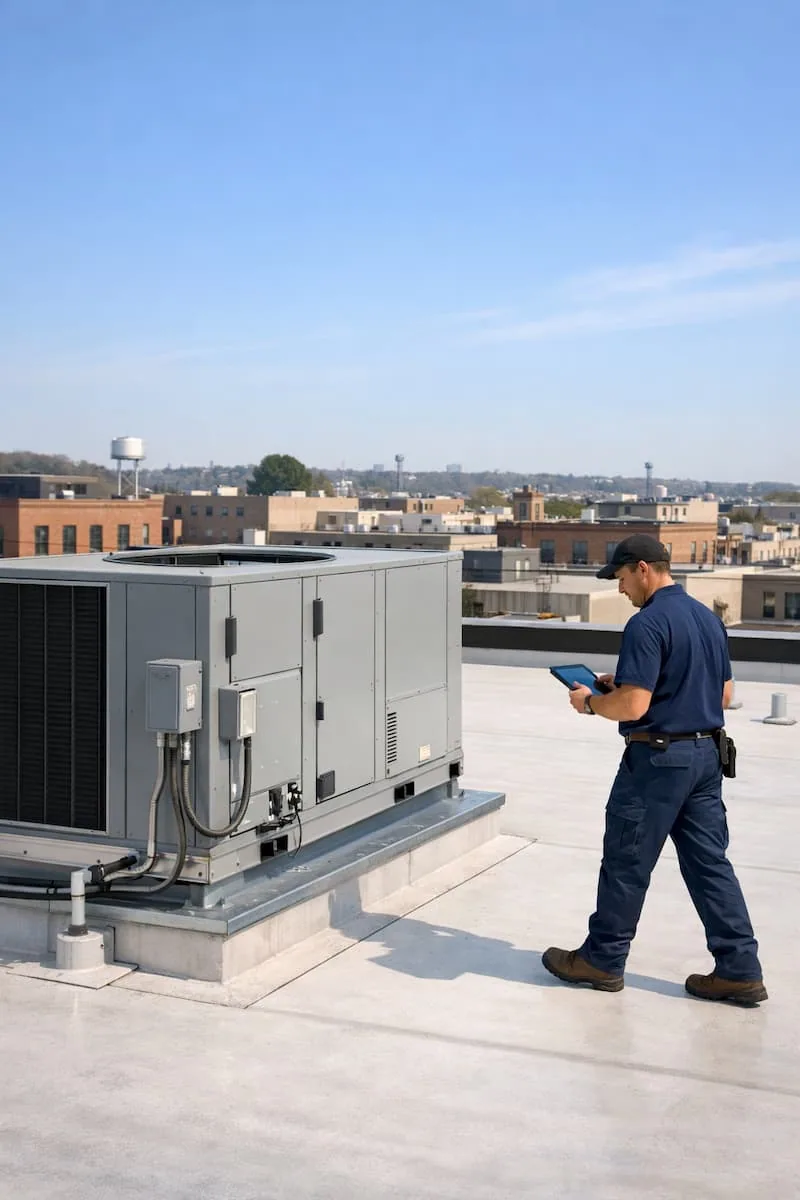
Rooftop units, exhaust fans, conduit, and service routes can make a campus roof difficult to inspect and phase. We identify equipment that must remain in operation, curbs that need new flashing, and access lanes that should stay clear during material handling. Where a unit must move or shut down, the facilities lead coordinates the trade and the estimate names that dependency. The roof sequence records how the crew will protect openings while equipment work crosses an active section.
Waterbury's downtown combines civic, financial, health-care, and higher-education uses. That local mix is a reason to plan site coordination carefully, not to assume any building's equipment or condition. Near the city's central junction, traffic and loading rules can also affect delivery windows. A curb and support survey can inventory the transitions, while a phased work plan can align roof closures with class schedules, events, or term breaks.
Separate Visible Wear from Concealed Moisture
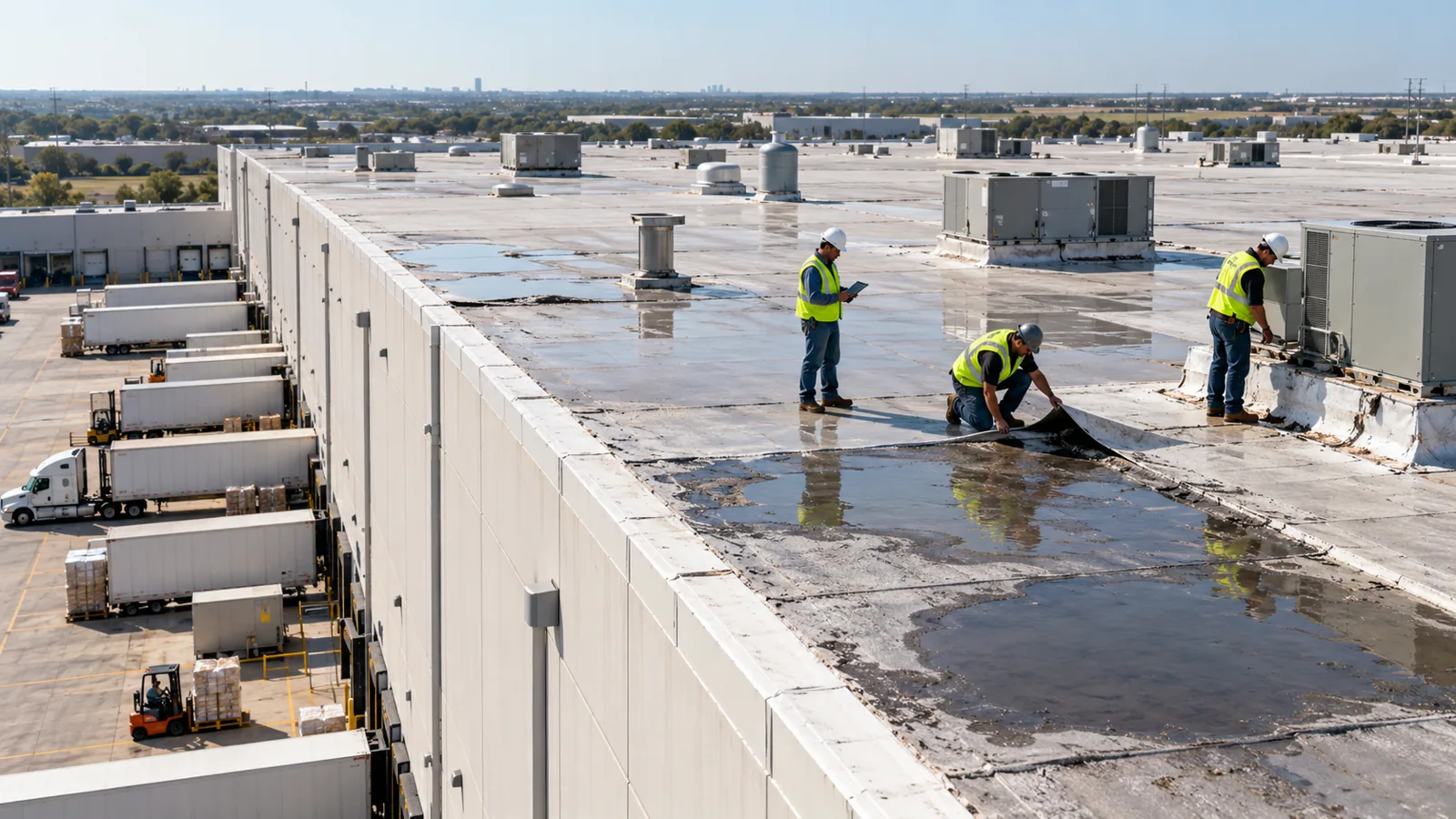
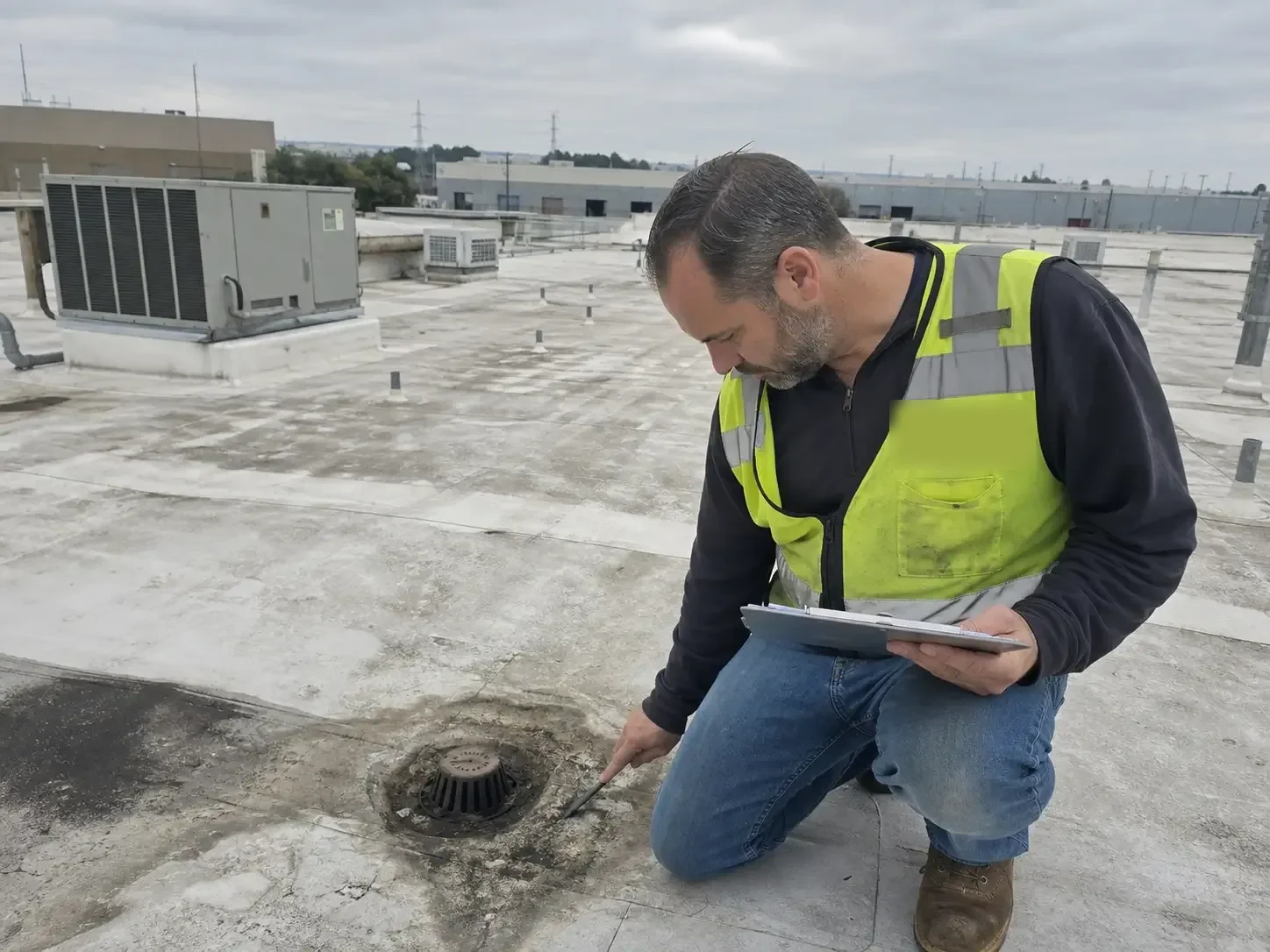
A campus leak report can point to a room, but the water may travel before it reaches the ceiling. We inspect the roof section overhead and nearby seams, penetrations, drains, and equipment curbs. Moisture scanning can direct test cuts where the assembly may be wet, and each opening can confirm layer count, insulation, and deck condition at that point. We note which areas were tested and which remain unknown so a portfolio summary does not overstate what one sample proves.
Waterbury's hazard plan lists winter storms citywide, including snow, ice, sleet, nor'easters, and blizzard conditions, and it identifies summer storms. For campus planning, those events make drainage and temporary protection useful review topics. The building survey still determines whether a seam has opened, water has ponded, or insulation is wet. A moisture survey can help find candidate areas, and a drain inspection can record outlets and overflow routes before an assembly choice is made.
Price Repair, Recover, and Replacement Separately
A localized repair can fit when surrounding membrane, attachment, and insulation remain serviceable. Recover requires confirmation that existing layers are dry and secure, with roof height, attachment, and project-specific code review. Replacement may be needed where test results show wet insulation, poor attachment, or a damaged deck. We compare the options with clear section boundaries, quantities, and a statement of what each scope leaves in place.
Connecticut's 2022 code framework applies to permit filings from October 1, 2022 onward and uses 2021 international editions for building and energy requirements. The property team should capture the permit date and schedule any required design review before a recover is treated as an approved path. Cost drivers include roof area, equipment transitions, insulation, edge work, staging, interior protection, and the number of separate mobilizations. The estimate separates concealed-condition allowances from measured work so a change in one building does not obscure the budget for the rest of the portfolio.
Schedule Work Around Academic Operations
Summer terms, exams, move-in, events, and research operations can create overlapping schedule limits. We set the work sequence with the facilities contact, identify no-access dates, and split roof areas into closures that can be protected at the end of each shift. Material deliveries, crane work, temporary noise, and classroom protection are placed on the schedule. If weather or concealed damage changes the plan, the owner sees which area is affected and what new decision is required.
Waterbury's mixed-use corridors include East Main, North Main, South Main, Highland Avenue, and Willow Street. We coordinate delivery routes, escorts if required by the owner, emergency paths, and access to rooftop equipment before mobilization. Residence halls resemble apartment buildings in sequencing, since occupied interiors need continuous protection. We document each phase's dry-in date and closeout photographs before releasing the area back to normal operations.
Keep Findings Ready for the Next Capital Cycle
After work, the portfolio file should contain the approved scope, roof section map, test findings, repairs, materials, permit record, and photos of completed details. We list exclusions and the maintenance items that remain open. Each building gets its own closeout record, while a summary can show which sections are repaired, monitored, or awaiting a larger project. That keeps a later budget meeting from treating every roof as if it had the same condition.
For a Waterbury portfolio, access procedures, equipment contacts, and the academic schedule travel with the roof plans and repair history. The facilities manager can then compare next steps against term dates and planned capital windows. A Waterbury roof assessment can begin with those records and identify the inspections needed before procurement. The written report should make the next decision clear: repair a defined detail, test a concealed area, or prepare a replacement scope.
Commercial Roofing Questions
How should a college prioritize several roofs at once?
We label each building and roof section, then sort findings by active water, safety or access concern, moisture evidence, and the capital work needed. The summary keeps tested conditions separate from assumptions and shows what could move each project forward.
Can roof work continue during the academic term?
Some work can be phased during operations if access, noise, deliveries, and interior protection are planned with facilities staff. We set closure points and dates when a roof area must be ready for normal building use.
What should be done before a test cut is approved?
We identify the question the opening will answer, mark its location, and explain how the result could change recover or replacement pricing. The facilities team can coordinate room protection and approve the sample area before the roof is opened.
How do Waterbury storms affect campus roof planning?
The municipal hazard plan includes winter storms and summer storms as city exposures. We account for those conditions in drainage review and seasonal sequencing, then use the roof findings and actual forecast to set each work period.
What belongs in a campus roof closeout package?
The package holds the section map, test results, repair locations, materials, permit information, exclusions, and closeout photos by building. We also state which maintenance items remain and what inspection should happen before the next capital decision.
Set the Campus Roof Capital Sequence
Provide building roof plans, leak and repair records, equipment contacts, access procedures, and the academic calendar. We will map findings by section and compare repair, recover, and replacement with documented allowances.