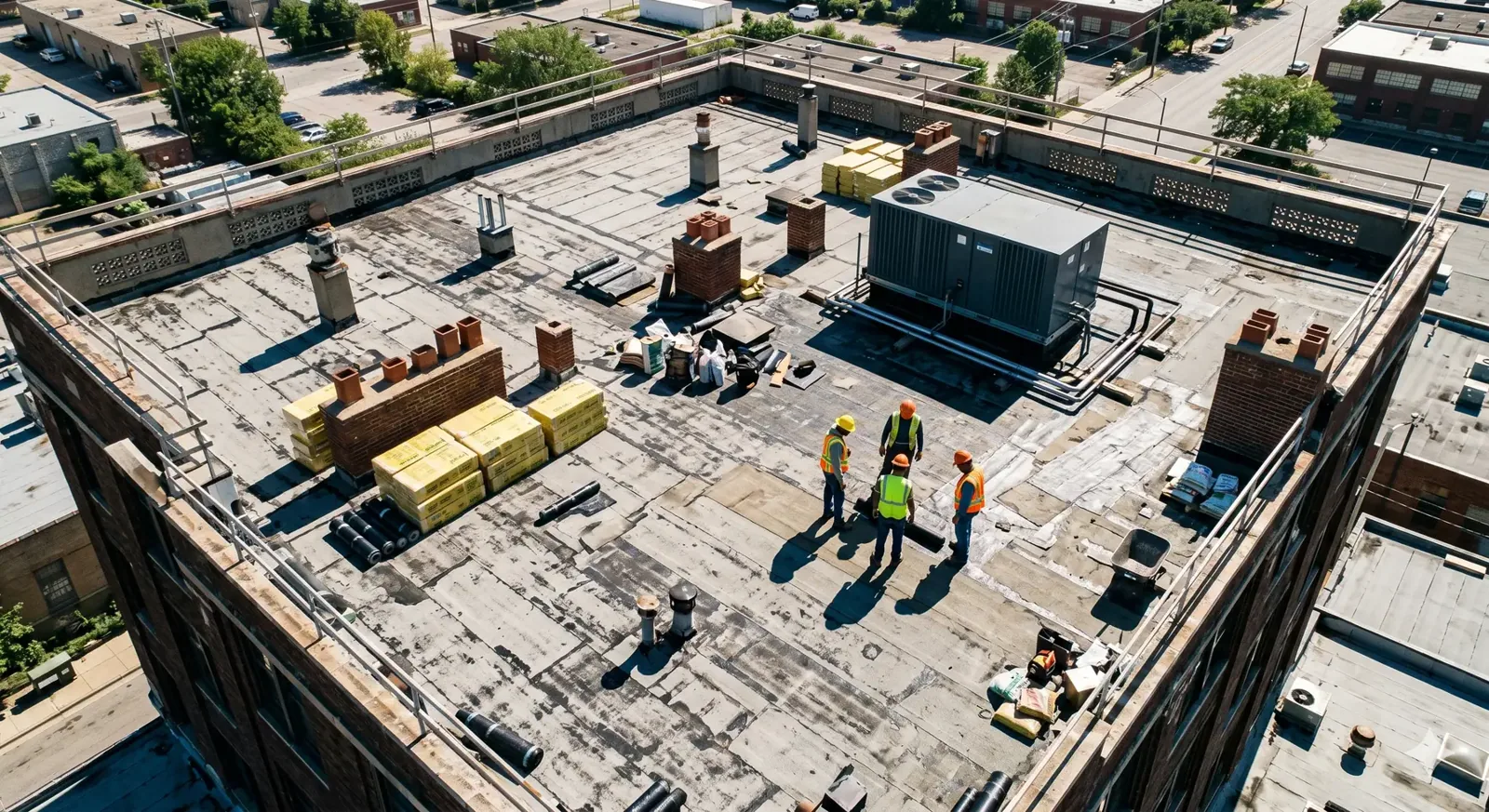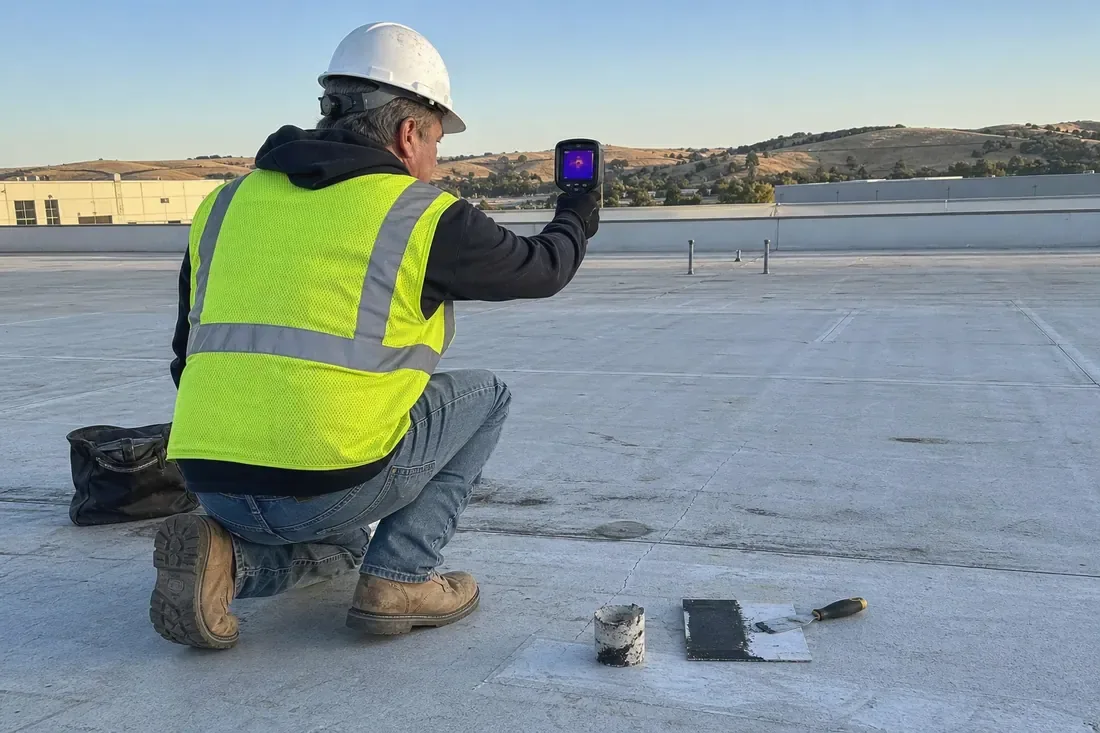
A public building roof scope has to make the work boundary clear before it reaches a bid schedule. We inspect the membrane, insulation, edges, drainage, and equipment curbs, then price repair, recover, and replacement as separate choices. Waterbury's central business district sits near I-84 and Route 8, with civic uses among the downtown activity. That broad setting can shape delivery and public access planning; the building's own service hours, security rules, and procurement calendar set the project conditions.
Our condition report ties each roof item to a section, photo, and recommended action. It separates confirmed defects from allowances for hidden conditions, so reviewers can see what the estimate includes and what would require approval. Waterbury faces winter snow and ice along with summer storm exposure, which can affect inspection access and dry-in timing. A roof condition inspection can establish the scope, while commercial roof service in Waterbury can be scheduled around building operations.
Keep Public Entrances Clear While Work Moves
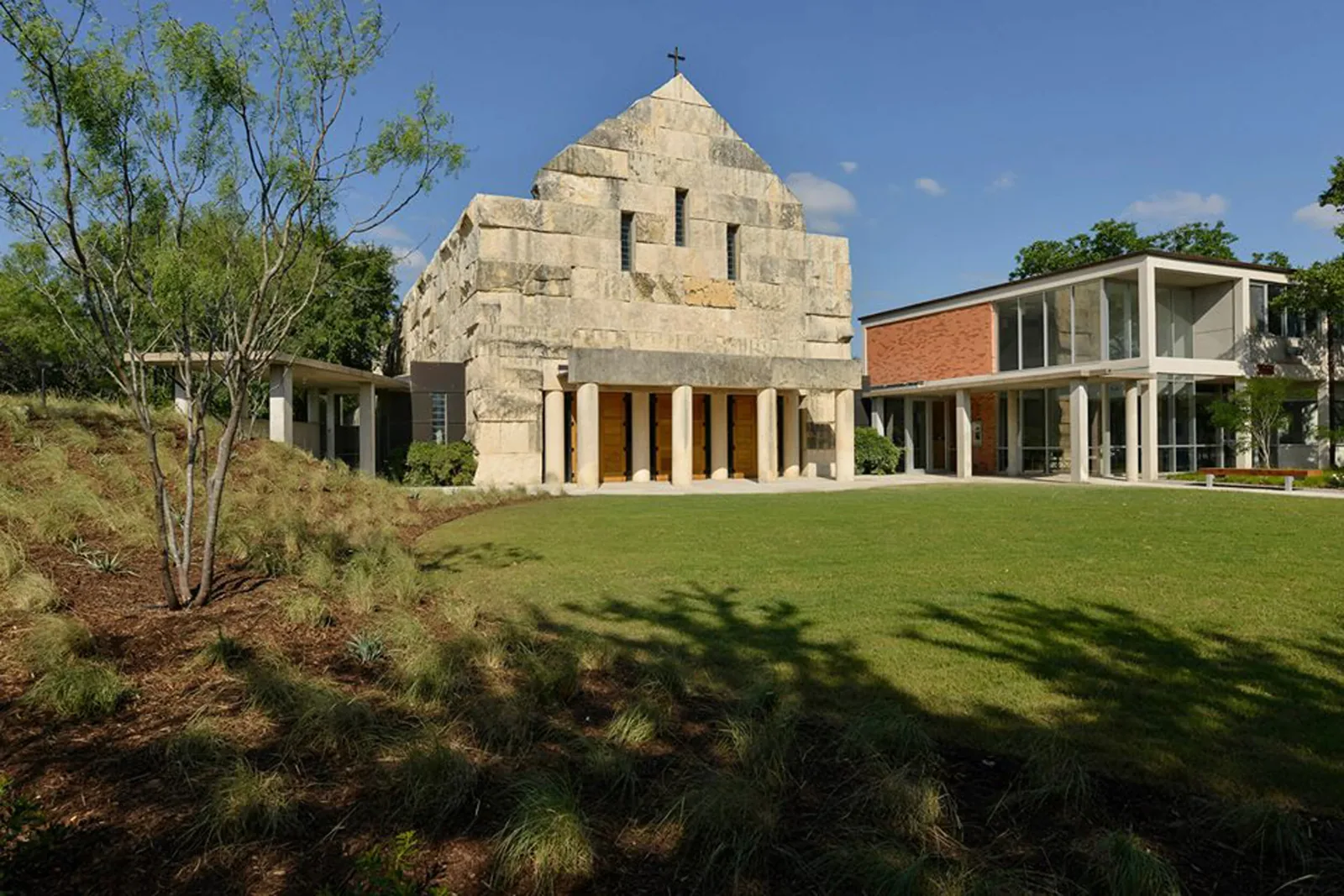
We start by locating public entrances, accessible routes, staff access, loading points, records areas, and any room that must remain available during business hours. The facility contact identifies security boundaries and who can approve a temporary closure. We then compare those rules with lift placement, material staging, dumpster location, and the path from delivery to roof. A clear sequence lets the building maintain its public function while a specific roof section is under repair.
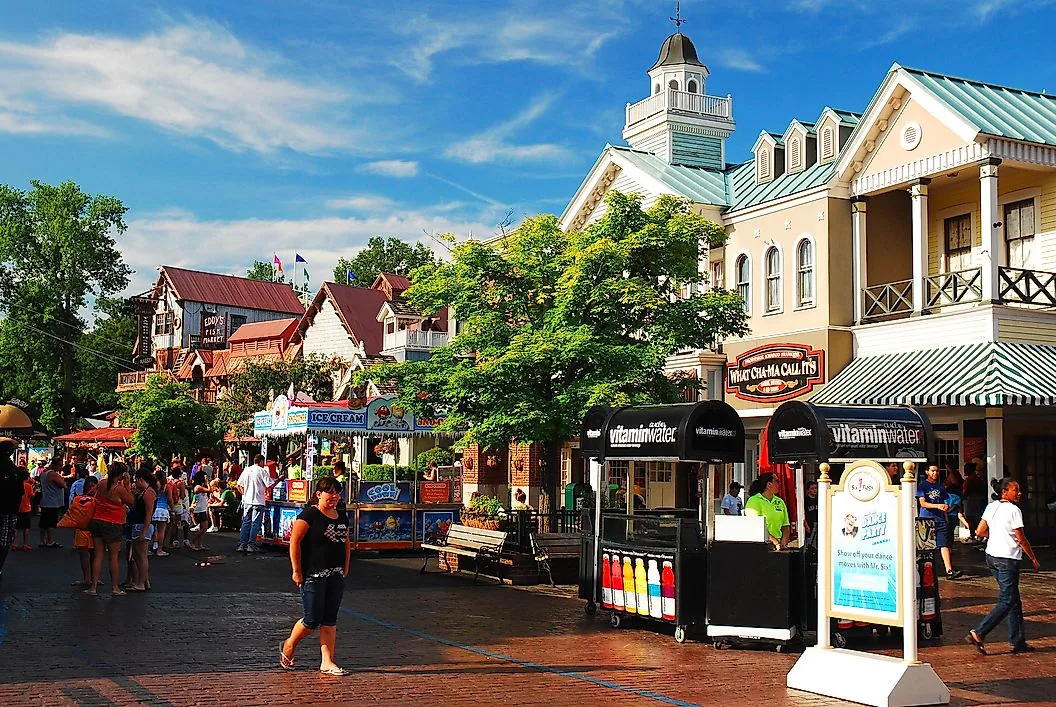
Waterbury's downtown combines government, finance, health care, and higher education in a compact district. South Main and East Main carry commercial activity beside housing, services, and civic uses. Those are broad urban conditions rather than a site plan, so we confirm the actual entrances, service hours, and pedestrian flow with the owner. Scheduled public gatherings shape the plan, as they do for a church, and protected routes in an occupied property resemble those at a senior living building.
Define Bid Quantities and Approval Points
Public procurement needs quantities that can be checked. We mark the roof sections included, describe membrane and flashing work, identify drains and edge metal, and state whether insulation replacement is part of the base price. If a concealed wet area could change the work, we define a test-cut allowance and who reviews the result. This prevents a bid from treating every uncertain detail as either included or excluded without explanation.
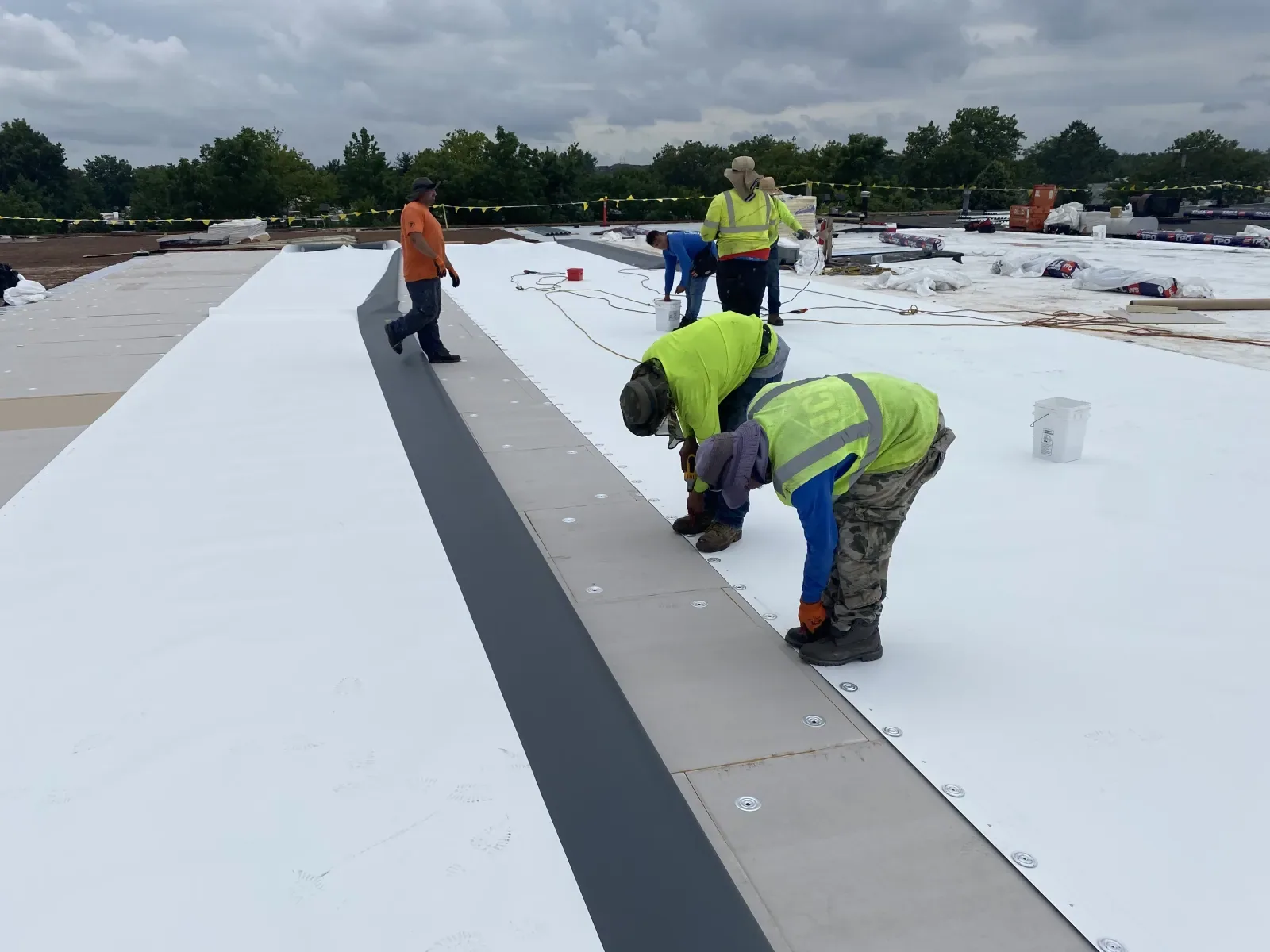
Existing drawings, previous repair records, roof access procedures, and permit requirements affect both estimating and mobilization. We compare those records with field conditions, note where they disagree, and identify the item that needs confirmation before award. The bid can also state who owns daily access approval, how the facility handles a weather hold, and what photo record is required at each phase. A replacement scope should show tear-off limits, disposal assumptions, dry-in points, and closeout records. A sectioned replacement proposal can show quantities by roof area, and a photo condition report gives reviewers a visual record for the file.
Inspect Drainage and Edge Details Before Winter
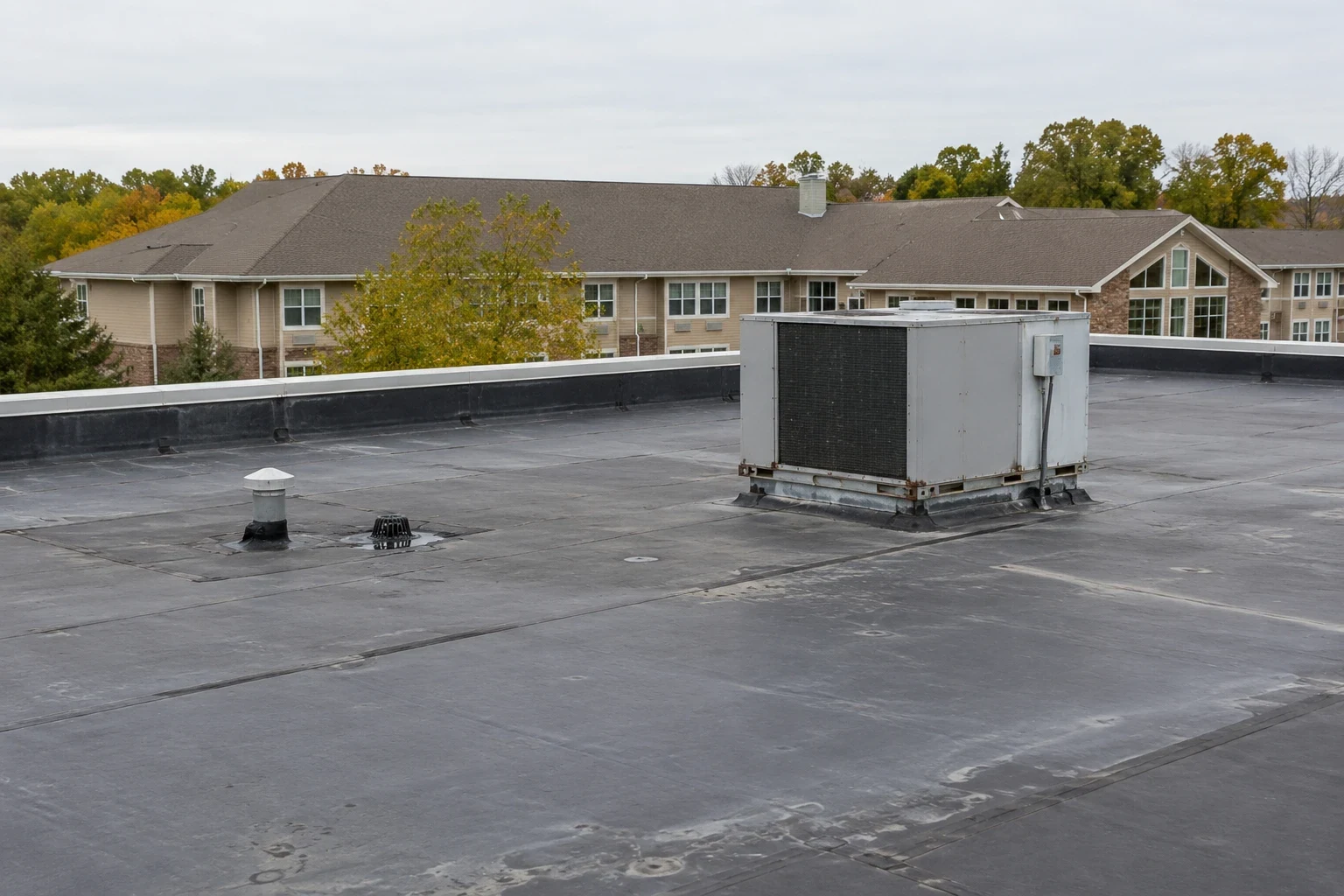
Water that remains at a drain or scupper can prolong a leak and complicate a scheduled closure. We check slope, drain bowls, strainers, scuppers, parapet transitions, and edge metal, then note whether the issue is debris, a damaged detail, or a broader drainage condition. A public building may contain separate roof zones from different construction periods, so the report tracks each area rather than extending one finding across the whole structure.
Waterbury's winter exposure includes snow, ice, sleet, and nor'easters. The practical roof question is whether outlets, seams, and tie-ins are ready for water movement and whether the work can be closed before a weather hold. We identify any temporary protection needed at the end of a shift and document the next inspection point. A drain and scupper assessment can price outlet corrections, while a TPO system review can evaluate membrane details if replacement is being considered.
Tie Construction to the Fiscal and Permit Calendar
Roof work competes with operating budgets, public approvals, and required service continuity. We identify the permit date, order lead time, mobilization sequence, and weather allowances so the owner can see which decision controls the start. If a building has several roof sections, completing the most exposed or repeatedly leaking area first may fit an earlier capital window while the remaining work stays in a later package.
Cost changes with access height, occupied-area protection, tear-off volume, insulation depth, equipment relocation, edge details, and disposal. The estimate labels confirmed quantities and concealed-condition allowances separately. We price isolated penthouses, additions, and lower roof sections as distinct work areas when their access or material needs differ. If the investigation finds a wet core beyond the base area, we submit the measured addition for review before extending the scope. For an active leak outside normal hours, emergency roof response is available any hour, including weekends and holidays, to stabilize the area while permanent work is planned.
File the Roof Record with the Asset
At completion, we provide photos of repaired seams, flashing, drains, curbs, and tie-ins, along with the limits of the work and any deferred condition. The closeout record states materials installed, test results, and the next review item. That information supports future procurement and reduces the risk that a later bid treats an undocumented repair as a new defect. The owner can keep the roof plan, access procedures, and repair record together for the next inspection.
Waterbury's industrial land follows the Naugatuck River and also extends into a southeast district, while its downtown remains a compact civic and commercial center. We verify the structure before making the recommendation. Share the procurement calendar, records requirements, and operating constraints, and we will return a scope with cost drivers, phasing, and evidence clear enough for review. Where a public body must record each approval, the closeout file names who authorized every change, on what date, and for what quantity, so an auditor can follow the roof budget line by line.
Commercial Roofing Questions
What belongs in a government roof bid package?
A useful package defines roof sections, measured work limits, materials, drainage and edge details, access controls, testing allowances, and closeout records. We also identify permit assumptions, staging needs, and the point where hidden conditions require owner approval. That lets the reviewer compare the same scope across bidders.
Can public access remain open during roofing?
The building contact identifies which entrances, counters, routes, and rooms must remain available. We set lift and staging locations, noise periods, and section limits around those requirements, then mark any temporary closure for approval. The schedule names a daily tie-in so an exposed area is not left open overnight.
How do you handle unknown moisture in the estimate?
We identify the area that could not be confirmed from the surface and price a test cut or measured allowance. If the opening reveals wet insulation or a deck issue, we document the result and submit the added quantity for approval before expanding the work. The base scope remains tied to observed conditions.
What timing information should we provide?
Share the procurement and permit dates, budget authorization window, public-service calendar, access requirements, and any planned building closures. We use those dates to set material ordering and a practical start window. Weather and field findings can change the sequence, so the estimate states those assumptions clearly.
Can repair be separated from capital replacement?
Yes. We can price immediate water control and localized repairs separately from planned section replacement. The report shows which findings require near-term action, which should be tested, and which can be included in a future package. That preserves a usable record for both operating and capital budgets.
Build a Reviewable Public Building Roof Scope
Send roof drawings, prior repair records, operating hours, access and security rules, procurement dates, and permit requirements. We will document roof conditions and price defined repair, recover, and replacement options.