Layered asphalt roofs reward patience and punish shortcuts, and the most expensive shortcut is flashing a wet substrate. Soprema is a manufacturer known for modified bitumen sheets, liquid-applied waterproofing and flashing resins such as Alsan, and insulation, and an owner in Waterbury, CT who holds a roof built with these categories needs the same decision framework as any commercial owner: what is the assembly, is the core dry, what can be repaired in place, and when does the capital window require a larger scope. We answer those questions with a field survey, then price repair, recover, and replacement against what the survey finds.
Read the Layers Before Choosing a Repair
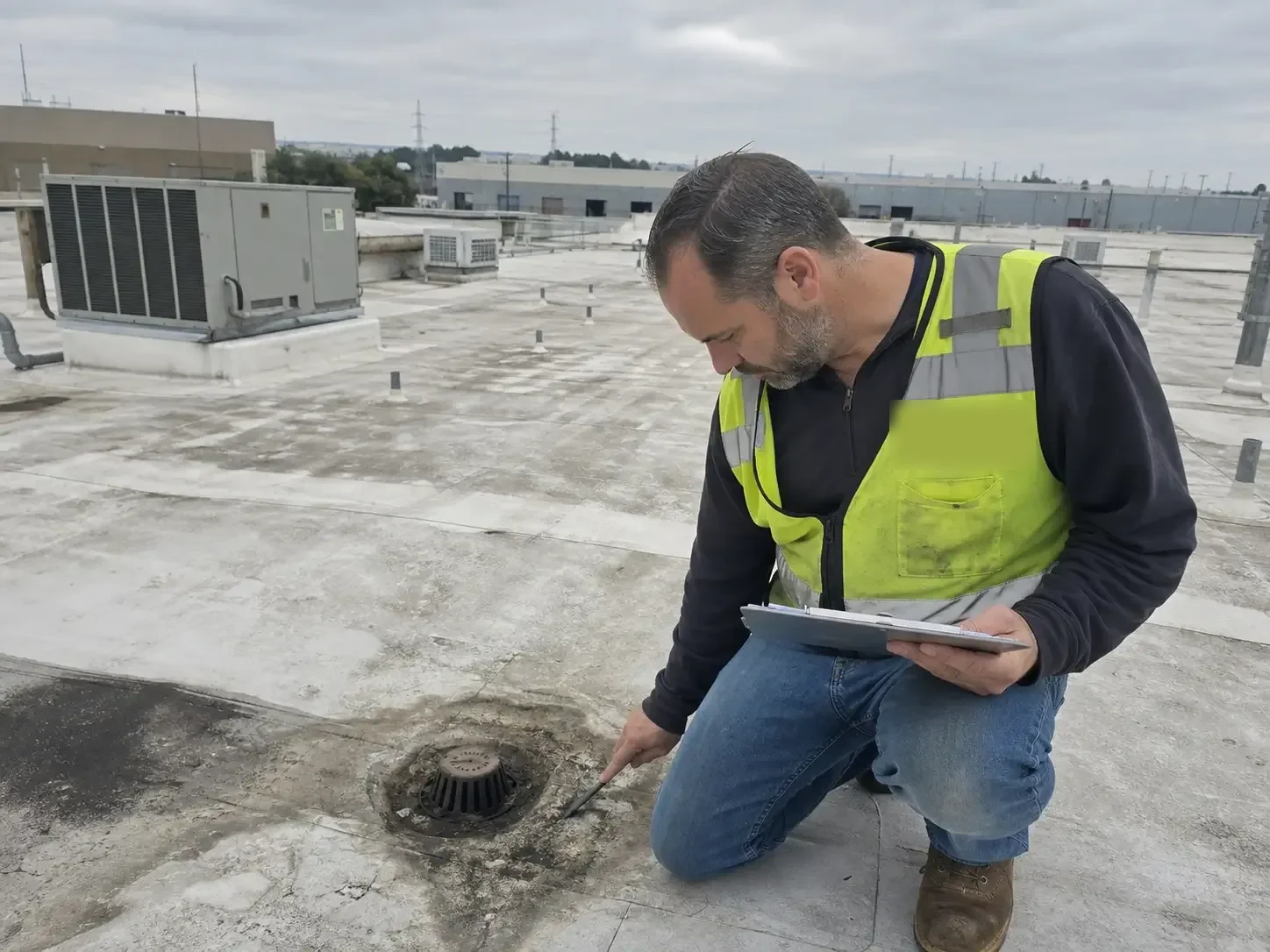
A modified bitumen roof is a stack: base ply, cap sheet, surfacing, and flashing plies at the walls and curbs. A repair that works on the cap may not reach a problem in the base, and a flashing that looks sound may be hiding a failed base ply behind it. We probe the surface, look for blisters, splits, open laps, lost granules, and patch edges that curl, and we take a test cut where the layer count or moisture is in doubt. The cut shows how many plies are there and whether water has reached the insulation.
Each section's entry records the number of layers, the installation method, and the surfacing. Torch-applied, cold-adhesive, hot-asphalt, and self-adhered sheets each leave different signs, and the repair method must be compatible with what is on the roof.
Choose the Application Method the Building Allows
Open flame on a roof is a decision, not a default. In occupied or combustible settings, a cold-applied or self-adhered repair may be required, and the scope states the method, the fire-watch plan where flame is used, and the ventilation for adhesives. Downtown buildings near the I-84 and Route 8 junction, health-care uses, and schools each have their own limits, and the work plan records them before material is ordered.
The same attention applies to hot-applied products. Fumes and heat can reach intakes, so we locate intakes on the plan and set the kettle or the staging away from them. Where a method cannot be used, the scope prices the alternative so the owner sees the cost of the constraint.
Use Liquid-Applied Resins Where Geometry or Occupancy Calls for Them
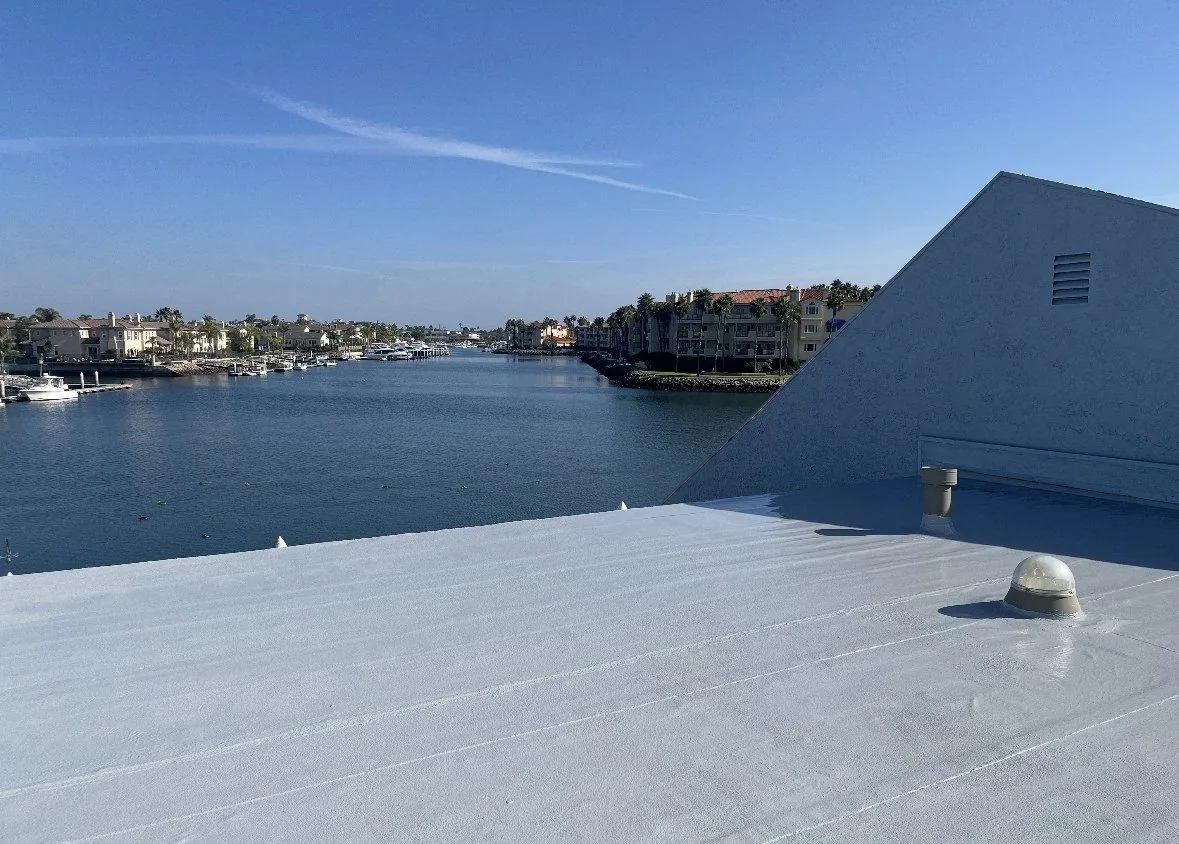
A liquid-applied flashing or waterproofing resin can seal around a cluster of pipes, a complex curb, or an irregular detail where a prefabricated piece will not fit, and it can be applied without open flame. It is also a way to flash a roof where heat is not allowed. The substrate must be clean, dry, and primed, and the resin must be applied at the thickness the manufacturer specifies. A liquid detail over a wet or failing substrate does not hold.
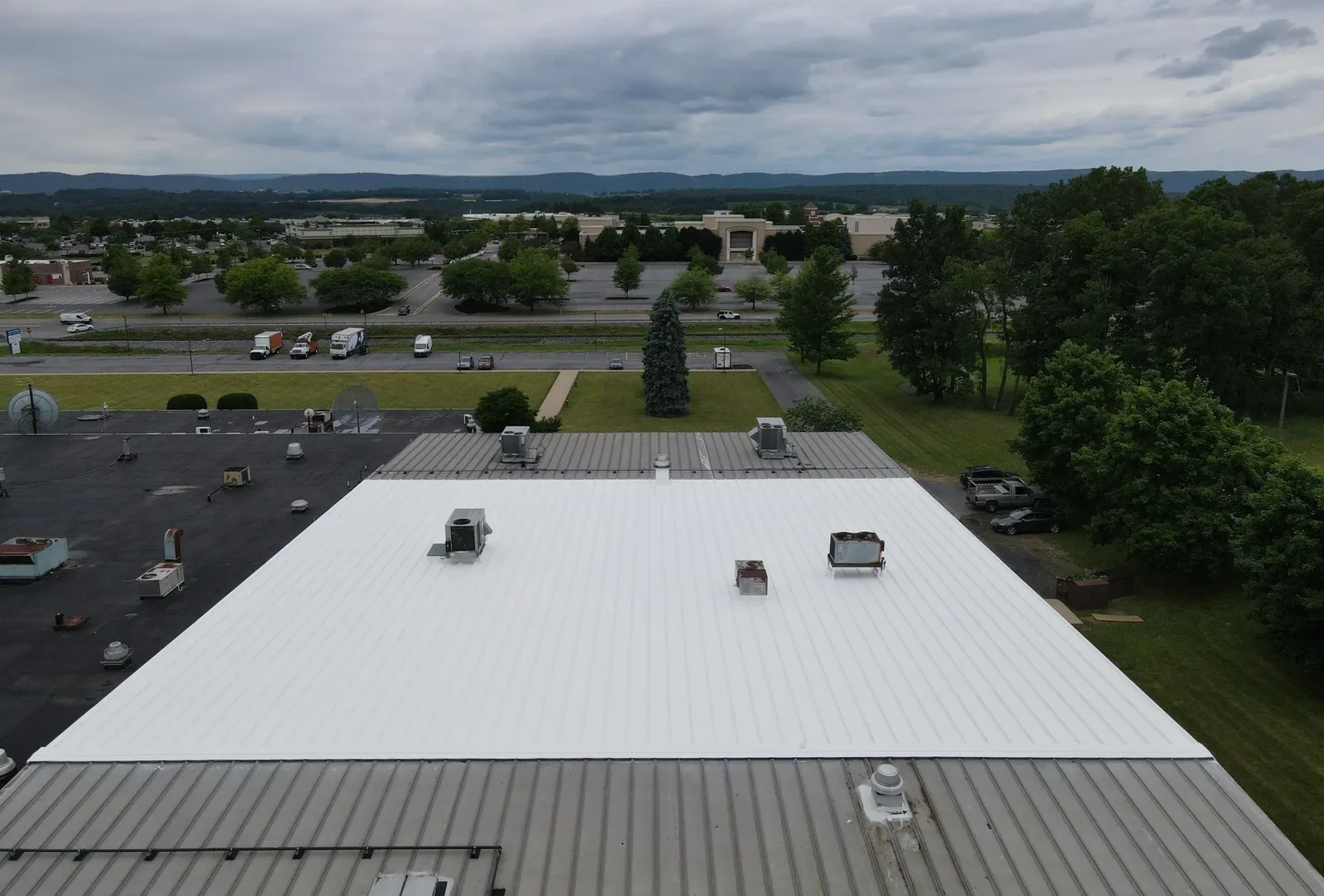
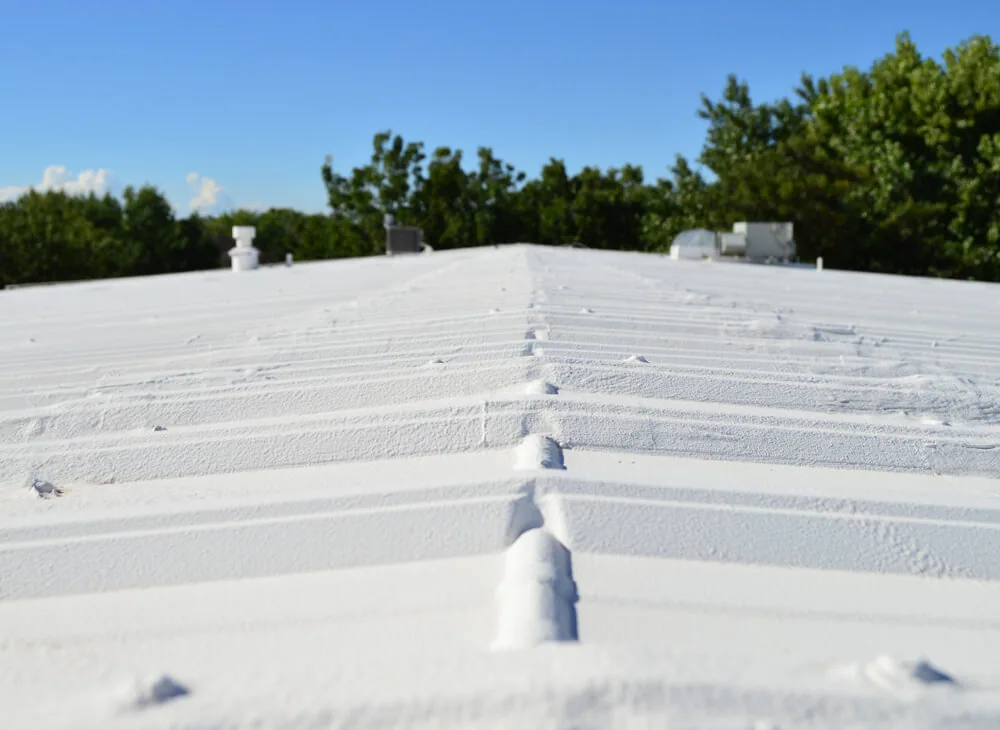
Such resins also appear as roof coatings. A coating restoration is a candidate when the membrane is sound, the insulation is dry, and the surface needs protection. A coating does not repair open laps or splits, and it does not fix wet insulation, so the survey comes first. The coating itself may be silicone or acrylic, and the choice follows the substrate.
Price Asphalt Scopes Around Removal and Flashing
On layered asphalt roofs, removal and flashing drive more of the cost than the field sheet does. A cap sheet replacement over sound plies is a smaller scope than a tear-off to the deck, and a tear-off that finds wet insulation costs more than one that does not. Flashings at walls, curbs, and drains require careful work and are often the most labor-intensive part of the job. We count them in the survey, price them by detail, and carry an allowance for concealed damage behind them.
Waste handling is its own line. Old asphalt layers are heavy, and removal requires lifting, dumpsters, and protection for the building and grounds. Where staging is tight, as in the downtown blocks, the lift and haul plan can move cost as much as roof area does. The estimate lists those items so the owner sees them as scope, not surprise.
Timing matters as well. Adhesives, primers, and resins have temperature and moisture limits, and the municipal annex describes warm, wet summers and freezing winters. We schedule application work in suitable weather, plan temporary tie-ins for the rest, and note on the schedule which tasks cannot proceed on a cold or damp day. A realistic schedule is cheaper than a recovery from work that had to be redone.
Sequence Work Around Occupants and Weather
Winter storms can reach any part of the city and summer storms are on the local list as well, so a tear-off needs a dry-in plan for each day. Layered asphalt roofs can be stripped and replaced in sections, with each section closed before the crew leaves, and temporary tie-ins at the boundary protect the open edge overnight. The staging and the path for hot material, if used, are set against the building's hours.
For schools, offices, and health-care buildings, occupied building reroofing methods apply: noise windows, protected entrances, intake protection, and a published schedule. In the downtown core, material handling and lift position most often change cost.
Fit the System to Older Buildings and Corridor Properties
In Waterbury, East Main and South Main stand for the mixed-use corridors, and older industrial land lies along the Naugatuck River. Naugatuck, along Route 63 and Route 8, has a linear commercial and institutional district beside its river, and its plan calls for industrial redevelopment along the water. A building in Naugatuck or one on a Waterbury corridor may carry a layered asphalt roof, a newer single ply, or both, and the survey identifies.
A school with several wings may carry roofs of different ages, so each section is recorded on its own.
Compare Asphalt Systems From Different Makers on Details
Asphalt-based systems are compared on laps, flashing methods, attachment, insulation compatibility, warranty terms, and repair availability. Comparable families from Johns Manville and GAF are weighed the same way, and the choice often rests on existing conditions and installer availability instead of brand. A written report lays the options side by side. A closeout record that names the application method used on each section, along with the weather on the day and the primer or adhesive applied, lets a later crew choose a compatible repair without cutting another test opening.
Commercial Roofing Questions
What are the common failure points on a modified bitumen roof?
Open laps, splits, blisters, lost surfacing, curled patch edges, and flashing at walls and curbs. We probe each and record the location and cause.
Is open flame always used for repairs?
No. Cold-applied, self-adhered, and liquid-applied methods exist for settings where flame is not suitable. The scope states which one applies and why.
When can a coating extend the life of an asphalt roof?
When the membrane is sound, the insulation is dry, and the surface needs protection. A coating does not close open laps or dry a wet core.
What does a test cut tell me?
The number of layers, the insulation type and moisture, and the condition of the deck. It tells whether a recover is possible and where the tear-off boundary lies.
How is a flashing at a complex curb repaired?
Often with a liquid-applied resin over a clean, primed substrate, or with a prefabricated piece where geometry allows. The detail is photographed and tested.
What happens if the weather turns during a tear-off?
Each section is closed with a temporary tie-in before the crew leaves, and the plan includes a forecast check. The open area is kept small so a change in weather does not expose the building.
Send the roof records, access rules, and permit window
Send any warranty papers, drawings, or invoices, along with the access rules and the capital or permit window. We will inspect the roof, identify the assembly on each section, and return a report that separates repair, recover, coating, and replacement scopes.