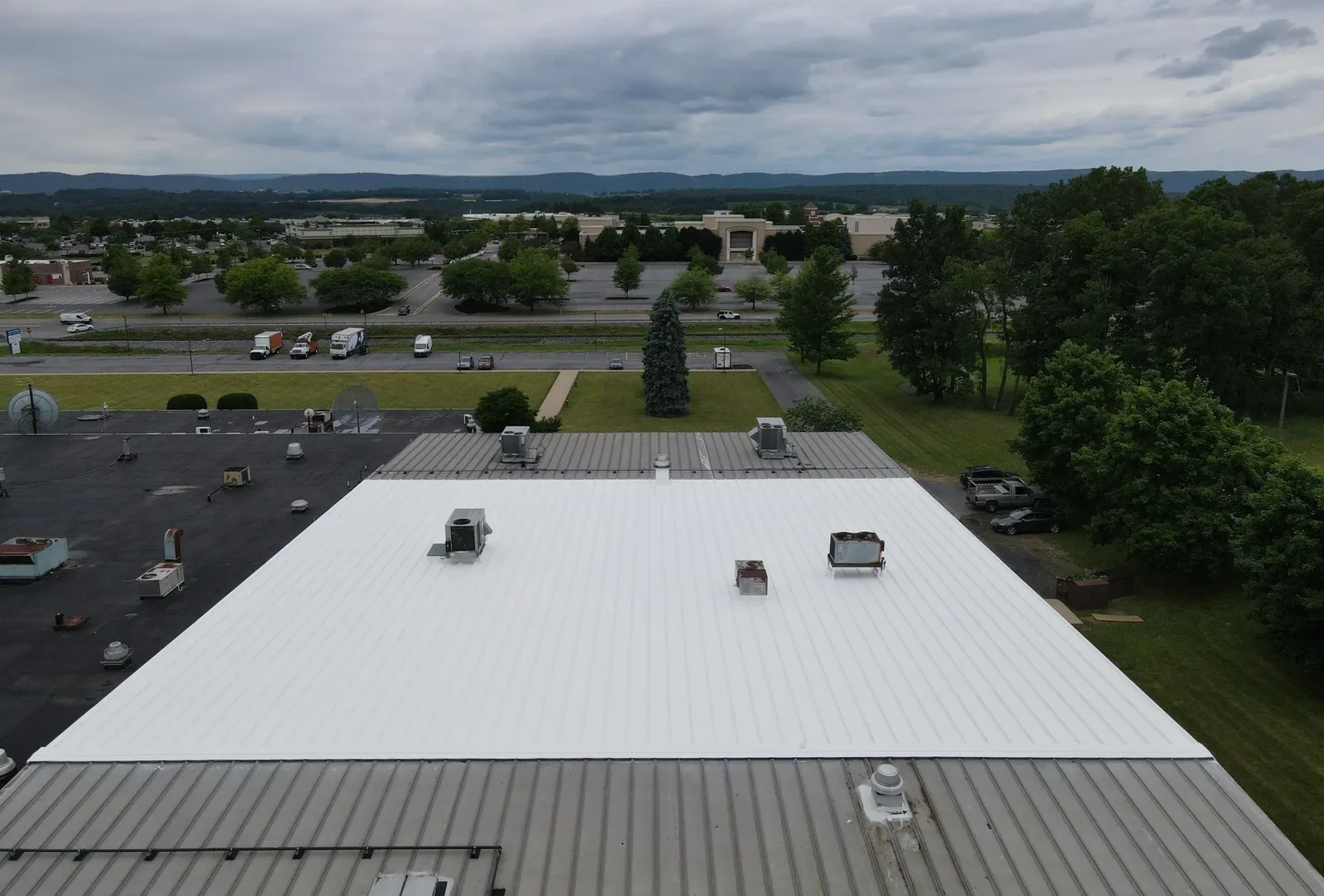
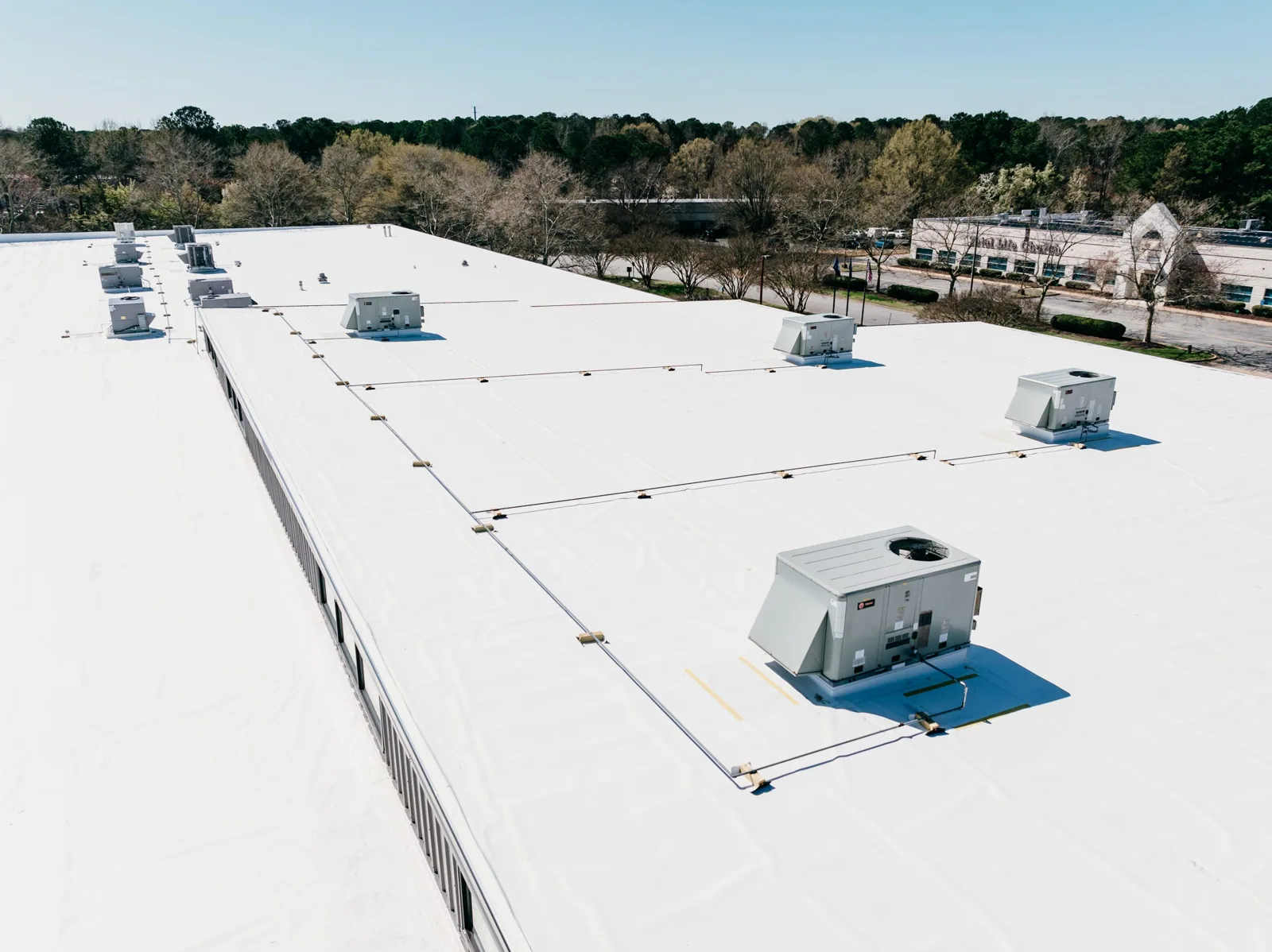
Acrylic coating is not a shortcut past substrate work. The existing roof must be identified, repaired, and prepared for the selected system, and the application schedule must allow the coating to dry as specified. We inspect attachment, surface treatment, drainage, seams, and flashings before setting a restoration boundary. Waterbury's plan documents winter storms and summer storm hazards, so season and weather window belong in the work plan. We test the roof in front of us and price preparation separately from the field application, giving the asset manager a scope with specific repair limits and cure assumptions.
If the roof is foam, compatibility with the protective layer matters. We compare SPF restoration with silicone coating only after reviewing the substrate and water-management needs. A coating assessment can map the work area and identify what must be repaired first.
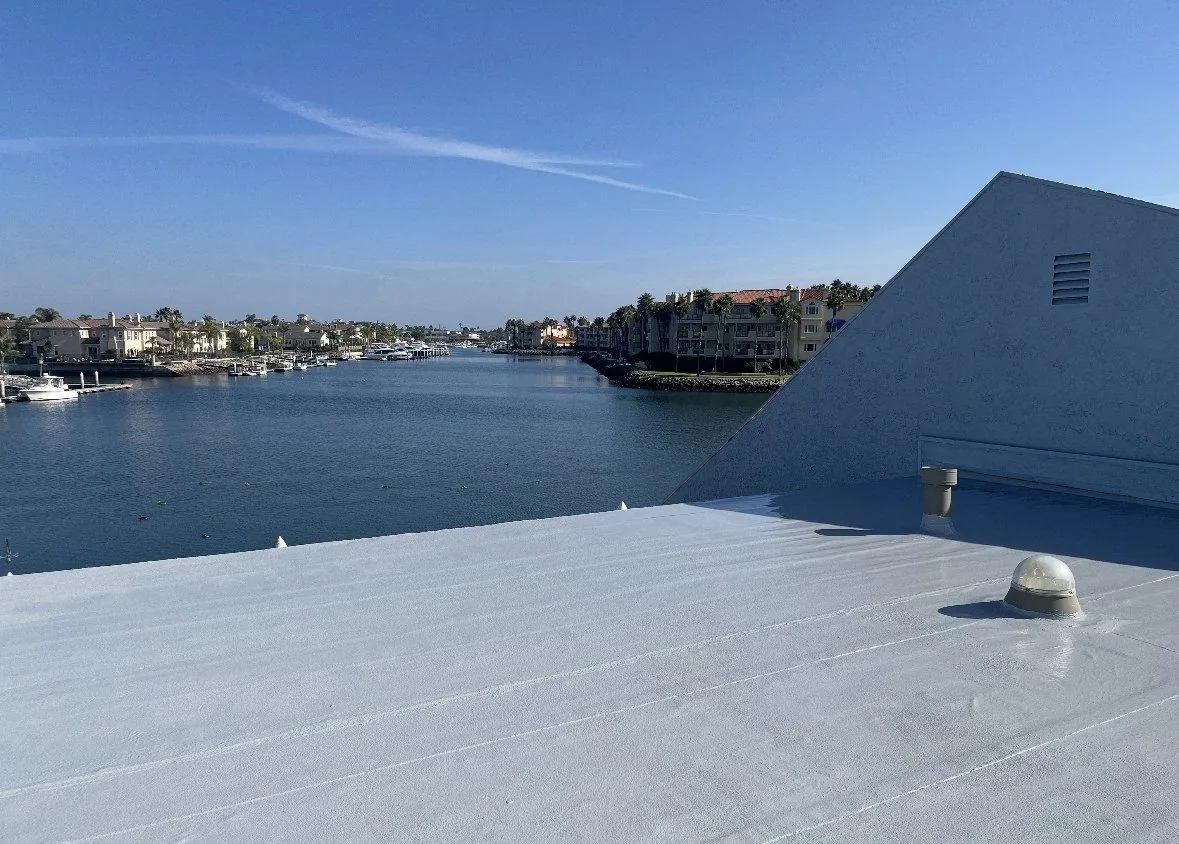
Check the Existing Material and Surface Treatment
Before a coating is specified, we identify the existing membrane or foam, prior coatings, and repair materials. Surface appearance alone may not reveal the chemistry or whether earlier layers are well bonded. We inspect for loose, chalky, brittle, or contaminated areas, then use a test patch where the system requires a compatibility check. The test record states how the surface was prepared, where the patch was applied, and what result was observed.
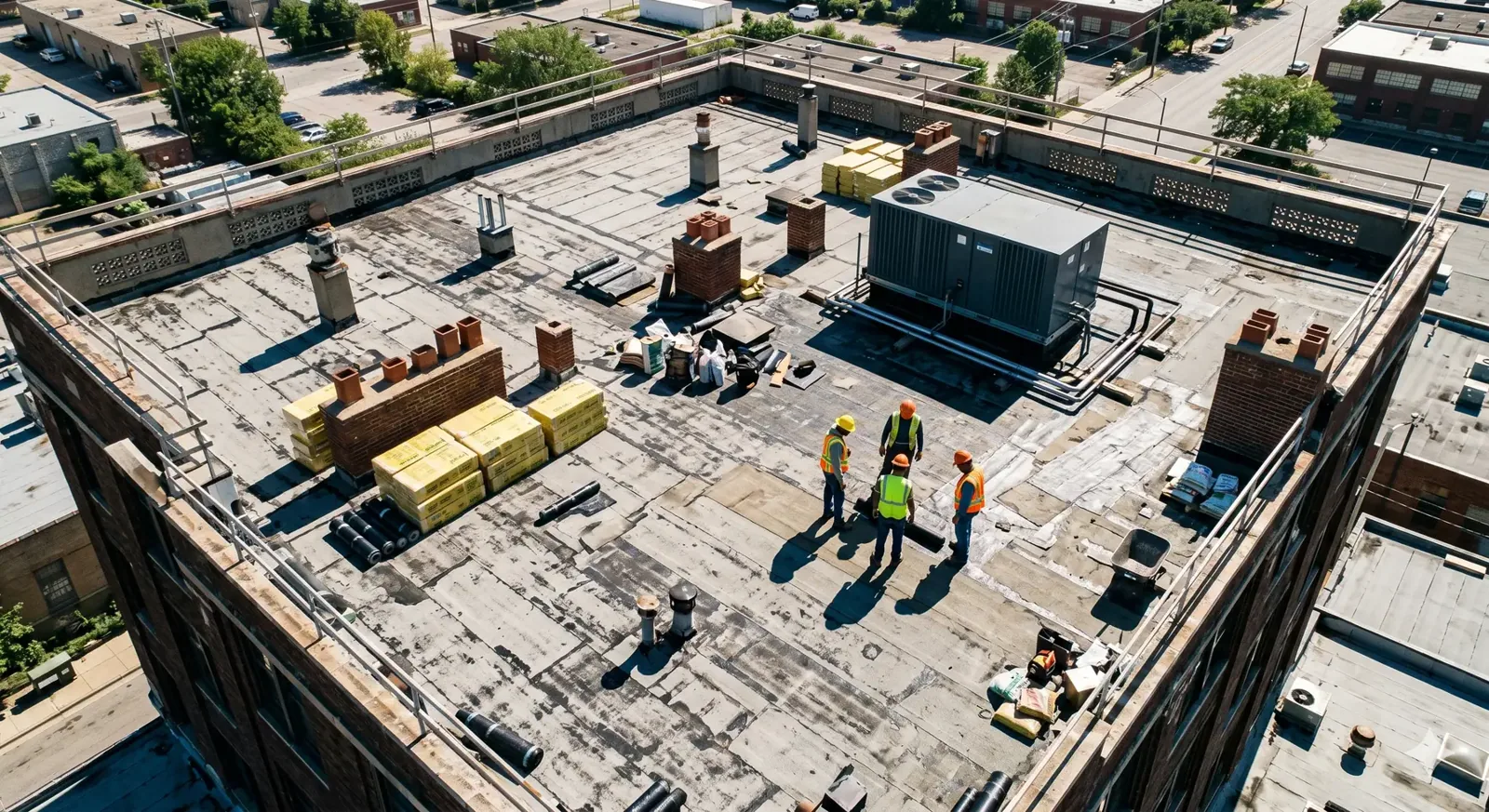
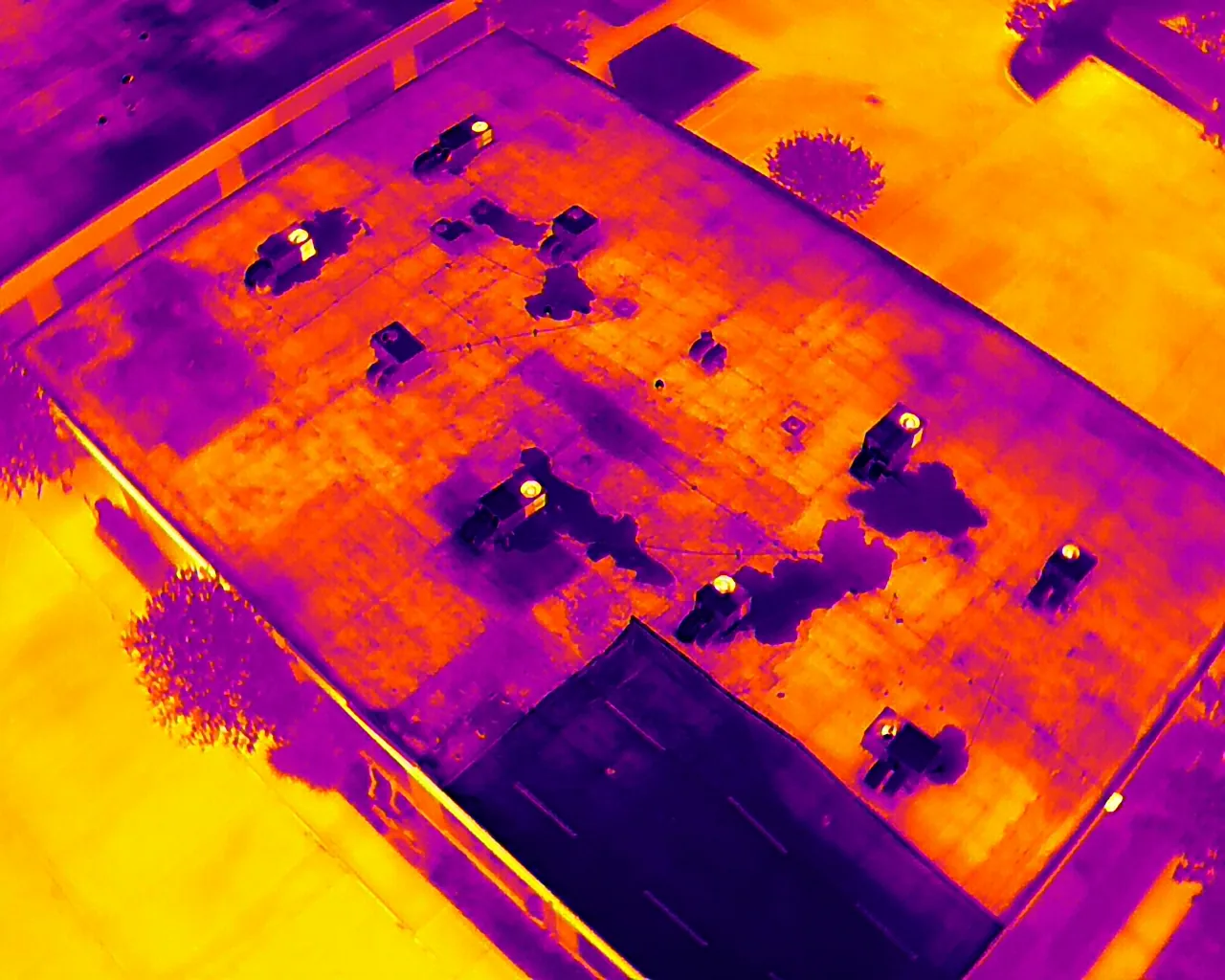
Cracks, open seams, fishmouths, punctures, and failed flashing need repair before coating. If the damage extends into wet insulation or a weak deck, a surface layer will not resolve the concealed condition. We select test openings when moisture or attachment could change the repair boundary, and we show untested portions separately. The proposal lists cleaning, preparation, reinforcement, primer, and application by roof section. We record field thickness and coverage by zone. A hands-on roof review can document the existing assembly, and a moisture survey may help select test areas.
Resolve Low Areas Before Applying a New Layer
Acrylic coating follows the surface profile, so a low area remains a drainage issue unless a separate correction is designed. We check slope, outlets, scuppers, overflow paths, and ponding marks; then identify where coating should stop for drain work or tapered material. If a roof holds water for long periods, the system selection and detailing need review against the manufacturer's requirements. We do not rely on a new color or thicker application to change the underlying water path.
The 2021 Waterbury hazard plan includes a 5.54-inch NOAA Atlas 14 24-hour rainfall estimate for the city and cites projected increases in extreme precipitation statewide. These are planning references; the roof survey measures the slope and outlet condition that set quantities. At commercial property near I-84 and Route 8, the site contact can also set staging and delivery limits. The drain scope should record outlet corrections separately, while a ponding-area assessment can define the location for a drainage solution.
Schedule Preparation, Coats, and Drying Time
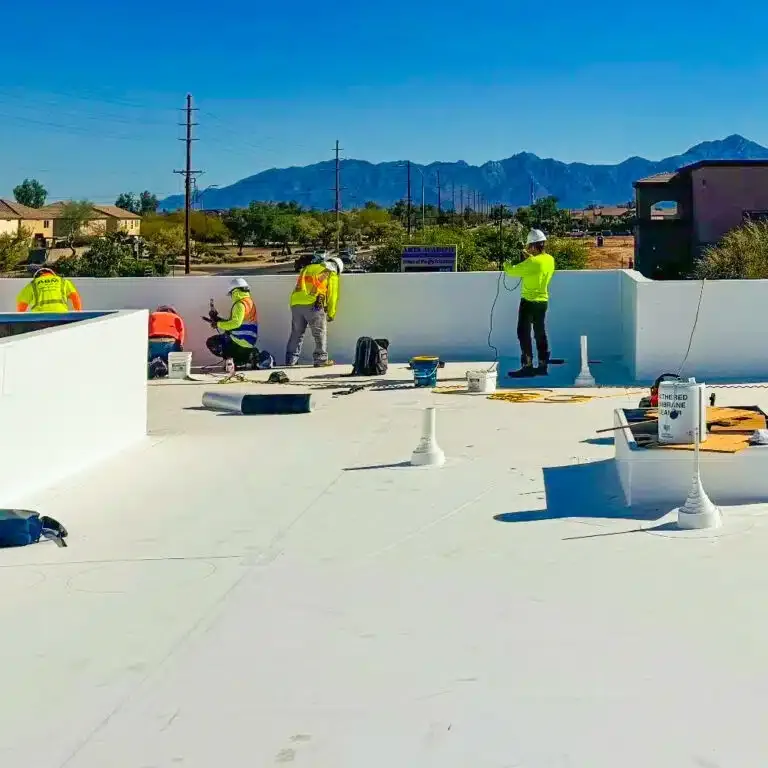
Acrylic application depends on suitable temperature, humidity, surface condition, and a rain-free period that matches product requirements. We plan cleaning, repairs, detail reinforcement, each application pass, and drying time before roof traffic resumes. The work plan identifies the zone size and what protection remains in place overnight. Acrylic coatings are waterborne, so water must leave the applied film as it dries. Heavy dew, early rain, a cool substrate, or a heavy pass can extend that window. We divide the roof into zones sized for the conditions, note each application date, and verify drying before another pass begins. If a section cannot dry under the forecast, we reduce the open area or reschedule. Material data and actual site conditions guide those decisions.
Waterbury's municipal hazard plan treats winter storms across the city as a risk and identifies summer storms and tornadoes as well. That information helps frame seasonal timing, but the day's weather and substrate readings decide whether application can proceed. We identify a protected closure point and document who checks conditions before the next pass. For an active business, roof entry, equipment service, deliveries, and interior use need to fit the sequence. A phased work plan can record those controls, and a drainage check confirms outlets remain clear as work advances.
Set the Treated Area and Excluded Details
The field coating does not automatically include parapets, curbs, penetrations, expansion joints, edges, and drains. We inventory these transitions, identify required reinforcement, and note any area where different material or termination is needed. The proposal should distinguish the measured coating quantity from details with their own preparation or repair. If adhesion tests fail in one area, we define whether to remove the existing layer, change the system, or omit that section pending further review.
Waterbury's city plan describes East Main and South Main among mixed-use commercial corridors, and its hazard plan describes a compact central business district near the I-84 and Route 8 junction. For any occupied property, access timing and work-zone barriers should be confirmed at the site. Those constraints can add labor and alter the sequence even when the roof surface is straightforward. A penetration detail review can inventory skylights and curbs; we list each inclusion so closeout can match the treated work to the approved scope.
Compare Coating with a New Roof Assembly
Restoration can preserve a serviceable assembly when adhesion, moisture, and detail findings support it. Replacement may be preferable when the substrate is wet, the attachment is poor, or defects span multiple sections. We compare coating with repair, recover, and tear-off using the same condition map. Cost includes preparation, repairs, primer, reinforcement, coverage, access, drainage, and future inspection requirements. The proposal identifies what evidence would move the decision from restoration to a larger scope.
Closeout records should state the system and color applied, treated roof sections, repaired details, test results, weather interruptions, and excluded areas. We include maintenance checks tied to the coating and water path rather than promising a fixed result. The asset manager can carry those items into the capital calendar alongside repair history. A replacement comparison can show removal and new insulation quantities, while the Waterbury inspection can begin with the permit window, roof plans, and prior coating records. If the proposal changes between visits because a test patch failed or a section stayed damp, the revised boundary and the reason go into writing before the next coat is ordered, so the approved quantity always matches the surface actually prepared.
Commercial Roofing Questions
When is an acrylic coating a reasonable option?
It can fit when the existing assembly is attached, dry enough, compatible, and capable of receiving the specified preparation and coating. We verify those conditions with inspection, testing, and targeted openings where needed, then mark excluded areas.
Can acrylic coating be applied over another coating?
Compatibility has to be checked against the existing material and the proposed preparation. We review records and perform a test patch when required, then set the application boundary from observed adhesion and surface condition.
How do you schedule acrylic application in Waterbury?
We check product requirements against temperature, humidity, substrate dryness, and the rain forecast, then size the work zone to the available drying window. The city's storm planning context helps with seasonal planning, but daily conditions set the work sequence.
Will an acrylic coating fix standing water?
A coating does not change slope by itself. We inspect low areas and outlets, then identify drain or taper work separately so the restoration scope does not carry a drainage condition forward without review.
What records should I expect after coating work?
The closeout file holds the product information, test patch results, repair map, application notes, weather stops, closeout photos, and areas left untreated. We list inspection tasks for seams, terminations, and outlets to support the next maintenance visit.
Confirm the Acrylic Coating Boundary
Provide roof plans, prior treatment records, repair history, access rules, and the application window. We will test compatibility, map drainage and details, and show restoration alongside repair or replacement where the evidence supports it.