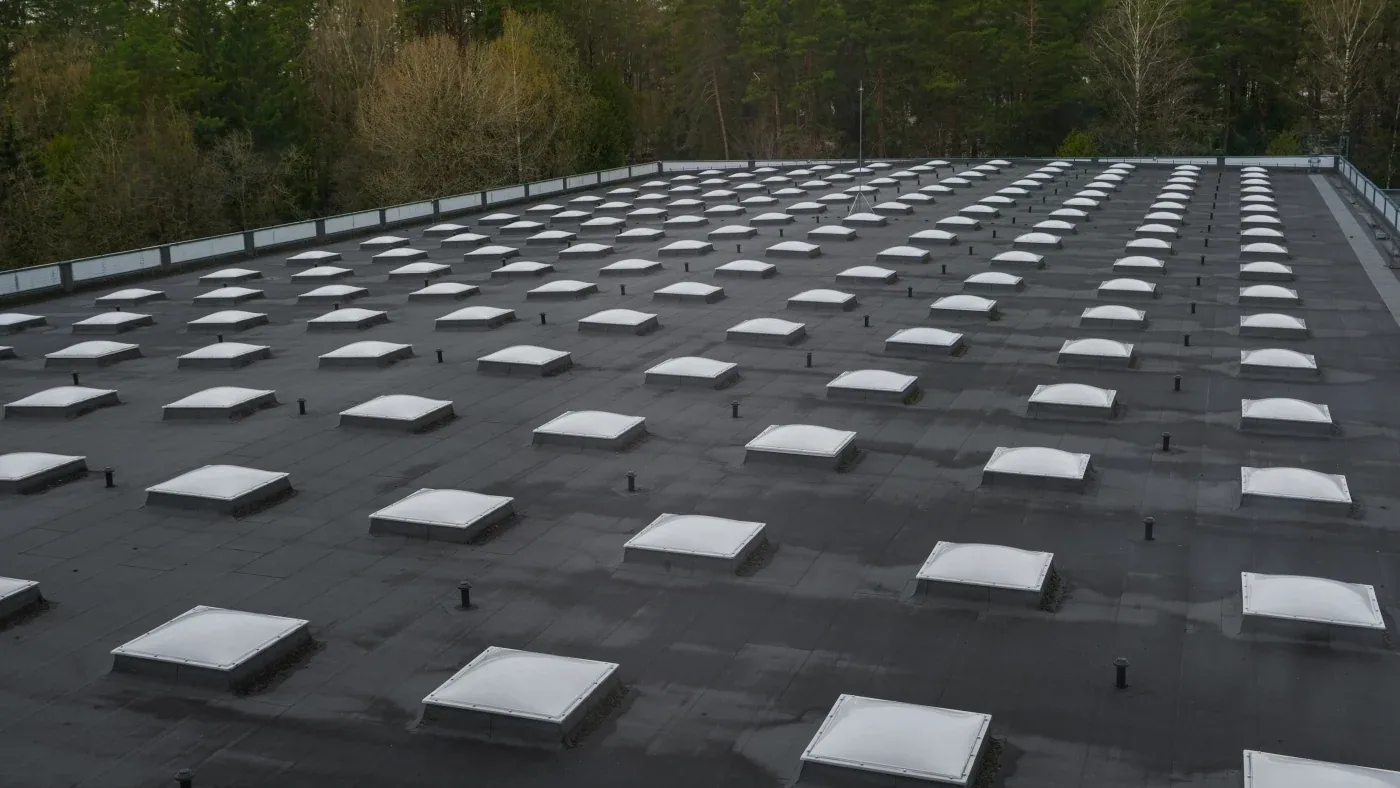
A coating can extend the service horizon only when the existing roof is a sound substrate. We begin with attachment, moisture, seams, drains, flashing, and prior repairs, then use tests where the surface does not answer the question. The estimate should show what remains, what gets prepared, and which defects must be repaired first. Waterbury's hazard plan identifies citywide winter exposure and summer storm risk, which puts the dry-in window ahead of the product choice.
The 2025 draft plan describes industrial land by the Naugatuck River and mixed-use corridors such as East Main and South Main. For an asset manager, those city contexts make access and occupied hours relevant, while adhesion and wet-core findings set the coating decision. We record both before comparing restoration with tear-off.
Test the Existing Assembly Before Coating
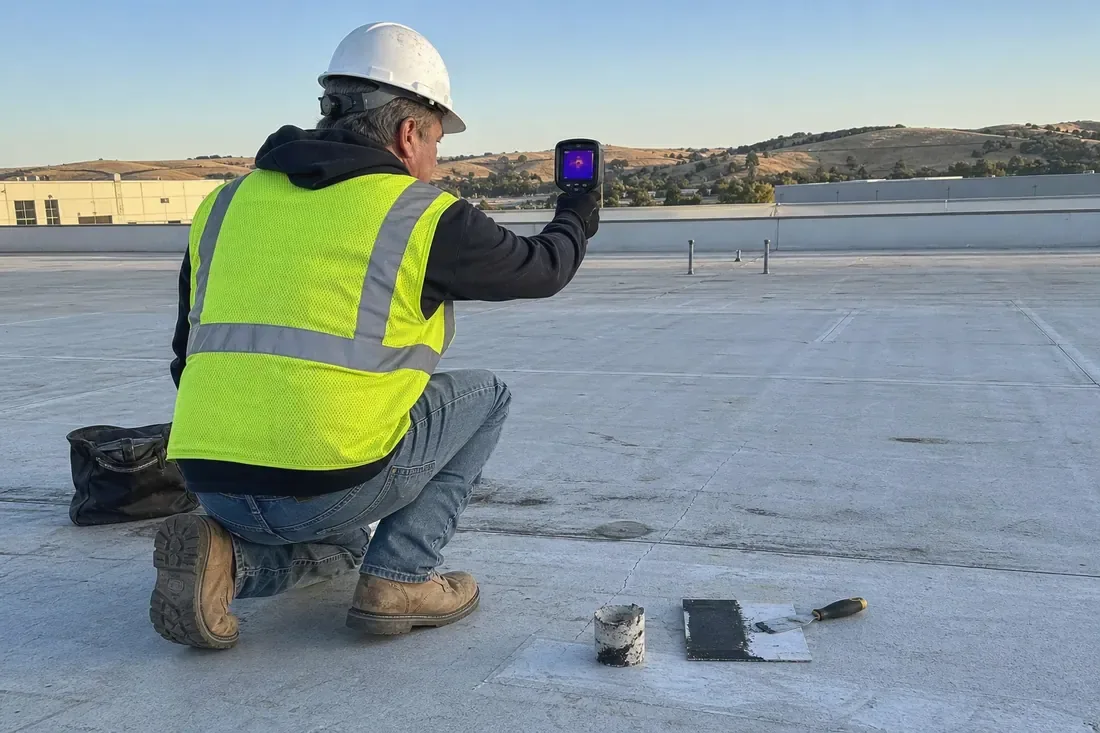
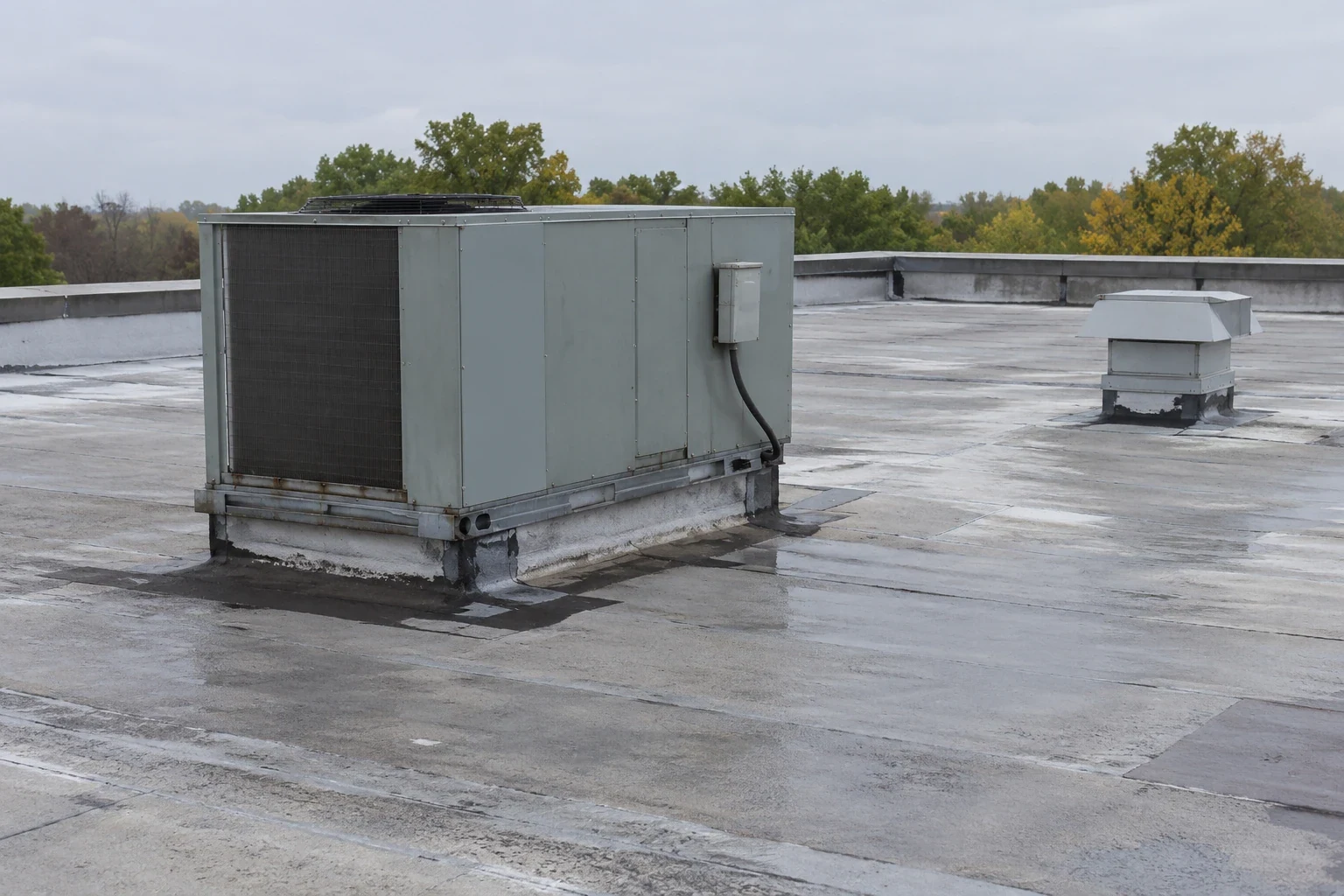
We identify the roof system, existing layers, attachment method, and prior surface treatments before choosing a coating. A test area can show whether the material bonds to the prepared substrate. Test cuts can expose layer count, moisture, insulation, and deck condition where the assembly remains uncertain. The report labels the locations sampled and avoids treating one test as proof for every section.
Waterbury's hazard plan cites increasing extreme precipitation and hotter summers as Connecticut planning projections, with a NOAA Atlas 14 24-hour rainfall estimate for the city. That dated planning context makes water management relevant to the proposal, but it cannot substitute for a drainage inspection or moisture test. We check the actual slope, outlets, ponding areas, and termination details before specifying a new surface.
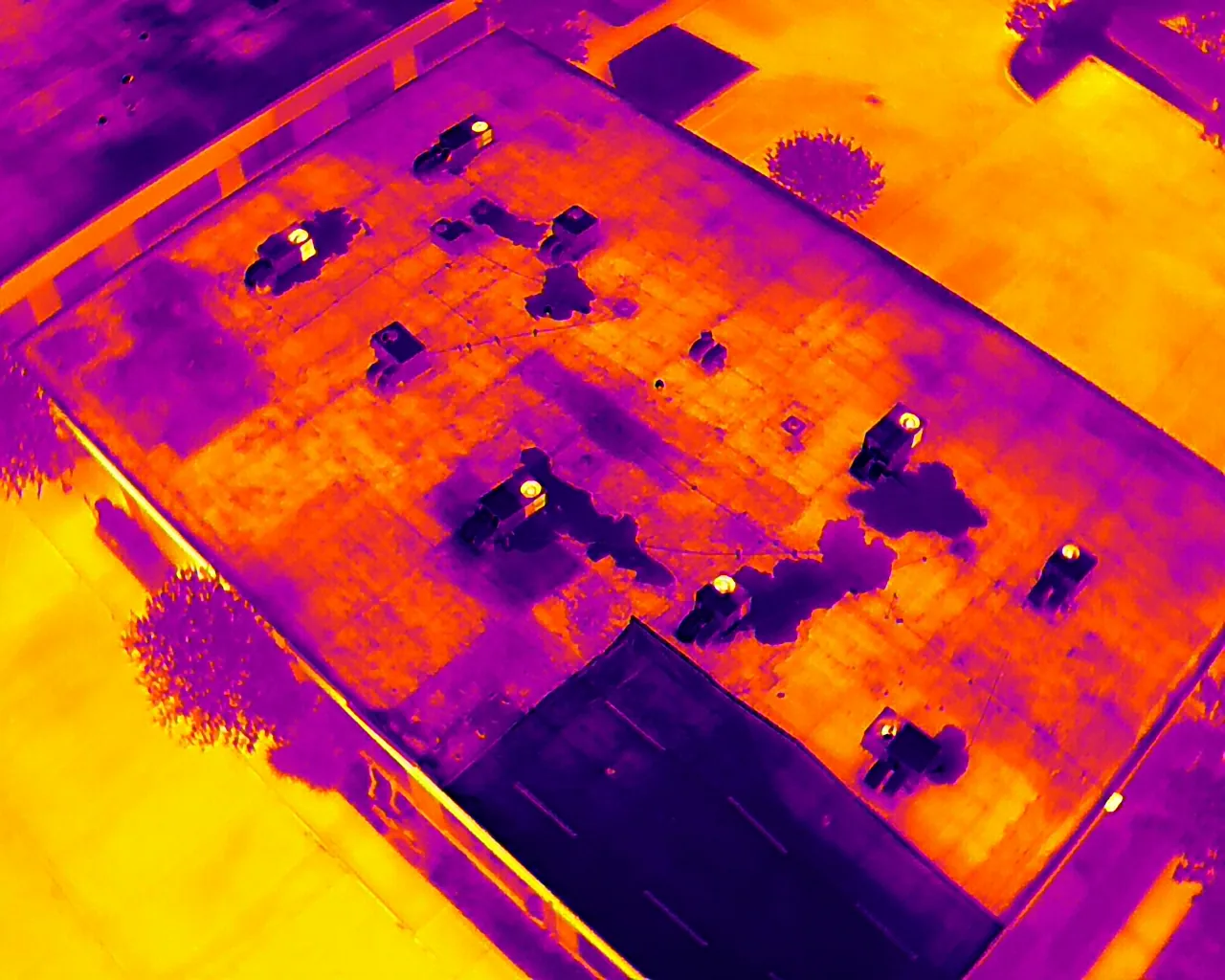
A hands-on roof inspection can map visible conditions, while a moisture survey may identify areas for targeted cuts. A photo condition report then connects samples and repair limits to roof sections. The asset manager can see what evidence supports the coating decision and which sections remain untested before pricing is finalized.
Repair Defects and Prepare the Surface
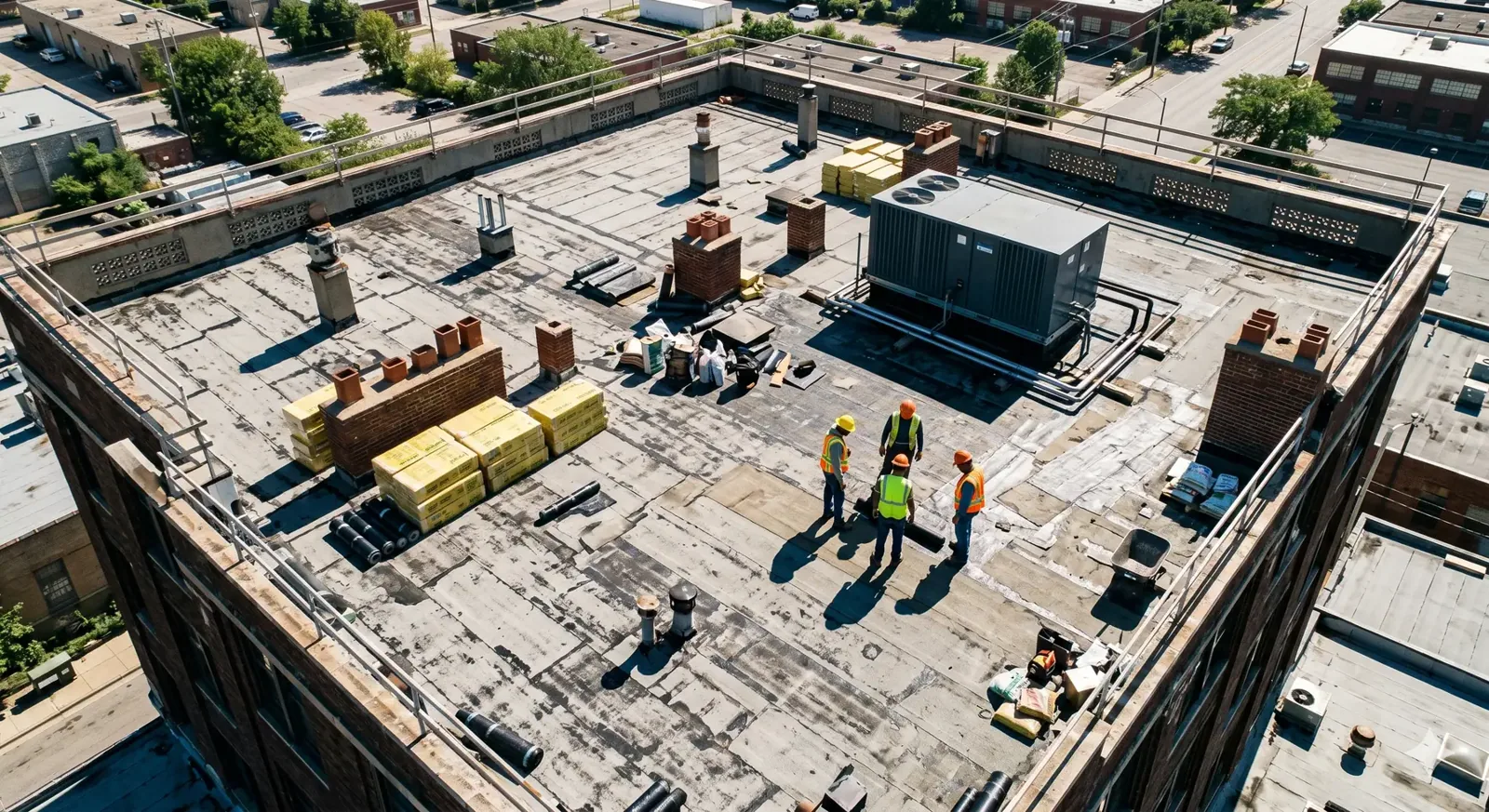
Coating does not make an open seam, loose flashing, wet insulation, or unstable edge disappear. We identify repairs required before application, prepare the surface as the chosen system requires, and confirm that the substrate is dry and sound enough to receive it. The written scope lists cleaning, patching, reinforcement, primer, and application only where each item applies to the inspected assembly.
In Waterbury's industrial districts and downtown core, site access and staging can change how preparation proceeds. We confirm roof entry, equipment routes, delivery timing, and protection for operations below. A repair scope can address a local defect before coating, while a drainage correction can fix an outlet detail that would otherwise remain within the treated area.
We also inspect edges, penetrations, curbs, and transitions where coating thickness or reinforcement may affect water movement. The proposal identifies how these details terminate and which existing components remain. If the surface preparation exposes more deterioration than expected, the owner sees the changed boundary before coating continues. That pause protects the work sequence and keeps the approved quantity tied to the assembly actually uncovered.
Compare Coating with Recover and Tear-Off
A coating is one option among repair, recover, and replacement. A recover may add a new assembly over existing material if attachment, moisture, and code conditions support it. Tear-off may be needed where wet layers, poor attachment, or damaged deck prevent a reliable substrate. We compare the alternatives using the same inspection map and state what each option leaves in place.
Connecticut's 2022 State Building Code applies to permit applications filed on or after October 1, 2022, and adopts the 2021 International Building and Energy Conservation Codes. We note the permit date and coordinate project-specific code review before treating coating or recover as an approved scope. A recover evaluation can compare retained layers, while a replacement estimate can define removal, insulation, and dry-in assumptions if the existing assembly does not qualify.
Cost depends on roof access, preparation, repairs, primer, coating coverage, reinforcement, detail work, and the amount of substrate requiring removal. We separate measured work from allowances for concealed conditions and identify the test that would settle each unknown. A coating proposal should state its limits and expected maintenance needs, not imply that every leak or assembly defect disappears beneath a new surface.
Schedule Application Around Weather and Access
Application requires surface conditions, temperatures, and a weather window suited to the selected system. We set a dry-in date and work zone for each phase, including preparation and cure time before traffic or equipment returns. If rain, wind, or surface moisture changes the plan, the crew stops at a closure point that leaves the roof protected. The schedule should name who confirms conditions and releases the next area.
Waterbury's municipal planning context includes winter storms, summer storms, and a projected increase in extreme precipitation for Connecticut. The project still depends on the forecast and measured substrate conditions at the time of work. For properties near the I-84 and Route 8 junction or South Main, the site contact also sets loading, staging, and occupied-hour rules. A phased roof work plan can carry those constraints into daily sequencing.
When active water entry cannot wait for a coating project, our emergency response is available every hour, including weekends and holidays. Temporary protection and lasting restoration remain separate scopes. We document the immediate condition, then return to inspect the assembly and determine whether the coating plan remains viable after the roof is dry and accessible.
Record the Limits of the Restored Roof
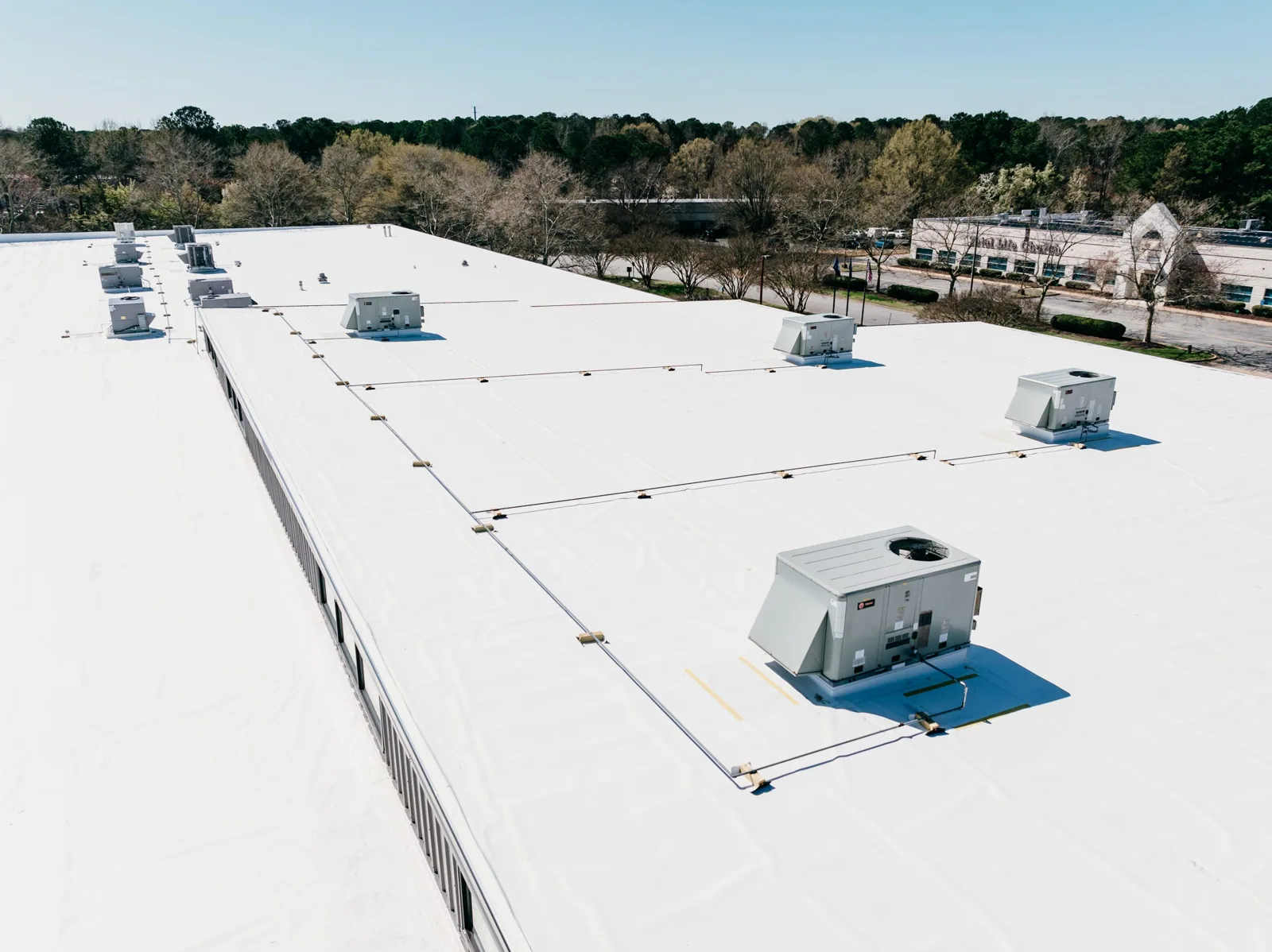
The closeout identifies the prepared sections, repairs completed, coating system used, detail work, and any area left outside the application. Photos show the substrate before treatment and the finished transitions. We note maintenance checks and any location where water or adhesion should be re-evaluated. The owner can compare that record with the inspection findings rather than treating the coating as an undifferentiated layer.
For an asset near the Naugatuck River industrial land or in the downtown area, maintain separate roof records by building and section. A Waterbury commercial roof review can document local access and conditions, while future inspection and renewal can be placed in the budget calendar.
Bring repair history, roof plans, prior coating records, access rules, and the permit window. We can test the assembly, compare treatment with recover or replacement, and identify what evidence supports the selected boundary. The decision record should make clear what the coating is expected to address and what remains outside its scope.
Commercial Roofing Questions
What needs to be true before a roof can be coated?
The substrate must be identified, attached, sufficiently dry, and compatible with the selected coating after required repairs and preparation. We use inspection and targeted testing to identify weak or wet areas, then set the application boundary from those findings.
Does a coating correct ponding water?
A coating follows the surface and does not automatically change slope or restore drainage. We inspect outlets and low areas, then price any drain or slope correction separately so standing water is not carried into the restoration proposal without review.
How does a recover differ from a coating?
A recover adds a designed roofing assembly over existing layers when attachment, moisture, and code review allow it. A coating is applied to a compatible prepared surface. We compare both options with tear-off using test results and the actual roof assembly.
Can the building remain occupied during coating work?
Often the work can be phased, but access, odors, cure time, equipment, and the area below must be reviewed for the selected system. We set work zones and daily closure points with the site contact before application begins.
What weather detail can delay application?
Rain, dew, low temperature, wind, or a damp substrate can affect preparation and application. We confirm the product's required conditions for the work window and pause at a protected boundary if actual weather or surface readings do not support installation.
Compare Coating with Other Roof Scopes
Share roof plans, prior repairs and coating records, access rules, and the permit window. We can inspect the assembly, test uncertain areas, and document whether coating, recover, or replacement fits the evidence.