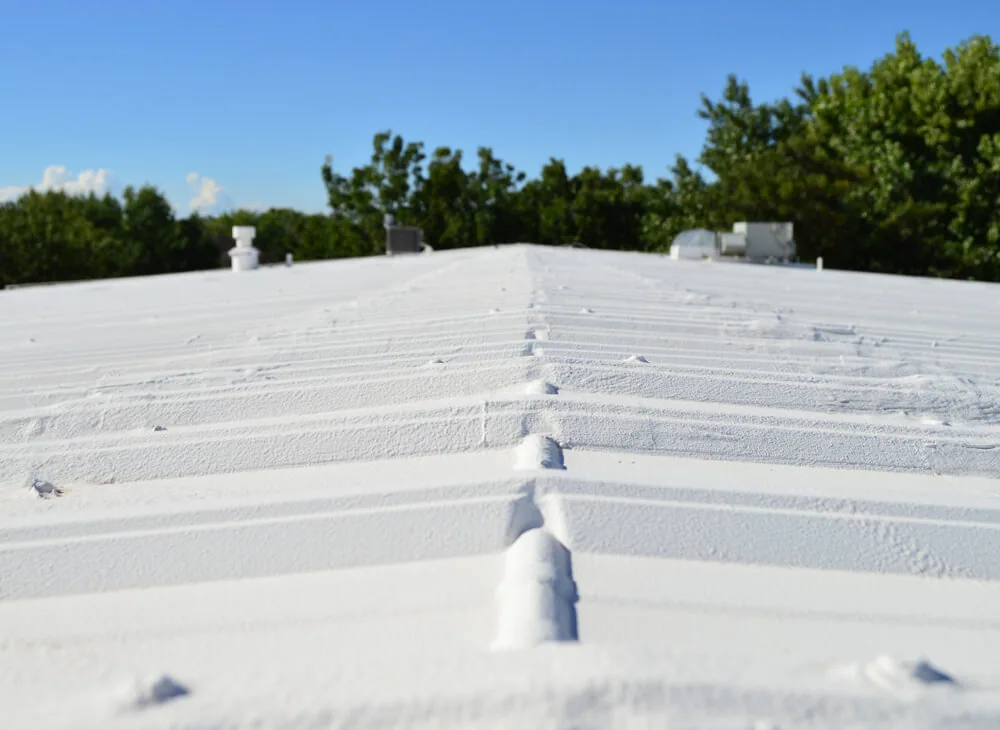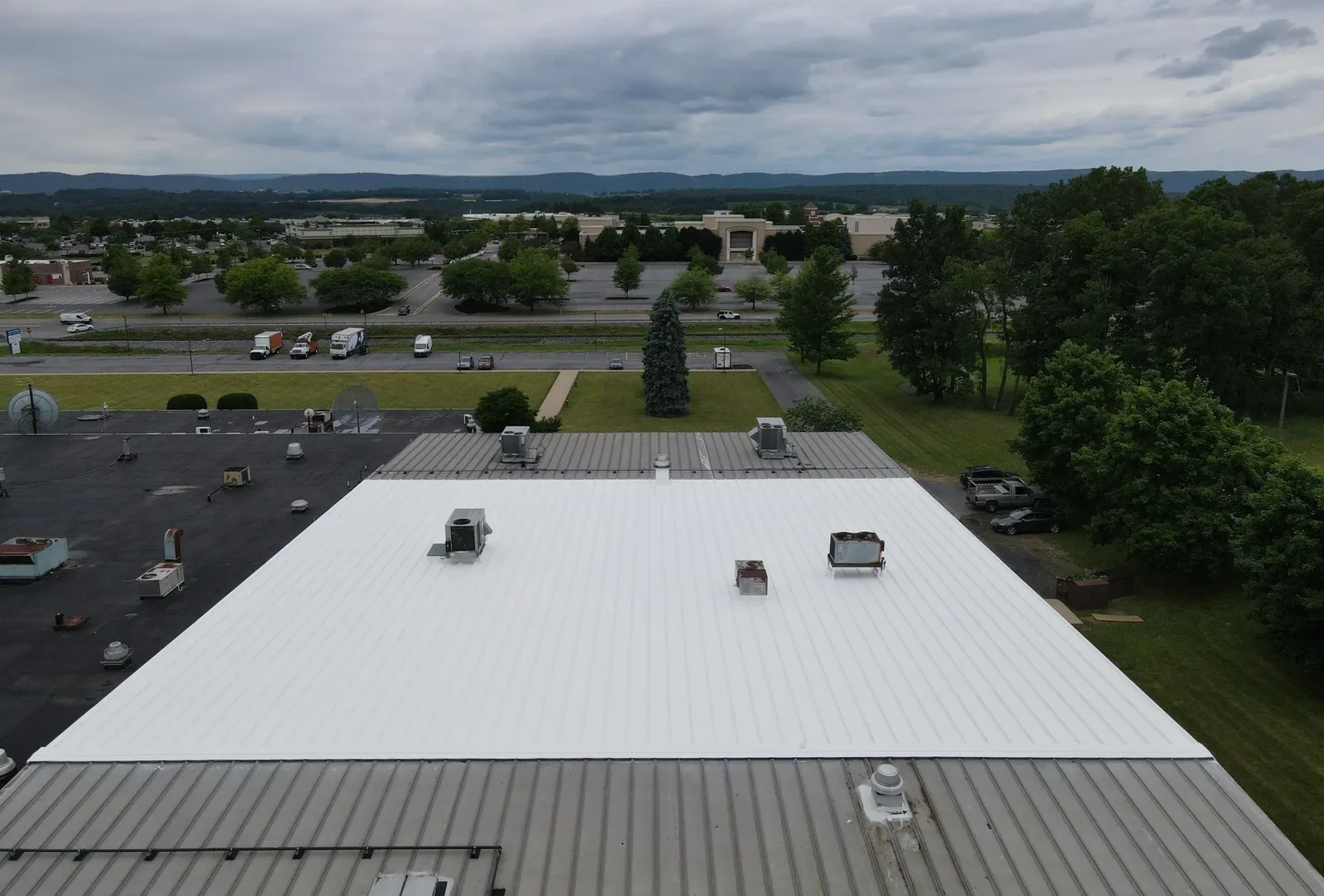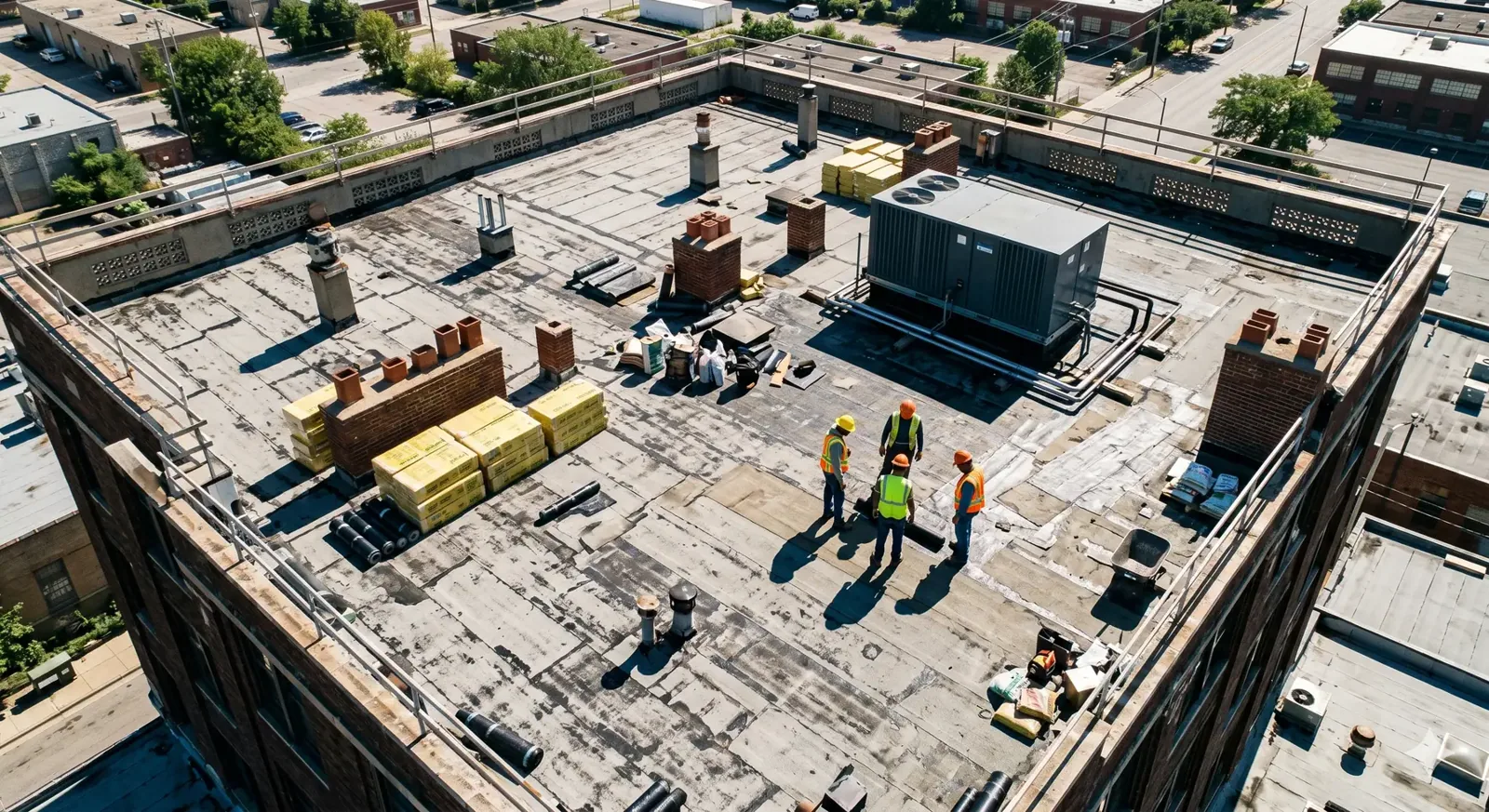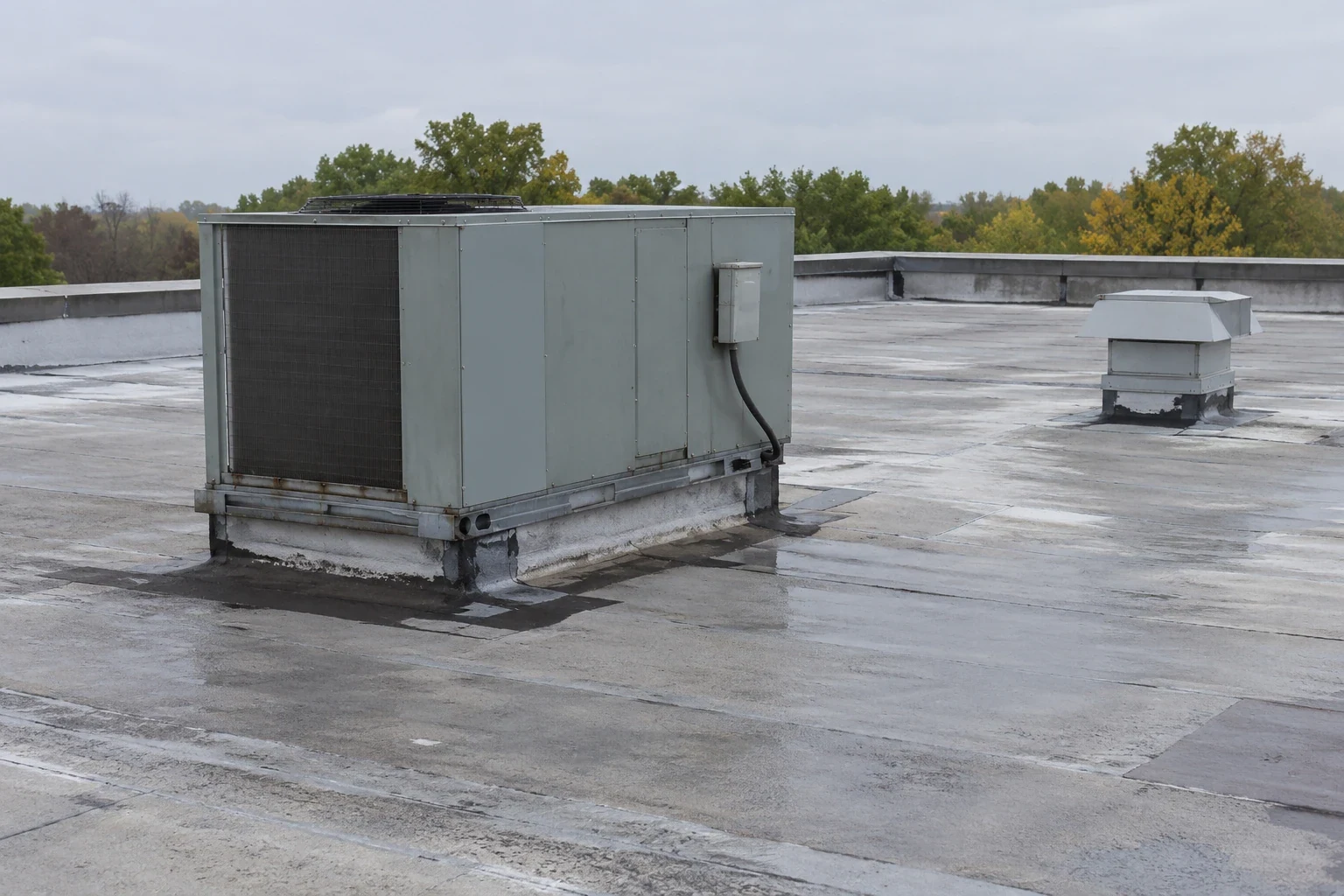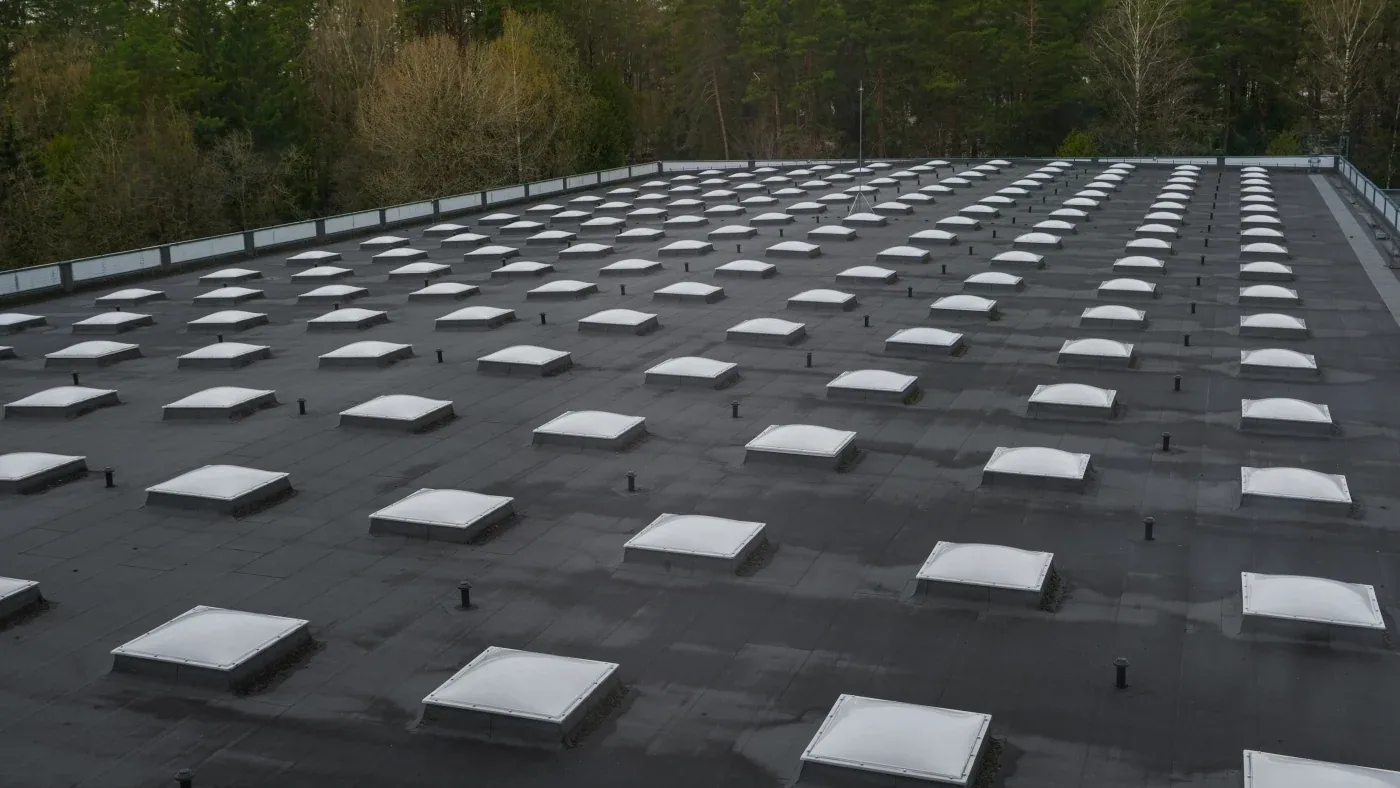
Silicone restoration is a surface system, so the first decision is whether the roof beneath it can support another coating layer. We inspect the existing membrane or foam, locate repairs and ponding, test adhesion where needed, and set a boundary around substrate that remains dry and secure. Waterbury's hazard plan includes summer storms and winter weather across the city. That context makes drainage and application timing part of planning, while inspection findings determine whether a coating can remain within the scope. The city's compact commercial core and industrial districts have different access patterns. We document the actual assembly and price preparation, repair, and coating separately.
Where the existing system is spray foam, the coating needs to be compatible with the foam and existing surface. We compare SPF systems with acrylic coatings only after testing. A restoration inspection can define repairs before application is priced.
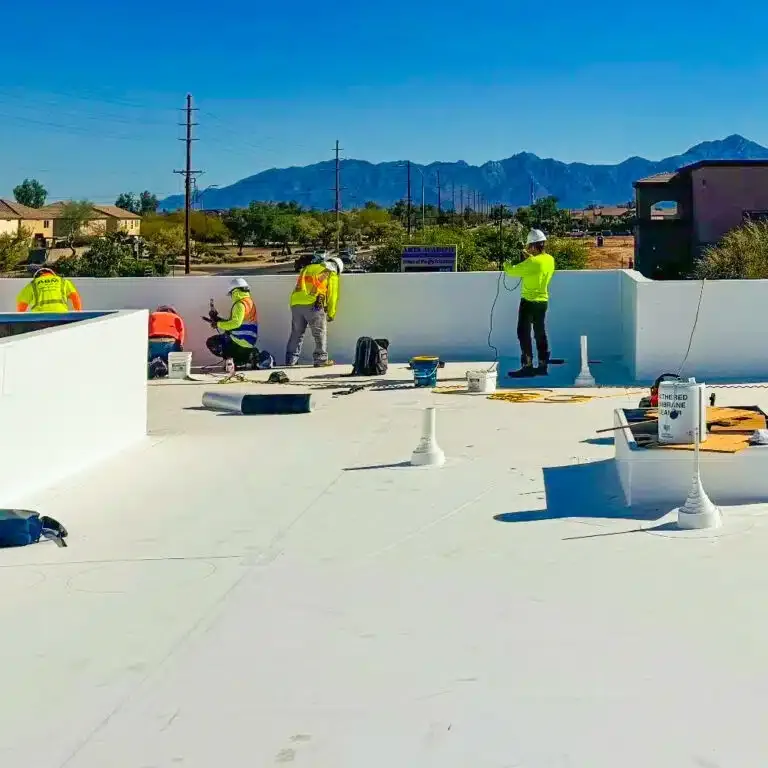
Verify the Existing Surface and Bond
Silicone can adhere to compatible prepared surfaces, but dirt, chalking, prior coatings, trapped moisture, or weak attachment can compromise the new layer. We identify the roof type and treatment history, then check representative areas for adhesion. A test patch can confirm how the selected primer and coating perform after the specified cleaning and preparation. The scope notes the test method and location, and does not treat a single passing patch as proof that every section is ready.
Blisters, open seams, loose flashing, cracks, and wet insulation need separate attention before broad application. A coating will not stabilize a weak deck or dry concealed moisture. Where the roof surface gives mixed signals, targeted test cuts can expose layers and help set a repair boundary. We map each sample and mark untested areas in the report. A roof condition survey can record that evidence, while drainage corrections can address outlets or details that would remain beneath the restoration work.
Treat Ponding as a Drainage Question
Silicone coating does not change a roof's slope by itself. We map low areas, standing water, drains, scuppers, overflow routes, and areas where repeated ponding has collected dirt or affected an existing coating. If the work requires tapered insulation, drain correction, or a separate slope design, those items should appear as distinct scope components. The estimate identifies what the coating is expected to protect and what water-management work remains outside the application boundary.
The city plan cites NOAA Atlas 14 and state climate projections as planning references for rainfall and more intense precipitation. That planning context prompts a review of outlets and overflow paths; it does not replace field measurements or a project forecast. We inspect the roof's current route for water and document the condition near each outlet. A coating can be considered after those details are addressed, not as a substitute for them. For a defined low area, the ponding water review can map the condition before restoration is selected.
Repair and Prepare Before Application
Preparation is a measured work item. We identify cleaning, removal of loose coating, seam repair, flashing reinforcement, primer, and application by roof section. If the surface has several incompatible layers, the estimate may require further testing or removal instead of another coat. We include the details that transition into walls, curbs, penetrations, and drains, since a uniform field application cannot close an incomplete termination.
Waterbury's city plan identifies mixed-use corridors along East Main, North Main, South Main, Highland Avenue, and Willow Street. A coating project in an occupied commercial setting may need delivery windows, protection below the work area, and access coordination. The property manager confirms those rules; we add them to the schedule before material mobilization. We also record an application stop point for each day so that any surface exposed after preparation receives temporary protection if weather interrupts. For roof surfaces with repair needs, a defined repair scope can separate permanent work from restoration.
Set the Cure Window and Site Controls
Silicone application depends on surface dryness, temperature, humidity, wind, and the product's cure requirements. We confirm conditions at the work area before coating and follow the selected system's application instructions. The schedule identifies preparation, detail work, field passes, cure time, and when equipment or foot traffic may return. If a roof section cannot be protected during the cure period, we plan a different work sequence or limit the open area.
Waterbury's municipal annex identifies winter storms and summer storms as local hazards. These are seasonal planning inputs, while daily weather controls the application decision. The site contact provides roof access procedures, staging locations, and operational restrictions. At properties along South Main or near the downtown junction of I-84 and Route 8, those rules may affect equipment placement and delivery hours. A phased work schedule can align application closures with building operations. We retain weather and application notes with the project record so the completed work has a traceable sequence.
Compare Coating with Recover and Replacement
Restoration is appropriate only when the substrate and details support it. If adhesion fails, moisture is widespread, or the existing membrane cannot be repaired into a sound base, recover or replacement may offer a clearer scope. We compare options using the same map of tests and repairs, state what remains in place, and identify the condition that could change each quantity. Cost drivers include preparation, repair materials, primer, coating coverage, reinforcement, drains, access, and any removal.
The owner should receive a written service horizon based on the selected system's requirements and the condition recorded at closeout, with inspection and maintenance tasks called out. We do not price renewal as a blanket promise. Instead, we show the treated area and any excluded section, then list what the next inspection should confirm. A recover comparison can assess added layers, and replacement pricing can set the tear-off boundary when the existing assembly does not qualify. The Waterbury roof review starts with access rules, plans, and prior coating records.
Record Coverage, Repairs, and Exclusions
Closeout photos should show substrate preparation, repairs, transitions, coating coverage, and areas excluded from treatment. We document the product system as specified, the roof sections completed, and any variation approved during the work. The owner receives a maintenance list for seams, penetrations, drainage, and coating wear. If a location could not be tested or treated, that limit stays visible in the report.
For asset managers, keeping those records with prior repair history makes the next capital review more useful. We note access restrictions, permit dates, coating tests, and allowances used, so future work can start from the actual scope. Waterbury's district and corridor context can help organize site logistics, but the coating record remains tied to this building and assembly. A maintenance visit can check the treated surface and drainage at an agreed interval, using closeout photos as the reference point.
Commercial Roofing Questions
Can silicone coating be applied over the existing roof?
Only when the surface is compatible, sufficiently dry, attached, and prepared as required by the selected system. We inspect repairs and details, then use adhesion testing or openings when they could change the decision. The scope records areas that were not confirmed.
Will silicone solve ponding water on my roof?
A coating follows the existing profile and does not create drainage slope on its own. We measure low areas, inspect outlets, and price any drain or slope corrections separately before defining the coating quantity.
How does Waterbury weather affect coating installation?
Waterbury's planning documents include winter and summer storm exposure. We use that context to schedule seasonal work, then check surface moisture, temperature, wind, and precipitation against the coating instructions on each application day.
What repairs happen before silicone is applied?
Open seams, unstable flashing, loose coating, wet foam, and damaged membrane need evaluation before the field coating begins. We define each repair and reinforcement detail in the proposal and verify the prepared substrate before covering it.
What comes with a silicone restoration closeout?
The product and application record, adhesion test results, photos by roof section, repairs completed, excluded areas, and maintenance tasks. We identify the next inspection points so the future condition review can compare like areas.
Test the Surface Before Coating
Provide roof plans, prior coating and repair records, access rules, and the work window. We will test the substrate, map drainage and details, and compare coating with recover or replacement where the findings require it.