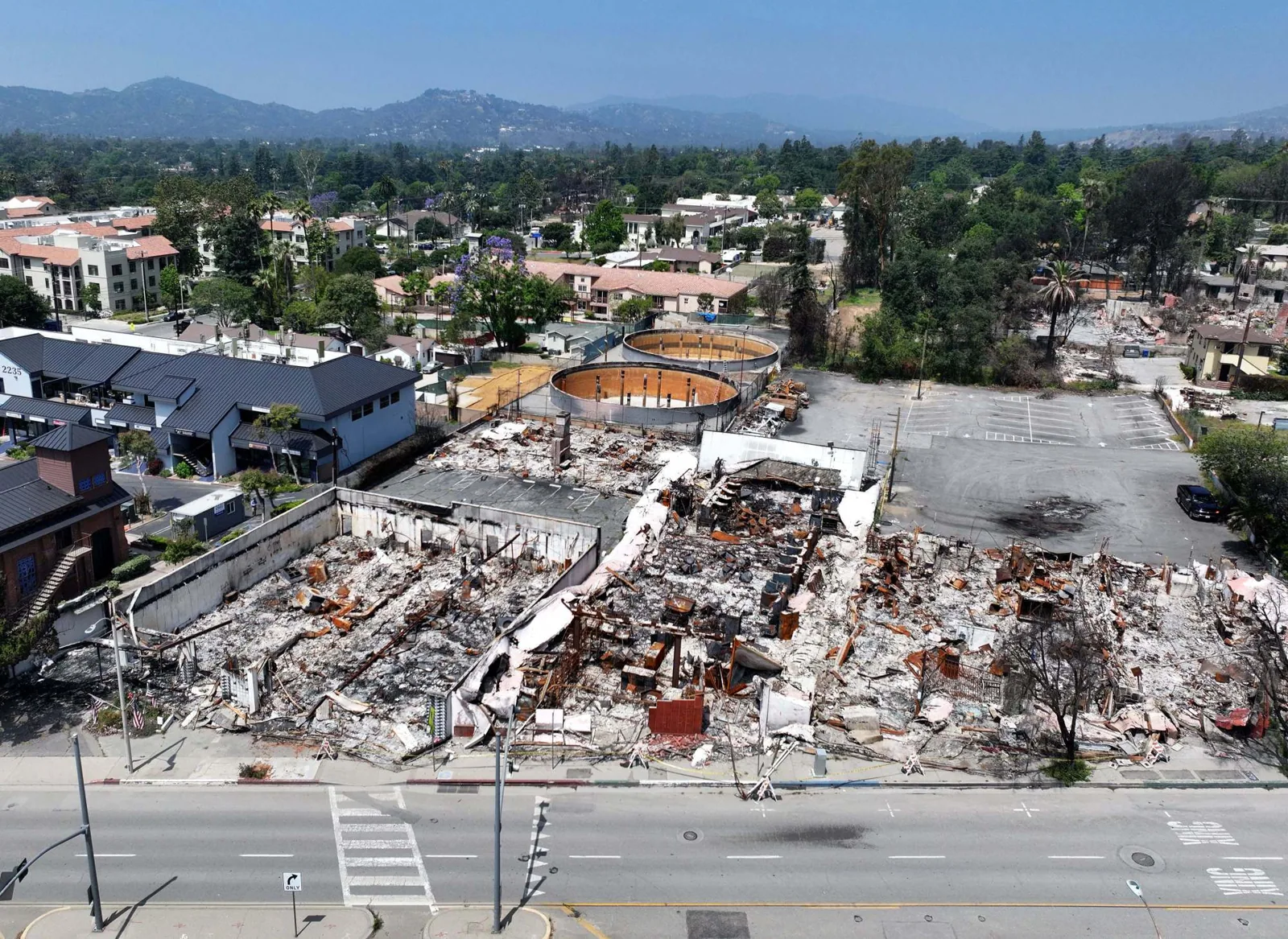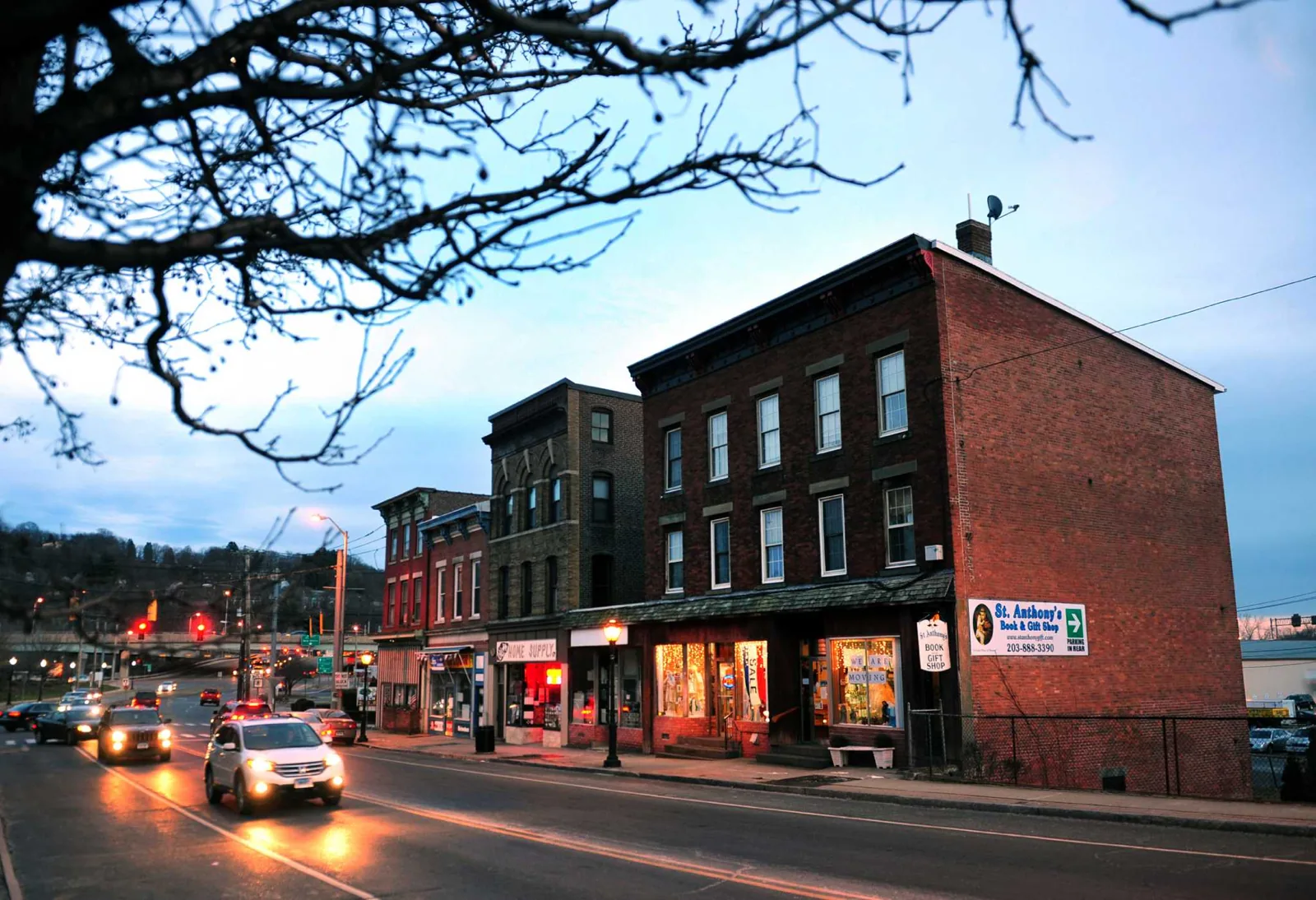
Commerce park land that is mostly built out turns the roofing question from new construction to keeping what exists dry, and the budget choice in Plainville, CT is usually a repair, a recover or a replacement of an older roof. The town's 2024 master plan describes concentrated retail plazas along Routes 1 and 152 and a growing Town Center with historic structures, civic buildings and new businesses, which means the same town holds shared plaza roofs, older buildings and newer ones in close company.
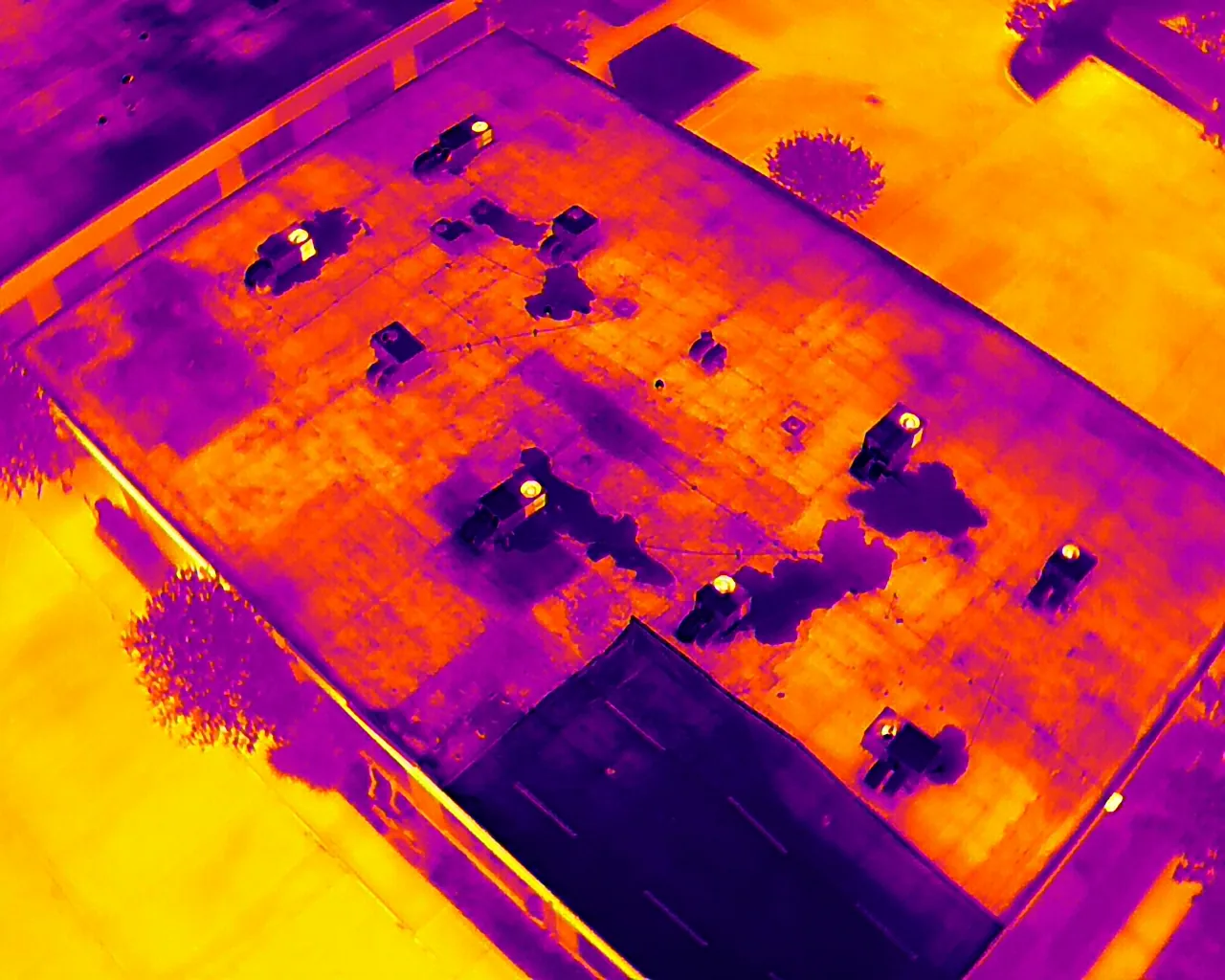
We start with the finding that could change the price: a moisture survey by roof section. It separates a plaza roof that needs a few repairs from one whose insulation is wet, and it gives the property manager a basis for timing the work around tenants.
Divide a plaza roof into sections tenants can live with
A retail plaza has one long roof or a few connected ones over many tenants, and a leak in one bay may start well away from it. We map the roof into sections that match the tenant layout, then trace each reported stain back along the slope to the likely entry point. That avoids patching the wrong place, and it shows which tenants share a drain path or a curb.
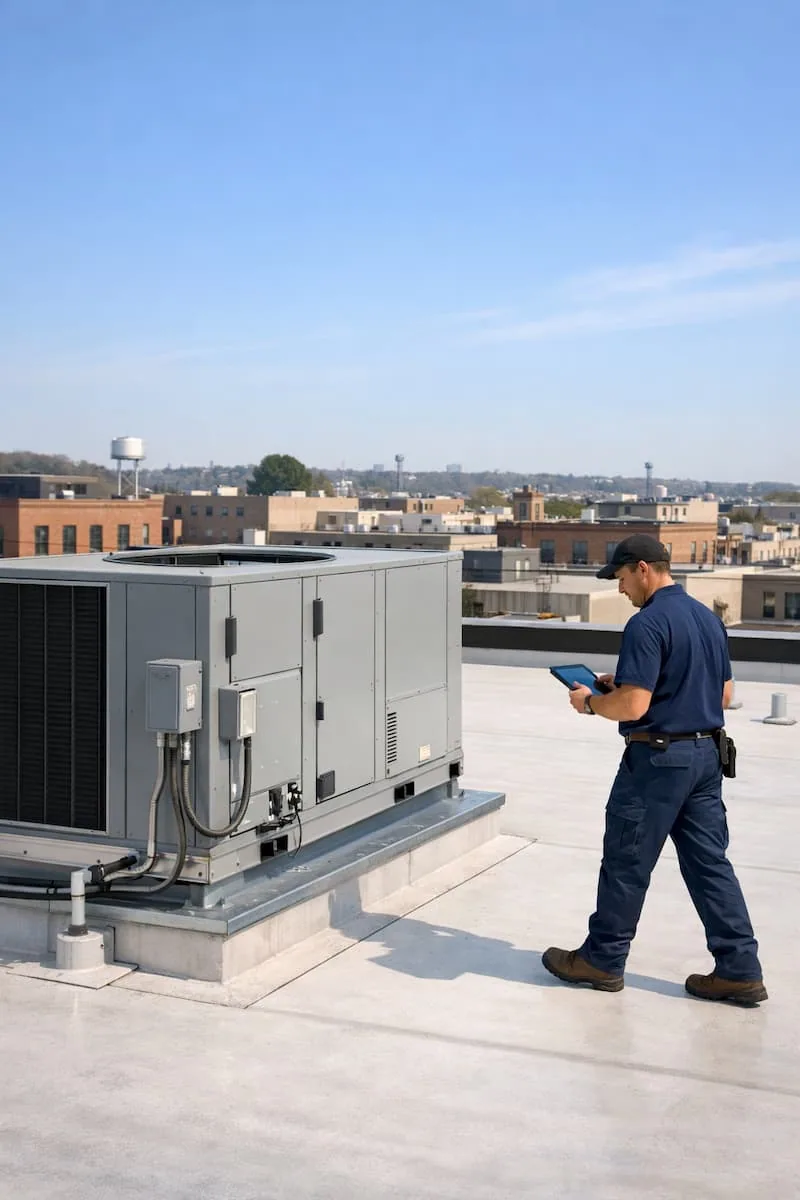
The work schedule follows the map. A dry-in point for each section means no tenant faces an open roof overnight, and noisy tear-off is placed in hours when the affected shops have the fewest customers. For equipment that serves a restaurant or a clinic, we check each curb and support for flashing height and sealant condition before pricing a patch. The estimate states which tenants are affected by each phase and what protection is placed below.
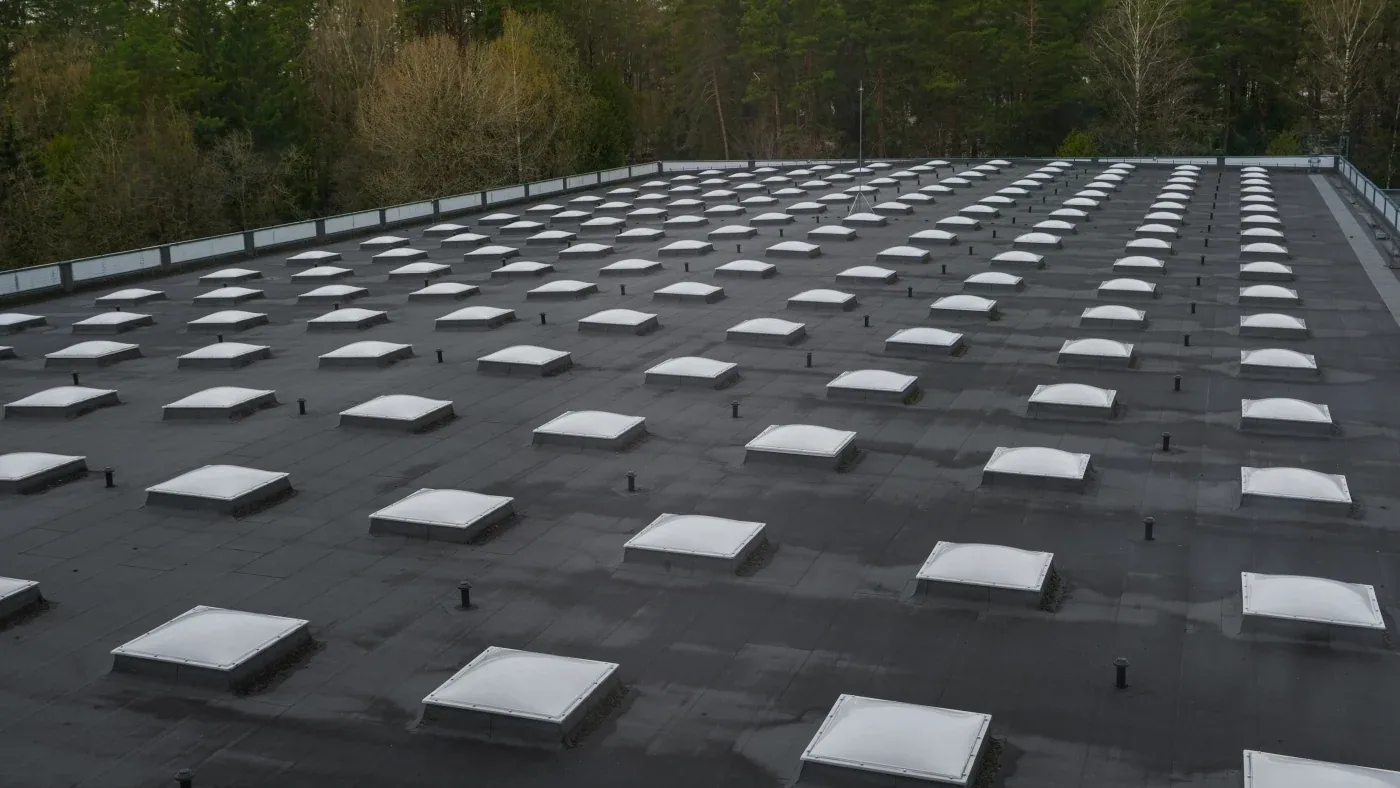
Shared drains are a quiet cost driver on plaza roofs. One clogged scupper can pond water over several bays, and the stain shows in a tenant that has no problem of its own. We open and test each outlet, note the slope toward it and record any area where water stays after the rain has stopped, so the fix goes where the water actually collects instead of where the stain appears.
Treat town center buildings as individual cases
The master plan describes the Town Center as having historic structures, civic buildings and new businesses together. A historic building is not automatically a particular roof type, and the age of a structure does not tell us the age or condition of its roof. We inspect what is there: the membrane or covering, the flashing at walls and chimneys, the drains and gutters, and past repairs.
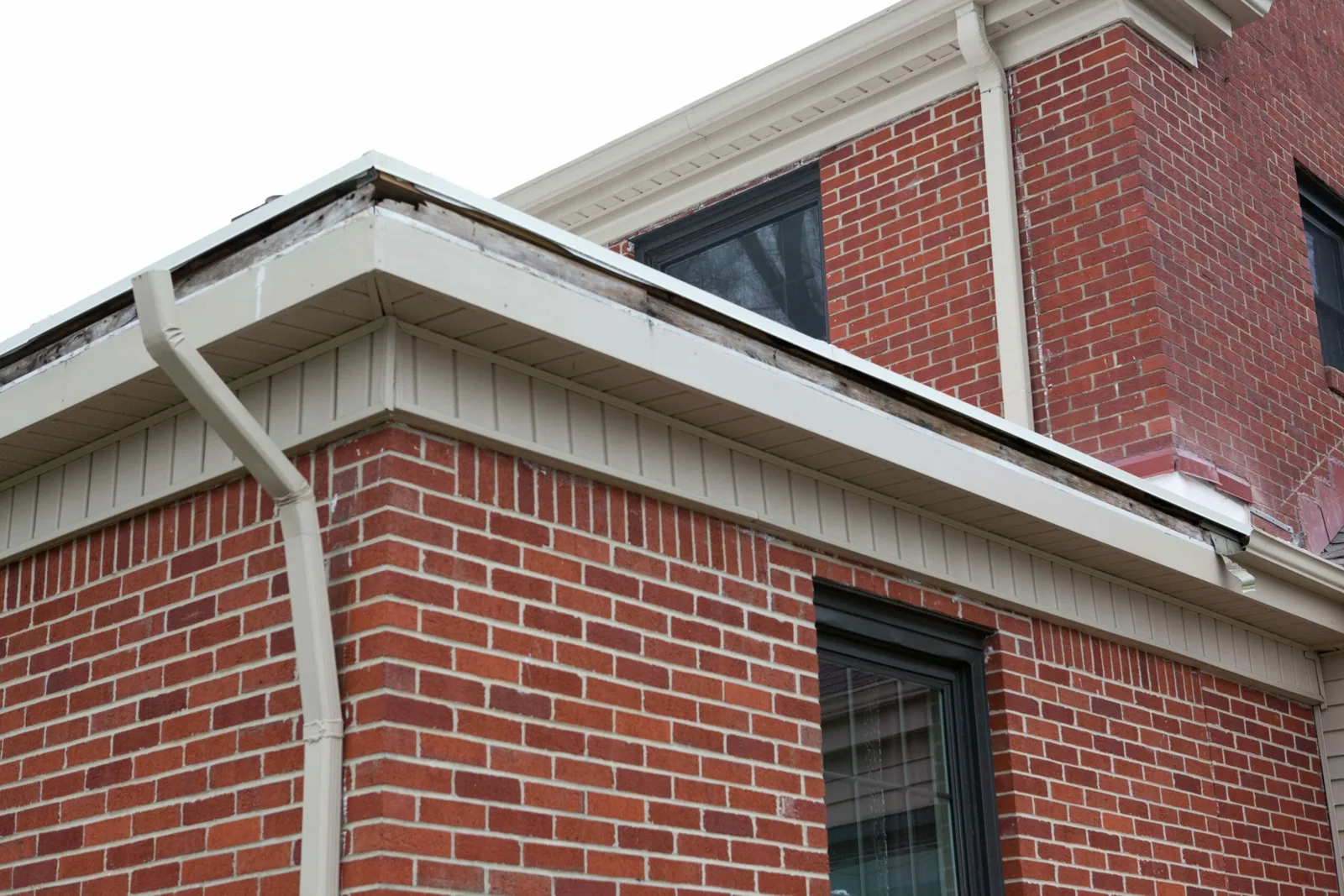
Older buildings often have details that call for hand work, such as irregular walls, parapets, or additions joined at odd angles. These raise labor cost because the flashing cannot be prefabricated. We price them as their own line so the owner sees the difference between the field of the roof and its details. A coping, edge metal and gutter review at the perimeter often finds the cheapest fix with the largest effect, since open edges and loose metal let water into the wall below.
Plan replacements in built-out commerce parks
Plainville's plan identifies the Commerce Boulevard commerce park and nearby industrial properties as mostly built out, with Route 1 and Route 152 holding many of the remaining commercial and industrial sites. For a roofer, built out means that the buildings that will be roofed for the next stretch of years are already standing. The question is when each reaches the point where repair no longer holds.
We help an owner answer it by testing instead of guessing. A moisture survey and a few cores show whether a roof can take a recover or needs tear-off, and the record can be used again at the next review. In a park where several buildings share an owner or a lender, the survey results rank the roofs, so capital goes first to those with wet insulation or repeated leaks.
Access in a park is usually easier than downtown, but it is not free. Truck routes, dock hours and neighboring tenants still set the delivery window, and a roof over an active loading area needs protection for the people below. We ask the site contact for receiving rules and mark the staging area on the plan before the first load arrives.
Check drains and edges ahead of the heavy-weather months
Snow, ice and sleet reach all of Waterbury according to its hazard plan, which also flags hurricane and tropical-storm wind and rain, with flooding the most common historical damage there. They are a reasonable prompt for a plaza owner to confirm that drains are open and edges are tight before the cold season and the storm season.
Snow on a plaza roof tends to collect at parapets, in valleys and behind rooftop units, and the melt must find a drain. We look for those spots, check scupper openings and note any sheet that has lifted at the edge. A snow and ice damage repair completed in dry weather costs less than the same repair after water has entered a wall. We also photograph the roof after the first big storm of the season, so any change in a seam, edge or drain is compared with a dated baseline.
Set the capital decision with evidence behind it
The owner's choice rests on three figures with their allowances: a repair line, a recover option and a replacement line. Cost drivers include removal and disposal, insulation, edge metal, flashing, drains, protection and permit review. The state code that governs filings after October 2022 rests on the 2021 International Codes, and we read its insulation and permit terms before the number is final.
We attach photographs and moisture results to each line, so a lender or partner can see why a boundary was drawn. Owners with other holdings in Southington or Berlin can compare roofs across their portfolio through the same condition report format. When the evidence supports waiting, the report says how long and what to monitor. When it does not, the report says that too, and names the first section to replace so that the work can be phased across budget years instead of landing on one. A written summary of tenant hours, delivery windows, and the loudest tasks, shared with management before the first lift arrives, gives each shop owner a plain schedule and keeps the roof crew from guessing at what is acceptable.
Commercial Roofing Questions
How do you find where a plaza leak starts?
We map the roof into sections, trace the stain along the slope to the nearest likely entry, and test the area with a moisture meter or a test cut. That keeps the patch from landing in the wrong place.
Does a historic building mean a particular roof?
No. Age and style do not tell us what covers the roof. We identify the actual covering and flashing on the walk, then price the hand-fit details separately.
What does built out mean for roof planning?
The roofs we will see are on existing buildings, so decisions are about repair, recover or replacement. A survey and cores tell us how long each roof can be held and what it would cost to stop.
Can tenants stay open during a plaza reroof?
Usually, if the work is phased by section and each section is dried in daily. Noisy work goes in low-traffic hours, and protection is placed below opened areas.
When does waiting make sense?
When moisture testing shows the insulation is dry and the failures are isolated. The report lists the items to monitor and the date to recheck, and it states what would change the recommendation.
Send the tenant layout and the roof records
Share the plaza or building layout, tenant hours, past repair records and the areas where leaks appear. We will map the roof sections, test for moisture and report whether repair, recover or replacement is supported.