Snow load is a structural question and ice is a drainage question, and a winter repair budget needs both answered before it names a figure. A roof that carries a deep, wet snowpack may need relief before any membrane work is planned. A roof where meltwater refreezes at the eave may be sound under the snow and still leak at the edge. The first walk after a storm therefore asks two things: is the structure showing stress, and is water leaving the roof or finding another way in?
Owners in Waterbury, CT plan against a municipal hazard plan that lists the whole city under snow, ice, sleet, nor'easters and blizzard conditions, with freezing winters in the municipal annex. That is planning context for scheduling and budget, not a record of any building. The roof's own condition comes from inspection, and the winter's effect on it comes from a walk after the thaw with photographs taken from the same positions as the autumn walk.
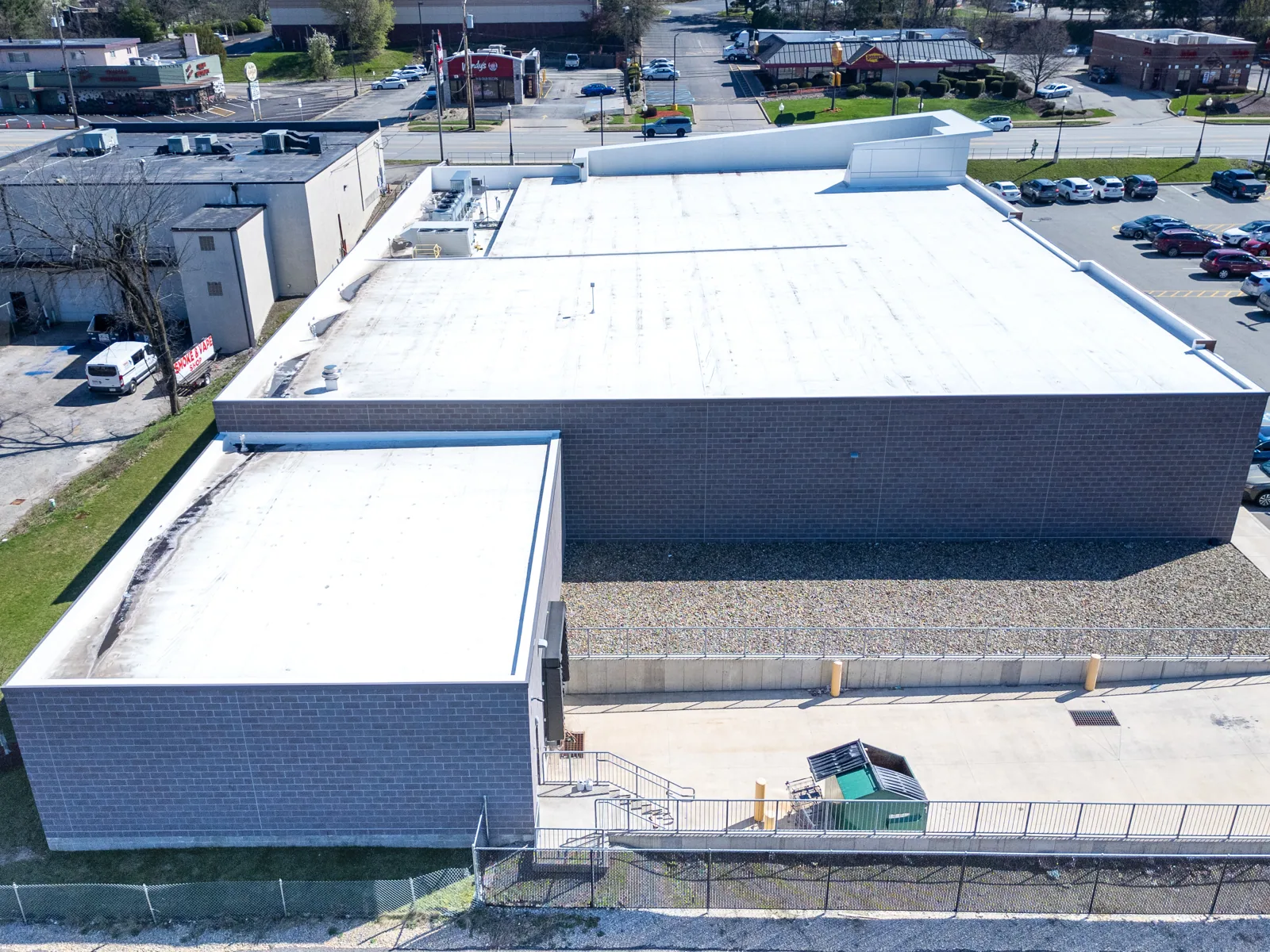
Check for Structural Stress Before Touching the Membrane
Signs of excess load include sagging ceilings, deflected decking, doors that stick, new cracks in walls and fasteners that have pulled. Where any appear, the building owner calls a structural engineer before roof work begins, and we hold work on the affected area until limits on loading and access are set. Snow removal in that case follows the engineer's instruction.
On a roof that shows no stress, the question is how to remove or manage snow without damaging the membrane. Shovels with metal edges, snow blowers and power tools can cut or abrade a sheet. We specify plastic tools, leave a layer of snow on the surface and avoid removal near drains and flashings except to clear the water path. The scope lists the method and the cost, so removal does not create a repair.
The record of what was seen is kept even when nothing is found. A dated photograph of an undamaged ceiling and a note of the date and the snow depth show the building's condition at that point, which helps if a claim or a lease question arises later in the winter.
Keep the Drain Path Open Through the Freeze
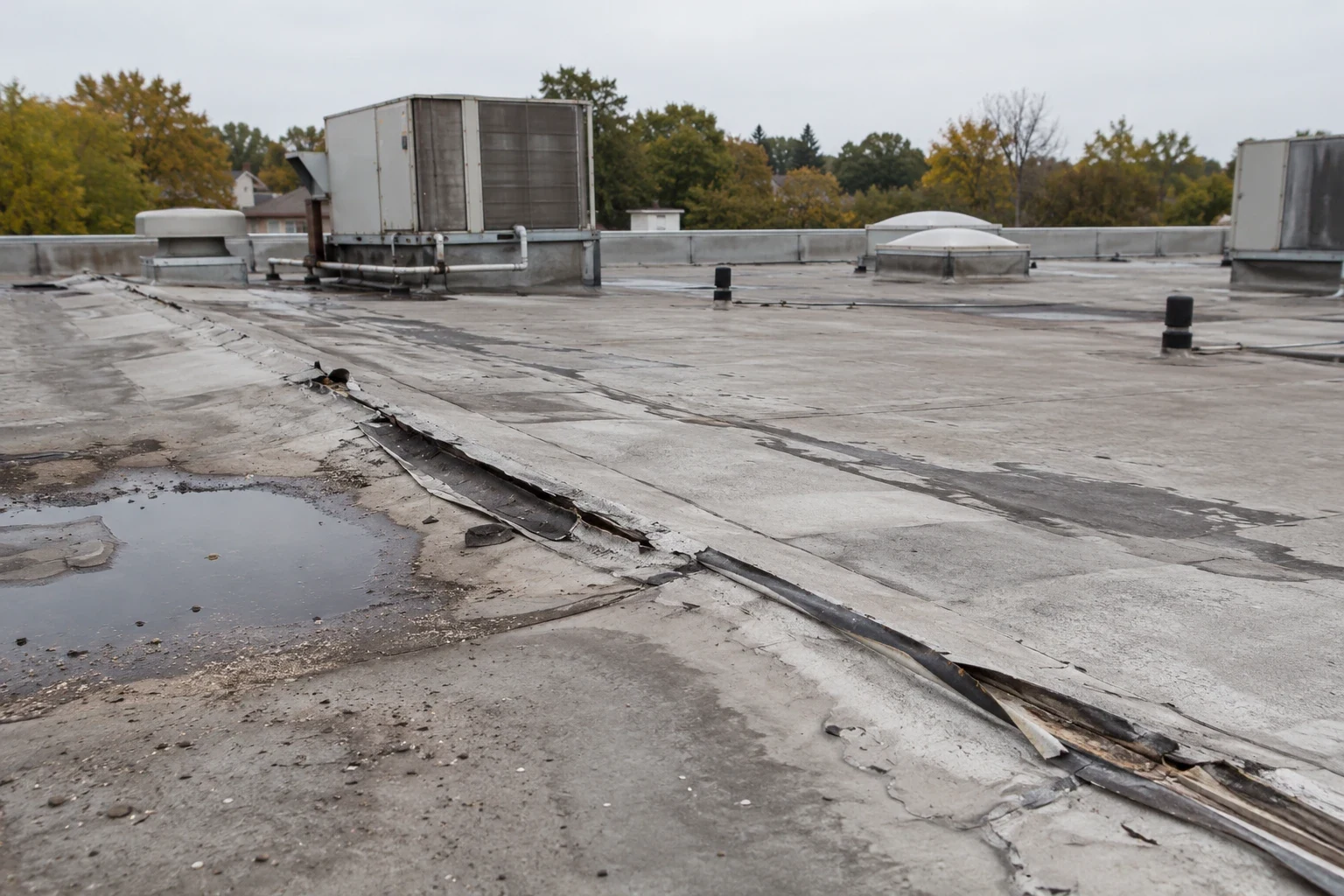
A drain that is frozen shut turns the roof into a basin. Meltwater from a warm day has nowhere to go, ponds at the low point and freezes again at night, loading the membrane and working its seams. Clearing a frozen drain or scupper with steam or a heat source, with care for the membrane, is the first repair in many winters, and it is priced as an emergency item.
Preventive work is cheaper. In autumn, strainers are cleaned, sumps are checked for settlement and scuppers are cleared of debris. Overflow drains are verified. We list each with its location and price it as a single pre-winter scope. If the pond appears again, the records move it into the ponding water scope with the earlier photographs attached.
Repair Ice Dam Damage at the Edge
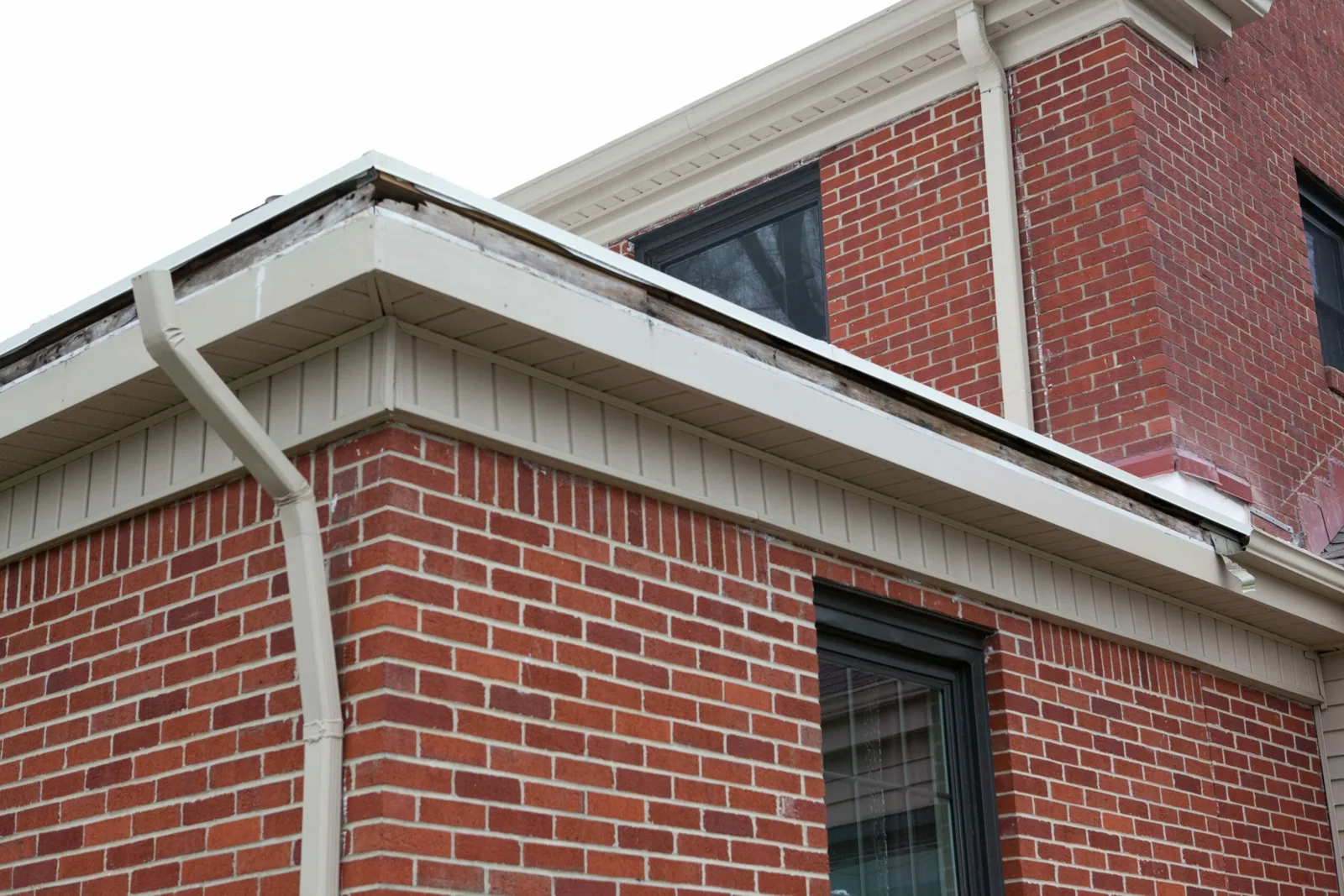
Ice dams form where meltwater from warmer parts of a roof reaches a colder edge and freezes. On low-slope roofs with parapets and internal drains, the equivalent is ice at a scupper or a gutter that backs water behind the edge. The water can lift flashing, enter at the first course of roofing and wet insulation along the perimeter.
After the thaw, we walk the perimeter, press on edge metal, inspect coping and gutters for bends and loose fasteners and check the membrane near the edge for lifted laps or cracked sealant. Damaged metal is replaced, fasteners reset and sealant renewed. If water entered, a moisture scan along the edge sets the boundary of wet insulation, and the quote shows that boundary as its own line.
Snow that slides from a higher roof onto a lower one adds a sudden load and can crush rooftop equipment, vent pipes and gutters on the lower level. Where a building has stepped roofs, the lower roof is marked as an exposed section, and the walk looks for impact marks and bent metal.
Inspect Seams and Flashings After Freeze-Thaw
Repeated freezing and thawing moves a roof. Membrane seams open at corners, sealant cracks at terminations and fasteners work loose in softened substrates. The damage is gradual and shows in spring as a stain or a drip, long after the event that caused it.
A post-winter probe of seams and a check of terminations find these items while they are small. Open seams follow the scope for seam failure repair, and cracked terminations are reflashed or re-sealed by quantity. A section with several failed details is a candidate for a larger scope, and the written comparison shows the repair, recover and replacement options with the evidence behind each. A recover is possible only where moisture readings show dry insulation.
Plan Access for Snow, Ice and Occupied Buildings
Winter work faces limits that summer work does not. Daylight is short, surfaces are wet or frozen, and adhesives and welds need workable temperatures. Access to the roof may need snow cleared from a ladder base, a lift position or a hatch. We price those items and show them in the schedule.
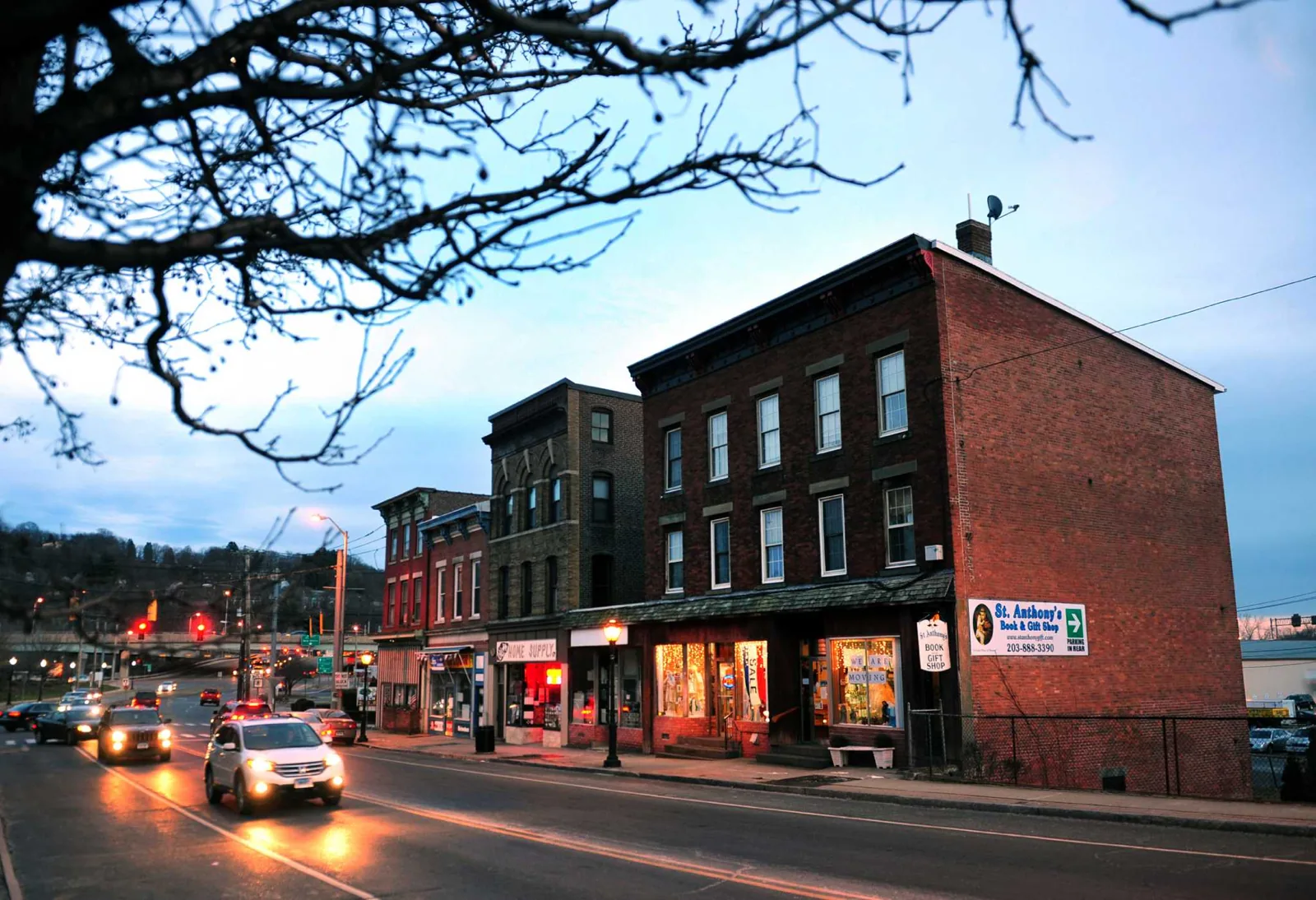
South Main and North Main sit among the mixed-use corridors that surround the compact core at the I-84 and Route 8 junction. Occupied buildings in any of those settings need interior protection and clear notice to tenants before a leak repair opens a ceiling or a roof. Owners with properties in Waterbury and Plymouth can use the same format to rank winter repairs across several buildings.
Close the Winter Scope With a Spring Review
The closeout file contains the pre-winter list, the post-thaw photographs, the moisture readings, the repairs made and the repairs deferred, each tied to a roof section number. Permit filings since October 1, 2022 fall under Connecticut's State Building Code, which follows the 2021 International Building Code and Energy Conservation Code. Winter repairs seldom need review, while a replacement of damaged sections may.
A spring review date goes into the file, and a second autumn review follows. The asset manager can see which sections held through the winter and which will move into the capital plan. An emergency repair made in the cold is recorded as temporary until its permanent counterpart is complete.
Commercial Roofing Questions
When should snow be removed from a commercial roof?
Remove it when the building shows signs of stress, such as sagging ceilings or sticking doors, or when drains and edges are blocked. Call a structural engineer first if stress appears. Otherwise clear only the water path and leave a layer of snow to protect the membrane.
How do I clear a frozen drain without damaging the roof?
Use steam or a gentle heat source applied by a trained crew, not a flame or a metal tool. Clear the strainer and the sump, and confirm flow. Schedule autumn drain cleaning to avoid the emergency.
What does an ice dam do to a flat roof?
It backs meltwater behind the edge or at a scupper, where it can lift flashing and wet the insulation. Inspect the perimeter after the thaw and run a moisture scan along the edge.
Is spring the right time to repair winter damage?
Make temporary repairs in winter to keep water out, and schedule permanent repairs for the first dry stretch of workable temperatures. Price both and record the temporary work as such.
Can winter damage be estimated while the snow is still on the roof?
Only roughly. Structural stress and blocked drains can be judged during the storm, but membrane, seam and flashing damage shows after the thaw, so the estimate is built from an inspection once the roof is clear and the photographs match the autumn walk.
Send the access rules, the leak history and the capital window
Send the roof plan, the locations of any winter leaks, the access rules for the building and the capital or permit window. We will inspect after the storm or the thaw, test for wet insulation, and deliver a written scope that separates repair, recover and replacement.