A retail center that stays close to full is a roof that cannot be closed for long, so the schedule in Southington, CT often matters more than the sticker price of the work. The town's 2016 official statement described efforts to diversify its commercial and industrial tax base and reported growth in industrial, medical-office, retail, dining, recreation and office sectors, and each of those uses puts a different demand on the roof and on the calendar.
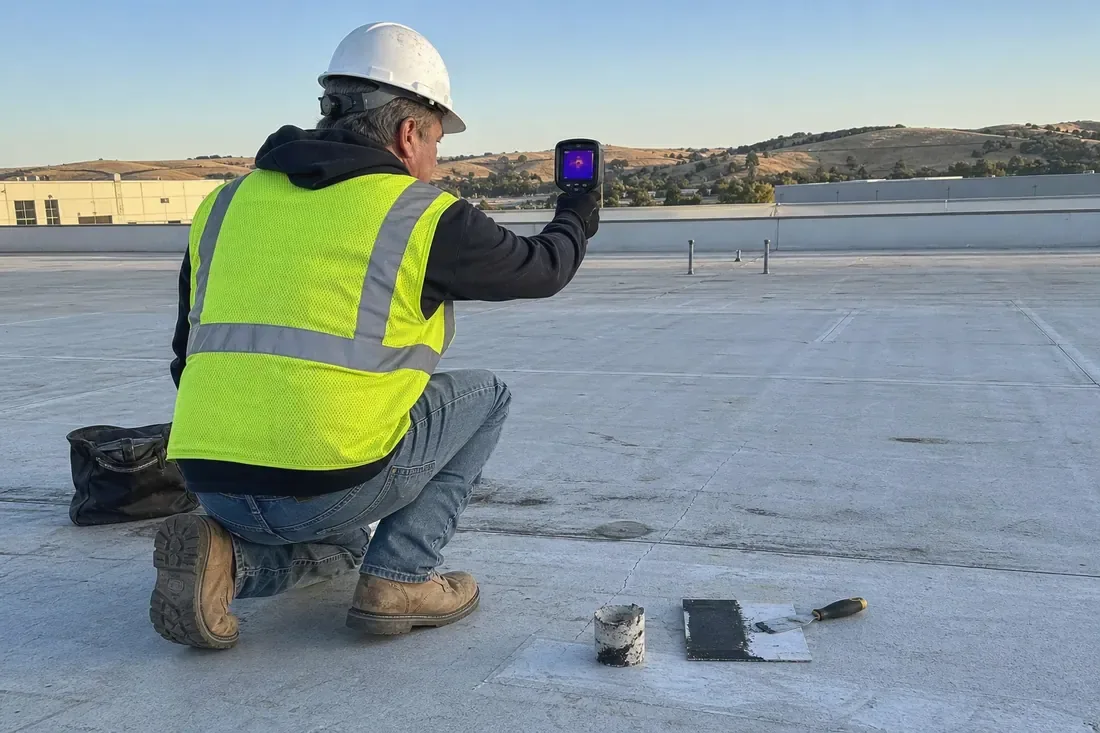
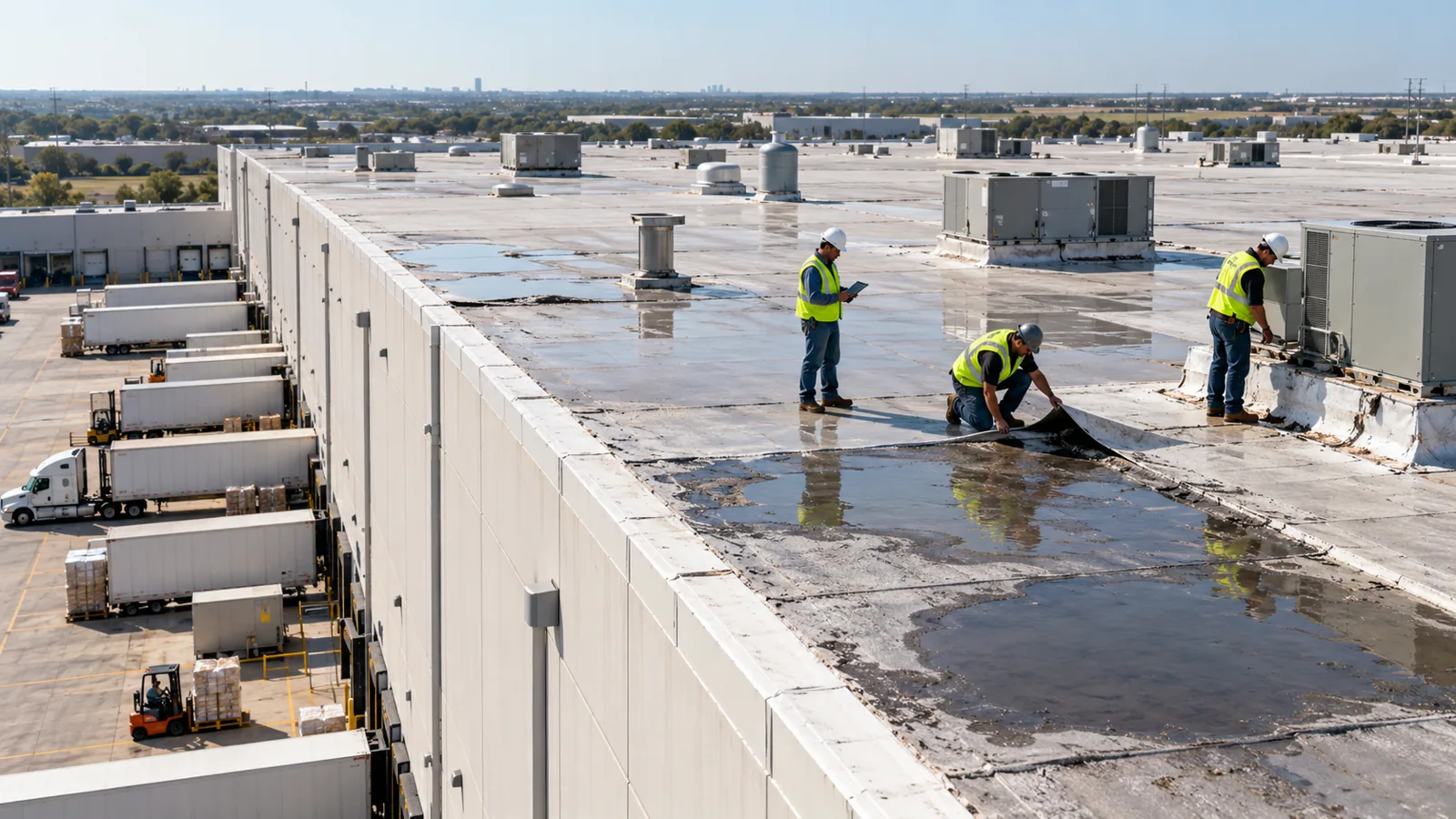
We begin with the inspection finding that can move the plan: whether the insulation under a section is wet. Once that is known, an asset manager can decide whether the next scope stops at a repair line, uses a recover option or reaches a replacement, and can place the work in the quietest weeks for the tenants below.

Time the work on retail roofs with the sales calendar
The same statement reported strong retail activity along Queen Street, with occupancy near full capacity and redevelopment supporting more retail, as of 2016. That is dated information, and we use it only as context: retail and dining roofs here have tenants who count on foot traffic, and the busiest weeks are rarely the best weeks for a tear-off. We ask the property manager for the tenants' peak periods and plan the dry-in dates around them.
On a restaurant bay, the roof carries exhaust fans and grease, and the work has to respect kitchen hours and fire rules. A restaurant roof scope includes the fan curbs, the roof area downwind of the exhaust, and the access route for the crew. For a retail unit, the scope notes which interior finishes would be at risk if a section were opened early, so protection can be placed first and the section closed before the day ends.
Recreation and dining uses can hold higher interior humidity, which shows up under a roof as condensation on the deck or insulation that can be mistaken for a leak. We check for moisture sources inside before blaming the membrane, because a roof repair will not stop a vapor problem, and the report separates a roof defect from an interior cause so the owner pays for the right fix.
Use the I-84, Route 691 and Route 10 network in the delivery plan
Interstate 84 bisects Southington, Route 691 connects toward I-91, and Route 10 runs through the town. That gives the town convenient truck routes, and it also means a roofing delivery can be delayed by highway traffic outside our control. We schedule material drops with a margin, confirm receiving hours and keep a backup staging plan if a lane or a lot is unavailable on the day.
For a property near the interstate, we also ask about noise and visibility, since a lift or crane can be seen from the road and a customer may wonder if a business is open. A sign at the entrance and a protected walkway keep the public informed and safe. Owners with holdings in Cheshire or Berlin can coordinate deliveries across more than one site, which sometimes lowers the mobilization cost of each.
If the property shares a lot with other owners, we also agree on where the dumpster and lift stand, who controls the gate and how the neighbors are notified. A short written access plan, signed off by the site contact before the first day, prevents the most common cause of lost time, which is a crew waiting for an area that someone else expected to keep clear.
Scope the roof by use, from medical office to industrial
Southington's reported growth spans industrial, medical-office, office, recreation and dining uses, and the roof questions differ across them. A medical office needs quiet hours, dust control and a firm dry-in point. A recreation building may have a large open interior where a leak affects floors and equipment. An industrial building has process equipment and long drain paths where a clog can hold a pond across much of the roof.
We do not assume the type of roof from the use, so every building starts with a walk that records the covering, insulation, drains and penetrations. The findings go into a condition report with photographs by roof section, so each building's repair line and replacement line can be compared on the same basis. If a building has been repaired repeatedly, the report shows where and how often.
Test drains before the summer storm and winter seasons
The hazard plan prepared for Waterbury lists summer storms and tornadoes among local hazards and projects heavier extreme precipitation and hotter summers for Connecticut. They are a reasonable prompt to confirm that scuppers, drains and edge metal are in good condition before the warm, wet season. A drain that clears slowly under a light rain can fail in a heavy one.
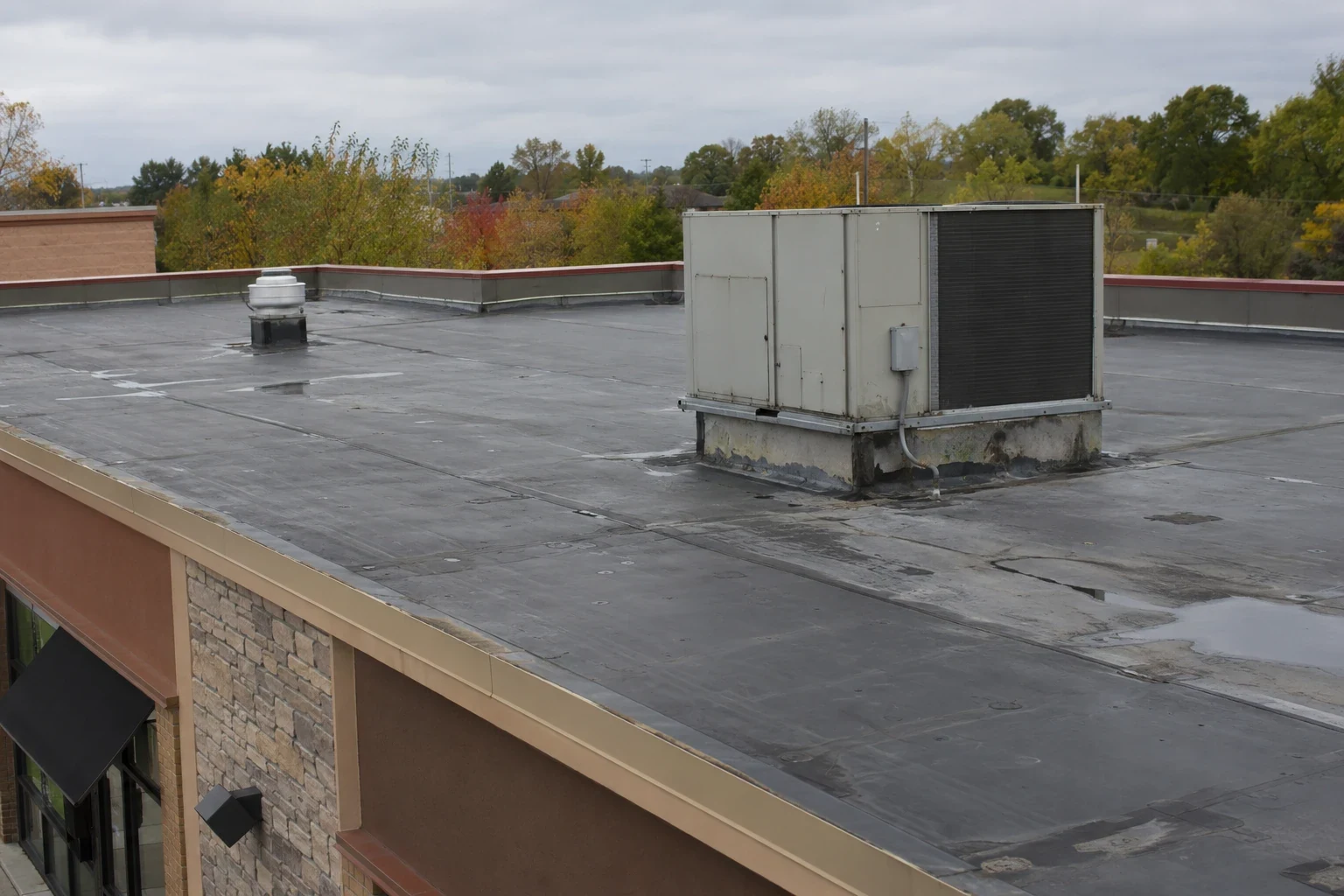
Each outlet is opened, the fall toward it is measured and the stains that show where water stood are read. Where a roof ponds, a ponding water repair may involve a drain correction, a tapered insulation section or a new outlet, and we price each as an option. Heat also ages membranes, so seams and flashings are inspected for movement as well as for water. A seam that opens a hair in July will take water in the next storm, and a shrunken flashing at a wall is easier to re-bond in warm weather than in a freeze, so the summer walk produces a repair list the crew can finish before the cold returns.
Separate the estimate into lines that can be approved or deferred
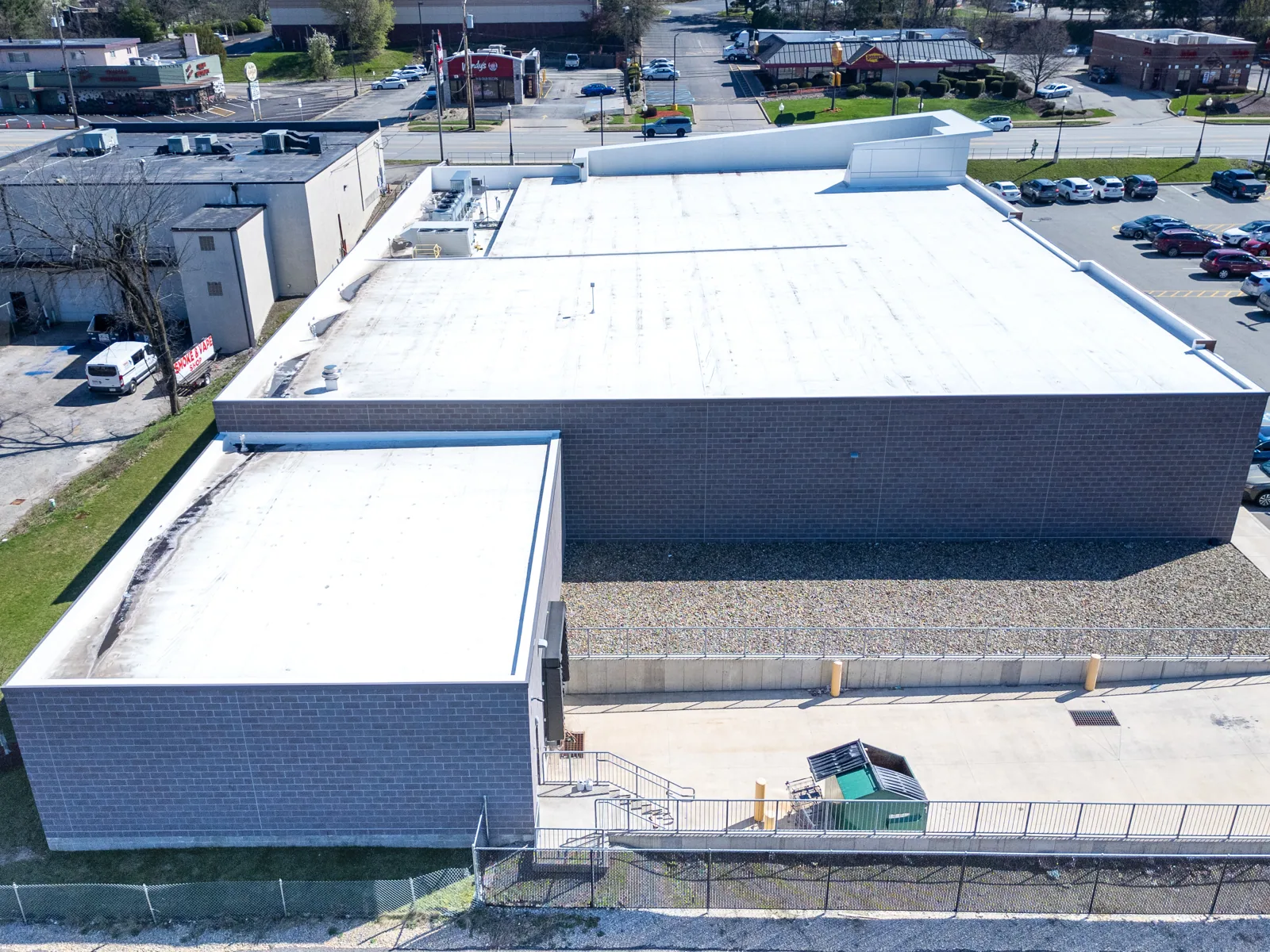
The estimate should read like a menu of decisions. The repair line lists specific fixes. The recover option applies where the layers are dry and the structure can carry another system. The replacement line carries removal, disposal, new insulation, edge metal, flashing, drains and the closeout record. Wet-core allowances appear as unit rates, so a smaller wet area lowers the cost and a larger one is already priced.
For a full replacement, the permit follows the 2022 state building code, an adoption of the 2021 International Codes, and its insulation terms are confirmed before any figure is called final. An asset manager can use the lines to build a capital plan, approving what is urgent and deferring what the evidence supports deferring, with a recheck date for each deferred item.
Commercial Roofing Questions
How do you plan a retail roof around peak sales weeks?
We ask for the tenants' peak periods and set dry-in dates outside them. Work is phased by section so shops keep trading, and noisy tear-off goes in the hours with the fewest customers.
What should a Southington owner send before a roof survey?
The tenant calendar and peak trading weeks, any roof drawings and repair invoices, the delivery route, and the areas where leaks have appeared. That lets the survey be planned section by section around trading hours.
What can we do if the interstate delays a delivery?
We schedule drops with a margin, confirm receiving hours and keep a backup staging area. If a delay cannot be absorbed, the section stays closed and the crew moves to another task.
Is a recover option realistic for an older roof?
Sometimes. It calls for insulation that tests dry, a deck in good shape and room at the walls and curbs. A survey and test cuts decide it, and we show the cost of the alternative beside it.
How do I decide what to defer?
Defer the items that testing shows are dry and stable, and set a recheck date. Act now on wet insulation, open seams and failing flashing, because those tend to get worse and cost more later.
Send the tenant calendar and the roof records
Share the property contact, peak trading weeks, roof records and the delivery route. We will map the roof by section, test for moisture and report whether repair, recover or replacement is supported.