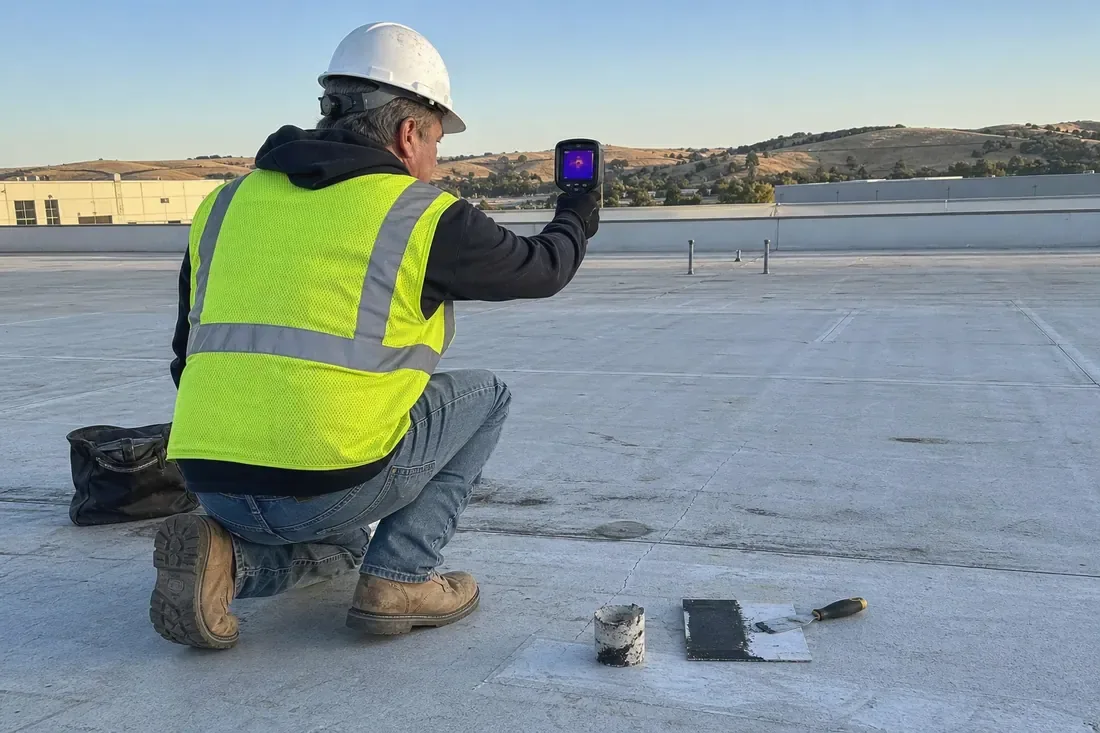
Small buildings carry big roof decisions when the budget is tight, and Harwinton, CT has small-scale retail-service zoning along Routes 4 and 118 and two light-industrial zones. Zoning of that scale points to modest roof sections where one failed flashing or one wet corner can eat most of a year's maintenance allowance. We start with the roof section that cannot stay open to weather, then decide whether the next scope stops at a repair boundary or includes a recover option.
Every estimate we write separates the repair from the larger decision, so a building owner can fund the first now and plan the second against a capital window.
Price Routes 4 and 118 by Building, Not by Mile
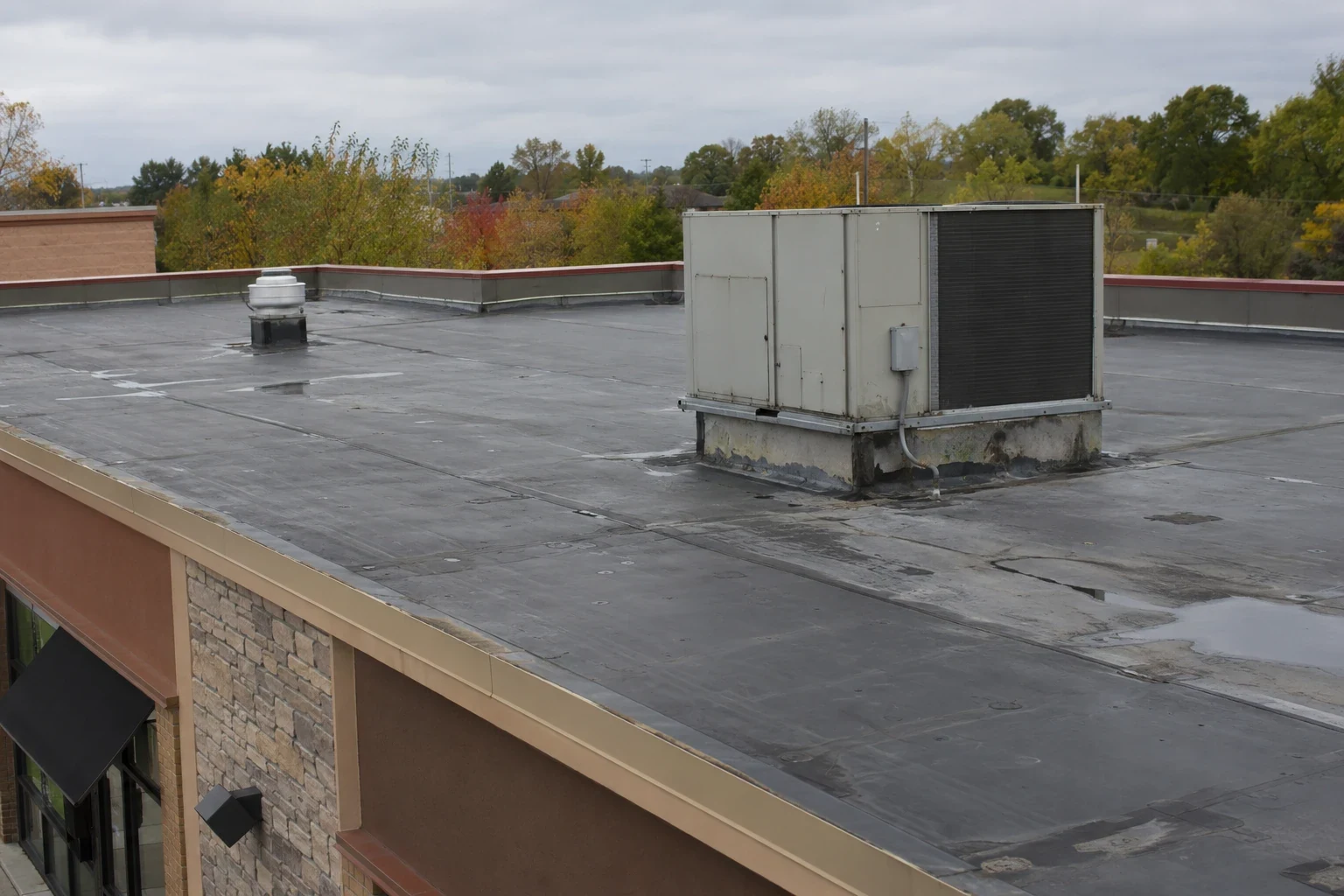
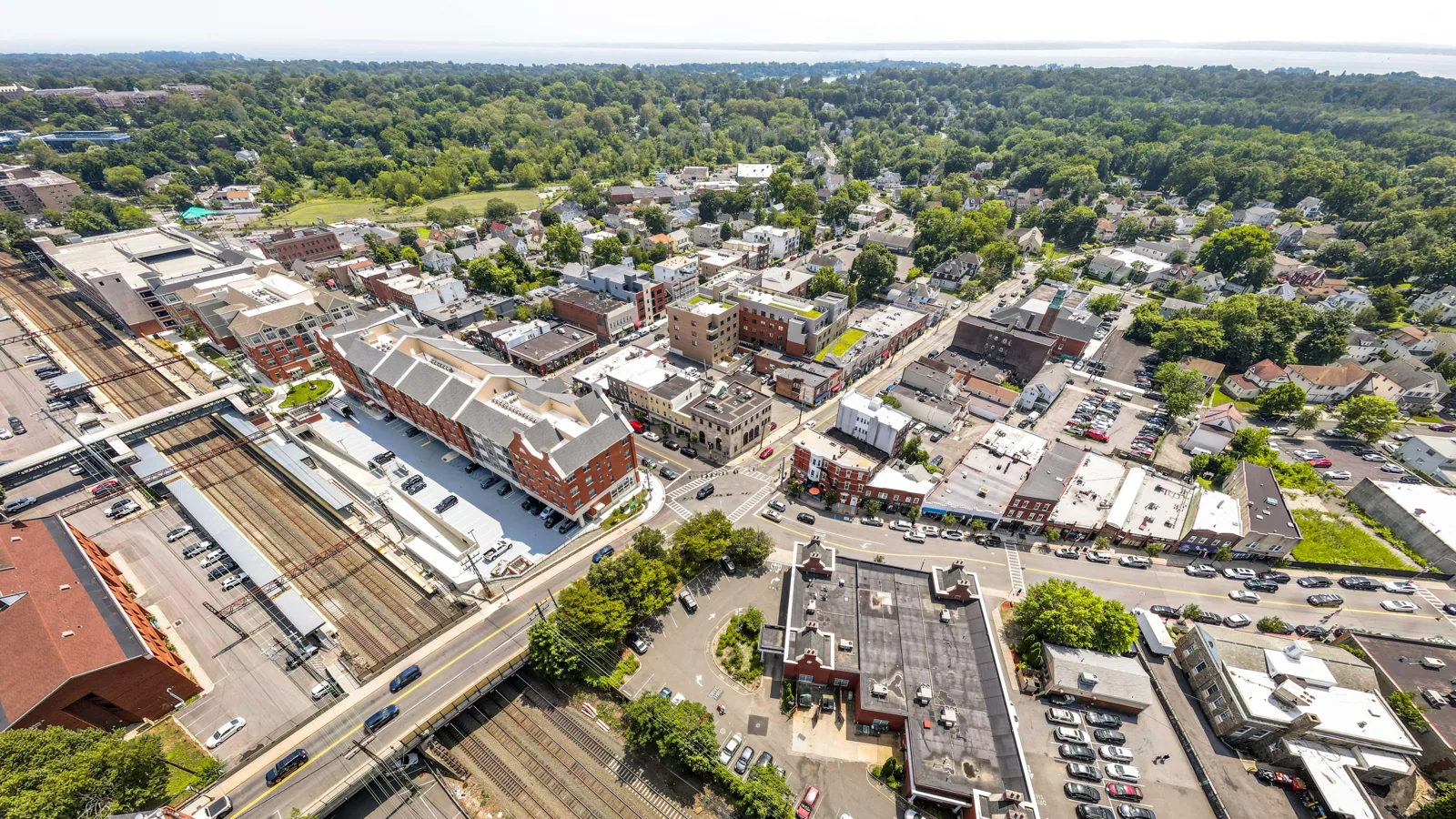
Harwinton's retail-service zoning follows Routes 4 and 118, and the plan includes a planned retail-service area across from the Consolidated School on Route 118. Where one building holds several small tenants, the roof carries each tenant's vent, sign bracket or rooftop unit. A leak in one bay does not tell us where the water entered, so we trace it back along the deck and the insulation seams before any allowance is set.
A restaurant roof or a service shop with kitchen or shop exhaust has grease and heat to deal with around the fans. A small office or retail building without that equipment is mostly a flashing and drainage question. Pricing each building on its own roof sections keeps the owner from paying for work a neighbor's roof needs.
Open the Gateway Sites with Access Rules First
The 2010 town plan identifies three commercial-development gateways: Route 118 near Route 8, and Route 4 near both the Torrington and Burlington borders. A reroof at a gateway site is visible from the road, so the dry-in date and the tidiness of the staging area matter. Staging space near a state route can be tight, which affects where a lift, a dumpster and a material delivery can sit.
Before we price a gateway-site roof we ask about parking lot use, delivery hours and any shared driveway. Those details set the work sequence, and a roof that can only be loaded at night costs more than one that can be loaded at midday. The Route 4 gateway near the Burlington border raises the same access question for owners in Burlington, and we answer it with the same kind of written scope.
Stage Light-Industrial Work Around the Ten-Acre Rule
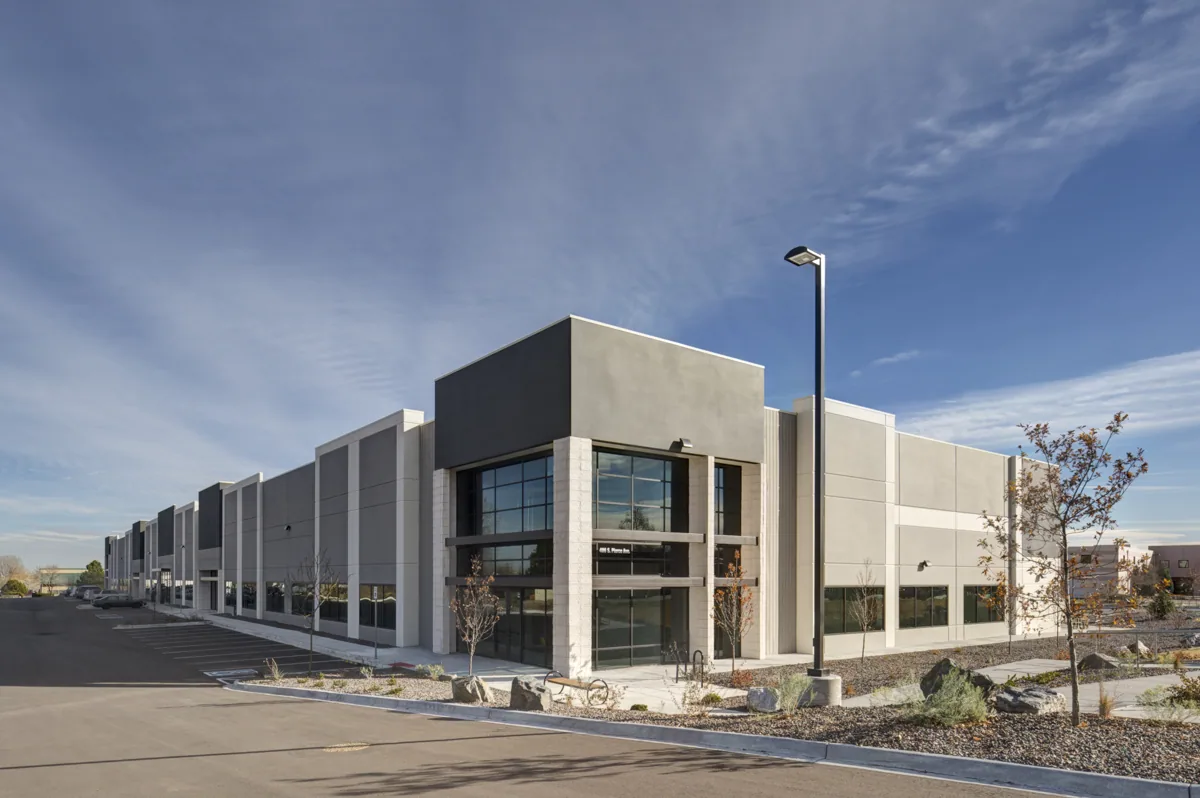
Harwinton's plan sets aside two light-industrial zones for light, non-polluting industries, and the LI-B zone requires a ten-acre site. That tells us a building in that zone sits on a large parcel, which usually gives a crew room to stage equipment without blocking the operation. The plan does not describe the roofs on those parcels, so we confirm every roof type by inspection and never assume one.
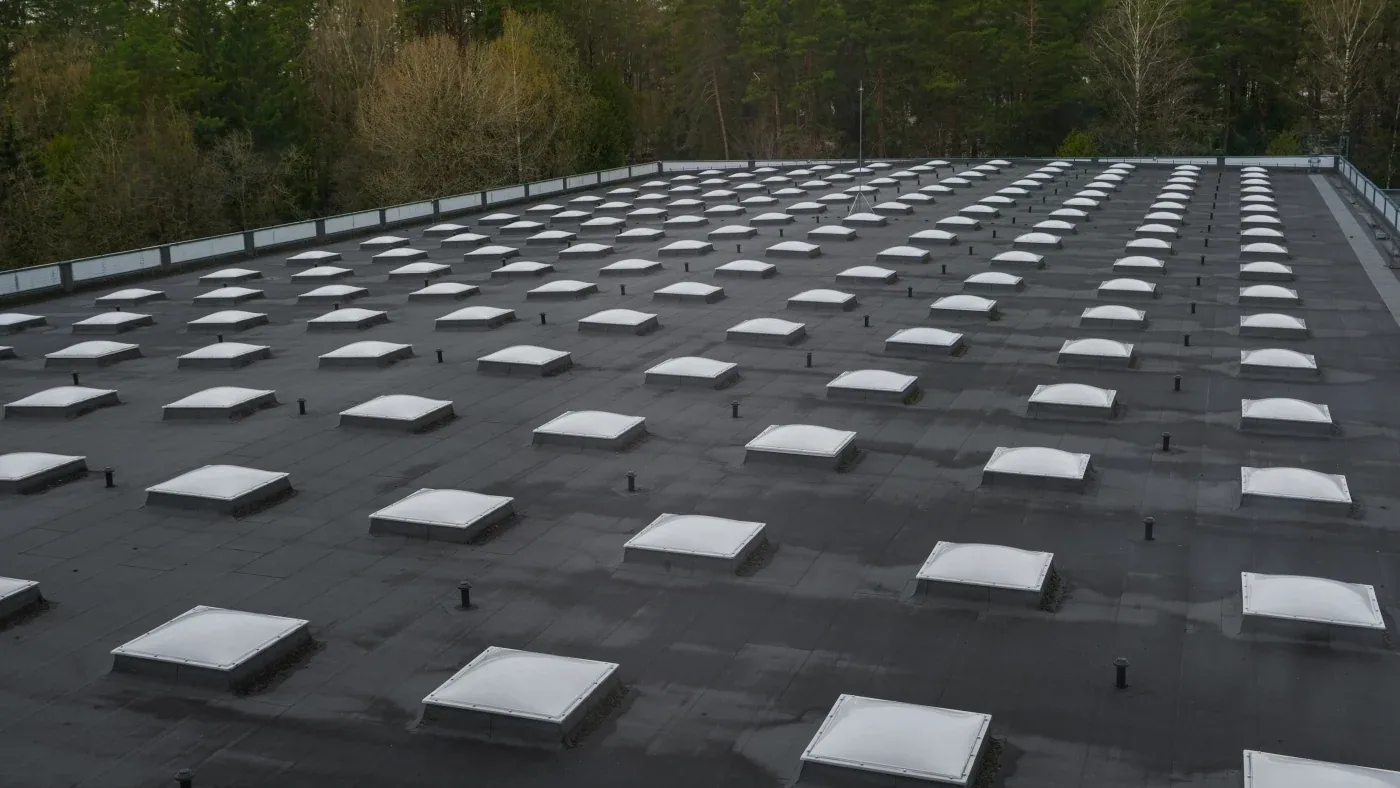
On a flex industrial roof we check the deck for ponding, the seams for open laps, the curbs for failed sealant and the drains for debris. We then separate any wet insulation, since replacing a wet roof section is a different cost than recoating a dry one. If a building has several roof sections added over time, each one may need its own scope and its own service horizon. Owners who carry more than one such building can stagger the work so only one roof is open in a given quarter, which keeps the capital outlay level and the operation running.
Plan for Winter Using the Waterbury Hazard Record
Waterbury's hazard plan counts every part of that city as exposed to winter storms, down to sleet and blizzard conditions, and leans on a state assessment that expects hotter summers and more extreme rain across Connecticut. A Harwinton owner can plan with that regional pattern in mind, knowing that a roof which holds meltwater at a low spot will fail first at the seams around it.
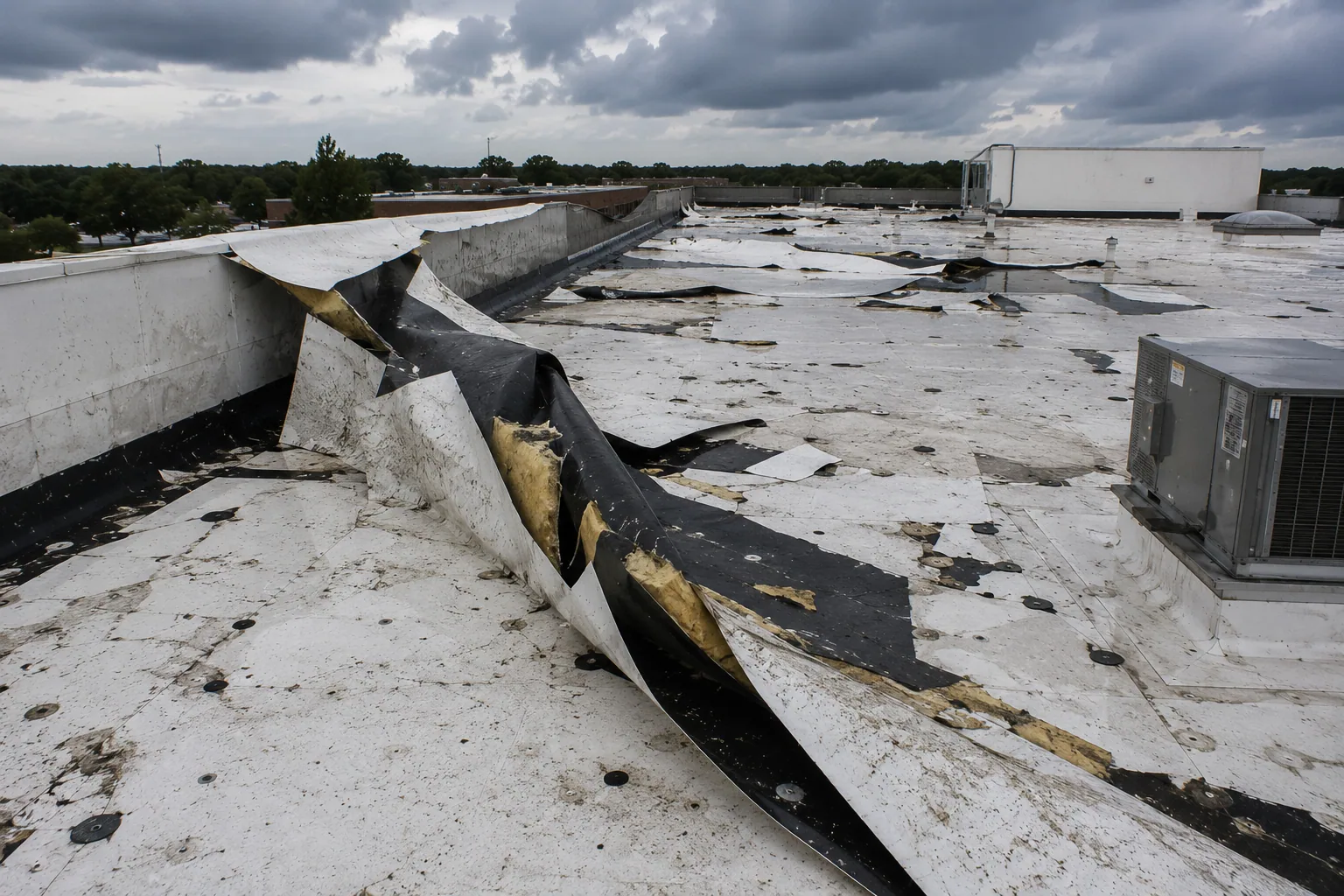
After a hard winter we check drains, scuppers and the roof edge before looking at the field, since ice at a drain can back water under a membrane laid with no extra slope. A building with a history of snow and ice damage may be better served by tapered insulation that sends water to the drain than by another patch at the same spot. The same logic applies to a low-slope roof on a retail-service building: if the slope toward the drain is flat, we price the tapered insulation as an option next to the straight replacement so the owner can see what it adds.
Fit the Scope to the Capital Window and the Permit Date
An application filed on or after October 1, 2022 is reviewed under the 2022 State Building Code, which carries the 2021 International Building Code and Energy Conservation Code. For an owner of a small retail or industrial building, that is the reason to settle the scope before filing: a roof recover and a full replacement can land in different permit paths, and the moisture evidence decides which one the roof qualifies for.
We close each job with photographs of seams, flashing and drains, so a lender, a tenant or the next owner can see what was done. A roof condition report written before the work lets an owner in Harwinton compare repair, recover and replacement lines side by side and choose the one that fits the budget. Owners in Litchfield and in Waterbury receive the same format, so a multi-town portfolio reads consistently.
Commercial Roofing Questions
Which roof problems show up first on a small strip building along Route 4 or Route 118?
Flashing at the parapet and around rooftop vents usually opens up before the field of the membrane does, because those details move with temperature swings. Tenants who added exhaust or HVAC equipment over the years often added curbs with weak seals as well. A walk of the edge metal, the curbs and the drain points takes less time than a full survey and tells us whether a repair allowance is enough.
Does a roof in a ten-acre light-industrial parcel need a different plan than a small retail roof?
The roof itself is judged on the same evidence: membrane condition, insulation moisture, drainage and penetrations. What changes is logistics. A larger parcel gives a crew room for a lift and a material stage, which can shorten the dry-in date, while a roof with several sections may be phased so production in the building continues below.
Can a leak at a gateway-site building be fixed before a full scope is approved?
Yes, when the entry point is clear. A temporary dry-in at the failed flashing or seam protects the interior while the owner reviews the bigger options. We report what the repair covered and what it did not, with photographs, so the later decision between recover and replacement rests on the actual moisture findings.
What should an owner gather before asking for a roof inspection in Harwinton?
Collect any earlier roof invoices, warranty papers, drawings of the roof sections and the dates of past leaks. Add the tenant hours, the delivery windows and the parking arrangement on the lot. With those in hand the report can name a service horizon and a realistic permit date instead of a wide range.
When does a recover make sense on a building the town plan places in a retail-service zone?
A recover fits when a test cut shows the existing insulation and deck are dry and the structure can carry the extra layer. Where wet core is found in more than a few spots, the better choice is a replacement line for that section. The permit path differs between the two, so the choice is settled before the application is filed.
Request a Harwinton Roof Inspection
Share the access rules, any roof papers you hold and your capital or permit timing. The report we return splits repair, recover and replacement into separate allowances, each with photographs.