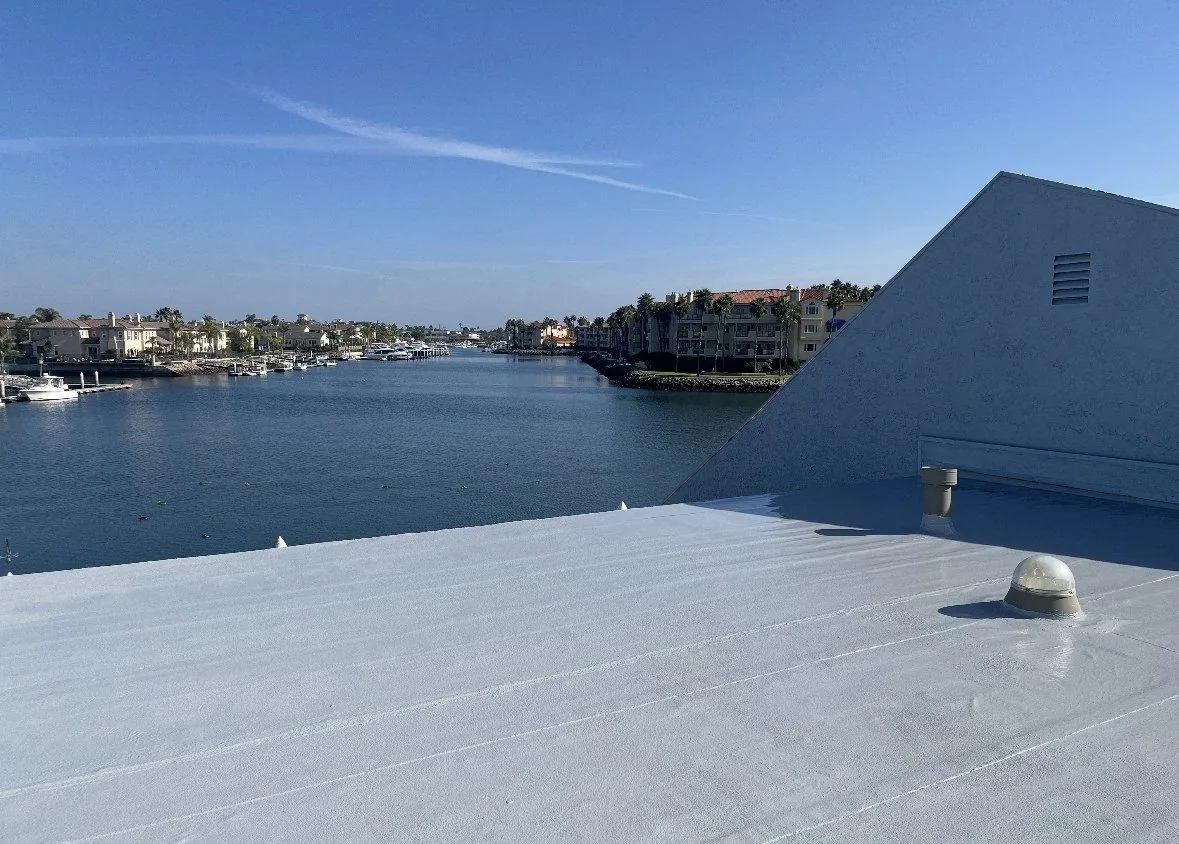
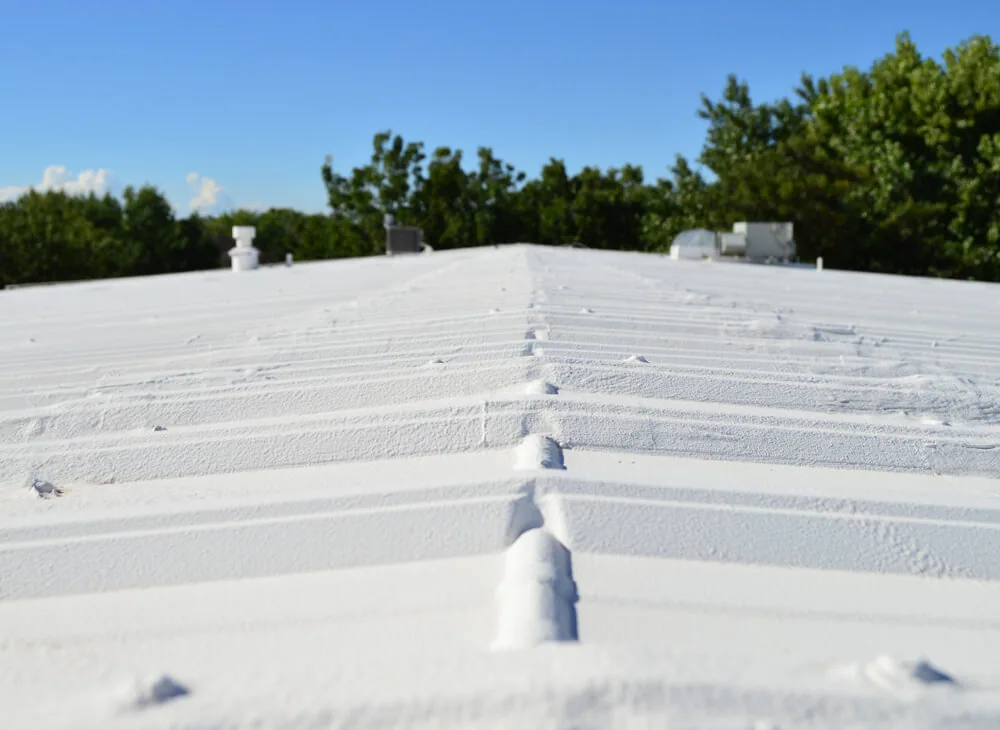
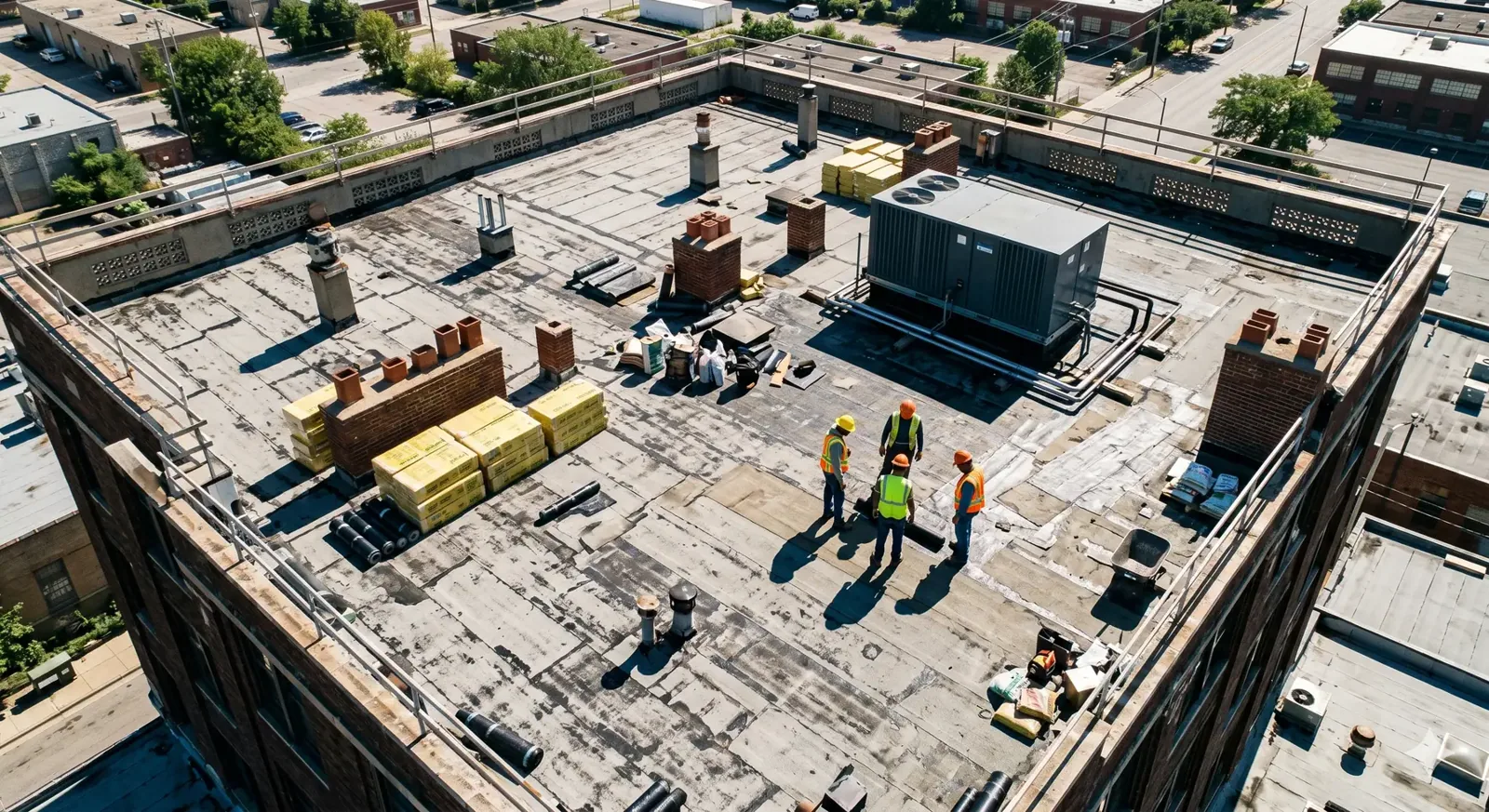
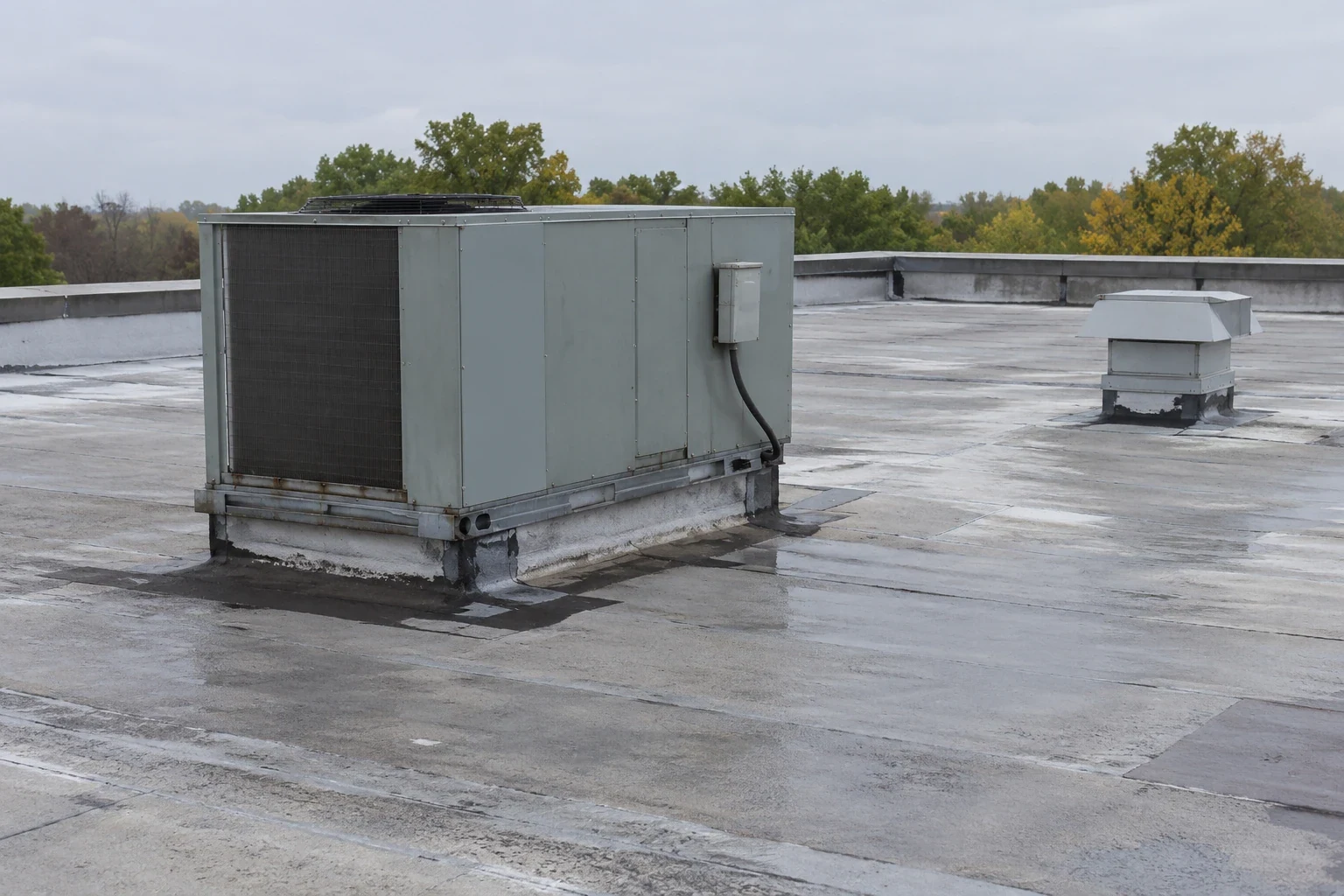
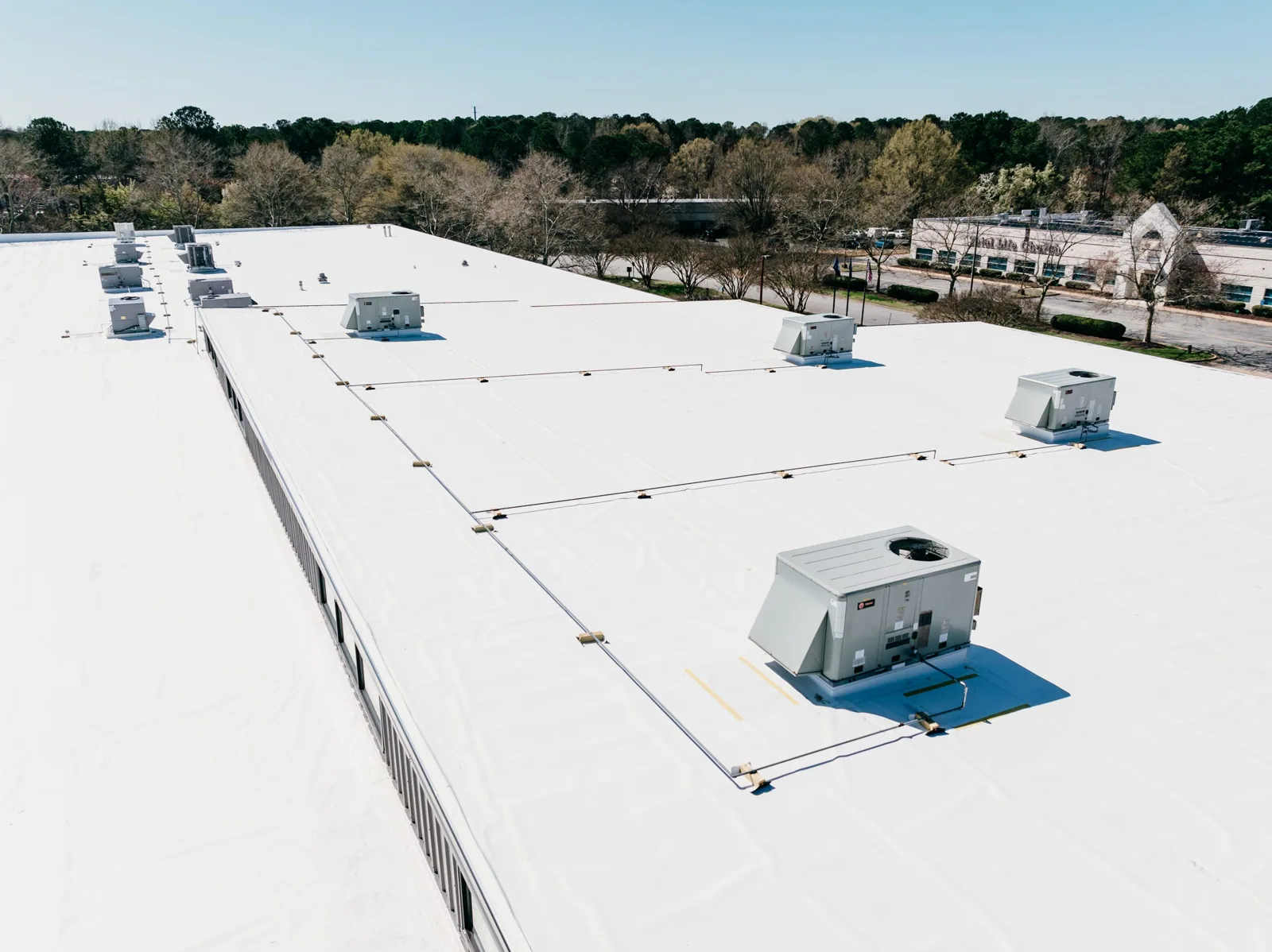
Spray polyurethane foam, or SPF, depends on a well-bonded substrate and an even installed profile. Before pricing a new application or repair, we check what lies beneath the foam, where thickness changes, and how the protective coating has worn. Waterbury's hazard plan includes summer storms, tornadoes, and winter storms citywide. Those conditions make drainage and weather windows part of the roof plan. We inspect the assembly, document roof sections, and identify adhesion or moisture tests that could move the work boundary. That gives an asset manager a record of what can stay, what needs preparation, and what requires removal.
Protective coatings are part of the SPF system, so their condition and renewal history matter. We compare the existing surface with silicone coating options and acrylic systems only after reviewing compatibility and drainage. A roof inspection establishes the condition of the foam and details.
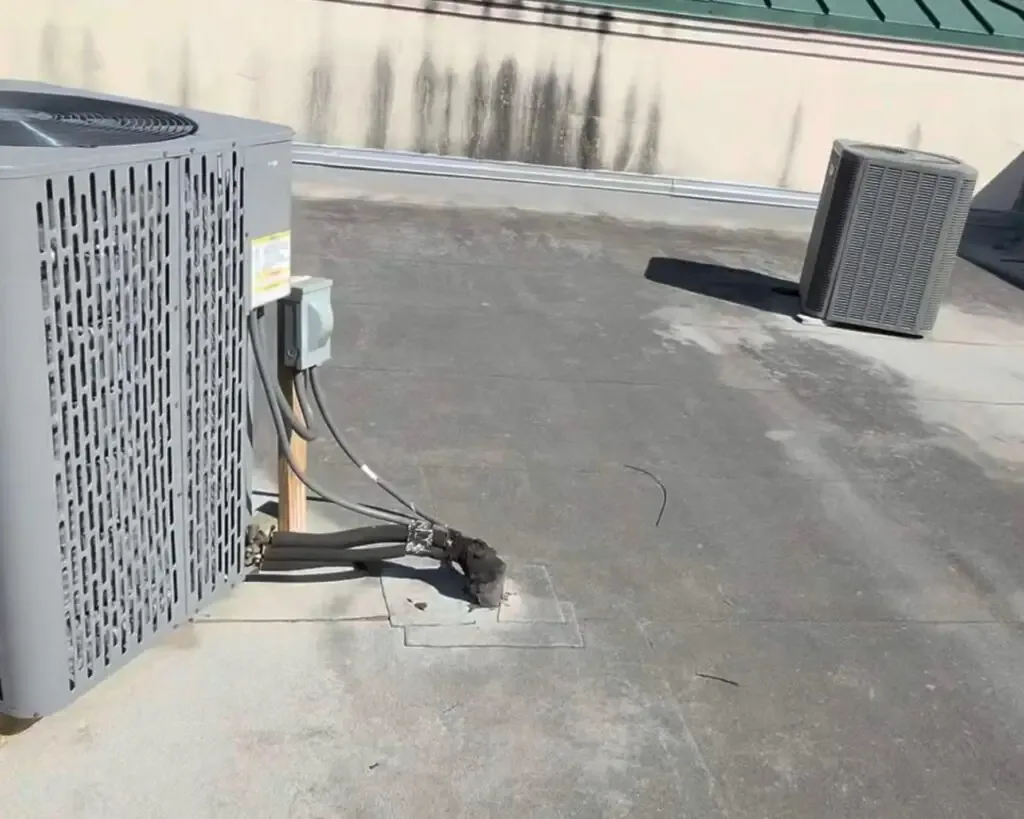
Test the Substrate Before Applying Foam
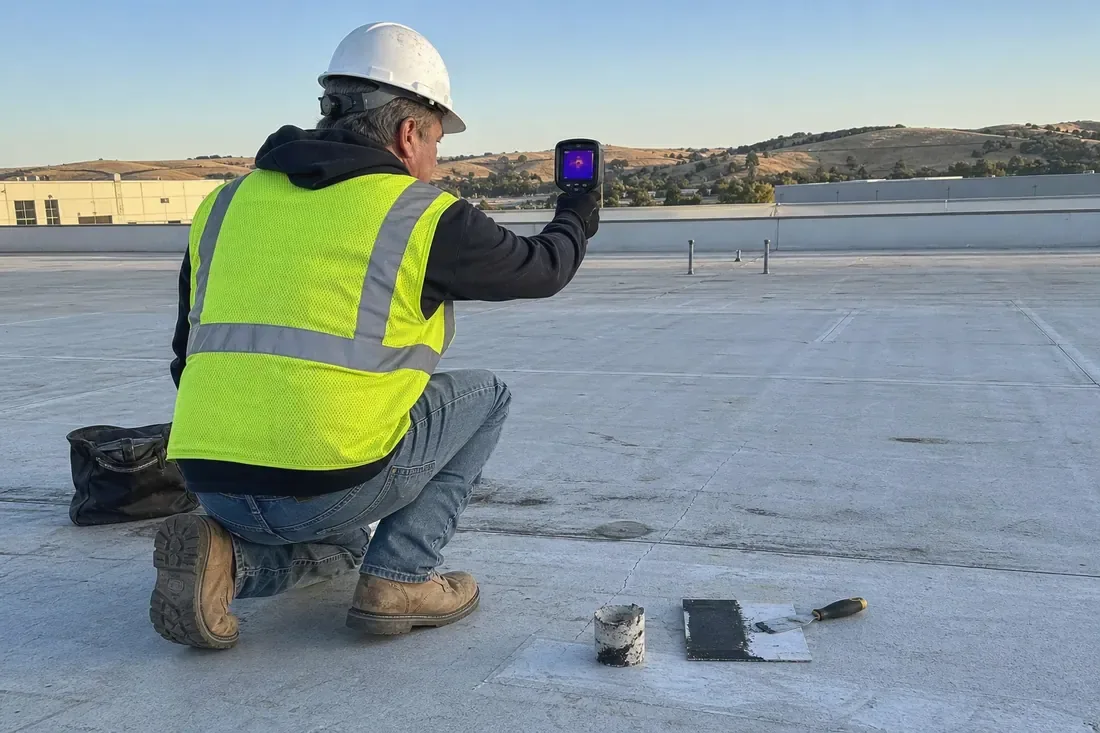
SPF is sprayed onto a prepared surface and expands into a continuous layer. Dirt, moisture, loose coating, incompatible material, or weak attachment below it can prevent a dependable bond. We identify the roof substrate, review prior coating or foam records, and select adhesion tests where required. A test patch must use the proposed preparation and application method. The scope notes the test location and result, and it does not assume that one successful area proves the whole roof is ready.
Existing foam can be repaired when the damaged area is defined and surrounding material remains attached. We examine cracks, gouges, blisters, soft spots, and openings that reach the substrate. If water has entered beneath the foam, the affected portion may need to be removed to dry and sound material before new foam is applied. The work map marks each opening and the repair perimeter. A targeted roof repair can close a limited defect while moisture testing establishes whether the area extends further.
Check Foam Thickness and Water Flow
Foam thickness can vary across a roof, and a smooth-looking surface does not show where low areas or thin spots remain. We record profile changes, ponding evidence, transitions, and areas where coating has split or eroded. If the specified system depends on slope or taper, the design should define that shape before application. We inspect drains and scuppers for elevation, secure flashing, and debris, then identify corrections that should happen before a new protective layer is installed.
Waterbury's 2021 hazard plan reports a NOAA Atlas 14 rainfall estimate for the city and cites statewide projections of increasing extreme precipitation. Those planning figures prompt a water-path review, but measured roof conditions control the repair map. At a roof near I-84 or Route 8, site access can shape staging; drainage is measured on the roof itself. A drainage inspection can document outlet and overflow conditions, and the foam application scope can state what correction is included before coating begins.
Restore the Protective Surface with Compatible Materials
SPF needs a protective coating to limit exposure and preserve the foam surface. The existing coating type, thickness, bond, and repair history affect the restoration plan. We check for exposed foam, loose or chalking material, splits, and ponding areas, then confirm whether the proposed coating is compatible. A test area can confirm adhesion and appearance on the prepared substrate. The written scope names cleaning, preparation, repairs, reinforcement, and application by section instead of treating the whole roof as a uniform surface.
We also review terminations, parapets, curbs, penetrations, and drains where coating continuity is difficult to maintain. If the foam profile is damaged or wet, a surface layer alone may not address the underlying problem. We identify removal or foam replacement as a separate repair item and show how it ties into the existing profile. Closeout records identify material applied, repaired zones, coverage limits, and any thin or untested area retained by agreement. A photo condition record can carry those boundaries into the building file.
Set the Application Window and Daily Closure
Foam and coating work require dry, suitable surface and weather conditions for the selected materials. We plan surface preparation, foam application, trimming, coating passes, cure time, and temporary protection as distinct steps. The schedule identifies when each zone is ready to receive the next layer and when it can be exposed to service traffic. If weather changes, the crew needs a closure point that protects both exposed foam and freshly applied coating.
The municipal plan lists Waterbury's winter storms, including snow, ice, sleet, nor'easters, and blizzard conditions, along with summer storms. These exposures inform the seasonal plan, while actual conditions determine whether a workday can proceed. We also confirm roof access and staging with the building contact, particularly where the site has tenant operations or equipment service to preserve. For industrial property near the Naugatuck River, deliveries and work areas still follow the parcel's rules. A warehouse roof plan can map interior protection and operating needs before foam application starts.
Compare Restoration with Removal
Restoration can fit when the foam remains bonded, dry, and within the repair limits of the selected system. Removal may be needed where adhesion is poor, moisture has spread, or the substrate cannot support a new layer. We define the boundary with test findings and photographs, then compare the coating work with removal and replacement quantities. Cost drivers include surface preparation, foam thickness, coating passes, detail reinforcement, drains, parapets, access, and any deck work below.
The estimate separates measured repairs from allowances for concealed foam or substrate conditions. If the owner needs design review, we record that decision before setting the replacement line. The final record should preserve adhesion results, thickness observations, repair limits, material data, and maintenance recommendations. For Waterbury properties, the local roof evaluation begins with prior coating records, access instructions, and the planned permit window. That information lets the asset manager compare a restoration scope with a larger capital project using the same inspection map. A short maintenance interval after the work, tied to the coating condition and the drains, costs far less than renewing a coating that was allowed to wear through to the foam.
Commercial Roofing Questions
How do you know whether existing SPF can be recoated?
We inspect bond, surface condition, exposed foam, moisture indicators, thickness, drainage, and prior coating history. A test patch can verify compatibility with the proposed preparation and coating. The report marks areas that remain uncertain instead of treating a sample as proof for every section.
Can damaged foam be repaired without replacing the whole roof?
A local repair may be practical when the damaged foam can be removed back to dry, attached material and the surrounding coating can be tied in. We map the opening, confirm the substrate, and expand testing if wet or detached material continues beyond the visible defect.
Does SPF correct low areas that hold water?
Foam can be shaped as part of a designed system, but a coating alone does not correct every drainage problem. We measure the profile, inspect outlets, and specify any taper or drainage work before application is priced.
What weather conditions delay SPF installation in Waterbury?
Moisture, temperature, wind, and precipitation can affect surface preparation, foam placement, and coating cure. The city hazard plan informs seasonal planning; we use the day-of conditions and product requirements to set the actual application window.
What should an SPF closeout include?
The closeout holds adhesion and test results, thickness observations, repaired locations, coating details, drainage corrections, and photographs of terminations and penetrations. We note excluded areas and maintenance items so future roof reviews can compare the same boundaries.
Test the Foam Before Choosing Restoration
Share prior foam and coating records, roof plans, access rules, and the capital window. We will inspect adhesion, moisture, profile, and drainage, then document restoration and replacement boundaries by section.