Heat and ultraviolet damage is slow, which makes the budget question one of timing: how many more seasons can this surface carry, and what test would show whether a coating, a recover or a replacement belongs in the next capital window? A membrane that has chalked, crazed and stiffened is not leaking yet, and a roof that is not leaking can still be scheduled badly. The inspection that answers the timing question looks at the surface, the details and the insulation in turn, and puts a number against each choice.
For owners in Waterbury, CT, the 2021 municipal hazard plan projects hotter summers and increasing extreme precipitation for Connecticut, citing a state climate assessment, and the municipal annex describes summers as warm and wet. Its averages come from dated analysis for 1980 to 2016, so we treat them as planning context and not as current normals. The roof itself, and the dates on our photographs, are the evidence for any decision.
Read the Surface Before the Seams
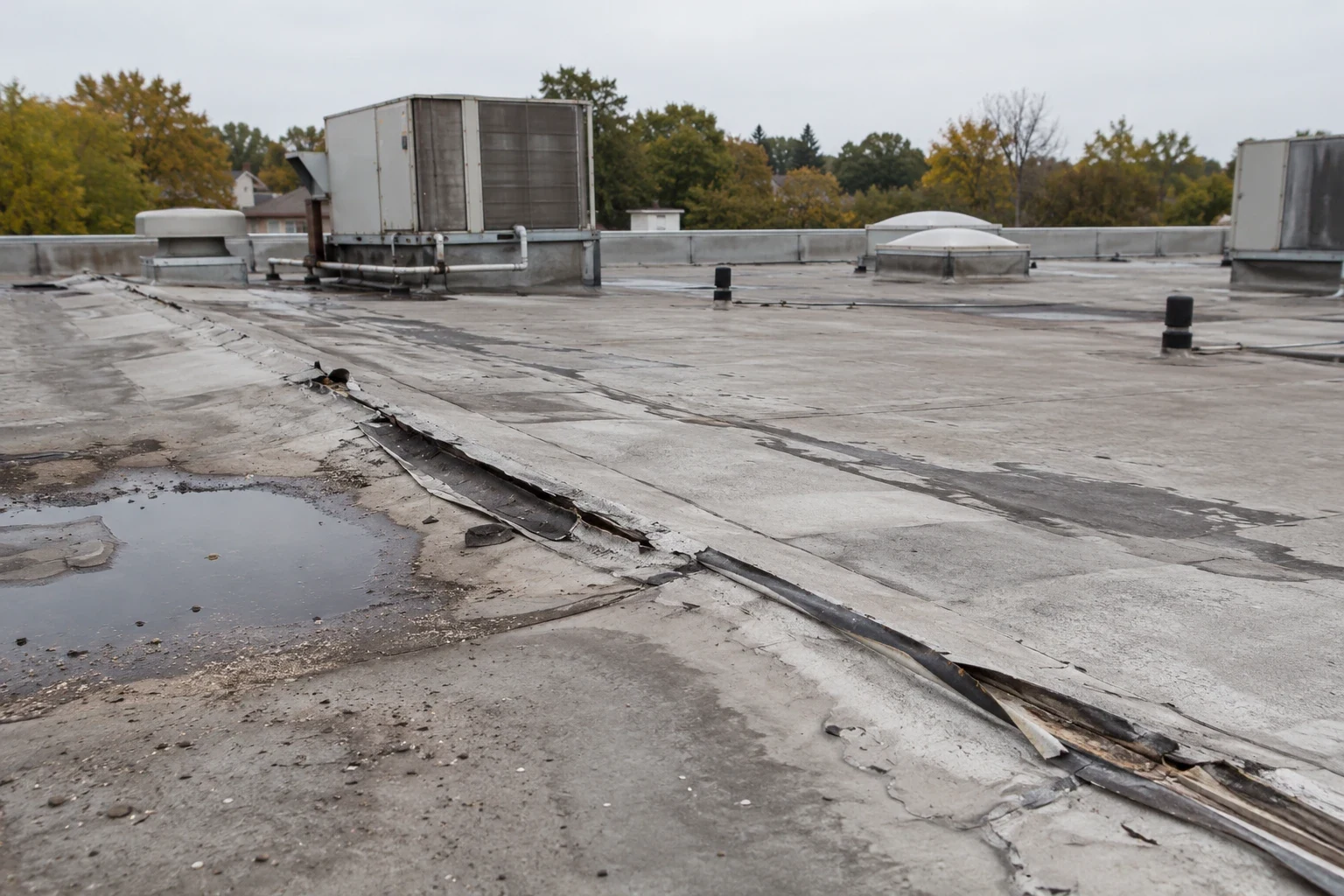
Ultraviolet exposure shows on a roof surface as chalking, color change, loss of granules, crazing and, on some membranes, loss of plasticizer that leaves the sheet stiff. We press, scratch and flex the surface at several points, photograph each with a scale reference and record the result by roof section. A sheet that flexes cleanly is in a different class than one that cracks when bent.
Heat adds to this. Dark surfaces over poorly ventilated spaces and areas near exhaust reach higher temperatures, and the aging there runs ahead of the rest of the field. The report maps those areas separately so the owner can see where the surface will need attention first. A seam failure at a hot spot is often the first sign that the surrounding sheet has aged.
Photographs are repeated from the same marked positions each year. Side-by-side frames show whether chalking is spreading, whether a crack has lengthened and whether a repaired patch has held, and they turn a vague impression of aging into a record the owner can use in a budget meeting.
Check Thermal Movement at Details
Roofs expand in summer heat and contract in winter cold. The movement concentrates at details: at walls, curbs, penetrations and expansion joints. A flashing that was installed tight may be pulled away from a wall after years of cycling, and a sealant joint may have cracked. We examine each detail for pulled terminations, cracked sealant and sheet that has shrunk back from its edge.
Repairs follow the flashing failure method: a re-seal where the termination is tight, a reflash where it has pulled away. Quantities are counted in linear feet and shown in the quote. Where movement is strong, as on long runs of parapet, the scope may add an expansion detail so the new flashing does not repeat the failure.
Rooftop equipment adds heat at its curb. Units that exhaust warm air across the membrane age the sheet nearby, and the walk marks those areas for a closer check at each visit.
Test Insulation and Deck Under the Aged Surface
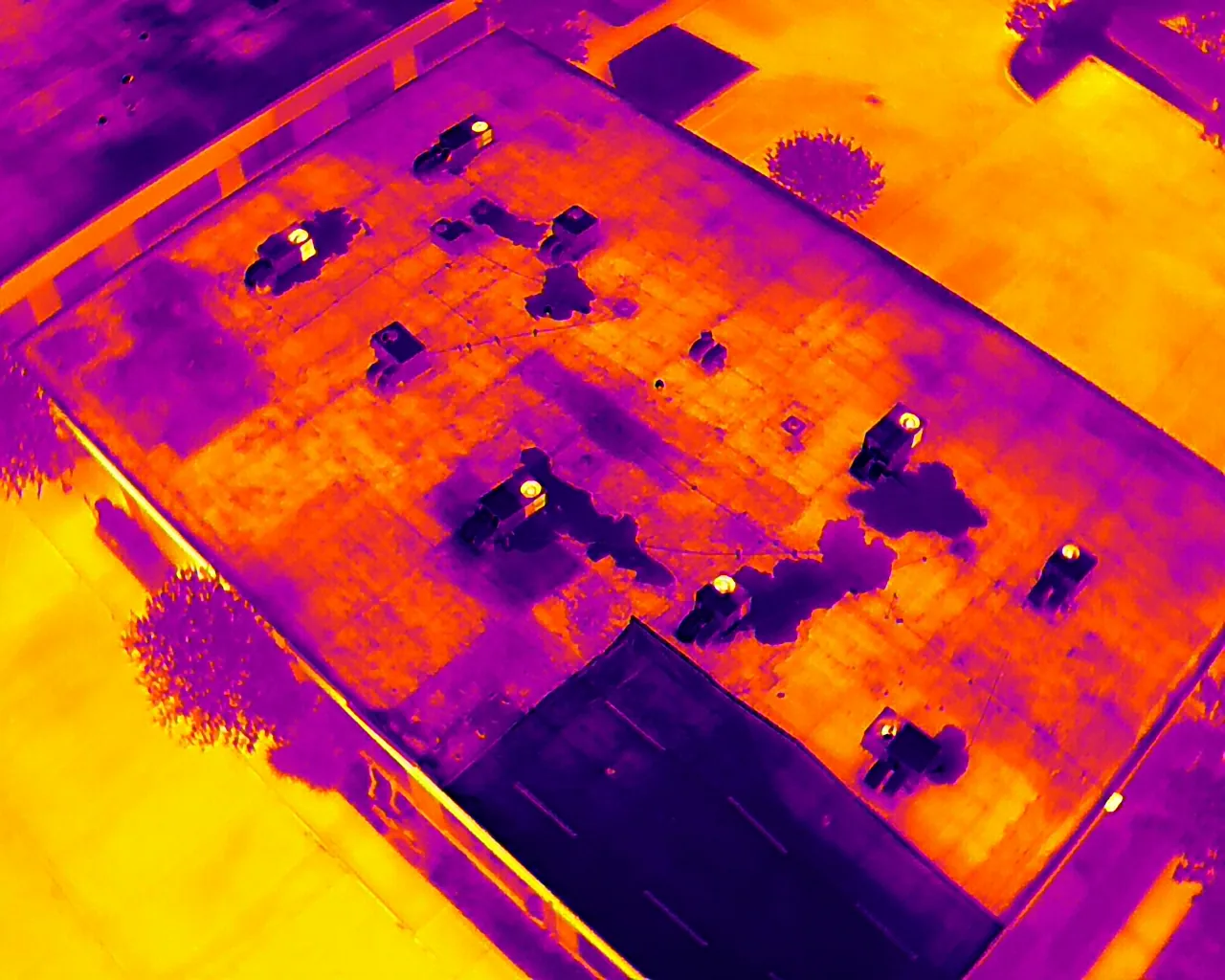
A weathered surface is a finding about the membrane, not about what lies beneath. Moisture readings, an infrared moisture survey and test cuts show whether the insulation is dry and the deck sound. Those results decide which options remain open. A coating or recover requires dry insulation, and a roof that fails the test must be replaced in the wet area.
The cuts also show the layers, the insulation type and thickness and the condition of the bond between layers. Heat over time can shrink some insulation boards and open gaps at their joints, and these gaps show up as ridges in the membrane. The report records them with the section number and a photograph from a fixed position.
Price Coating, Recover and Replacement Side by Side
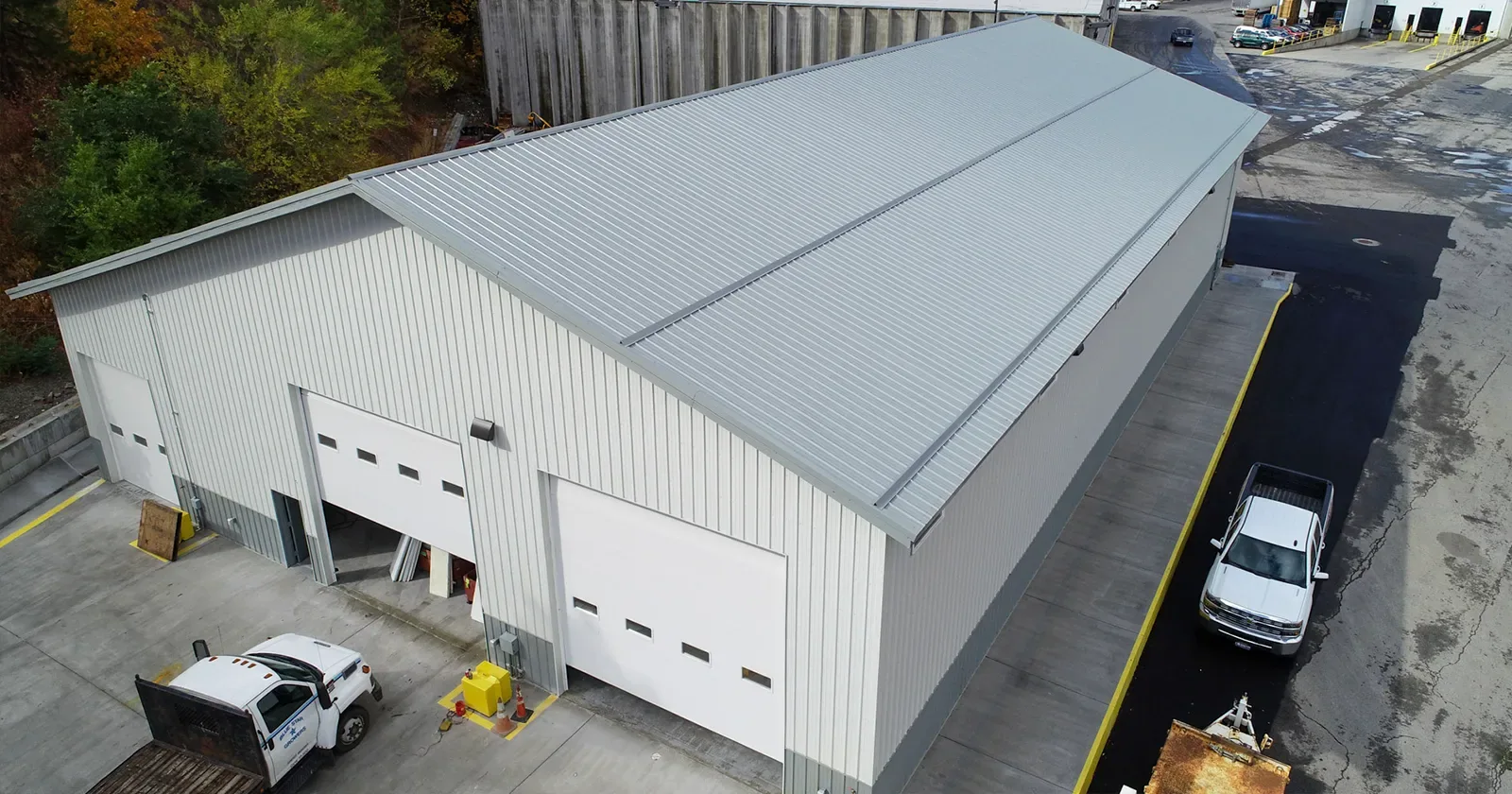
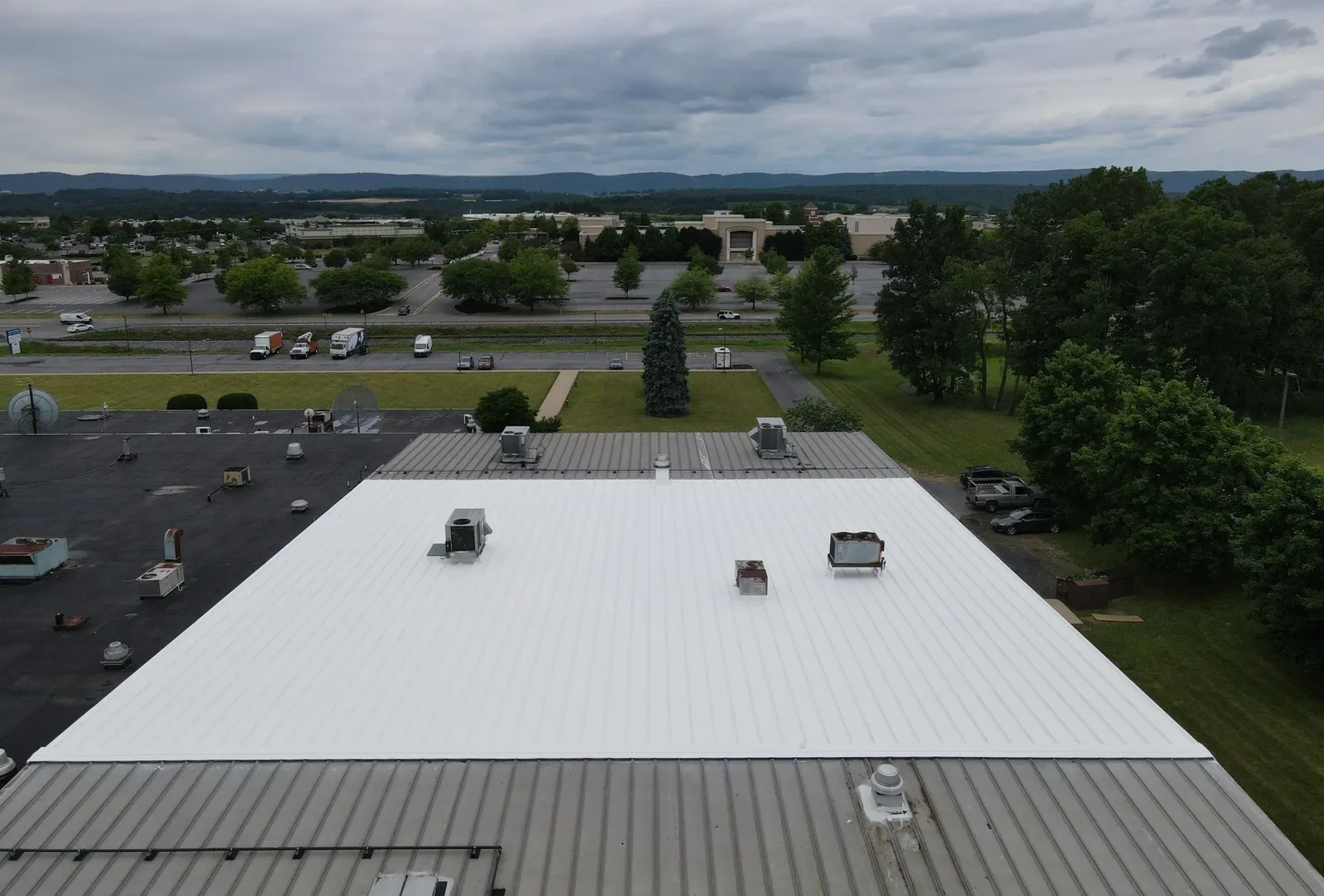
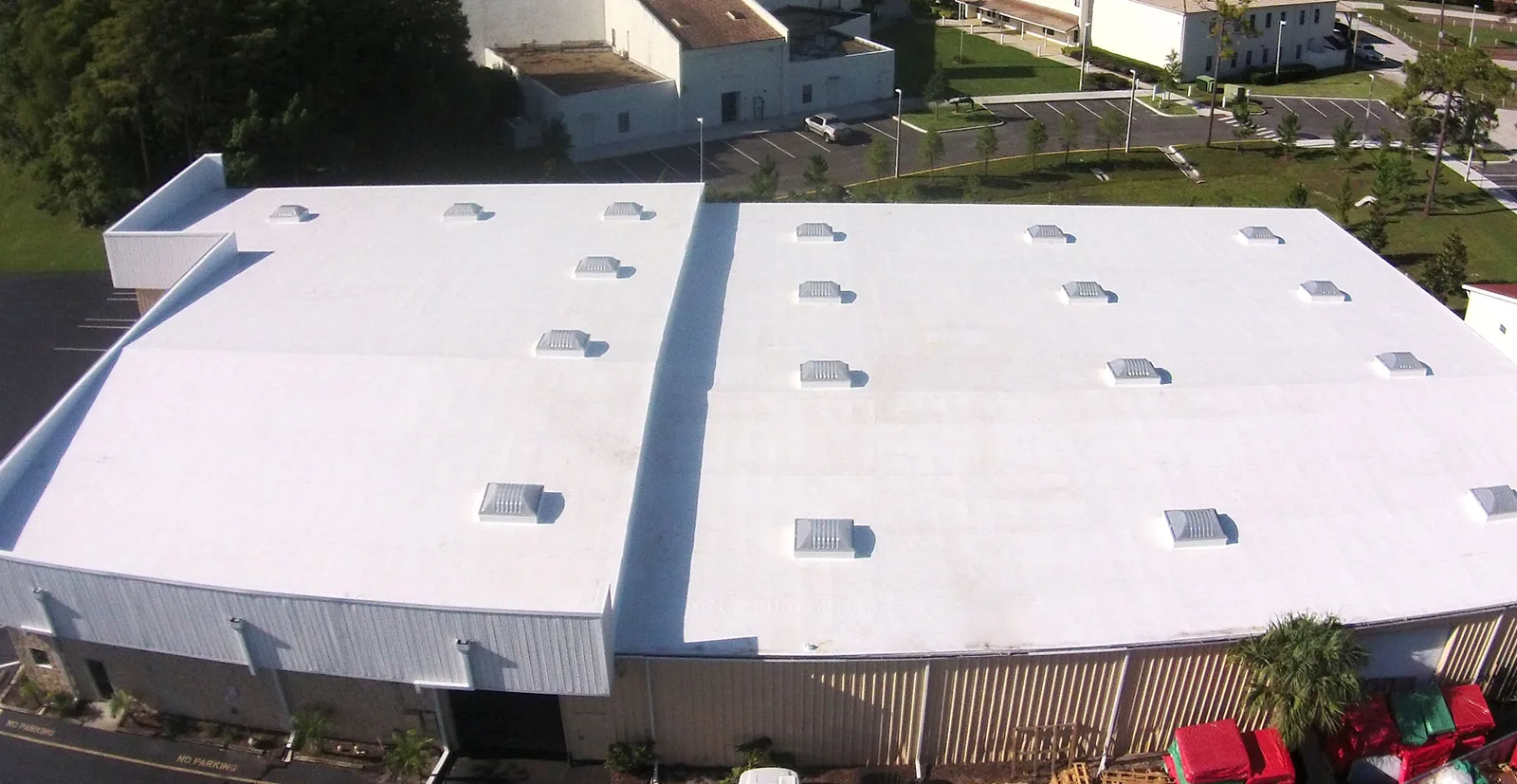
A coating restoration suits a roof with a sound core and a weathered but intact membrane. It adds a reflective, protective layer, extends the roof's service horizon and carries a lower removal cost than a recover or replacement. It requires dry insulation, a membrane that accepts the product and an adhesion test patch before the full scope is approved.
A recover fits where the membrane is beyond coating but the insulation and deck are sound. A replacement fits where insulation is wet or the assembly has failed. Each is priced for the same section with its cost drivers: removal depth, insulation condition, attachment, details, access and permit requirements. The owner sees the three side by side, with the test behind each.
The closeout file for any of the three holds the test results, the product data and the finished photographs, and it sets a review date. That date, and the dated record behind it, is what lets the asset manager move a section from one window to the next without repeating the inspection.
Weigh a Reflective Surface Against the Energy Code
A reflective surface reduces roof surface temperature and can slow thermal aging. A cool roof installation may be specified in a replacement or recover, and a reflective coating may be specified in a restoration. The value depends on the building's cooling load, the surface condition and the energy code requirements at the permit date.
A cool-roof choice has to match the code in force when the application is filed, and for filings after October 1, 2022 that is Connecticut's State Building Code, built on the 2021 International codes for building and energy, which reviews a reroof for insulation and assembly. The quote carries the expected permit date and names the items likeliest to alter the assembly, which settles the energy question before the price is final.
Schedule Work Around Heat, Tenants and Equipment
Summer work has its own limits. Hot surfaces soften some membranes and slow others, workers need breaks, and adhesives and coatings have temperature ranges. Crews start early and stop when surface temperatures exceed those ranges, and the schedule allows.
On the compact core near the I-84 and Route 8 junction, on industrial roofs and on corridor buildings such as those on East Main or Willow Street, tenants and equipment shape the work. Rooftop units may need shutdown windows, and occupied spaces may need notice. Owners with buildings in Waterbury and Thomaston can use the same format to rank heat-aged sections and schedule them against the capital window.
Commercial Roofing Questions
When does a weathered surface justify a coating?
When moisture readings show dry insulation, the membrane accepts the product and an adhesion test patch holds. The coating is approved only after those results, and film thickness is measured and recorded.
How do I know whether the roof can still be recovered?
Run a moisture scan and take test cuts. A recover needs dry insulation, a sound deck and drains and edges that can take added height. If the tests fail, plan replacement of the wet area.
Can a reflective surface lower cooling costs?
It can reduce roof surface temperature and heat gain, and the benefit varies by building. The quote carries the specification, and it is weighed against the energy code at the permit date.
What does thermal movement do to flashings?
Repeated expansion and contraction pull terminations from walls and crack sealant. Count the affected linear feet, choose re-seal or reflash by condition and add an expansion detail where runs are long.
Does the hotter-summer projection change my roof's schedule?
It supports planning for faster surface aging and heavier rain, not a specific date. Set the schedule from an inspection and a test, and review it each season with dated photographs.
Send the access rules, the roof records and the capital window
Send the roof plan, the age and type of the membrane if known, the access rules and the capital or permit window. We will test the surface and the insulation, and deliver a written scope that prices coating, recover and replacement for each section.