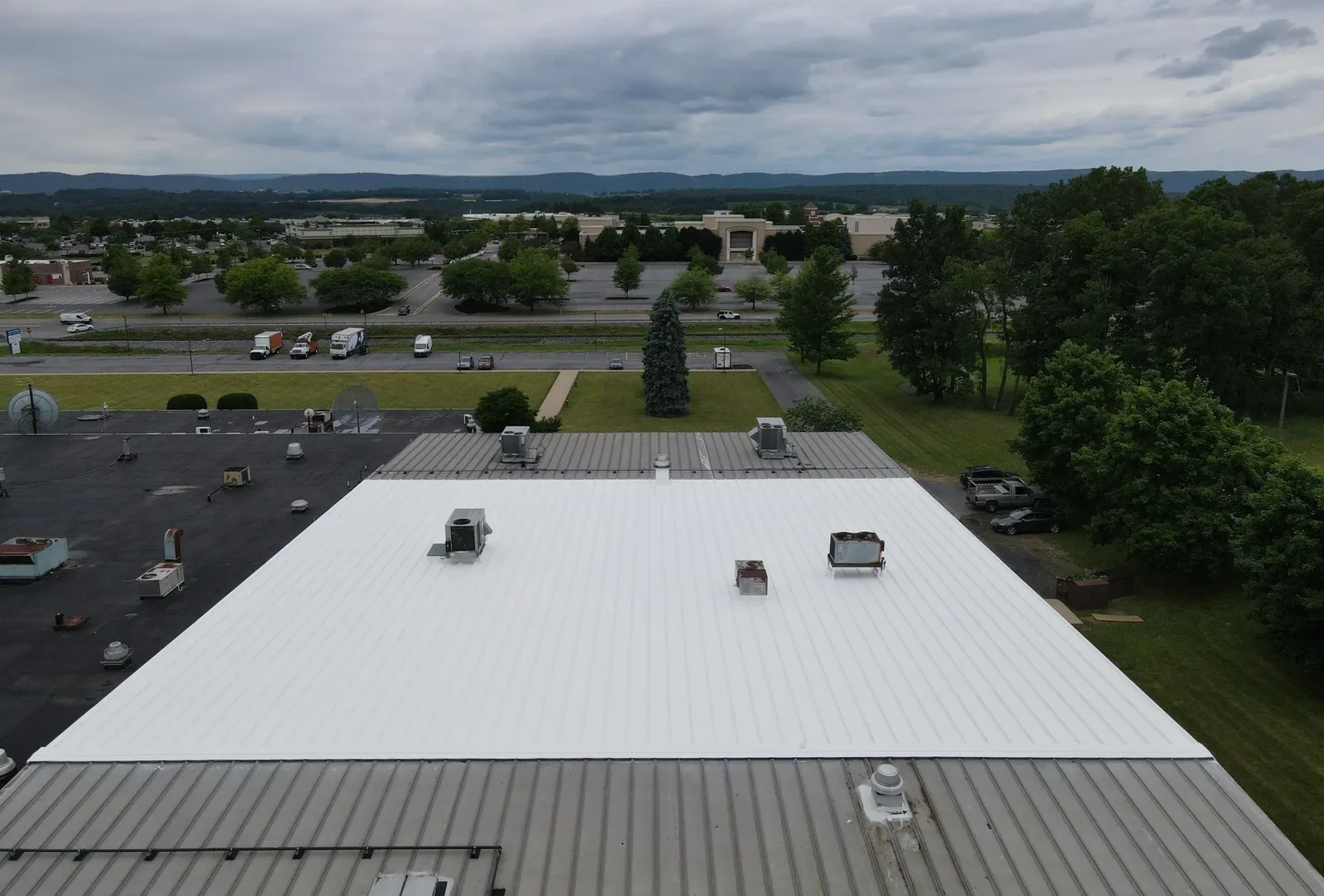
A reflective roof earns a place in the capital plan only when its surface, insulation, drainage, and energy goals line up. We start by checking the existing assembly and the building's heat concerns, then compare a reflective membrane or coating with repair, recover, and replacement. A brighter surface can reduce solar absorption at the roof plane, but the result depends on insulation, air leakage, ventilation, internal loads, and the cooling system. Waterbury's 2021 hazard plan projects hotter summers for Connecticut; that planning outlook makes heat part of the discussion without promising a specific result for one building.
Downtown Waterbury combines civic, financial, health-care, and higher-education uses, while South Main and East Main are mixed-use corridors. Those varied operating settings can affect access and work hours. The roof itself decides whether a reflective system is a fit. We inspect seams, attachment, wet areas, and penetrations, then state the preparation and test work that supports the recommendation. A roof inspection and Waterbury service visit can set that baseline.
Define the Heat Problem Before Selecting a Surface
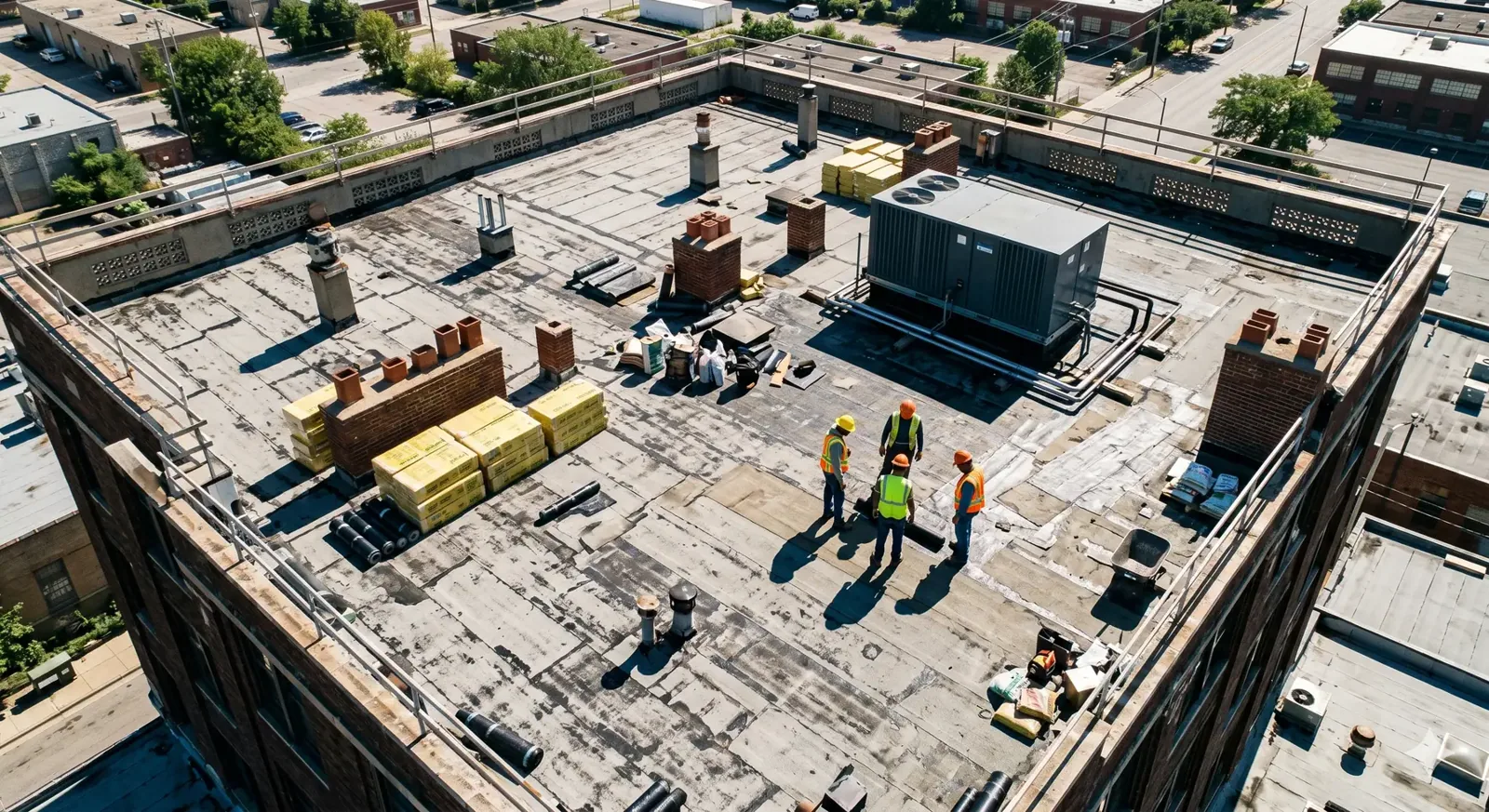
Owners often notice heat through upper-floor complaints, long cooling cycles, or uneven comfort, but those symptoms do not identify the roof as the only cause. We review the assembly, insulation continuity, roof color and condition, penetrations, and any available energy or maintenance records. If a reflective surface is proposed, the estimate should identify what it changes and what remains outside the roof scope. We do not assign a predicted utility reduction from color alone.
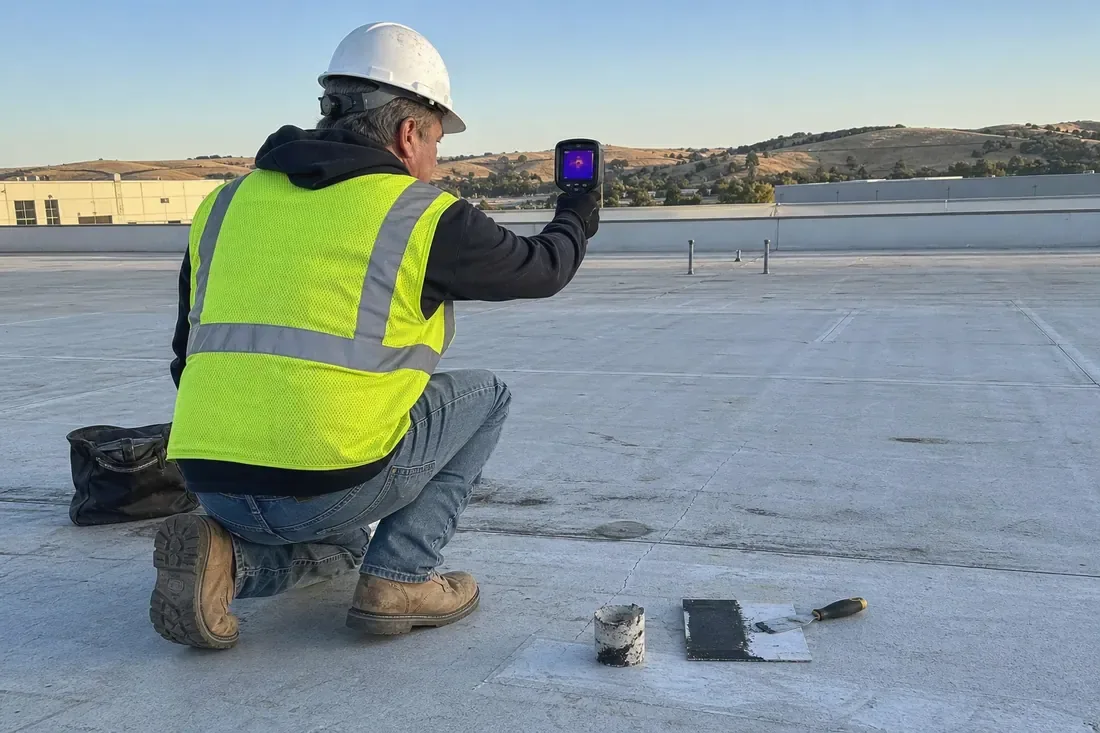
Waterbury's municipal planning material describes warm, wet summers and freezing winters, with its seasonal averages based on 1980 to 2016 analysis. That dated context points to a roof that must handle both summer heat and freeze-thaw movement. We inspect the actual membrane and flashing before assuming a new surface will hold up at drains, curbs, and edges. A photo condition report can connect the visible roof findings to the operating concern and flag questions for the building's energy professional.
Match Reflective Materials to the Existing Roof
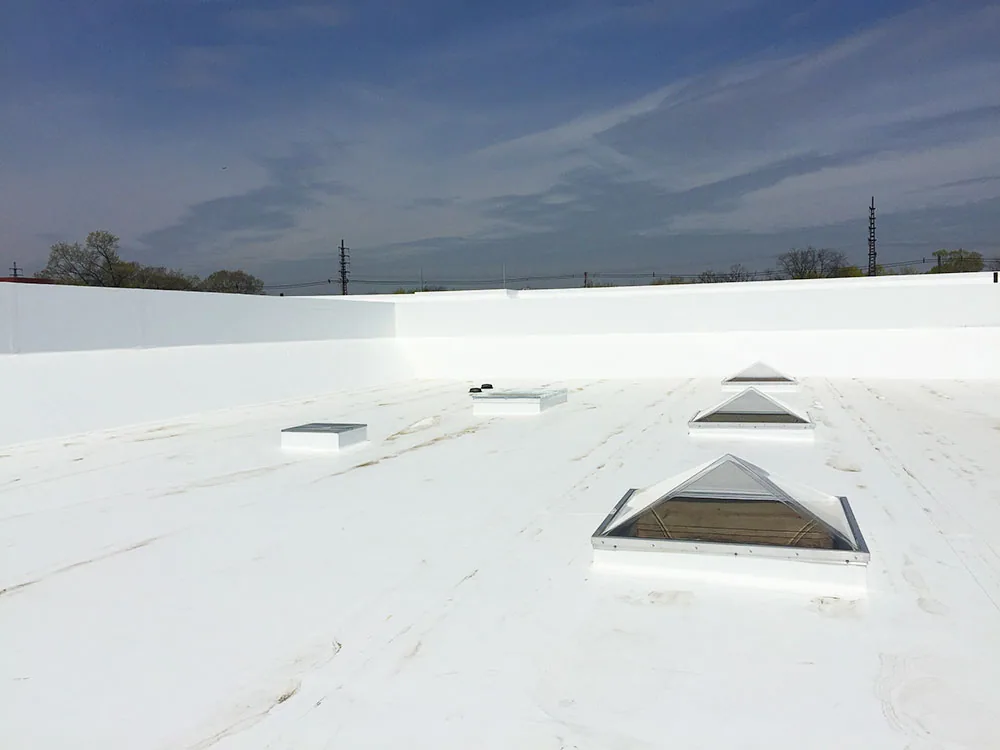
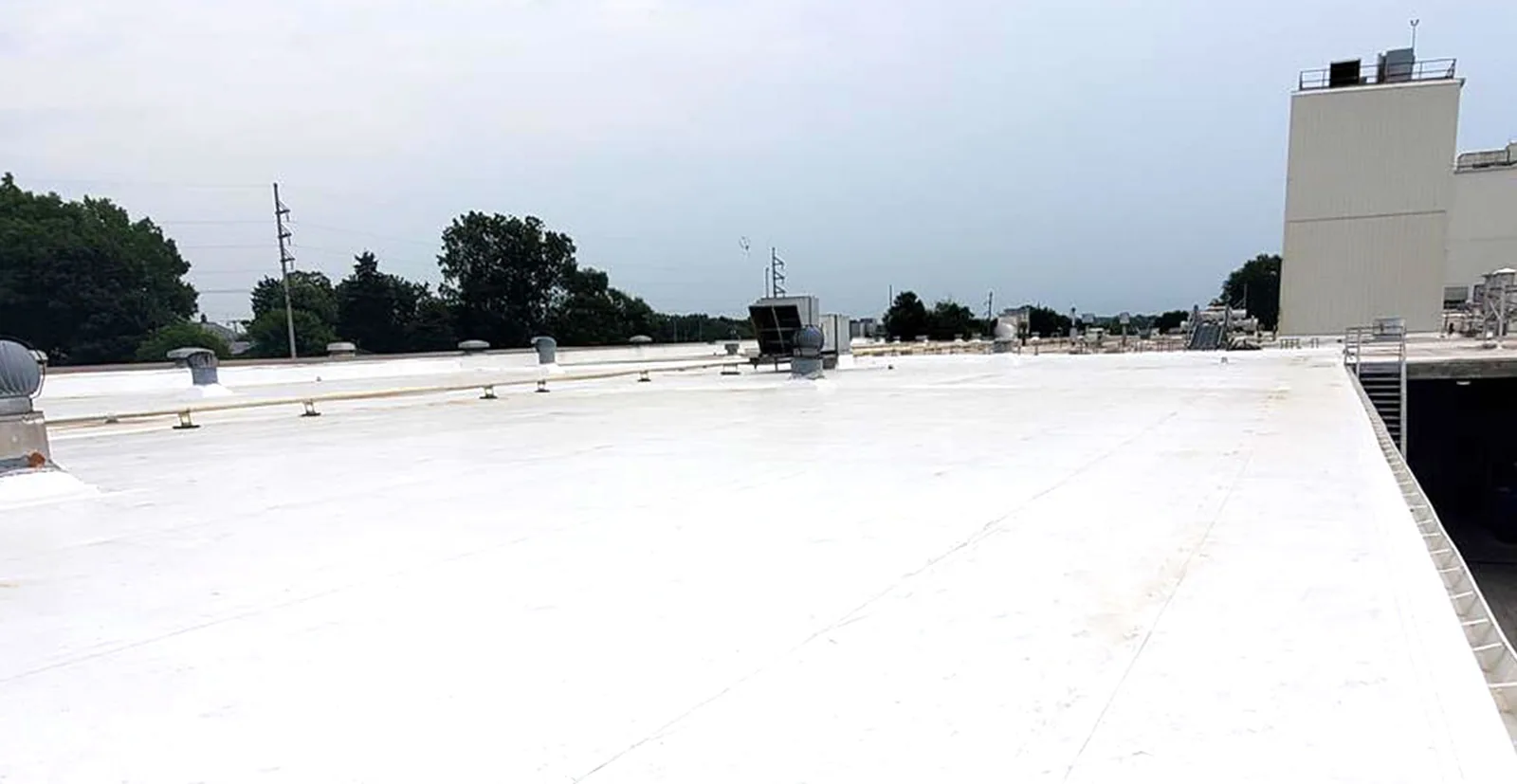
A reflective membrane or coating must be compatible with the substrate and roof design. We identify the existing material, attachment, number of layers, slope, and previous treatments before comparing options. On an eligible assembly, a new membrane may replace the worn surface, while a coating may preserve a sound substrate after repairs and preparation. A recover is possible only when moisture, attachment, and code conditions support added layers. If the deck or insulation is wet, those conditions have to be corrected before a reflective finish is considered.
We check laps, perimeter details, penetrations, and patches for bond or tie-in risks. A coating receives a test area when compatibility is uncertain. Where a new assembly is needed, the proposal states insulation, cover board, membrane, flashing, and termination requirements separately. Our TPO roof option and PVC membrane work can be evaluated against the building's use and attachment requirements, while a coating assessment determines whether restoration remains technically sound.
Protect Drainage and Edge Details
A reflective surface does not fix a low area, blocked outlet, open seam, or weak parapet. We trace drainage paths and inspect drain bowls, scuppers, crickets, gutters, edge metal, and wall transitions before construction. A new layer can change elevations around an outlet, so the scope must show how the drain flange and nearby membrane will be rebuilt. At parapets and curbs, we detail terminations that resist water entry and allow the system to move as designed.
Waterbury has older industrial land along the Naugatuck River and industrial districts in the southeast. Across the river corridor, Naugatuck has a linear commercial and institutional district beside Route 63 and Route 8; Wolcott's largest industrial concentration sits along Wolcott Road at the Waterbury line. These broad settings can affect delivery and access planning, but only roof measurements establish the drainage condition. We keep needed corrections separate from the reflective surface quantity. A drain and scupper review can identify slope or outlet work, while exposed metal, parapet, and curb details are included in the defined roofing scope.
Set the Scope, Permit Date, and Capital Allowance
For applications filed from October 1, 2022 onward, Connecticut uses its 2022 code package, which incorporates the 2021 International Building Code and International Energy Conservation Code. We confirm the project review with the owner and design team before finalizing the assembly. That step can affect insulation, attachment, wind design, roof loading, and permit timing. Code review does not replace checking the current roof or the building's energy goals.
Cost depends on roof area and geometry, access, tear-off, insulation depth, edge details, drains, equipment, and substrate repairs. We identify measured quantities, allowances for concealed conditions, and any test that could move the replacement line. Where operations continue, work zones, lift access, odor or noise controls, and temporary dry-in also affect sequence. A recover comparison helps show whether retained layers are viable, while replacement planning defines removal and the new assembly if they are not. The estimate should make the reflective choice comparable with a conventional repair or replacement scope.
Install by Section and Verify the Finished Surface
We divide the roof into workable sections and set a closure point for each shift. The sequence covers removal or preparation, substrate repair, insulation, membrane or coating, flashing, and inspection before the area returns to service. The daily plan notes material staging, equipment access, drains to protect, and the dry-in condition required if weather interrupts production. Waterbury's winter exposure and summer storm hazards make forecasting relevant, but current surface conditions and the selected system's installation requirements determine whether work can proceed.
At closeout, we photograph the finished surface, seams, perimeter, drains, and penetrations. The record identifies the system installed, the work boundary, and any deferred item. We can recommend a maintenance review for drainage and surface condition, with findings compared against the preconstruction map. Provide the roof plans, cooling or comfort concerns, past repair records, access rules, and permit window. We will inspect the assembly, explain the options, and document the evidence behind the capital recommendation.
Commercial Roofing Questions
Will a reflective roof lower our cooling bill?
A reflective surface can reduce solar heat absorbed at the roof, but utility results depend on insulation, air leakage, equipment efficiency, internal loads, controls, and use. We can document the roof scope and material choice; the building's energy professional should evaluate whole-building savings against operating data.
Can a reflective coating go over the current roof?
Only after we confirm the substrate is compatible, attached, sufficiently dry, and repairable. We inspect seams, flashings, drains, previous treatments, and test areas, then identify preparation and repairs. If wet insulation or unstable layers are present, the boundary may require replacement or another assembly.
Does a cool roof change insulation requirements?
The selected assembly and permit review determine insulation and related details. Connecticut's adopted code framework and project conditions need to be checked before pricing is final. We list the proposed layers and ask the design team to resolve any code or energy requirement that affects the permit set.
What can make the installation take longer?
Tear-off volume, substrate repairs, edge and drain details, equipment conflicts, access, permit timing, and weather all affect the schedule. We set daily dry-in points and identify the information needed before material order so the capital calendar reflects the actual roof scope.
Can reflective roofing be installed while tenants remain open?
Often, when the work can be divided into safe sections and the site contact approves access, staging, noise, and operating-hour controls. We confirm where occupants or equipment are affected, protect the interior below active work, and close each section before moving on.
Compare Reflective Roofing with the Existing Assembly
Share the roof plans, energy concerns, repair history, access rules, and permit window. We will inspect the surface and drainage, then document whether repair, coating, recover, or replacement fits the evidence.