The roof reserve in a purchase model is a guess until someone cuts into the roof, and the contingency period is usually shorter than the time a thorough survey would like. Buyers and lenders evaluating commercial property in Waterbury, CT need a report that fits inside that window and still separates what is known from what is assumed: which roof sections are dry and serviceable, which carry wet insulation, which have deferred repairs, and what each would cost to address. A due diligence roof survey is built backward from the deadline, so the walk, the tests, and the writing all land before the date that matters.
The deliverable is a cost-timed picture of the roof as it stands, not a verdict on the deal. The buyer decides how to price it.

Scope the Survey to the Deadline and the Documents
The first call establishes the contingency date, the lender's roof requirements, the seller's willingness to allow test cuts, and the access rules. Some sellers allow moisture scans and small cuts; others limit the buyer to a visual walk. The survey is scoped to what access allows, and the report says plainly which findings are measured and which are visual. Any documents the seller provides, such as roof drawings, warranties, past repair invoices, and prior reports, are read first so the walk can target known problems.
When access is limited, the report lists the open items and the test that would close each one, with an allowance for the buyer's model. A buyer who knows an item is open can negotiate a credit or a post-closing test, rather than discovering the gap later.
Walk Every Section and Test Where It Counts
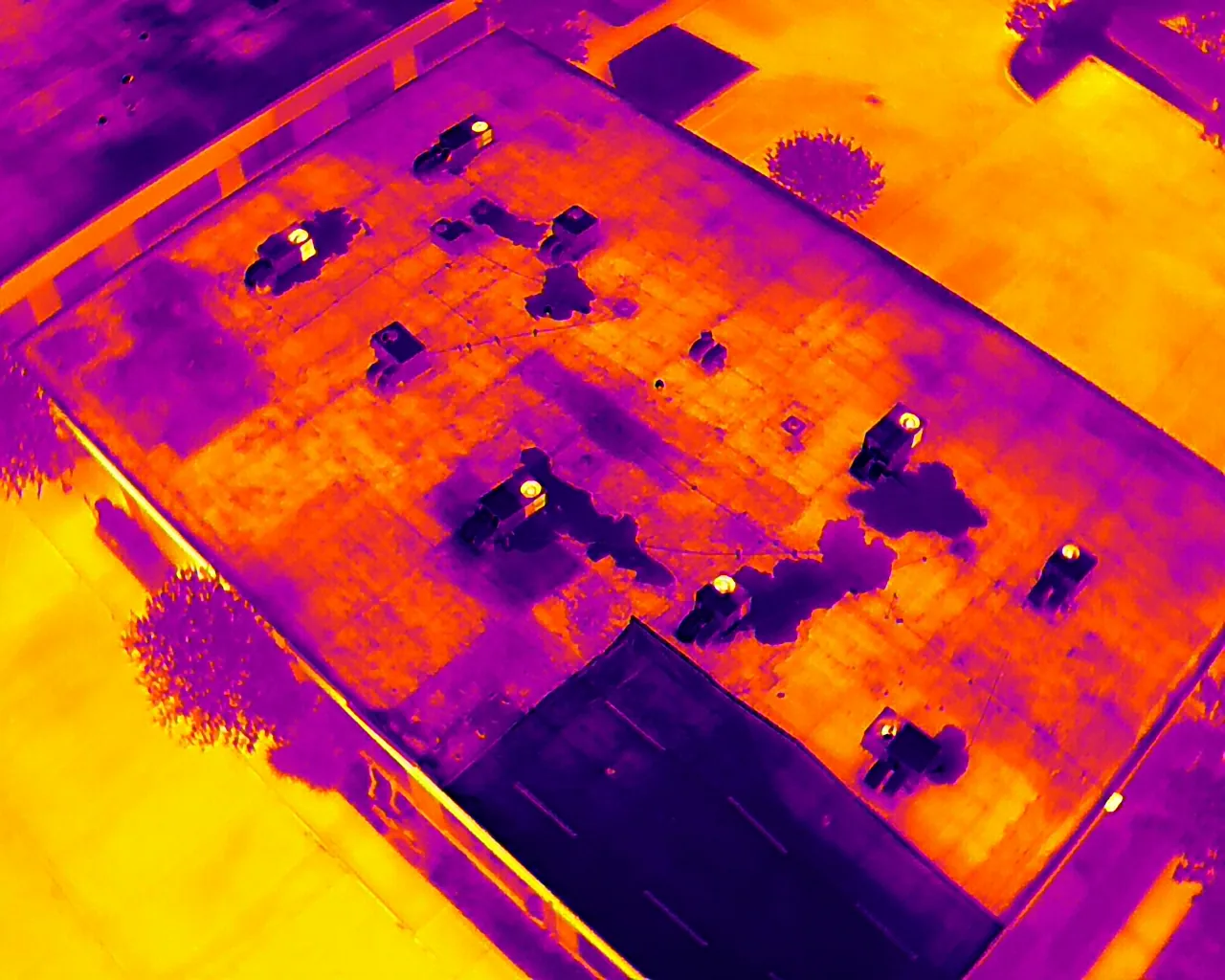
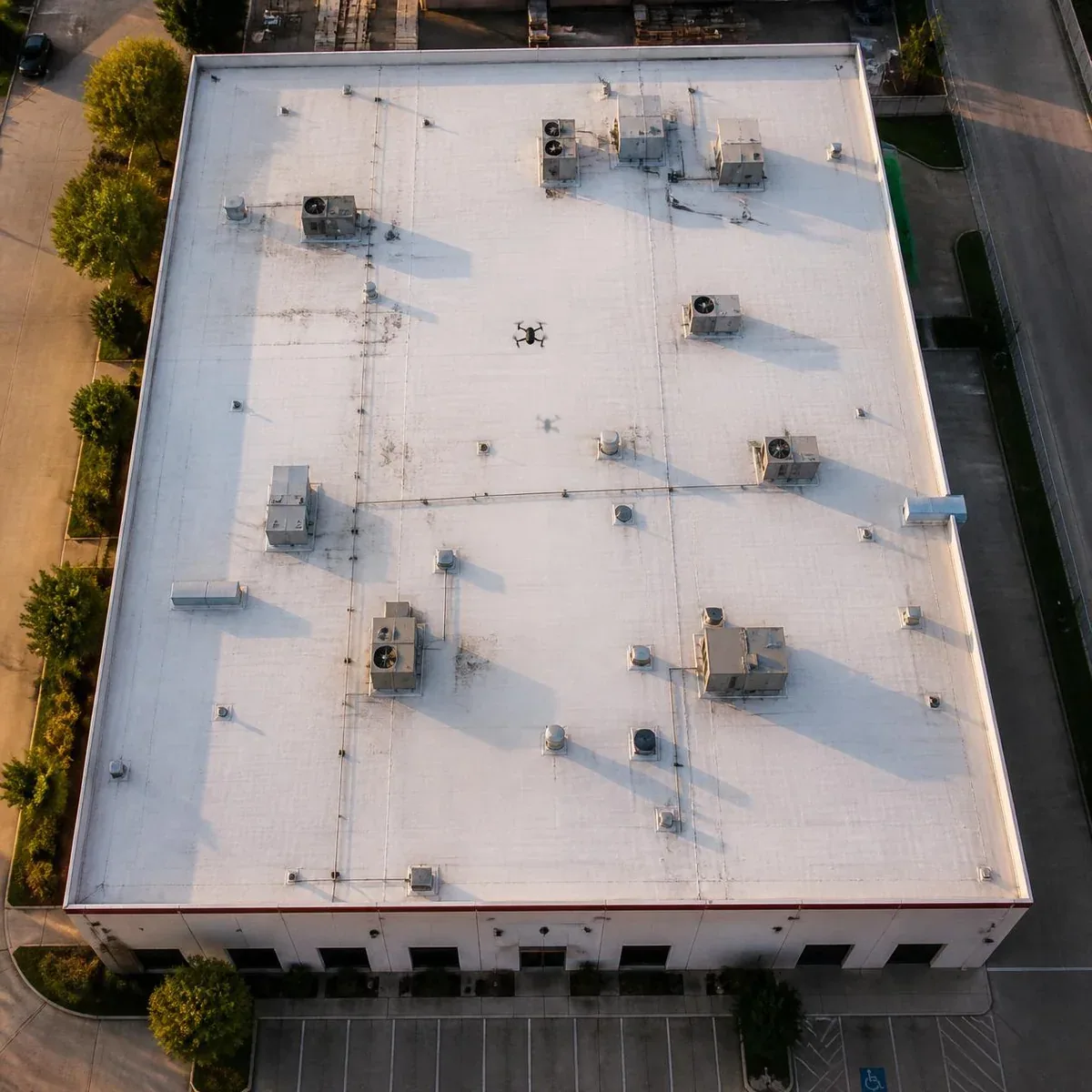
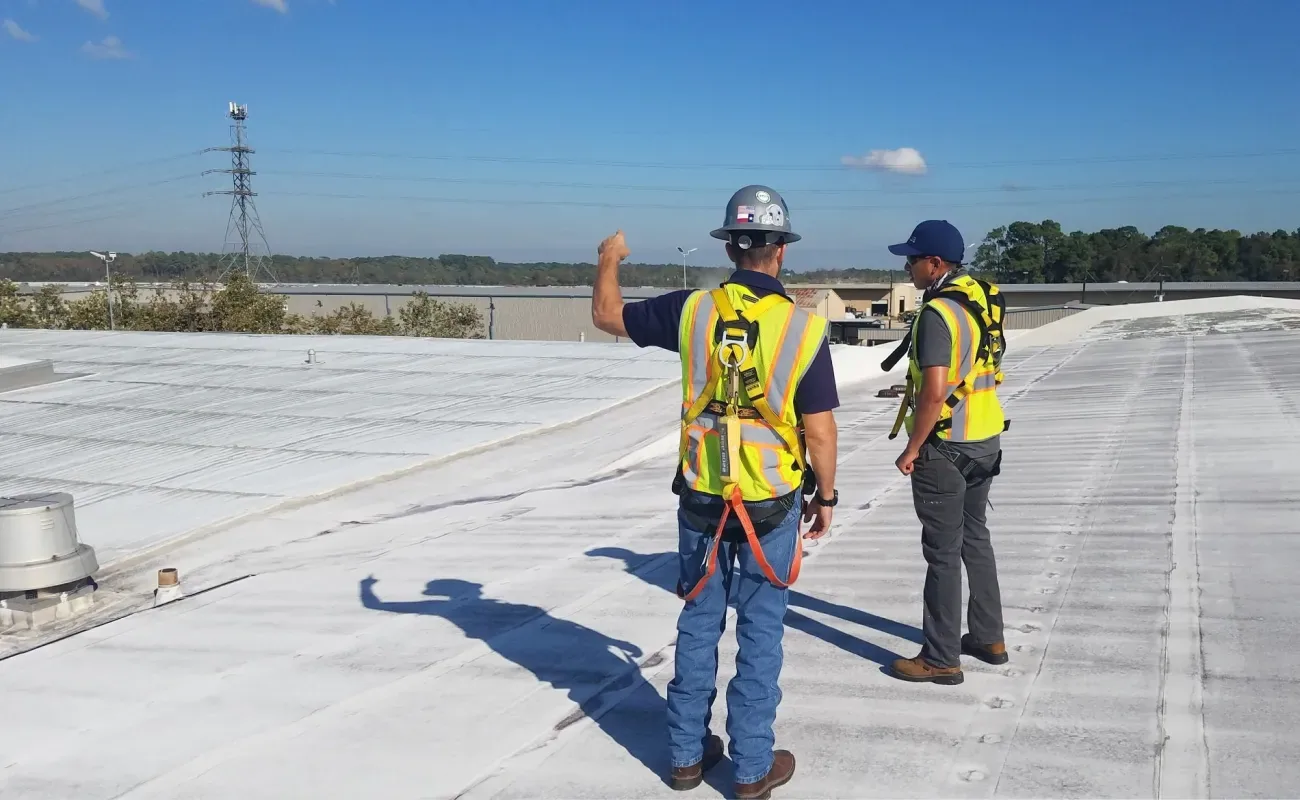
We divide the roof into numbered sections and walk each one, recording membrane type, layers, attachment, seams, flashings, drains, penetrations, equipment, and patches. Photographs are taken at fixed positions. Where the surface, the interior, or the building's age points toward trapped water, we run a moisture scan and confirm with test cuts if the seller permits. An infrared survey is efficient on large roofs, and a drone flight documents areas that cannot be reached on foot.
The test result matters in dollars. A dry core under a worn membrane might support a recover or coating. A wet core adds insulation replacement and changes the scope from recover to replacement. Finding that out before closing moves the figure in the buyer's model from an unknown to a number with a range.
Deliver Findings in the Form a Buyer and Lender Can Use
The report opens with a one-page summary: overall condition, roof sections ranked by urgency, estimated remaining service horizon for each, immediate repairs, and a reserve schedule across the hold period. Behind it are the section entries with photographs, measurements, and moisture findings. Cost ranges are given with allowances where a test is open. If the lender requires a particular format, we fit the summary to it while keeping the evidence the same.
The report also identifies warranties and their terms where documents exist, since coverage that survives a sale can be worth real money in the reserve and coverage that does not transfer should not be counted on. An owner who intends to keep that paperwork in order after closing can carry it into warranty management. Buyers who hold the building afterward can fold the survey into their asset records with no rework.
Expect Different Findings From Different Building Types
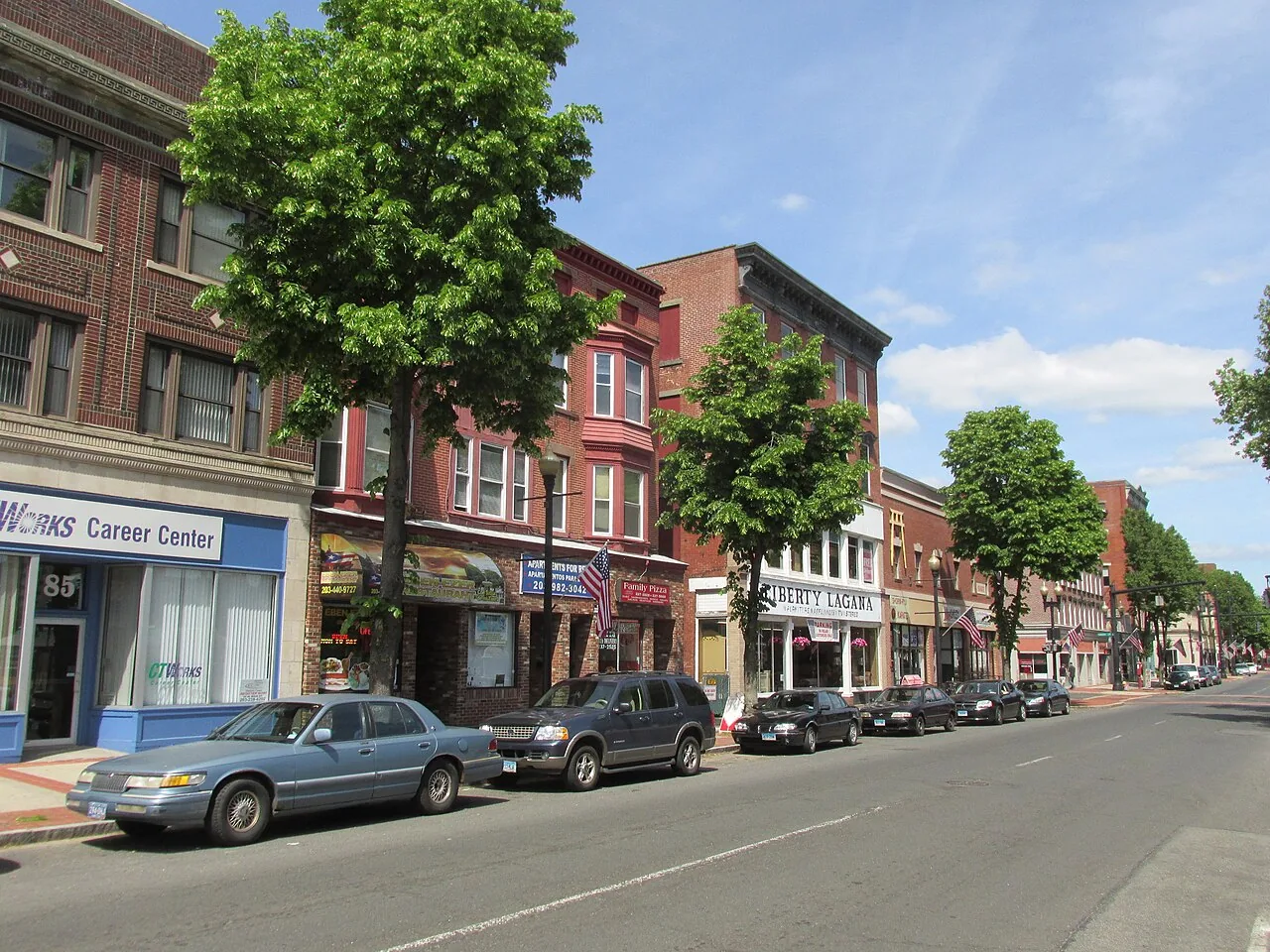
Waterbury's building stock gives a buyer a wide range of roofs. A buyer in Waterbury meets old river-side industrial ground, parks such as Reidville, Brookside, and Waterbury Industrial Commons, a tight downtown where government, banking, a hospital, and colleges sit close together, and mixed-use corridors with retail on East Main and South Main. A survey of a river-valley industrial building spends its time on a long membrane, drains, and rooftop equipment. A downtown office survey spends time on access, small roof levels, and occupant sensitivity. A corridor retail survey looks at unit locations and walk routes, and Waterbury's mixed-use corridors put housing and civic uses beside the stores.
Nearby towns bring their own mix: for example, Cheshire's draft plan describes warehouse, distribution, manufacturing, and corporate-office uses in an industrial-zoned area near I-84 and I-691, and Meriden's plan calls out Research Parkway as its primary industrial park area. The survey for each is written to the building found, not to the district description.
Name What the Survey Cannot Settle
A survey inside a contingency period has limits, and a good report names them. Concealed conditions, such as deck corrosion under a wet core in a section that could not be cut, remain unknown until tear-off. Roofs under snow or ice cannot be fully assessed, and winter surveys list those sections as unverified. Areas under rooftop equipment and behind screening are noted the same way. The report assigns each unknown a reserve allowance and a post-closing test, so the buyer carries a number instead of a gap.
Seasonal timing matters in Connecticut. Because Waterbury's own hazard plan puts every neighborhood in the path of snow and ice, a survey booked in the cold months may meet a roof under snow, and it then leans on interior evidence, drain checks, and the seller's records. When the contingency period falls in that season, we say so on the first call and propose the best available combination of access, scanning, and records, with a follow-up visit once the roof is clear.
Interior evidence helps in every season. Ceiling stains, patched tiles, dehumidifiers running in a corner, and tenant leak reports are matched to the roof above and logged by section. A cluster of interior signs under one roof section can justify a closer look there even when the surface seems sound, and the report ties each interior sign to its section so the buyer can see why a particular area is flagged.
Convert the Findings Into a Reserve and a Closing Strategy
The numbers carry into the buyer's capital plan. Immediate repairs are listed with costs and could be priced into the offer. Sections nearing the replacement line go into the reserve with a year. Sections whose condition cannot be settled before closing go into a post-closing test list with a budget. A capital plan then spreads the spending, and an investor evaluating several buildings can use the same format across them, as real estate investors and REITs do when they compare several acquisitions. For a refinancing, the report shows the lender the roof's status and the plan to keep it in service.
Commercial Roofing Questions
How soon can a survey be completed once a contingency period starts?
A walk can usually be scheduled within days, with tests added as access allows and the report returned ahead of the deadline. Share the contingency date and the seller's access terms on the first call so the work can be sequenced backward from it.
What if the seller will not allow test cuts?
The survey proceeds with visual observation and any non-invasive scan the seller permits. The report lists the unverified items, the test that would close each, and a reserve allowance, so the buyer can negotiate a credit or a post-closing test.
Should a lender's roof requirement change the survey?
It can change the format and the minimum content. We fit the summary to the lender's request and keep the evidence the same, so the report works for both the buyer and the lender.
Is a survey a substitute for a structural review?
No. It reports the roof, including signs that suggest deck or structure concerns, and refers those to an engineer. It does not judge structural capacity.
How far ahead does the reserve schedule look?
Across the hold period the buyer expects, typically in annual steps. Each roof section carries a window for repair, recover, or replacement, with the evidence for it.
Can the survey be reused after closing?
Yes. The numbered sections and photographs become the baseline for ongoing inspections, so the first year's maintenance can be compared against the day-of-purchase condition.
Send the contingency date and the seller's access terms
Send the property address, the contingency or loan date, any roof documents from the seller, and the access rules the seller allows. We will propose a survey scope that separates repair, recover, and replacement, and tell you which findings will be measured and which will remain open at closing.