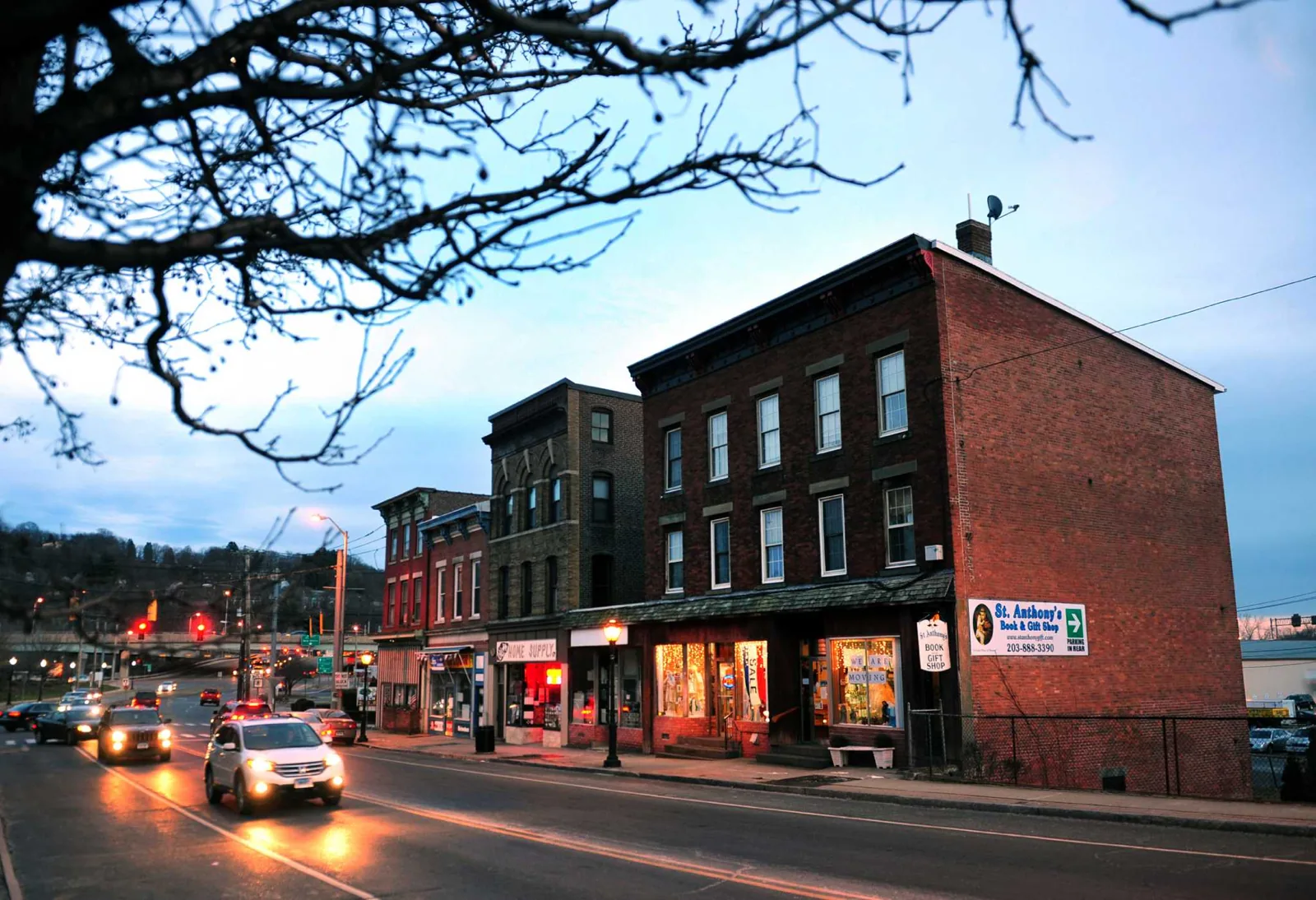
Retail and restaurant roofs on a busy strip fail on a different clock than a quiet industrial roof, because the cost of a leak there is lost sales and a closed dining room, not a damp storage bay. In Meriden, CT, East Main Street carries much of the city's strip commercial development, connecting downtown to I-91 and serving regional and national retailers and food-service businesses, so the first scheduling choice is often which section can be closed to the public and for how long.
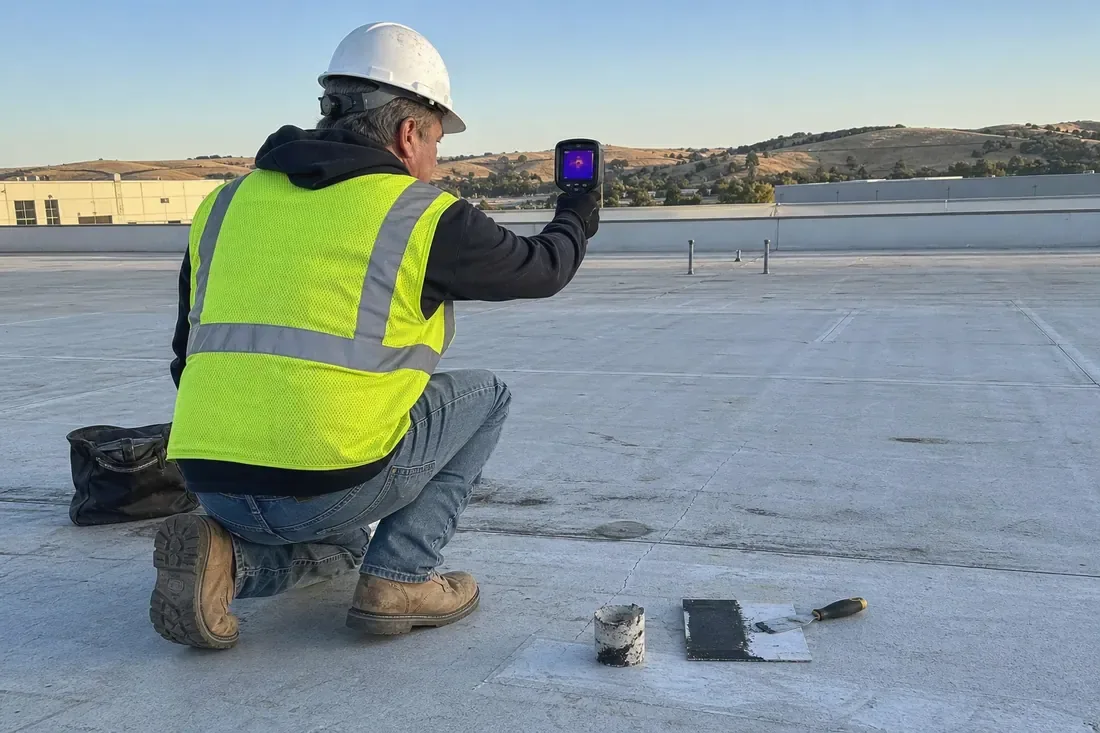
We begin with the finding that moves the budget: where the roof is wet. A moisture survey of each roof section separates a repair line from a recover option or a full replacement, and it lets the property manager time the work to the slower months for the tenants below.
Schedule strip-center roofs around tenant hours
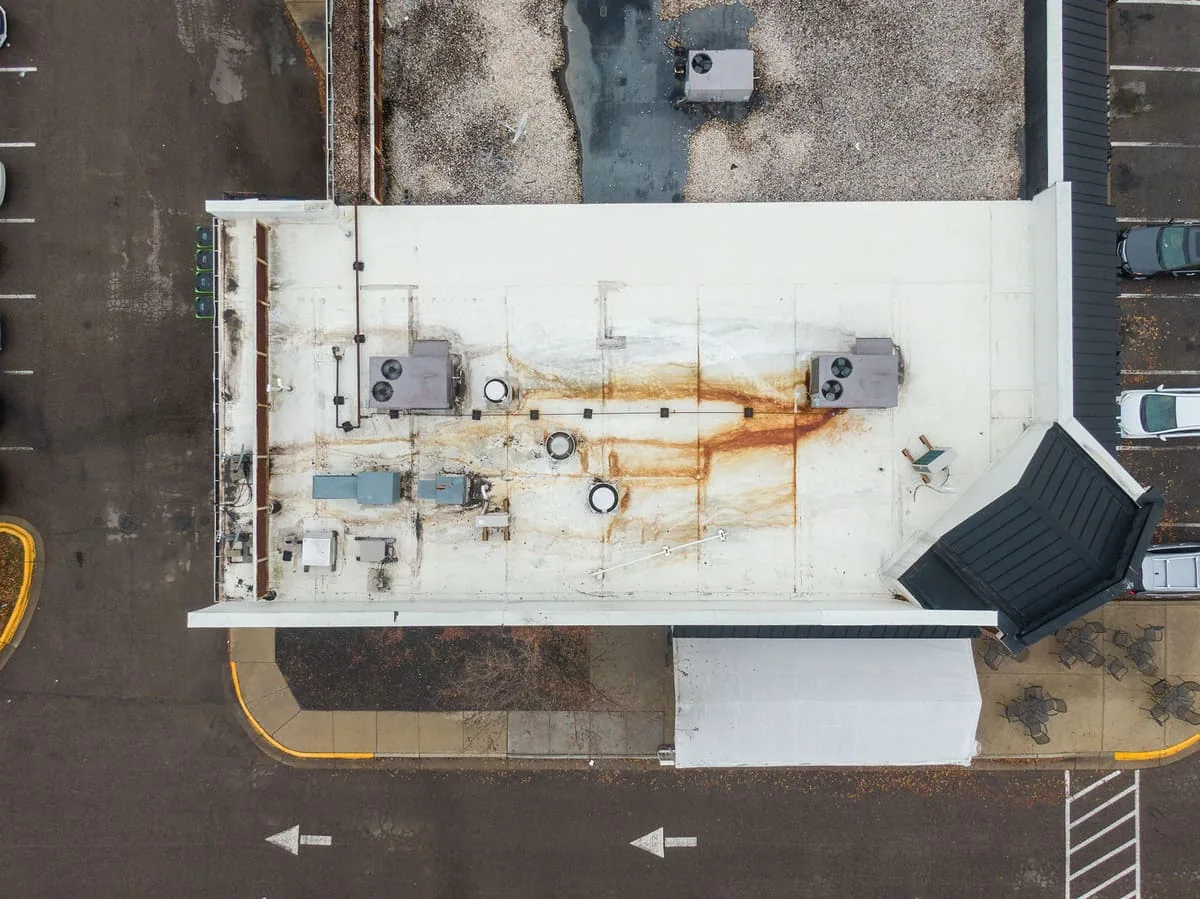
A strip commercial building usually has a shared roof over several tenants, each with its own hours, rooftop equipment and lease terms. A leak in one unit can start at a curb that belongs to a neighbor, so the first task is to map which units sit under which roof section. We ask for the tenant list, the exhaust and condensing equipment locations and the hours each business is open, then place the dry-in dates so no tenant loses a full trading day.
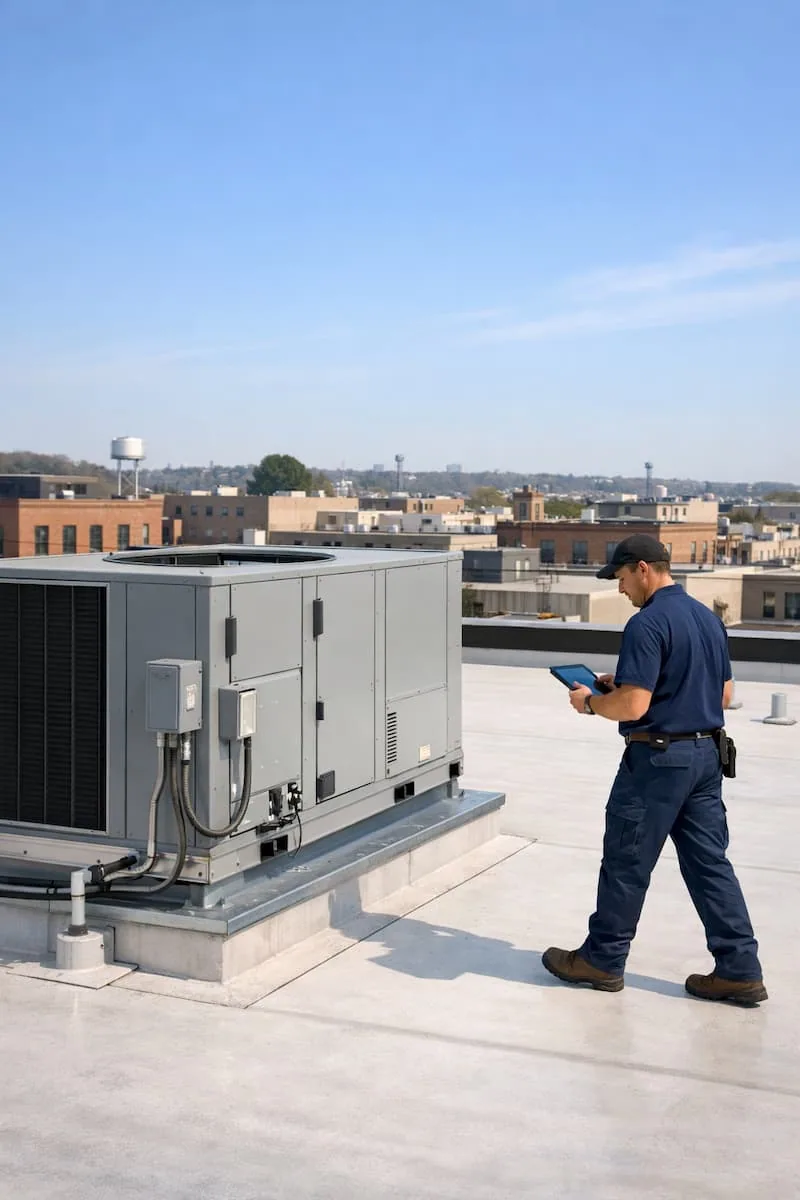
Food-service tenants add grease and heat to the roof. Exhaust fans throw residue onto the membrane, and a fan curb that has been reflashed several times may be the real source of a recurring stain. A curb and support review checks each unit for flashing height, sealant condition and walk-pad protection before any patch is priced. Where the same roof serves retail and a restaurant, the report separates their conditions so the repair cost can be allocated fairly.
Price office and industrial roofs on Research Parkway
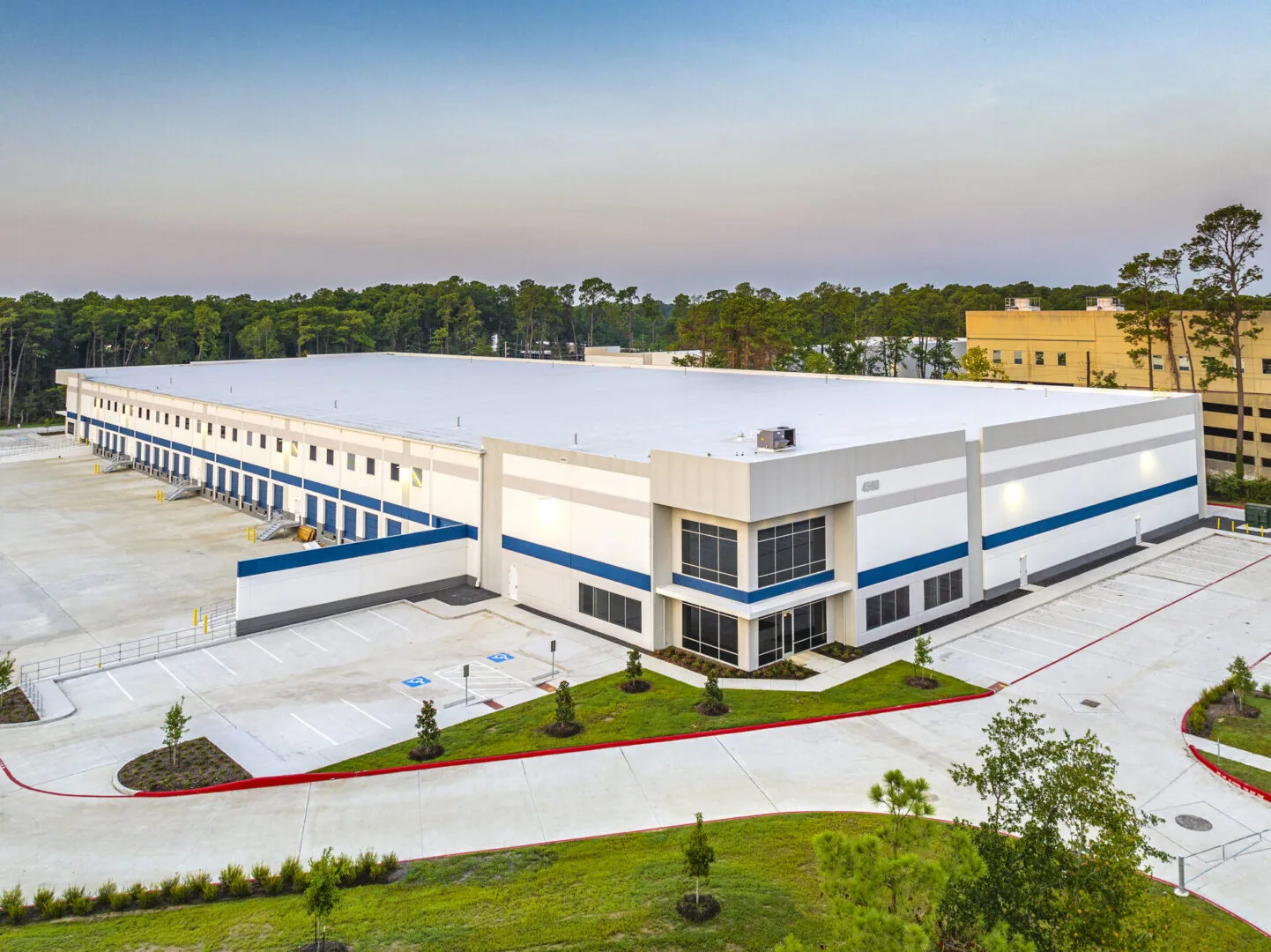
Meriden's adopted plan identifies Research Parkway as its primary industrial park area, with many of the city's largest developed office and industrial properties along the road. A property in that setting may hold offices, light manufacturing or storage under one roof or several, and the roof questions change with the use. We do not assume the roof type from the road name, so each building starts with a walk that records the membrane, insulation, drains and penetrations.
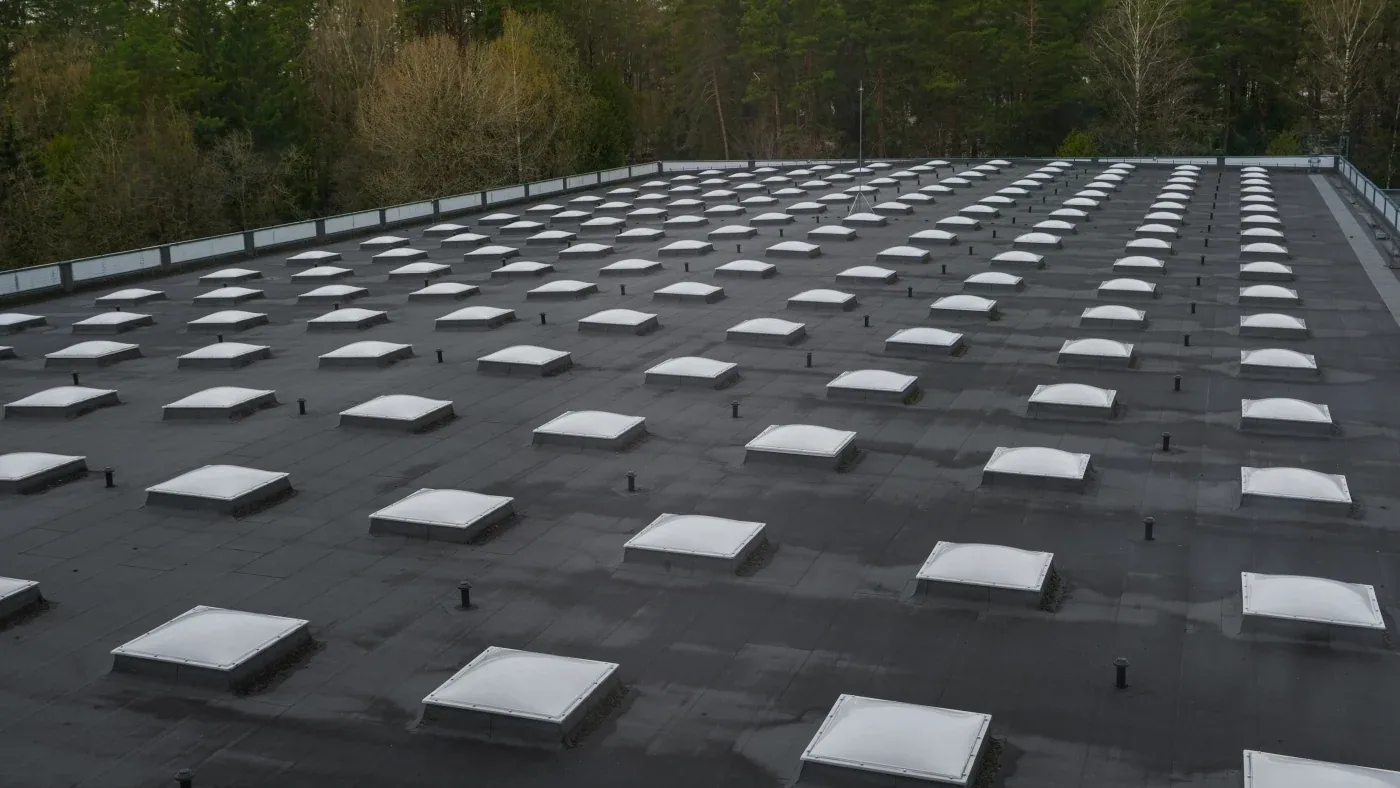
For an owner with several buildings in the same park, a multi-site roof program ranks the roofs by condition and builds a scope allowance for each, so capital is directed to the sections most likely to leak first. Large industrial roofs often have long drain paths, so a clogged outlet can hold a pond over a wide area. The inspection looks at the drain path from the farthest high point to the outlet and notes anything that would slow it.
Plan for heavy rain and cold-season loads
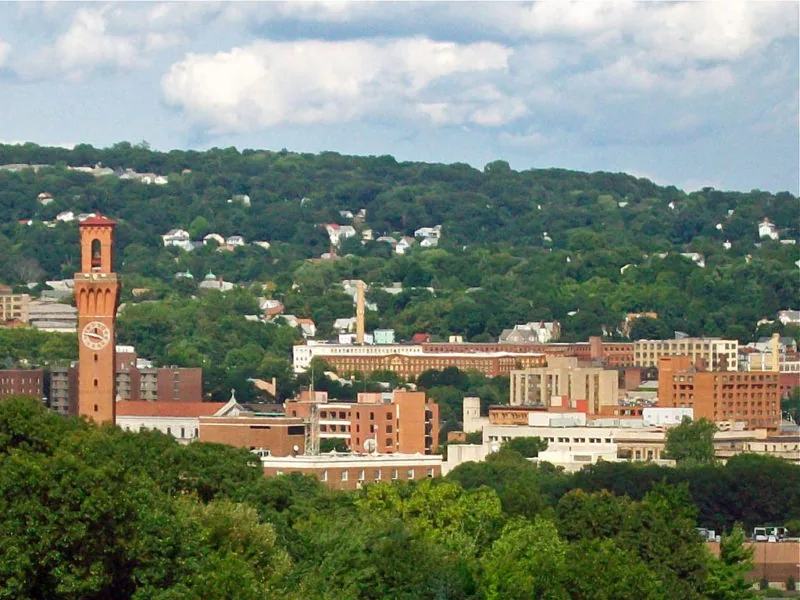
The 2021 plan prepared for Waterbury cites a 5.54-inch figure from NOAA Atlas 14 for a 24-hour, 10%-annual-chance rainfall in that city, and it projects heavier extreme precipitation across Connecticut. It is a reasonable reason to test a flat roof's drains before the wet season. A roof that holds an inch of water in a corner during a normal storm will hold more in a heavy one, and the extra weight can open seams.
The same document counts snow and ice among the winter hazards facing the whole city of Waterbury. For a strip center, that adds a second check: whether snow stacked beside a parapet or curb melts toward a drain or toward a wall. We note low spots, scupper clearances and any edge metal that has lifted, and we flag items that should be fixed before the first major storm. A leak repair after a storm costs more than the same fix made in dry weather.
Timing within the year matters for the same reason. Adhesives and sealants need a minimum temperature and a dry surface, so cold-weather repairs are usually temporary, and we say which items are holding measures and which are final. A temporary repair that is logged as such, with a date and a photo, gives the owner a clear list of what to complete when the weather allows, instead of an open-ended hope that the patch will last.
Set the repair boundary and the replacement line
The estimate has to answer one question before anything else: how much of the roof is still serving. A patch holds when the failure is a single seam, a puncture or a flashing, and the insulation below is dry. Repeated leaks in several places, or a core that tests wet across a section, move the discussion toward a recover option if the structure and layers allow, or toward replacement if they do not.
Each path has cost drivers we list individually: tear-off, disposal, insulation, new edge metal, curb and penetration flashing, protection below and permit review. Any permit filed for a full replacement is read against the 2022 Connecticut code, which rests on the 2021 International Building and Energy Conservation Codes, and we confirm what it requires before the figure is final. A condition report with photos keeps the evidence attached to the number, so a lender or an investment committee can see why a boundary was drawn where it was.
Close the job with records the next owner can use
At the end of the work we deliver closeout photos for each roof section, a drawing or marked-up plan showing what was repaired or replaced, and the product data for the materials installed. If a warranty applies, the paperwork states what it covers and what upkeep it expects. The records matter more than they seem, because a roof's history is the first thing a buyer, lender or insurer asks for.
An owner with property in Wallingford or Southington as well can have the same record format used across the portfolio, so roofs can be compared. We also schedule a follow-up check after the first winter, when snow load and freeze-thaw have tested the new work, and we note any detail that needs adjustment while it is still small.
Commercial Roofing Questions
Can one tenant's leak be repaired without closing the whole strip?
Usually, if the work is phased by roof section. We set a dry-in point for each section and place protection below the opened area, so adjacent tenants keep operating. The tenant list and hours determine the order.
Why does a restaurant roof need extra attention?
Exhaust residue and heat wear the membrane near fans, and repeated service visits can disturb curb flashing. We inspect those areas first and may recommend walk pads and a cleaning routine.
How do I know whether a Research Parkway roof is a repair or a replacement?
The moisture readings decide it. If the insulation is dry and the failures are isolated, repair is the lower-cost answer. If the core is wet across a section, replacement of that section is usually the sound choice.
Why test drains before the wet season on a Meriden flat roof?
A roof that holds an inch of water in a corner during a normal storm will hold more in a heavy one, and the extra weight can open seams. We trace each drain, measure the fall toward it, and judge the roof on its own slope, outlets and condition.
What should I gather before the first inspection?
Gather the tenant list, any roof drawings or warranty papers, the location of past leaks and the access route. The more we know about equipment and operating hours, the better the schedule.
Send the tenant list and roof records
Share the property contacts, tenant hours, roof drawings or warranty papers and the areas where leaks have appeared. We will map the roof sections, run the moisture checks and report whether repair, recover or replacement is supported.