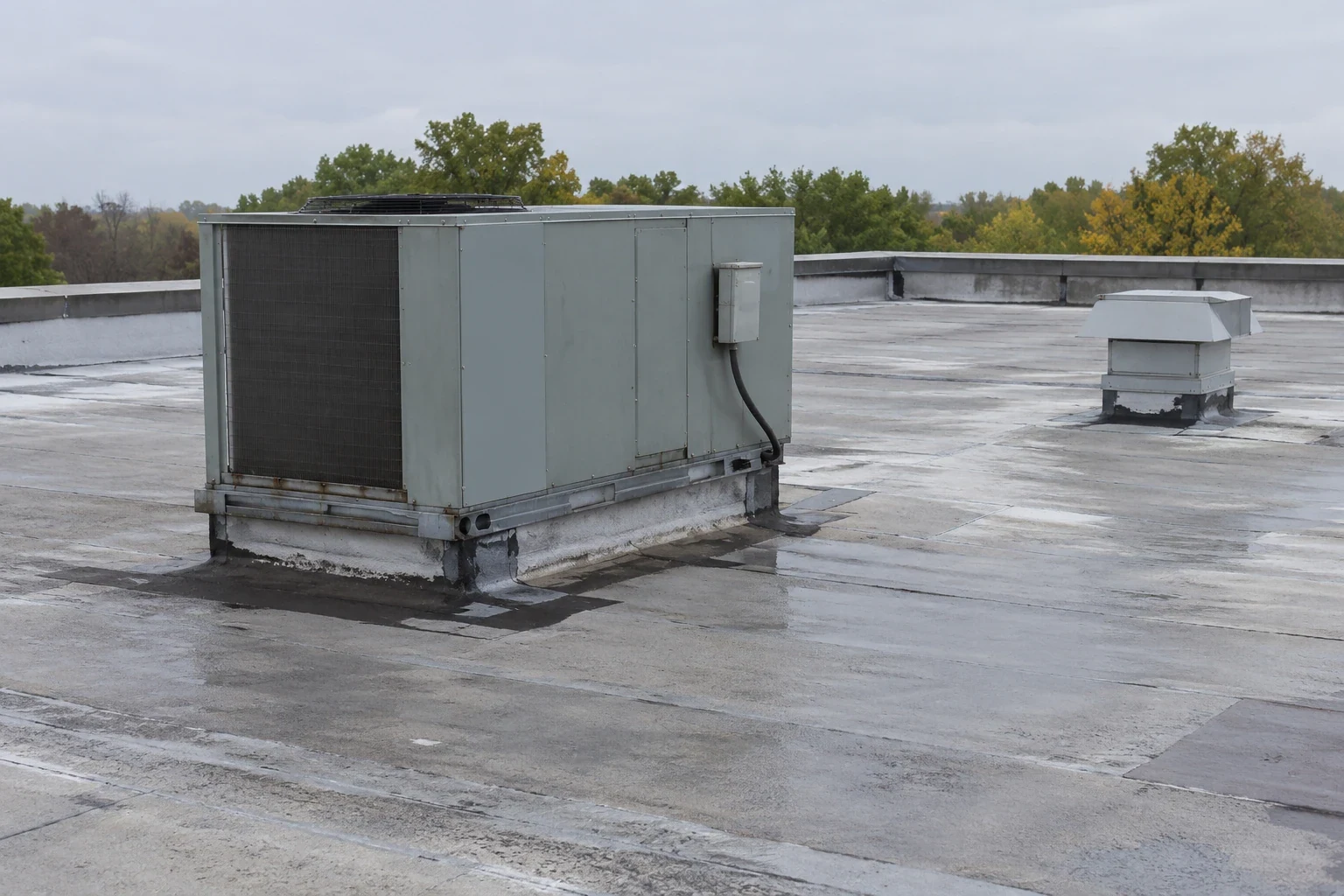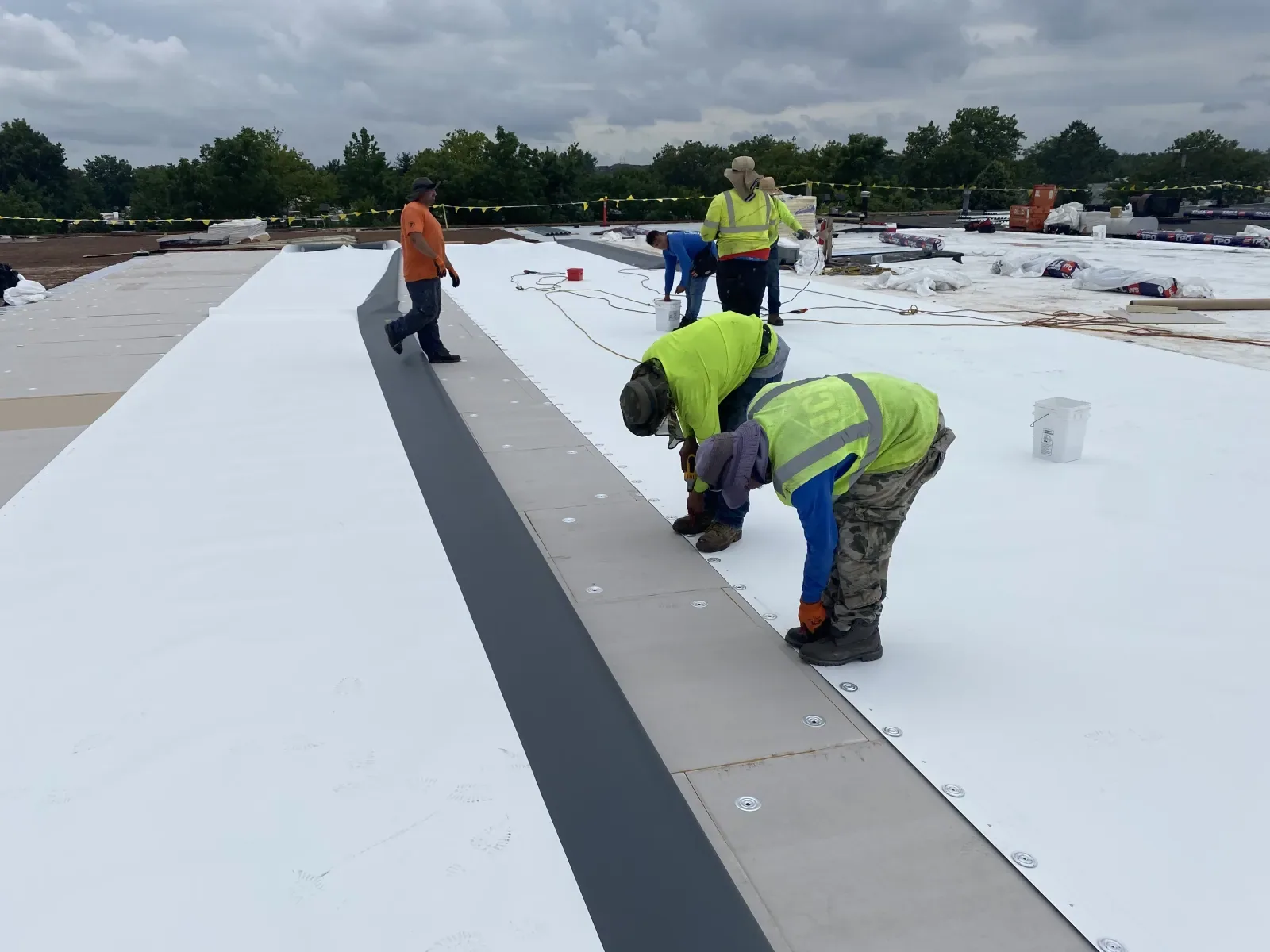
A skylight, pipe, curb, or service opening interrupts the roof field and creates a detail that must remain watertight as the assembly moves. We inspect the opening, flashing height, attachment, membrane contact, and adjacent seams, then record which condition changes the repair limit. Waterbury's hazard plan includes citywide winter storms and local summer storms. That context keeps drainage and transition checks in the review, while the opening and surrounding materials establish the repair decision.
The I-84 and Route 8 junction sits near Waterbury's compact central district, and mixed-use corridors extend through the city. Those settings may affect roof access and occupied hours. We map the actual details before pricing repair, replacement, or further testing.
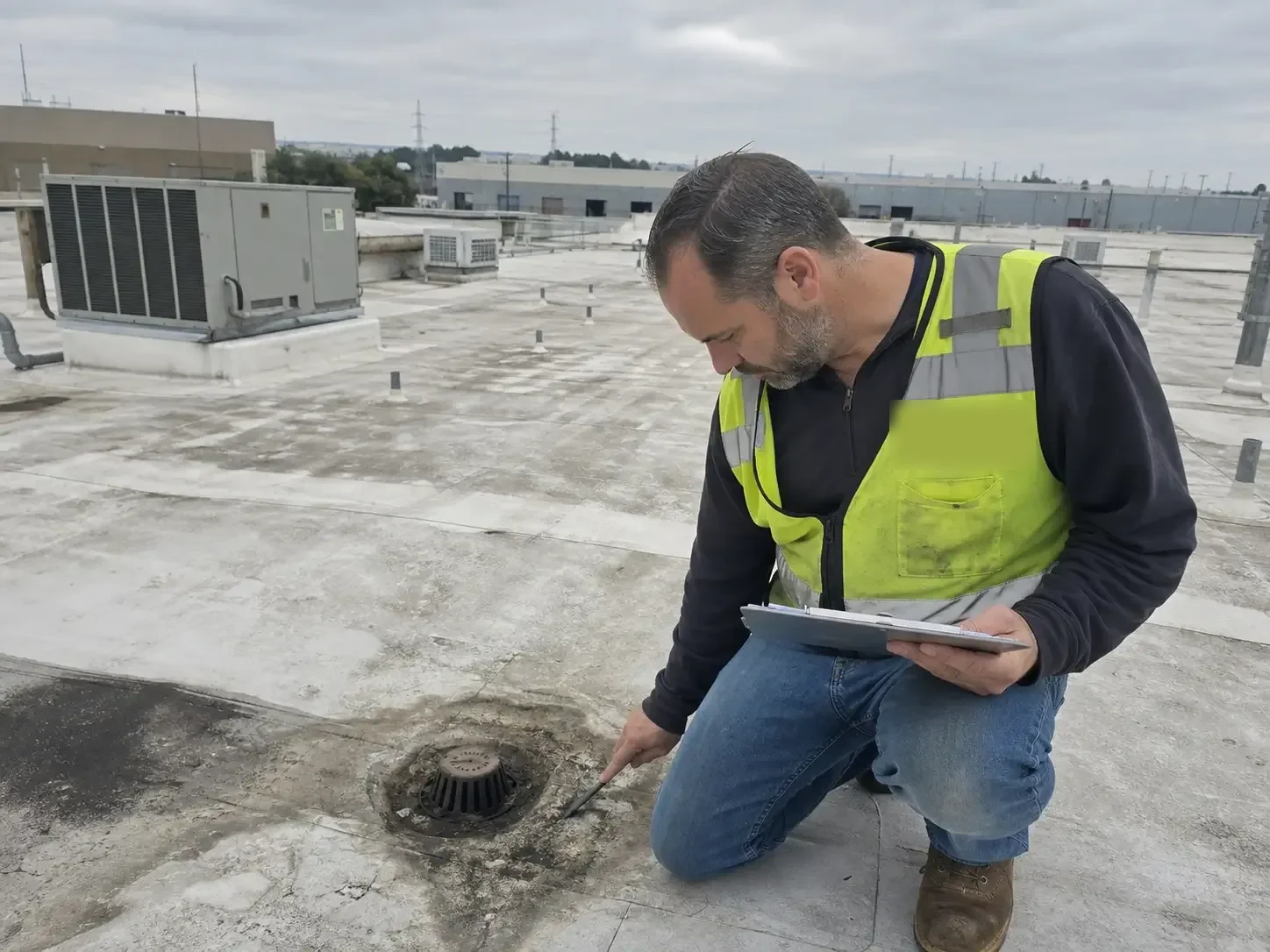
Inspect Each Opening and Its Flashing
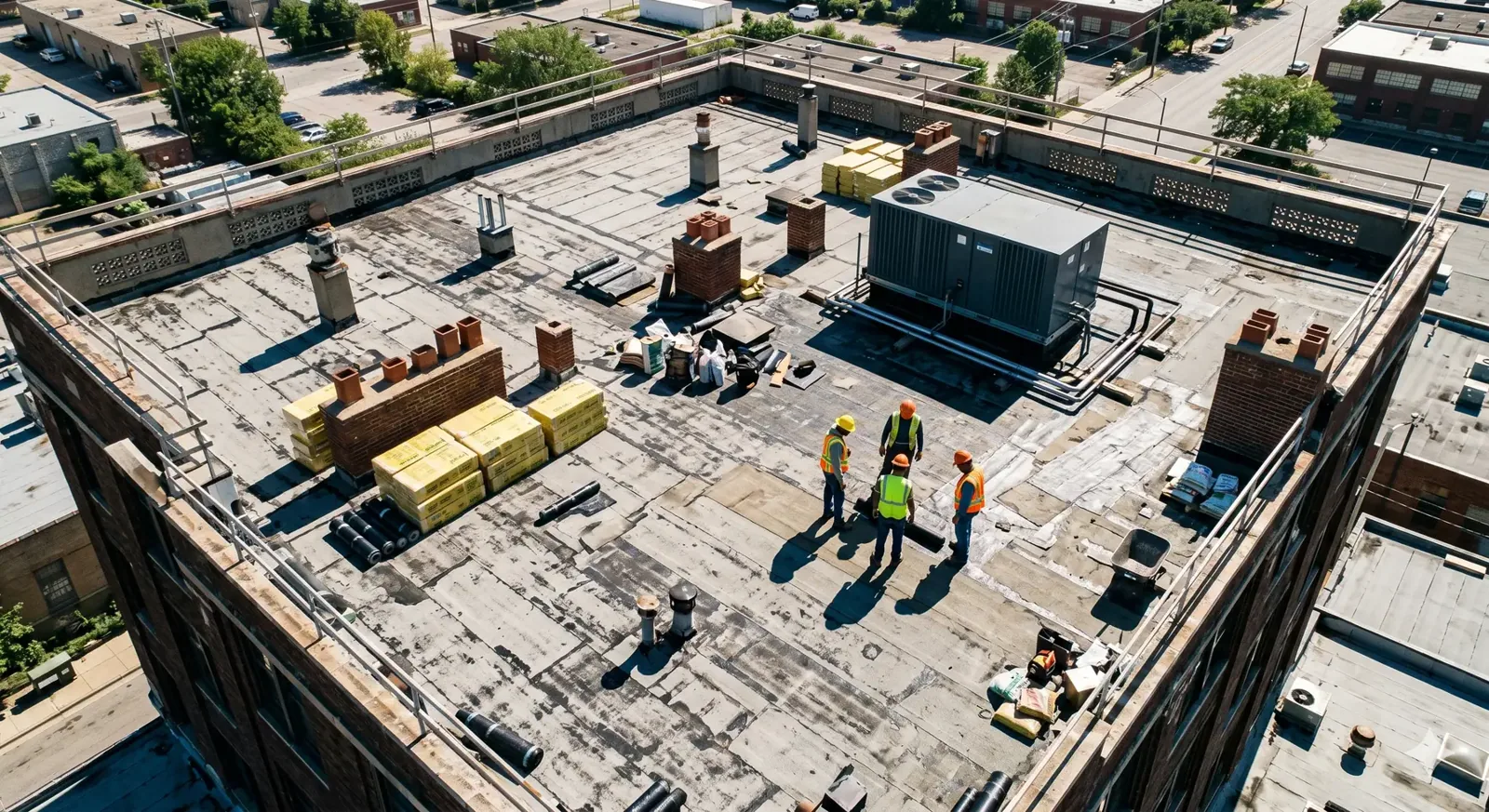
We identify each skylight, curb, pipe, conduit, exhaust, and other visible penetration within the agreed inspection area. The review checks flashing laps, attachment, sealant, curb corners, fasteners, membrane condition, and nearby drainage. For a skylight, we also inspect the visible frame-to-roof connection and note cracks or loose parts without assuming the glazing or frame has failed below the surface.
Waterbury's industrial districts and downtown use a mix of building types, but their roof details must be verified at each property. We identify where equipment access or another trade may limit the inspection. A hands-on roof review can record the assembly and accessible condition, while a curb and support assessment can specify the roofing interface where equipment crosses the membrane.
Photos should include the detail and enough roof context to locate it later. If the curb base is concealed by equipment, or the flashing cannot be checked without removal, we state what was visible and what further access would confirm. This keeps the inspection record useful without implying that a hidden connection was examined.
Trace Moisture Beyond the Visible Stain
Water can travel from an opening along the membrane, deck, or insulation before appearing inside. We compare the reported interior location with nearby curbs, seams, drains, wall transitions, and prior repairs. If the route crosses several details, the report lists each one and explains what evidence supports the proposed repair. A stain directly below a skylight does not by itself prove that the glazing is the source.
Waterbury's winter hazard profile includes snow and ice exposure across the city. We use that context to check outlets and transitions where water may be held, while the roof's condition and drainage determine what needs correction. A drain and scupper review may be relevant when water backs up near a curb; a ponding assessment can evaluate a low area connected to the reported leak.
When visual inspection cannot confirm concealed moisture, we identify a targeted test cut or moisture survey that could affect the repair boundary. The estimate distinguishes that investigation from confirmed removal. If active entry continues, our emergency line is available around the clock to protect the affected area while a lasting repair is defined.
Rebuild the Detail with Compatible Materials
A repair should address the failed flashing and terminate on material that can receive the new work. We verify the existing roof system, remove loose or damaged material as specified, prepare the surface, and rebuild corners, laps, and terminations using compatible components. Where the curb or frame itself is damaged, we separate the roofing work from replacement or adjustment by another trade.
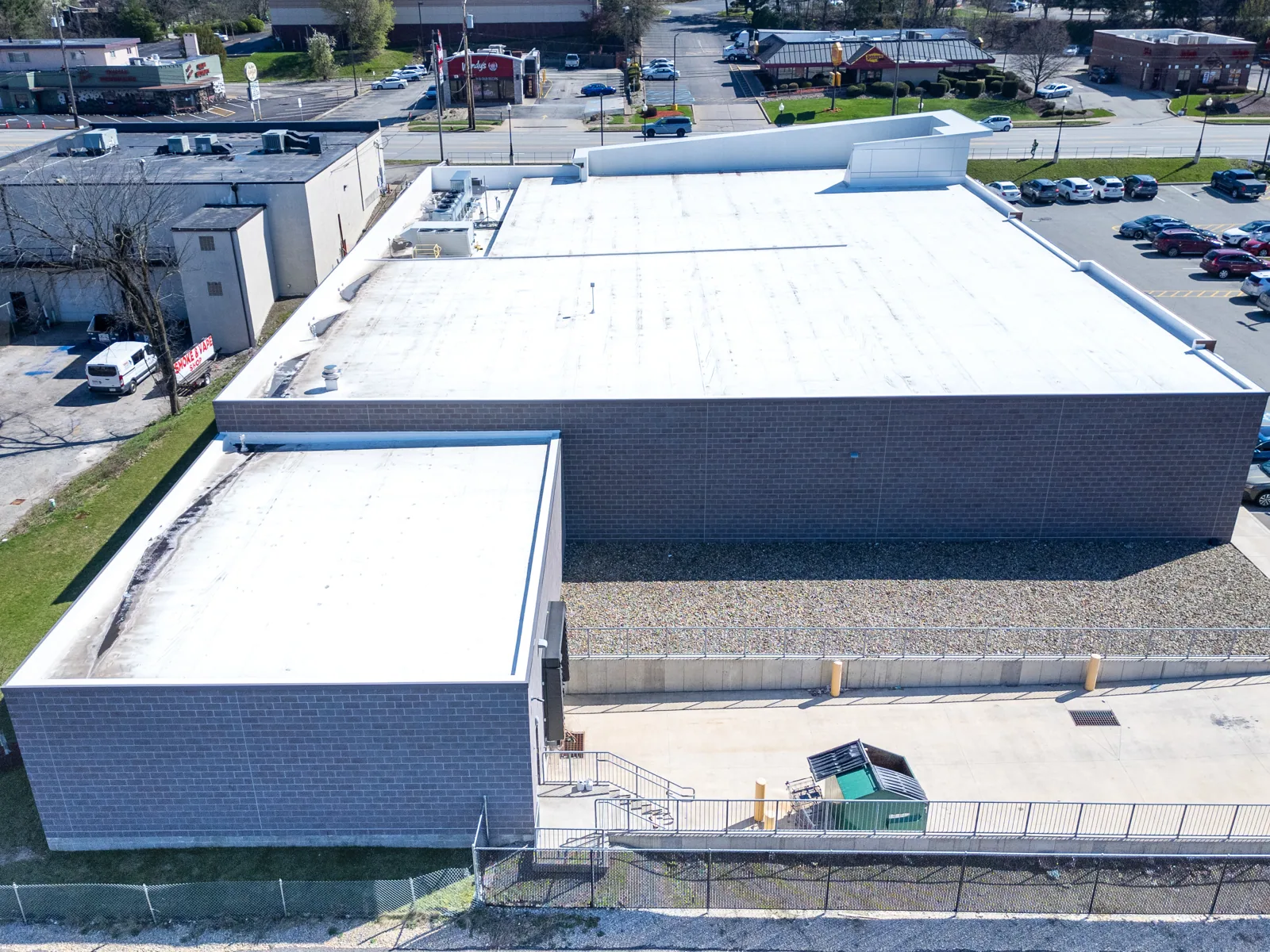
A defined roof repair can address one opening when surrounding material remains serviceable. If multiple curbs or seams show related failure, we compare the repair run with a broader replacement scope. Cost depends on opening size, flashing height, access, material compatibility, substrate condition, removal, interior protection, and the number of details included. We list measured quantities and identify conditions that require approval after opening.
Waterbury's municipal plan recognizes winter storms, summer storms, and tornadoes as city hazards. We record the visible condition and note any event information supplied by the property, which helps asset managers compare a repair estimate with inspection findings without treating timing as proof of cause.
Coordinate Equipment and Occupied Areas
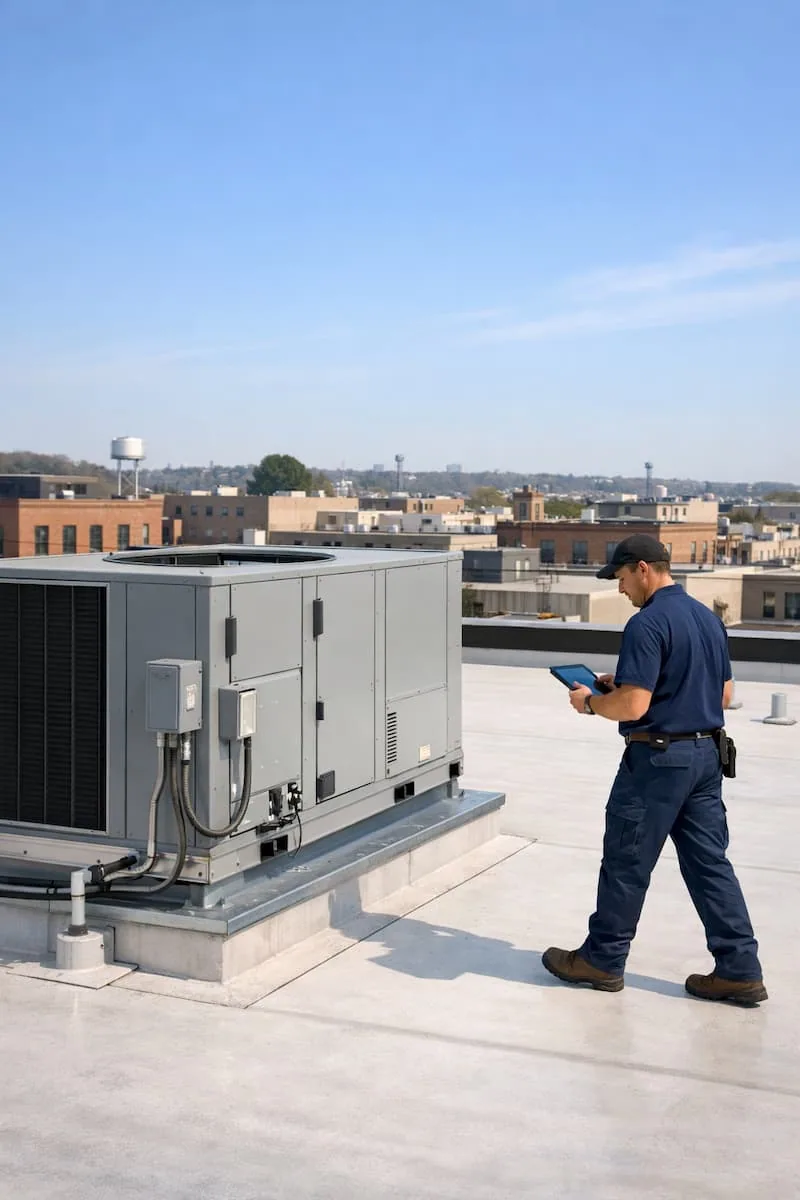
Roof openings often sit beside equipment that needs service, power, or ventilation. We confirm whether a trade must disconnect or reset an item, who can authorize access, and how long the opening may remain exposed. The work plan identifies temporary protection and the condition required before the flashing is closed. If interior protection or shutdown is required, those tasks appear in the proposal with the responsible party.
East Main and South Main are mixed-use corridors named in Waterbury's city plan. Their retail, service, housing, and civic uses make entrance timing worth confirming, while the property contact sets actual operating rules. A phased work plan can keep people and equipment clear of the roof zone. For a property in Waterbury's service area, we record site-specific access alongside the roof detail.
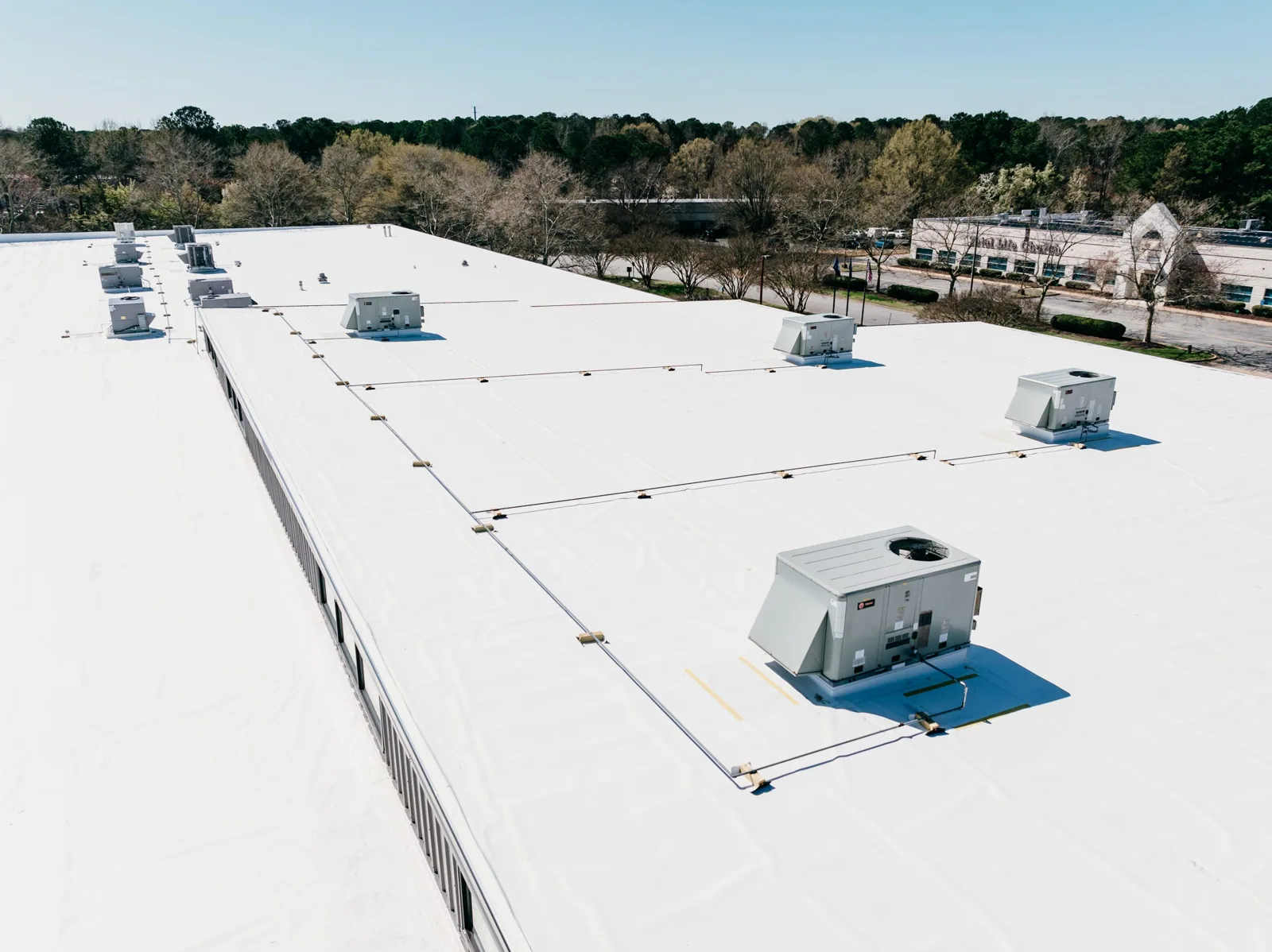
When several openings sit in the work area, we list each by section and state whether the proposal includes all of them or selected repairs. A general phrase such as “reseal penetrations” leaves the repair boundary unclear. The estimate should specify which curbs, skylights, pipes, or supports are included, how the tie-in is completed, and what remains for a later phase.
Record the Repair at Each Roof Opening
Closeout photos show the prepared surface, flashing layers, corners, and adjacent roof field. We identify the opening, materials recorded, work performed, and any area not inspected. If removal revealed wet insulation or damaged substrate, the report includes the extent and owner direction before additional work proceeded. That detail history helps a later contractor distinguish a repaired curb from a new opening or leak path.
Keep the photos with the roof plan, equipment log, repair invoice, and prior leak reports. A photo condition report can preserve the detail and remaining questions for the next maintenance visit. If an opening remains inaccessible or untested, we state the access or test needed to close that gap.
Bring the roof drawings, equipment information, prior repairs, access instructions, and any current leak report. We can inspect accessible openings, define each repair boundary, and identify the test or trade handoff that could affect cost or timing. The written scope will separate confirmed work from unresolved conditions so the owner can approve a clear next step.
Commercial Roofing Questions
Does a leak below a skylight mean the skylight has failed?
Not by itself. Water may enter at flashing, a curb, nearby seams, or a drain and travel before reaching the ceiling. We inspect the connected roof details and state what evidence supports the source or what test remains necessary.
Can you repair flashing without replacing the skylight?
Yes, when the frame and surrounding assembly can remain in place and accept a compatible flashing repair. We inspect the visible connection and identify any frame or glazing issue that would require a separate decision.
How do you set the work boundary around rooftop equipment?
We list the specific curb or penetration, check attachment and access, and identify any shutdown or trade handoff required. The proposal states preparation, materials, temporary protection, and the condition needed before the opening can be closed.
What should be tested before replacing a flashing detail?
If moisture below the membrane could change removal quantities, we identify a targeted survey or test cut. The location and purpose are stated before testing so the owner can decide whether the result is needed for pricing.
Can several openings be included in one proposal?
Yes. We label each opening by roof section and distinguish included repairs from excluded or inaccessible details. That lets an asset manager compare a grouped mobilization with work completed in separate phases.
Set a Clear Penetration Repair Scope
Share roof plans, equipment notes, prior leak reports, access rules, and any test results. We can inspect accessible openings, document the flashing, and define the repair or follow-up needed.