A maintenance visit earns its place in the budget when it changes a repair decision or avoids an unplanned opening. We inspect each accessible roof section, trace the drain path, note movement at seams and flashings, and photograph conditions that need work or monitoring. Waterbury's hazard plan puts the whole city within winter storm exposure, including snow and ice. That makes the dry-in date and drain condition relevant to scheduling, while the building's actual roof record determines what needs attention.
The compact downtown near I-84 and Route 8 contains civic, financial, health-care, and higher-education uses, and mixed-use corridors such as South Main add different access patterns. One maintenance interval cannot account for every roof assembly or operating calendar. We compare the condition, prior repairs, and upcoming capital window, then set the next visit around the evidence.
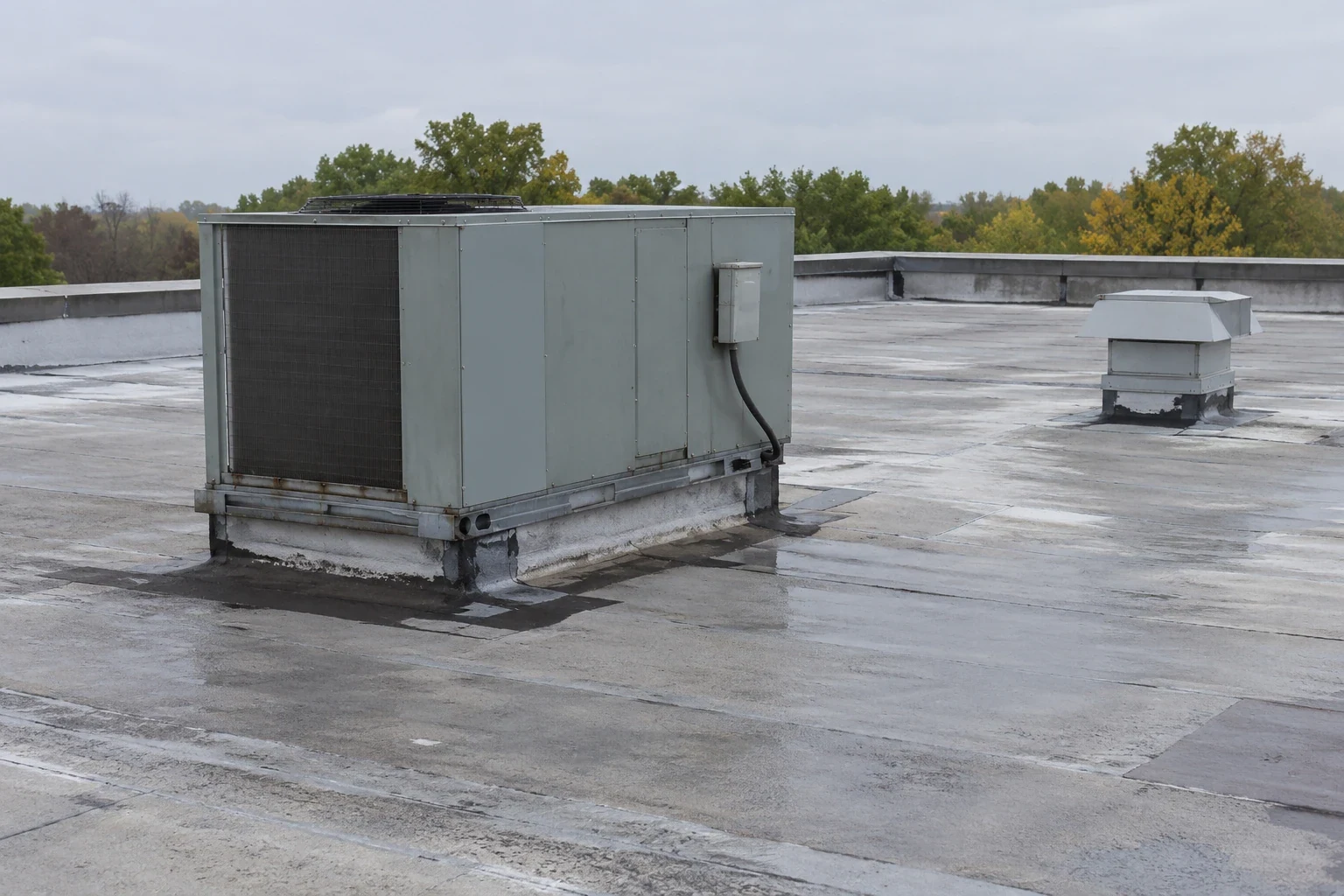
Inspect Each Roof Section with a Purpose
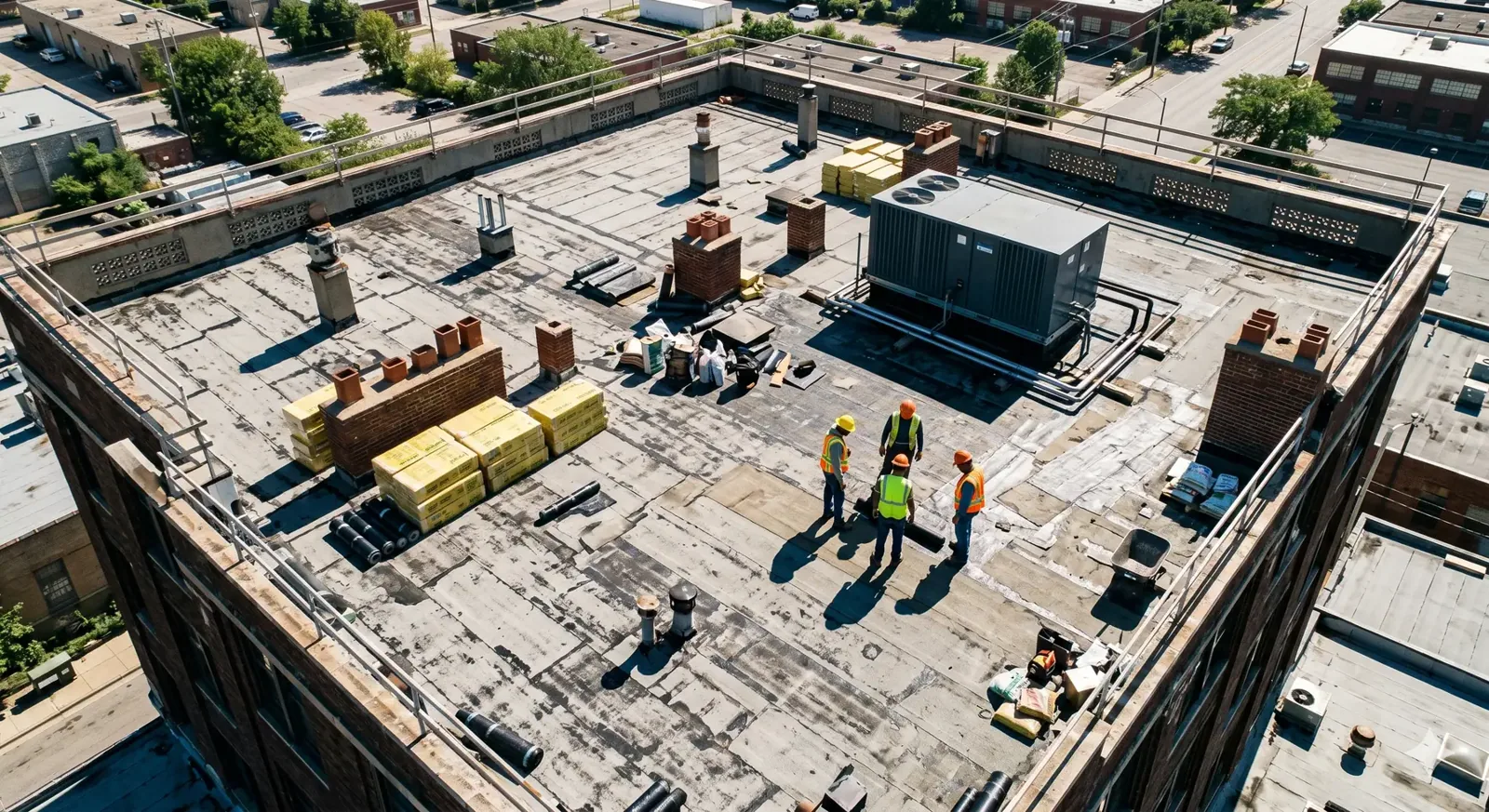
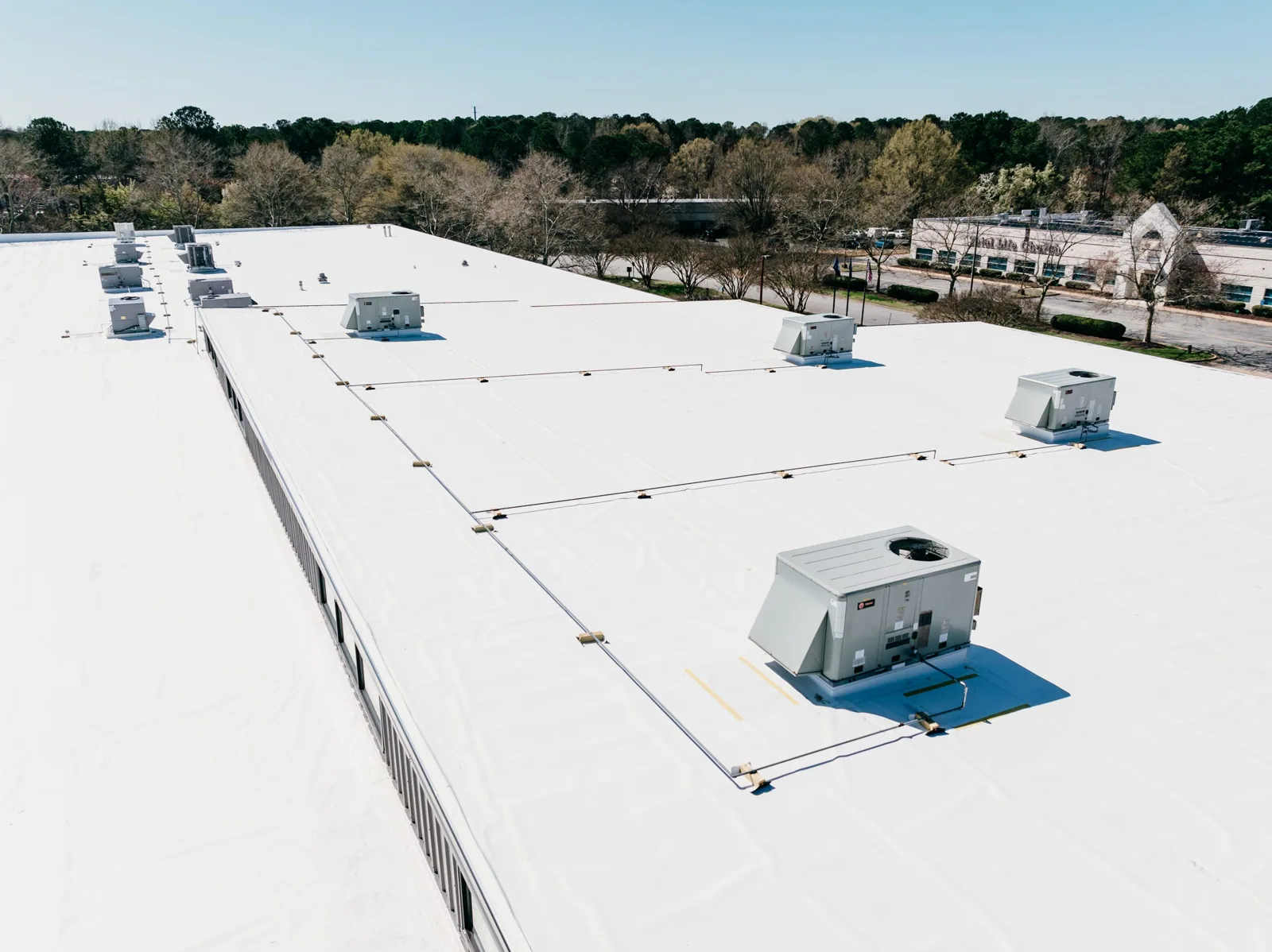
We start with the roof plan, last inspection, repair invoices, and known leak locations. The walk covers accessible membrane or metal, seams, penetrations, curbs, perimeter details, drains, scuppers, and visible patches. We label each observation by section so an asset manager can distinguish a local repair from a condition that appears across the assembly. Photos show enough surrounding context to return to the same detail on the next visit.
A hands-on roof inspection can establish a baseline, and photo-based condition reporting preserves the findings for later comparison. The report also identifies roof areas not reached because access was restricted or conditions were unsafe. That limitation matters when an owner compares repair priorities across several buildings and decides whether a follow-up inspection belongs in the current budget.
Clear the Drain Path and Check the Details
A clear outlet helps water leave the roof, but maintenance must follow the path to it. We remove ordinary debris from accessible drains and scuppers, inspect strainers and visible flashing, and record any low area that continues to hold water. At a roof near the Naugatuck River industrial land or along a mixed-use corridor, the property still supplies its own access and safety conditions. We note what was serviced and what needs a separate repair scope.
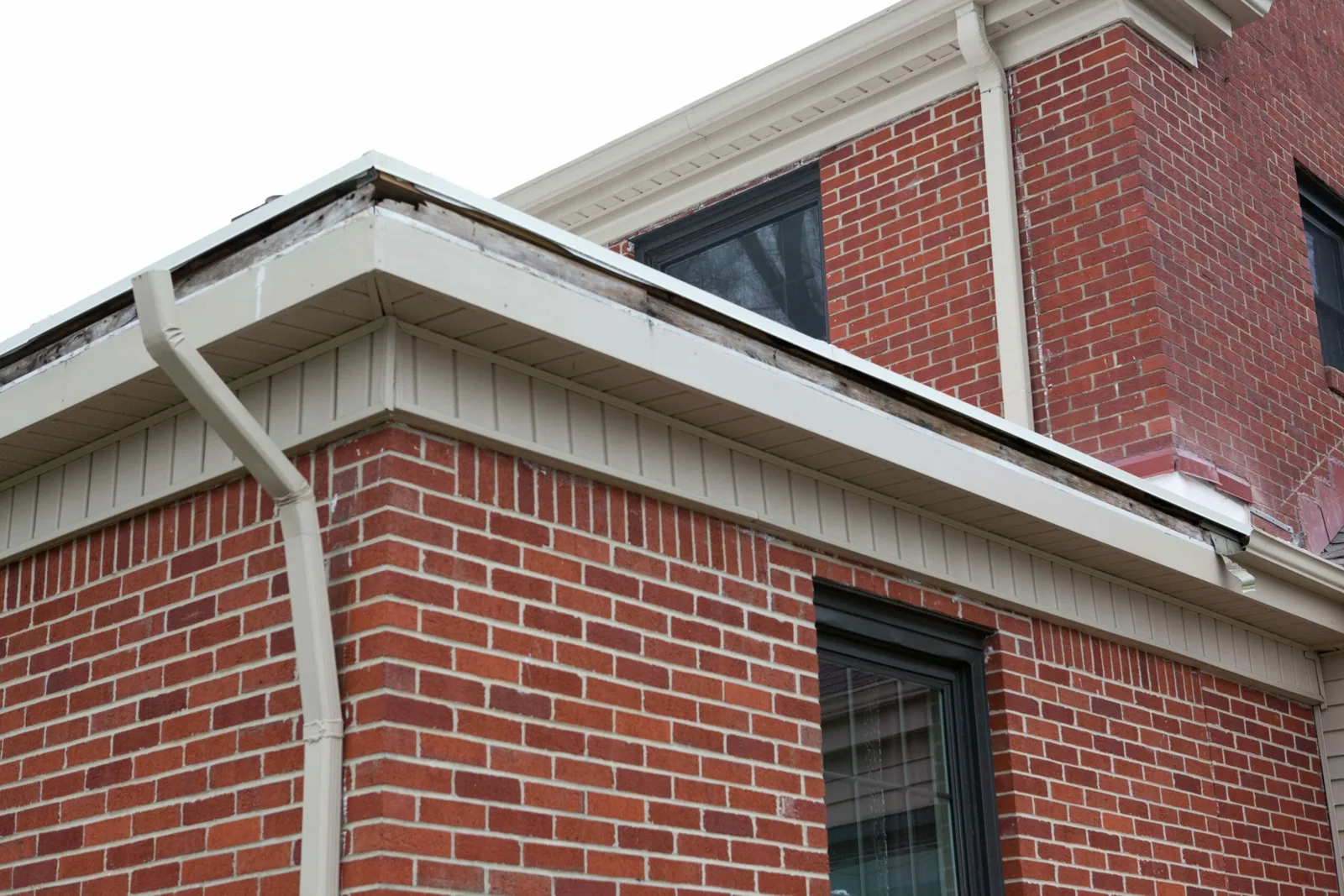
Waterbury's winter hazard profile includes snow, sleet, ice, nor'easters, and blizzards. Those conditions make pre-season drainage review useful, but they do not establish a roof's structural capacity or diagnose a leak. We check visible edge metal, coping, seams, and penetrations for movement or openings that could complicate dry-in. A drain and scupper repair can address an outlet defect, while an edge and gutter review can define work at the perimeter.
Maintenance also records items that should not be altered during a routine visit. An unstable curb, damaged deck, wet insulation, or a blocked area may need testing, a trade handoff, or owner authorization. We identify the next action and its reason instead of treating every observation as part of a basic service visit. That keeps routine maintenance within a clear limit and gives a contractor a measurable follow-up task.
Rank Repairs by Condition and Timing
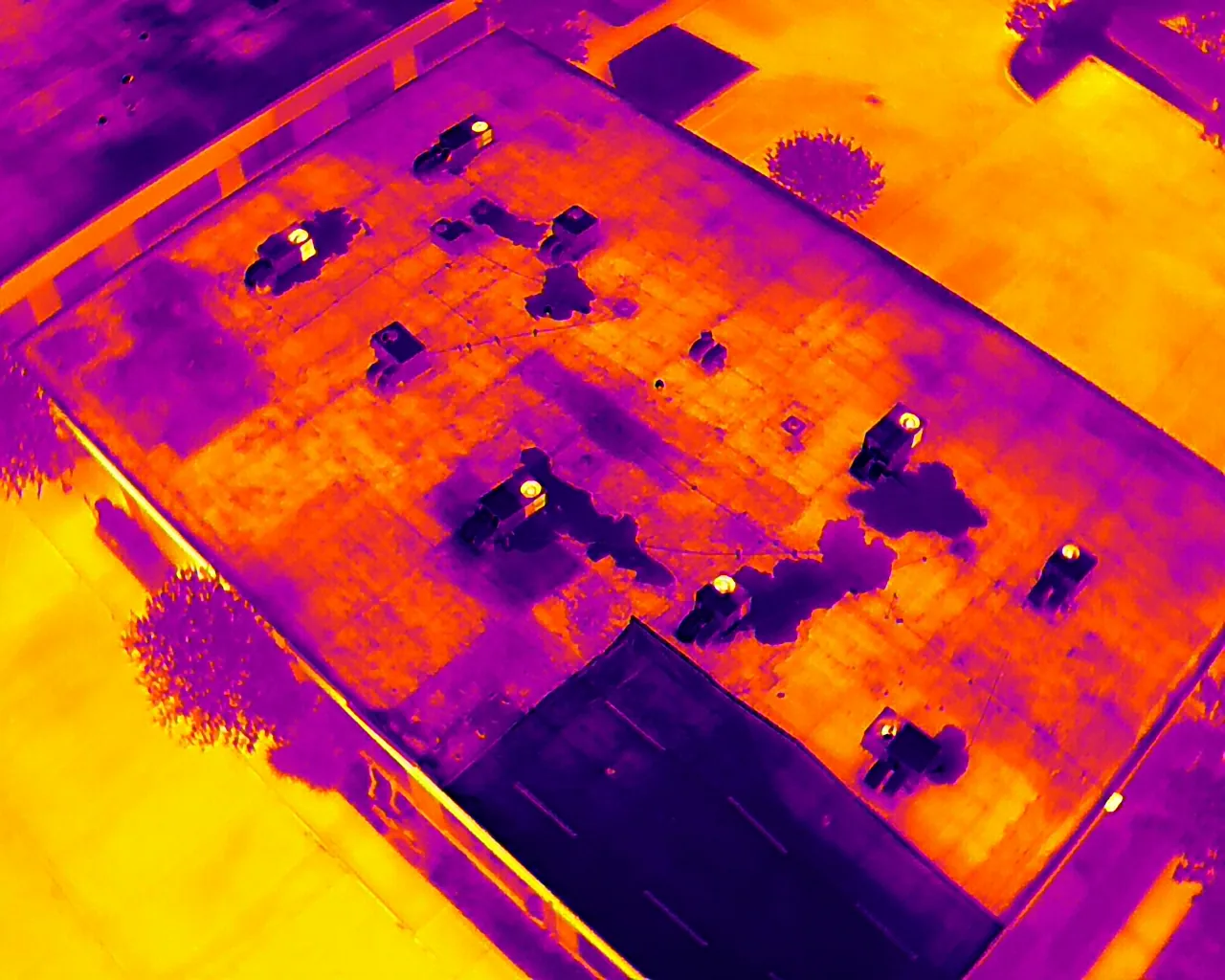
Not every observation belongs in the same work order. An active opening, failed flashing, or blocked outlet may need prompt repair; isolated surface wear may fit a planned visit; an inconclusive moisture sign may call for testing. We list the evidence, the affected roof section, and what could change the priority. A defined repair scope can price confirmed work, while a moisture survey can help locate areas that need test cuts before quantities are set.
Waterbury's river-adjacent industrial districts and its central business district near the I-84 and Route 8 junction reflect different property settings, not a shared roof condition. Access, operating hours, equipment, and interior occupancy may affect the service window at each building. We record those constraints beside each priority so maintenance can be planned around the owner’s schedule without delaying a condition that is actively exposing the assembly.
When several findings compete for the same capital window, we separate immediate protection, confirmed repair, and longer-range renewal. We identify when a test cut or design review could change a recommendation, then keep that step distinct from the work already measured. For an assembly with repeated failures, a replacement evaluation may compare the cost of continued repairs with a broader scope. The decision follows condition and service horizon, not an automatic calendar rule.
Set the Next Visit Around the Building Calendar
Maintenance timing should reflect observed condition, roof system, season, and access. We agree on an inspection interval after reviewing the record, then note the area or trigger that should bring the next visit forward. A recent repair may need a closeout check; a clear assembly with stable details may fit a longer review cycle. We state that logic in the service plan so the date remains connected to the roof rather than copied from a generic schedule.
South Main and other mixed-use corridors include retail, services, restaurants, housing, and civic uses. That context makes entrance timing and occupied hours relevant, but each property sets its own operating rules. We confirm lift access, staging, roof hatch procedures, tenant notices, and any work window before scheduling maintenance. A phasing plan for occupied work can carry those access limits into a later repair or renewal project.
If an unexpected leak develops before the next planned visit, our emergency line is available around the clock, including nights, weekends, and holidays. We can protect active entry when roof access is safe, document the temporary measure, and return to define permanent work. Scheduled maintenance supports that response by keeping roof plans, prior repairs, and contact instructions available for the next decision.
Keep the Maintenance Record Decision-Ready
After the visit, the owner receives a section-by-section record of visible conditions, work performed, photos, and open items. We identify what was cleared or adjusted, what requires a separate proposal, and what remains inaccessible. If a repair was completed during the visit, we note the preparation, materials, and boundary. The next reviewer can then compare a specific condition with the prior record instead of relying on a general note that the roof was serviced.
For a portfolio with properties near downtown, South Main, or the river-side industrial districts, keep each building's roof plan and repair history separate. A Waterbury roof review can put the local access and property context beside those files without treating them as one asset.
Bring the roof plans, last service report, repair invoices, warranty information, access rules, and upcoming capital window. We can inspect accessible sections, document changes, and recommend the next visit or test. The written record will show which finding supports each action and what evidence remains before a larger replacement line is set.
Commercial Roofing Questions
What should a maintenance visit produce for the asset file?
It should identify each roof section checked, photos of notable conditions, work performed, and items needing a separate decision. We also record access limits and any follow-up test so the next reviewer knows what the visit did and did not establish.
How do you decide when to return?
The interval follows the system, current condition, repair history, and seasonal or access constraints. We note a recommended date and any condition that should trigger an earlier review, then update that timing when new evidence changes the roof's risk.
Will a maintenance visit fix every item found?
Routine clearing and minor agreed service can be handled within the visit's scope. Wet insulation, a failed deck, extensive membrane damage, or a component needing another trade may require a test or separately priced work. We identify that boundary before expanding the service.
How should winter exposure affect the maintenance calendar?
Waterbury's plan identifies citywide exposure to winter storms, including ice and snow. We use that as scheduling context for outlet and edge review, then base the work plan on the roof's drainage, access, and observed condition rather than assume damage from the hazard profile.
Can maintenance help compare repair with replacement?
A consistent photo and section record can show whether failures remain isolated or recur across a broader area. We compare those findings with repair history and identify any test needed before pricing either option. That gives the capital decision an evidence trail instead of a calendar assumption.
Set a Waterbury Roof Maintenance Plan
Share the roof plans, prior reports, repair history, access rules, and capital window. We can inspect accessible sections, document priorities, and set the next service date around the building's needs.