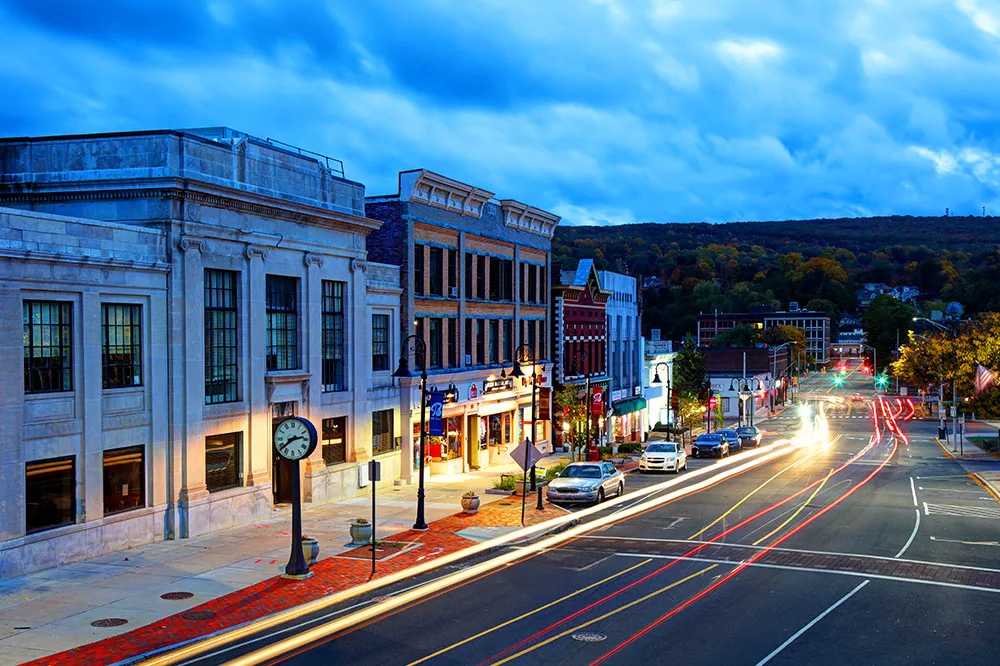
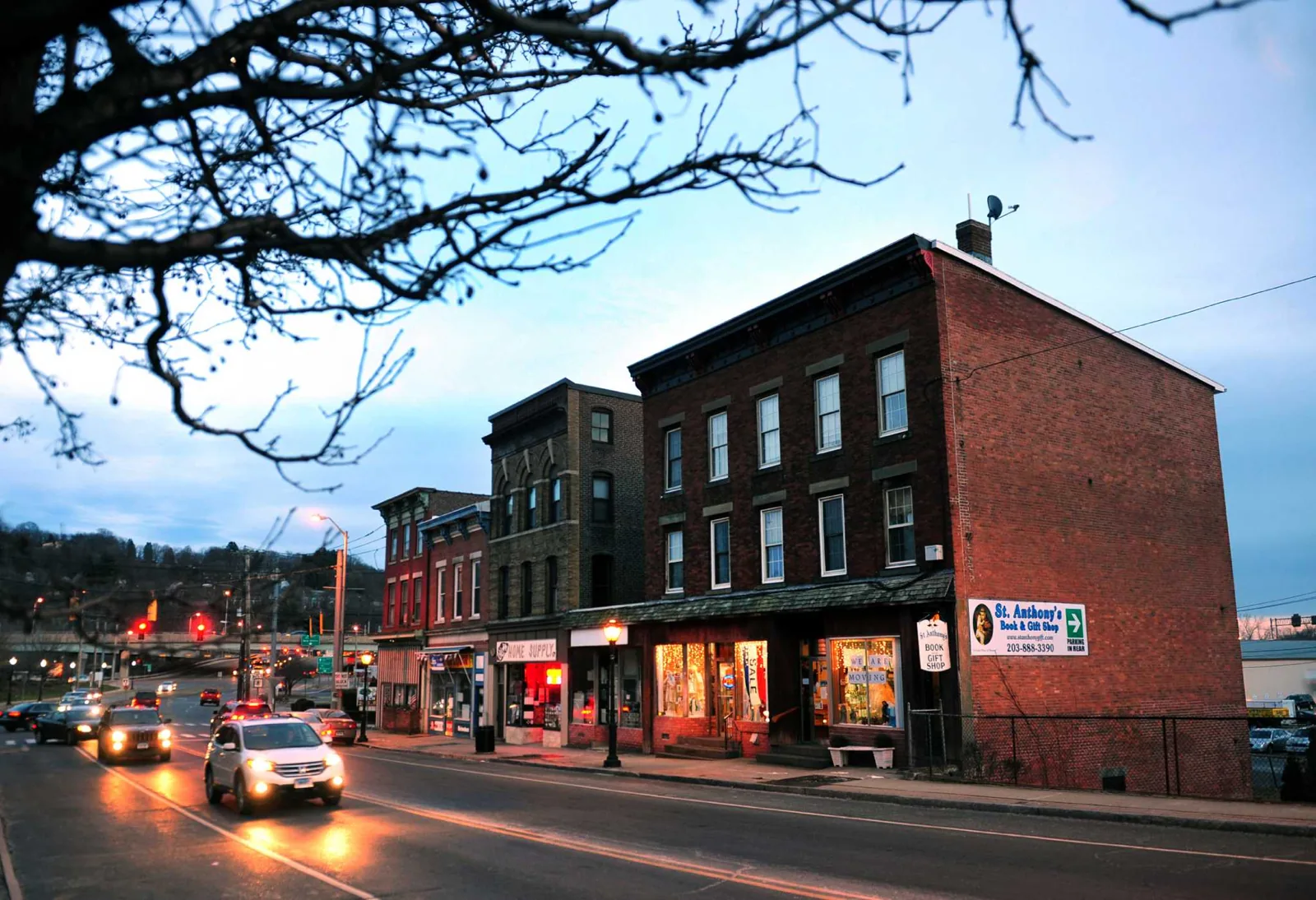
Oxford, CT's commercial and professional areas follow several routes, and a roof estimate needs the actual property entrance before it can set a useful work sequence. The town's main development areas follow Routes 34, 42, 67, and 188, connecting toward I-84 in Southbury and Route 8 in Beacon Falls, Seymour, and Derby. We use those references to plan arrival and confirm site access. A commercial roof inspection maps the reachable sections, records drains and seams, and identifies the test that could change a repair or replacement line.
Professional zoning follows Route 67 in northwest and central Oxford, while commercial zoning continues along the route through central and southeastern areas. We review the property records, visible details and maintenance history before setting a scope. If the site's roof labels do not match its directory, we record the mismatch and confirm the correct section with the asset manager.

Keep the low point in the scope
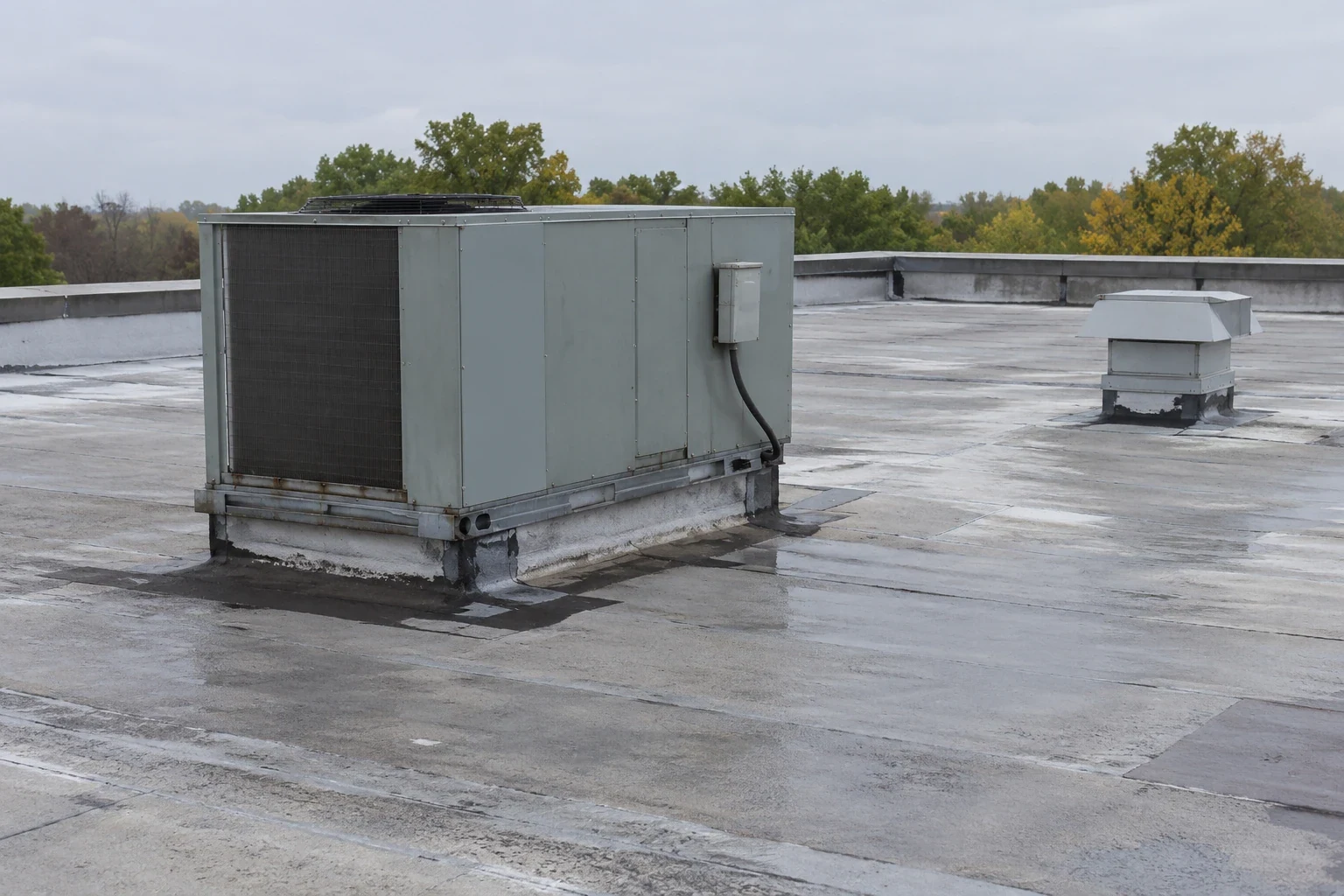
Winter weather in the Waterbury market is a scheduling and drainage consideration, with snow, ice, summer storms and tornado conditions in its seasonal exposure. At an Oxford property, we check the drain bowl, strainer, flashing and nearby slope after a reported leak or melt. A drain and scupper repair should correct the observed restriction without hiding a separate membrane or insulation problem.
If ice blocks safe entry or covers a seam, that area stays outside the confirmed inspection until a return is possible. We note where water stands, which outlet receives it and whether the surrounding membrane can accept a repair tie-in.
A drain may be clear while water remains in a low area. That can call for checking slope, insulation, or a concealed deck rather than repeating a surface patch. We describe what a test cut or moisture survey would establish, where it would occur, and which repair boundary could change as a result.
Use the route network to plan access
Routes 34, 42, 67, and 188 connect Oxford's development areas with larger roads in neighboring towns. A roof inspection in Seymour or work in Derby needs its own building map and access approval. For an Oxford property, we ask who can authorize the ladder or hatch, where tools may be staged, and whether deliveries or daily operations limit the visit.
Recent commercial and industrial activity includes several new buildings in the Fox Hollow Road industrial park. Where industrial or commercial work is underway, we confirm the owner, permitted access and the section included in the request. The inspection then records actual deck, insulation, flashing and membrane observations without carrying assumptions from another property.
Set the repair or replacement line
A repair may be sufficient when damage is local and adjacent material is sound. Repeated entry, open seams across several zones, or moisture beyond the visible mark can change the decision. A commercial repair scope should identify preparation, tie-in, protection below, work limits and the closeout check. If the evidence does not yet support a boundary, we define testing before pricing a larger quantity.
A recover review considers existing layers, attachment, moisture, roof height and project requirements. Removal adds disposal, deck exposure, insulation replacement and daily dry-in steps. A replacement scope names which roof sections are included, what remains uncertain and the records the owner will receive. We separate emergency water control from a permanent project so the near-term response does not decide a longer capital question by itself.
We price from field measurements and tests, with separate quantities for access, drainage, edge metal and concealed damage. A capital plan can then show the evidence behind each priority and which test or permit step remains open.
Stage an occupied roof safely
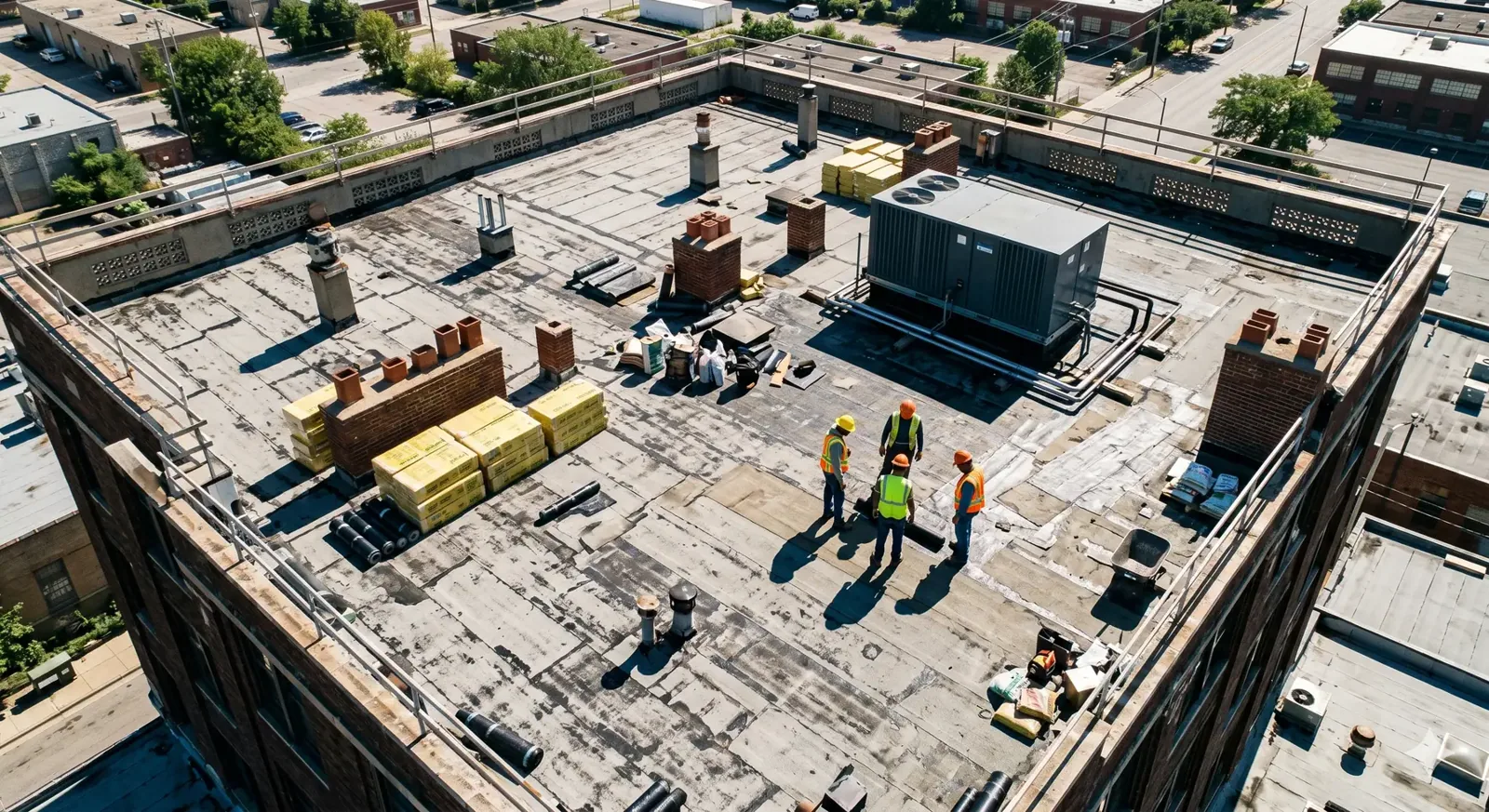
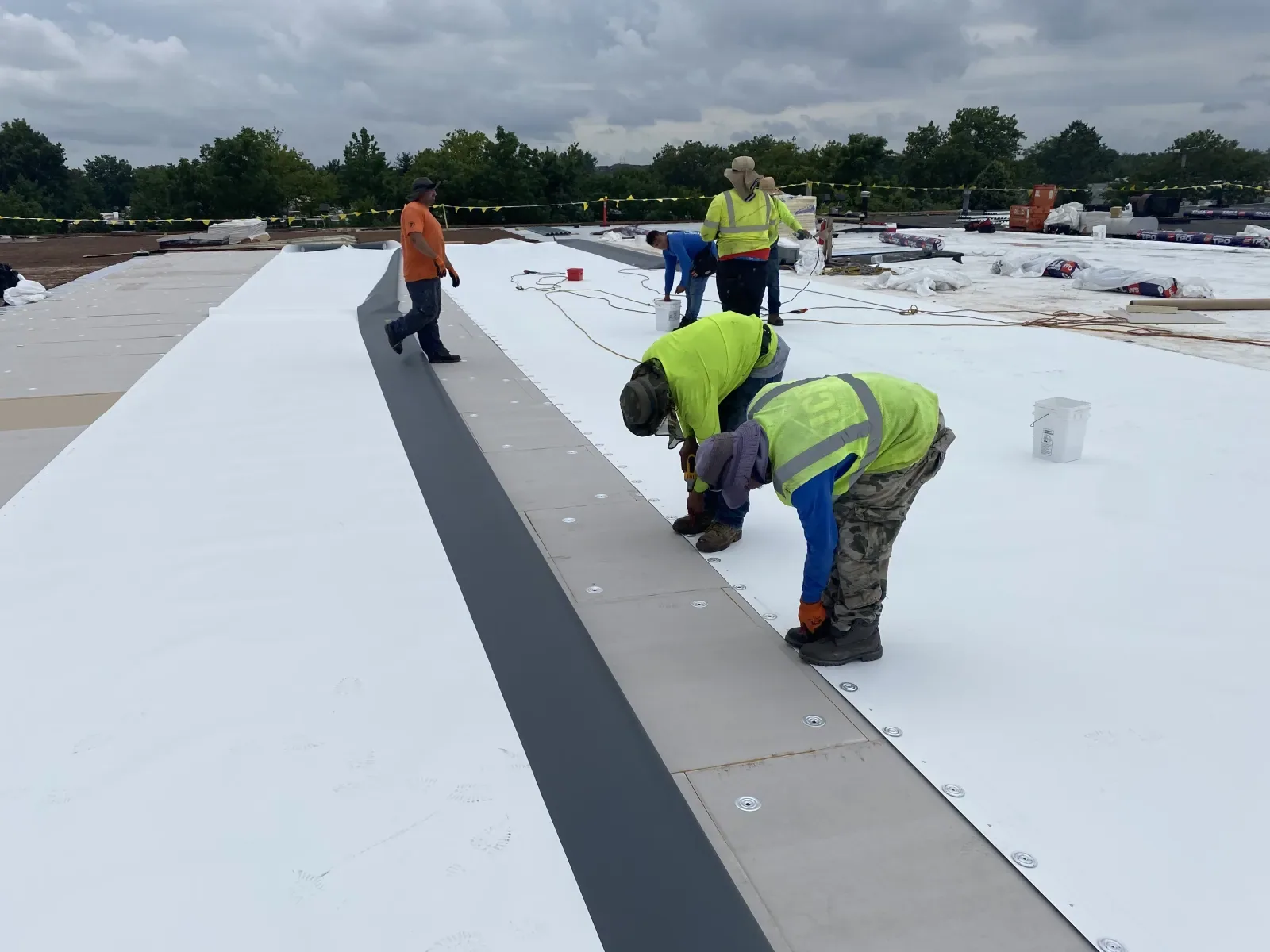
Before the first work day, we confirm the authorized roof entry, escort contact, fall-protection procedure and staging point. The building team can flag service corridors, deliveries, sensitive equipment and hours when noisy tasks must stop. If the approved route changes, work pauses until the site contact gives direction. These limits shape how many sections can be inspected or opened within a shift.
A phased occupied-building plan can describe temporary dry-in, interior protection, daily closeout and how each roof area is turned back to operations. It names the person who can approve a change if weather, access or building activity shifts the sequence. For a property where a portion must stay open, the scope identifies the affected zone and the protection step rather than promising that all activity will continue without interruption.
Photos and notes should show where materials were staged and which areas were completed. If a section could not be reached, it remains an open item. The owner can arrange access or schedule a return before that area is treated as ready for repair or replacement.
Compare the roof report with field findings
A leak reported indoors can follow a seam or deck path before it appears in a room. We compare the report with roof slope, drain positions, curbs and previous repairs, then photograph each observed condition in context. A photo-backed condition report distinguishes a confirmed opening from a suspected route. If moisture may be concealed, targeted testing helps determine whether the repair line needs to extend beyond the visible detail.
Before a proposal goes out, we reconcile field labels with the owner's asset list. That small check keeps a repair order, test result and closeout photo tied to the right roof section. The report also lists the boundary of each test, so a sample result is not extended to untested areas.
Set the next decision from the record
The closeout file should include dated photographs, section labels, work limits, materials, test results and open questions. If weather or access blocked part of the roof, the report says so. A later walk can revisit the same drain, edge or repaired seam and compare its condition without rebuilding the inspection history from memory.
Emergency response is available around the clock, seven days a week and on holidays. Safe access and temporary water control come first; permanent work follows when the surface and system permit a reliable tie-in. For planned work, the dry-in sequence and permit timing can affect when removal starts and how much protection is needed at the end of each shift.
Send the building contact, access rules, roof records and the location of the reported issue. We can set an Oxford inspection route, identify the remaining test and compare repair, recover and replacement on the evidence available. Any item that could change cost or schedule stays visible with the affected roof section.
Commercial Roofing Questions
What does Route 67 zoning tell you for a roof inspection?
It tells us the land use around the property, which helps plan access and operating hours. The assembly and condition come from the property records and the field inspection.
Can routes through nearby towns affect scheduling?
Oxford's development areas connect through Routes 34, 42, 67, and 188 toward I-84 and Route 8. We confirm the actual site's delivery, staging and entry limits before setting a crew window.
When is a test cut worth adding to the scope?
A test cut can clarify concealed layers or wet insulation when those findings could change the repair boundary, recover option or tear-off quantity. We identify the location and decision it supports.
How do you handle a roof with an addition or a different membrane?
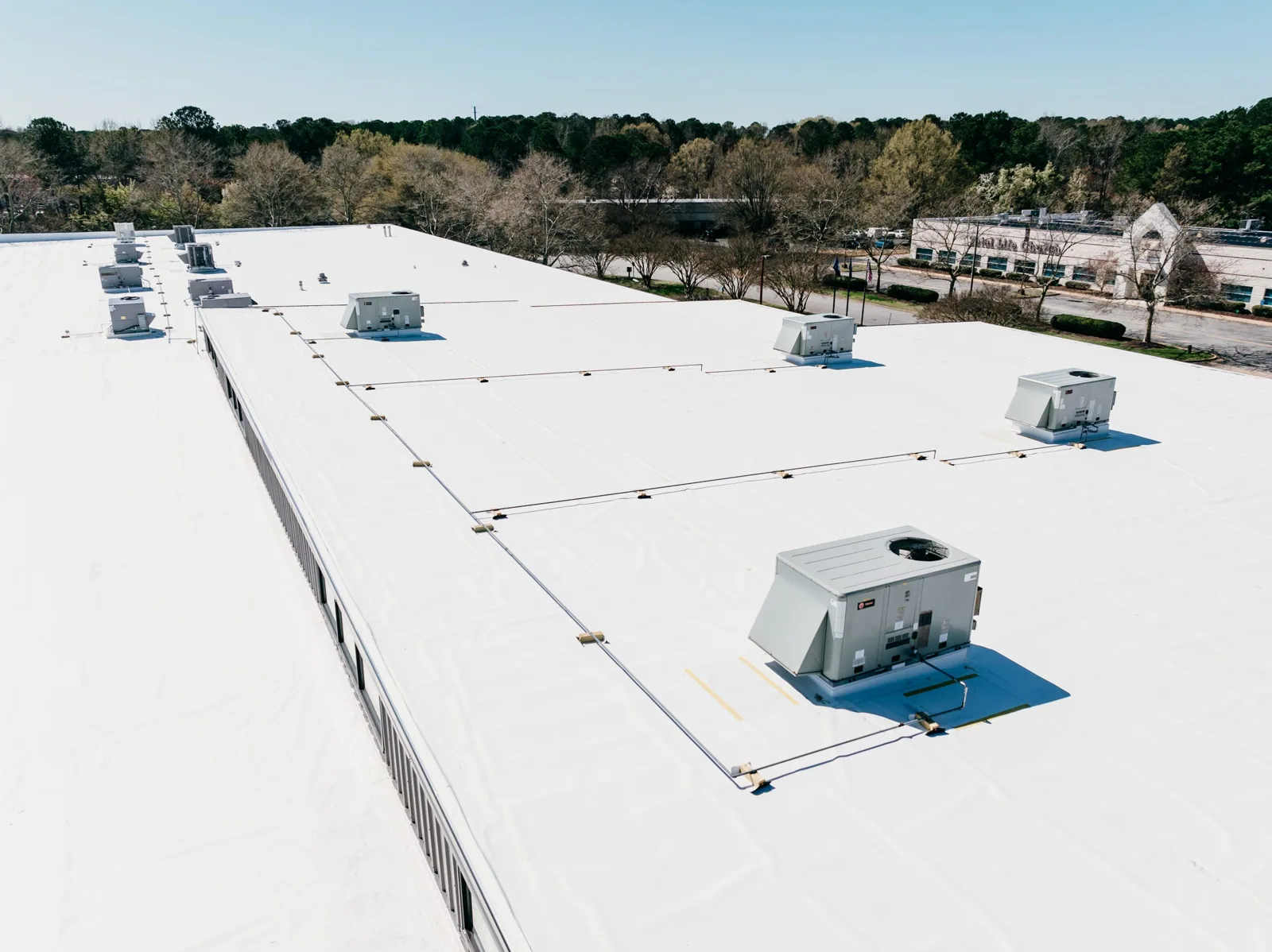
We map each section separately, check the transition and note whether the material can accept a compatible tie-in. Any untested layer remains an open item until confirmed.
How do you schedule an Oxford roof visit around ice and snow?
If ice blocks safe entry or covers a seam, that area stays outside the confirmed inspection until we can return. Drains, seams and edges are checked on the roof itself, and the day's opening limit follows the actual weather window and surface conditions.
What changes the timing of a recover or tear-off?
Access, permit requirements, weather, material delivery, layer count and dry-in needs all affect the sequence. We list the assumptions and conditions that could move the start or closeout date.
Review the Oxford roof scope
Send the reported area, roof records, access rules and the contact who can approve entry. We will document the reachable sections and outline the next repair, test or replacement decision.