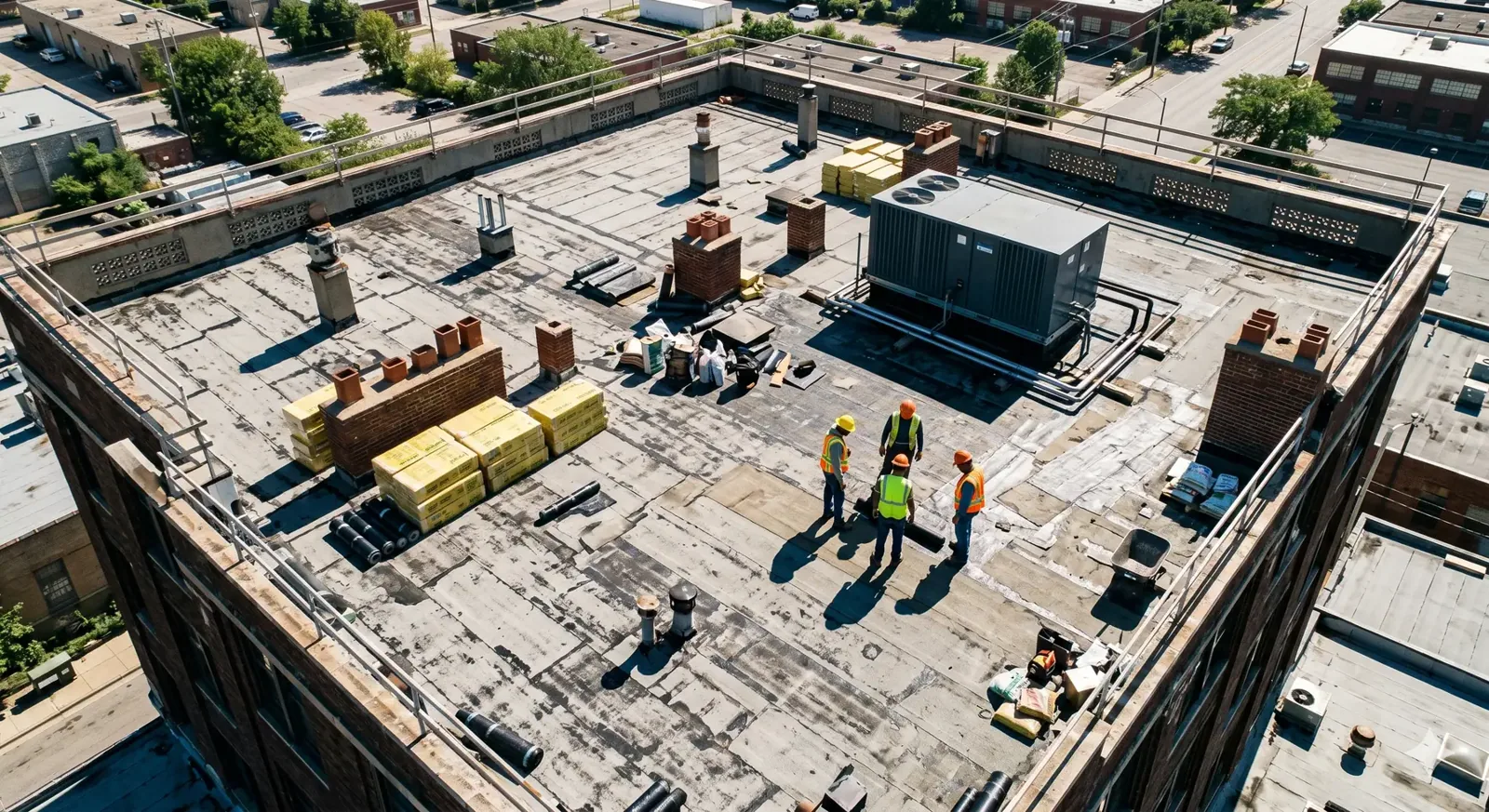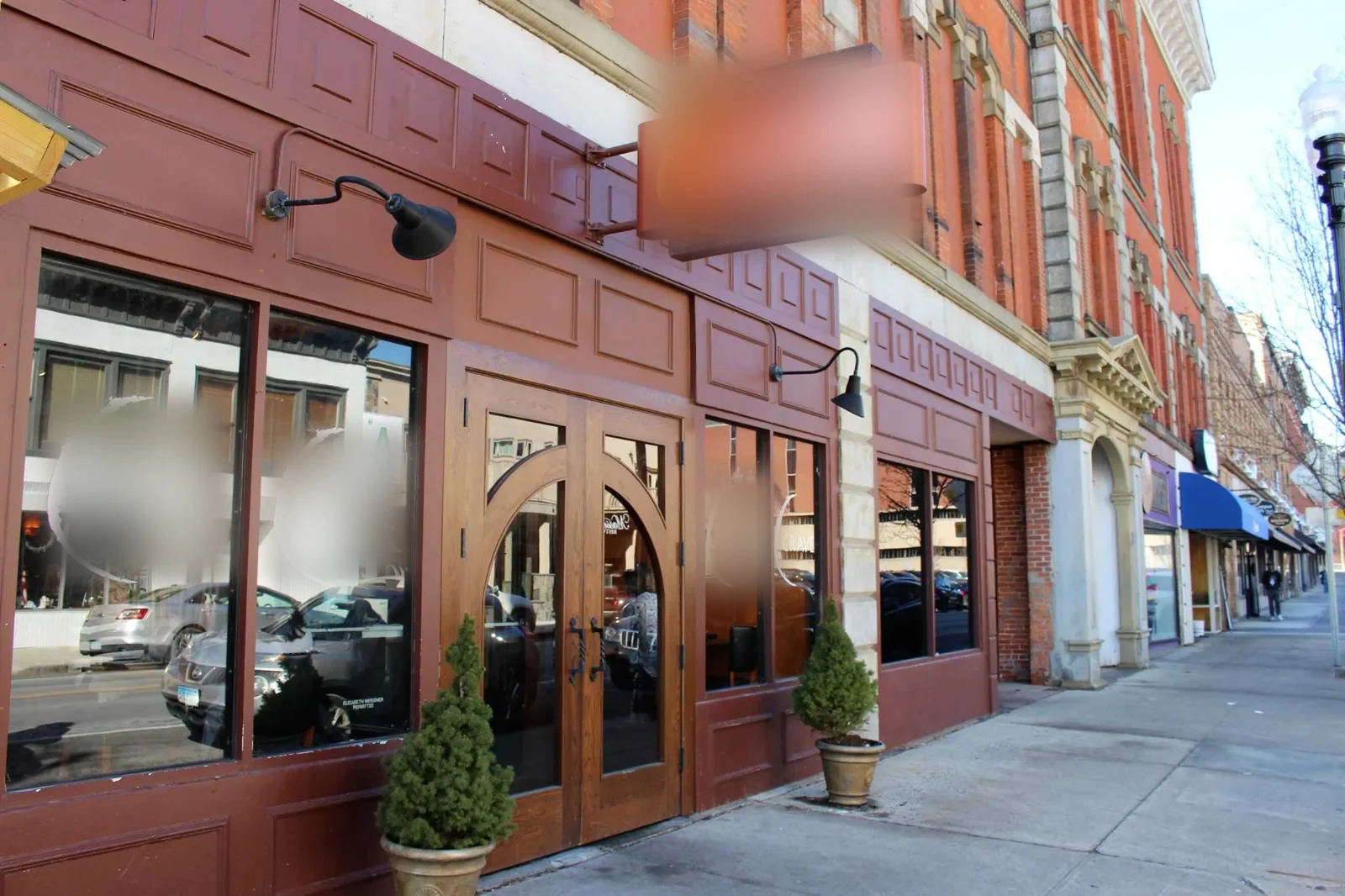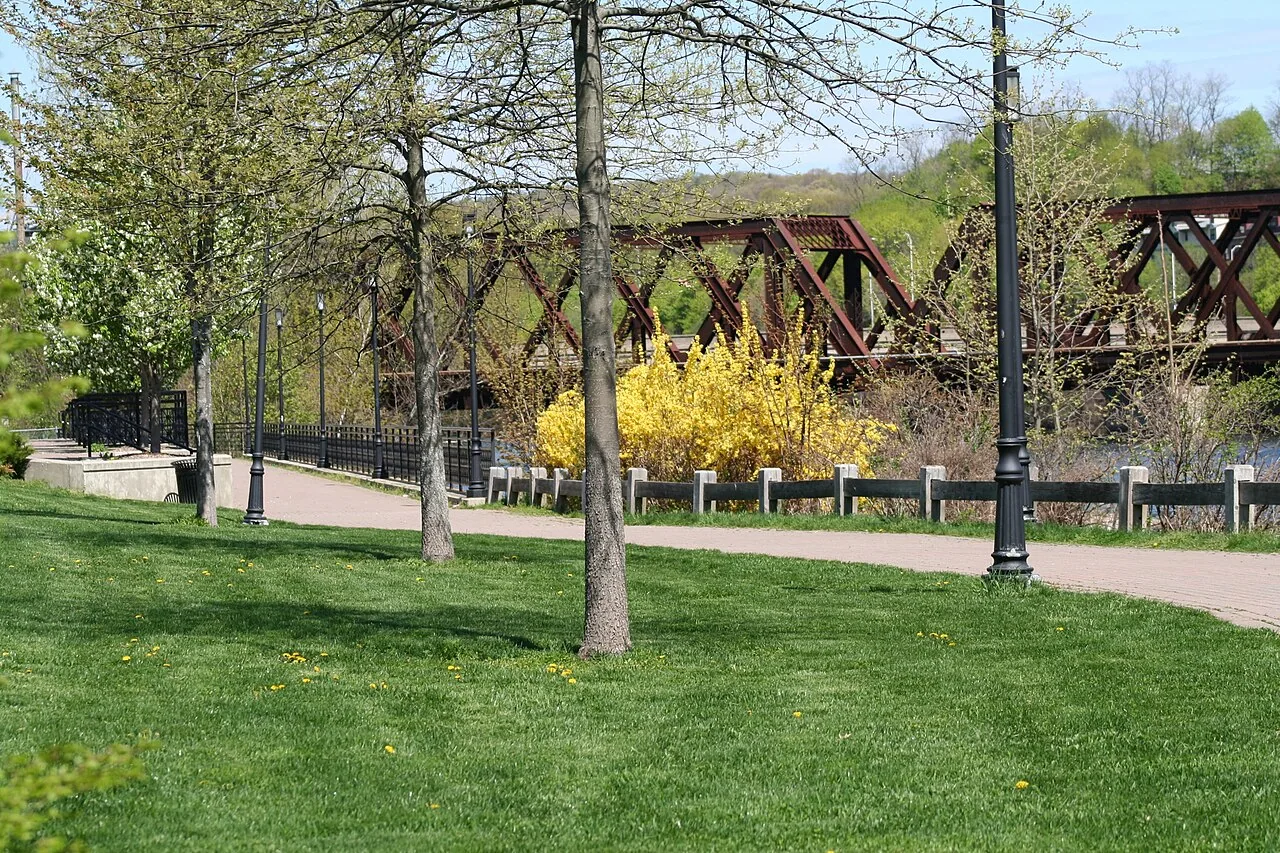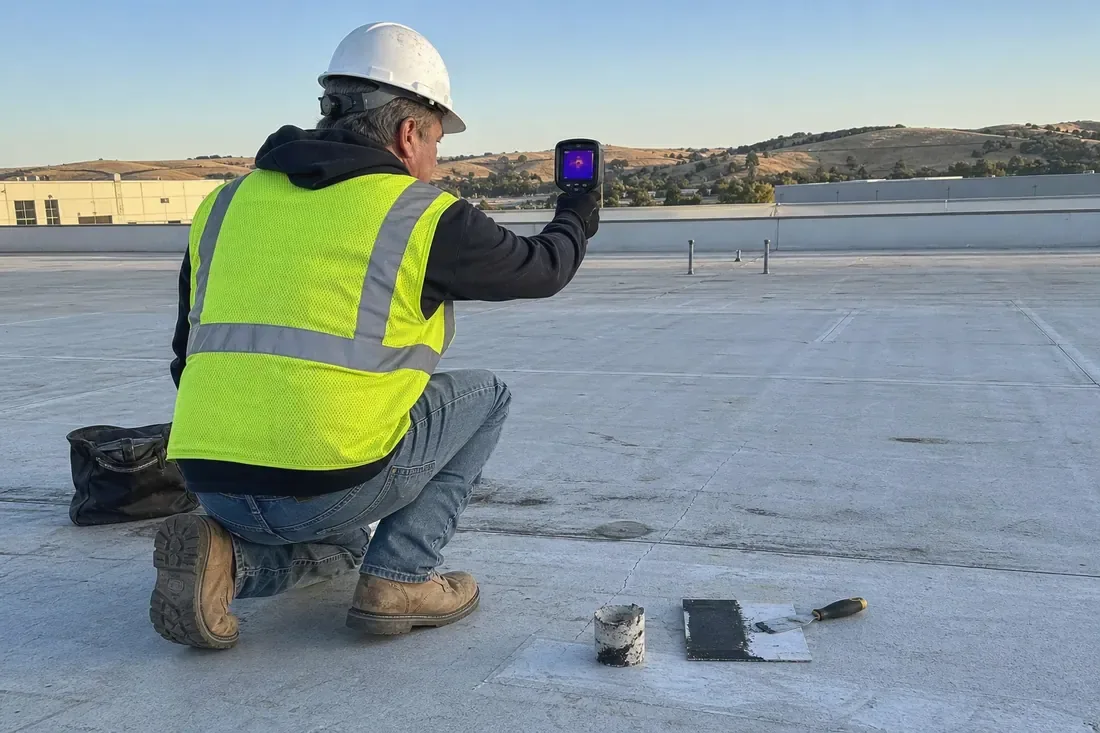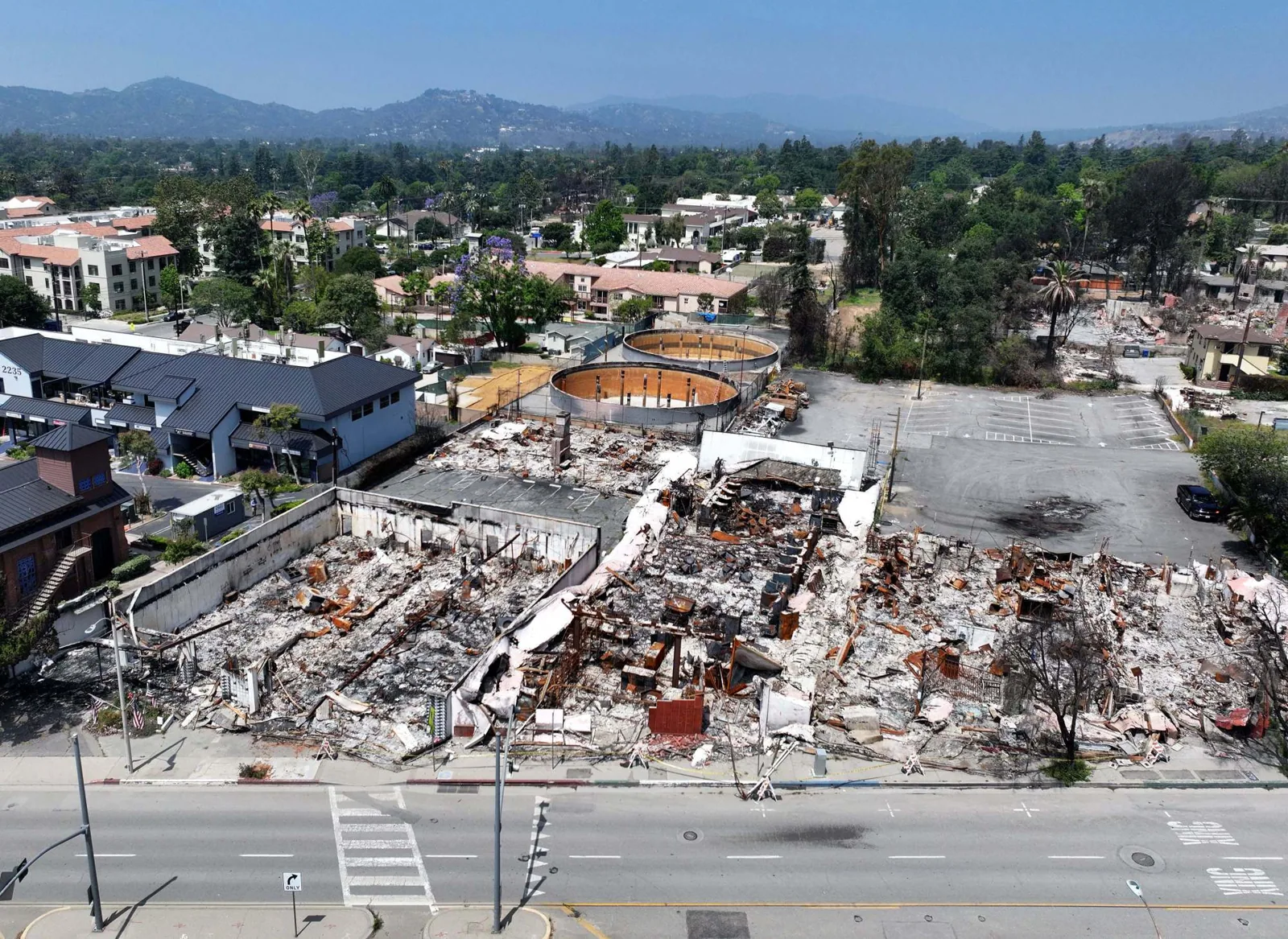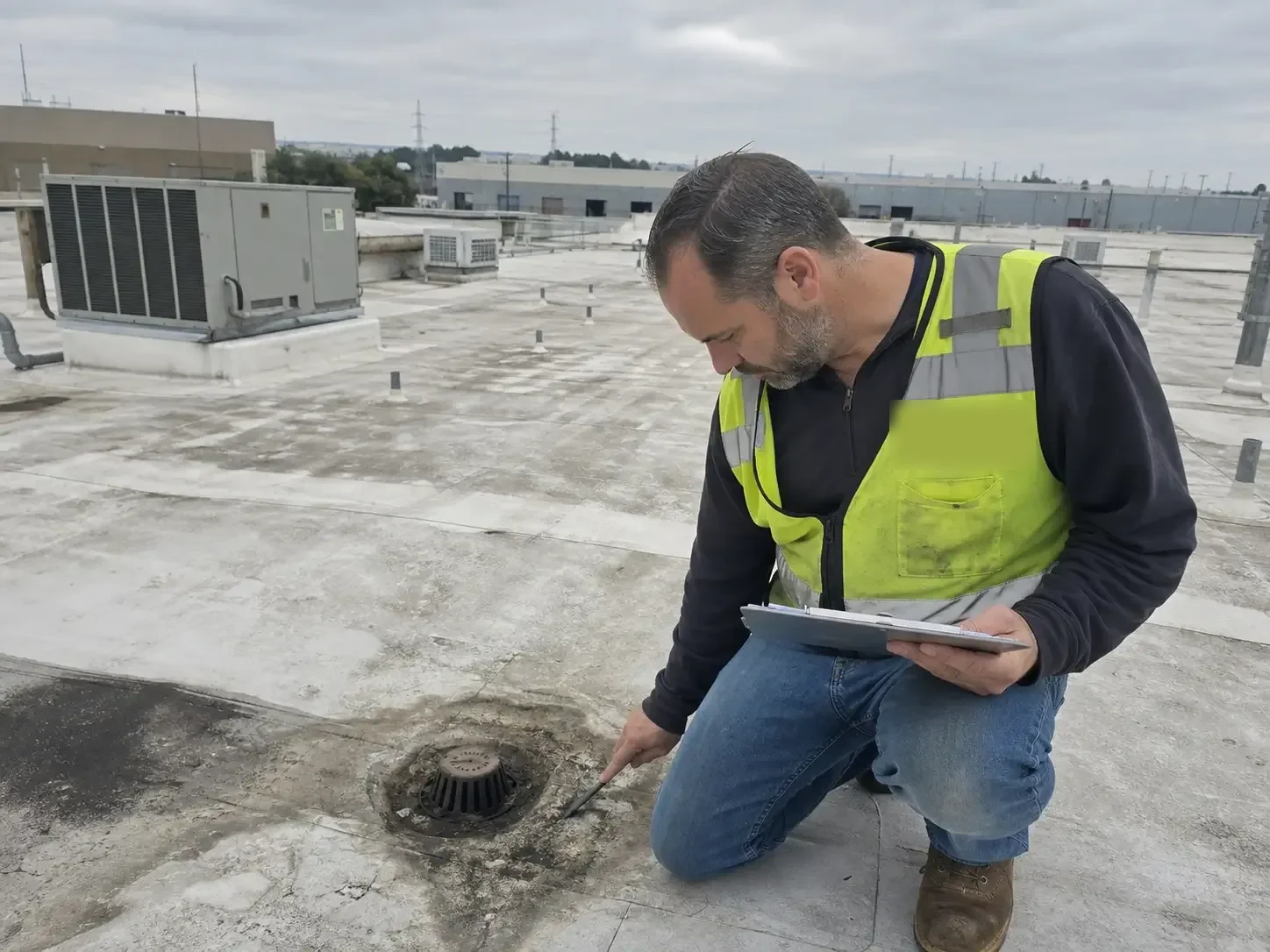
A roof boundary in Derby, CT can include a dense downtown block or a building closer to the river and Route 8 corridor. The town's downtown is a high-density historic industrial center, and higher-density residential and nonresidential uses cluster near the Naugatuck and Housatonic Rivers and Route 8. We verify the property and roof records, then inspect drains, seams, edges and penetrations. A commercial roof inspection maps the findings to each roof section so the owner can compare repair, recover and replacement choices.
Derby sits in the Naugatuck River Valley, served by Route 8 and the Waterbury Branch of Metro-North. That corridor context helps with arrival planning; the site contact still sets entry, staging and work hours. Before pricing removal, we confirm the building's access path and the dry-in point that must be closed before the crew leaves.
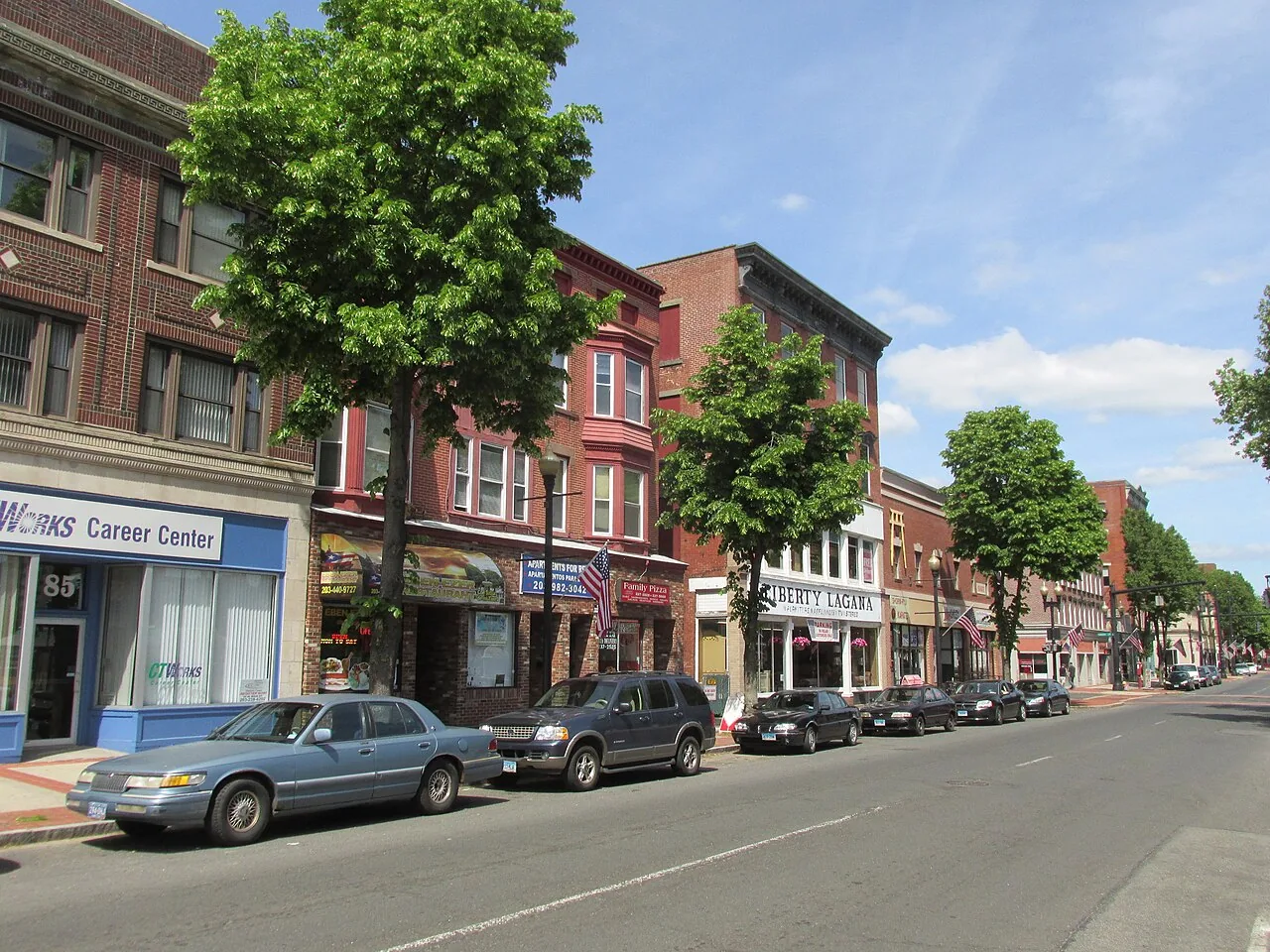
Plan the work along the valley corridor
Route 8 and the Waterbury Branch link Derby with a larger river corridor, while the Naugatuck and Housatonic Rivers frame parts of the town's developed area. A roof review in Ansonia or a service visit in Shelton gets its own map and access plan. For a Derby roof, we verify the entrance and approved ladder or hatch, ask about deliveries and escort needs, and record any corridor or loading restriction the site contact identifies.
We use the owner's plan and field labels to divide a large or multi-level roof into identifiable zones. Each observation gets a section name, photo, and note on whether it was confirmed, suspected or left for testing. That makes a later proposal traceable to the same area that appeared in the initial leak report.
Follow the water path before the repair line
A stain may be several roof sections from the entry point. We compare its location with slope, drain paths, curbs, penetrations and previous patches, then photograph the details that can be reached. A roof condition report with photos separates a confirmed split or moved flashing from a suspected leak route. If water may have reached insulation or moved beneath the membrane, a test cut can show whether the boundary should extend.
On a roof with distinct levels or additions, one repair does not define every adjacent assembly. We check seam condition, edge transitions, drain connections and the material available for a compatible tie-in. If the owner has prior work records, we compare those with the current observation and note differences rather than assuming the earlier scope still applies.
The next step may be a contained repair, a moisture survey, or a wider evaluation. We describe what each test can establish and which decision depends on it. That keeps the replacement line tied to an observed roof condition, not only the visible interior symptom.
Set a dry-in date for each section
Seasonal weather in the Waterbury market includes winter storms, snow and ice, as well as summer storms. For work in Derby, we check the actual weather window, surface conditions and access before setting the day's opening limit. A section that cannot be closed safely stays protected at a defined boundary until conditions allow the next step.
Emergency response is available around the clock, all week and on holidays. Temporary control can address immediate water entry, while permanent seams, flashing or coating work may need a dry surface and suitable temperature. We record what was handled, what remains, and who will confirm the return window. That distinction helps ownership manage a leak without treating a temporary patch as a completed capital scope.
A snow and ice roof assessment can document visible effects after a weather event. We still inspect the assembly before deciding whether the issue ends at a local detail or affects a wider area. The work schedule and permit date should match the scope actually supported by those findings.
Keep occupied areas protected
Entry starts with a check of the approved ladder or hatch, any escort, the fall-protection plan and where materials may be staged. The property contact can identify loading hours, sensitive equipment, noise restrictions and routes that must stay open. If a roof zone is blocked or unsafe, we leave it outside the confirmed inspection and arrange a return rather than working from an assumption.
A phased occupied-building sequence can state which section opens first, how it is dried in, and what protection is required below. It also names the contact who can approve a schedule change if operations or weather shift. On a larger replacement, daily closeout photos show which boundary is secure before the crew leaves the roof.
For repeat visits, an accurate access note saves time and reduces avoidable interruptions. We keep the approved entry, section labels and open items with the report, then ask the owner to confirm changes before scheduling the next walk.
Compare scopes on the same evidence
A localized repair fits when the failure is limited and surrounding material can accept a sound tie-in. Recurring leaks, multiple open seams or moisture across a broader area may call for testing or a replacement comparison. A commercial repair scope lists preparation, materials, work limits, protection and closeout. We keep emergency water control separate from permanent work so the owner can address exposure while deciding on the larger assembly.
A recover review accounts for existing layers, moisture, attachment, roof height and project requirements. Removal can add deck inspection, insulation replacement, disposal and daily dry-in steps. A replacement scope identifies roof sections, edge details, drains, penetrations, access and the concealed conditions that could change cost or timing.
Where the portfolio has more than one roof, a capital planning record can order work by evidence and urgency. It connects each finding to the next test or decision without extending a single inspection result to untested sections. The owner can compare options knowing which quantities are confirmed and which remain allowances.
Leave the next manager a clear record
Closeout photos should show the work boundary, roof section, materials and the detail checked at completion. We include test results, open questions and any area that weather or access kept us from reaching. A later inspection can revisit the same drain, seam or flashing and compare what changed without reconstructing the earlier scope.
The permit date, access rules and dry-in sequence belong with the project record when they affect timing. We state what the crew can do in the current window and which surface conditions must be met before permanent work continues. If removal reveals a different deck or insulation condition, the change is documented against the affected zone before the scope grows.
Send the reported area, building contact, roof records and access instructions. We can map the reachable sections in Derby and provide a repair, test or replacement line tied to what the visit confirms. The report keeps unresolved conditions visible so the next capital decision has a clear starting point.
Commercial Roofing Questions
What does the Route 8 corridor mean for a Derby roof assessment?
It helps orient the service area and schedule arrival. We confirm each property's entry, staging and roof details directly with its contact.
Can water appear far from the failed roof detail?
Yes. It can follow seams, slopes or a deck before showing indoors. We compare the reported room with nearby drains and penetrations, then test if the path remains unclear.
How do you set the boundary on a multi-level roof?
We name each section, photograph its condition and keep test results tied to that area. An untested assembly is not included as confirmed in the repair line.
How do you schedule a Derby roof visit around snow and ice?
Snow or ice covering a seam, or blocking the way up, leaves that section unconfirmed until a safe return. We set the day's opening limit from the actual weather window, surface conditions, and drainage.
What should an occupied roof schedule include?
It should identify work zones, safe entry, daily closeout, protection below and the contact who can approve a change when operations or weather shift.
When should testing precede replacement pricing?
Testing is useful when moisture or the water path could change how much assembly is removed. We identify the sample area and how its result affects the scope.
Set the Derby scope by roof section
Share the roof records, reported leak area, access contact and timing window. We will document what can be inspected and compare repair, testing or replacement from the findings.