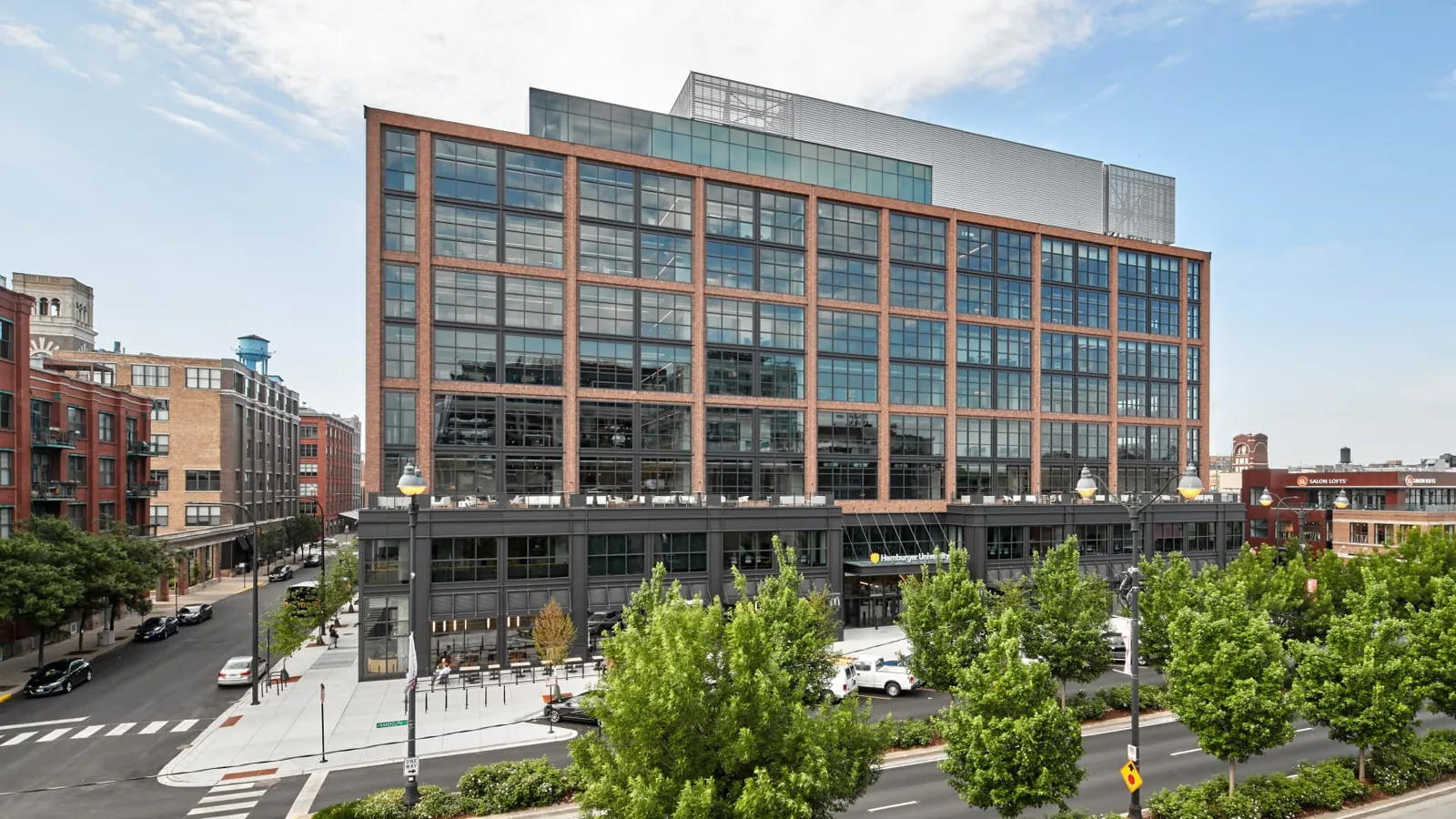
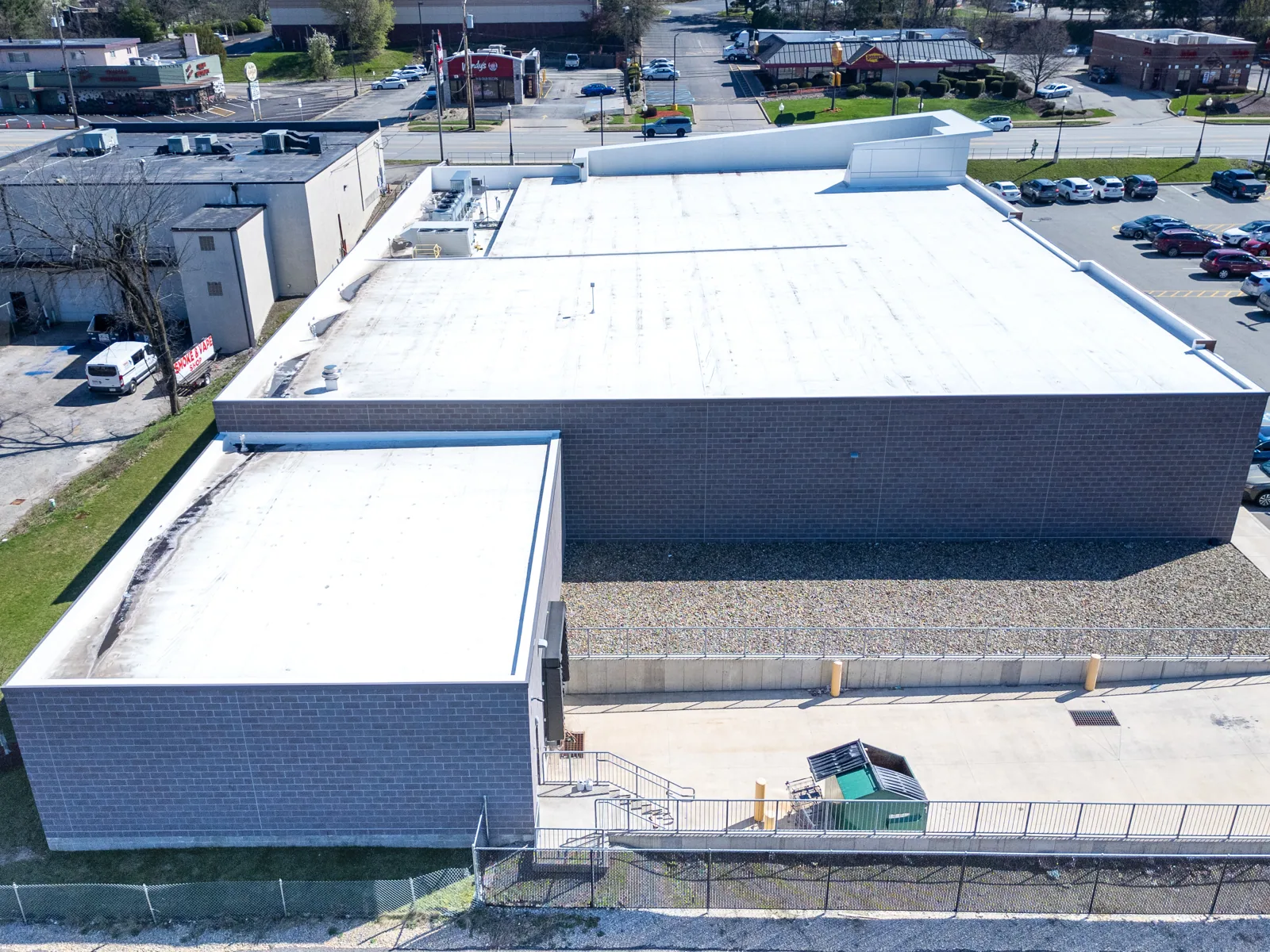
Office and industrial-commercial roofs in Farmington, CT are budgeted by asset managers who need numbers they can defend, and the town's own economic-development material points to substantial Class A office and industrial-commercial inventories. A roof on that kind of property is a capital line, not a maintenance afterthought. We start with the roof section that cannot be kept dry, then decide whether the next scope should stop at a repair boundary or include a larger recover option or replacement line.
Every allowance in our estimate comes with the test, the photograph or the record behind it, so a committee can approve it without a second site visit.
Budget Class A Office Roofs by Equipment and Occupancy
Farmington reports more than 2,000 businesses and about 30,000 people employed by its companies, which makes tenant disruption a real cost line on any office reroof. Beyond the membrane, an owner pays for rooftop equipment downtime and carries the risk of water reaching finished interiors. On a Class A office building the equipment is often the expensive part, so we survey every curb, every unit and every pipe penetration before pricing the field.
Office roofs with finished ceilings and sensitive equipment below need dry-in sequenced in small roof sections, each one closed before the next one opens. A leak above a conference floor or a server closet costs more than the roof repair that would have prevented it. For an office building roof we also coordinate with the building engineer on shutdown windows for rooftop units, since lifting or moving a unit can take hours that need to be scheduled.
Plan Around Tenants With Strict Noise and Dust Rules
The town's economic-development page identifies UConn Health as its largest employer, and a health-care presence of that size means an owner nearby may lease to tenants with sensitive operations. Any tenant of that kind, medical or otherwise, may set tight rules on noise, dust and rooftop access.
For a medical office roof we ask about air intakes near the work area, infection-control rules and after-hours access before the first material is ordered. Those items change the work sequence and sometimes the choice of installation method, such as a cold-applied adhesive in place of hot work near intakes.
Stage Unionville Riverfront Work Near the Route 4 and Route 177 Bridges
Farmington's 2018 plan describes pockets of industrial and commercial use along the right bank of the Farmington River near the Route 4 bridge in Unionville. It describes Unionville Center below the Route 177 bridge as a mix of commercial and former industrial sites, with a small residential pocket along the same bank. A roof in a setting like that sits close to neighbors and close to the river corridor, so debris control and neighbor notice matter.
We confirm the roof type and age at inspection. Former industrial buildings may have several roof sections added over time, with different drains and different slopes. Water that travels between sections is a common cause of recurring leaks, so we map each section and mark where one meets another. Owners with buildings in New Britain or Plainville receive the same section-by-section scoping.
Separate Repair from Recovery on Industrial-Commercial Buildings
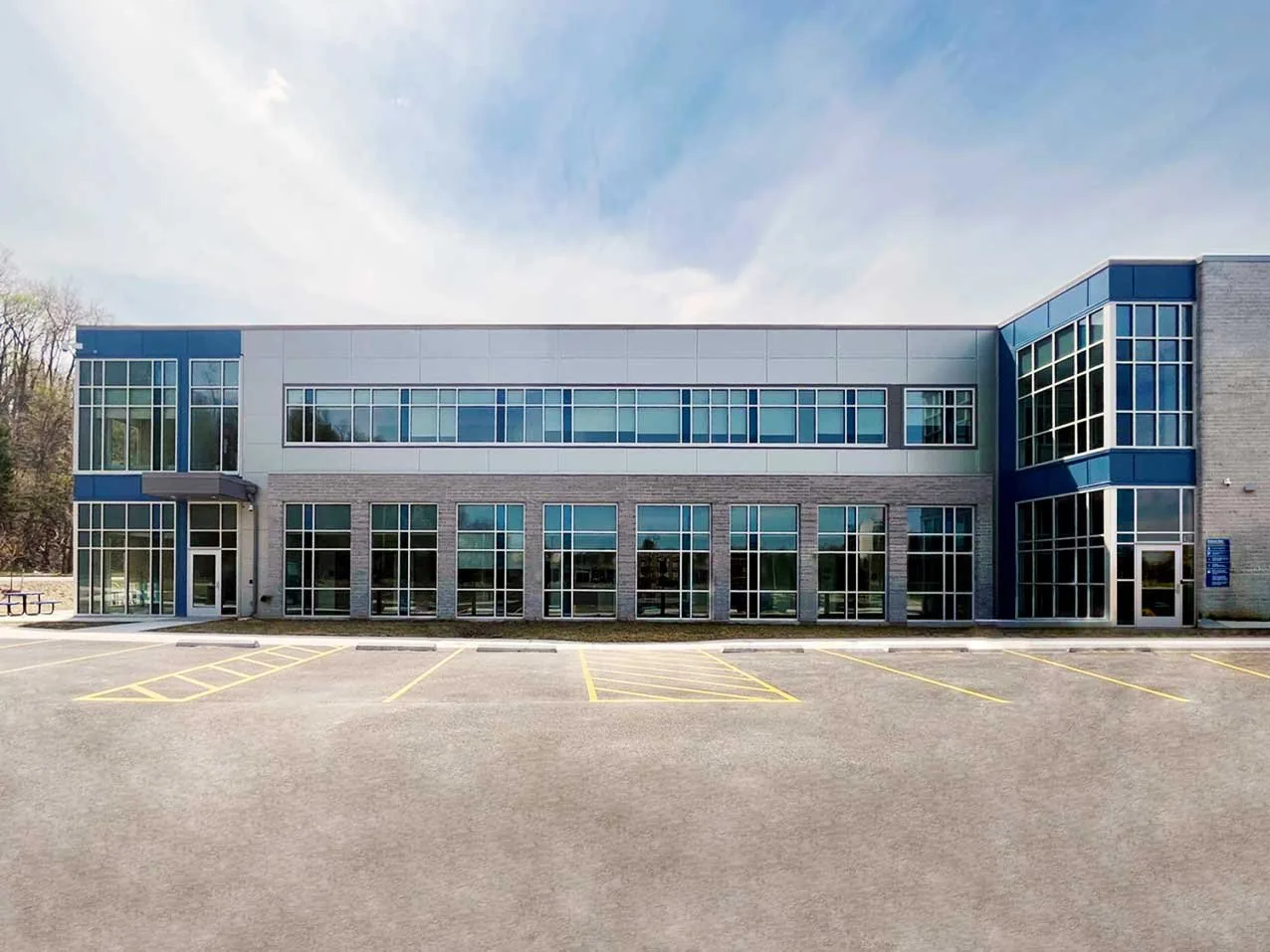
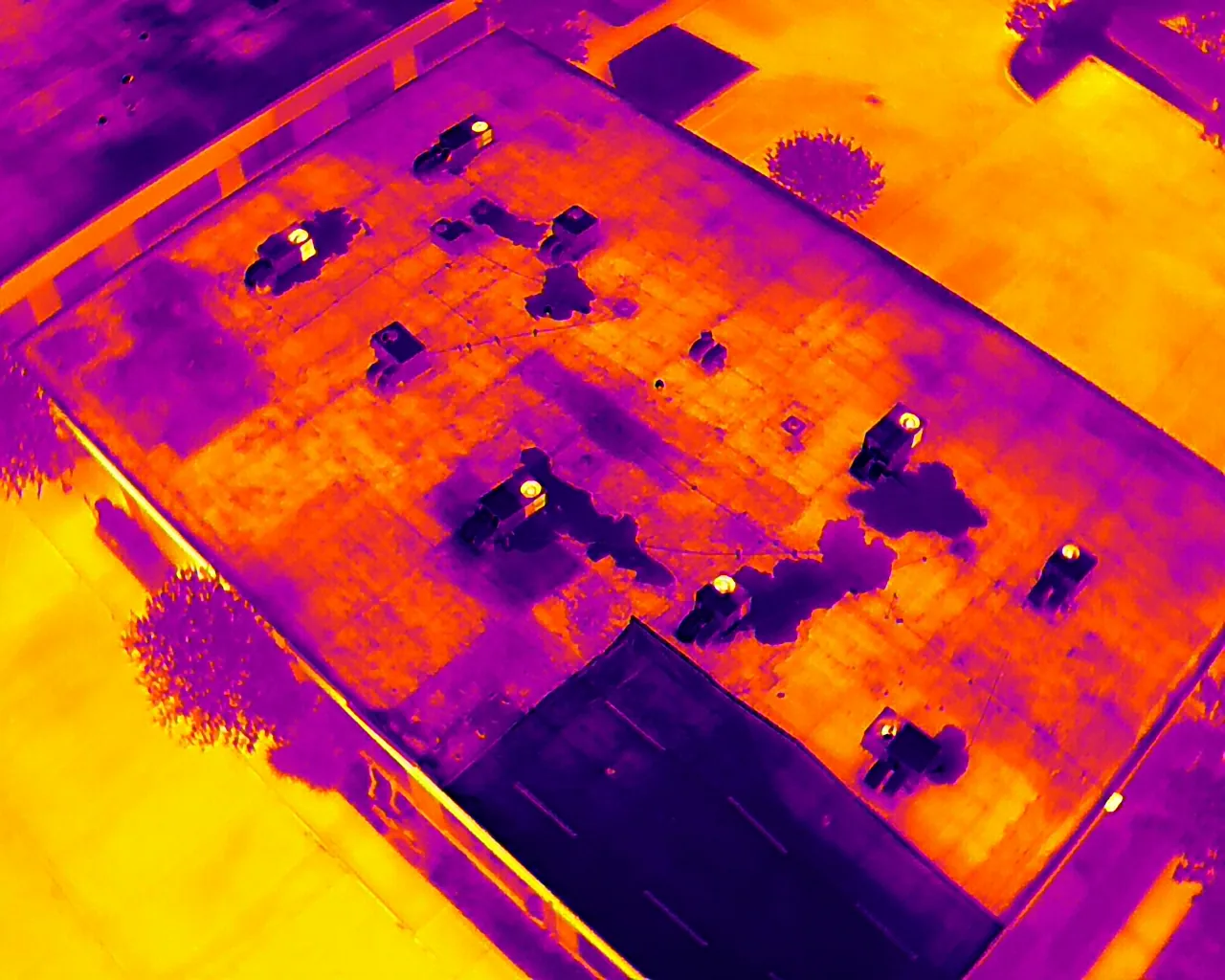
On an industrial-commercial building we look for the things that go wrong on any low-slope roof: rooftop equipment added by successive tenants, drains sized for an earlier use, and seams that have opened at laps and corners. We compare repair and recover pricing for each roof section, based on infrared moisture mapping and test cuts that show where the insulation is wet. An infrared moisture survey narrows the cuts to the places that matter, so the owner pays for fewer of them.
If the survey finds a small wet area, a localized repair with a new membrane patch and fresh insulation can restore it. If it finds wet core across a wide area, a replacement line for that section is cheaper in the long run than repeated patching. We show both prices together with the service horizon each one buys. Where the building has more than one tenant, we also note which tenant spaces sit under the section being priced, so the landlord can plan notices and lease conversations around the work.
Apply Waterbury Winter and Rain Planning to the Drain Path
Winter exposure in the Waterbury, CT hazard plan covers the whole city, with snow, ice and nor'easters on the list, and the state assessment behind it projects heavier rain and hotter summers for Connecticut. The roof inspection fixes the local picture.
We check the drain path for debris, the sumps for cracks and the roof edge for open seams, since a blocked drain is the cheapest problem to fix and the most expensive to ignore. Standing water after a thaw can lead to ponding water repair, and we price tapered insulation as an option when cleaning alone will not correct the slope.
Fix the Permit Date and the Capital Window Early
A permit application filed on or after October 1, 2022 goes under Connecticut's 2022 State Building Code, written from the 2021 International Codes. A tear-off to the deck can bring energy provisions into the scope, while a recover that keeps the existing assembly may not, so the moisture evidence decides which path the building follows.
We deliver a roof capital plan that places each roof section on a timeline with its estimated service horizon. Closeout photos of seams, flashing and drains finish the file for the lender, the buyer or the next asset manager. For a building with Class A tenants, the file also records which interior areas were protected during the work and which rooftop units were shut down, with the hours each was offline. For a building with several tenants, the final report also lists which suites sat below each roof section and when each was cleared, so a landlord has a record to share if a tenant questions the work window.
Commercial Roofing Questions
How should an asset manager stage a reroof above finished office floors?
Open one roof section at a time and dry it in before the next opens. Rooftop units are lifted or reflashed on a schedule agreed with the building engineer, and interior protection goes in before tear-off. The written sequence lists each section, its dry-in date and who must be notified.
Does being near a major health-care employer change roofing requirements for a nearby building?
Not by itself. What changes the work is the tenant: a medical or lab user may require restrictions on noise, odors and air intake exposure. We ask about those rules during the first walk and write them into the sequence.
What does a recurring leak in a former industrial building in Unionville usually point to?
Often it is the joint between two roof sections added at different times, where the flashing, the slope or the drain placement does not match. We map the sections, test the insulation near the joint and repair the transition first. Chasing the stain on the ceiling rarely finds the entry point.
When is a recover more cost-effective than a tear-off on a large industrial-commercial roof?
When the existing insulation tests dry and the deck can carry a second layer. A moisture survey and a few test cuts settle that. If wet core shows up across a wide area, the recover loses its savings because wet insulation has to come out anyway.
What documents should be ready before the inspection?
Previous roof reports, warranty papers, drawings of the roof sections, the dates of known leaks and the capital approval schedule. We use them to put a service horizon and a permit date on each roof section.
Request a Farmington Roof Inspection
Tell us the access rules, the records you hold and the approval date your committee works to. We inspect and return a report that prices repair, recover and replacement separately, with photographs and test results.