Manufacturing, medical and high-tech users do not share a roof problem, and the first job in New Britain, CT is to learn which one the building has. The city's business community includes manufacturing, medical and high-tech industries alongside small and midsize businesses, so a roof walk might cover a production building with process exhaust on Monday and a small office or shop on Tuesday, with different budgets and different tolerances for interruption.
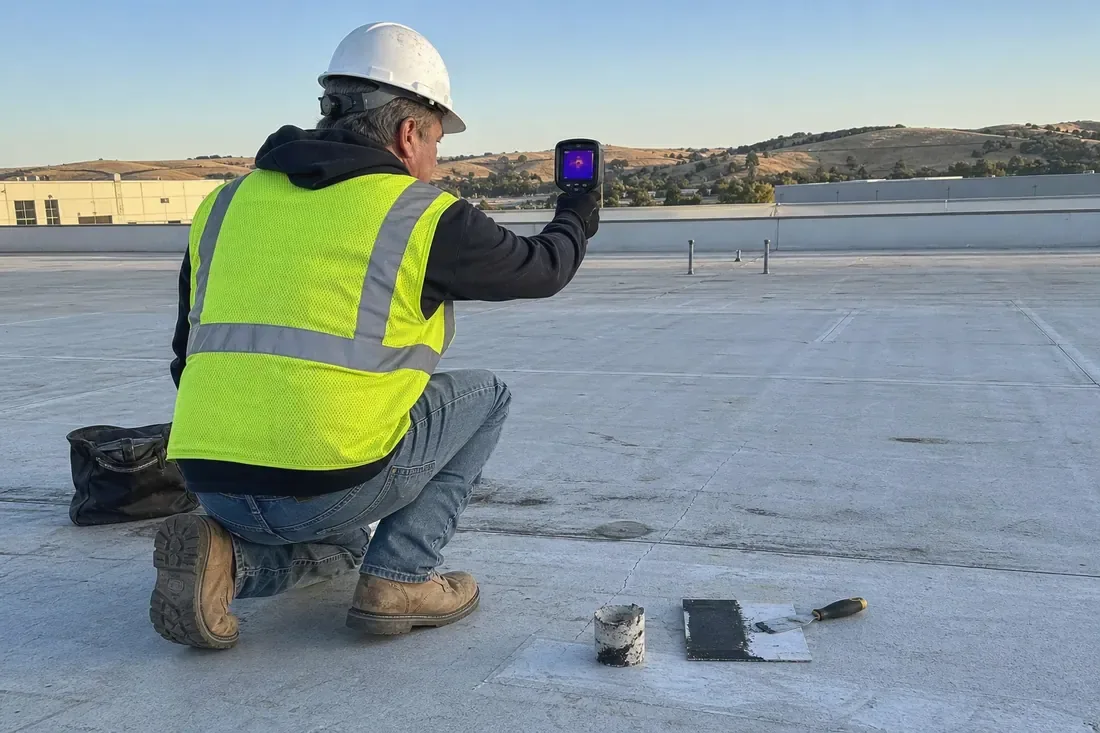
We lead with the finding that moves cost: where the roof is wet and how far it extends. A survey that maps moisture by section gives an asset manager the evidence to choose among a repair line, a recover option and replacement, and it fixes the order of the work before any material is bought.

Match the scope to what happens under the roof
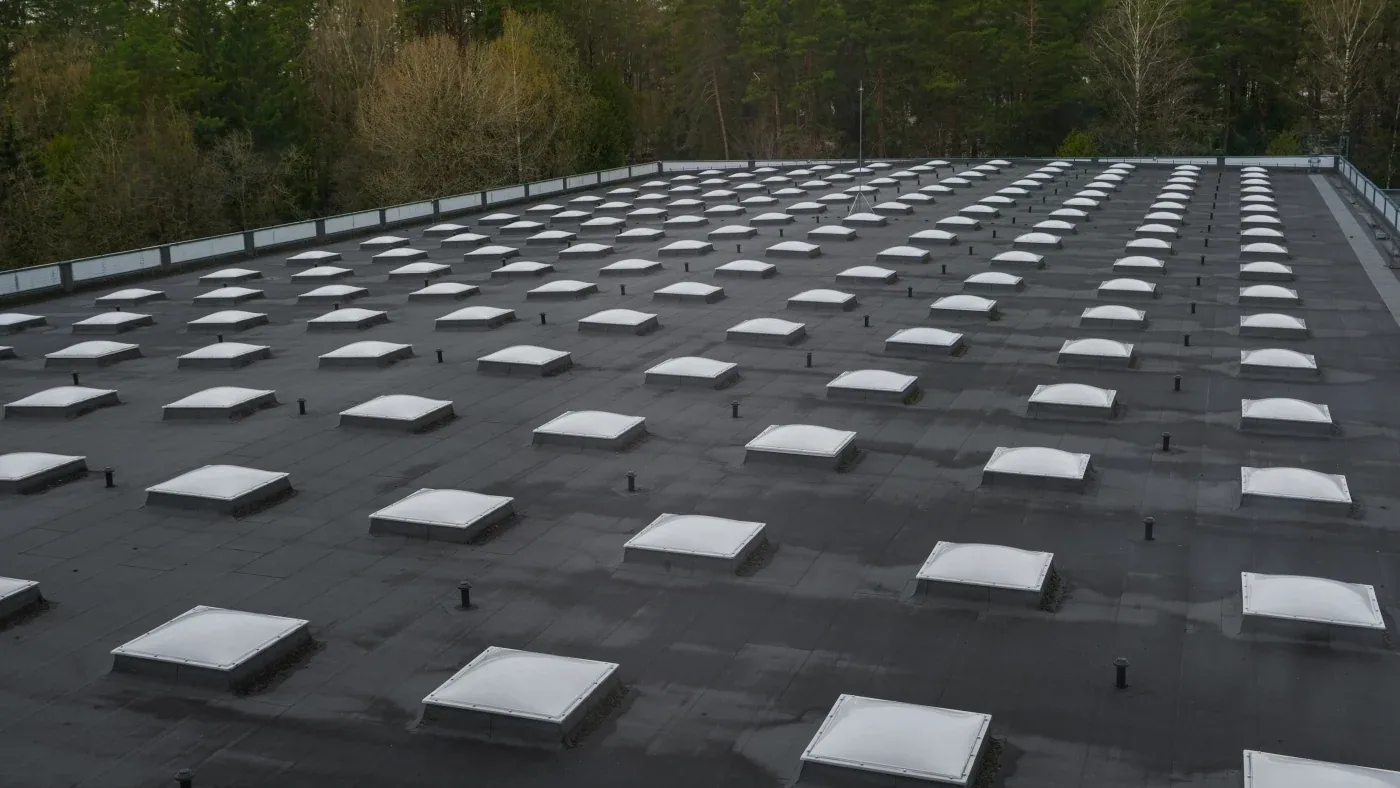
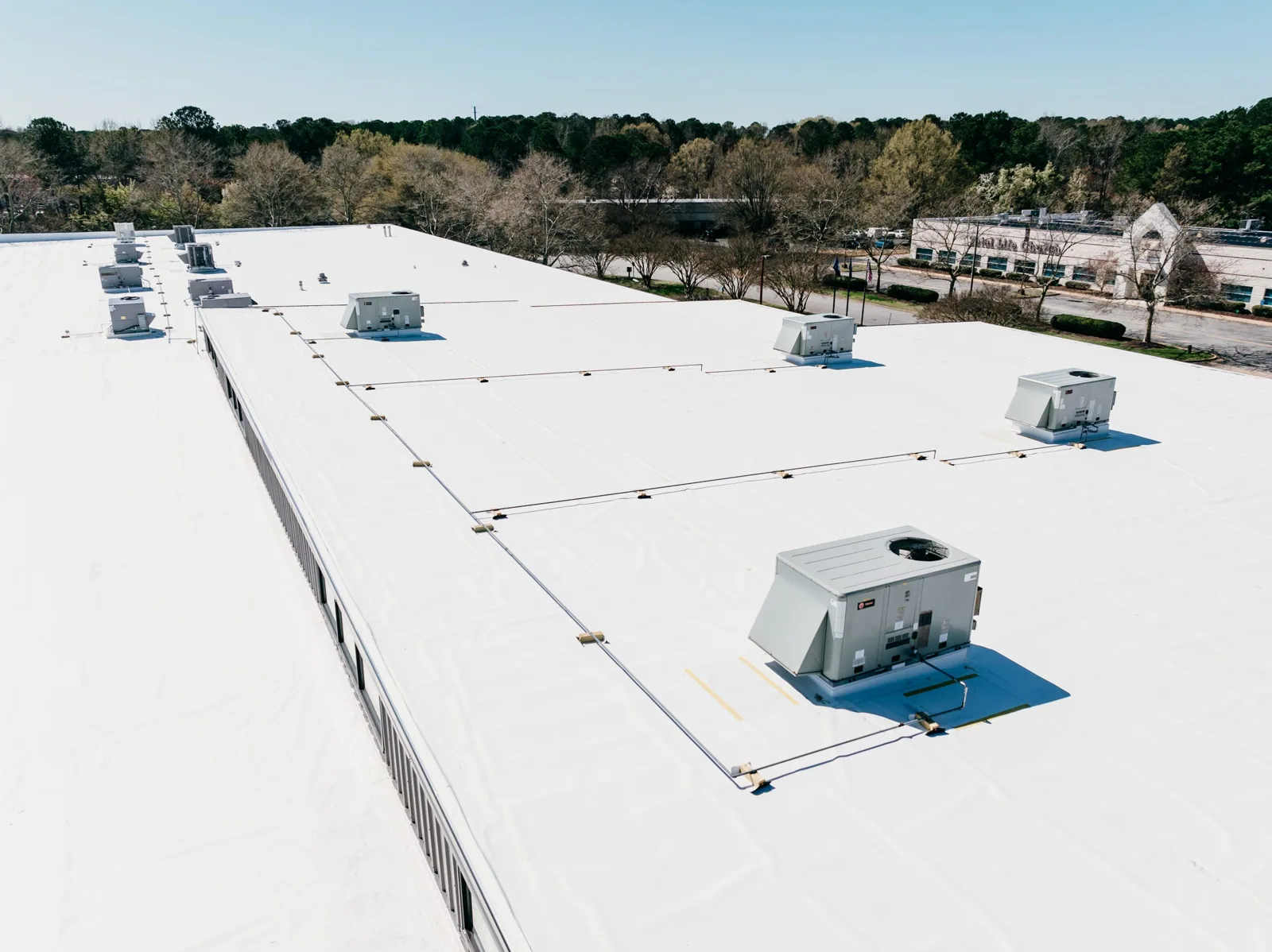
A manufacturing building has a roof that reflects its production: exhaust stacks, make-up air units, process piping, and sometimes heat or moisture rising from below. Those penetrations multiply the places water can enter, and the condition of each flashing matters as much as the membrane. We count and inspect every penetration, note any that have been patched more than once and price their renewal as a separate group.
A medical or high-tech space adds sensitivity to water and dust. We ask which rooms sit under each roof section, what protection the occupant already uses and whether any equipment must stay running. The answers set the dry-in schedule, the order of sections and the hours for noisy work. Where the occupant cannot tolerate an open section, a recover option may reduce exposure, provided the survey shows the layers below are dry.
Coordinate downtown work with the university and business partners
New Britain describes Central Connecticut State University and its Institute for Technology and Business Development as partners in local business development, with the institute located downtown. Each building still gets its own walk. A downtown roof job tends to run on limited staging room, shared streets and neighbors who notice noise and closures, and we plan for those from the first visit. Neighbors get a notice with the dates, so a lift or a closed lane is not a surprise on the morning it happens.
For a downtown property we ask about street access, permitted hours for lifts or cranes, sidewalk protection and delivery times. A tight site may require smaller loads over more trips, and that adds to the mobilization line. Where a lift has to stand on a public sidewalk or in a street lane, the permit and the traffic control are separate lines that the estimate shows, and we ask the owner who will apply for them so the dates are not left to chance. A condition report with photographs of each roof section helps a downtown owner justify the number to partners and lenders, because the evidence travels with the estimate.
Plan the supply route and the season
The city describes New Britain as connected to major interstate highways and routes leading north toward Boston and Canada and south toward New York City. For roofing, that means material suppliers and crews can reach most properties without long detours, and it also means that regional traffic can slow a delivery in a way that is hard to predict. We schedule drops with a margin and keep a backup staging plan.
Waterbury's 2021 hazard plan projects hotter summers and increasing extreme precipitation for Connecticut, and it treats summer storms and tornadoes as local hazards for the market city. They argue for checking drains, scuppers and flashing before the warm, wet season, and for a membrane that handles heat. A drain and scupper review is the first inexpensive step.
Separate cost drivers so each can be challenged
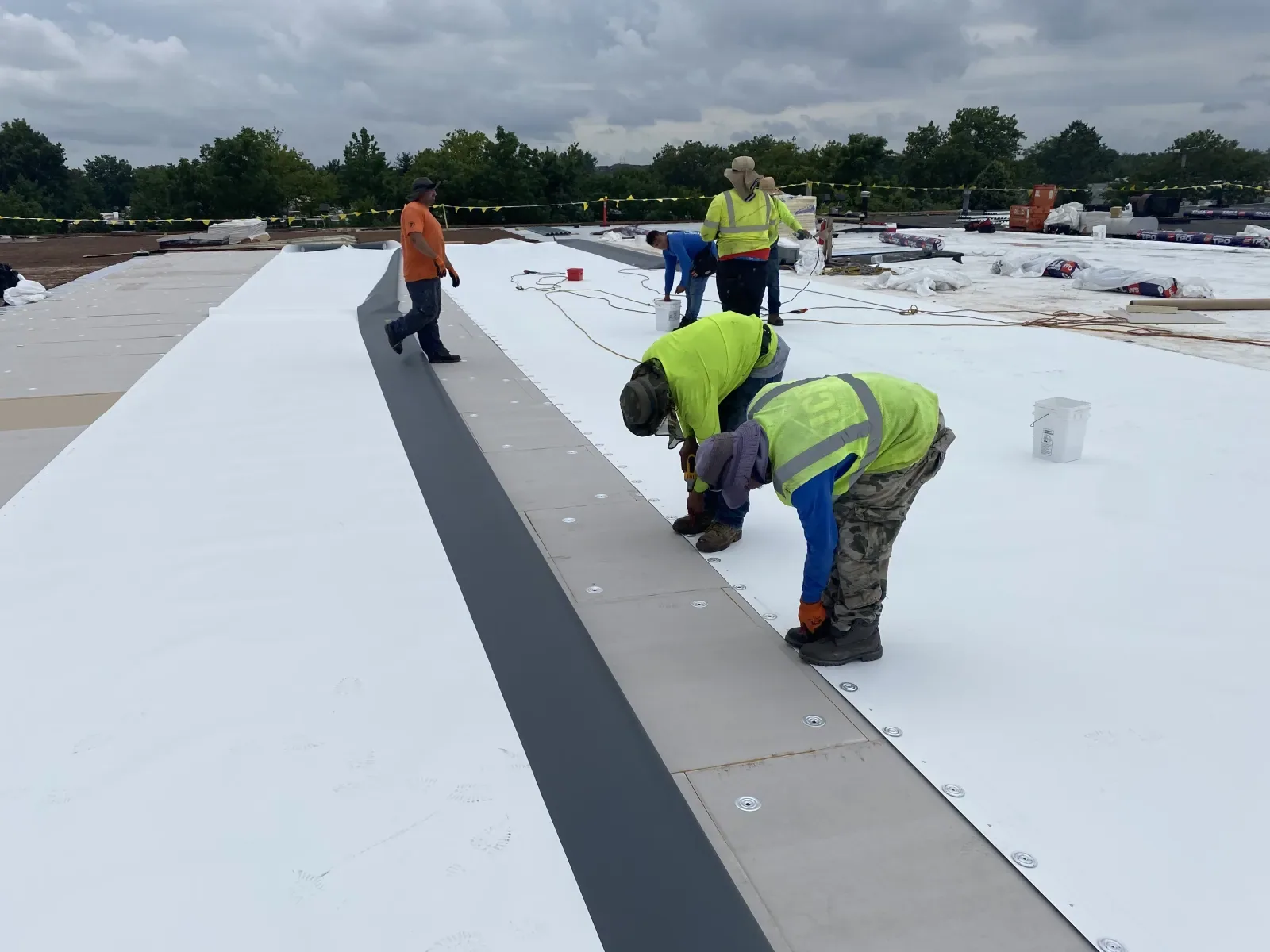
An estimate worth approving shows its parts. We list tear-off, disposal, insulation, perimeter metal, curb and penetration flashing, protection below, permit review and the closeout record. Allowances for wet core appear as unit rates tied to the test cuts. A repair line states what stays in place and how the new work ties into it.
Before a replacement permit is filed, the work is read against Connecticut's 2022 building code and the 2021 International codes it adopts for building and energy conservation. For owners who expect to hold the building for years, a replacement line priced with a service-horizon estimate lets them compare it to the cost of repeated repairs. Owners who plan to sell soon may choose a repair line that stabilizes the roof and leaves the larger decision to the next owner.
Timing also moves the number. Spring and fall give the best working weather, so work books up, and a project that can start in a quiet month may price better than one that must start in a rush. We give the earliest practical start for each option, the material lead time and the weather window it needs, so the schedule and the budget can be set together.
Roll findings into a portfolio view
A small or midsize business owner may hold only one building, while an investor in the city may hold several. In both cases the record format is the same: a plan of the roof sections, photographs, moisture results, a list of defects and a ranked set of options. When an owner has property in Berlin or Plainville as well, the same format shows which roof needs money first.
We also give a short list of items to monitor, such as a seam that is holding but not tight, a drain that clears slowly or a curb flashing that shows early wear. Those items belong in the capital plan as watch items with a date to recheck. That way a manageable condition is not forgotten until it becomes a leak.
For an owner who leases space to others, the report can also be shared with tenants and insurers. It shows what was found, what was done and what remains, in terms a non-roofer can follow. That helps in a lease negotiation or an insurance review, where a clear roof history often matters more than a general statement that the roof is in good shape.
Commercial Roofing Questions
How do you scope a roof over a production area?
We count the penetrations, test for moisture and ask what happens below each section. The scope then sets dry-in points, protection and shutdown needs, and prices penetration flashings as their own group.
Can downtown roof work be done without closing the street?
Sometimes, when the lift or crane needs, staging room and permitted hours allow it. We ask early about sidewalk protection and delivery windows, and we use smaller loads where space is tight.
Why check drains before the warm, wet season?
Because a drain that clears slowly or a flashing with early wear shows up as a leak during the first heavy rain. We clear and photograph each outlet, mark low spots, and record the condition of every roof on its own findings.
Is a recover option safe for a medical or high-tech space?
It can reduce exposure because the old roof stays in place during the work. It is only appropriate when moisture testing shows the existing layers are dry and the structure can carry another system.
What items do you put on a watch list?
Seams that hold but are not tight, drains that clear slowly and flashings with early wear. Each has a recheck date so a small condition is not lost until it becomes a leak.
Send the building use and the access rules
Share the property contact, what happens under each roof section, roof records and any limits on hours or equipment. We will survey the roof, map moisture by section and report whether repair, recover or replacement is supported.