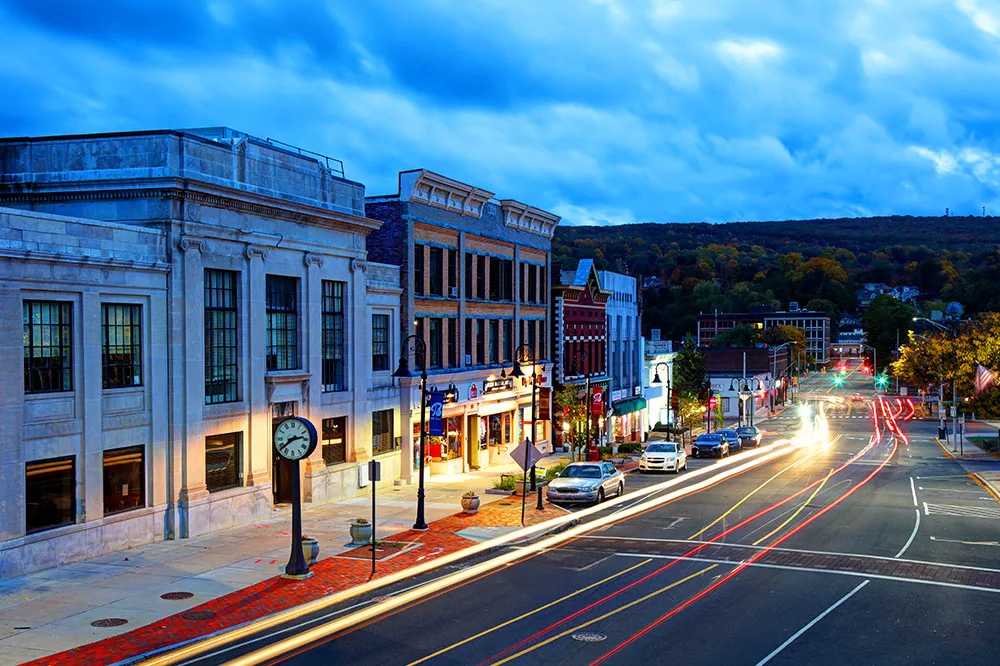
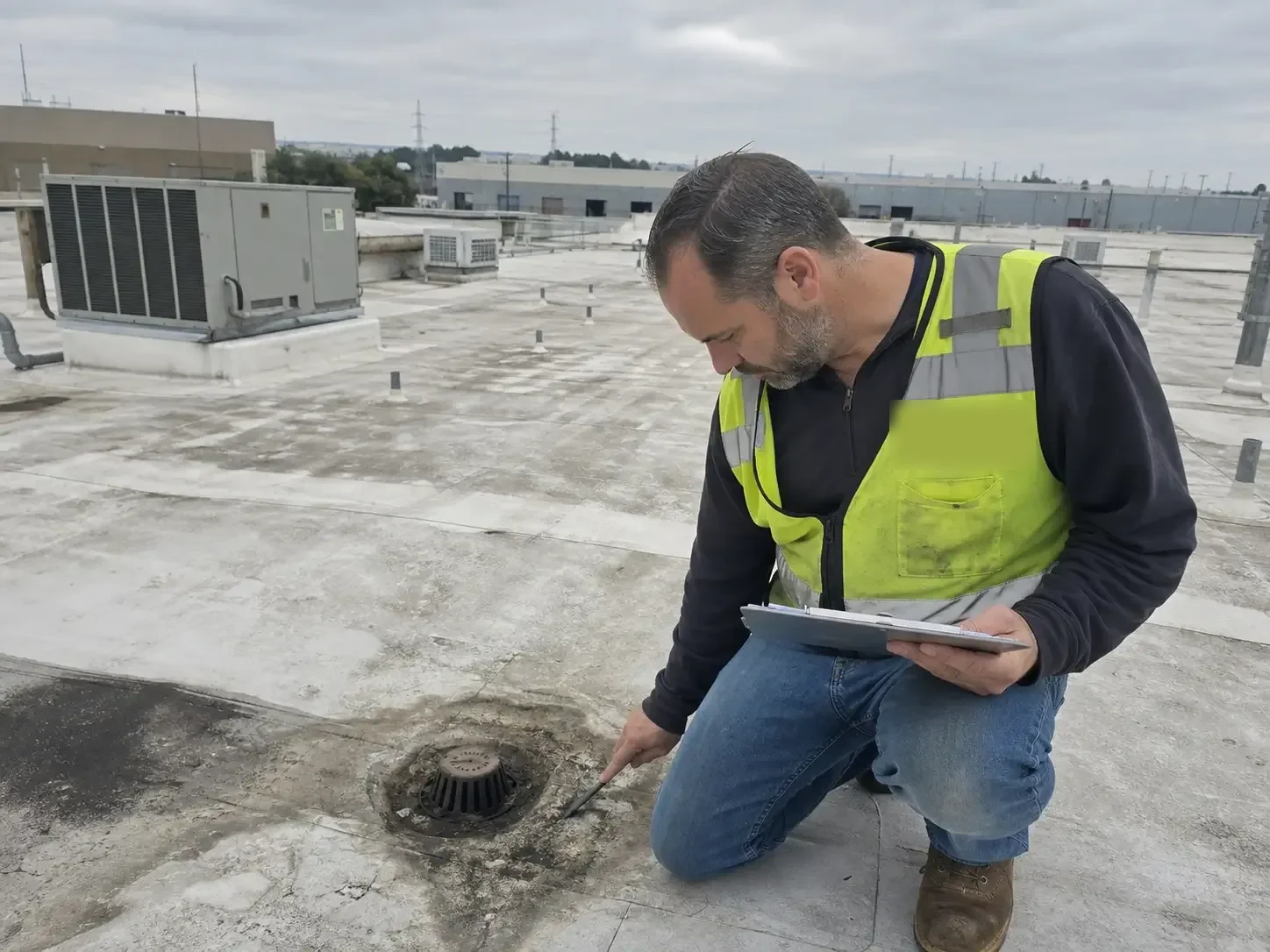
A short delivery window can change the roof sequence before a crew reaches the site. Bristol, CT connects Routes 72, 6, and 69 with I-84 and serves as a transportation junction for nearby Plymouth and Burlington. We use that road context to plan arrival and material staging, then verify the property's own access rules. The inspection checks drains, laps, edges, curbs, and previous patches by roof section. A commercial roof inspection gives the owner a basis to compare a repair line, a recover option, and a broader replacement scope.
Bristol's local industries include entertainment, manufacturing, and health care. We confirm the building's use and operating contact, then note any space that must remain open while the roof is inspected or repaired.
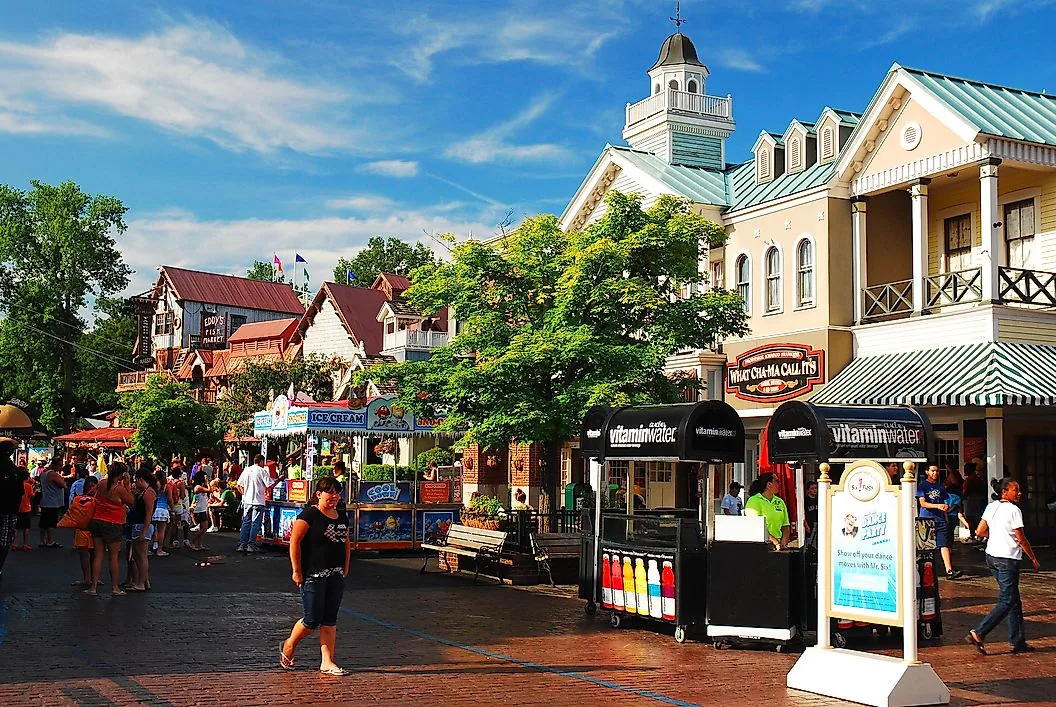
Stage work across the Bristol junction
Routes 72, 6, and 69 meet the I-84 network in a way that connects Bristol with Plymouth and Burlington. A property team may need to plan deliveries and entry controls before a roof walk. We ask for the approved gate or ladder, escort contact, and space for staging. Recent commercial and industrial work in Bristol has used previously developed properties. That context can make access planning important, but it does not tell us what an individual roof contains.
A roof review in Plymouth or a service visit in Burlington gets its own map and work limits. For Bristol, we identify roof sections using the owner's labels, then compare them with the building directory. If the records use different names, both remain in the report until the asset manager selects the working label.
On a property with additions, a membrane change or drain connection may set a separate repair line. The estimate records which section was observed and what still needs testing.
Test the path before pricing a boundary
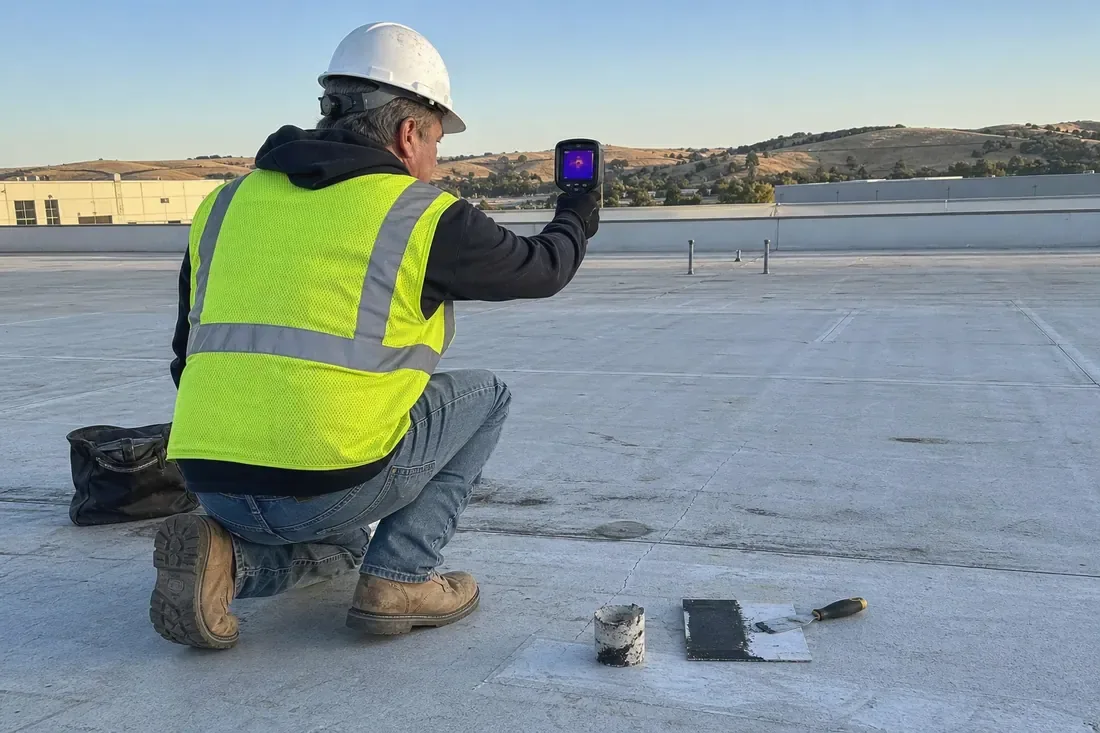
An interior mark identifies where water became visible, not necessarily where it crossed the roof. We compare the room report with slopes, drains, penetrations, and nearby repairs, then photograph each observation in context. A condition report with closeout photos separates the confirmed detail from a suspected path. If the leak may travel beneath the membrane or moisture could have reached insulation, a survey or test cut can determine what should be included.
Seam separation, punctures, loose counterflashing, and wet insulation do not call for the same scope. We map the condition by roof section, check whether adjacent material can accept a tie-in, and note any detail that could not be reached safely. A small patch priced to a sound edge may be enough when the surrounding assembly is intact. A repeated pattern or a soft area can change that answer, so the report lists the test that would settle the next decision.
If field labels conflict with the roof plan, we record both and ask the asset manager to confirm the affected section before scheduling work.
Check the water route after a storm
Bristol roofs share the Waterbury region's weather: winter storms carrying snow and ice, and summer storms. We inspect the actual outlet, low area, seams, and penetrations at the property. A drain and scupper repair should address the restriction or flashing detail found during that walk, rather than cover a stain without tracing the water path.
Snow or ice can make a roof unsafe or hide a seam. We mark unreachable sections and return when access is safe.
If an outlet is open but water still remains, the cause may involve slope, concealed insulation, or a deck condition. We explain the test area and the decision it could support before adding exploratory work. That keeps a replacement allowance from absorbing uncertainty that a smaller inspection could resolve.
Coordinate the route with daily operations
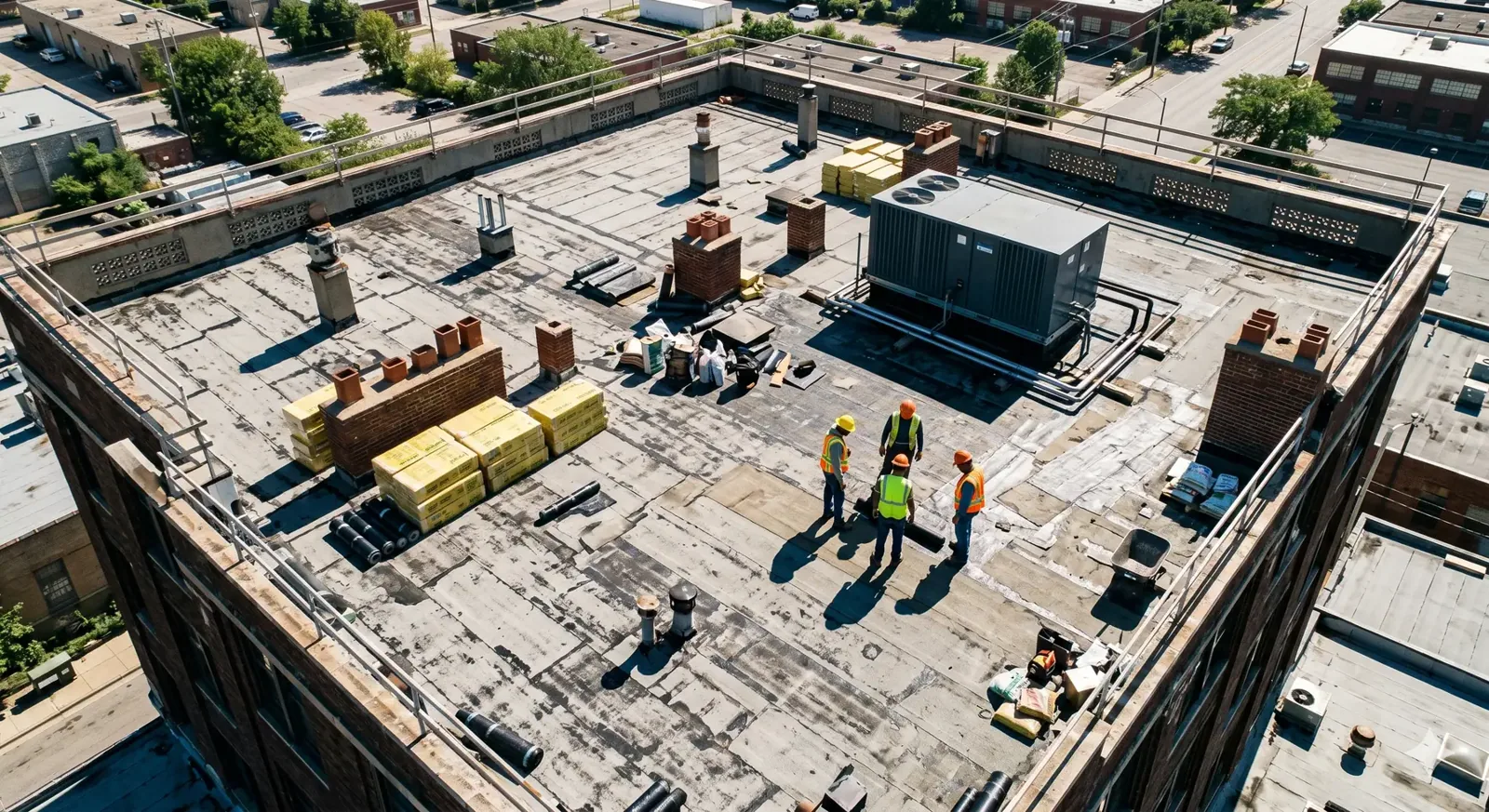
Before work, we confirm the authorized hatch or ladder, fall-protection plan, escort, and staging location. The site contact can identify delivery hours, restricted areas, noise limits, and any service route that must remain clear. If access changes, work pauses until the property team approves a safe path. These details affect how much roof can be inspected in a visit and whether materials can be moved without interrupting building activity.
A phased occupied-building scope can identify temporary protection, work zones, daily closure points, and handoff responsibilities. It should state when a section is opened and what evidence confirms dry-in before the crew leaves. The schedule also needs a contact who can approve a change if operations, weather, or access shift during the project.
We list active zones separately and keep closeout photos with the matching label. An unreachable section stays unconfirmed until access is arranged or a return visit is made.
Compare repair, recover, and removal
A repair may fit when the failed detail is isolated and compatible material surrounds it. Repeated leaks, several open seams, or moisture across a wider area can justify testing or a different assembly comparison. We separate temporary water control from permanent work, so immediate exposure can be reduced while the owner decides how much evidence is needed for the long-term scope.
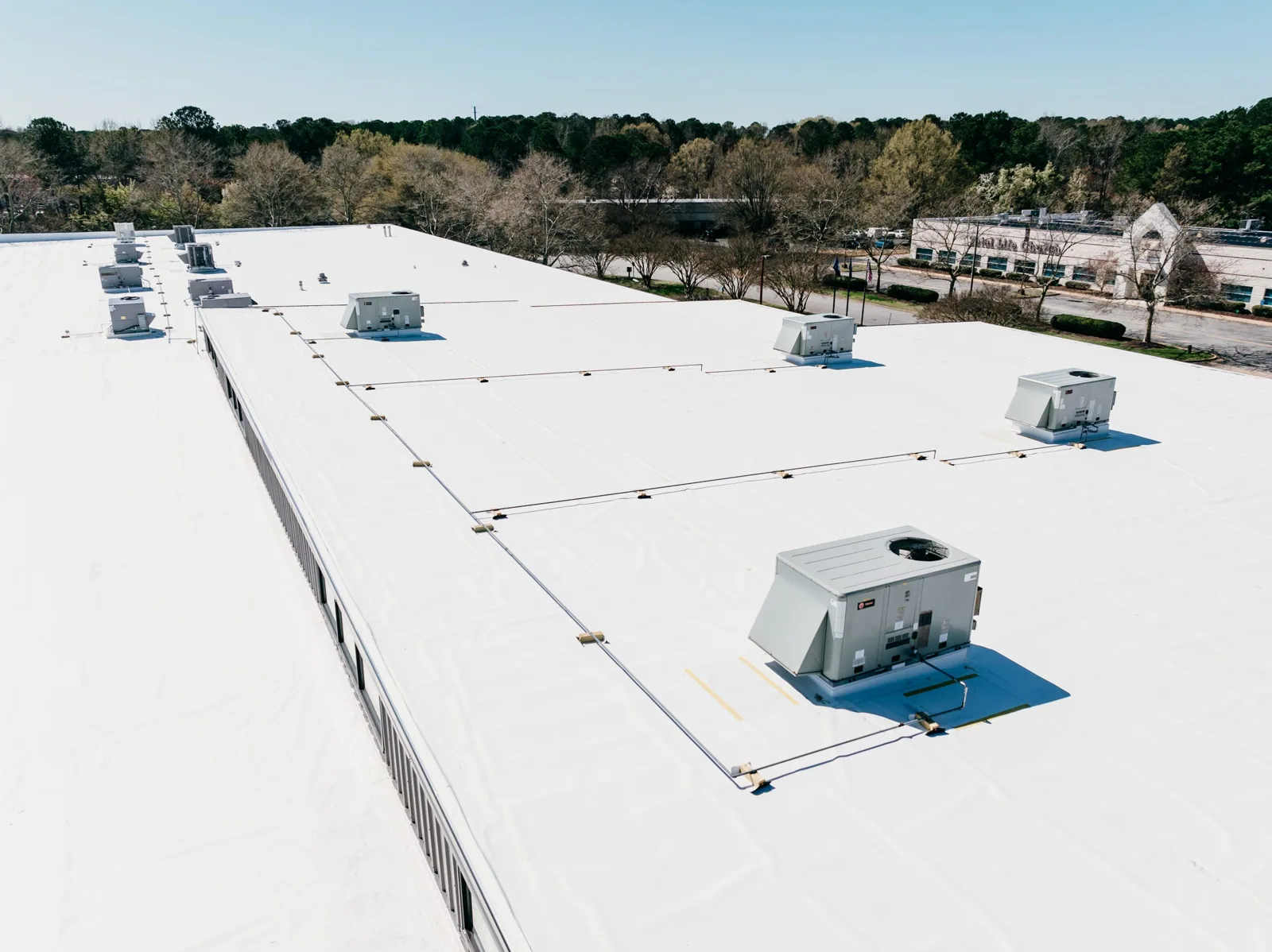
A commercial repair proposal identifies preparation, tie-in, protection below, work limits, and the closeout check. A recover review must account for existing layers, attachment, moisture, and roof height. A replacement line includes removal assumptions, insulation, edge metal, drains, penetrations, disposal, and the daily dry-in boundary. We list those choices separately so a permit date or a weather window does not conceal a scope difference.
For owners weighing several buildings, a capital planning review can sort confirmed conditions by urgency and next decision. It includes the test or access step still needed on each roof section, rather than treating an uninspected area as ready for replacement. Cost and timing follow the evidence, quantities, access, and protection requirements in the agreed scope.
Close the visit with a usable record
The closeout file connects dated photos, section labels, tests, work limits, and open questions. A later walk can compare the same drain, seam, or transition. Weather and access limits remain visible in the record.
Emergency response runs at any hour, seven days a week and on holidays. Temporary dry-in work depends on safe access and workable weather, while a permanent seam, flashing, or coating repair needs the surface conditions its system requires. We state what can be addressed now, what must wait, and who will confirm the return window.
Send the reported area, roof records, access rules, and your capital or permit timing. We can set a Bristol inspection route, separate repair and recover choices, and provide the photos and test notes behind each recommendation. Any scope change stays tied to the affected roof section.
Commercial Roofing Questions
What should a Bristol roof scope show before material is ordered?
It should name each roof section, the repair or removal boundary, access limits, wet-insulation allowance, protection below, and the dry-in sequence. We tie those items to inspection notes so the owner can compare options on the same basis.
Can a leak be traced when water appears far from the opening?
We compare the interior report with slopes, drains, curbs, and penetrations, then mark the likely route. If moisture may be concealed, a test cut or survey can narrow the repair line.
How do Bristol's road connections affect a roof project?
Routes 72, 6, and 69 connect with I-84 and nearby Plymouth and Burlington. We confirm the property's own delivery, staging, and entry rules before using that context to plan a crew visit.
When is a recover option worth pricing?
The existing roof must be dry enough, attached, and suitable for another assembly under project requirements. We check layers and moisture first, then list the test or review that could change the recover quantity.
How do you schedule around snow and ice at a Bristol property?
Snow and ice can make a roof unsafe or hide a seam, so we mark unreachable sections and return when access is safe. Drains, edges, and seams are checked on the roof itself, and a section is not treated as inspected until it has been walked.
What happens if a roof area is unsafe to reach?
We record the inaccessible section and reason, then arrange a safe return or keep it outside the confirmed scope. A blocked area is not treated as inspected.
Set the Bristol roof scope from findings
Send the property contact, roof records, access rules, and reported leak area. We will map what can be inspected and outline whether repair, testing, recover, or replacement is supported by the evidence.