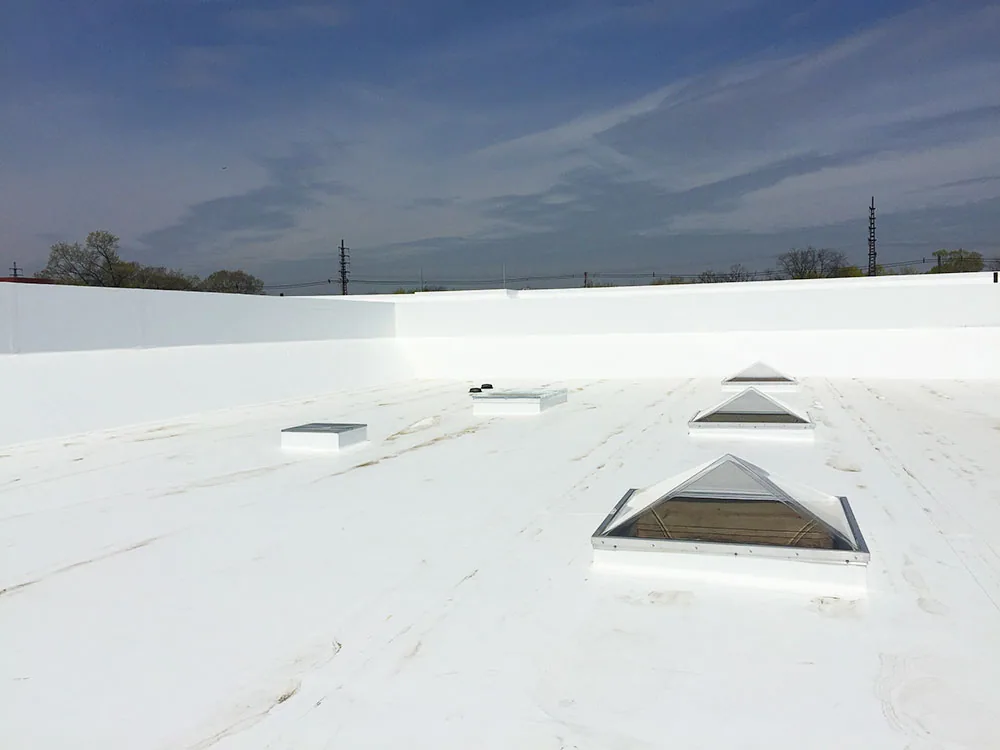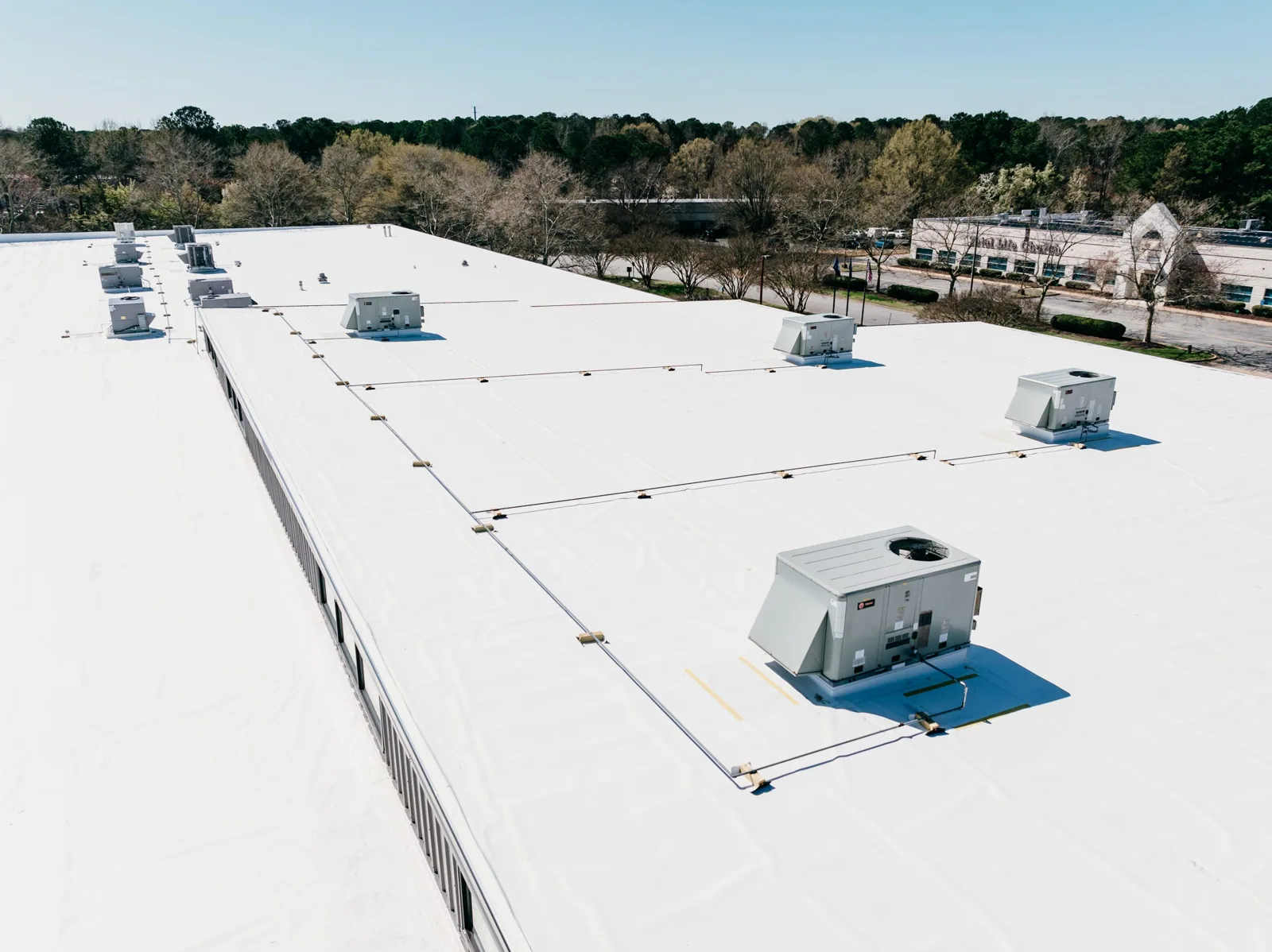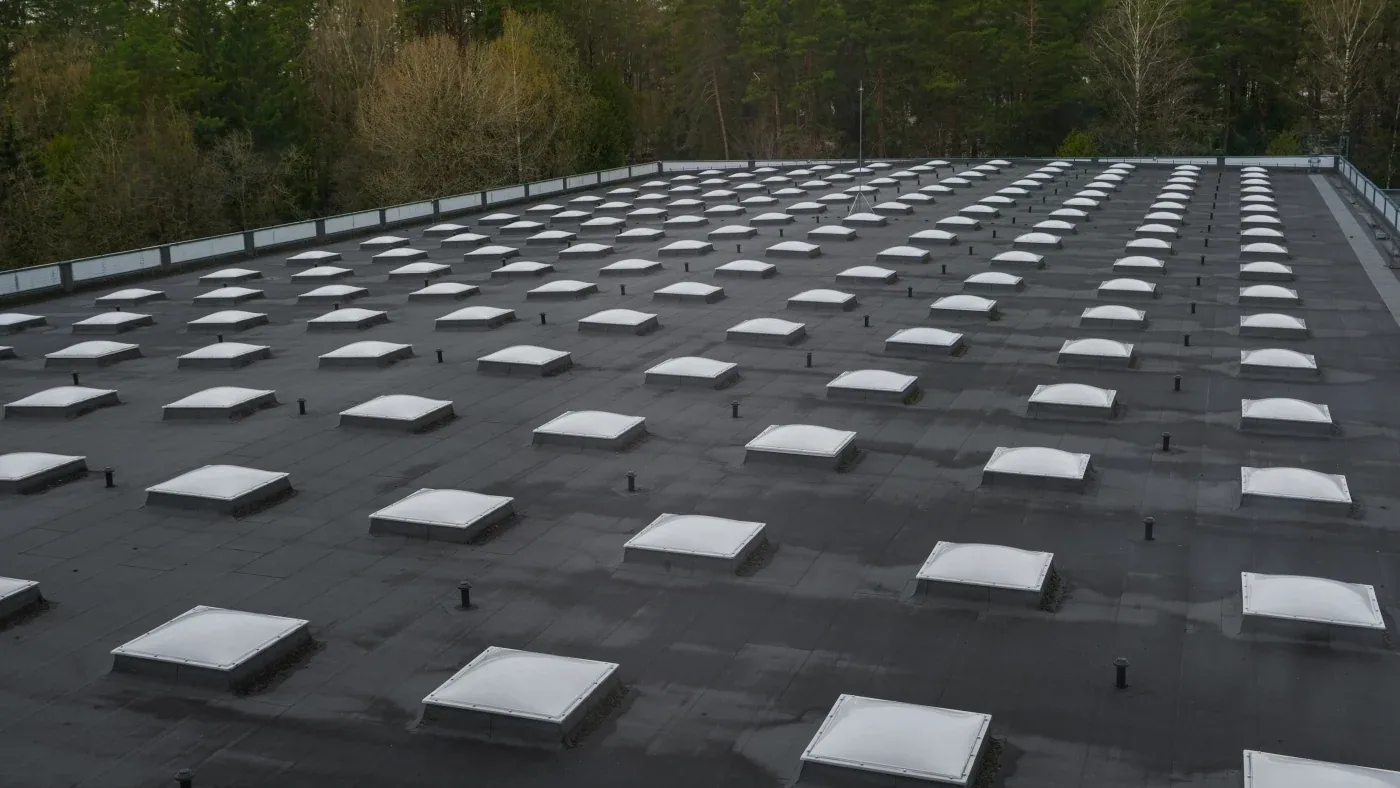
The scope question on a single-ply roof is narrow: whether the open seam, the cracked flashing, or the ponded low spot is a repair item or a sign that the whole section has reached its replacement line. Versico is a manufacturer of commercial membranes in TPO, EPDM, and PVC, with insulation and accessories to match, and an owner in Waterbury, CT who holds one of its roofs wants the same answers as any other owner: what the assembly is, what its condition is, what a repair or recover would cost, and when the capital window opens. We start in the field, identify the system on each roof section, and compare options with the test results attached.
Confirm the Membrane Family on Every Section
TPO, EPDM, and PVC look alike from a ladder and behave differently on the roof. TPO and PVC are heat-welded, while EPDM is spliced with tape or adhesive, and the repair for one will not work on another. We identify the membrane by sample, records, and the way it reacts to a probe, and we record whether it is mechanically attached, fully adhered, or ballasted. A building with an original roof and an addition may carry two membranes, each with its own condition and its own repair method.
The identification goes into the numbered plan. It governs the patch material, the cleaning method, the primer, and the seam repair, and it governs the compatibility of any new work with the old.
Repair Splices and Welds by the Method the Membrane Takes
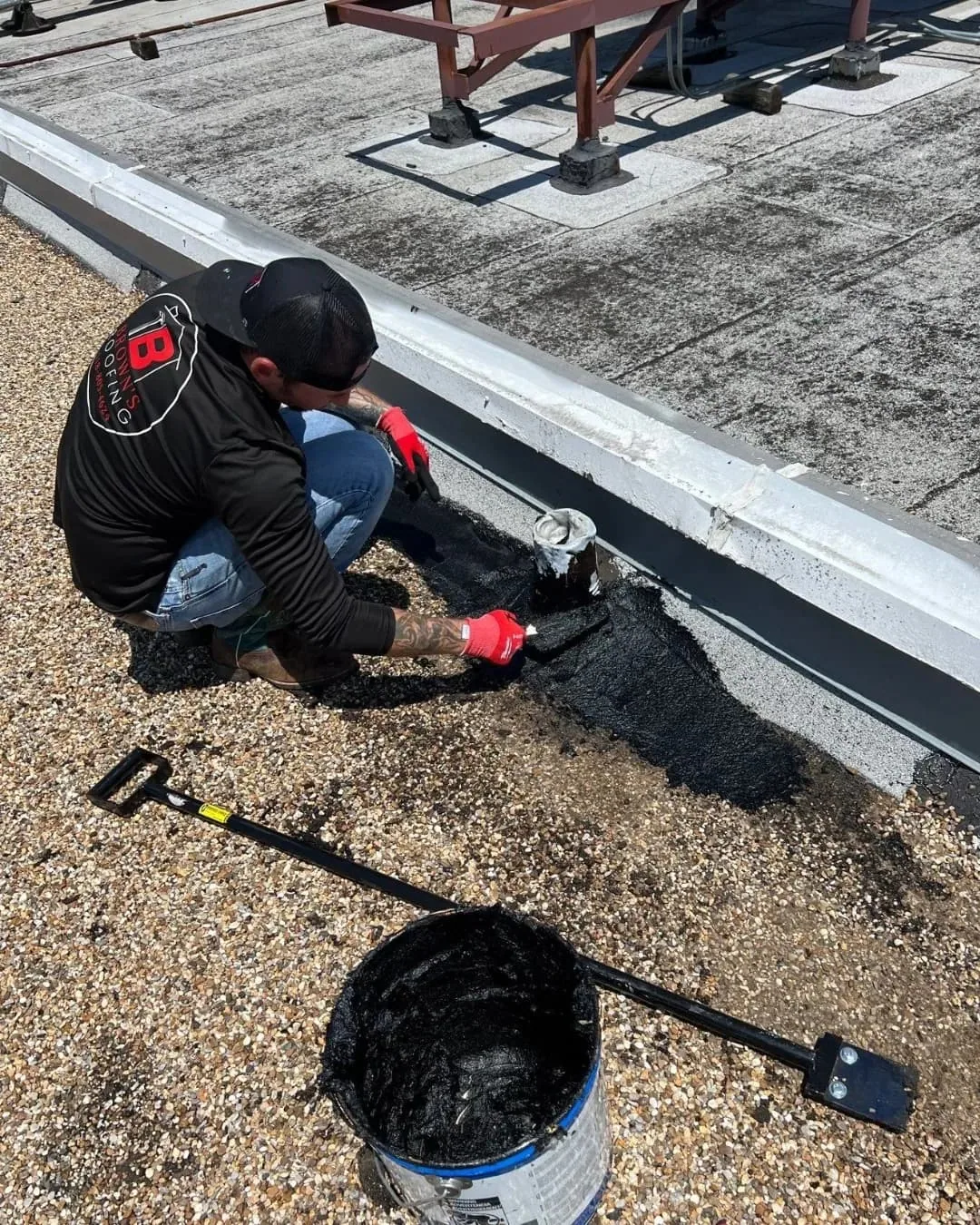
On an EPDM roof, an open splice is cleaned, primed, and re-bonded with the compatible tape or adhesive, and the corners and T-joints get extra attention because they concentrate stress. On a TPO roof, an open weld is cleaned and fused again or capped with a welded strip, and the result is probed. Each repair is photographed, located on the plan, and noted with the weather at the time. A roof that has had many splice or weld repairs in one area suggests a cause worth finding, such as ponding, movement, or a detail that was never right.
When a membrane has aged to the point that it will not bond or weld, patches are temporary. At that stage the record shows the capital option, and the owner can compare it with the cost of continuing to repair, whether the sheet is EPDM or TPO.
Trace Ponding and Drain Paths Before Pricing a Fix
Standing water ages a single-ply membrane faster and adds weight to the deck. We measure ponded depth after rain, trace each pond to its drain, and look for the cause: a clogged or high drain, a deflected deck, compressed insulation, or low slope. Cleaning drains is the first fix, and a new or lowered drain or scuppers may follow. Where a pond persists, tapered insulation under a recover can correct the slope, but it adds height at walls, curbs, and drains, which the scope must handle.
A 24-hour storm with a one-in-ten annual chance is put at 5.54 inches of rain in the city's plan, which also places the whole city in the path of winter storms. A drain path that cannot move heavy rain, or a scupper that freezes shut, shows up as a leak or a stressed seam. Those findings belong in the record and the budget.
Decide the Recover Option on Moisture and Weight
Single-ply roofs are often considered for recovers because the existing membrane can remain as a substrate in some cases. A recover depends on dry insulation, a sound deck, adequate attachment, enough drain and flashing height, and a structure that can carry the added layers. A separation or cover board may be needed between old and new. Cut samples show the layers and the moisture, and a pull test of fasteners shows whether the deck can hold more.
If any of those fail, the plan moves to partial or full tear-off, and the tear-off boundary is drawn on the plan with an allowance for concealed deck repair. Owners get a recover price, a replacement price, and the test that decides between them.
Price the Single-Ply Scope by Its Drivers
A single-ply budget can be broken into a few drivers that an asset manager can follow. Removal comes first: a recover leaves the old roof, a partial tear-off takes only wet or failed areas, and a full replacement takes everything to the deck. Insulation follows, because new or additional board raises both cost and height at details. Attachment method, whether mechanical, adhered, or ballasted, changes labor and material. Flashing and detail count is a large part of the total on roofs with many curbs, drains, and penetrations. Access, staging, and work hours complete the picture.
We put each driver into the estimate as a line, with the quantity from the survey and an allowance where a test is open. The owner sees that a drain-dense roof costs more per square than an open field, that a wet core adds a defined amount, and that a restricted lift position adds time. Tying the number to the driver makes the capital review faster, because the committee can ask about a line instead of questioning the total.
Insulation upgrades deserve a note. A recover or replacement permitted after October 1, 2022 is reviewed under the state's energy conservation requirements drawn from the 2021 international code, so the scope allows for any added board.
Match the Work to Warehouse, Retail, and Corridor Roofs
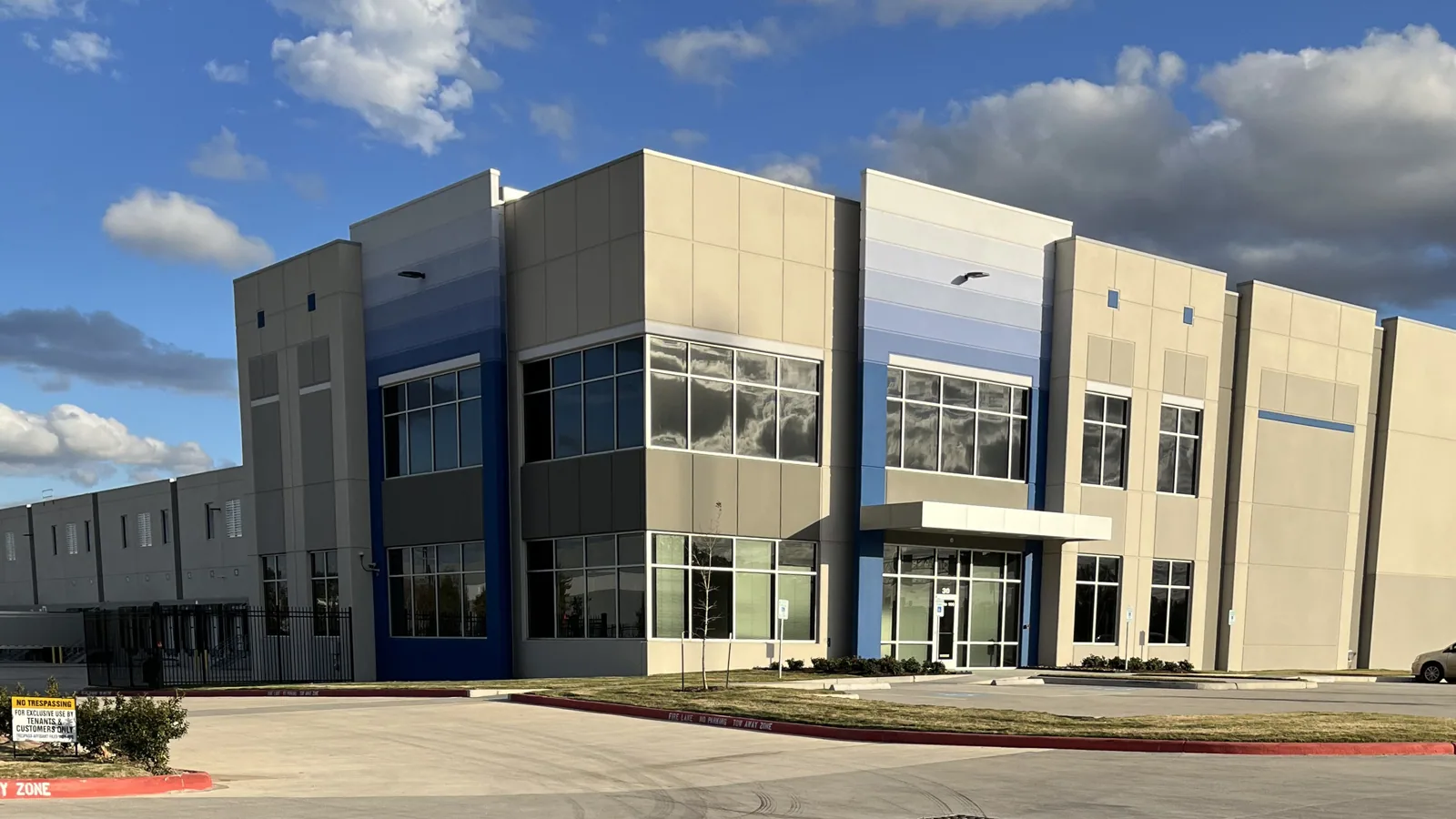
Single-ply systems appear across the kinds of buildings that define the region: warehouse and distribution roofs, retail centers, offices, and schools. A warehouse roof can be a large field with few penetrations and long drain runs. Retail along corridors like Southington's Queen Street, where the town's official statement reports strong retail activity, or Cheshire's Route 10, where commercial uses line the road, puts rooftop units and tenant schedules into the roof plan. Cheshire's draft plan describes a north-central industrial area near I-84 and I-691 with warehouse, distribution, manufacturing, and corporate-office uses.
The field survey decides the membrane, the condition, and the details. For Cheshire and nearby owners, we record the building as found.
Compare Neighboring Single-Ply Systems on the Same Criteria
A replacement system is compared on seam method, flashing details, attachment, insulation compatibility, warranty terms, and repair availability. Comparable membranes from Carlisle SynTec and Holcim Elevate are weighed the same way, and the choice frequently rests on the existing conditions and the schedule instead of the brand. A written condition report shows those conditions plainly.
Commercial Roofing Questions
Which Versico membranes can be found on commercial roofs?
The manufacturer is known for TPO, EPDM, and PVC single-ply membranes. The survey identifies which is on each roof section before a repair is specified.
Why does the repair method change with the membrane?
TPO and PVC are heat-welded, EPDM is spliced with tape or adhesive, and incompatible materials will not bond. Using the wrong method creates a new leak path.
How can I tell whether ponding is a problem?
Measure the depth and duration after rain and trace the water to its drain. Water that remains for days points to a drainage cause that needs correction.
What would rule out a recover?
Wet insulation, a weak deck, poor attachment, or too little height at drains and flashings. A moisture scan and a test cut find those conditions.
Can a roof with many repairs be repaired again?
Sometimes, but a pattern of repairs in one area usually points to a cause that needs fixing. The record shows the pattern and the cost of continuing.
What does the report include?
A numbered plan, photographs, test results, ratings, and options with costs. It also lists the open tests that could change the scope.
Send the roof records and the schedule window
Send any warranty papers, drawings, or repair invoices, plus the access rules and the capital or permit window. We will inspect the roof, identify the membrane on each section, and return a report that separates repair, recover, and replacement scopes.