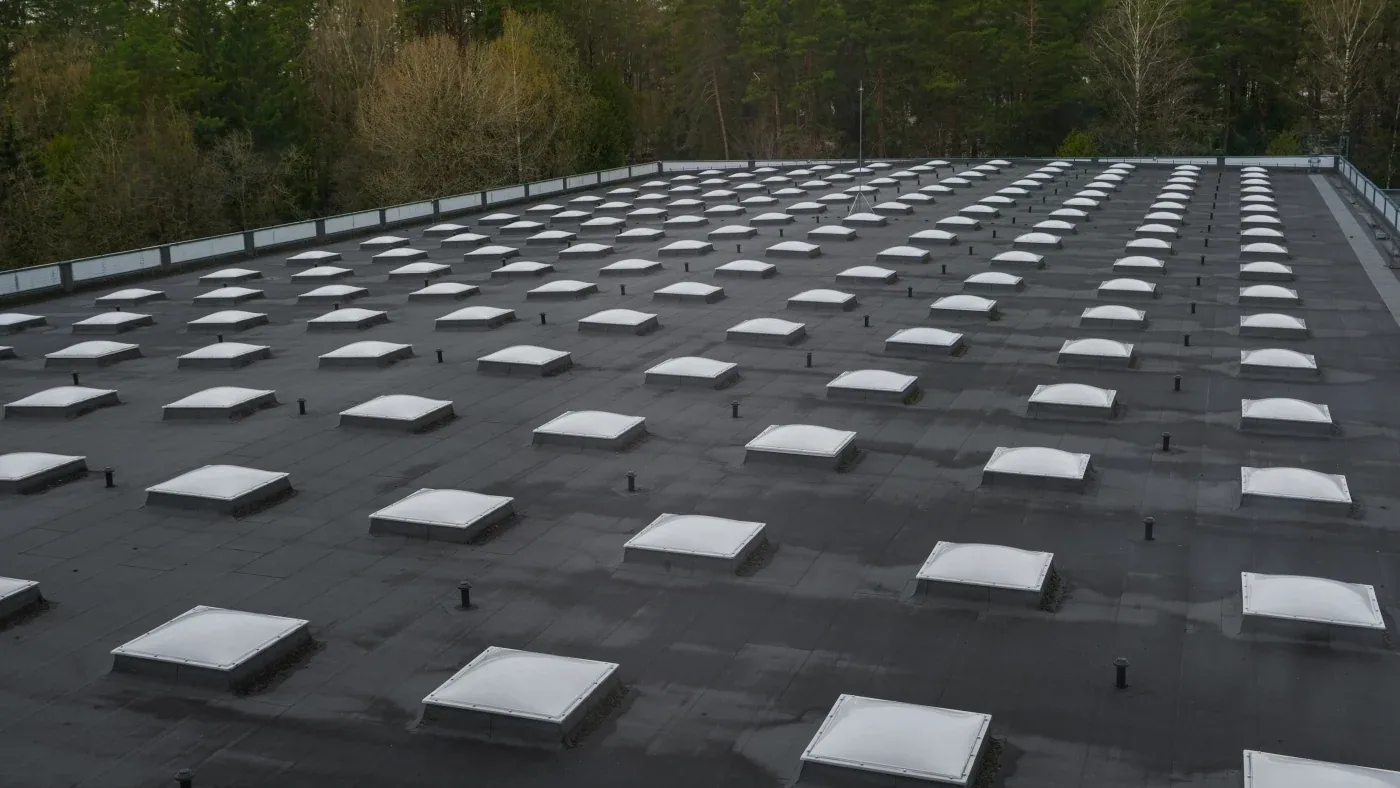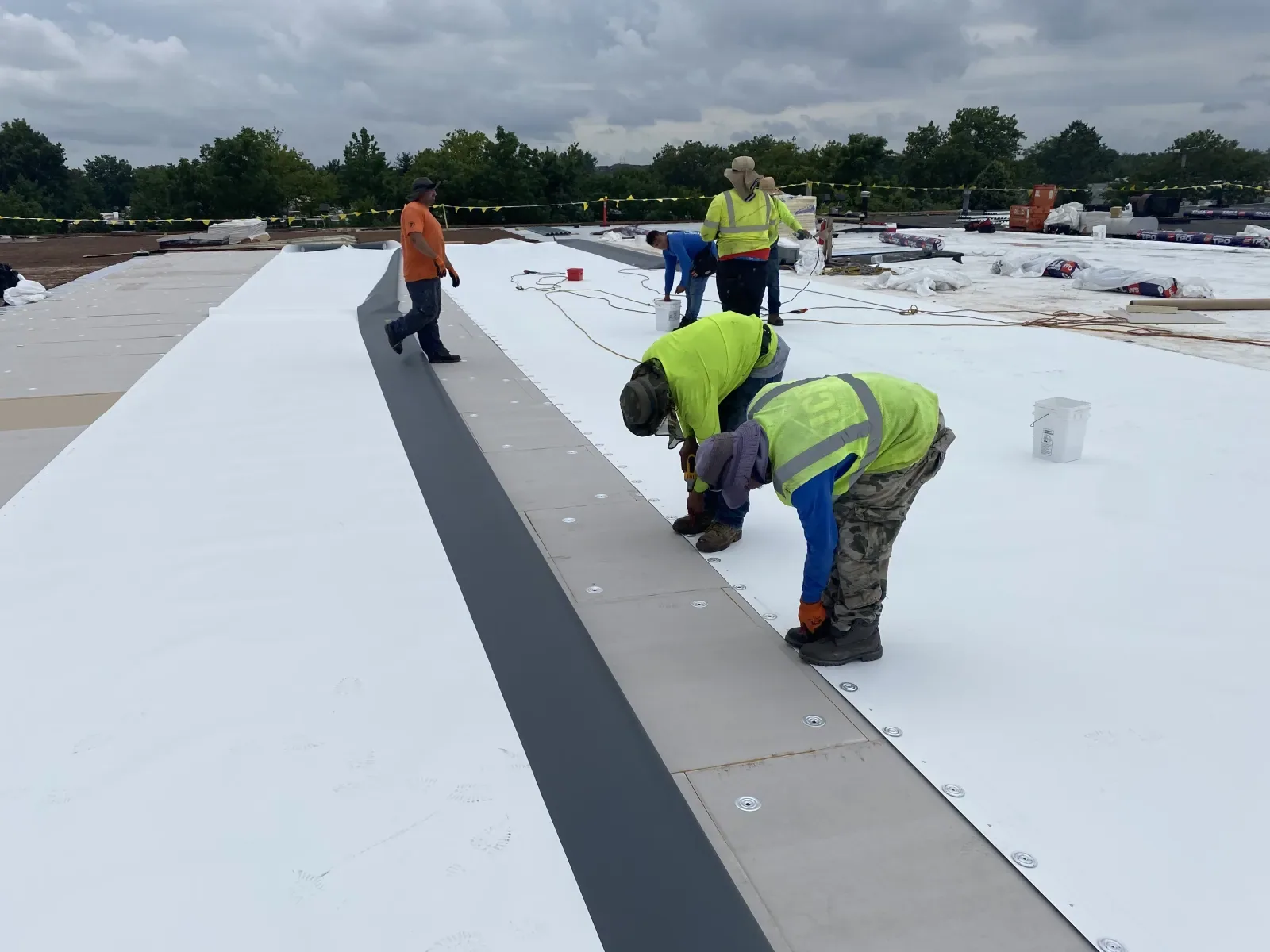
A replacement line for a Carlisle SynTec roof starts with one question: can the current membrane and its seams stay in service, or does wet insulation move the tear-off boundary? Waterbury's hazard plan places every part of the city in the path of winter storms, from snow and ice to sleet, nor'easters, and blizzards. That exposure puts the dry-in date, drain path, and repair boundary into the estimate. The product name helps identify the system; the observed assembly decides which work scope is sound.
Carlisle SynTec manufactures multiple membrane families for low-slope roofs, including Sure-Weld TPO, Sure-Flex PVC, and Sure-Seal EPDM. They have different material chemistry, seam methods, and attachment choices. Around Waterbury's core, industrial areas and mixed commercial corridors sit beside medium- and high-density residential districts; the core lies close to the I-84/Route 8 meeting point. Access, staging, and occupied hours can change in those settings, so a material comparison should include the actual roof section and work window. A Waterbury roof inspection should record what is installed before the replacement line is chosen.
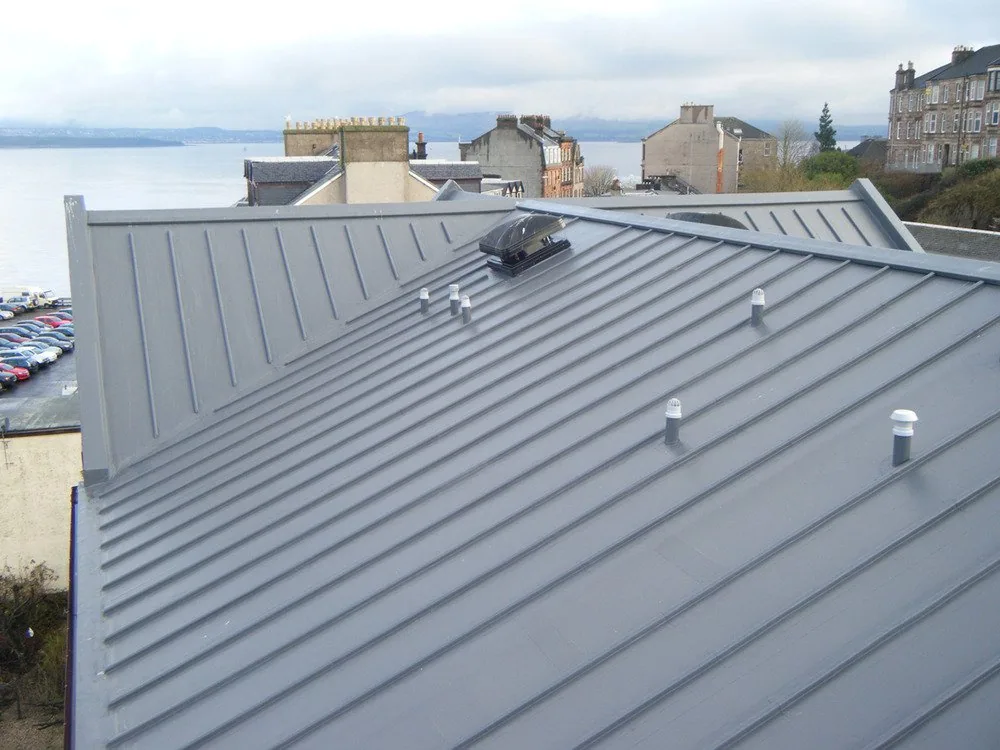
Identify the Carlisle membrane before pricing work
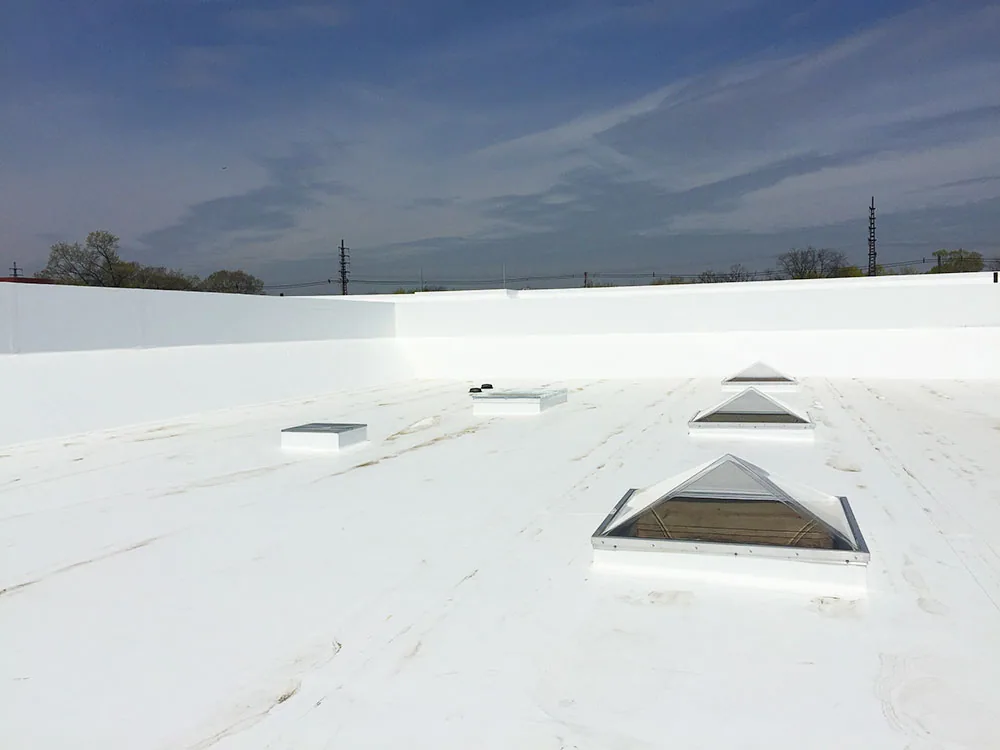
A Carlisle label or old closeout file may point to a product family, but it does not establish what remains on the roof after years of repairs. Sure-Weld is Carlisle's reinforced, heat-weldable TPO membrane, designed for new roof construction and re-roofing. Its published construction uses a TPO base, a polyester-reinforced center, and a thermoplastic top ply. The installed thickness, attachment, seam condition, and later patches still need field confirmation.
Sure-Flex PVC is another heat-weldable Carlisle line. Carlisle describes its formulation as a three-layer, polyester-reinforced membrane for low-slope roofing. Sure-Seal EPDM differs: the named line includes non-reinforced membrane intended for fully adhered and ballasted assemblies. The roof record should identify the product and assembly where documentation supports it, while separating confirmed details from open field questions. A TPO assembly review can clarify the seam and attachment questions that affect the work scope, and the EPDM equivalents get their own seam check.
Inspect seams and flashing as separate cost items
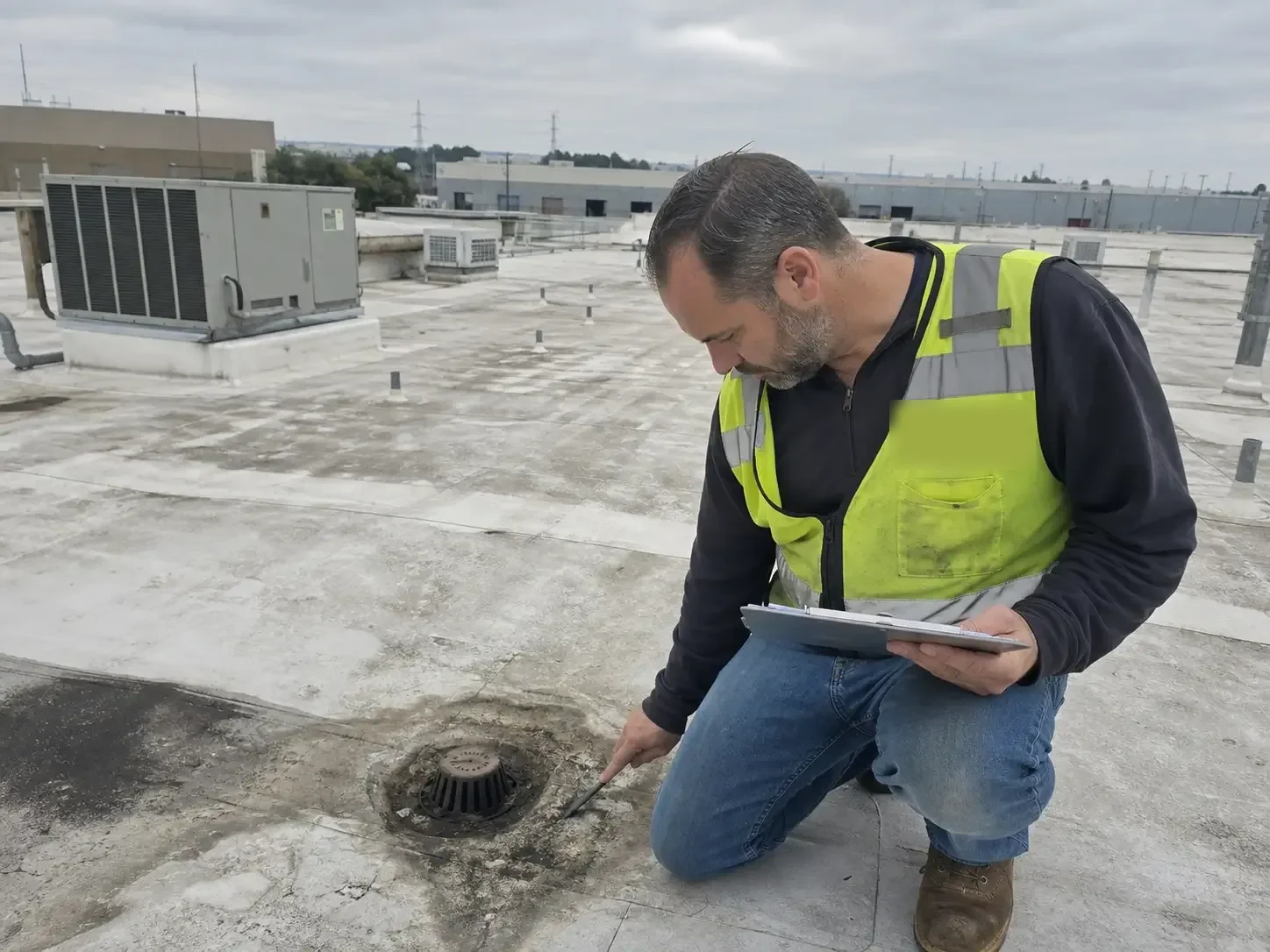
On a heat-welded thermoplastic roof, the seam is a fused connection, not a taped lap. A probe check, representative test weld, and review of transitions can show whether a seam concern is local or repeated across a roof section. The inspection records surface condition, welding quality where accessible, edge terminations, patches, and penetrations. Each finding belongs in the estimate as an observed condition, not a generic allowance.
EPDM relies on a different seam and flashing approach. Carlisle's Sure-Seal line is built on non-reinforced EPDM sheet, joined and flashed with accessories made for that material. Compatibility depends on the existing membrane, cleaner or primer requirements, and the accessory selected for the detail. A repair record should show the connection being restored and the adjacent membrane. A commercial roof repair scope should separate membrane, curb, wall, and perimeter-metal work.
Compare attachment and substrate conditions
The same membrane name can appear over different roof assemblies. A fully adhered sheet, mechanically attached system, or ballasted build-up transfers loads and handles movement differently. Deck type, insulation condition, cover board, fastener layout, and the existing vapor-control layers all affect whether a recover option is possible. If the record is incomplete, a test cut can confirm the layers and expose wet core before the scope assumes that the old roof is a suitable substrate. The opening needs a set restoration detail and a dry-in plan before it is made.
A Carlisle product page may describe intended applications, but project selection still depends on the assembly and the applicable specification. Wind design, fire classification, deck attachment, and code review belong in the project documents for the actual building. Waterbury's winter exposure makes perimeter and corner attachment worth reviewing where roof edges, parapets, and transitions concentrate movement. We check field attachment against the project requirements. An inspection record gives the asset manager a basis for comparing repair, recover, and replacement without treating a manufacturer's product description as a site evaluation.
Set the work window around Waterbury conditions
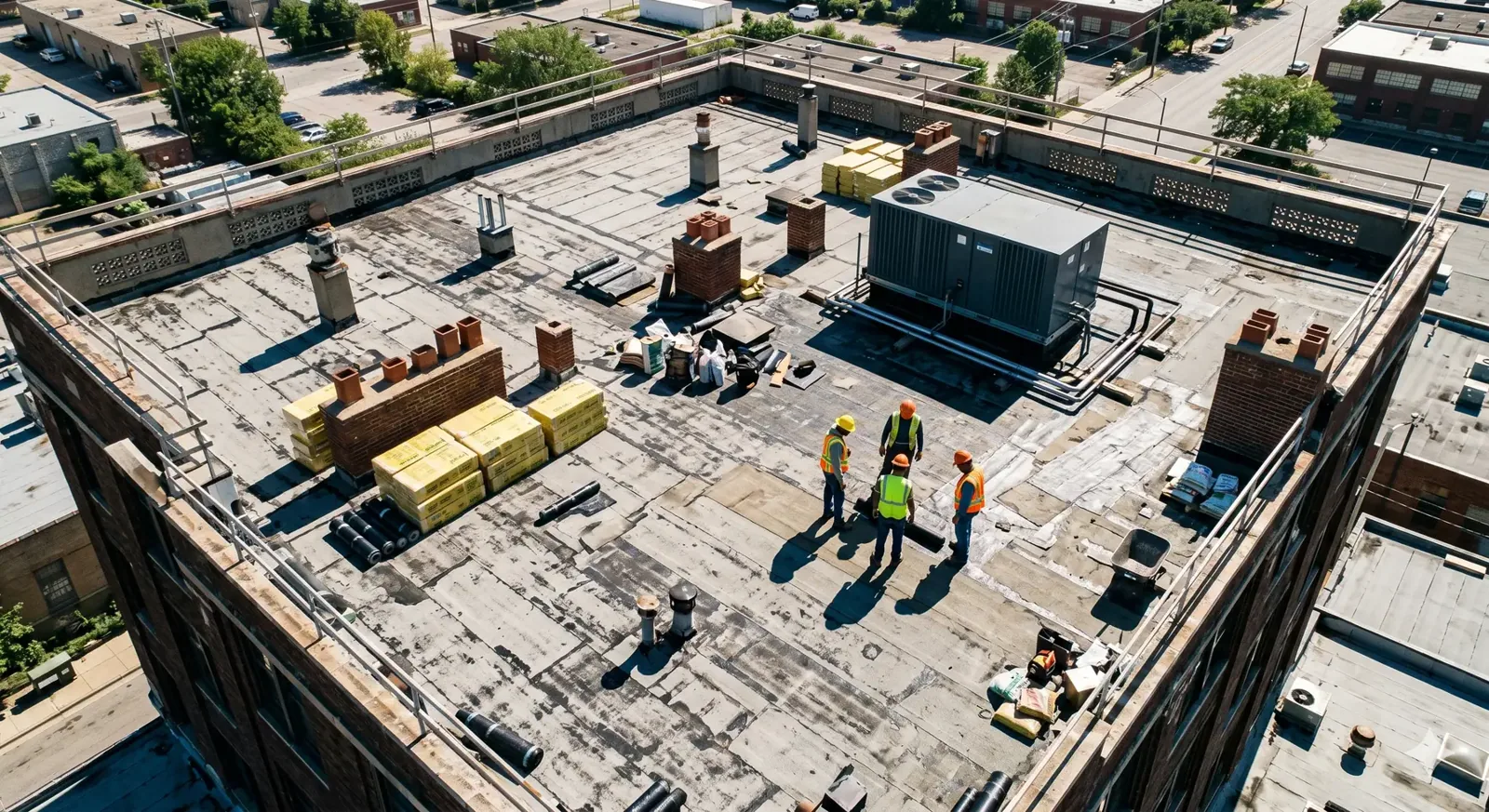
Waterbury winters can compress the period available for removal, insulation placement, and membrane closure. Snow or ice on a roof changes access and working-surface conditions, while a forecast rain event changes how much material can be exposed before dry-in. A long-range plan should distinguish the replacement line from the crew sequence: which section opens first, how that day's tie-in closes, and what happens if weather interrupts work. The schedule should reflect actual roof conditions and forecast, rather than rely on a calendar date that assumes every section behaves alike.
The compact downtown and industrial districts around I-84 and Route 8 create different staging choices, but a street location alone does not identify the roof's delivery path. We confirm loading space, lift placement, tenant routes, and rooftop equipment access with the property team before materials arrive. Where occupied floors must stay in use, a phased reroof sequence can show the access window and dry-in date for each roof section.
Choose repair, recover, or replacement from evidence
Repair can hold value when the membrane remains stable outside a known defect and the seam or flashing can be restored to sound material. Recover may be considered when existing layers are dry, adequately attached, and allowed by the project requirements. Replacement becomes more defensible when wet insulation is broad, deck condition is uncertain, edge details recur as failures, or prior patches leave no reliable tie-in. The written comparison should show what each option includes, which testing remains, and how the choice changes removal, labor, and schedule.
Cost also follows details that are easy to omit from an early allowance: tapered insulation, drain bowls, curbs, pitch pans, parapets, and metal transitions. If the building's current Carlisle product is confirmed, we set its repair limitations beside the scope for a new assembly instead of assuming that the same line is the only fit. A recover option should remain conditional on the assembly findings; replacement planning should state the tear-off boundary, insulation approach, and closeout evidence.
Preserve the product and repair record
A useful closeout file identifies the membrane family, assembly method, repair locations, accessory types, and any areas not included. Product data, photographs, test-cut notes, and project details let a later reviewer compare the installed material with the written scope. The record should identify the installed material, assembly, and completed scope so future repair starts from evidence, not the product name alone.
For Waterbury's winter planning, record drainage and perimeter observations alongside seam and Diligence Notes. A clean drain is not proof that the bowl connection is sound, and a sound field membrane does not settle the condition of the edge metal. An asset plan can track membrane names across suppliers without treating them as equivalent. Membranes from GAF or Johns Manville get their own entries in the asset file, kept distinct from Carlisle details. The next inspection can then focus on changed areas instead of repeating the same initial survey. A documented review separates active repair needs from recover or replacement options, and preventive roof maintenance keeps later observations comparable when the program returns to the same asset.
Commercial Roofing Questions
How can I tell whether a roof has Carlisle SynTec membrane?
The existing closeout file, product labels, and roof details can help identify it. We compare those records with seam type, flashing, and a field sample where needed; the brand name alone does not establish the assembly.
Does a Carlisle membrane name determine whether the roof can be recovered?
No. Moisture, deck condition, attachment, existing layers, and the project specification determine whether a recover is viable. A test cut can change the replacement line before materials are ordered.
Why do Sure-Weld TPO and Sure-Seal EPDM need different repair details?
They use different membrane materials and seam approaches. The repair scope must match the installed sheet, approved accessory, surface preparation, and transition detail rather than use one generic patch description.
What Waterbury conditions affect Carlisle roof scheduling?
The city's hazard plan identifies winter storms, including snow and ice, as a citywide exposure. We schedule around the forecast, roof access, drain condition, and the dry-in sequence for each opened section.
What should a capital estimate include beyond membrane area?
A complete scope accounts for insulation, attachment, perimeter metal, drains, penetrations, access, testing, removal, and closeout. Those details affect both the replacement line and the number of dry-in stages.
Review the existing Carlisle roof assembly
Share the product records, roof history, access rules, and capital window. A documented inspection can separate repair, recover, and replacement scopes and show which findings support each option.