A public facility manager carries a roof decision through three audiences: the staff who work under the roof, the board or council that funds it, and the procurement office that must be able to defend the scope. A good roof document serves all three. It states the condition in terms a non-roofer can follow, prices the choices in lines a budget committee can strike or approve, and gives a procurement officer a scope specific enough to bid without room for change orders. We write that document for public buildings in Waterbury, CT.
The city's downtown houses City government alongside financial, health-care, and higher-education uses, and the 2025 draft plan lists government among the pillars of the local economy. Municipal roofs in that setting are part of a larger asset base, and the document has to rank them against each other.
Start with a roof inventory the budget office can sort
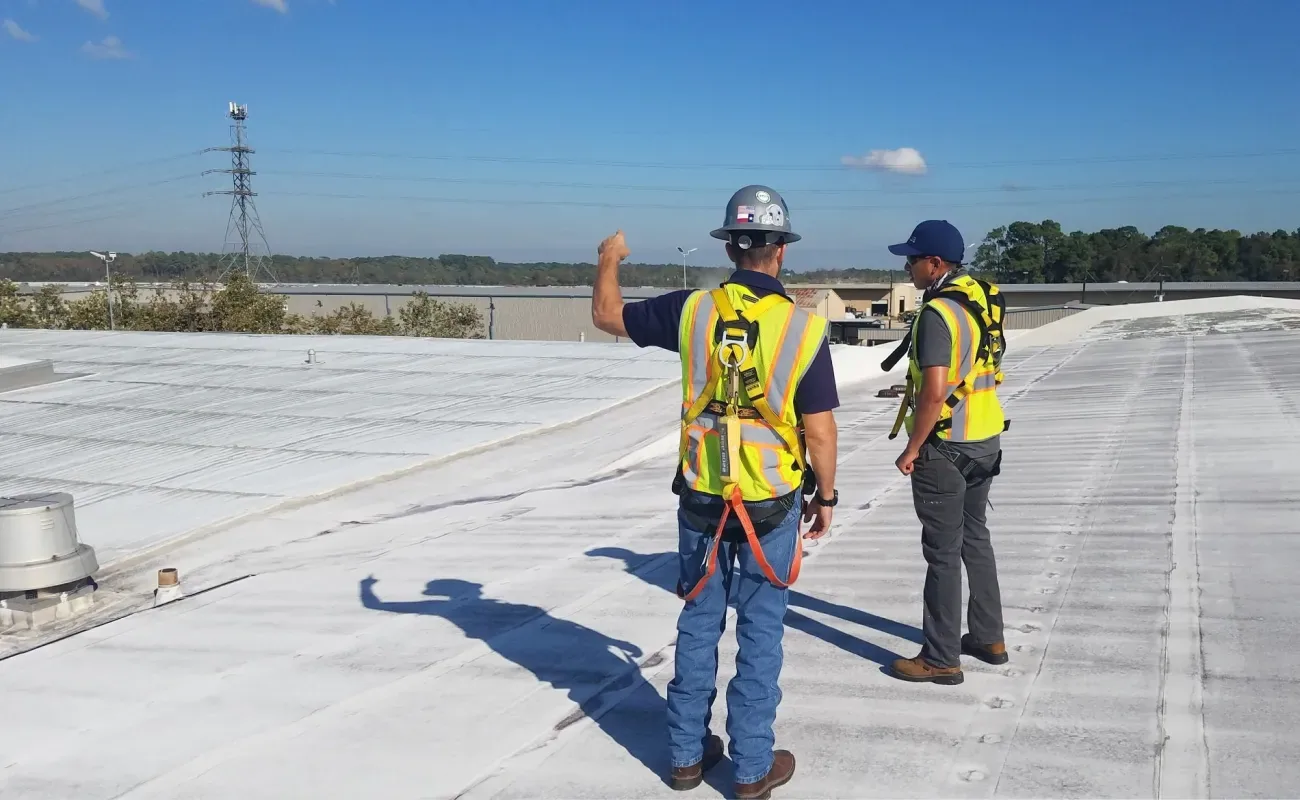
Before any one roof is priced, the agency needs a comparable list: the building, the roof sections, the system, the known repairs, the leak history, and a condition grade from a walk. We build that list from inspections and photographs and keep each building's findings separate, so a capital committee can compare them without relying on a single age estimate. The roof that looks worst from the ground may not be the first to fund.
A roof asset management record also catches sections that sit behind parapets or above mechanical rooms, which an annual building walk may miss. The inventory is updated after each repair, and the next review date is fixed so the list does not go stale between budget years.
Write a scope that can be bid and defended
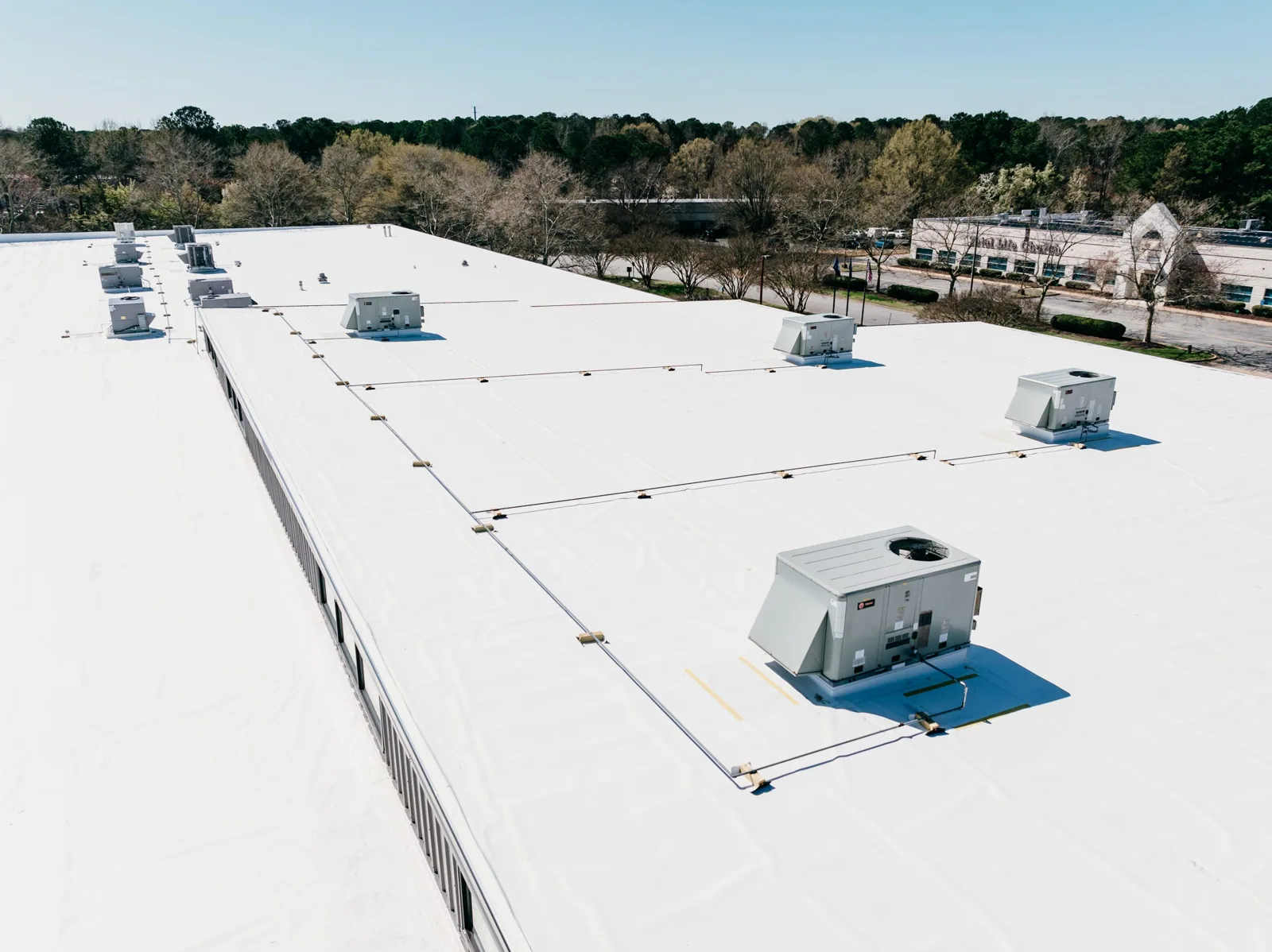
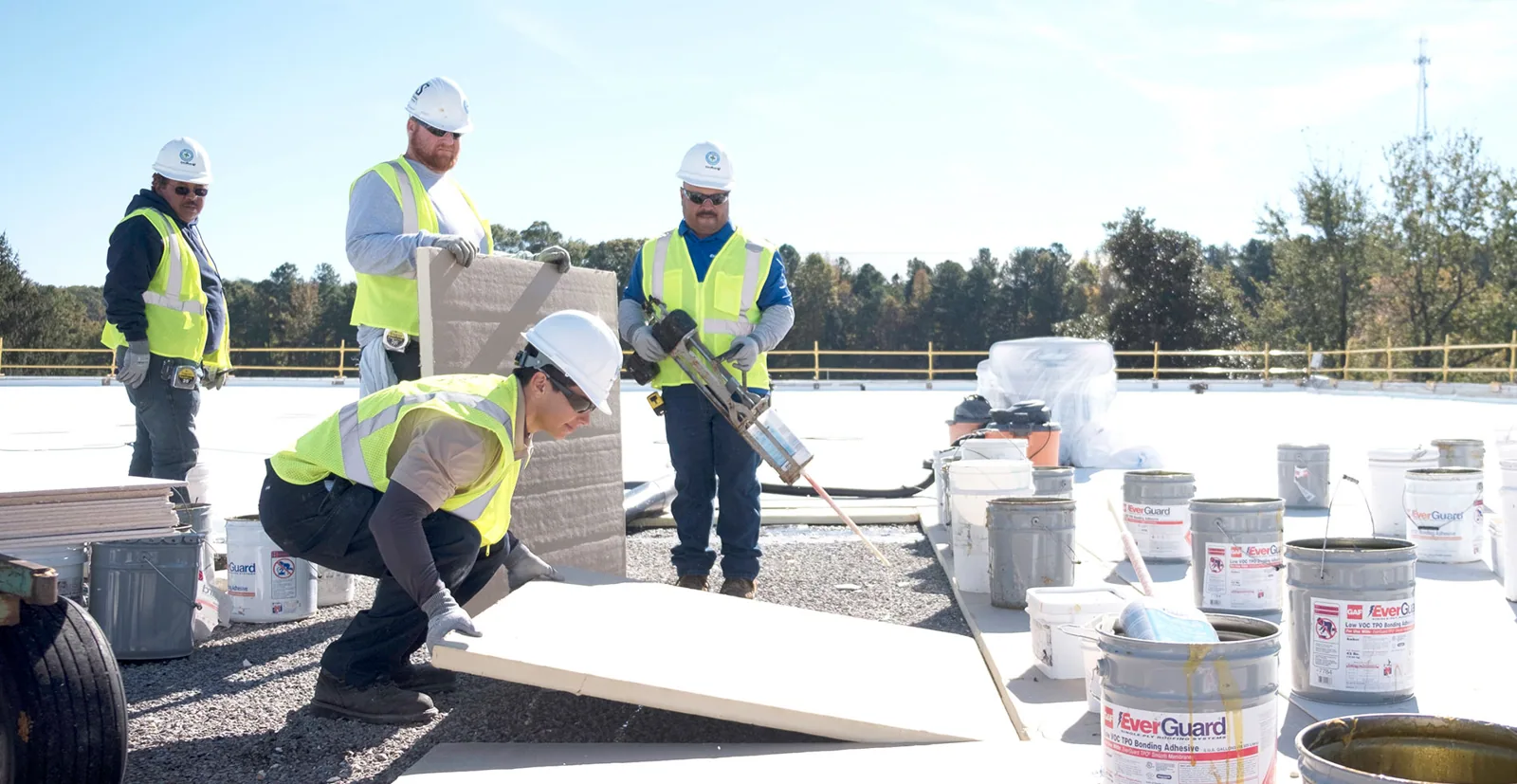
Public work is bid against a specification, and vague scopes produce either inflated pricing or change orders. We describe each roof section, the removal depth, the deck repair allowance with its unit rate and trigger, the insulation, the membrane, the flashing and edge details, and the closeout deliverables. Test cuts and photographs go into the package, so every bidder prices the same roof.
Alternates are useful in a public bid: a base scope that restores the roof, an alternate that adds insulation, and a deductive alternate that limits the work if funds fall short. We prepare those lines so the agency can award within its appropriation without rewriting the scope after bids are opened. Requirements for public bidding, prevailing wage, and insurance come from the agency, and we work to the documents it issues. If a specification calls for a product or a warranty term, we price it as written and flag any item that conflicts with the roof's actual condition before bids are due.
Plan the roof around the weather the hazard plan documents
Every part of the city faces winter storms in the hazard plan's account, from snow and ice to nor'easters and blizzards, and summer storms and tornadoes join the list of local hazards. For a public building that must remain open during an emergency, the roof is part of continuity: drains must carry meltwater, edge metal must hold in wind, and flashing must keep water out when snow loads press against a parapet.
Its rainfall planning figure is 5.54 inches in 24 hours at a 10-percent annual chance. Facility managers can use that figure to check whether outlets and overflow paths are adequate, and a drain and scupper review records what is open, what is blocked, and what needs service before the next storm season.
Treat each building type by how it is used
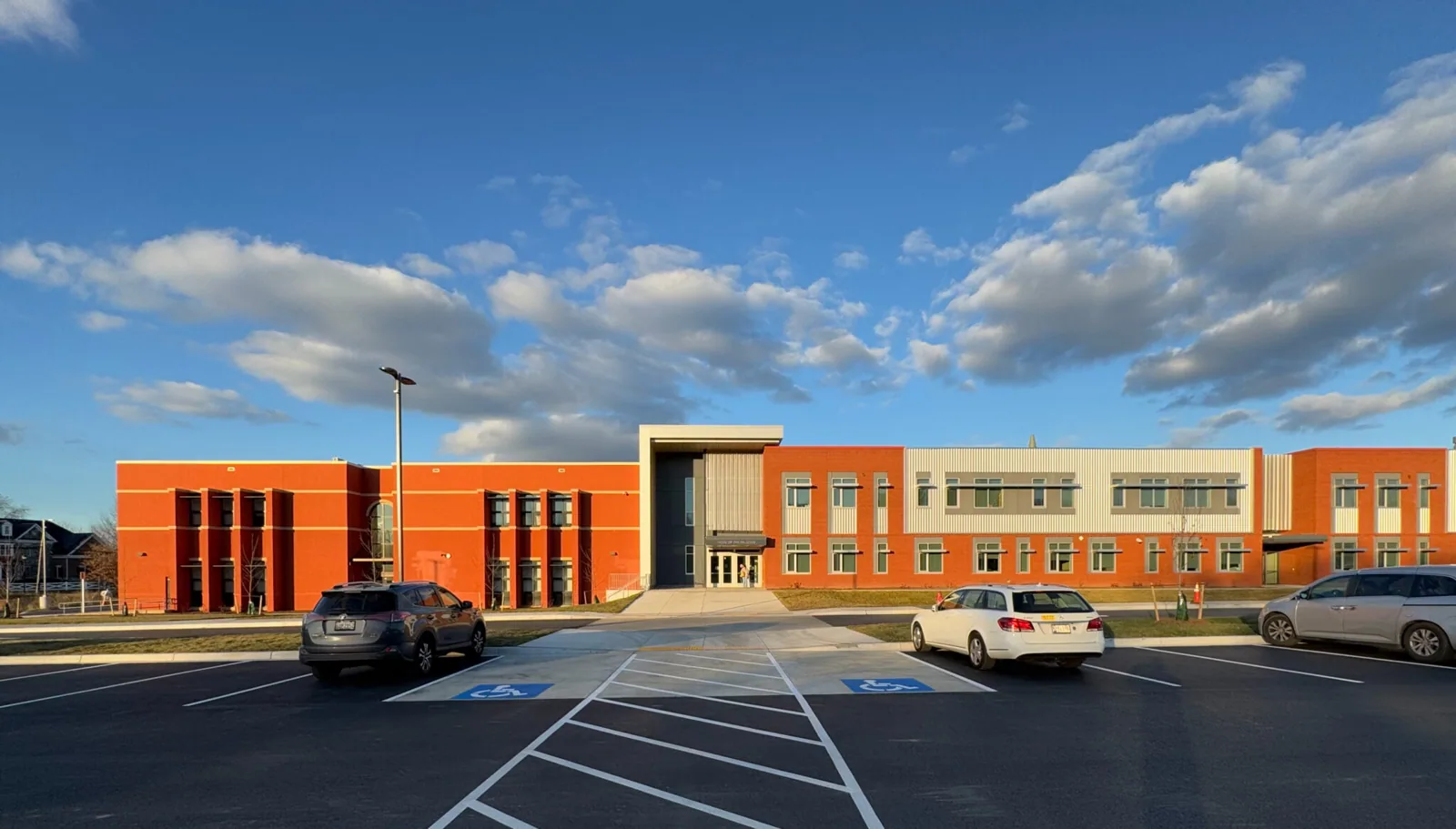
Public portfolios mix offices, public works garages, libraries, community centers, and storage buildings, and the roof priorities differ. An office roof protects records and people; a garage roof may protect equipment and fleet vehicles; a community center may host evening events that restrict access. We write the access and protection plan for each building, with the working hours the staff can accept.
Armories and similar military facilities follow their own procedures. Waterbury has an armory on the Connecticut Military Department's facility list, and work on a National Guard armory runs through the owner's access, escort, and scheduling rules, so the scope is built with the facility contact instead of from a general template.
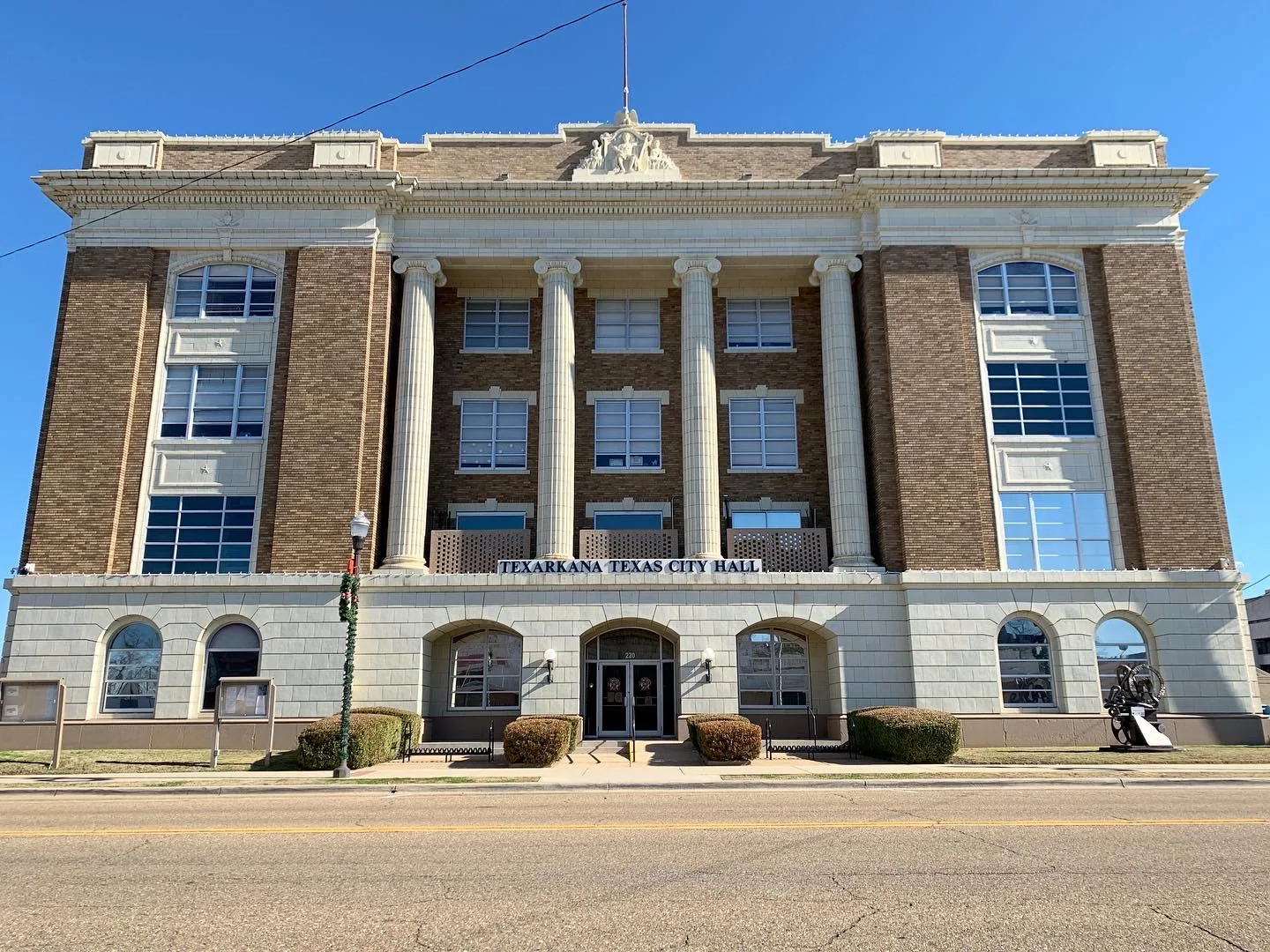
Downtown buildings sit in the compact core near the I-84 and Route 8 junction, where laydown space, lift placement, and street access have to be arranged with the city before a crane or a dumpster is ordered. We list those arrangements as separate lines with their own approvals, so a permit for a lane closure does not surprise the project manager in the week the roof is meant to start. For city offices, a government building roof plan leans on records and continuity of service.
Fit the work to the fiscal year and the permit date
Public funds arrive on a calendar, and roofing has seasons. A reroof approved in the fall may not start until spring if the weather limits adhesives and membrane installation, and material lead times add weeks. We put approval, permit review, submittals, delivery, and installation on one timeline and show where a delay in any step moves the dry-in date, so the board sees the cost of waiting as a date, not a feeling.
Connecticut's 2022 State Building Code governs permit filings from October 1, 2022, with the 2021 International Codes behind it. A reroof that touches insulation or structure is reviewed against those editions, and we prepare the application documents with the code requirements marked.
Return a closeout file that survives staff turnover
Facility staff change, and a roof record kept in someone's email does not outlast them. We deliver a closeout file with installed materials, dated photographs, test results, inspection records, warranty documents received, and open items. The file is organized by building and roof section so the next manager can find a leak history in minutes. Each building also gets a next review date, so an inspection happens because the calendar says so and not only because a ceiling stained.
The same file helps when a storm creates a claim. Agencies that coordinate with school district facilities, or with insurance restoration teams, find that a baseline record shortens the path from damage to repair. For work in Waterbury or the towns around it, the record travels with the building.
Commercial Roofing Questions
What should a roof bid package include?
Roof sections and drawings, test cut results, photographs, removal depth, a deck repair allowance with a unit rate, insulation and membrane requirements, flashing details, protection below, and closeout deliverables. The goal is that every bidder prices the same roof.
How do you estimate a roof when funds are limited?
We write a base scope that stops the leaks, then price alternates that add insulation or extend the work to other sections. The agency can award the base and add alternates as funds allow, without changing the specification.
Can work happen while the building stays open to the public?
Yes, with a sequence that limits the open area, protects entries and walkways below, and schedules noisy work outside public hours. The crew closes each section before leaving, and the access plan is agreed with the facility contact.
How is a roof inventory kept current?
After each inspection or repair, the record for that building is updated with the new photographs, the work done, and the next review date. A condition grade changes only when the field evidence changes.
What does the closeout package contain?
Installed materials, dated photographs by section, test results, inspection records, warranty documents received, and any open items. It is filed so the next facility manager can use it without asking the contractor.
Send the building list and the budget calendar
Share the facilities, the roof drawings, any leak history, and the approval dates. We will inspect, build the inventory, and return scopes that a committee can fund and a procurement office can bid.