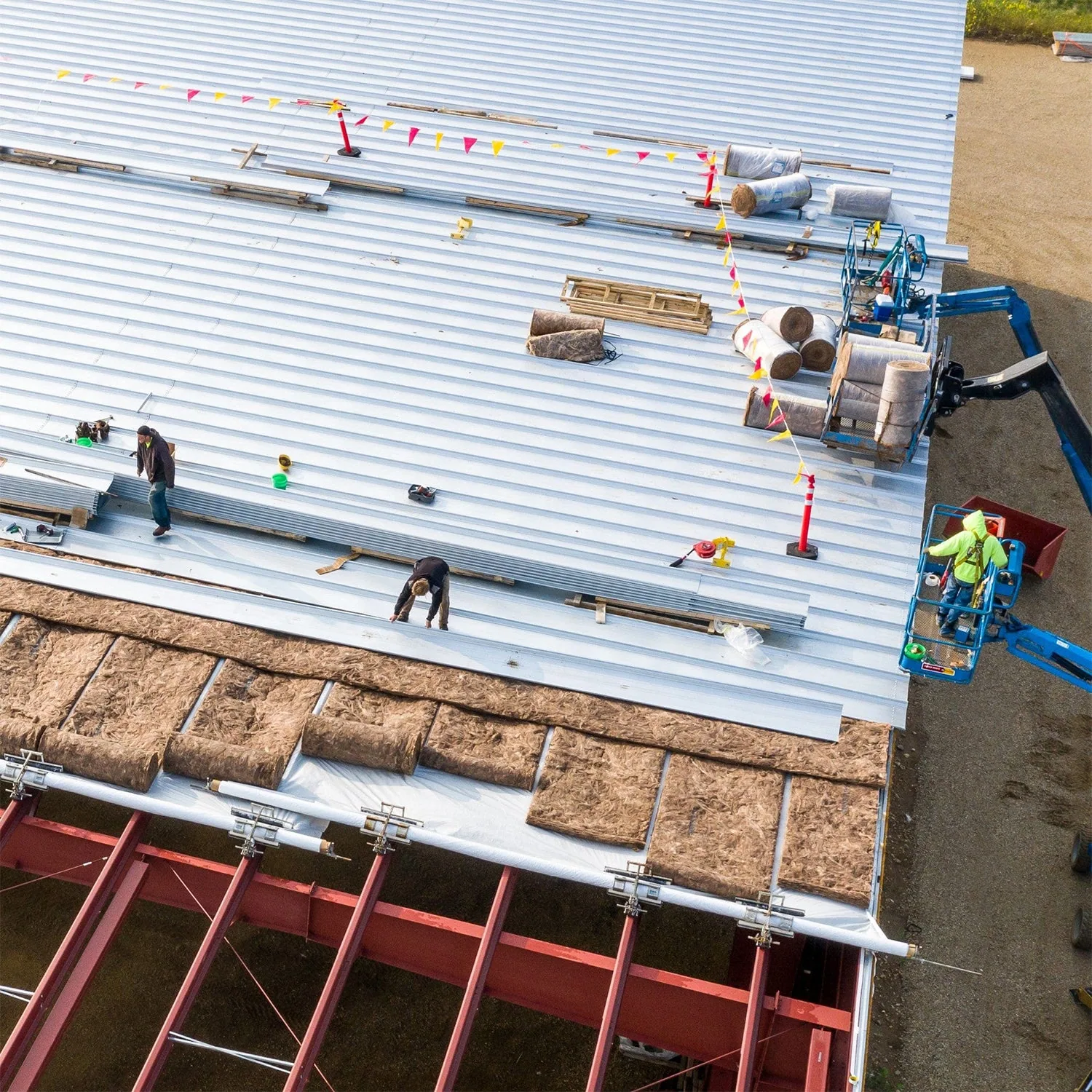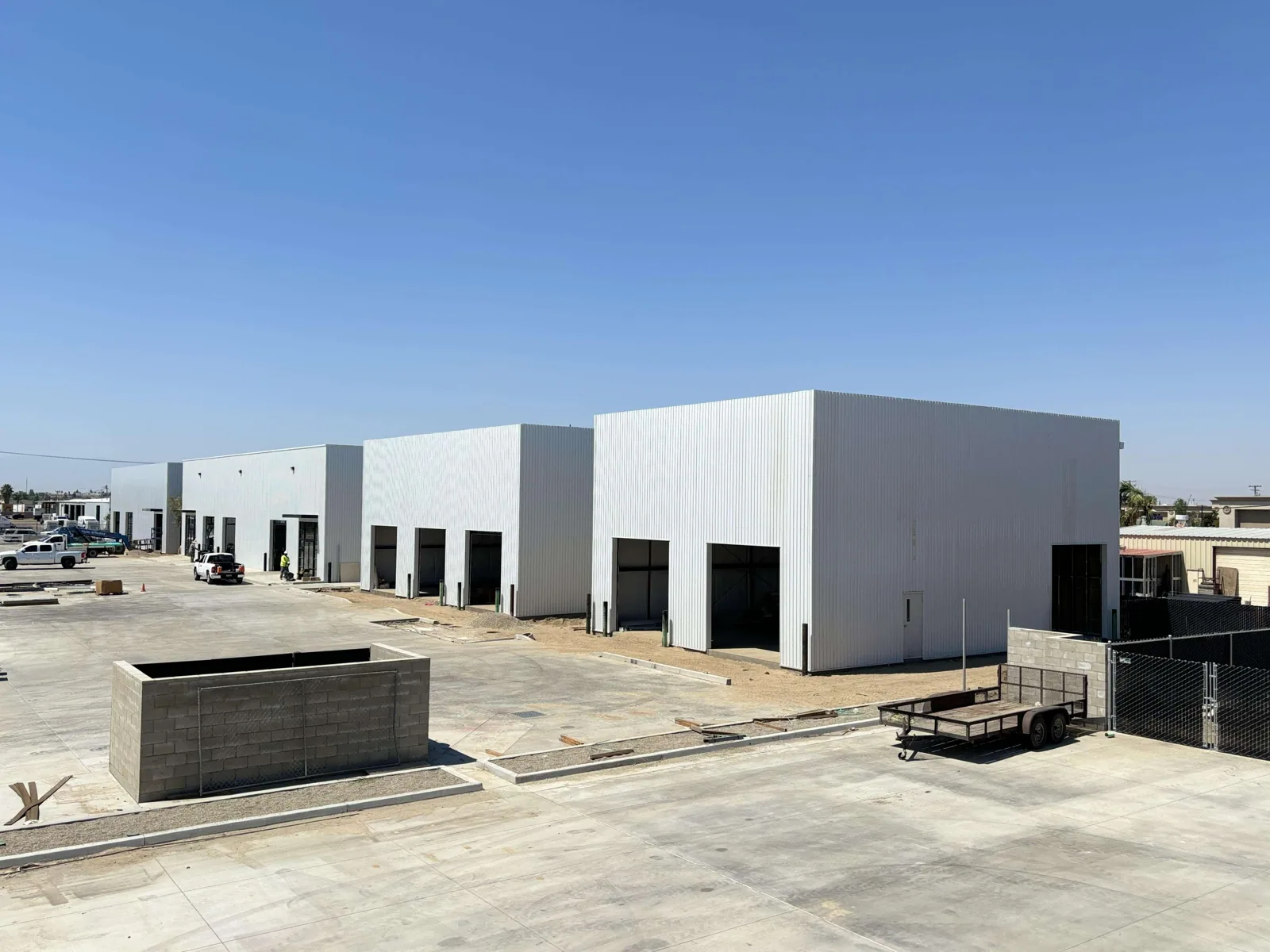
An adjuster, a restoration contractor, and a building owner look at the same damaged roof and need three different documents from it. The adjuster needs cause, date, and extent. The restoration contractor needs a dry-in plan and a scope that can be priced. The owner needs to know whether the claim will fund a repair, a recover, or a replacement. We write one field record that serves all three on Waterbury, CT buildings: dated photographs, a marked roof plan, the moisture findings, and a plain statement of what the evidence shows and what it cannot show.
Waterbury's hazard plan names summer storms and tornadoes as local hazards, treats the entire city as exposed to winter storms, and says historical tropical-cyclone damage here has most often been associated with flooding. Each of those leaves a different mark on a roof, and the claim file reads better when the damage is tied to the right mechanism.
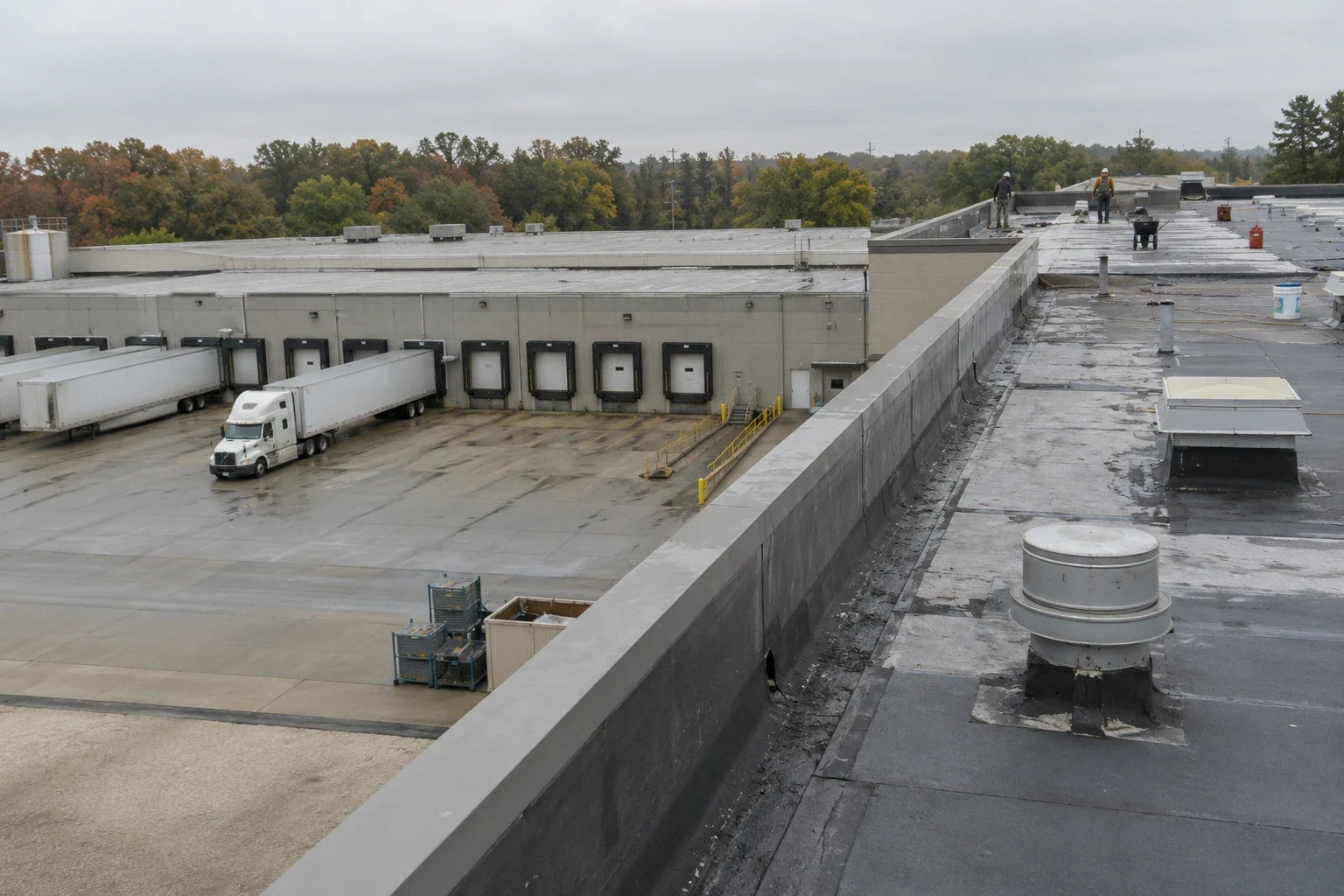
Separate storm damage from wear before the scope is written
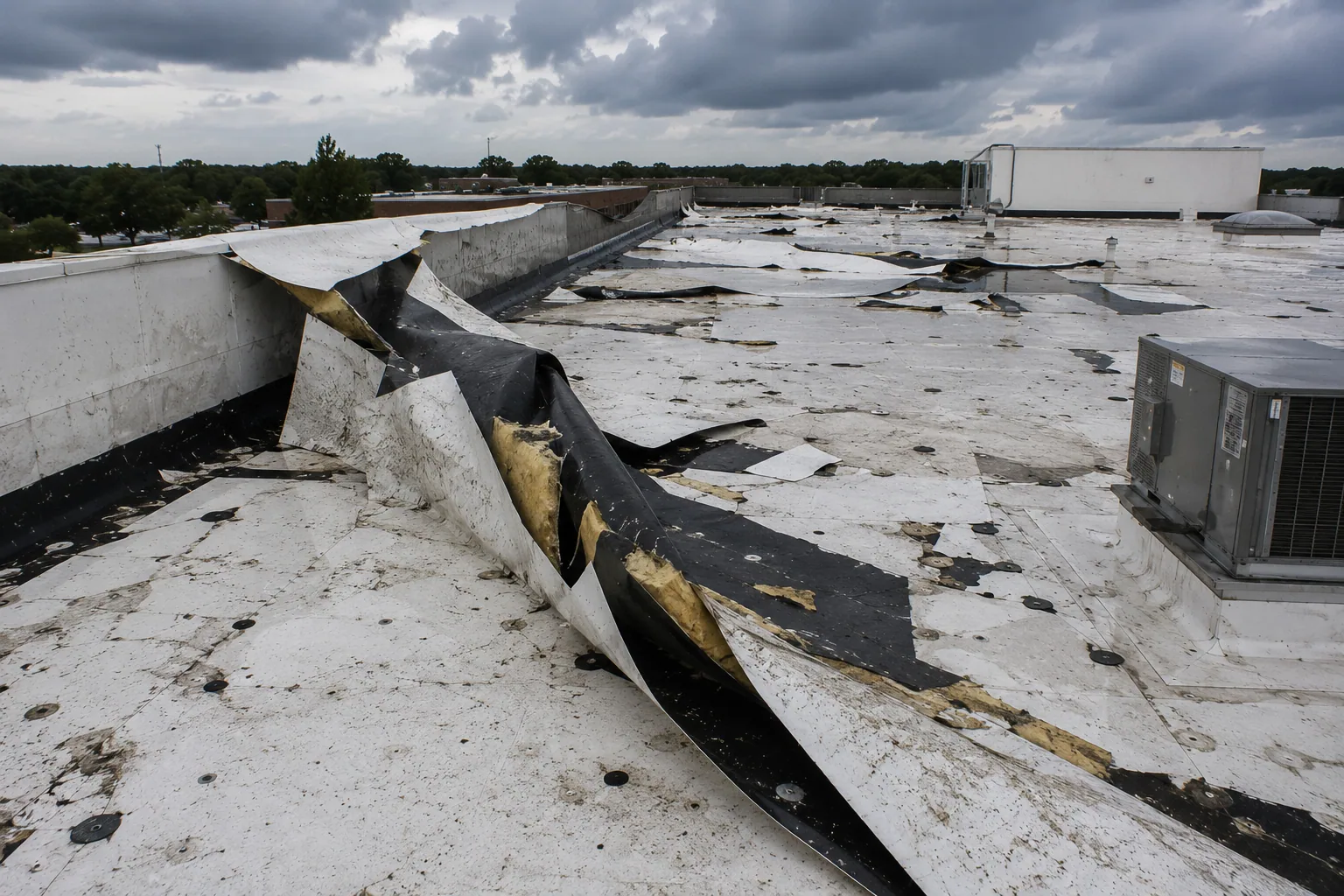
A roof that fails during a storm is not always a roof the storm damaged. Torn membrane at a lifted edge, bent coping, or a punctured sheet beside a fallen limb points to the event. Open seams along a long run, alligatored flashing, and a dark wet line along a drain path usually point to age or maintenance. We photograph both kinds of evidence and label them, because a claim file that blends them invites a dispute that delays the repair.
We do not decide coverage; that belongs to the carrier. Our job is to describe the condition so the person who does decide has an accurate picture. When the cause is mixed, we say so and give the repair line for each part, so the owner can move on the covered portion while the rest waits for a capital window.
Tenants complicate the file. A property manager who receives the first call usually knows which suite reported the stain and when, and that chronology is useful evidence. We ask for the tenant report, the work order history, and any earlier roof repair invoices, and we compare them with what the roof shows. A leak reported twice at the same curb before the storm tells a different story from one that first appeared the morning after.
Protect the building before the adjuster arrives
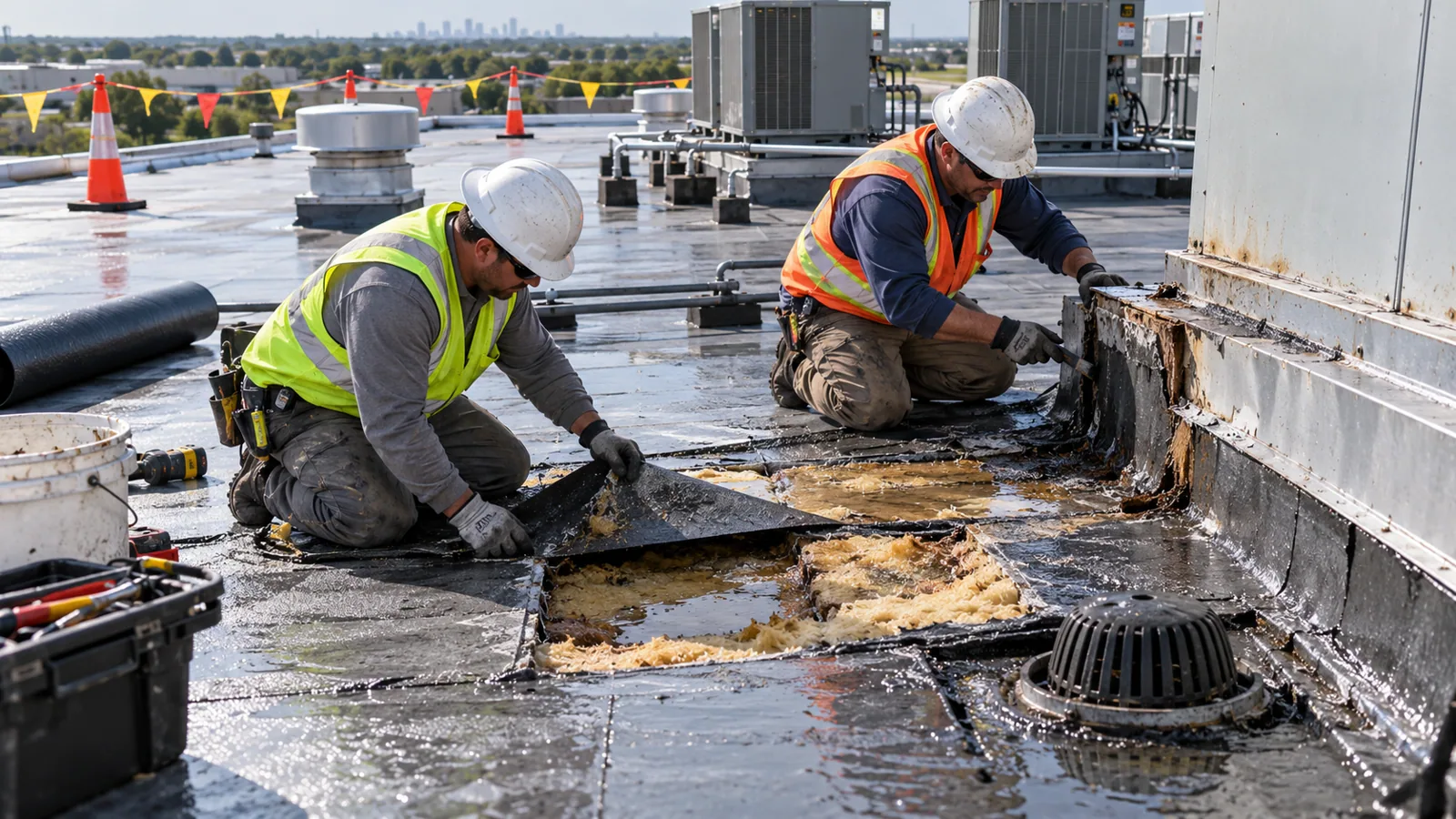
Water entering a building keeps causing damage while the claim is opened, and a policy usually expects the owner to take reasonable steps to limit it. We tarp, board, or seal the opening, photograph the roof before and after the temporary work, and keep the receipts and the description together for the file. The repair is described as temporary, with the permanent scope held until the adjuster has seen the original damage.
Round-the-clock availability, holidays included, helps here because a storm does not arrive during business hours. A storm damage repair that starts the same day often keeps a ceiling and a tenant space dry that would otherwise need interior restoration.
Use moisture mapping to size the wet area
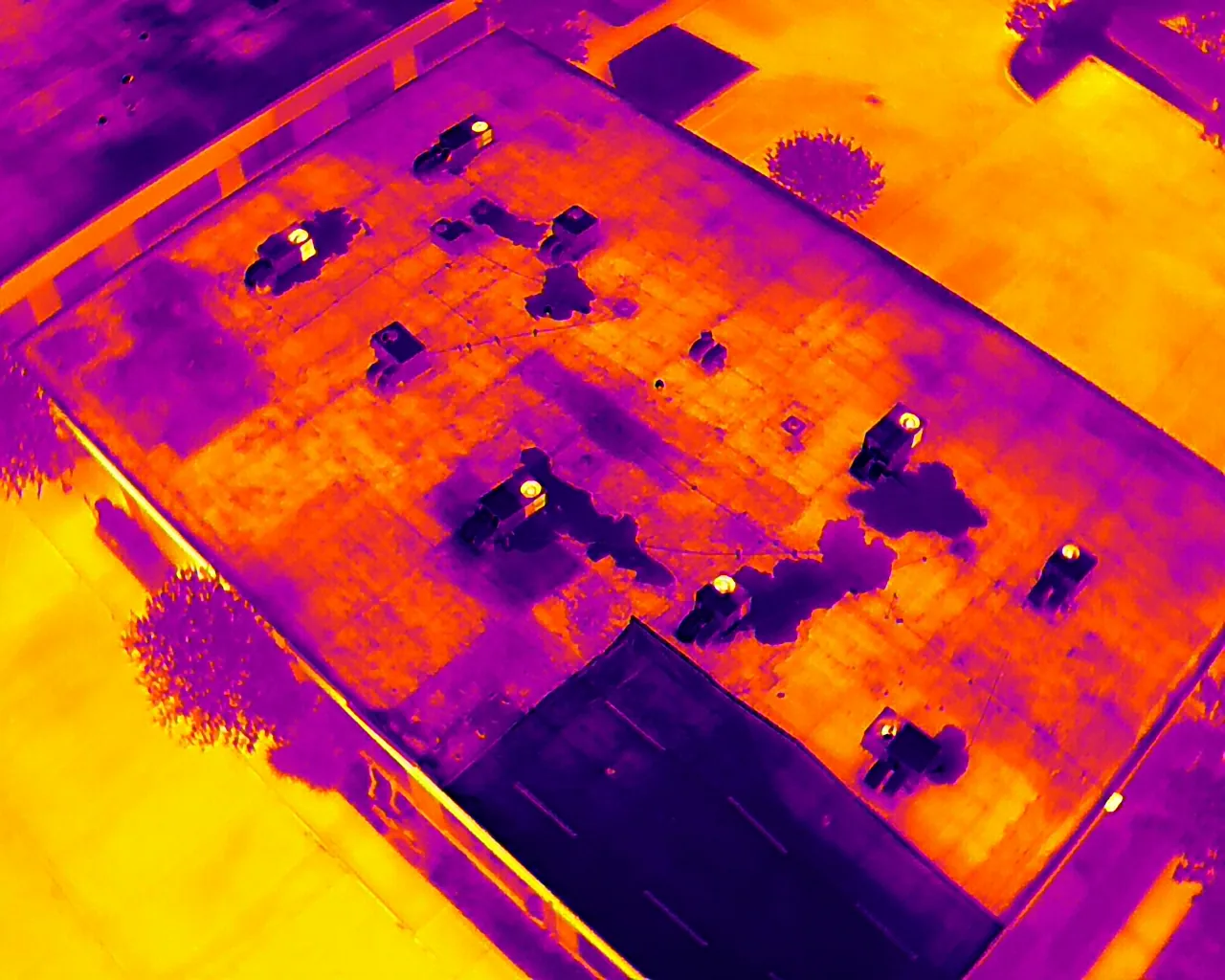
Surface damage can understate what happened underneath. Water that enters at a split seam can spread through insulation and travel along the deck before it shows at a ceiling, so the visible hole may be small while the wet area is large. An infrared scan at the right time of day, followed by test cuts at the anomalies, gives the adjuster and the contractor a measured boundary, not an estimate made from stains.
That boundary is worth money on both sides of the table. Marked sections show the insulation that has to be removed and the sections that can stay, and a moisture survey in the file makes a later dispute about scope far less likely. The test cut locations are logged so they can be found again.
Tie the damage to the weather that Waterbury actually has
Wind lifts membrane at edges, corners, and parapets, and a wind damage repair starts with the attachment at those zones. Snow and ice load drains, bend flashing, and open seams at freeze-thaw cycles. Flooding from a tropical system matters mostly to low roofs, below-grade mechanical space, and drains that cannot keep up.
The hazard plan reports a 24-hour rainfall estimate of 5.54 inches for an event with a 10-percent annual chance, and it projects heavier extreme precipitation for Connecticut. We use those figures to ask whether outlets and overflow paths can carry a storm that large, and we record what we find at each drain, so a claim for water damage shows the roof's drainage condition as well as the hole.
Write the estimate in lines that a carrier can compare
A restoration estimate is easier to approve when it is divided the way an adjuster divides it: temporary protection, removal, deck repair, insulation, membrane, flashing, edge metal, and cleanup. We mark which lines come from observed damage and which are code or permit items. Permit filings from October 1, 2022 onward follow Connecticut's 2022 State Building Code, drawn from the 2021 International Codes, and that can affect what a replacement must include.
Where the carrier and the contractor disagree, the evidence is the answer. We bring the test cut results, the photographs, and the measurements to the discussion, and we revise the estimate if the evidence supports it. A claim documentation service that reports facts and not conclusions is useful to everyone on the file.
Timing is part of the estimate. Insulation and membrane have lead times, a permit review takes calendar days, and winter limits how long a section can stand open, so we put the expected dry-in date on the estimate and say which approval could move it. An adjuster who sees that date can decide whether temporary protection needs to stay longer.
Close the claim with the record the next policy period needs
After repair, we deliver closeout photographs, installed materials, and any condition that remains open, so the owner has a baseline for the next event. If a roof section was repaired to a boundary and the rest remains aged, the file says so, and the owner can plan the remaining capital work with an actual date.
Restoration teams often work beside a general contractor who is handling interior rebuild, and the roof schedule sets the interior start date. We share the dry-in date early so drywall and finishes are not ordered before the roof is closed. For commercial owners across the region, from Waterbury along I-84 and Route 8, the same sequence applies in each town.
Commercial Roofing Questions
What should an adjuster expect from a field report?
Dated photographs, a marked plan, moisture readings where measured, a description of cause supported by what was seen, and a separate list of conditions that look like wear. We do not state coverage conclusions.
Does temporary protection affect the claim?
Reasonable steps to limit damage are normally part of the process, and the file should show them. We photograph before and after, describe the method, and keep the invoice with the report.
How do you size the wet area on a low-slope roof?
We scan for temperature anomalies, then confirm with test cuts and a moisture meter at the marked locations. The result is a drawing of wet and dry sections that the carrier and the contractor can both use.
What if the damage is mixed with older wear?
We label each condition, price the storm-related repair separately, and show the cost of the aged portion as its own line. The owner then knows which part to bring to the carrier and which part to carry as capital.
When does a claim lead to full replacement?
When the wet area crosses several sections, the deck is damaged, or the remaining membrane cannot hold a repair. The report states the evidence for that conclusion section by section, with a repair alternative priced beside it.
Send the loss date and the first photographs
Share the date of loss, the policy contact, access rules, and what you have photographed so far. We will protect the opening, document the roof, and return a scope the adjuster can review.