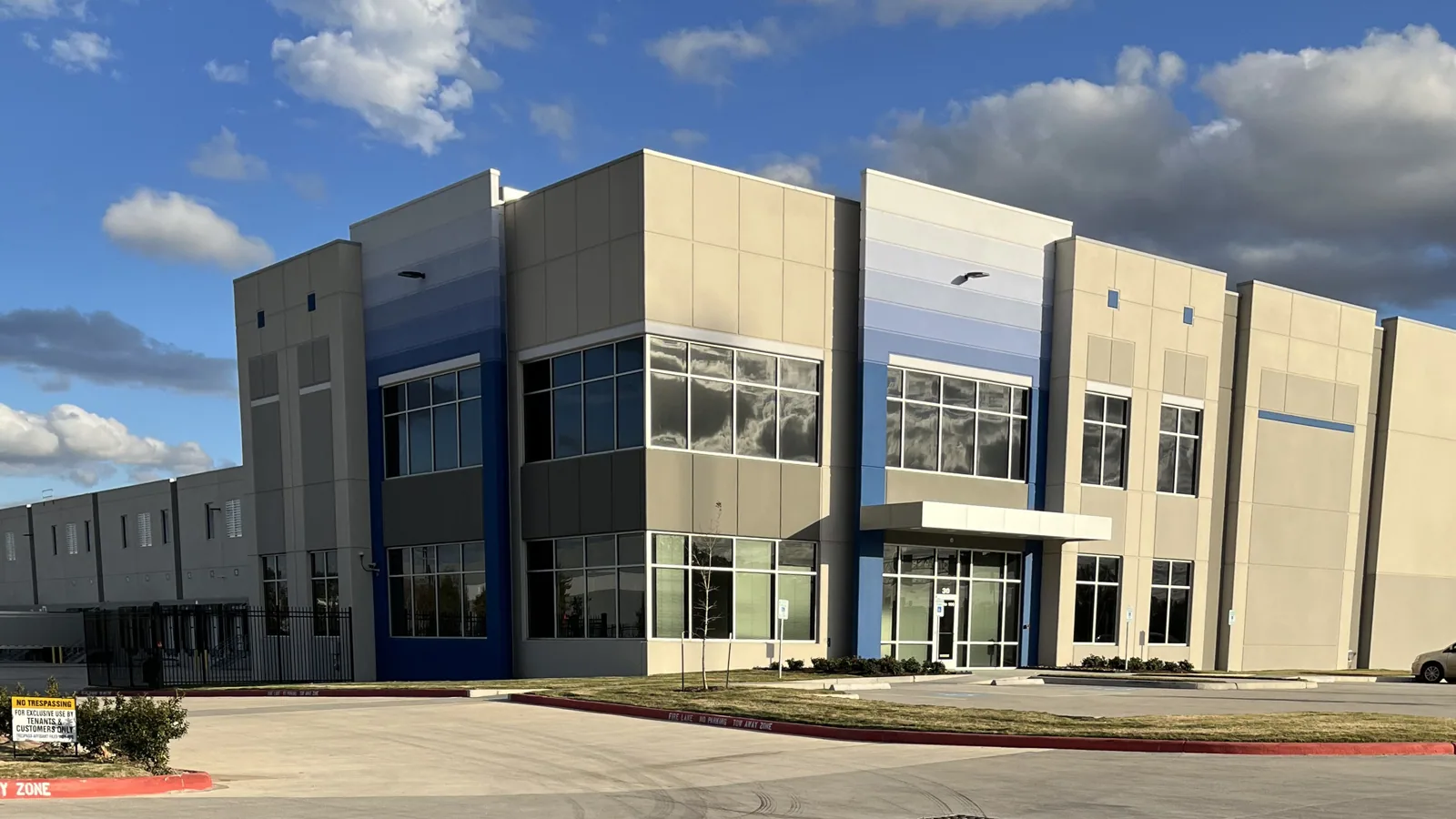
The wind claim and the repair estimate rarely start from the same photograph, and the gap between them is where an asset manager loses time. A storm passes, a corner of membrane is found lifted, and by the time the carrier, the tenant and the roofer have each looked at it, three different areas have been named as the damaged section. The first useful step is to fix one boundary on a roof plan, with dated photographs, so that the budget discussion and the claim discussion refer to the same square footage.
An owner in Waterbury, CT works under a municipal hazard plan that lists summer storms and tornadoes as local hazards and describes hurricane and tropical-storm wind and rain as a vulnerability. That is planning context for the cost conversation, not a diagnosis of any one assembly. What decides the scope is what the roof shows: where the sheet moved, what held, and what the test cut finds under the lifted area.
Photograph the Perimeter Before Pricing Anything
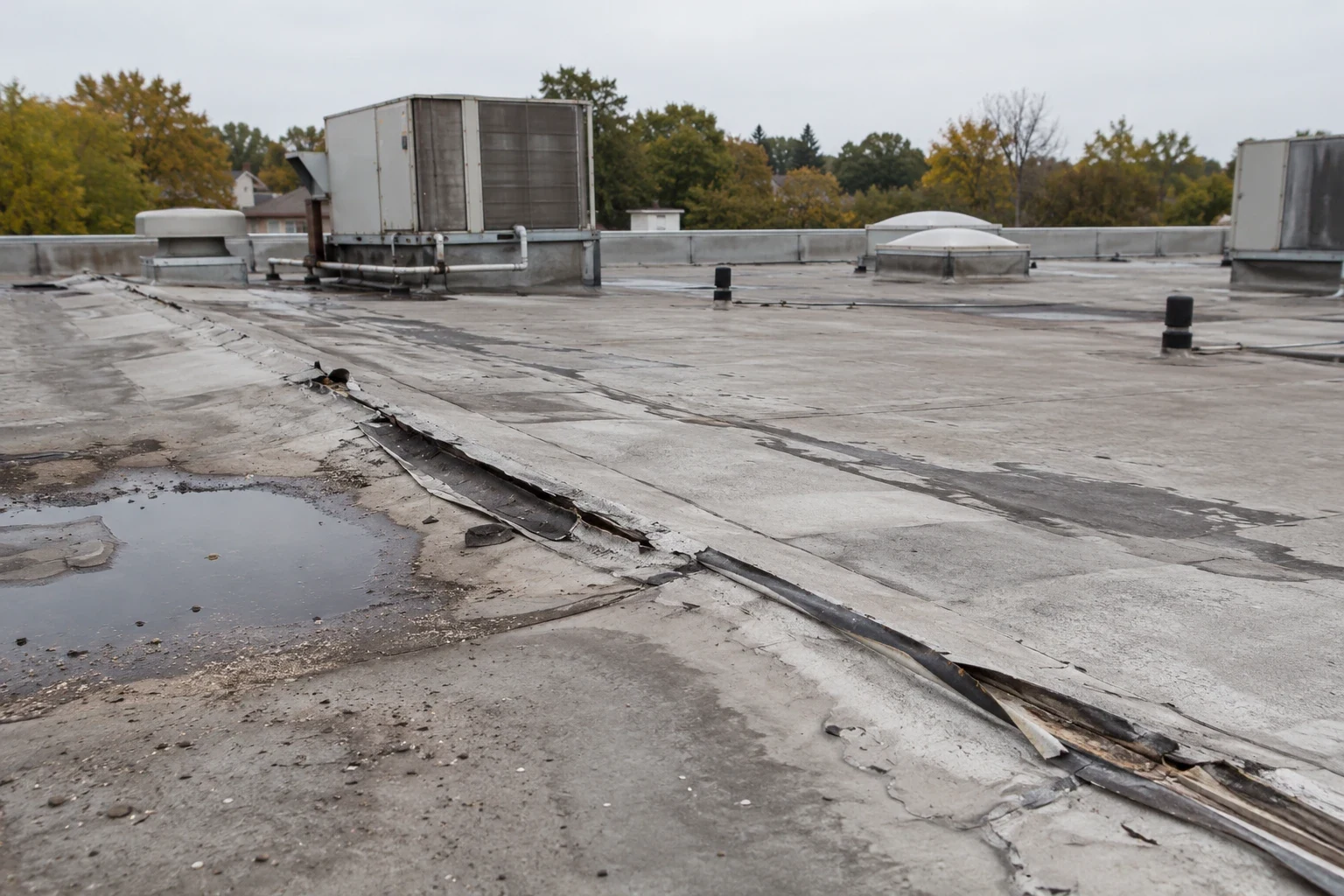
Wind enters a roof at its edges, so the first pass walks the perimeter and records every coping joint, every piece of fascia metal and every corner where the membrane meets a wall. We photograph from a marked position, number the roof section, and write the observation beside it: loose, displaced, bent, missing, or sound. A coping that has shifted a half inch is a repair item; a coping that is gone is a dry-in item with a different cost and a different urgency.
The same walk records what is not damaged, which matters just as much to the estimate. Sections with tight edges and flat membrane are excluded from the repair boundary in writing, and the exclusion is dated. That record protects the owner in two directions: it keeps a claim from being inflated to cover wear, and it keeps the repair scope from being cut back to a patch that leaves a lifted edge in place.
Separate Wind Damage From Age and Wear
Wind damage has a pattern. It concentrates at corners, along windward edges and near parapets, and it shows fresh breaks, clean tears and lifted fastener plates with bright metal. Age and wear spread more evenly, with chalked surface, dull seams and edge metal that has loosened over many seasons. When a report places both on one roof, the owner gets two lists with two budgets, one tied to the storm and one tied to the capital plan.
This separation shapes the decision between repair and recover. If the damage is confined to an edge zone and the field of the membrane is sound, a repair is the reasonable scope. If wind exposed insulation or the field is near the end of its service horizon, the written comparison adds a recover option with the evidence for and against it, so the owner is not choosing between a patch and a full tear-off by default.
Settle Attachment Questions With a Pull Test
In a mechanically attached system, wind lifts the sheet between fasteners and works the plates loose; in an adhered system, it breaks the bond line and leaves a blister or a peeled flap. Both can look the same from the ladder, and the repair differs. A fastener pull test on a sample of plates, taken at the edge and in the field, shows whether the deck still holds them, and a hand test of the bond shows how far the adhesion has failed.
Where the lift reached the seams, seam failure repair applies, and wall terminations that moved are handled as flashing failure. The result sets the repair boundary. We extend the work past visible damage until the sheet and attachment test sound, mark the boundary on the plan and quote the area. If the test finds weak holding strength in the deck itself, the scope carries an allowance for deck repair, named as an allowance, with the test and the approver stated, so the number can be confirmed when the area is opened.
Set the Dry-In Date Against the Forecast
A lifted edge that is left open admits water with every storm, and the cost of interior damage can exceed the cost of the roof repair within a few weeks. A temporary dry-in is therefore priced and scheduled first, often within a day, using a membrane patch, a secured sheet over the opening, or temporary edge metal. The permanent work then waits for a stretch of weather that suits welds and adhesives.
The dated municipal annex calls summers warm and wet and winters freezing, and the hazard plan exposes the entire city to winter storms. Those descriptions are not a forecast, but they explain why the dry-in date and the closeout photos belong in the cost discussion: a repair left open into December faces a different set of conditions than one closed in August. The quote names the dry-in method, how long the stopgap should last and the date permanent work is due.
Plan Access for the Downtown Core and the Industrial Districts
Around the I-84 and Route 8 junction the city plan places a compact central business district, with industrial districts and mixed-use commercial corridors on every side. Where a building sits in a compact core, street-level staging space is limited, so the access plan goes into the estimate: where the lift can stand, what hours the street can be occupied, and which tenant must be told.
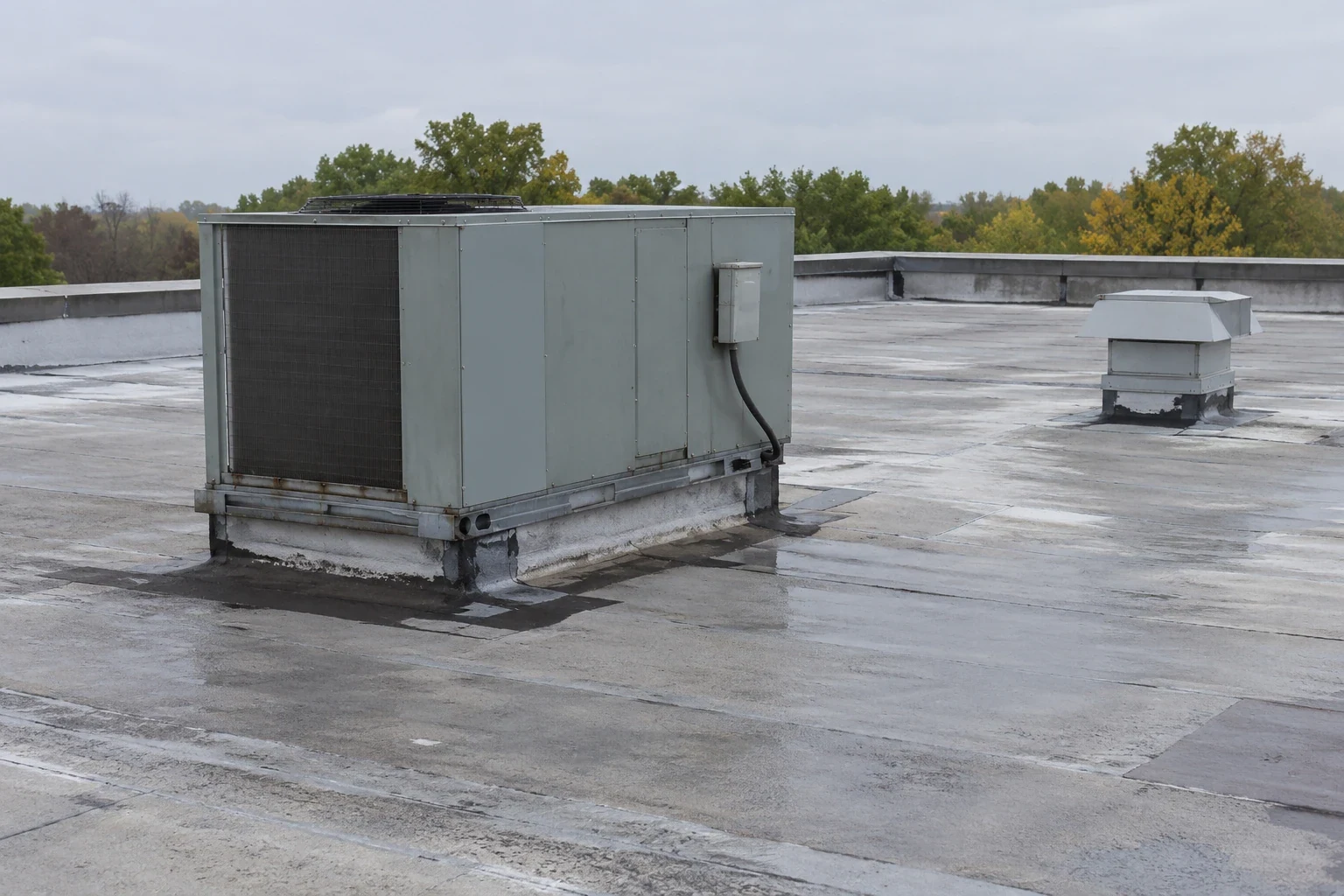
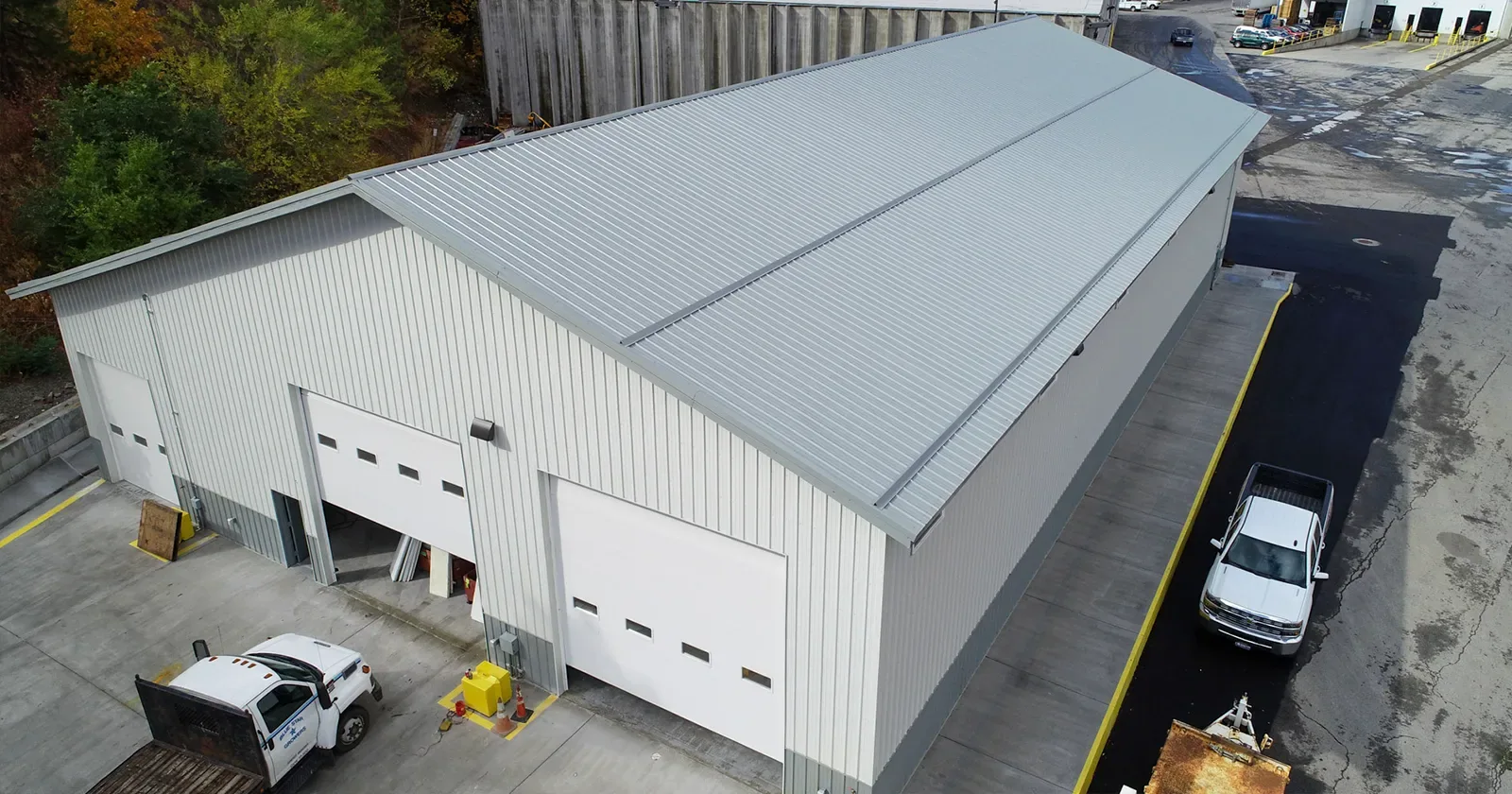
On industrial roofs, such as the older industrial lands the city plan places along the Naugatuck River, the access question is different. Roof area, rooftop equipment and operating schedules govern. Whether the building is a manufacturing plant or a warehouse, we tie each repair area to a roof section number so the schedule and the claim refer to the same place.
Take the Decision With the Evidence Attached
The written scope lists each damaged section, the cause we found, the repair boundary, the test results, the allowances and the permit position. The current Connecticut State Building Code, drawn from the 2021 International codes for building and energy and applied to filings from October 1, 2022 onward, means a repair that replaces much of a section gets code review before the price is final.
The asset manager then has what is needed for a capital decision: a repair price, a recover price where the evidence supports one, the dry-in date and the closeout photographs that will document the work. Owners with several properties across Waterbury and nearby towns can request the same format for each building, which lets the wind-related spending be compared across the portfolio.
Commercial Roofing Questions
How do I keep a wind claim and a repair scope aligned?
We fix one repair boundary on a roof plan with dated photographs before either is priced, and any change to the boundary is marked on that plan. The claim and the scope then describe the same area.
When is a lifted edge a repair and when is it a recover?
Repair the edge when the field of the membrane and the insulation test sound and the damage stops at the perimeter. Consider a recover when wind exposed insulation or the field is near the end of its service horizon. The test cut and a moisture scan decide it, not the size of the lift.
Should I approve a temporary dry-in before the claim is settled?
Yes, when water is entering or the forecast shows rain. Document the damage first with photographs, then approve the stopgap and record its method and expected life. Delay costs more in interior damage than the stopgap does.
What does a fastener pull test add to the estimate?
It shows whether the deck still holds the fasteners, which sets the repair boundary and any deck allowance. Without it, the scope has to guess. A few test points at the edge and in the field are enough to price the work.
Will a wind repair trigger a code review?
A small repair seldom does. A repair that replaces a large share of a roof section may, and Connecticut's State Building Code in force at the permit date governs insulation and assembly. We list the expected permit date in the scope so the figure holds.
Send the access rules, the roof records and the permit window
Send the roof plan, any past reports, the access rules for each building and the capital or permit window you are working to. We will inspect, separate wind damage from wear, and deliver a written scope with repair, recover and replacement options and the evidence behind each.