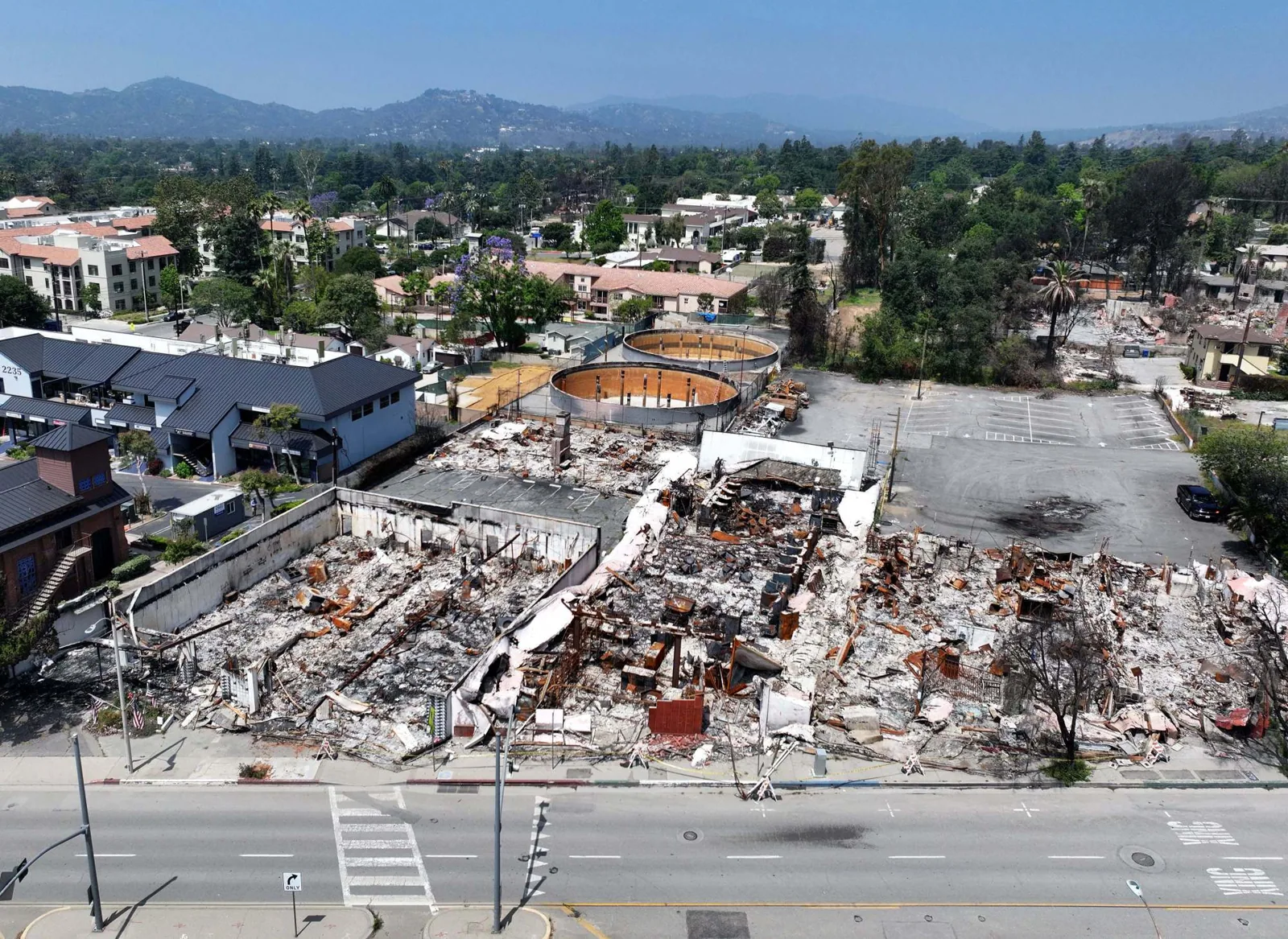
Storm repair cost and timing depend on the area that cannot stay dry, the detail that failed, and how much material must be removed to reach sound work. We first inspect accessible roof sections, photograph visible conditions, and identify what needs temporary protection. Waterbury's hazard plan lists tropical-storm wind and rain, summer storms, tornadoes, and winter storms across the city. Those hazards inform readiness; the roof findings determine whether damage is present and what repair is justified.
The downtown near I-84 and Route 8, the river-side industrial lands, and mixed-use corridors such as South Main create different access constraints. They do not share a single damage pattern. We record the affected building, work window, and evidence so an asset manager can distinguish a confirmed repair from further testing or a capital decision.
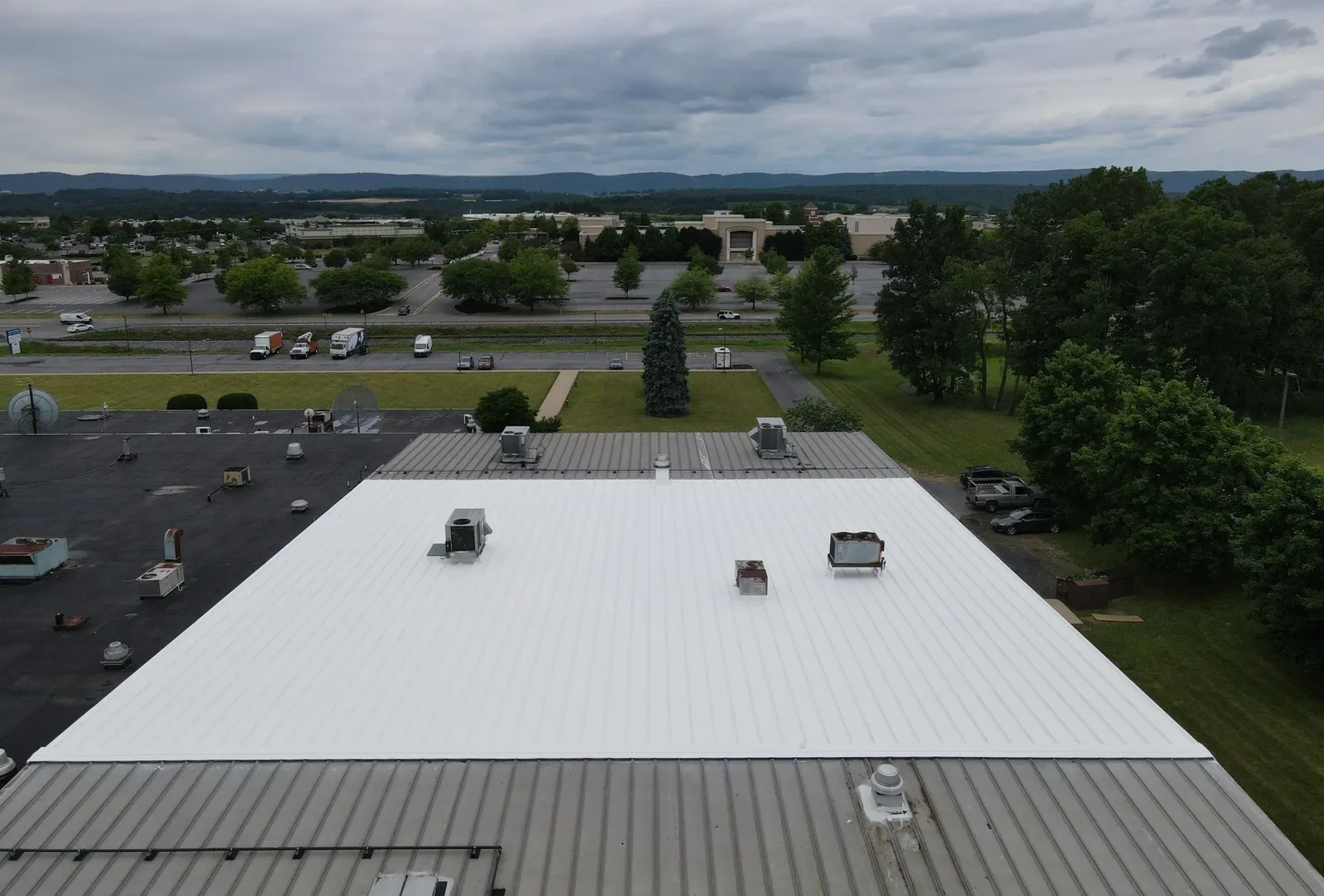
Inspect the Roof Before Assigning a Cause
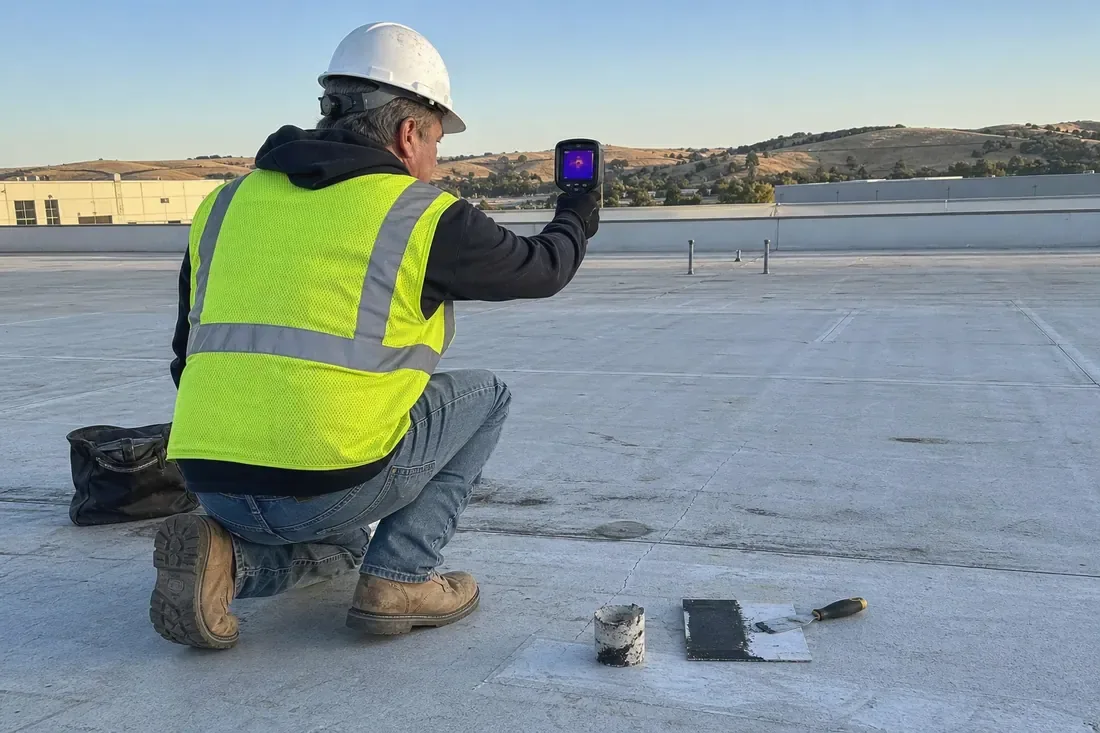
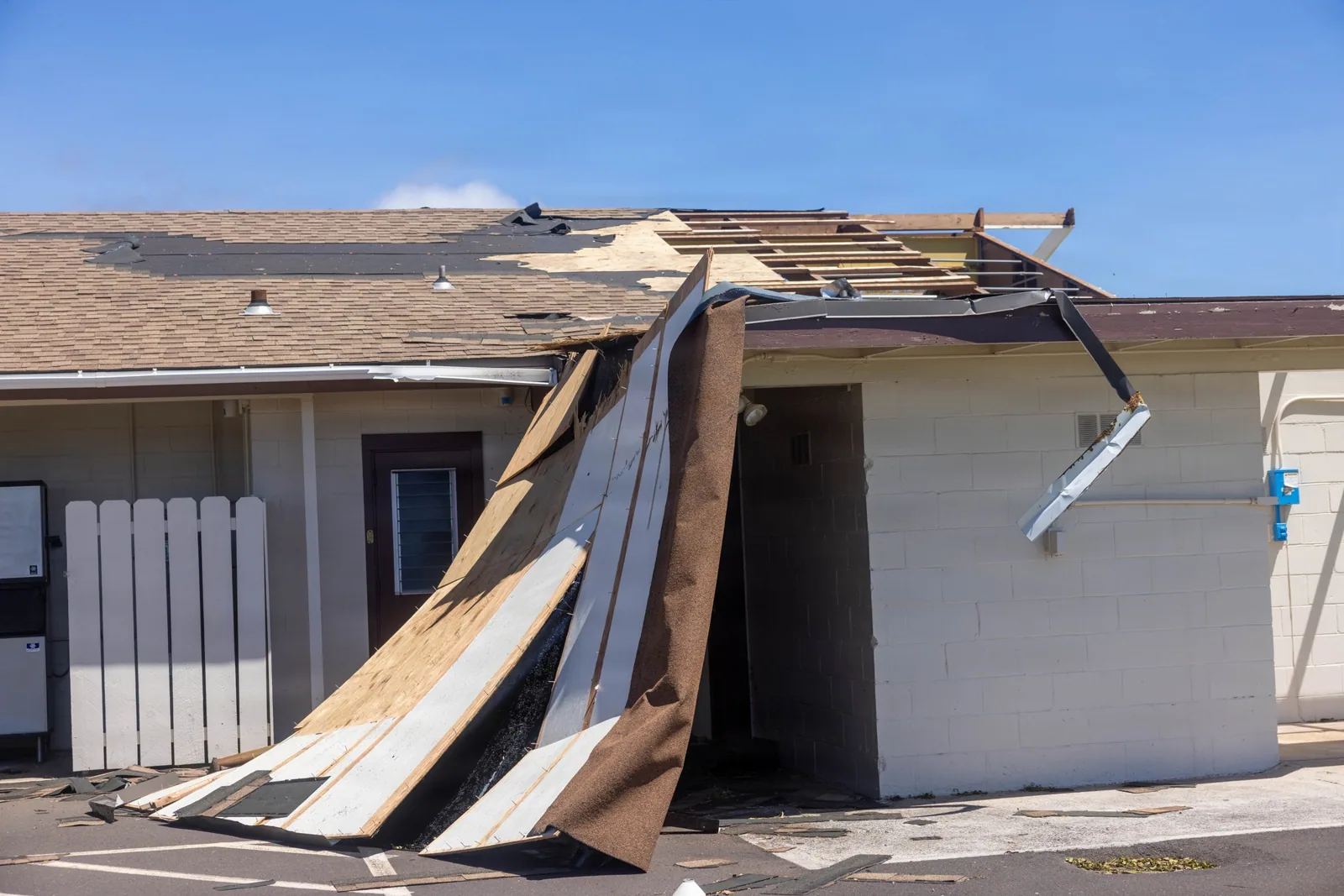
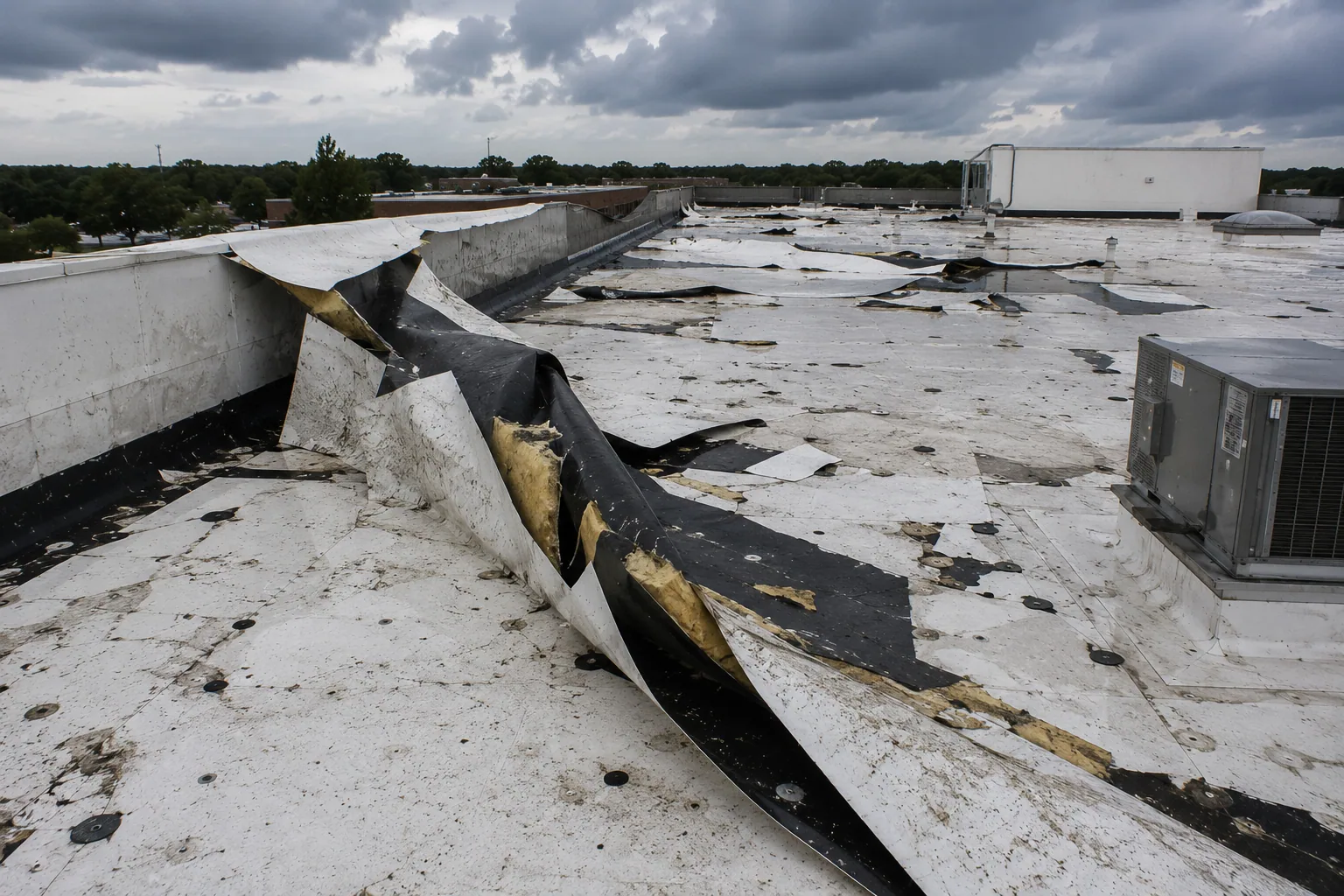
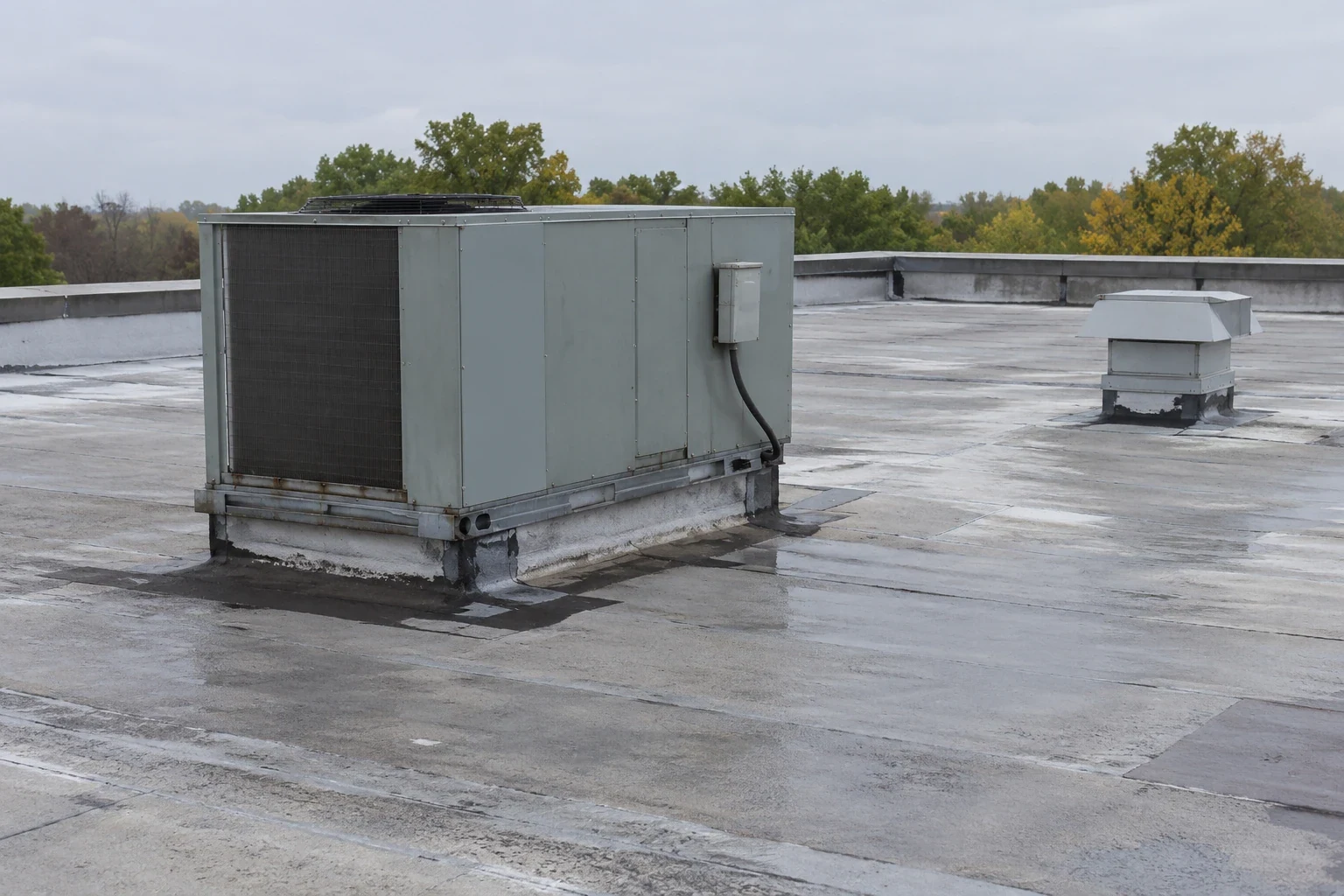
We check accessible seams, flashings, edge metal, coping, gutters, drains, penetrations, and rooftop equipment supports. Wind-related movement may leave a termination lifted or a panel displaced; water may also enter through a pre-existing opening that became visible during a storm. We photograph each observed condition and compare it with prior repair notes when they are available. The report does not assign a cause from a ceiling stain alone.
The municipal hazard record attributes most historical cyclone-related damage in Waterbury to flooding. That citywide history is useful context, but it does not prove that a particular leak came from a storm or flood. We identify water entry, wet insulation, and deck conditions through inspection or testing, then separate what was seen from what remains concealed. A commercial roof inspection can set the condition map, and photo documentation can preserve the findings for later review.
If the roof cannot be reached safely, we record the access limit and any interior protection completed. We return when conditions permit, rather than infer the condition of an unseen section. If the owner reports an event date or related interior damage, we note it as supplied information and keep that timeline distinct from the roof conditions we can confirm.
Control Active Entry and Set a Dry-In Boundary
Where water is entering now, the first action is to protect the space below and limit exposure through a safe temporary measure. We identify the opening that can be reached, inspect nearby details, and state what the cover or dry-in can protect. Temporary protection is not a permanent repair; it may leave concealed moisture or adjacent damage for a later review. The work record identifies the area treated and what remains outside the temporary boundary.
A storm affecting operations near South Main may require a different access window from work in a Waterbury industrial district. We confirm the site contact, roof access, staging, equipment restrictions, and occupied areas before mobilization. If immediate response is needed after hours, our emergency line is staffed around the clock, including weekends and holidays. A commercial emergency response can address active entry before the lasting repair quantity is known.
We establish a closure point for each shift, including how the roof will be left dry and who verifies interior conditions. If wind, rain, ice, or surface moisture prevents safe permanent work, we record the reason and the conditions needed for the return visit. This keeps emergency stabilization and the repair proposal separate in both scope and schedule.
Measure the Permanent Repair
A lasting repair must remove or rebuild the failed detail and terminate on material that can accept the work. We inspect the surrounding membrane, seam, flashing, substrate, and attachment for related defects. When wet insulation or weak deck appears after opening, we measure the exposed area and present the changed boundary before extending removal. The estimate distinguishes known quantities from allowances tied to concealed conditions.
Waterbury's winter plan includes snow, sleet, ice, nor'easters, and blizzards, while summer storms and tornadoes are also listed locally. We use that exposure to consider dry-in and access timing, not to assume the cause of a specific defect. A wind damage assessment can document lifted edge details when inspection confirms them; a snow and ice review can record visible conditions after a winter event.
Cost and schedule depend on access equipment, removal depth, deck and insulation condition, material compatibility, disposal, edge reconstruction, and interior protection. A repair proposal should state preparation, materials, tie-ins, dry-in, and closeout requirements. If failures cross several sections, a replacement comparison can show how tear-off quantities and continuity change the capital decision.
Coordinate Access Across the Work Area
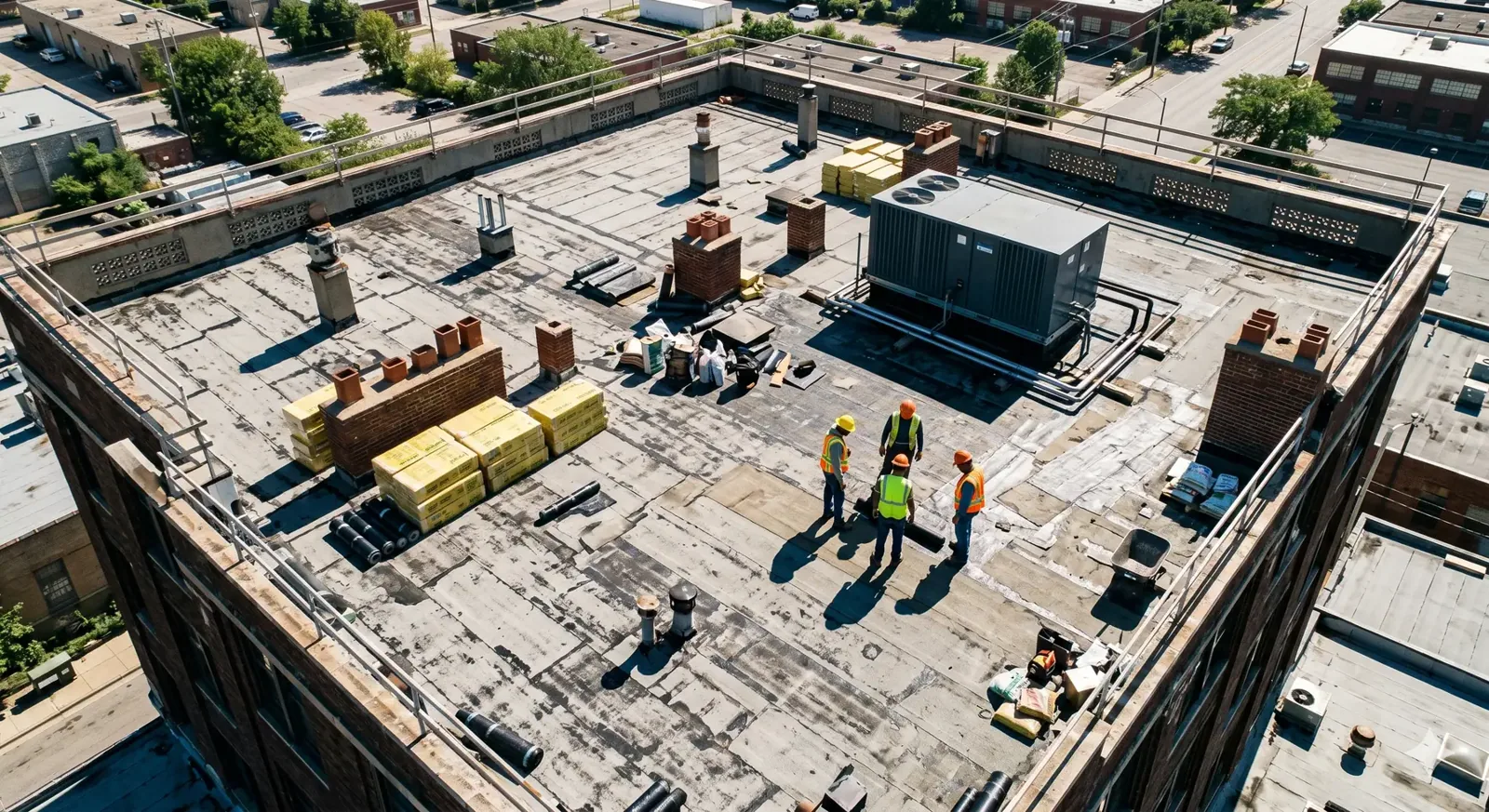
Waterbury's compact central district sits near the I-84 and Route 8 junction, and industrial property extends along the Naugatuck River. Those city patterns frame a staging discussion, and each property's loading entrance and access rules come from its manager. We confirm delivery routes, roof entry, security procedures, and any operating area below. The general contractor can then align the roof sequence with other repairs and site operations.
For a mixed-use corridor such as East Main or South Main, customer access and occupied hours may shape delivery and debris removal. We document those site instructions and separate them from the repair conditions. A phased occupied-roof plan can describe work zones, interior protection, and daily closure points. If a trade must disconnect equipment, the proposal names the release condition before the roofing detail is restored.
Work across multiple sections should show which area is included now and which remains for a later phase. This lets the owner compare an immediate repair with a broader bid without assuming the same work window throughout the property. A Waterbury roof review can record local context, while each building's actual measurements set the repair scope.
Preserve the Evidence for the Next Review
The closeout records the event information supplied by the owner, inspection date, roof sections reached, visible conditions, temporary work, and permanent repair. We label photos by zone and show the tie-in, preparation, and final detail. If an area remained inaccessible or concealed, the report states that limitation and identifies the next test or visit needed. The file should separate storm-related observations from conclusions that require additional evidence.
Keep the roof plan with invoices, prior condition reports, repair records, and relevant interior notes. That helps the asset manager compare the same seam or transition after future weather. If the evidence indicates widespread moisture or repeated damage, we can price further testing and replacement as separate choices rather than fold them into an emergency repair total.
Bring the work orders, roof history, access instructions, and any event documentation already available. We can inspect accessible conditions, define the repair boundary, and identify what remains before the property team approves the permanent scope. The result is a usable record of what changed, what was repaired, and what still requires a decision.
Commercial Roofing Questions
Does a storm report prove the roof damage was caused by that event?
A report of a storm provides timing context, not the roof's cause. We inspect the actual detail, compare available prior records, and state what evidence supports a storm-related condition or leaves another explanation open.
What happens first when water is entering during a storm?
We protect people and contents, confirm the safest access, and limit active entry with temporary measures when feasible. The record names the area treated and remaining limits, then a permanent repair is scoped once roof and weather conditions allow it.
How do you document lifted edge metal or a failed seam?
We photograph the condition with its roof section and nearby details, note the extent that can be inspected, and record any opening or wet material. A repair boundary is measured from sound attachment and material rather than from a general event description.
When should storm repair be compared with replacement?
If multiple roof sections show related failures, moisture extends beyond a local detail, or the substrate is compromised, we compare a larger scope with repair. Test cuts or a broader inspection may be needed before removal quantities are set.
Can repairs be phased around operating areas?
Yes, when access and weather support a secure daily closure. We identify the area opened, protection below, trade handoffs, and return conditions, then confirm the sequence with the property contact and general contractor.
Document Storm Conditions and Repair Scope
Share the roof history, access rules, affected areas, event documentation, and any active work order. We can inspect accessible sections, protect current entry, and define the permanent repair boundary.